نشأة النص الماسوري للعهد القديم Masoretic Text

نشأة النص الماسوري للعهد القديم Masoretic Text

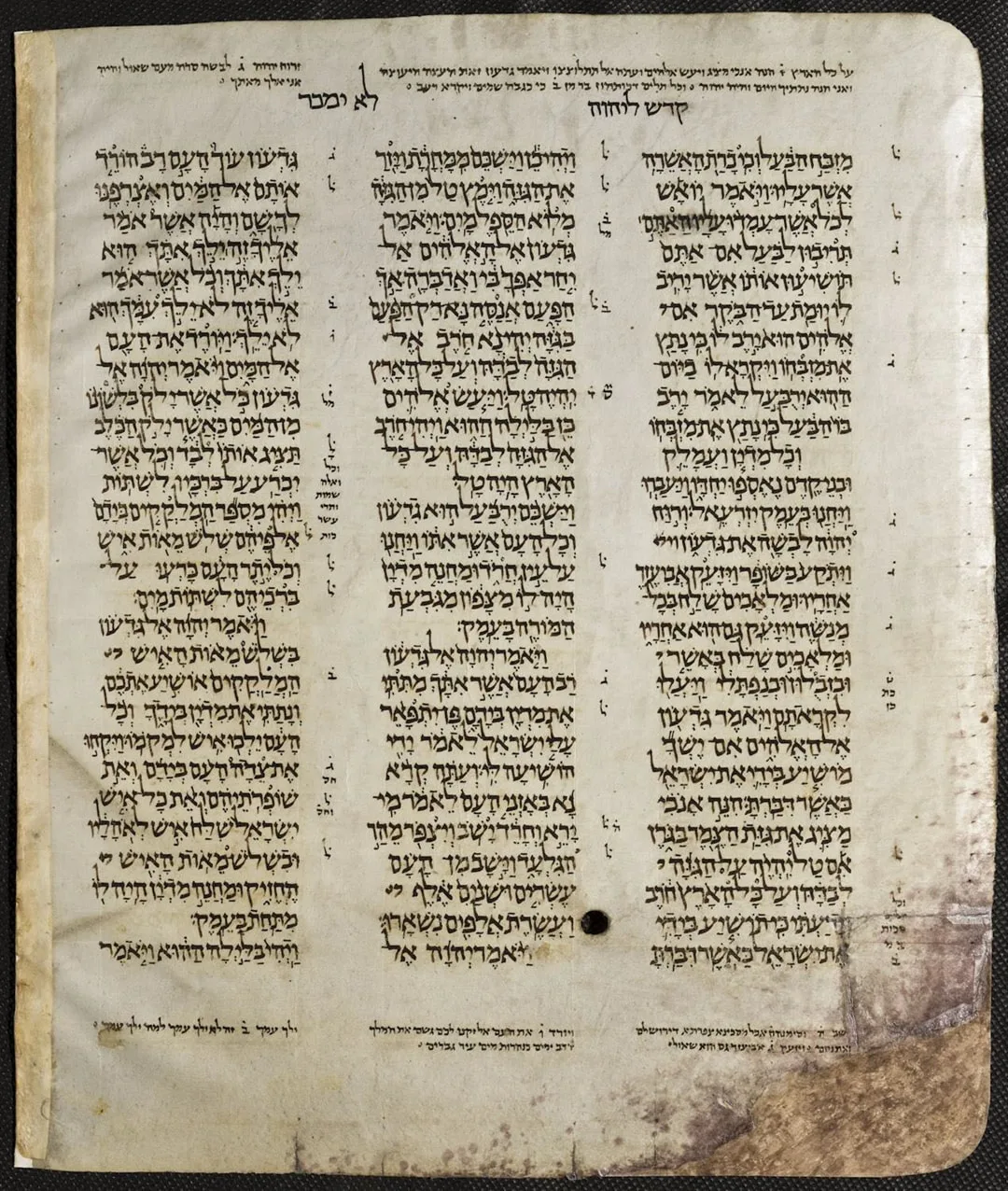
نشأة النص الماسوري للعهد القديم Masoretic Text

بعد خراب هيكل أورشليم على يد تيطس الرماني سنة ٧٠م، انهار رمز حكم الله للأمة اليهودية، وانتهوا كشعب ثيئوقراطي يجتمع حول عبادة ومذبح وهيكل وكهنوت. وابتدأت مرحلة جديدة لليهود الباقين بعد هذه الضربة المميتة، حيث تجمع في قرية “يبنه أو يمنيا” على بحيرة طبرية ما تبقى من الفريسيين والربيين، وأنشأوا مدرسة جديدة هدفها تجميع التراث اليهودي الديني، وإقامة السياجات والأسوار، حفاظا على الكيان اليهودي. واستهدفت هذه المدرسة تجميع من بقي من اليهود حول التوراة وأسفار العهد القديم، ليستعيضوا بها عن الهيكل والعبادة والذبائح.

وأول عمل قامت به هو توحيد النص العبري للأسفار، واستبعاد ما عداه من أي نصوص أو كتابات أخرى، حيث كانت هناك نصوص كثيرة متداولة في شبه طبعات شعبية شائعة. وبذلك يحفظون أنفسهم على الأقل من التيار اليوناني الكاسح الذي أثر تأثيرا شديدا على يهود الشتات، وجعلهم يستخدمون ما يسمى “الأسفار المحذوفة” وكتب الأبوكريفا اليهودية الأخرى.

فوضعوا شبه قاعدة قانونية تحدد ما هو مفهوم السفر المقدس، وهي ألا يكون بعد عصر عزرا الكاهن، حيث قالوا إن روح النبوة قد توقف منذ ذلك الحين (10)، وبذلك صارت كل الكتابات المقدسة بعد القرن الرابع قبل الميلاد غير قانونية في نظر الربيين في مدرسة يمنيا. وهكذا دخلت هذه الكتابات في طي النسيان ابتداء من القرن الثاني الميلادي، رغم أن الاكتشافات الحديثة في مخطوطات قمران ووادي المربعات على البحر الميت – وسكانها كانوا بلا شك من الأسينيين وكانوا على صلة بالتيرابيوتا في الإسكندرية، وهم جماعة الأتقياء أو الأبرار – قد أظهرت البعض منها. هذا من جهة الأسفار وتقنينها واستبعاد كل ما عداها.


أما من جهة النصوص ذاتها، فقد كشفت الحفريات والبرديات في قمران عن وجود أكثر من نص واحد بعضها يتقارب مع النص الماسوري الذي أجمعت عليه جماعة العلماء اليهود في يمنيا سنة ٩٠م، وبعضها يتقارب مع الأصل العبري للترجمة السبعينية، وبعضها كذلك يتفق مع التوراة السامرية، والذي ما زالت بقاياها حتى الآن في نابلس حول جبل جرزيم، والتي يرجع تاريخها إلى ما قبل القرن الرابع قبل الميلاد، وهو تاريخ الانشقاق بين اليهود والسامريين. فالواقع أنه لم يوجد هناك نص واحد جامد للأسفار العبرية كما يتبادر لذهن البعض، بل كان هناك نوع من المرونة” في النصوص القديمة، ربما لأنها كانت نصوصا “شعبية، لذلك كانت متحررة من التدقيق العلمي والتحديد المتزمت الذي اشتهر به اليهود بعد ذلك.


أما الشخصية الرئيسية وراء اختيار وتثبيت النص العبري الماسوري كما اصطلح على تسميته بعد ذلك كلمة “ماسورة” في العبرية تعني “تقليد) في القرن الثاني الميلادي فهو (الربي ابن عقيبا)، الذي يعتبر الأب الروحي لثورة ابن كوكب اليهودية (سنة ١٣٢-١٣٥م)، والتي انتهت بمحو مدينة أورشليم من على الأرض، وإقامة مدينة رومانية بدلا منها وسماها الإمبراطور هادريان آليا كابيتولينا”.


وظيفة الكاتب: סופר

الواقع أن السيد المسيح في قوله:

«كل كاتب متعلم في ملكوت السماوات يشبه رجلا رب بيت يخرج من كنزه جددا وعتقاء (مت ١٣: ٥٢)، كان يرفع من وظيفة الكاتب. ولكن الواقع في التقليد اليهودي كان يختلف عن ذلك، فالكلمة في أصلها العبري هي סופר “سوفر من الفعل ספר سفر” أي أحصى.

فكانت مهمة الكاتب ليس فقط نساخة الكتب المقدسة، بل ضبطها ومراجعة نصوصها لئلا يسقط منها شيء بسبب السهو والنسيان، نتيجة الحرص الشديد لدى يهود القرون التالية على كل حرف من الأسفار إلى درجة التقديس والعبادة. فلقد أحصوا، على سبيل المثال عدد حروف التوراة فوجدوا أن حرف “ו” في كلمة גחון جحون أي بطن (لا۱۱: ٤٢) يقع في المنتصف بالنسبة للحروف. وأن كلمتي דרש דרש درش درش” أي طلبه بإلحاج (لا ١٦:١٠) تقعان في المنتصف بالنسبة لكلمات التوراة… وهكذا صارت مهنة الكاتب هنا فنية أكثر منها لاهوتية متعلقة بشروحات وتفاسير الأسفار


وتبع تثبيت النص العبري على يد الربي ابن عقيبا في القرن الثاني الميلادي ضرورة اختراع وتثبيت نظام التشكيل للكلمات العبرية ليمكن ضبط نطقها، وبالتالي تفسيرها الصحيح. مثلا: جاء في التلمود اليهودي عن حوار قام بسبب تشكيل كلمة ٦٦٢ (تث (٢٥: ١٩) هل هي بمعنى ذكر؟ (وهو التشكيل الموجود حاليا، أم 17 بمعنى ذكر أي رجل؟ كذلك ما جاء في (تك ٤٧: ٣١) حيث كلمة המטה همطخ قرأها مترجم السبعينية המטה همطه بمعنى عصا”: «فسجد إسرائيل على رأس عصاه»، بينما شكلها الماسوريون هكذا המטה “همظه” بمعنى “سرير”، فجاءت في البيروتية فسجد إسرائيل على رأس السرير». وقد ذكرها القديس بولس الرسول في (عب ١١: ٢١) بحسب الترجمة السبعينية.

نشأة النص الماسوري للعهد القديم Masoretic Text

Jewish and Hebrew Terms and books Glossary

Jewish and Hebrew Terms and books Glossary

Babylonian Talmud. The foundational text for Jewish religious study, it consists of 2,500,000 words of Hebrew and Aramaic commentary and expansion on the Mishnah. It includes much Halakha as well as Haggada, and thus it touches on virtually every area of life, religion, custom, folklore, and law. It reached its final form between 500 and 600 c.e., and it is mainly the product of the Babylonian sages. See also Palestinian Talmud.

Five Scrolls. (Hebrew, kha-MESH me-gi-LOT) The biblical books of Song of Songs (Song of Solomon), Ruth, Lamentations, Ecclesiastes, and Esther. They were read in the synagogues on special holidays. See also Ketuvim.

Haggada. (Sometimes spelled Aggada) Nonlegal (i.e., nonbinding) Rabbinic stories, sermons, and commentaries relating to the Tanakh and Jewish life. See also Halakha and Midrash.

Halakha. A specific legal ruling (“What is the Halakha in this case?”) or Rabbinic legal material in general. The word Halakha is interpreted as meaning “the way to go.” See also Haggada.

Humash. (pronounced KHU-mash) Another name for the Five Books of Moses. See also Written Torah.

Ibn Ezra. Abraham Ibn Ezra (1089–1164). He was one of the three greatest Jewish medieval biblical commentators, especially famous for his careful attention to Hebrew grammar. See also Radak and Rashi.

Jerusalem Talmud. See Palestinian Talmud.

Kabbalah. The general term for Jewish mystical writings and traditions. It literally means “that which has been received.” See also Zohar.

Ketuvim. Writings. This refers to the third division of the Hebrew Bible (see Tanakh) and includes Psalms, Proverbs, Job, the Five Scrolls, Daniel, Ezra-Nehemiah, and 1 and 2 Chronicles.

Masoretic Text. The term for the closely related Hebrew text editions of the Tanakh transmitted by the Masoretes (“transmitters”) from the sixth to the eleventh centuries. All translations of the Tanakh (including the King James and all modern versions) are primarily based on this text. (Note: There is not one Masoretic Bible; there are thousands of Masoretic manuscripts with almost identical texts.)

Midrash. Rabbinic commentaries on a verse, chapter, or entire book of the Tanakh, marked by creativity and interpretive skill. The best-known collection is called Midrash Rabba, covering the Five Books of Moses as well as the Five Scrolls.

Mishnah. The first written collection of legal material relating to the laws of the Torah and the ordinances of the sages. It provides the starting point for all subsequent Halakha. It was compiled approximately 200 c.e. by Rabbi Judah HaNasi (the Prince) and especially emphasizes the traditions of the rabbis who flourished from 70 to 200 c.e.See also Babylonian Talmud, Palestinian Talmud, and Halakha.

Mishneh Torah. Systematic compilation of all Jewish law by Moses Maimonides (also called Rambam; 1135–1204). It remains a standard legal text to this day. See also Shulkhan Arukh.

Mitzvah. Commandment. The foundation of Jewish observance consists of keeping the so-called 613 commandments of the Torah.

Nevi’im. Prophets. This refers to the second division of the Hebrew Bible (see Tanakh) and consists of Joshua, Judges, 1 and 2 Samuel, 1 and 2 Kings (together called the Former Prophets), and Isaiah, Jeremiah, Ezekiel, and the Twelve Minor Prophets (together called the Latter Prophets).

Oral Torah. All Rabbinic traditions relating to the Written Torah and various legal aspects of Jewish life. The traditions were first passed on orally before they were written down.

Palestinian Talmud. Similar to the Babylonian Talmud but based primarily on the work of the sages in Israel. It is shorter in scope, less authoritative, and therefore, studied less than the Babylonian Talmud. It reached its final form in the Land of Israel approximately 400 c.e.

Radak. Acronym for Rabbi David Kimchi (pronounced kim-KHEE; 1160–1235). He wrote important commentaries on much of the Tanakh. See also Ibn Ezra and Rashi.

Rashi. Acronym for Rabbi Shlomo Yitschaki (pronounced yits-KHA-ki; 1040–1105), the foremost Jewish commentator on the Tanakh and Babylonian Talmud. Traditional Jews always begin their studies in Bible and Talmud with Rashi’s commentaries as their main guide. See also Ibn Ezra and Radak.

Responsa Literature. (Hebrew, she-ey-LOT u-te-shu-VOT, “Questions and Answers”) A major source of Halakha from 600 c.e. until today, it consists of the answers to specific legal questions posed to leading Rabbinic authorities in every generation. See also Oral Torah.

Shulkhan Arukh. The standard and most authoritative Jewish law code, compiled by Rabbi Joseph Karo (1488–1575). See also Mishneh Torah.

Siddur. The traditional Jewish prayer book, containing selections from the Tanakh as well as prayers composed by the rabbis.

Talmud. See Babylonian Talmud and Palestinian Talmud (Jerusalem Talmud).

Tanakh. Acronym for Torah, Nevi’im, Ketuvim, the Jewish name for the Old Covenant in its entirety. Although the order of the books is different from that of the Christian Old Testament, the contents are the same.

Targum. Literally, “translation.” This refers to the expansive Aramaic translations of the Hebrew Bible that were read in the synagogues where biblical Hebrew was no longer understood. They were put in written form between 300 and 1200 c.e. The most important Targum’s are Targum Onkelos to the Five Books of Moses, and Targum Jonathan to the Nevi’im (Prophets).

Torah. Literally, “teaching, instruction, law.” It can refer to: (1) the Written Torah (the first division of the Hebrew Bible; see Tanakh); or (2) the Oral Torah in its entirety (this of course includes the Written Torah as well).

Torah She-be-al-peh. See Oral Torah.

Torah She-bikhtav. See Written Torah.

Tosephtah. An early collection of Rabbinic laws following the division and order of the Mishnah but containing parallel legal traditions not found in the Mishnah.

Written Torah. The Five Books of Moses (the Pentateuch). See also Humash.

Zohar. The foundational book of Jewish mysticism. It was composed in the thirteenth century, although mystical tradition dates it to the second century. See also Kabbalah.


Brown, M. L. (2000). Answering Jewish objections to Jesus, Volume 1: General and historical objections. (211). Grand Rapids, Mich.: Baker Books.

Jewish and Hebrew Terms and books Glossary

Exit mobile version