أكاذيب_ديدات (4): رامبو RAMBO في الكتاب المقدس؟! شاهد مستوى إستيعاب أسد الدعوة الشيح أحمد ديدات!

أكاذيب_ديدات (4): رامبو RAMBO في الكتاب المقدس؟! شاهد مستوى إستيعاب أسد الدعوة الشيح أحمد ديدات!
[gview file=”http://www.difa3iat.com/wp-content/uploads/2015/07/004.pdf” save=”0″]

للتحميل

مقدمة:
على طاولتنا شبهة اخرى من شبهات الشيخ الهندي أحمد ديدات. التي كان يلقيها بتهور ضد كتابنا المقدس، دون تفكر بعواقب بما يمكن ان يجلبه هذا المسلك عليه عندما ينكشف أمام الجميع مستوى تفكير الشيخ (أسد الدعوة!)، ومستوى فهمه للنصوص إذ ينتشر على الشبكة الالكترونية، وخاصة على موقع اليوتيوب YouTube مقطع مرئي لديدات بعنوان: (رامبوفي الكتاب المقدس) Rambo in the bible !!،هنا:http://www.youtube.com/watch?v=aJEGPHvRWGI

وفيه يسخر ديدات مهاجماً حادثتين في سفر القضاة من العهد القديم، عن شمجر الذي ضرب 600 رجل بمنساس بقر، وعن شمشون الذي ضرب 1000 رجُل بفك حمار طري. وسينقسم بحثنا إلى محورين، كالتالي:
المحور الأول: شمجر ومنساس البقر
المحور الثاني: شمشون والألف رجل

المحور الأول:
شمجر ومنساس البقر

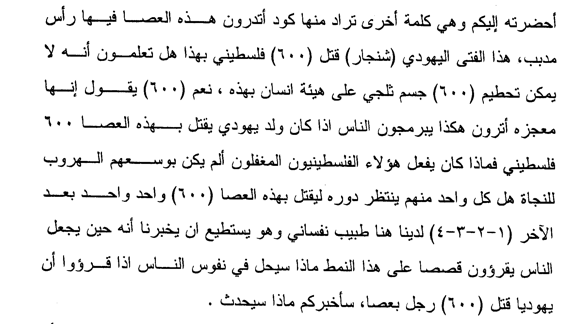
يقول ديدات:


وقد اقتبس ديدات من سفر القضاة:
“وَكَانَ بَعْدَهُ شَمْجَرُ بْنُ عَنَاةَ، فَقتل مِنَ الْفِلِسْطِينِيِّينَ سِتَّ مِئَةِ رَجُل بِمِنْسَاسِ الْبَقَر” (قضاة 3: 31).

تفنيد الشبهة:
وسأقسم ردي على هذه الشبهة بخمسة نقاط كالتالي:

أولاً: ما معنى كلمة “ضرب” بالعبرية؟
ثانياً: هل ضرب شمجر وحده أم كان معه مجموعة يقودها؟
ثالثاً: هل حدث الضرب في يوم واحد وموقعة واحدة ؟!
رابعاً: هل منساس البقر يمكن استعماله كسلاح؟
خامساً: لماذا استعملوا منساس البقر بدلاً من السيوف؟

أولاً: ما معنى كلمة “ضرب” بالعبرية؟

كلمة “ضرب” في العبرانية هي: (נכה) ناخاه.Kأما كلمة “قتل” في العبرانية هي: (הרג) هاوراج.
فالآية (قضاة31:3) لم تستخدم لفظة القتل (הרג)، انما لفظة (נכה) التي تعني ضرب! والضرب لا يعني دوماً القتل قطعاً، انما لها معاني الضرب الاخرى. لنقرأ من القاموس العبري \ الانجليزي المسمى قاموس سترونج ليتضح لنا المعنى لسليم لكلمة ضرب العبرية נכה:

נכה
H5221
naw-kaw

A primitive root; to strike)lightly or severely, literally or figuratively): – beat, cast forth, clap, give [wounds], X go forward, X indeed, kill, make [slaughter], murderer, punish, slaughter, slay (-er, -ing),smite (-r, -ing), strike, be stricken, (give) stripes, X surely,wound.
http://www.bibletools.org/index.cfm/…D/h5221/page/2

فالكلمة من معانيها: الضرب بقوة أو خفة، صفع، يعاقب، يقتل، يجرح الخ! فالكلمةالمستخدمة في الآية عن شمجر (قضاة 31:3) قد تعني ضرب، هاجم، أصاب، وانتصر عليهم، هزمهم. وليس حتما ولزاماً انه قتلهم وأماتهم حرفياً، فهذا فِهم عجيب للنص!

ثانياً: هل ضرب شمجر وحده أم كان معه مجموعة يقودها؟

حين يقال فلان “ضرب”، لا يعني بالضرورة انه ضرب وحده دون مساعدين معه. حين يستخدم فعل مفرد لا يعني انه قام به وحده.

مثال (1): حين يقال: “سليمان بنى الهيكل“، فهل معنى هذا ان سليمان “وحده” وبيديه المجردتين قد بنى الهيكل حجراً فوق حجر؟! أم يقال هذا لأن سليمان كان هو الملك والقائد والآمر لعماله بالبناء، فنسب البناء اليه وحده.

مثال (2):
حين يقال “قاتل الخليفة أبو بكر كل قبائل العرب التي إرتدت بعد موت رسول الإسلام“. فلن يفهم العاقل ان أبي بكر قد حمل سيفه وركب حصانه وذهب إليهم وحده وقاتلهم منفرداً. انما يُفهم انه كان الأمير والقائد على السرايا التي قاتلت كل المرتدين عن الإسلام بحد السيف، بأمر مباشر منه.

على غرار ذلك نفهم قول الوحي بأن “شمجر” ضرب 600 رجل، بأنه كان هو “القائد” والآمر بشكل مباشر للهجوم المباغت على الفلسطينيين وضربهم.

وكثيراً ما استخدمت كلمة “يضرب” بصيغة المفرد للضارب، ويقصد بها جيشه ككل. ففي سفر القضاة ذاته، نقرأ كلمة “ضرب” ترد بالمفرد في حين يقصد بها الجمع. اذ نقرأ عن جدعون:“وَصَعِدَ جِدْعُونُ فِي طَرِيقِ سَاكِنِيالْخِيَامِ شَرْقِيَّ نُوبَحَ وَيُجْبَهَةَ، وَضَرَبَ الْجَيْشَ وَكَانَ الْجَيْشُمُطْمَئِنًّا ” (القضاة 11:8). فهل جدعون “ضرب” الجيش منفرداً دون معونة من جيشه…؟ 

وفي سفر التكوين نقرأ عن عيسو: “إِنْجَاءَ عِيسُو إِلَى الْجَيْشِ الْوَاحِدِ وَضَرَبَهُ،يَكُونُ الْجَيْشُ الْبَاقِينَاجِيًا” (التكوين 32: 8).
“ضربه” بالمفرد، فهل عنى بذلك ان عيسو كان لوحده ليضرب، أم كان معه 400 رجل…؟

ونقرأ ايضاً عن موسى:
” كُلَّ مَمْلَكَةِ عُوجٍ فِي بَاشَانَالَّذِي مَلَكَ فِي عَشْتَارُوثَ وَفِيإِذْرَعِي. هُوَ بَقِيَ مِنْبَقِيَّةِ الرَّفَائِيِّينَ،وَضَرَبَهُمْ مُوسَى وَطَرَدَهُمْ” (يشوع 13: 12)
“ضربهم” موسى بصيغة المفرد، فهل يعني هذا ان موسى كان لوحده يحاربهم ويضربهم دون أي مساعد معه؟ أين ذهب إذن جيش اسرائيل؟

ونقرأ عن يشوع:” حِينَئِذٍ صَعِدَ هُورَامُ مَلِكُجَازَرَ لإِعَانَةِ لَخِيشَ،وَضَرَبَهُ يَشُوعُمَعَ شَعْبِهِ حَتَّى لَمْيُبْقِ لَهُ شَارِدًا” (يشوع 3:10). قرأنا ان يشوع “ضربه”، فهل فعل هذا بمفرده دون وجود أحد معه؟

وعن شاول الملك نقرأ:
“فَسَمِعَ جَمِيعُ إِسْرَائِيلَ قَوْلاً: قَدْ ضَرَبَ شَاوُلُ نَصَبَ الْفِلِسْطِينِيِّينَ، وَأَيْضًا قَدْ أَنْتَنَ إِسْرَائِيلُ لَدَى الْفِلِسْطِينِيِّينَ. فَاجْتَمَعَ الشَّعْبُ وَرَاءَ شَاوُلَ إِلَى الْجِلْجَالِ ” (صموئيل الأول 13: 4). “ضرب” شاول، وردت بالمفرد، انما لا يعني انه ضربهم بمفرده بشخصه وحيداً دون شعبه الذي كان وراءه.

وعن داود الملك نقرأ:” وَعَادَتِ الْحَرْبُ تَحْدُثُ، فَخَرَجَ دَاوُدُ وَحَارَبَ الْفِلِسْطِينِيِّينَ وَضَرَبَهُمْ ضَرْبَةًعَظِيمَةً فَهَرَبُوا مِنْ أَمَامِهِ ” (صموئيل الأول 8:19). فداود “ضربهم” بالمفرد، فهل نفهمها انه كان وحيداً دون معين من أحد؟ وعبارة هربوا من “أمامه” جاءت بالمفرد فهل الفلسطينيين قد هربوا من أمام شخص واحد فقط. ؟! أم يقصد بها انهم هربوا من أمام جيش داود الذي كان هو قائده، فينسب اليه فعل الضرب والانتصار.
كذلك حين يقال عن “شمجر” انه “ضرب”، فيعني انه ضرب مع مجموعة من أتباعه المقاتلين لكونه قائدهم.
ولا يفوتنا ان نُذكّر الشيخ ديدات ان شمجر كان “قاضياً ” لإسرائيل أي رجلاً بالغاً ولم يكن “صبياً” كما يزعم متوهماً!

ثالثاً: هل حدث الضرب في يوم واحد وموقعة واحدة؟!

نتحدى الشيخ ديدات وأتباعه بأن يقدموا لنا دليلاً واحداً ان ضرب شمجر للفلسطينيين كان في موقعة واحدة ؟!
فالنص الكتابي لم يقل هذا، ولا يحق لأحد ان يسقط استنتاجاته المسبقة على النص.

بل على العكس، فإن سفر القضاة يؤكد بأن الفلسطينيين كانوا يقطعون الطرق على بني اسرائيل وينهبونهم، فكان شمجر قائداً على سرية مدافعة لمقاومة الغزاة قاطعي الطرق. فكلما هجم عليهم قاطعوا الطرق كان شمجر ورفاقه المقاتلين يضربونهم ويصدونهم. اذ نقرأ كلام دبورة:”فِي أَيَّامِ شَمْجَرَبْنِ عَنَاةَ،فِي أَيَّامِ يَاعِيلَ، اسْتَرَاحَتِ الطُّرُقُ، وَعَابِرُو السُّبُلِ سَارُوا فِي مَسَالِكَ مُعْوَجَّةٍ”. (القضاة 6:5).

لاحظ استخدام كلمة “أيام” وليس يوم واحد. فشمجر لم يضرب 600 رجل في يوم واحد ولا في موقعة واحدة، انما كانت على ايام عديدة. اذ ان قطاع الطرق لا يهجمون في يوم واحد. لذا كان شمجر ورفاقه الشجعان ينتظرونهم وكأنهم يحرثون البقر ومعهم المناسيس، فلا يخشاهم الفلسطينيين اذ يعتقدون أنهم مجرد فلاحين دون سلاح، فيفاجئهم شمجر ورفاقه الحاملين المناسيس كرماح حادة بالضرب الفتاك اذ استعملوها كسلاح فعال، حتى “استراحت الطرق” (قضاة 6:5).
وهذا يصل بنا الى النقطة الرابعة. عن سلاح المنساس!!

رابعاً: هل منساس البقر يمكن استعماله كسلاح؟
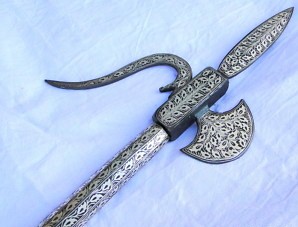
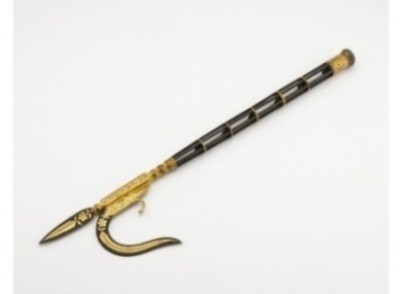
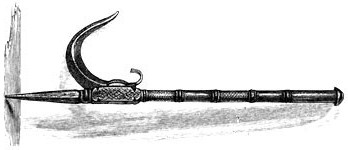
منساس البقر ببساطة ليس هو مجرد عصا كما كان ديدات يحاول خداع جمهوره! إنما رأسه يحوي قطعة معدنية مدببة (كما اعترف ديدات بنفسه في المناظرة، وكلامه المترجم موجود في المقطع)، اليس هذا يجعل من المنساس تعمل عمل الرمح القاتل ؟!
كلمة منخاس بالعبرية هي (מלמד) مالمود. ولو راجعنا القاموس لمعرفة معناها سنكتشف انها تستخدم ايضاً كسلاح !!

Dictionary of Biblical Languages with Semantic Domains
4913 מַלְמָדmǎl cattle-goad, i.e., a pointed stick, often with a ****l point, used to prod cattle, but could be used as a weapon(Jdg 3:31).

فليست هي مجرد “عصا” كما زعم ديدات (!!) وهذه صور للمنساس، ولاحظوا رأسها المعدني المدبب كالحربة القاتلة:
خامساً: لماذا استعملوا منساس البقر بدلاً من السيوف؟

السبب ان الفلسطينيين كانوا هم المحتلين والمتسلطين على اسرائيل في أيام القضاة، وكانوا يجردون كل اسرائيل من اسلحته! اذ نقرأ في ذات سفر القضاة: “اِخْتَارَ آلِهَةً حَدِيثَةً. حِينَئِذٍ حَرْبُ الأَبْوَابِ.هَلْ كَانَ يُرَى مِجَنٌّ أَوْ رُمْحٌ فِي أَرْبَعِينَ أَلْفًا مِنْ إِسْرَائِيلَ” (القضاة 8:5).فلم يكونوا يتركون لهم مجناً ولا رمحاً. لهذا استعمل “شمجر” ورفاقه المقاتلين مناسيس البقر كسلاح يشبه الحربة القاتلة لمقاومتهم.

اذ نقرأ في هذا النص الأمرين معاً:
“وَلَمْ يُوجَدْ صَانِعٌ فِي كُلِّ أَرْضِ إِسْرَائِيلَ، لأَنَّ الْفِلِسْطِينِيِّينَ قَالُوا: «لئلا يَعْمَلَ الْعِبْرَانِيُّونَ سَيْفًا أَوْ رُمْحًا». بَلْ كَانَ يَنْزِلُ كُلُّ إِسْرَائِيلَ إِلَى الْفِلِسْطِينِيِّينَلِيُحَدِّدَ كُلُّ وَاحِدٍ سِكَّتَهُ وَمِنْجَلَهُ وَفَأْسَهُ وَمِعْوَلَهُ. عِنْدَمَا كَلَّتْ حُدُودُ السِّكَكِ وَالْمَنَاجِلِ وَالْمُثَلَّثَاتِ الأَسْنَانِ وَالْفُؤُوسِ وَلِتَرْوِيسِ الْمَنَاسِيسِ” (1 صموئيل 19:13-21).

الأمر الأول: الفلسطينيين كانوا يمنعون عن اسرائيل كل انواع الاسلحة من سيوف ورماح.
الأمر الثاني: ان المناسيس كانوا يحدونها مما يثبت انها كانت ذو رؤوس مدببة كالرماح.

نستخلص: ان شمجر كان قاضياً لإسرائيل أي كالقائد، وكونه “ضرب” 600 رجل، فلا يعني انه ضربهم بمفرده دون مساعدة رفاقه الحاملين ايضاً لمناسيس حادة استخدموها كرماح، في مباغتتهم لقطاع الطرق من الفلسطينيين.
فلم يكن ضرب 600 رجل في موقعة واحدة انما في مواقع وعلى أيام.

وحتى لو اعتبرناها موقعة واحدة فهذا ليس خيالاً، اذ ان شمجر لم يكن وحده، إضافة الى ايماننا بقوة الرب في نصرة عبيده على اعداءه حتى ولو بالوسائل الضعيفة، كما نصر الرب عبده جدعون على جيش عرمرم، بثلاثمائة جندي معهم جرار !!

المحور الثاني:
شمشون والألف رجل!!

شبهة ديدات التالية تتعلق بشمشون قاضي اسرائيل الجبار. وفيها يسخر ديدات والعوام الهائج من جمهوره المسلم في القاعة من رواية الكتابالمقدس بأن شمشون قد قتل 1000 فلسطيني بفك حمار.. معتبرينها رواية منافية للعقل! اذ يقول ديدات:


الإجابة بنعمة الرب:
ليس في الامر مبالغة ولا خيال كما يزعم ديدات.. اذ كعادته لم يقرأ النص جيداً، علاوة على اقتطاعه من سياقه. وسنطرح هذه النقاط لتوضيح الأمر..

أولاً: قوة شمشون كانت معجزة إلهية!
ثانياً: ضرب لا تعني انه قتل!
ثالثاً: فك الحمار.. سلاح!
رابعاً: هل وقفوا طابوراً ليقتلهم شمشون؟!

أولاً: قوة شمشون كانت معجزة إلهية!

فشمشون القاضي من الناحية الجسدية كان جباراً مفتول العضلات كالجبلالمنيع. وكانت قدرته الجسديةهذه احدى نعم الرب عليه. فقوته كانت مؤازرة له من قبل روح الرب.

ولوقرأنا النص لوجدنا ان الرب هو الذي ساعده على ذلك المجهود. لا بل اجترح معه معجزةانقاذ من العطش،ليثبت له بأن جبروته وقوتهمهما بلغ مداها الا انه بدون الرب فسيهلك لأبسط الأسباب.

لنقرأ:
“9 وَصَعِدَ الْفِلِسْطِينِيُّونَ وَنَزَلُوا فِي يَهُوذَا وَتَفَرَّقُوا فِي لَحْيٍ. 10 فَقَالَ رِجَالُ يَهُوذَا: «لِمَاذَا صَعِدْتُمْ عَلَيْنَا؟» فَقَالُوا: «صَعِدْنَا لِكَيْ نُوثِقَ شَمْشُونَ لِنَفْعَلَ بِهِ كَمَا فَعَلَ بِنَا». 11 فَنَزَلَ ثَلاَثَةُ آلاَفِ رَجُل مِنْ يَهُوذَا إِلَى شَقِّ صَخْرَةِ عِيطَمَ، وَقَالُوا لِشَمْشُونَ: «أَمَا عَلِمْتَ أَنَّ الْفِلِسْطِينِيِّينَ مُتَسَلِّطُونَ عَلَيْنَا؟ فَمَاذَا فَعَلْتَ بِنَا؟» فَقَالَ لَهُمْ: «كَمَا فَعَلُوا بِي هكَذَا فَعَلْتُ بِهِمْ». 12 فَقَالُوا لَهُ: «نَزَلْنَا لِكَيْ نُوثِقَكَ وَنُسَلِّمَكَ إِلَى يَدِ الْفِلِسْطِينِيِّينَ». فَقَالَ لَهُمْ شَمْشُونُ: «احْلِفُوا لِي أَنَّكُمْ أَنْتُمْ لاَ تَقَعُونَ عَلَيَّ». 13 فَكَلَّمُوهُ قَائِلِينَ: «كَلاَّ. وَلكِنَّنَا نُوثِقُكَ وَنُسَلِّمُكَ إِلَى يَدِهِمْ، وَقَتْلاً لاَ نَقْتُلُكَ». فَأَوْثَقُوهُ بِحَبْلَيْنِ جَدِيدَيْنِ وَأَصْعَدُوهُ مِنَ الصَّخْرَةِ. 14 وَلَمَّا جَاءَ إِلَى لَحْيٍ، صَاحَ الْفِلِسْطِينِيُّونَ لِلِقَائِهِ. فَحَلَّ عَلَيْهِ رُوحُ الرَّبِّ، فَكَانَ الْحَبْلاَنِ اللَّذَانِ عَلَى ذِرَاعَيْهِ كَكَتَّانٍ أُحْرِقَ بِالنَّارِ، فَانْحَلَّ الْوِثَاقُ عَنْ يَدَيْهِ. 15 وَوَجَدَ لَحْيَ حِمَارٍ طَرِيًّا، فَمَدَّ يَدَهُ وَأَخَذَهُ وَضَرَبَ بِهِ أَلْفَ رَجُل. 16 فَقَالَ شَمْشُونُ: «بِلَحْيِ حِمَارٍ كُومَةً كُومَتَيْنِ. بِلَحْيِ حِمَارٍ قَتَلْتُ أَلْفَ رَجُل». 17 وَلَمَّا فَرَغَ مِنَ الْكَلاَمِ رَمَى اللَّحْيِ مِنْ يَدِهِ، وَدَعَا ذلِكَ الْمَكَانَ «رَمَتَ لَحْيٍ». 18 ثُمَّ عَطِشَ جِدًّا فَدَعَا الرَّبَّ وَقَالَ: «إِنَّكَ قَدْ جَعَلْتَ بِيَدِ عَبْدِكَ هذَا الْخَلاَصَ الْعَظِيمَ، وَالآنَ أَمُوتُ مِنَ الْعَطَشِ وَأَسْقُطُ بِيَدِ الْغُلْفِ». 19 فَشَقَّ اللهُ الْكِفَّةَ الَّتِي فِي لَحْيِ، فَخَرَجَ مِنْهَا مَاءٌ، فَشَرِبَ وَرَجَعَتْ رُوحُهُ فَانْتَعَشَ. لِذلِكَ دَعَا اسْمَهُ «عَيْنَ هَقُّورِي» الَّتِي فِي لَحْيٍ إِلَى هذَا الْيَوْمِ. 20 وَقَضَى لإِسْرَائِيلَ فِي أَيَّامِ الْفِلِسْطِينِيِّينَ عِشْرِينَ سَنَةً”
(القضاة اصحاح 15اية 9-20).
إذن المسألة كلها كانت قدرة الهية وعون اعجازي، بدليل قول الكتاب:
فحلّ عليه روح الرب فكانالحبلان اللذان على ذراعيه ككتان احرق بالنار فانحلّ الوثاق عن يديه“. إذن الرب هو من عضده وأيده في اجتراح هذه المعجزات القوية في حربهضد اهل الأوثان!وبعد أن سنده الرب في ضرب الف رجل (دون ان يحدد النصالفترة الزمنية التي استغرقت ذلك)..
عطش شمشون وكاد انيموت عطشاً.. وطلب الى الرب الذي اعطاه ذلك الخلاص العظيم من يد اهل الوثن بقوله:

“ثم عطش جدا فدعا الرب وقال إنك قدجعلت بيد عبدك هذا الخلاص العظيم والآن اموت من العطش” !!
فالرب (باعتراف شمشون) هو من جعل بيده هذا الخلاص العظيموقد أنقذه من العطشبمعجزة عظيمة.
فترون ان الحدث كله اعجاز إلهي عظيم سند به عبده شمشونفليس في الامر أي خرافةكما هرف ديدات من كيسه!

ثانياً: ضرب لا تعني انه قتل!
كما درسنا في الشبهة الأولى عن شمجر، اكتشفنا أن كلمة “ضرب” العبرية التي استخدمها الوحي المقدس، لا تعني بالضرورة “قتل”!

وإن قيل كيف اذن نقرأ قول شمشون بأنه قتل:
وَوَجَدَ لَحْيَ حِمَارٍ طَرِيًّا، فَمَدَّ يَدَهُ وَأَخَذَهُ وَضَرَبَ بِهِ أَلْفَ رَجُل. “فَقَالَ شَمْشُونُ: «بِلَحْيِ حِمَارٍ كُومَةً كُومَتَيْنِ. بِلَحْيِ حِمَارٍ قَتَلْتُ أَلْفَ رَجُل» “.

قلنا:
ان الاصل العبراني هو ذاته كلمة ناخاه أي “ضرب” في كلتا الآيتين!
فالترجمة العربية لم تكن دقيقة في الآية 16، اذ كان الأصح ان تترجمها “ضربت” وليس “قتلت”.
فالترجمة الانجليزية اليهودية للآيتين هي هكذا بذات الكلمة “ضربت”:

15 And he found a new jawbone of an ass, and put forth his hand, and took it, and smotea thousand men therewith. 16 And Samson said: With the jawbone of an ass, heaps upon heaps, with the jawbone of an ass have I smittena thousand men.
http://www.mechon-mamre.org/e/et/et0715.htm

“ضرب “، “ضربت”. وليس قتل!
لأن النص العبراني يقول ذلك مستخدماً كلمة “ضربت ” وليس قتلت:

قضاة 15: 15
וימצאלחי־חמורטריהוישׁלחידוויקחה ויך־בה אלףאישׁ׃
قضاة 15: 16
ויאמרשׁמשׁוןבלחיהחמורחמורחמרתיםבלחיהחמורהכיתי אלףאישׁ׃

فشمشون “ضرب”، ولا مستوجب يجبرنا على ان نفهم أنه “قتل”. وحتى لو كان قد قتل، فهذا أؤمن به، لأن الكتاب قال صراحة ان قوة شمشون كان اعجازية إلهية من عند الرب.
ثالثاً: فك الحمار.. سلاح!

من جهة النصمن سفر القضاة.. فالنص قد قال بأن شمشون قد استخدم فك حمار في تلك المعركةالحربية.. وكان كسلاح فتاك بيده. والنتيجة ان شمشون بالسلاح الذي استخدمه وبقوةالرب قد ضرب ما مجموعه الف رجل.. بعضهم قُتل وبعضهم جرح وهرب. ولا ادري ما هو صعب الهضم في هذ الحادثة ؟!
ففك الحمار يمكن استخدامه كأداة قاتلة وكسلاح، اذ يزن ما يقارب أربعة كيلوجرامات، وتصميمه يشابه “البلطة” التي كان يستخدمها الهنود الحمر.. اضافة الى بقاء الاضراس المدببة عليه.
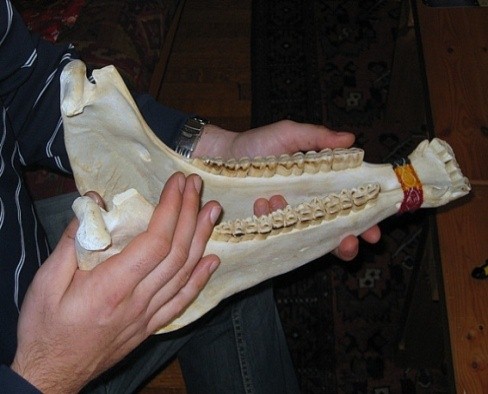
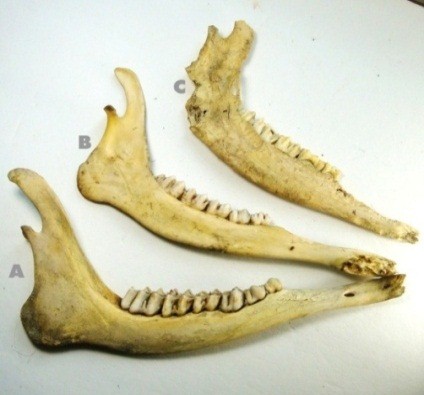

رابعاً: هل وقفوا طابوراً ليقتلهم شمشون؟!

(1)تعليق على ألفاظ ديدات قوله المنفر: ” لو بصق الفلسطينيون دفعة واحدة لأغرقوه“!
صحيح ان “المرء مخبوء تحت لسانه”، اذ “كل إناء بما فيه ينضح”!فالشخص المتكلم يُظهر اسلوب كلامه، طبيعة بيئته وتربيته ومهنته. فالفيلسوف يضرب أمثلة تتناسب مع حكمته، والمهندس يضرب أمثلة حسابية تناسب مع مهنته، والطبيب يشرح بأمثلة تتوائم مع طبيعة عمله، وهكذا الى كل أصحاب المهن والمواهب، فكيف كان الأجدر بـ “شيخ!” وعلاّمة عصره أن يضرب الأمثلة؟

(2) لم يكونوا طابوراً! النص لم يحدد المدة التي ضرب فيها شمشون أعداءه الألف.فقد تكون تلك المعركة قد استمرت ساعات طوال، أو اياماً. فهم لم يقفوا في طابور ليقتلوا تباعاً. بل ان نص الكتاب يقول ان شمشون كوم كومتين!
” فَقَالَ شَمْشُونُ: بِلَحْيِ حِمَارٍ كُومَةً كُومَتَيْنِ ” (قضاة 16:15). أي ان المعركة حدثت في أماكن مختلفة على الأقل مكانين.
كما ان الكومة لا يقصد بها 500 رجل !! انما عدد محدود قد لا يبلغ الدزينة منهم.. فهو قتل البعض وكوّمهم وجرح الآخرين، وقد بلغ مجموعهم الألف، بين قتيل وجريح.فالنص قد اختصر الواقعة. ولا يجب ان يتفلسف لا ديدات أو غيره لكي يُحمل النص ما لا يحتمل.

في النهاية، إننا نتساءل، كيف لشيخ يلقبه المسلمون بأسد الدعوة، ويصفونه بأنه “عالِم” أن يسقُط في هذه الأخطاء الساذجة أثناء قراءة النص وفهمه؟ هل تُرى الشيخ حقاً لم يفهم مقصود النص أم أنه قد فهمه ويتعمد إظهار عقله بهذا المستوى الضعيف، فقط ليهاجم الكتاب المقدس؟ وإن كان هذا أو ذاك، فكيف يثق فيه الإخوة المسلمون؟

ANSWERING JEWISH OBJECTIONS to JESUS : What would happen to a Nazi murderer who believed in Jesus before he died? Would he go to heaven, while the Jewish God-fearing people, would go to hell

What would happen to a Nazi murderer who believed in Jesus before he died? Would he go to heaven, while the Jewish God-fearing people, would go to hell
 
Based on the teaching of the Hebrew Bible, if the Nazi could truly repent before he died, then God would accept him as righteous, but merely “believing”—without true repentance—is meaningless. As for the Jews killed by that Nazi, if they died in right relationship with God, then they would go to heaven; if they died out of favor with him, they would perish. One thing is very important to remember: The fact that these Jews died in the Holocaust does not necessarily make them “saints” (even though we often speak of the six million Jewish “martyrs” of the Holocaust). Our people were indiscriminately exterminated by the Nazis simply because of their ethnic background—even if they were atheists or God-haters. Their tragic suffering in the Holocaust did not, in and of itself, transform them into godly people. To the contrary, many actually lost their faith during that time, while a large number of secular and ir-religious Jews became overtly hostile to God.
I know that any question regarding the Holocaust can be charged with emotion, but it’s important that we think through the issues calmly and with clear heads. It will also be useful to treat the different aspects of the above questions one by one. Let’s look first at the larger issue of true repentance for the worst of sinners before we deal with the specific relationship between “believing in Jesus” and “repenting.”
Over twenty-five hundred years ago, the Lord spoke these words to our people through the Jewish prophet Ezekiel:
Say to them, “As surely as I live, declares the Sovereign LORD, I take no pleasure in the death of the wicked, but rather that they turn from their ways and live. Turn! Turn from your evil ways! Why will you die, O house of Israel?”
Therefore, son of man, say to your countrymen, “The righteousness of the righteous man will not save him when he disobeys, and the wickedness of the wicked man will not cause him to fall when he turns from it. The righteous man, if he sins, will not be allowed to live because of his former righteousness.” If I tell the righteous man that he will surely live, but then he trusts in his righteousness and does evil, none of the righteous things he has done will be remembered; he will die for the evil he has done. And if I say to the wicked man, “You will surely die,” but he then turns away from his sin and does what is just and right—if he gives back what he took in pledge for a loan, returns what he has stolen, follows the decrees that give life, and does no evil, he will surely live; he will not die. None of the sins he has committed will be remembered against him. He has done what is just and right; he will surely live.
Ezekiel 33:11–16 33
According to the Hebrew Scriptures, if a wicked man truly turns from his wicked ways, God will completely forgive him. Of course, this doesn’t mean there are no consequences for his actions. For example, a rapist who truly repents will still have to go to jail for his crime; however, God will forgive him if his repentance is real. In the same way, a Nazi could be forgiven should he genuinely turn back to God, asking God for mercy and turning from his wicked ways, although he would still be accountable for his deeds on a human level.
The Lord also spoke these words of exhortation through Ezekiel:
Repent! Turn away from all your offenses; then sin will not be your downfall. Rid yourselves of all the offenses you have committed, and get a new heart and a new spirit. Why will you die, O house of Israel? For I take no pleasure in the death of anyone, declares the Sovereign LORD. Repent and live!
Ezekiel 18:30–32
Commenting on this text, the revered medieval rabbi Jonah of Gerondi—known especially for his books on repentance—wrote that these words applied to
a man who transgressed and sinned and then came to take refuge under the wings of the divine Presence [i.e., the Shekinah] and to enter into the paths of repentance [as God said in Ps. 32:8], “I will instruct you and teach you in the way you should go.” On that day he will cast away all the transgressions he has committed and he will make himself as if he were born on that very day, with neither guilt nor merit in his hand.
Yesod HaTeshuvah, 1:1, my translation
And lest he say, “I have sinned and sinned over and over again and my guilt is beyond counting. I’m too ashamed to appear before God and ask for mercy, and I could never keep his commandments,” Rabbi Jonah strongly urges him not to speak that way. Rather, he should recognize that it is the nature of the Creator to receive penitent ones with open arms, and therefore, he should be encouraged to repent and reform his ways. Such is the teaching of the Hebrew Bible and Jewish tradition.
In fact, the Talmud contains an extraordinary statement to which a leading authority on Rabbinic Judaism, Professor Jacob Neusner, draws attention: “Grandsons of Haman studied Torah in Bene Beraq [a well-known city of Torah study in Israel]. Grandsons of Sisera taught children in Jerusalem. Grandsons of Sennacherib taught Torah in public. And who were they? Shemaiah and Abtalion [teachers of Hillel and Shammai]” (b. Gittin 57b).
Neusner then comments:
to understand the power of this statement, we have only to say, “Hitler’s grandson teaches Torah in a yeshiva of Bene Beraq,” or “Eichmann’s grandson sits in a Jerusalem yeshiva, reciting prayers and psalms and learning Talmud.” Not only so, but, to go onward with Sennacherib—who can stand for Himmler—and Shemaiah and Abtalion, the greatest authorities of their generation—who can stand for the heads of the great yeshivas and theological courts of the State of Israel—Himmler’s grandsons are arbiters of the Torah, that is to say, Judaism, in the State of Israel… . The message declares that sinners who repent and seek reconciliation are to be forgiven. The nation that repents is to be welcomed back into the company of civilization, as Germany has regained its honor in our day. 34
Our Scriptures also give us examples of two extraordinarily wicked men, Ahab king of Israel, and Manasseh king of Judah, both of whom repented and were accepted by God. Of Ahab the Bible says: “There was never a man like Ahab, who sold himself to do evil in the eyes of the LORD, urged on by Jezebel his wife. He behaved in the vilest manner by going after idols, like the Amorites the LORD drove out before Israel” (1 Kings 21:25–26).
Because of Ahab’s sins, God promised to utterly destroy him, saying, “I am going to bring disaster on you. I will consume your descendants and cut off from Ahab every last male in Israel—slave or free” (1 Kings 21:21). However, Ahab repented and grieved when he heard the Lord’s sentence of judgment:
When Ahab heard these words, he tore his clothes, put on sackcloth and fasted. He lay in sackcloth and went around meekly. Then the word of the LORD came to Elijah the Tishbite: “Have you noticed how Ahab has humbled himself before me? Because he has humbled himself, I will not bring this disaster in his day, but I will
bring it on his house in the days of his son.”

1 Kings 21:27–29
God accepted his repentance!
The case of Manasseh is also dramatic:
He sacrificed his sons in the fire in the Valley of Ben Hinnom, practiced sorcery, divination and witchcraft, and consulted mediums and spiritists. He did much evil in the eyes of the LORD, provoking him to anger… . Manasseh led Judah and the people of Jerusalem astray, so that they did more evil than the nations the LORDhad destroyed before the Israelites. The LORD spoke to Manasseh and his people, but they paid no attention. So the LORDbrought against them the army commanders of the king of Assyria, who took Manasseh prisoner, put a hook in his nose, bound him with bronze shackles and took him to Babylon. In his distress he sought the favor of the LORD his God and humbled himself greatly before the God of his fathers. And when he prayed to him, the LORDwas moved by his entreaty and listened to his plea; so he brought him back to Jerusalem and to his kingdom. Then Manasseh knew that the LORD is God.
2 Chronicles 33:6, 9–13
I encourage you not to read these accounts lightly. Ahab and Manasseh were among the most notorious sinners spoken of in the Bible. In fact, not only were they both idol worshipers, leading the nation astray by their example, but they were both murderers! And as if Manasseh’s sin of sacrificing his own sons in the fire was not awful enough, consider the fact that “Manasseh also shed so much innocent blood that he filled Jerusalem from end to end” (2 Kings 21:16). This man was wicked! He was responsible for mass murder. Yet the Lord had mercy on him. 35
And so, if the Lord could accept the repentance of murderous, wicked men such as Ahab and Manasseh, could he not accept the repentance of a murderous, wicked Nazi?
At this point, you might say to me, “To tell you the truth, I don’t really disagree with what you are saying. The problem is that you keep talking about repentance—which is the hallmark of traditional Jewish spirituality—whereas my question had to do with believing in Jesus, which is the hallmark of traditional Christian spirituality.” 36 Well, you’ve made a good point. The only problem is that it is not valid, since both repentance and faith are hallmarks of true Chris-tian spirituality. 37 In fact, repent is really the first word of the gospel message.
When John the Immerser (known in Christian circles as John the Baptist) came preaching in the wilderness of Judea, his message began with the call to repent (see Matt. 3:2). Jesus began his public preaching with the very same message of repentance (Matt. 4:17), and when he sent his disciples out to preach, they too called people to repent (Mark 6:12). After his resurrection, Jesus taught his apostles (i.e., emissaries) that repentance and forgiveness of sins formed the heart of the message they were to bring to the world, beginning at Jerusalem (Luke 24:47), and this is exactly what they declared to their Jewish people (see Acts 2:38; 3:19; 5:31; 11:18; 17:30; see also Heb. 6:1; 2 Peter 3:9). Paul—famous for his teaching on “justification by faith”—summarized his message as follows:
I have declared to both Jews and Greeks that they must turn to God in repentance and have faith in our Lord Jesus… . First to those in Damascus, then to those in Jerusalem and in all Judea, and to the Gentiles also, I preached that they should repent and turn to God and prove their repentance by their deeds.
Acts 20:21; 26:20
It is true there is a tremendous emphasis on faith (i.e., genuine trust) in the New Testament (see vol. 2, 3.7 and vol. 3, 4.2 for more on this), but this goes hand in hand with repentance. To repeat Paul’s words, God calls all men to “turn to God in repentance”—meaning they must turn away from their disobedient ways and turn back to him—“and have faith in our Lord Jesus”—meaning they must believe in him as Savior and Messiah, trusting that his death in our place paid the penalty for our sins, just as the sacrificial animals offered up on the Day of Atonement paid for the sins of our people. 38
Such teaching is not new or strange. Just read the Torah and the Prophets. The former emphasized the sacrificial system of atonement, the latter emphasized repentance. They are two sides of the same coin, and both called for explicit faith in the Lord as well as total obedience to his commands. The New Testament makes these very same points, adding the distinctive emphasis that our Messiah has come and provided both Jews and Gentiles with complete atonement through his blood. That’s why the call to believe in him is so pronounced (see also vol. 3, 4.2). It is utterly impossible from a New Testament standpoint, however, to separate true faith from true repentance just as it is impossible to separate faith in the one true God from obedience to his laws from an Old Testament standpoint.
All of this means that this entire objection is based on a gross misunderstanding of the New Testament teaching on faith. Jacob, Yeshua’s brother, 39 wrote about this in his letter to other Jewish believers, stating that it was pure folly to claim that one could have faith without accompanying action: “As the body without the spirit is dead, so faith without deeds is dead” (see James 2:18–26).
Simply stated: Neither Jesus nor the writers of the New Testament ever taught that someone could be saved by simply repeating a little prayer or reciting some formula. 40 Rather, they stressed that putting one’s faith in Jesus meant asking God to forgive the sinner through the death and resurrection of the Messiah, thereby setting him free from bondage to sin, giving him a new heart, and starting him on a brand-new life with God as his Father and Yeshua as his Master. To “confess Jesus as Lord” (Rom. 10:9–10) without following him as Lord is as useless as reciting the Shema—that Yahweh alone is our God—without serving him as God. True faith in God and his Messiah means a true relationship with God and his Messiah.
So, back to the first part of your question (“What would happen to a Nazi murderer who believed in Jesus before he died?”), the answer is clear. If by “believing in Jesus” you simply mean, “believing that he is the Lord and Savior,” then that Nazi would be judged for his sins and condemned to hell. If, however, by “believing in Jesus” you mean putting his trust in the Lord Jesus to cleanse him from his sin and guilt, repudiating his evil deeds with his whole heart and turning to God in true repentance, asking for mercy and pardon, then he would be forgiven, just as Ezekiel declared. The only difference—according to your scenario—is that he would have died before he was able to demonstrate the reality of his repentance and faith (the New Testament calls this “producing fruit in keeping with repentance”; see Matt. 3:8; Acts 26:18), so only God would have known the condition of his heart. If he truly had a change of heart, however, heaven would be his home.
However, lest you get the idea that deathbed repentance is something worth waiting for (in other words, why not sin now and repent later?) I remind you of the counsel of Rabbi Eliezer in the Mishnah: “Repent one day before you die!” This means, of course, that since you don’t know the day of your death, you should repent every day (cf. m. Avot 2:10; Avot d’Rabbi Nathan 15, end; see also Ben Sira 5:7). De
ath may overtake you suddenly, before you have the opportunity to get right with God, or, by the time of your death, you might have become so hard-hearted that repentance is the farthest thing from your mind. The more we sin, the harder we get!

Thus, in the case of a resolute, murderous Nazi, it is doubtful that someone who had hardened his heart so deeply by slaughtering so many people could spontaneously, at will, bring about some last minute change, although God has, on occasion, granted this kind of deathbed repentance. Thank the Lord that such a slender thread of mercy exists, but don’t hang your eternal well-being on it! As Augustine, the early church leader, wisely remarked (with reference to the thief who was crucified next to Jesus and repented before he died): “There is one case of death-bed repentance recorded [in the Bible], that of the penitent thief, that none should despair; and only one that none should presume.”
As for the Jews killed by that Nazi, obviously, I am not their judge, and, of course, I can give you only my educated opinion. It is God alone who determines their final destiny. Still, I would reiterate that just because one of our people suffered the terrible tragedy of dying in the Holocaust doesn’t automatically make him or her a saint. 41 Many of our people were irreligious before and during the Holocaust, right up to the time of their deaths. Does simply dying because one is a Jew—especially when that one would have gladly ceased to be Jewish—atone for one’s godless life up to that moment? If so, do traditional Jews believe that the Jewish Christians who died in the Holocaust are guaranteed a place in heaven—in spite of their so-called idolatry?
But there’s something more: Some Jews (both traditional and Messianic) believe that the Holocaust had at least some elements of divine judgment in it. In other words, our terrible corporate suffering was partly due to corporate sin. This would be similar to the destruction of Jerusalem in the years 586 B.C.E. and 70 C.E. At those times, our city was destroyed and people mercilessly butchered because we had sinned against God (read Lamentations for more on this, and see below, 1.17). Would a sinful Jew who was killed then by the Babylonians or Romans automatically become a saintly martyr? Why then should Jews who died in the Holocaust automatically be considered martyrs? I know the parallels are inexact (especially because of the specifically racial dimensions of the Holocaust), but they are similar.
Some ultra-Orthodox rabbis would tell us today that the Holocaust occurred because of our people’s apostasy, and if we don’t repent, the same thing could occur again, even in America. 42 (As to the question of traditional Jews who died in the Holocaust, faithful to their traditions, and, to the best of their knowledge, faithful to their God, I refer you back to 1.10).
This much is sure: While we cannot go back in time to the horrific days of the Shoa—as the Holocaust is known among many Jews today—or sit here and pronounce judgment on people whose lives ended more than a generation ago, we know that our God will accept those who come to him according to his terms—and we might be surprised to see some of those whom he accepts and some of those whom he rejects.

Exit mobile version