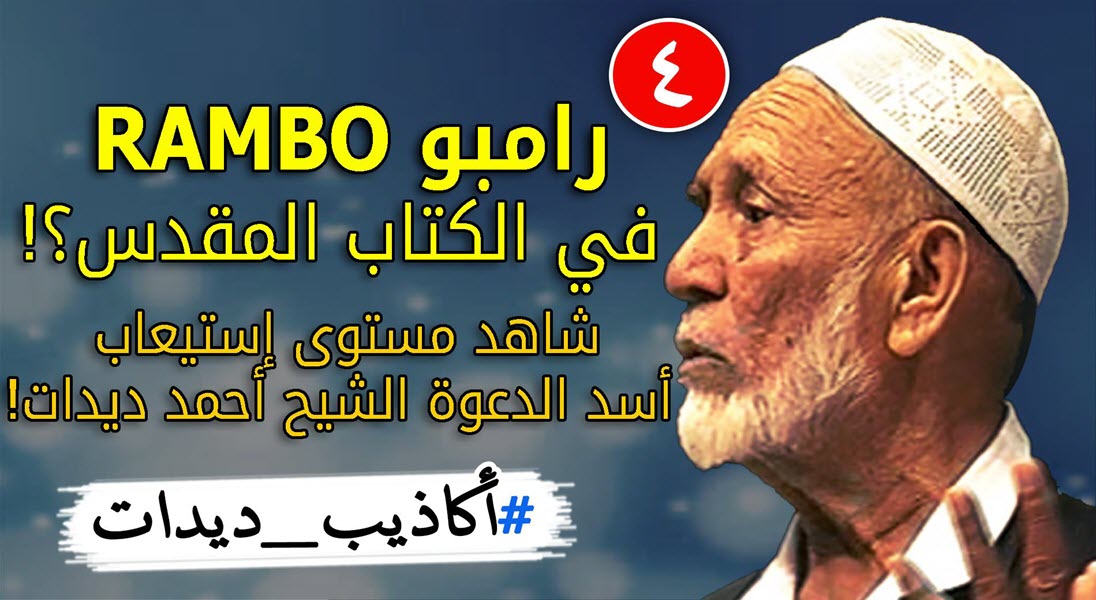
أكاذيب_ديدات (4): رامبو RAMBO في الكتاب المقدس؟! شاهد مستوى إستيعاب أسد الدعوة الشيح أحمد ديدات!

[gview file=”http://www.difa3iat.com/wp-content/uploads/2015/07/004.pdf” save=”0″]
مقدمة:
على طاولتنا شبهة اخرى من شبهات الشيخ الهندي أحمد ديدات. التي كان يلقيها بتهور ضد كتابنا المقدس، دون تفكر بعواقب بما يمكن ان يجلبه هذا المسلك عليه عندما ينكشف أمام الجميع مستوى تفكير الشيخ (أسد الدعوة!)، ومستوى فهمه للنصوص إذ ينتشر على الشبكة الالكترونية، وخاصة على موقع اليوتيوب YouTube مقطع مرئي لديدات بعنوان: (رامبوفي الكتاب المقدس) Rambo in the bible !!،هنا:http://www.youtube.com/watch?v=aJEGPHvRWGI
وفيه يسخر ديدات مهاجماً حادثتين في سفر القضاة من العهد القديم، عن شمجر الذي ضرب 600 رجل بمنساس بقر، وعن شمشون الذي ضرب 1000 رجُل بفك حمار طري. وسينقسم بحثنا إلى محورين، كالتالي:
المحور الأول: شمجر ومنساس البقر
المحور الثاني: شمشون والألف رجل
يقول ديدات:
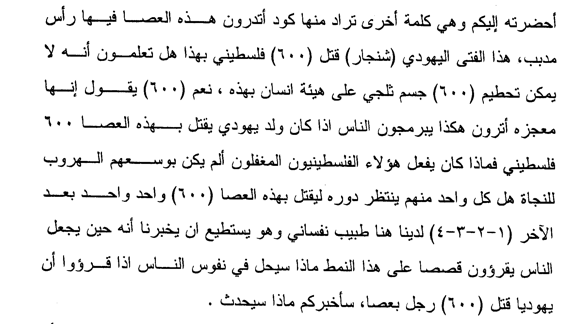
وقد اقتبس ديدات من سفر القضاة:
“وَكَانَ بَعْدَهُ شَمْجَرُ بْنُ عَنَاةَ، فَقتل مِنَ الْفِلِسْطِينِيِّينَ سِتَّ مِئَةِ رَجُل بِمِنْسَاسِ الْبَقَر” (قضاة 3: 31).

تفنيد الشبهة:
وسأقسم ردي على هذه الشبهة بخمسة نقاط كالتالي:
أولاً: ما معنى كلمة “ضرب” بالعبرية؟
ثانياً: هل ضرب شمجر وحده أم كان معه مجموعة يقودها؟
ثالثاً: هل حدث الضرب في يوم واحد وموقعة واحدة ؟!
رابعاً: هل منساس البقر يمكن استعماله كسلاح؟
خامساً: لماذا استعملوا منساس البقر بدلاً من السيوف؟
أولاً: ما معنى كلمة “ضرب” بالعبرية؟
كلمة “ضرب” في العبرانية هي: (נכה) ناخاه.Kأما كلمة “قتل” في العبرانية هي: (הרג) هاوراج.
فالآية (قضاة31:3) لم تستخدم لفظة القتل (הרג)، انما لفظة (נכה) التي تعني ضرب! والضرب لا يعني دوماً القتل قطعاً، انما لها معاني الضرب الاخرى. لنقرأ من القاموس العبري \ الانجليزي المسمى قاموس سترونج ليتضح لنا المعنى لسليم لكلمة ضرب العبرية נכה:
A primitive root; to strike)lightly or severely, literally or figuratively): – beat, cast forth, clap, give [wounds], X go forward, X indeed, kill, make [slaughter], murderer, punish, slaughter, slay (-er, -ing),smite (-r, -ing), strike, be stricken, (give) stripes, X surely,wound.
http://www.bibletools.org/index.cfm/…D/h5221/page/2
فالكلمة من معانيها: الضرب بقوة أو خفة، صفع، يعاقب، يقتل، يجرح الخ! فالكلمةالمستخدمة في الآية عن شمجر (قضاة 31:3) قد تعني ضرب، هاجم، أصاب، وانتصر عليهم، هزمهم. وليس حتما ولزاماً انه قتلهم وأماتهم حرفياً، فهذا فِهم عجيب للنص!
ثانياً: هل ضرب شمجر وحده أم كان معه مجموعة يقودها؟
حين يقال فلان “ضرب”، لا يعني بالضرورة انه ضرب وحده دون مساعدين معه. حين يستخدم فعل مفرد لا يعني انه قام به وحده.
مثال (1): حين يقال: “سليمان بنى الهيكل“، فهل معنى هذا ان سليمان “وحده” وبيديه المجردتين قد بنى الهيكل حجراً فوق حجر؟! أم يقال هذا لأن سليمان كان هو الملك والقائد والآمر لعماله بالبناء، فنسب البناء اليه وحده.
مثال (2):
حين يقال “قاتل الخليفة أبو بكر كل قبائل العرب التي إرتدت بعد موت رسول الإسلام“. فلن يفهم العاقل ان أبي بكر قد حمل سيفه وركب حصانه وذهب إليهم وحده وقاتلهم منفرداً. انما يُفهم انه كان الأمير والقائد على السرايا التي قاتلت كل المرتدين عن الإسلام بحد السيف، بأمر مباشر منه.
على غرار ذلك نفهم قول الوحي بأن “شمجر” ضرب 600 رجل، بأنه كان هو “القائد” والآمر بشكل مباشر للهجوم المباغت على الفلسطينيين وضربهم.
وكثيراً ما استخدمت كلمة “يضرب” بصيغة المفرد للضارب، ويقصد بها جيشه ككل. ففي سفر القضاة ذاته، نقرأ كلمة “ضرب” ترد بالمفرد في حين يقصد بها الجمع. اذ نقرأ عن جدعون:“وَصَعِدَ جِدْعُونُ فِي طَرِيقِ سَاكِنِيالْخِيَامِ شَرْقِيَّ نُوبَحَ وَيُجْبَهَةَ، وَضَرَبَ الْجَيْشَ وَكَانَ الْجَيْشُمُطْمَئِنًّا ” (القضاة 11:8). فهل جدعون “ضرب” الجيش منفرداً دون معونة من جيشه…؟
وفي سفر التكوين نقرأ عن عيسو: “إِنْجَاءَ عِيسُو إِلَى الْجَيْشِ الْوَاحِدِ وَضَرَبَهُ،يَكُونُ الْجَيْشُ الْبَاقِينَاجِيًا” (التكوين 32: 8).
“ضربه” بالمفرد، فهل عنى بذلك ان عيسو كان لوحده ليضرب، أم كان معه 400 رجل…؟
ونقرأ ايضاً عن موسى:
” كُلَّ مَمْلَكَةِ عُوجٍ فِي بَاشَانَالَّذِي مَلَكَ فِي عَشْتَارُوثَ وَفِيإِذْرَعِي. هُوَ بَقِيَ مِنْبَقِيَّةِ الرَّفَائِيِّينَ،وَضَرَبَهُمْ مُوسَى وَطَرَدَهُمْ” (يشوع 13: 12)
“ضربهم” موسى بصيغة المفرد، فهل يعني هذا ان موسى كان لوحده يحاربهم ويضربهم دون أي مساعد معه؟ أين ذهب إذن جيش اسرائيل؟
ونقرأ عن يشوع:” حِينَئِذٍ صَعِدَ هُورَامُ مَلِكُجَازَرَ لإِعَانَةِ لَخِيشَ،وَضَرَبَهُ يَشُوعُمَعَ شَعْبِهِ حَتَّى لَمْيُبْقِ لَهُ شَارِدًا” (يشوع 3:10). قرأنا ان يشوع “ضربه”، فهل فعل هذا بمفرده دون وجود أحد معه؟
وعن شاول الملك نقرأ:
“فَسَمِعَ جَمِيعُ إِسْرَائِيلَ قَوْلاً: قَدْ ضَرَبَ شَاوُلُ نَصَبَ الْفِلِسْطِينِيِّينَ، وَأَيْضًا قَدْ أَنْتَنَ إِسْرَائِيلُ لَدَى الْفِلِسْطِينِيِّينَ. فَاجْتَمَعَ الشَّعْبُ وَرَاءَ شَاوُلَ إِلَى الْجِلْجَالِ ” (صموئيل الأول 13: 4). “ضرب” شاول، وردت بالمفرد، انما لا يعني انه ضربهم بمفرده بشخصه وحيداً دون شعبه الذي كان وراءه.
وعن داود الملك نقرأ:” وَعَادَتِ الْحَرْبُ تَحْدُثُ، فَخَرَجَ دَاوُدُ وَحَارَبَ الْفِلِسْطِينِيِّينَ وَضَرَبَهُمْ ضَرْبَةًعَظِيمَةً فَهَرَبُوا مِنْ أَمَامِهِ ” (صموئيل الأول 8:19). فداود “ضربهم” بالمفرد، فهل نفهمها انه كان وحيداً دون معين من أحد؟ وعبارة هربوا من “أمامه” جاءت بالمفرد فهل الفلسطينيين قد هربوا من أمام شخص واحد فقط. ؟! أم يقصد بها انهم هربوا من أمام جيش داود الذي كان هو قائده، فينسب اليه فعل الضرب والانتصار.
كذلك حين يقال عن “شمجر” انه “ضرب”، فيعني انه ضرب مع مجموعة من أتباعه المقاتلين لكونه قائدهم.
ولا يفوتنا ان نُذكّر الشيخ ديدات ان شمجر كان “قاضياً ” لإسرائيل أي رجلاً بالغاً ولم يكن “صبياً” كما يزعم متوهماً!
ثالثاً: هل حدث الضرب في يوم واحد وموقعة واحدة؟!
نتحدى الشيخ ديدات وأتباعه بأن يقدموا لنا دليلاً واحداً ان ضرب شمجر للفلسطينيين كان في موقعة واحدة ؟!
فالنص الكتابي لم يقل هذا، ولا يحق لأحد ان يسقط استنتاجاته المسبقة على النص.
بل على العكس، فإن سفر القضاة يؤكد بأن الفلسطينيين كانوا يقطعون الطرق على بني اسرائيل وينهبونهم، فكان شمجر قائداً على سرية مدافعة لمقاومة الغزاة قاطعي الطرق. فكلما هجم عليهم قاطعوا الطرق كان شمجر ورفاقه المقاتلين يضربونهم ويصدونهم. اذ نقرأ كلام دبورة:”فِي أَيَّامِ شَمْجَرَبْنِ عَنَاةَ،فِي أَيَّامِ يَاعِيلَ، اسْتَرَاحَتِ الطُّرُقُ، وَعَابِرُو السُّبُلِ سَارُوا فِي مَسَالِكَ مُعْوَجَّةٍ”. (القضاة 6:5).
لاحظ استخدام كلمة “أيام” وليس يوم واحد. فشمجر لم يضرب 600 رجل في يوم واحد ولا في موقعة واحدة، انما كانت على ايام عديدة. اذ ان قطاع الطرق لا يهجمون في يوم واحد. لذا كان شمجر ورفاقه الشجعان ينتظرونهم وكأنهم يحرثون البقر ومعهم المناسيس، فلا يخشاهم الفلسطينيين اذ يعتقدون أنهم مجرد فلاحين دون سلاح، فيفاجئهم شمجر ورفاقه الحاملين المناسيس كرماح حادة بالضرب الفتاك اذ استعملوها كسلاح فعال، حتى “استراحت الطرق” (قضاة 6:5).
وهذا يصل بنا الى النقطة الرابعة. عن سلاح المنساس!!
رابعاً: هل منساس البقر يمكن استعماله كسلاح؟
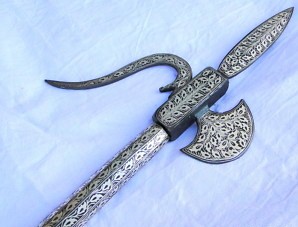
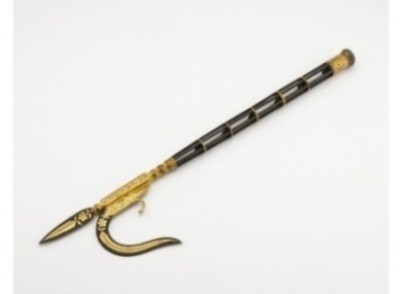
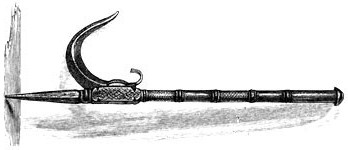
منساس البقر ببساطة ليس هو مجرد عصا كما كان ديدات يحاول خداع جمهوره! إنما رأسه يحوي قطعة معدنية مدببة (كما اعترف ديدات بنفسه في المناظرة، وكلامه المترجم موجود في المقطع)، اليس هذا يجعل من المنساس تعمل عمل الرمح القاتل ؟!
كلمة منخاس بالعبرية هي (מלמד) مالمود. ولو راجعنا القاموس لمعرفة معناها سنكتشف انها تستخدم ايضاً كسلاح !!
Dictionary of Biblical Languages with Semantic Domains
4913 מַלְמָדmǎl∙mā cattle-goad, i.e., a pointed stick, often with a ****l point, used to prod cattle, but could be used as a weapon(Jdg 3:31).
فليست هي مجرد “عصا” كما زعم ديدات (!!) وهذه صور للمنساس، ولاحظوا رأسها المعدني المدبب كالحربة القاتلة:


خامساً: لماذا استعملوا منساس البقر بدلاً من السيوف؟
السبب ان الفلسطينيين كانوا هم المحتلين والمتسلطين على اسرائيل في أيام القضاة، وكانوا يجردون كل اسرائيل من اسلحته! اذ نقرأ في ذات سفر القضاة: “اِخْتَارَ آلِهَةً حَدِيثَةً. حِينَئِذٍ حَرْبُ الأَبْوَابِ.هَلْ كَانَ يُرَى مِجَنٌّ أَوْ رُمْحٌ فِي أَرْبَعِينَ أَلْفًا مِنْ إِسْرَائِيلَ” (القضاة 8:5).فلم يكونوا يتركون لهم مجناً ولا رمحاً. لهذا استعمل “شمجر” ورفاقه المقاتلين مناسيس البقر كسلاح يشبه الحربة القاتلة لمقاومتهم.
اذ نقرأ في هذا النص الأمرين معاً:
“وَلَمْ يُوجَدْ صَانِعٌ فِي كُلِّ أَرْضِ إِسْرَائِيلَ، لأَنَّ الْفِلِسْطِينِيِّينَ قَالُوا: «لئلا يَعْمَلَ الْعِبْرَانِيُّونَ سَيْفًا أَوْ رُمْحًا». بَلْ كَانَ يَنْزِلُ كُلُّ إِسْرَائِيلَ إِلَى الْفِلِسْطِينِيِّينَلِيُحَدِّدَ كُلُّ وَاحِدٍ سِكَّتَهُ وَمِنْجَلَهُ وَفَأْسَهُ وَمِعْوَلَهُ. عِنْدَمَا كَلَّتْ حُدُودُ السِّكَكِ وَالْمَنَاجِلِ وَالْمُثَلَّثَاتِ الأَسْنَانِ وَالْفُؤُوسِ وَلِتَرْوِيسِ الْمَنَاسِيسِ” (1 صموئيل 19:13-21).
الأمر الأول: الفلسطينيين كانوا يمنعون عن اسرائيل كل انواع الاسلحة من سيوف ورماح.
الأمر الثاني: ان المناسيس كانوا يحدونها مما يثبت انها كانت ذو رؤوس مدببة كالرماح.
نستخلص: ان شمجر كان قاضياً لإسرائيل أي كالقائد، وكونه “ضرب” 600 رجل، فلا يعني انه ضربهم بمفرده دون مساعدة رفاقه الحاملين ايضاً لمناسيس حادة استخدموها كرماح، في مباغتتهم لقطاع الطرق من الفلسطينيين.
فلم يكن ضرب 600 رجل في موقعة واحدة انما في مواقع وعلى أيام.
وحتى لو اعتبرناها موقعة واحدة فهذا ليس خيالاً، اذ ان شمجر لم يكن وحده، إضافة الى ايماننا بقوة الرب في نصرة عبيده على اعداءه حتى ولو بالوسائل الضعيفة، كما نصر الرب عبده جدعون على جيش عرمرم، بثلاثمائة جندي معهم جرار !!


شبهة ديدات التالية تتعلق بشمشون قاضي اسرائيل الجبار. وفيها يسخر ديدات والعوام الهائج من جمهوره المسلم في القاعة من رواية الكتابالمقدس بأن شمشون قد قتل 1000 فلسطيني بفك حمار.. معتبرينها رواية منافية للعقل! اذ يقول ديدات:


الإجابة بنعمة الرب:
ليس في الامر مبالغة ولا خيال كما يزعم ديدات.. اذ كعادته لم يقرأ النص جيداً، علاوة على اقتطاعه من سياقه. وسنطرح هذه النقاط لتوضيح الأمر..
أولاً: قوة شمشون كانت معجزة إلهية!
ثانياً: ضرب لا تعني انه قتل!
ثالثاً: فك الحمار.. سلاح!
رابعاً: هل وقفوا طابوراً ليقتلهم شمشون؟!
أولاً: قوة شمشون كانت معجزة إلهية!
فشمشون القاضي من الناحية الجسدية كان جباراً مفتول العضلات كالجبلالمنيع. وكانت قدرته الجسديةهذه احدى نعم الرب عليه. فقوته كانت مؤازرة له من قبل روح الرب.
ولوقرأنا النص لوجدنا ان الرب هو الذي ساعده على ذلك المجهود. لا بل اجترح معه معجزةانقاذ من العطش،ليثبت له بأن جبروته وقوتهمهما بلغ مداها الا انه بدون الرب فسيهلك لأبسط الأسباب.
لنقرأ:
“9 وَصَعِدَ الْفِلِسْطِينِيُّونَ وَنَزَلُوا فِي يَهُوذَا وَتَفَرَّقُوا فِي لَحْيٍ. 10 فَقَالَ رِجَالُ يَهُوذَا: «لِمَاذَا صَعِدْتُمْ عَلَيْنَا؟» فَقَالُوا: «صَعِدْنَا لِكَيْ نُوثِقَ شَمْشُونَ لِنَفْعَلَ بِهِ كَمَا فَعَلَ بِنَا». 11 فَنَزَلَ ثَلاَثَةُ آلاَفِ رَجُل مِنْ يَهُوذَا إِلَى شَقِّ صَخْرَةِ عِيطَمَ، وَقَالُوا لِشَمْشُونَ: «أَمَا عَلِمْتَ أَنَّ الْفِلِسْطِينِيِّينَ مُتَسَلِّطُونَ عَلَيْنَا؟ فَمَاذَا فَعَلْتَ بِنَا؟» فَقَالَ لَهُمْ: «كَمَا فَعَلُوا بِي هكَذَا فَعَلْتُ بِهِمْ». 12 فَقَالُوا لَهُ: «نَزَلْنَا لِكَيْ نُوثِقَكَ وَنُسَلِّمَكَ إِلَى يَدِ الْفِلِسْطِينِيِّينَ». فَقَالَ لَهُمْ شَمْشُونُ: «احْلِفُوا لِي أَنَّكُمْ أَنْتُمْ لاَ تَقَعُونَ عَلَيَّ». 13 فَكَلَّمُوهُ قَائِلِينَ: «كَلاَّ. وَلكِنَّنَا نُوثِقُكَ وَنُسَلِّمُكَ إِلَى يَدِهِمْ، وَقَتْلاً لاَ نَقْتُلُكَ». فَأَوْثَقُوهُ بِحَبْلَيْنِ جَدِيدَيْنِ وَأَصْعَدُوهُ مِنَ الصَّخْرَةِ. 14 وَلَمَّا جَاءَ إِلَى لَحْيٍ، صَاحَ الْفِلِسْطِينِيُّونَ لِلِقَائِهِ. فَحَلَّ عَلَيْهِ رُوحُ الرَّبِّ، فَكَانَ الْحَبْلاَنِ اللَّذَانِ عَلَى ذِرَاعَيْهِ كَكَتَّانٍ أُحْرِقَ بِالنَّارِ، فَانْحَلَّ الْوِثَاقُ عَنْ يَدَيْهِ. 15 وَوَجَدَ لَحْيَ حِمَارٍ طَرِيًّا، فَمَدَّ يَدَهُ وَأَخَذَهُ وَضَرَبَ بِهِ أَلْفَ رَجُل. 16 فَقَالَ شَمْشُونُ: «بِلَحْيِ حِمَارٍ كُومَةً كُومَتَيْنِ. بِلَحْيِ حِمَارٍ قَتَلْتُ أَلْفَ رَجُل». 17 وَلَمَّا فَرَغَ مِنَ الْكَلاَمِ رَمَى اللَّحْيِ مِنْ يَدِهِ، وَدَعَا ذلِكَ الْمَكَانَ «رَمَتَ لَحْيٍ». 18 ثُمَّ عَطِشَ جِدًّا فَدَعَا الرَّبَّ وَقَالَ: «إِنَّكَ قَدْ جَعَلْتَ بِيَدِ عَبْدِكَ هذَا الْخَلاَصَ الْعَظِيمَ، وَالآنَ أَمُوتُ مِنَ الْعَطَشِ وَأَسْقُطُ بِيَدِ الْغُلْفِ». 19 فَشَقَّ اللهُ الْكِفَّةَ الَّتِي فِي لَحْيِ، فَخَرَجَ مِنْهَا مَاءٌ، فَشَرِبَ وَرَجَعَتْ رُوحُهُ فَانْتَعَشَ. لِذلِكَ دَعَا اسْمَهُ «عَيْنَ هَقُّورِي» الَّتِي فِي لَحْيٍ إِلَى هذَا الْيَوْمِ. 20 وَقَضَى لإِسْرَائِيلَ فِي أَيَّامِ الْفِلِسْطِينِيِّينَ عِشْرِينَ سَنَةً”
(القضاة اصحاح 15اية 9-20).
إذن المسألة كلها كانت قدرة الهية وعون اعجازي، بدليل قول الكتاب:
“فحلّ عليه روح الرب فكانالحبلان اللذان على ذراعيه ككتان احرق بالنار فانحلّ الوثاق عن يديه“. إذن الرب هو من عضده وأيده في اجتراح هذه المعجزات القوية في حربهضد اهل الأوثان!وبعد أن سنده الرب في ضرب الف رجل (دون ان يحدد النصالفترة الزمنية التي استغرقت ذلك)..
عطش شمشون وكاد انيموت عطشاً.. وطلب الى الرب الذي اعطاه ذلك الخلاص العظيم من يد اهل الوثن بقوله:
“ثم عطش جدا فدعا الرب وقال إنك قدجعلت بيد عبدك هذا الخلاص العظيم والآن اموت من العطش” !!
فالرب (باعتراف شمشون) هو من جعل بيده هذا الخلاص العظيموقد أنقذه من العطشبمعجزة عظيمة.
فترون ان الحدث كله اعجاز إلهي عظيم سند به عبده شمشونفليس في الامر أي خرافةكما هرف ديدات من كيسه!
ثانياً: ضرب لا تعني انه قتل!
كما درسنا في الشبهة الأولى عن شمجر، اكتشفنا أن كلمة “ضرب” العبرية التي استخدمها الوحي المقدس، لا تعني بالضرورة “قتل”!
وإن قيل كيف اذن نقرأ قول شمشون بأنه قتل:
“وَوَجَدَ لَحْيَ حِمَارٍ طَرِيًّا، فَمَدَّ يَدَهُ وَأَخَذَهُ وَضَرَبَ بِهِ أَلْفَ رَجُل. “فَقَالَ شَمْشُونُ: «بِلَحْيِ حِمَارٍ كُومَةً كُومَتَيْنِ. بِلَحْيِ حِمَارٍ قَتَلْتُ أَلْفَ رَجُل» “.
قلنا:
ان الاصل العبراني هو ذاته كلمة ناخاه أي “ضرب” في كلتا الآيتين!
فالترجمة العربية لم تكن دقيقة في الآية 16، اذ كان الأصح ان تترجمها “ضربت” وليس “قتلت”.
فالترجمة الانجليزية اليهودية للآيتين هي هكذا بذات الكلمة “ضربت”:
15 And he found a new jawbone of an ass, and put forth his hand, and took it, and smotea thousand men therewith. 16 And Samson said: With the jawbone of an ass, heaps upon heaps, with the jawbone of an ass have I smittena thousand men.
http://www.mechon-mamre.org/e/et/et0715.htm
“ضرب “، “ضربت”. وليس قتل!
لأن النص العبراني يقول ذلك مستخدماً كلمة “ضربت ” وليس قتلت:
قضاة 15: 15
וימצאלחי־חמורטריהוישׁלחידוויקחה ויך־בה אלףאישׁ׃
قضاة 15: 16
ויאמרשׁמשׁוןבלחיהחמורחמורחמרתיםבלחיהחמורהכיתי אלףאישׁ׃
فشمشون “ضرب”، ولا مستوجب يجبرنا على ان نفهم أنه “قتل”. وحتى لو كان قد قتل، فهذا أؤمن به، لأن الكتاب قال صراحة ان قوة شمشون كان اعجازية إلهية من عند الرب.
ثالثاً: فك الحمار.. سلاح!
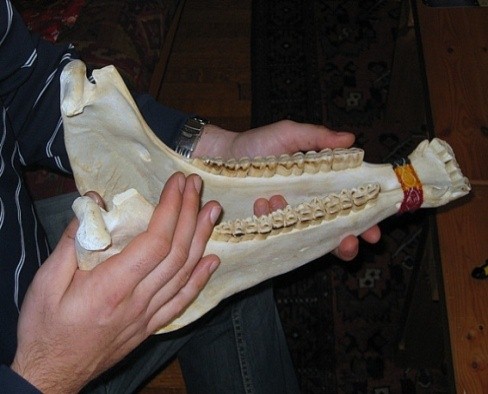
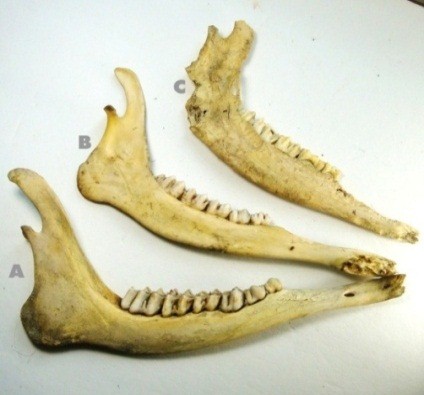
من جهة النصمن سفر القضاة.. فالنص قد قال بأن شمشون قد استخدم فك حمار في تلك المعركةالحربية.. وكان كسلاح فتاك بيده. والنتيجة ان شمشون بالسلاح الذي استخدمه وبقوةالرب قد ضرب ما مجموعه الف رجل.. بعضهم قُتل وبعضهم جرح وهرب. ولا ادري ما هو صعب الهضم في هذ الحادثة ؟!
ففك الحمار يمكن استخدامه كأداة قاتلة وكسلاح، اذ يزن ما يقارب أربعة كيلوجرامات، وتصميمه يشابه “البلطة” التي كان يستخدمها الهنود الحمر.. اضافة الى بقاء الاضراس المدببة عليه.


رابعاً: هل وقفوا طابوراً ليقتلهم شمشون؟!
(1)تعليق على ألفاظ ديدات قوله المنفر: ” لو بصق الفلسطينيون دفعة واحدة لأغرقوه“!
صحيح ان “المرء مخبوء تحت لسانه”، اذ “كل إناء بما فيه ينضح”!فالشخص المتكلم يُظهر اسلوب كلامه، طبيعة بيئته وتربيته ومهنته. فالفيلسوف يضرب أمثلة تتناسب مع حكمته، والمهندس يضرب أمثلة حسابية تناسب مع مهنته، والطبيب يشرح بأمثلة تتوائم مع طبيعة عمله، وهكذا الى كل أصحاب المهن والمواهب، فكيف كان الأجدر بـ “شيخ!” وعلاّمة عصره أن يضرب الأمثلة؟
(2) لم يكونوا طابوراً! النص لم يحدد المدة التي ضرب فيها شمشون أعداءه الألف.فقد تكون تلك المعركة قد استمرت ساعات طوال، أو اياماً. فهم لم يقفوا في طابور ليقتلوا تباعاً. بل ان نص الكتاب يقول ان شمشون كوم كومتين!
” فَقَالَ شَمْشُونُ: بِلَحْيِ حِمَارٍ كُومَةً كُومَتَيْنِ ” (قضاة 16:15). أي ان المعركة حدثت في أماكن مختلفة على الأقل مكانين.
كما ان الكومة لا يقصد بها 500 رجل !! انما عدد محدود قد لا يبلغ الدزينة منهم.. فهو قتل البعض وكوّمهم وجرح الآخرين، وقد بلغ مجموعهم الألف، بين قتيل وجريح.فالنص قد اختصر الواقعة. ولا يجب ان يتفلسف لا ديدات أو غيره لكي يُحمل النص ما لا يحتمل.
في النهاية، إننا نتساءل، كيف لشيخ يلقبه المسلمون بأسد الدعوة، ويصفونه بأنه “عالِم” أن يسقُط في هذه الأخطاء الساذجة أثناء قراءة النص وفهمه؟ هل تُرى الشيخ حقاً لم يفهم مقصود النص أم أنه قد فهمه ويتعمد إظهار عقله بهذا المستوى الضعيف، فقط ليهاجم الكتاب المقدس؟ وإن كان هذا أو ذاك، فكيف يثق فيه الإخوة المسلمون؟