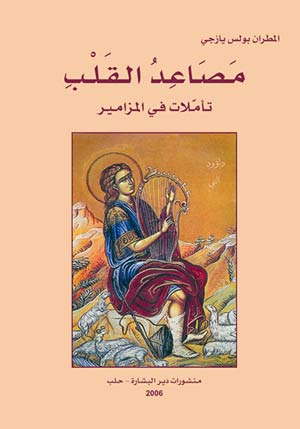
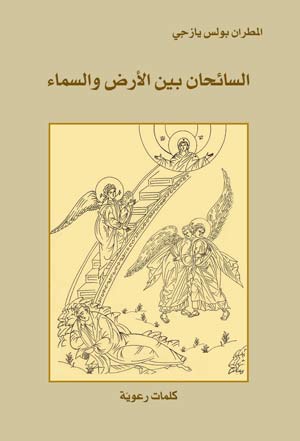
جميع ما هو موجود في الكتاب المقدّس يرمي إلى المسيح، ومن هذا المنطلق يقرأ المؤمنون أسفار الكتاب المقدّس في نور الربّ يسوع. ولكن ما عسى سفر المزامير يعني بالنسبة إلينا نحن الذين نحيا في القرن العشرين؟ لقد وظّفت الكنيسةُ المزاميرَ كتسابيح فعّالة جدّاً في منظومتها الليتورجيّة وليس هناك من خدمة ليتورجيّة تخلو من مقاطع مختارة من المزامير، وهكذا بات استخدام المزامير في صلاة الكنيسة الأرثوذكسيّة أمراً أساسيّاً يساعد المؤمن على رفع قلبه وذهنه إلى الله. ففي المزامير يصرخ المؤمن صرخات الفرح على انتصارات الله فيه، كما ويعبّر عن حزنه على خطايا يرتكبها الإنسان لأسباب شتّى. من هنا جاءت هذه الخطوة المباركة التي قام بها سيادة المطران بولس (يازجي) مشكوراً في سبيل دعم فَهْم المصلّي العربيّ للمزامير وتوضيح خفايا بعض المزامير التي يصلّيها دوماً.
المطران بولس (يازجي) ذو باع طويل في اللّغة اليونانيّة ويستطيع أن يغوص في معاني هذه اللّغة وتعابيرها، وهذا يدعم خبرته في فهم الكتاب المقدّس بطريقة أكثر عمقاً، ويريد أن ينقل تأمّلاته في المزامير إلى أبنائه الروحيّين وإلى جميع الذين يصلّون في المزامير وخاصّة إلى الذين يقرؤونها يوميّاً بحسب تقسيمات الأسبوع ويريد أن يُشرِك الجميع في هذه التأمّلات القيّمة والمغذّية للنفس. وهو بهذه التأمّلات يدخل إلى خفايا الكلمة الإلهيّة ويُخرج منها الدرر المبثوثة فيها. إنّه يعبِّر عن ذلك ويُدخِلك معه للاشتراك بهذه الدرر فتدخل الكلمات إلى أعماق قلبك وتنفجر في القلب إيماناً ورجاءً وتوبةً وتواضعاً. فيتأثّر كيان الإنسان وتهتزّ عظامه فتنسكب الدموع من العينَين ندماً ورجوعاً إلى الله وارتماء على قدمَيه بانسحاق وتواضع. المطران بولس يشرح تأمّلاته في بعض المزامير بلغة سلسة مفهومة يقرؤها بسطاء العلم فيفهمونها ويقرؤها العارفون فيرتفعون وينتفعون.
يتصوّر العديدون الإنسانَ سائحاً هائماً وراء متطلّباته، أكانت روحيّة أم ماديّة. فالإنسان كائن باحث أو هائم! وهذا ما عبّر عنه دانيال النبيّ أنّ الإنسان هو “رجل الرغبات”. تختلج في قلب هذا الكائن دائماً أشواق تقوده للسعي وراء ما يعشق.
لكن لا يمكن لكثيرين أن يتصوّروا اللهَ سائحاً. لأنّ الله بحسب الفلسفة والأديان عامّة هو الكائن “الثابت” غير المتبدّل، ولأنّ العشق يعني السعي نحو شيء ينقصني. وحاشى لله أن ينقصه شيء! لهذا لا يمكن لله أن يملك عشقاً وهياماً في داخله (إن جاز استخدام هذه التعابير البشريّة). الله صالح في طبيعته، وهذا يعني أنّ طبيعته محبّة – صالحة!
لكنّ المسيحيّة دين المحبّة والحريّة؛ محبّة الله وحريّة الإنسان. إنّ كلا الكلمتين (محبّة، حريّة) تعنيان أنّ الله متحرّك وليس ثابتاً، وأنّه يسعى إلينا كما لو سعينا إليه. إنّه يتتبّع خطانا الحرّة. وهذا التتبّع لا يكتب قدراً بل يهيم وراء الإنسان المحبوب في خطى هذا الأخير التائهة مراراً والهادفة مرّات أخرى. محبّة الله هي عشقٌ نحو الإنسان فهي إذن “ملاحقة” رقيقة الظلّ! الله أيضاً سائح.
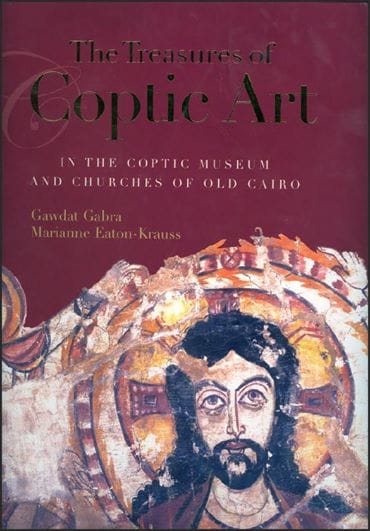
The Treasures of Coptic Art in the Coptic Museum and Churches of Old Cairo Hardcover – Dr. Gawdat Gabra
Egypt’s Coptic Church is one of the oldest in the world, with a cultural tradition dating back two millennia, during which time churches have been built and a variety of distinctive art forms have flourished. The world’s largest and most exquisite collection of Coptic artifacts is now housed in the Coptic Museum, founded in Old Cairo in 1908. Here for the first time, in this lavishly illustrated book, more than one hundred of the greatest treasures of the Coptic Museum have been beautifully photographed to present an overview of this rich artistic heritage. Objects from churches and monasteries across Egypt include some of the finest examples of Coptic icons, stelae, sculptures, wall paintings, wooden altar screens, metal crosses, censers, liturgical implements and vestments, chandeliers, and bible caskets. Besides being objects of great craftsmanship and beauty, these artifacts, which range in date from the third to the nineteenth centuries, represent indispensable material for the study of the origins and development of Coptic art, as well as its relations with the ancient Egyptian, Byzantine, and Islamic traditions. Textiles, ceramics, terracotta, ivory and bone carvings, and documents (including the famous Nag Hammadi Gnostic library from the fourth century, one of the most valuable collections of papyri in the world) provide invaluable insights into the economic and social life of Egypt over the past two thousand years. In addition to objects from the Coptic Museum, this book also includes photographs of surrounding churches, some of Egypt’s oldest, that illustrate the architectural legacy of the Copts. The accompanying text and captions provide a description of Coptic civilization in general and Coptic art in particular.
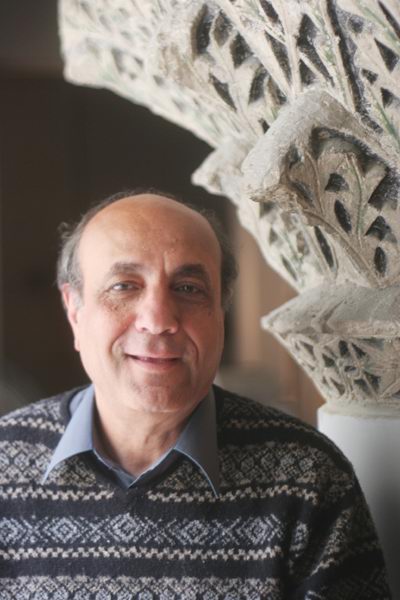
Dr. Gawdat Gabra
Dr. Gawdat Gabra is an independent scholar specializing in Coptic studies, and former director of the Coptic Museum in Cairo (1985). He is also a member of the board of the Society of Coptic Archaeology and chief editor for the St. Mark Foundation for Coptic History Studies
He is the author and editor of numerous books related to the literary and material culture of Egyptian Christianity, including Coptic Monasteries: Egypt’s Monastic Art and Architecture and Christian Egypt: Coptic Art and Monuments through Two Millennia (both AUC Press 2002). He is also the co-editor of the three volumes of The Popes of Egypt (vol. I: AUC Press, 2004
Dr Gabra was born in Luxor, Egypt, but spend a great deal of his childhood in Aswan. He subsequently gained his LIC in Egyptian Antiquities at Cairo University in 1967, obtaining his PhD in Coptic Antiquities at Munster University, Germany.
Gawdat is currently resident in Southern California and a visiting lecturer at Claremont Graduate University.