برهان علم الفلك : الكوكب المتميز لي ستروبل

برهان علم الفلك : الكوكب المتميز – لي ستروبل

برهان علم الفلك : الكوكب المتميز لي ستروبل
برهان علم الفلك : الكوكب المتميز – لي ستروبل

برهان علم الفلك : الكوكب المتميز – لي ستروبل

بينما نتفحص كل الأدلة، تثار بقوة فكرة أن هناك قوة فائقة للطبيعة لا بد وأن تكون قد تدخلت. هل من الممكن أننا فجأة وبدون قصد، عثرنا بالصدفة على دليل علمي على وجود كائن فائق؟ هل الله هو الذي بدأ وصمم بعناية إلهية هذا الكون لفائدتنا؟

الفلكي جورج جرينشتاين[1]

إن الفلك يقودنا إلى حدث فريد من نوعه؛ إلى كون خُلق من العدم، كون يتمتع بأقصى توازن دقيق مطلوب لتوفير الشروط التي تسمح بوجود حياة، وكون له خطة كامنة (أو كما يقول واحد) “فائقة للطبيعة”.

أرنو بنزيا – حاصل على جائزة نوبل[2]

لا يوجد شيء غير عادي عن الأرض. أنها صخرة متوسطة بسيطة تدور بتلقائية حول نجم غير مميز في مجرة غير مميزة – “بقعة منعزلة في هذا الظلام الكوني الرهيب” كما قال الرحل كارل ساجان[3].

إن حقيقة أن الحياة تزدهر على كوكبنا ليست استثنائية. يقال لنا إن المخلوقات على أنواعها تتكاثر بلا شك في مواقع لا حصر لها بنا العشرة تريليون بليون نجماً في الكون. وقد قدر بعض العلماء أن هناك ما يصل إلى 10 تريليون حضارة متقدمة[4]. ووصل ساجان لرقم مليون بالنسبة لمجرتنا الطريق اللبني لوحدها.

وبالإجمال، فإن قوى الطبيعة أوتوماتيكية جداً حتى أنه من المؤكد أن الحياة قد ظهرت حيثما وُجد الماء. ولهذا عندما يثير العلماء فكراً جديداً عن الماء السائل كونه موجوداً على جسم سماوي آخر، فإن العوالم السرية لقمري كوكب المشتري المتجمدان يوروبا Europa، وجانيميد Ganymede هما حالياً الأمثلة الحية – ثم إن الادعاء الأوتوماتيكي هو أن الكائنات الحية لا بد بالضرورة أن تتبع ذلك.

إن كان بإمكان الحياة أن تظهر من اللا حياة بسرعة وبكفاءة كبيرة على كوكب عادي ككوكبنا كما يعتقدون، فلماذا لا يحدث هذا إذاً عبر مئات بلايين المجرات؟ بالنسبة لهم، تشبه الحياة مزيجاً من الحساء: أضف الماء فحسب![5]

إن عنوان كتاب الفلكي البيولوجي ديفيد دارلنج الذي صدر حديثاً يلخص بأناقة هذه الفلسفة المتفائلة؛ وهو “الحياة في كل مكان Life Everywhere”[6] إنه متحمس بخصوص التأكيدات القائلة بأن “الحياة قد تظهر بطريقة محتومة حيثما يتلاقى معاً مصدر طاقة مناسب، ومخزون مركز من المادة العضوية (المعتمدة على الكربون) والماء”. وقال إن هذه المكونات “تبدأ في أن تبدون موجودة في كل مكان في الفضاء”[7]. ونتيجة هذا، يعتقد ان الحياة الميكروبية على الأقل “منتشرة”[8].

باختصار، فإن الأرض ليس لها حالة مميزة. فالعالم البولندي نيكولاس كوبرنيكوس قلل من ذاتنا المبالغ فيها بوضعنا في مكاننا منذ زمن بعيد – فالكون لا يدور حولنا؛ ولكن بدلاً من ذلك، نحن اللذين نعيش في قرية رتيبة بعيداً جداً في ضاحية يصعب وصفها من مجرد الطريق اللبني الواسعة. ليس لدينا دوراً عظيماً، ولا معنى، ولا أهمية، ولا سبب لنكون أكثر من مجرد …. كائنات.

قال ريتشارد داوكنز من أكسفورد: “إن الكون الذي نلاحظه يتمتع بدقة بالخواص التي يجب أن نتوقعها إن كان هناك لا تصميم، ولا هدف، ولا شر أو خير، ولا شيء سوى اللامبالاة القاتلة والرهيبة”.

وهذا هو جوهر ما تعلمته عندما درست العلوم. فبالطبع دعمت هذه الاستنتاجات قيمي الإلحادية. وتمكنت بشكل ما أن أتجنب الاكتئاب الشديد بالتضمينات الشخصية لكل هذا، ومن الغريب أنني وجدت الرجاء والإلهام في الاعتقاد بأننا لسنا وحدنا في الكون. فحتى إن كان الله غير موجود، فعلى الأقل كانت هناك ملايين من الحضارات المتقدمة الأخرى[9].

رسائل لاسلكية إلى هرقل

منذ أن شاهدت للمرة الأولى الفيلم الكلاسيكي The Day the Earth Stood Still، وأنا طفل، أسرت بالصور الخيالية عن الحياة المتكاثرة داخل المجرات المصورة بالخيال العلمي. وبالطبع كان فيلمي Star Trek، وStar Wars سخيفان، لكن فكرة المخلوقات الغريبة الأخرى التي تعيش في زوايا وأركان الكون كانت ملفتة وحتى مريحة دائماً بالنسبة لي.

وبعد ذلك انبهرت بمعادلة Drake؛ وهي محاولة من الفلكي فرانك دريك لحساب عدد الحضارات التي قد توجد في مجرتنا. وعوامل المعادلة في مثل هذه المتغيرات مثل كم نجماً يمكنه أن يشبه شمسنا من بين الـ 200 – 300 بليون نجم في الطريق اللبني، ونسبة النجوم التي قد تكون بها كواكب في مناطق مسكونة، إلخ.

ومع أن الأرقام المحددة التي وضعها العلماء فيما بعد في معادلة دريك قد بلغت في مجملها تخمينات متأثرة بتحيزاتها الشخصية، اعترف عالم أنها كانت “طريقة لضغط كمية كبيرة من الجهل في فراغ صغير.”[10] – وهذا ما أعطى نوعاً من التأكيد العلمي لقضية تثير الكثير من التفكير.

ثم ابتهجت في منتصف السبعينات عندما أرسل دريك وساجان رسالة تهنئة للمجموعة الكونية العظيمة M13؛ والتي هي تركيز لربع مليون نجم في مجموعة نجوم هرقل، وفيما عرفت أنه لم يكن هناك الكثير من العلم العملي المتضمن في هذه المكالمة التليفونية عبر المجرات – فالأمر سيأخذ أكثر من 22000 سنة لوصول هذه الرسالة إلى مكانها المقصود – ومع ذلك كان هناك شيء رومانسي وجريء بخصوص محاولة الاتصال بالحضارات التي من المرجح جداً أنها سكنت تلك النجوم البعيدة.

كل هذا ساعد في تشكيل منظوري فيما كنت أتأمل عبر السنوات النجوم المتلألئة في السماوات المظلمة. أما الآن فقد تغير اتجاهي. فبعد دراسة آخر دليل من وجهات نظر علمية مختلفة – من الفلك إلى علم الكونيات إلى الجيولوجيا إلى علم المحيطات إلى الميكروبيولوجي – اتجهت استنتاجاتي إلى الاتجاه المعاكس.

يتضح أن الأرض يمكن أن تكون أي شيء سوى أن تكون شيئاً عادياً، وأن شمسنا أبعد من أن تكون متوسطة، بل وحتى موقع كوكبنا في المجرة موقع محظوظ بدرجة عجيبة. إن فكرة أن الكون هو مكان مزدهر لحضارات متقدمة تٌقوض الآن بالاستكشافات العلمية الجديدة المذهلة وبالتفكير الحديث.

وباختصار، فإن بالاستكشافات الجديدة تقول بأننا متميزين. فهناك أعداد متزايدة من العلماء يدرسون الالتقاء المذهل لنقاط “التزامنات” التي تجعل الحياة الذكية ممكنة على الأرض، ومستنتجين أن هذا لا يمكن أن يكون صدفة. إنهم يرون علامات تصميم، ونوعاً من تعديل حياة يشبه تعديل الفيزياء الذي استكشفناه في الفصل السابق.

في الواقع، قال باحث لامع: “إن الأدلة الحديثة التي استطاعت بقوة تفنيد فرضية [التصميم] انتهى بها الحال بتأكيدها”[11]. ومرة أخرى نجد أن دليل العلم يشير إلى خالق.

وبدلاً من أن تكون حياتنا بلا هدف، يقوم العلماء للمرة الأولى بالكشف عن أدلة ملموسة تقترح غرضاً مذهلاً واحداً على الأقل خلقنا من أجله؛ وهو أن نكتشف ونتعلم عما يحيط بنا في المكان الذي وضعنا فيه.

وبمعنى آخر، كما سنرى في هذا الفصل، أن هدفاً واحداً صُممنا لأجله هو أن نقوم بالعلم نفسه.

المكان الصحيح والزمان الصحيح

مع بزوغ فجر الألفية الجديدة، نشر الجيولوجي بيتر وورد، والفلكي دونالد براونلي[12] – وهما أستاذان بجامعة واشطن في سياتك – كتاباً ناجحاً ومثيراً للجدل أثار هذا السؤال المزعج بخصوص الأرض: “ماذا إن كانت فريدة تماماً: الكوكب الوحيد الذي به حيوانات في هذه المجرة أو حتى في الكون المرئي…. ؟”

وكتابهما “الأرض النادرة Rare Earth” ينظم الأدلة من مدى عريض من الفروع العلمية لبناء دفاعه بأن “ليس فقط الحياة الذكية، بل أيضاً أبسط مظاهر الحياة الحيوانية نادرة للغاية في مجرتنا، وفي الكون”[13]. وتوصلوا إلى الاستنتاج “الذي لا يمكن الهروب منه” بأن “الأرض مكان نادر حقاً”[14].

ومع أن وورد، وبراونلي يؤمنان بأن الحياة الميكروبية ربما تكون أكثر سيطرة؛ وهي رؤية يستخلصانها من الطريقة التي بد فيها أن الحياة قد تطورت على الأرض دون أدنى مجهود “بقدر ما سمحت الظروف البيئية ببقاءها”[15]، فإن اقتناعهما بأن وجود حياة معقدة أمر “نادر بطريقة استثنائية” هو اقتناع مدعم ببيانات مقنعة منفصلة عن أي إطار لاهوتي.

أطلق دون جوهانسون – مدير معهد الأصول الإنسانية في جامعة ولاية أريزونا – على كتابهما “عقلاني بحرص وماكر علمياً”، وقال: “رغم تفكيرنا التواق، ربما لن يظهر موزارت أو مونيه آخر”.[16] وأضاف ديفيد ليفي الذي أطلق اسمه على المذنب Shoemaker-Levy* “إن الحياة المعقدة كما نعلم قد تكون نادرة جداً، وثمينة جداً”[17] وقالت جريدة Times of London: “إن كانا على حق، فربما آن أوان عكس عملية كانت مستمرة منذ كوبرنيكوس”[18].

يلاحظ علماء متزايدون الطرق المدهشة التي يتمكن بها كوكبنا – على خلاف كل الشواذ – من تحقيق عدداً كبيراً من المعايير جيدة الاتزان الحاسمة تماماً لتدعيم موطناً مناسباً للبشرية.

قال معلما العلم جيمي ديفيز وهنري بو: “أهم من كونه كوكباً واحداً من بلايين الكواكب، فإن كوكب الأرض يبدو الآن الأرض الاستثنائية. فالبيانات تتضمن أن الأرض ربما تكون الكوكب الوحيد “في المكان المناسب في الزمان المناسب”[19].

تأكيـد جـريء

إن موقع الأرض، وحجمها، وتركيبها، وبنيتها، وجوها، ودرجة حرارتها، وحركاتها الداخلية، ودوائرها المعقدة الضرورية للحياة – دورة الكربون، ودورة الأوكسجين، ودورة النيتروجين، ودورة الفوسفور، ودورة الكبريت، ودورة الكالسيوم، ودورة الصوديوم، إلخ – تشهد بأن كوكبنا متزن بإتقان[20].

إنهما يذكران كيف أن جو الأرض يُزيل الأشعة فوق البنفسجية الضارة بينما يعلم مع المحيطات ليجعل المناخ معتدلاً من خلال تخزين وإعادة توزيع الطاقة الشمسية، وكيف أن الأرض من الكبر بمكان حتى إن جاذبيتها تحتفظ بالغلاف الجوي، ومع ذلك فهي من الصغر بمكان حتى إنها لا يمكنها الاحتفاظ بالكثير من الغازات الضارة. ثم يصفان داخل الأرض هكذا[21]….

…. محرك حراري ضخم، لكنه متزن بدقة يحفزه النشاط الإشعاعي…. إن كانت تسير ببطء أكثر… لما كانت القارات تشكلت على وضعها الحالي…. ولما انصهر الحديد ووصل لمرحلة السائل، ولما تطور المجال المغناطيسي… وإن كان هناك مزيد من وقود النشاط الإشعاعي، ومن ثم محرك دائر، لغطى الغبار البركاني الشمس، وصار الغلاف الجوي أكثر كثافة، وتحطم السطح بزلازل يومية وانفجارات بركانية[22].

هذا النوع من العلميات الجيولوجية عالية التنسيق – وهناك الكثير منها – يثير تفكري بقوة إزاء الطرق المذهلة التي يتهيأ بها مجالنا الحيوي بدقة للحياة. ومع ذلك، فإن الأكثر إثارة هو لماذا يحدث هذا. ما تفسير كل هذه “التزامنات” المدهشة؟

بينما كان بريس وسايفر مندهشان من أن الأرض “مكان خاص جداً”، إلا أنهما لا يؤكدان إمكانية التصميم.[23] أما وورد وبراونلي فيتجنبان القضية في كتاب “الأرض النادرة Rare Earth”، مفضلين بدلاً من هذا عادة أن يذكروا كلمات من قبيل “حظ تام”، و”صدفة نادرة تحدث”[24] وقد قال وورد في مؤتمر: “نحن محظوظون جداً. فشخص ما كان عليه أن يربح اليانصيب، وكنا نحن الرابحون”.

ولكن هل يفسر الحظ فعلاً لماذا تتمتع الأرض بهذا التقارب المذهل للظروف غير المحتملة تماماً التي سمحت بازدهار الكائنات الحية؟ بالعودة إلى الماضي، توصل المسيحيون إلى استنتاج مختلف تماماً: أن الله خلق الأرض كالمسرح الذي تجري عليه الدراما الإنسانية. والمثير في العلم الحديث – بما فيه الاكتشافات الحديثة في السنوات الأخيرة – هو أن رؤية الكون هذه تبدون مدعمة اليوم بشكل أفضل بكثير من الماضي.

فكر في استنتاج مايكل دينتون زميل بحث كبير في الجينات الجزيئية الإنسانية في جامعة أوتاجو في نيوزيلانده، في كتابه “مصير الطبيعة Nature’s Destiny” في العام 1998:

لم يتصور إنسان ان نظرية أو فكرة أخرى على الإطلاق يمكنها أن تتعادل في جراءتها وقوتها هذا التأكيد القوي… إن كل السماوات المرصعة بالنجوم، وأن كل أنواع الحياة، وأن كل خاصية من الواقع موجودة [كي تخلق موطناً مناسباً] للبشرية… ولكن اللافت للنظر جداً، هو أنه بافتراض جراءتها، إلا أنها تأكيد بعيد جداً عن أسطورة غير علمية مشكوك فيها. وفي الواقع، لم تتمكن أية ملاحظة من إثبات خطأ الافتراض. واليوم، بعد أربعة قرون من الثورة العلمية، بدأت هذه الفكرة تظهر من جديد. وفي هذه العقود الأخيرة من القرن العشرين تدعمت مصداقيتها باكتشافات في فروع عديدة من العلم الجوهري[25].

ما مدى صدق هذه الكلمات؟ هل الشروط الخاصة التي تسمح بالحياة على الأرض تتطلب مصمماً؟ للبحث عن إجابات دقيقة، رتبت لقاء في مطار أوهير O’Hare الجوي في شيكاغو مع خبيرين اشتركا في تأليف كتاب حديث الأسلوب عن هذا الموضوع. وستكون هذه فرصة رائعة لاستكشاف التفرد المذهل لكوكبنا.

[1] George Greenstein, The Symbiotic Unverse (New York: William Morrow, 1988), 27.

[2] Henry Margenau and Roy Abraham Varghese, editors, Cosmos, Bios, and Theos (LaSalle, III.: Open Court, 1992), 83.

[3] Carl Sagan, Pale Blue Dot (New York: Ballantine, 1994), 7.

[4] See: Peter D. Ward and Donald Brownlee, Rare Earth (New York: Coper-nicus, 2000), xxiv.

[5] Ibid., xiv.

[6] David Darling Life Everywhere (New York: Basic Books, 2002).

[7] Ibid., xii.

[8] Ibid., xi.

[9] Science 277 (1997), 892.

[10]Bernard Oliver quoted in Steven ,I, Dick, Life on Other Wolds (Cambridge: Cambridge University Press, 1998), 217.

[11] Michael J. Denton, Nature’s Destiny (New York: The Free Pres, 1998), 389.

[12] Peter D. Ward and Donald Brownlee, Rare Earth, xxiv.

[13] Ibid,. xiv.

[14] Ibid,.33.

[15] Ibid,. xix.

[16] Ibid, .back cover.

* مذنب اصطدم بالمشتري في العام 1994.

[17]Ibid.

[18] The Times of London (January 26, 2002), quoted in: David Darling, Life Everwhere, 91.

[19] Jimmy H. Davis and Harry L. Poe, Designer Universe Nashville: Broadman & Holman, 2002), 107.

[20] See: Michael Denton, Nature’s Destiny (New York: The Free Press, 1998), 88-89.

[21] Frank Press and Raymond Siever, Earth (New York: W. H. Freeman, 1986),3.

[22] Ibid., 4.

[23] Ibid., 3.

[24] Peter D. Ward and Donald Brownlee, Rare Earth, 37, 229.

[25] Michael J. Denton, Nature’s Destiny, 3-4.

برهان علم الفلك : الكوكب المتميز لي ستروبل

Is Jesus advocating pacifism and denouncing capital punishment in this passage? MATTHEW 26:52

MATTHEW 26:52—Is Jesus advocating pacifism and denouncing capital punishment in this passage?

PROBLEM: When the soldiers came to arrest Jesus, Peter took out his sword and cut off the ear of the high priest’s servant. Jesus told Peter to put back the sword because those who take up the sword will die by the sword. Some use this verse to support pacifism and to oppose capital punishment, which the Bible affirms elsewhere (Gen. 9:6).

SOLUTION: Total pacifism is not taught in this Scripture. Indeed, Abraham was blessed by the Most High God (Gen 14:19) after engaging in a war against the unjust aggression of the kings who had captured his nephew Lot. In Luke 3:14, soldiers come to inquire of John the Baptist about what they should do. John never told them to leave the army. Likewise, Cornelius, in Acts 10, was a centurion. He was called a devout man (v. 2), and the Scriptures say that the Lord heard the prayers of Cornelius (v. 4). When Cornelius becomes a Christian, Peter does not tell him to leave the army. Also, in Luke 22:36–38, Christ says that the one who has no sword should sell his robe and buy one. The apostles responded saying that they had two swords. Jesus responded saying that “it was enough.” In other words, they did not need to get rid of their swords. The Apostle Paul accepted the protection of the Roman army to save his life from unjust aggressors (Acts 23). Indeed, he reminded the Roman Christians that God had given the sword to the king who did not bear it in vain (Rom. 13:1–4). When Jesus returns to earth, He will come with the armies of heaven and will war against the kings of the earth (Rev. 19:11–19). So, from the beginning to the end, the Bible is filled with examples of the justification of war against evil aggressors.

What, then, did Jesus mean when He commanded Peter to put away his sword? Peter was making two mistakes in using his sword. First, while the Bible permits the sword by the government for civil purposes (Rom. 13:1–4), it does not endorse its use for spiritual ends. It is to be used by the state, not by the church. Second, Peter’s use was aggressive, not purely defensive. His life was not being unjustly threatened. That is, it was not clearly an act of self-defense (Ex. 22:2). Jesus appears to have endorsed the use of the sword in civil self-defense (Luke 22:36), as did the Apostle Paul (Acts 23).

Likewise, capital punishment is not forbidden in Scripture, but rather was established by God. Genesis 9:6 affirms that whoever sheds man’s blood, the blood of the killer will also be shed. Numbers 35:31 makes a similar statement. In the NT, Jesus recognized that Rome had capital authority and submitted to it (John 19:11). The Apostle Paul informed the Romans that governing authorities are ministers of God and that they still possessed the God-given sword of capital authority (13:1, 4). So Jesus in no way did away with the just use of the sword by civil authorities. He simply noted that those who live lives of aggression often die by the same means.

[1]


[1]Geisler, N. L., & Howe, T. A. (1992). When critics ask : A popular handbook on Bible difficulties (360). Wheaton, Ill.: Victor Books.

If Jesus is the Jewish Messiah, why don’t more Jews believe in him? | Brown, M. L

If Jesus is the Jewish Messiah, why don’t more Jews believe in him?

Actually, there are tens of thousands of Jews who have believed and do believe in him. The problem is that most Jews have not bothered to check into the facts about Jesus, and the only Jesus most of them know is either the baby Jesus of Christmas, an emaciated figure hanging on a cross in churches, or the Jesus of the Crusades and Inquisitions. The question is, Why don’t you believe Jesus is the Messiah? Do you really know who he is?

I encourage you to consider the following points.

1. Most Jews have never seriously studied the issue. Many of those who have decided to find out who Jesus is have been quite surprised by what they have learned. The greatest scholars and scientists in the world once believed the earth was flat—until firsthand investigation and discovery altered their outlook. It’s the exact same thing with Jews who honestly investigate the Messianic claims of Jesus. Everything changes—to put it mildly.

2. If most religious Jews learn anything about Jesus in their traditional studies, it is quite biased and negative. 22 Thus, they do not entertain even the possibility of the messiahship of Jesus.

3. Many so-called Christians have committed atrocities against Jews in the name of Jesus, helping to drive Jews away from their true Messiah. (See below, 2.7, for more on this, along with my book Our Hands Are Stained with Blood.)

4. These same Christians have often put forth a distorted picture of Jesus that bears little resemblance to the real Messiah who walked the earth two thousand years ago. Can Jews be blamed for thinking that Christians worshiped idols when the churches were filled with worshipers bowing before large, beautiful statues depicting Jesus as a babe in his mother’s lap?

5. There is often great pressure on those Jews—especially religious Jews—who put their faith in Jesus the Messiah. Some succumb to the fear, the pressure, the intimidation, the separation, and the loneliness, and they deny with their lips what they know to be true in their hearts.

6. Traditional Jewish teaching gives a slanted portrayal of who the Messiah is and what he will do. Since the description is faulty, people are looking in the wrong direction for the wrong person. No wonder relatively few have found him.

7. Once a learned Jew does believe in Yeshua, he is discredited, and so his name is virtually removed from the rolls of history. It’s almost as if such people ceased to exist. (Do you remember reading the novel Animal Farm in school? Revisionist history goes on to this day—even in traditional Jewish circles.) The story of Max Wertheimer provides one case in point. In the last century, Wertheimer came to the States as an Orthodox Jew, but over the course of time, he became a Reform Jew and was ordained a rabbi upon graduating from Hebrew Union College in Cincinnati in 1889. (He also received a Ph.D. from the University of Cincinnati the same year.) He then served as the greatly loved rabbi of B’Nai Yeshurun synagogue in Dayton, Ohio, for the next ten years. When he became a fervent believer in Jesus, however, pastoring a church as well, his name was literally removed from the rolls of the school—a school of alleged tolerance at that. Why was his name dropped? According to Alfred A. Isaacs, cited in the November 25, 1955, edition of the National Jewish Post, Wertheimer was disowned by Hebrew Union College solely because of his Christian faith. 23 And to think, this happened in a “liberal” Reform Jewish institution!

8. Although this may be hard for you to accept, because our leadership rejected Jesus the Messiah when he came, God judged us as a people (just as he judged us as a people for rejecting his law and his prophets in previous generations), and as a result, our hearts have become especially hardened toward the concept of Jesus as Messiah. 24 Paul explained this in his important letter to the believers in Rome: “What Israel sought so earnestly it did not obtain, but the elect did. The others were hardened, as it is written: ‘God gave them a spirit of stupor, eyes so that they could not see and ears so that they could not hear, to this very day’ ” (Rom. 11:7–8; the quote here is taken from Deut. 29:4 in our Torah and Isa. 29:10 in our Prophets).

If you stop to think about it, isn’t it strange that as a people we have almost totally lost sight of the fact that Jesus-Yeshua is one of us, actually, the most influential Jew ever to walk the earth? 25 Yet most of us think of him as if he were some fair-skinned, blue-eyed European. The good news is that Israel’s hardening was only partial: There have always been Jews who followed Jesus the Messiah, and in the end, our people will turn back to him on a national scale. Paul explains this a few verses later:

I do not want you [Gentiles] to be ignorant of this mystery, brothers, so that you may not be conceited: Israel has experienced a hardening in part until the full number of the Gentiles has come in. And so all Israel will be saved, as it is written: “The deliverer will come from Zion; he will turn godlessness away from Jacob. And this is my covenant with them when I take away their sins.”

Romans 11:25–27; the quote is taken from Isaiah 59:20–21; 27:9; and Jeremiah 31:33–34, all in our Prophets

Hopefully, you will be one of those Jews who is determined to find out the truth about the Messiah right now, determining to follow him at any cost. In the end, you must decide for yourself, and the bottom line question is one that only you can answer: Why don’t you believe Jesus is our promised Messiah?

What if more Jews—including your rabbi—did believe in him? Would you? Of course, that wouldn’t change the facts. Either Jesus is or is not the Messiah of Israel. Public opinion can’t affect the truth. But many times, when people find out that it’s okay to hold to a certain opinion, they come out of the closet.

Maybe it would help you to know that many of us in Jewish work have spoken with Orthodox and even ultra-Orthodox Jews who have told us in private that they believe Jesus is the Messiah, but they are afraid to go public for fear of what could happen to them. Maybe if a number of these religious Jews—some of whom are rabbis—showed up one day on your doorstep and told you their views, it would get you to think seriously about the matter.

As we grow and mature—from infants to children to teens to adults—we find out that not everything we have been told is true. Sometimes we just have to learn for ourselves. And even as adults, we often have skewed perspectives on many things. Just look at what Democrats believe about Republicans (and vice versa) or what Palestinians believe about Israelis (and vice versa) or what Black Muslims believe about Jews (and vice versa). Our perspectives, opinions, and convictions are not always right—no matter how strenuously we argue for our position. Common sense tells us that all of us can’t be right about everything all the time.

Even on an interpersonal level, how often have you met someone only to find out that all the bad things you heard about that person were greatly exaggerated or false? It happens all the time. As for the matter at hand, I assure you in the strongest possible terms: As a Jew, most everything you have heard about Jesus has been untrue. You owe it to yourself to find out just who this Jesus really is—and I say this to you whether you are an ultra-Orthodox rabbi reading this book in secret or you are a thoroughly secular, wealthy Jewish businessman who was given this book by a friend.

This much is certain: We have carefully investigated the claims of Jesus and can testify firsthand that Yeshua is who he said he was. What do you say?

[1]


22 The infamous Rabbinic collection of anti-Jesus fables, called Toledot Yeshu, is still studied in some ultra-Orthodox circles, although virtually all other Jewish scholars have long since repudiated the Toledot. These scurrilous writings, based in part on some Talmudic references, accusing Mary of fathering Jesus through a Roman soldier (or by rape), and portraying Jesus as an idolater, magician, and Israel’s arch-deceiver, were the primary source of information about Jesus for many traditional Jews, especially in the Middle Ages. Of course, as noted by the Oxford Dictionary of Jewish Religion, ed. Geoffrey Wigoder (New York: Oxford, 1997), 695, “the work is an expression of vulgar polemics written in reaction to the no less vulgar attacks on Judaism in popular Christian teaching and writing.” But as I have stated before, just as many Gentiles around the world have had a biased and inaccurate view of the Jewish people, so also have many Jews had a biased and inaccurate view of Jesus, the Jewish Messiah. For a representative sampling from the Toledot, see the excellent study of Walter Riggans, Yeshua ben David: Why Do the Jewish People Reject Jesus as Their Messiah? (Crowborough, England: Marc, 1995), 127–32. Interested readers of this present volume would do well to read Riggans as well.

23 For more on this, see Nahum Brodt, “The Truth about the Rabbi,” in Would I? Would You?, ed. Henry and Marie Einspruch (Baltimore: Lederer, 1970), 8–10. For a fuller account of Wertheimer’s faith, see Jacob Gartenhaus, Famous Hebrew Christians (Grand Rapids: Baker, 1979), 191–97.

24 This is not the first time in our history that God has hardened our hearts because we sinned against him. This is what God said to the prophet Isaiah more than twenty-five hundred years ago: “Go and tell this people: ‘Be ever hearing, but never understanding; be ever seeing, but never perceiving.’ Make the heart of this people calloused; make their ears dull and close their eyes. Otherwise they might see with their eyes, hear with their ears, understand with their hearts, and turn and be healed” (Isa. 6:9–10). The prophet was actually called to a ministry of hardening his people’s hearts! It was as if God were saying, “Fine. If you want to be hard-hearted, refusing to believe me or obey me, I will give you over to your hardness and make you even harder.” This is exactly what has happened to us regarding the Messiah: When so many of our people refused to follow him, God gave us over to our unbelief and obduracy to the point that through the centuries, we have become especially resistant to Jesus.

25 This well-known, anonymous tribute to Jesus, known as “One Solitary Life,” puts things in perspective: “He was born in an obscure village. He worked in a carpenter shop until He was thirty. He then became an itinerant preacher. He never held an office. He never had a family or owned a house. He didn’t go to college. He had no credentials but himself. He was only thirty-three when the public turned against him. His friends ran away. He was turned over to his enemies and went through the mockery of a trail. He was nailed to a cross between two thieves. While he was dying, his executioners gambled for his clothing, the only property he had on earth. He was laid in a borrowed grave. Nineteen centuries have come and gone, and today he is the central figure of the human race. All the armies that ever marched, all the navies that ever sailed, all the parliaments that ever sat, and all the kings that ever reigned have not affected the life of man on this earth as much as that one solitary life.”

[1]Brown, M. L. (2000). Answering Jewish objections to Jesus, Volume 1: General and historical objections. (21). Grand Rapids, Mich.: Baker Books.

How Can One God Be Three?

How Can One God Be Three?

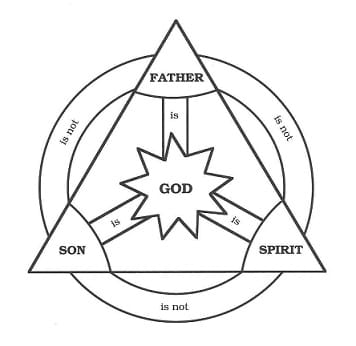
Speaking through the prophet Isaiah, God said, “My thoughts are not your thoughts, / Nor are your ways My ways … / For as the heavens are higher than the earth, / So are My ways higher than your ways, / And My thoughts than your thoughts” (Isa. 55:8–9). God is infinite, man is finite, so there are mysteries about God that man cannot fully understand. One of these mysteries is the Trinity, the tri-personality of God. According to Christian orthodoxy, God is one God in essence, power, and authority, and also eternally exists as three distinct co-equal persons. These three persons are the Father, the Son (Jesus), and the Holy Spirit. This does not mean that Christians believe in three gods (polytheism). Rather, the doctrine of the Trinity is that there is only one God who exists in three distinct persons, and all three share the exact same divine nature or essence.

Understanding this fully is beyond human comprehension and has no human parallels, although various analogies have been offered. One of these analogies is the three physical states of water. Water is not only a liquid but also a solid (ice) and a gas (vapor), yet its chemical composition (substance) never changes in all three forms (two parts hydrogen and one part oxygen—H2O). Although such analogies help us visualize the concept of the Trinity, they all fall short in some way. In the case of the water analogy, although the molecule H2O can be liquid, solid, or gas, it is never all three at one time. The Trinity, on the other hand, is all three persons as one God.

The word Trinity is not used in Scripture, but it has been adopted by theologians to summarize the biblical concept of God. Difficult as it is to understand, the Bible explicitly teaches the doctrine of the Trinity, and it deserves to be explained as clearly as possible, especially to non-Christians who find the concept a stumbling-block to belief. So let’s dig into this topic by addressing four key questions.

IS THE DOCTRINE OF THE TRINITY IRRATIONAL?

The doctrine of the Trinity is certainly a mystery but that doesn’t mean it’s irrational. The concept cannot be known by human reason apart from divine revelation, and, as we’ll soon see, the Bible definitely supports the idea of the Trinity. But for now, I want to demonstrate that the doctrine of the Trinity, although beyond human comprehension, is nevertheless rational. Our acceptance of it is congruous with how we respond to other data about the known world.

There are many things about the universe we don’t understand today and yet accept at face value simply because of the preponderance of evidence supporting their existence. The scientific method demands that empirical evidence be accepted whether or not science understands why it exists or how it operates. The scientific method does not require that all data be explained before it is accepted.

Contemporary physics, for instance, has discovered an apparent paradox in the nature of light. Depending on what kind of test one applies (both of them “equally sound”), light appears as either undulatory (wave-like) or corpuscular (particle-like). This is a problem. Light particles have mass, while light waves do not. How can light have mass and not have it, apparently at the same time? Scientists can’t yet explain this phenomenon, but neither do they reject one form of light in favor of the other, nor do they reject that light exists at all. Instead, they accept what they’ve found based on the evidence and press on.

Like physicists, we are no more able to explain the mechanics of the Trinity than they can explain the apparent paradox in the nature of light. In both cases, the evidence is clear that each exists and harbors mystery. So we must simply accept the facts and move on. Just because we cannot explain the Trinity, how it can exist, or how it operates does not mean that the doctrine must be rejected, so long as sufficient evidence exists for its reality. So let’s now explore this evidence.

HOW DOES THE BIBLE PRESENT THE DOCTRINE OF THE TRINITY?

THE OLD TESTAMENT

Although the doctrine of the Trinity is fully revealed in the New Testament, its roots can be found in the Old Testament.

In several places, God refers to Himself in plural terms. For example, “Then God said, ‘Let Us make man in Our image’” (Gen. 1:26; see 3:22; 11:7; Isa. 6:8).

The Messiah was prophesied in the Old Testament as being divine. Isaiah 9:6 states that the Messiah will be called “Mighty God,” a term applied in the Old Testament specifically to Yahweh (see Mic. 5:2).

Isaiah 48:16 refers to all three members of the Godhead: “Come near to Me, listen to this: From the first I have not spoken in secret, from the time it took place, I was there. And now the Lord God [Father] has sent Me [Jesus], and His Spirit [the Holy Spirit]” (nasv).

The Old Testament also makes numerous references to the Holy Spirit in contexts conveying His deity (Gen. 1:2; Neh. 9:20; Ps. 139:7; Isa. 63:10–14).

THE NEW TESTAMENT

The New Testament provides the most extensive and clear material on the Trinity. Here are just a few of the texts that mention all three members of the Godhead and imply their co-equal status.

•     Matthew 28:19, the baptismal formula: “Go therefore and make disciples of all the nations, baptizing them in the name [not ‘names’] of the Father and of the Son and of the Holy Spirit.”

•     Matthew 3:16, at the baptism of Christ in the Jordan: “And after being baptized, Jesus went up immediately from the water; and behold, the heavens were opened, and He saw the Spirit [Holy Spirit] of God [Father] descending as a dove, and coming upon Him [Jesus]” (nasv).

•     Luke 1:35, the prophetic announcement to Mary of Jesus’ birth: “And the angel answered and said to her, ‘The Holy Spirit will come upon you, and the power of the Highest [Father] will overshadow you; therefore, also, that Holy One who is to be born will be called the Son of God [Jesus].’”

•     The trinitarian formula is also found in 1 Peter 1:2, 2 Corinthians 13:14, and 1 Corinthians 12:4–6.

DIGGING DEEPER

To explain the doctrine of the Trinity, I will take an inductive (scientific) approach. By this I mean I will accumulate general facts in Scripture that lead to a specific conclusion—that the nature of God is triune. The argument will go like this:

1. The Bible teaches that God is one (monotheism) and that He possesses certain attributes that only God can have.

2. Yet when we study the attributes of the Father, the Son, and the Holy Spirit, we discover that all three possess the identical attributes of deity.

3. Thus we can conclude that there is one God eternally existing as three distinct persons.

God Is One (Monotheism)

The Hebrew Shema of the Old Testament is “Hear, O Israel: The Lord our God, the Lord is one!” (Deut. 6:4; see Isa. 43:10; 44:6; 46:9). Some people have argued that this passage actually refutes the concept of the triune nature of God because it states that God is one. But the Hebrew word for “one” in this text is echod, which carries the meaning of unity in plurality. It is the same word used to describe Adam and Eve becoming “one flesh” (Gen. 2:24). Scripture is not affirming that Adam and Eve literally become one person upon marriage. Rather, they are distinct persons who unite in a permanent relationship.

The New Testament confirms the teaching of the Old: “You believe that God is one. You do well; the demons also believe, and shudder” (James 2:19, nasv; see 1 Tim. 2:5; 1 Cor. 8:4; Eph. 4:4–6).

God Has a Certain Nature

Both the Old and New Testaments list the attributes of God. We won’t consider all of them here, but what follows are some of the clearest expressions of what constitutes deity.

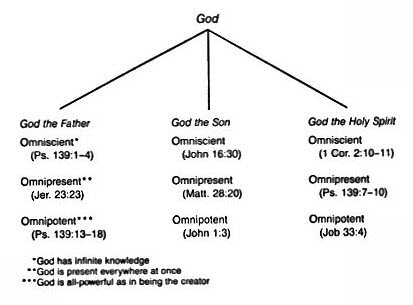
•     God is omnipresent (present everywhere at once): Psalm 139:7–10; Jeremiah 23:23–24.

•     God is omniscient (possesses infinite knowledge): Psalms 139:1–4; 147:4–5; Hebrews 4:13; 1 John 3:20.

•     God is omnipotent (all-powerful): Psalm 139:13–18; Jeremiah 32:17; Matthew 19:26.

The Father Is God

To the Jews, who do not accept the Trinity, God is Yahweh. In the Old Testament, Yahweh is to the Hebrews what Father is in the New Testament and to Christians. The attributes of God (Yahweh) listed above are the same for Yahweh and Father because both names apply to the one God. Although the concept of God as Father is not as explicit in the Old Testament as it is in the New, nevertheless, it has its roots in the Old (see Pss. 89:26; 68:5; 103:13; Prov. 3:12).

In the New Testament, the concept of the Father as a distinct person in the Godhead becomes clear (Mark 14:36; 1 Cor. 8:6; Gal. 1:1; Phil. 2:11; 1 Pet. 1:2; 2 Pet. 1:17). God is viewed as Father over creation (Acts 17:24–29), the nation of Israel (Rom. 9:4; see Exod. 4:22), the Lord Jesus Christ (Matt. 3:17), and all who believe in Jesus as Lord and Savior (Gal. 3:26).

The Son Is God

Like the Father, Jesus possesses the attributes of God. He is omnipresent (Matt. 18:20; 28:20). He is also omniscient: He knows people’s thoughts (Matt. 12:25), their secrets (John 4:29), the future (Matt. 24:24–25), indeed all things (John 16:30; 21:17). His omnipotence is also taught. He has all power over creation (John 1:3; Col. 1:16), death (John 5:25–29; 6:39), nature (Mark 4:41; Matt. 21:19), demons (Mark 5:11–15), and diseases (Luke 4:38–41).

In addition to these characteristics, Jesus exhibits other attributes that the Bible acknowledges as belonging only to God. For example, He preexisted with the Father from all eternity (John 1:1–2), accepted worship (Matt. 14:33), forgave sins (Matt. 9:2), and was sinless (John 8:46).

The Holy Spirit Is God

The Holy Spirit is also omnipresent (Ps. 139:7–10), omniscient (1 Cor. 2:10), and omnipotent (Luke 1:35; Job 33:4).

Like Jesus, the Holy Spirit exhibits other divine attributes that the Bible ascribes to God. For instance, He was involved in creation (Gen. 1:2; Ps. 104:30), inspired the authorship of the Bible (2 Pet. 1:21), raised people from the dead (Rom. 8:11), and is called God (Acts 5:3–4).

The upshot of all this is that God is triune. In a formal argument, we can put it this way:

Major Premise:

Only God is omnipresent, omniscient, and omnipotent.

Minor Premise:

The Father, the Son, and the Holy Spirit are omnipresent, omniscient, and omnipotent.

Conclusion:

Therefore, God is triune as Father, Son, and Holy Spirit.

THE TRINITY

HOW DOES JESUS TEACH THE DOCTRINE OF THE TRINITY?

In the Bible, Jesus claims to be God and then demonstrates this claim by displaying the attributes of God and by raising Himself from the dead. So what Jesus has to say about God must be true. And Jesus clearly teaches that God is triune.

Jesus Is Equal with the Father and Holy Spirit

In Matthew 28:19, Jesus tells His followers to “make disciples of all the nations, baptizing them in the name of the Father and of the Son and of the Holy Spirit.” He uses the singular word name but associates it with three persons. The implication is that the one God is eternally three co-equal persons—Father, Son, and Holy Spirit.

Jesus Is One with the Father

In John 14:7 and 9, Jesus identifies Himself with the Father by saying to His disciples, “If you had known Me, you would have known My Father also; and from now on you know Him and have seen Him … He who has seen Me has seen the Father” (see John 5:18). Jesus is not claiming to be the Father; rather, He is saying that He is one with the Father in essence.

Jesus Is One with the Holy Spirit

Continuing in John 14, Jesus tells His disciples that, after He is gone, He will send them “another Helper” who will be with them forever and will indwell them (vv. 16–17). The “Helper” is the Holy Spirit. The trinitarian implication lies with the word another. The apostle John, as he wrote this passage, could have chosen one of two Greek words for another. Heteros denotes “another of a different kind,” while allos denotes “another of the same kind as myself.” The word chosen by John was allos, clearly linking Jesus in substance with the Holy Spirit, just as He is linked in substance with the Father in verses 7 and 9. In other words, the coming Holy Spirit will be a different person than Jesus, but He will be the same with Him in divine essence just as Jesus and the Father are different persons but one in their essential nature. Thus, in this passage, Jesus teaches the doctrine of the Trinity.

So far we have seen that the authors of Scripture and Jesus Christ teach the triune nature of God. Therefore, the only way the doctrine of the Trinity can be rejected is if one refuses to accept the biblical evidence. Some groups, such as the Jehovah’s Witnesses, do this by reinterpreting and altering Scripture. Others, such as the Unitarians (who claim that Jesus is just a man), arbitrarily and without any evidence deny anything supernatural or miraculous in the Bible. Both the Jehovah’s Witnesses and the Unitarians are guilty of the very same thing of which they accuse Christians—irrationality. They refuse to accept the evidence for the Trinity regardless of how legitimate it is. This is unscientific and irrational. If one approaches Scripture without bias, he will clearly discover what the church has maintained for centuries: God is triune—one God in essence but eternally existing in three persons as Father, Son, and Holy Spirit.

A COMMON OBJECTION

Perhaps you’ve wondered or heard someone say, “If Jesus is one in essence with the Father, an equal member of the triune Godhead, why does He say, ‘the Father is greater than I’” (John 14:28)? This question actually moves away from the doctrine of the Trinity and launches us into the doctrine of the incarnation, the process whereby Jesus, as the eternal Son of God, came to earth as man. Nevertheless, because this question is frequently raised as an objection, it needs to be answered.

Numerous passages in Scripture teach that Jesus, although fully God, is also fully man (John 1:14; Rom. 8:3; Col. 2:9; 1 Tim. 3:16). However, Philippians 2:5–8 states that, in the process of taking on humanity, Jesus did not give up any of His divine attributes. Rather, He gave up His divine glory (see John 17:5) and voluntarily chose to withhold or restrain the full use of His divine attributes. There are numerous instances in Scripture where Jesus, although in human form, exhibits the attributes of deity. If Jesus had surrendered any of His divine attributes when He came to earth, He would not have been fully God and thus could not have revealed the Father as He claimed to do (John 14:7, 9).

The key to understanding passages such as John 14:28 is that Jesus, like the Father and the Holy Spirit, has a particular position in the triune Godhead. Jesus is called the Son of God, not as an expression of physical birth, but as an expression of His position in relationship to the Father and Holy Spirit. This in no way distracts from His equality with the Father and the Holy Spirit or with His membership in the Godhead. As man, Jesus submits to the Father and acts in accordance to the Father’s will (see John 5:19, 30; 6:38; 8:28). So when we read passages such as Mark 14:36 where Jesus submits to the Father’s will, His submission has nothing to do with His divine essence, power, or authority, only with His position as the Incarnate Son.

Perhaps an illustration will help to explain this. Three people decide to pool their money equally and start a corporation. Each are equal owners of the corporation, but one owner becomes president, another vice-president, and the third secretary/treasurer. Each are completely equal so far as ownership, yet each has his own particular function to perform within the corporation. The president is the corporate head, and the vice-president and secretary/treasurer are submissive to his authority and carry out his bidding.

So when Jesus the God-man submits to the Father’s will or states that the Father is greater than He or that certain facts are known only by the Father (e.g., Matt. 24:36), it does not mean that He is less than the other members of the Godhead but that in His incarnate state He did and knew only that which was according to the Father’s will. The Father did not will that Jesus have certain knowledge while in human form. Because Jesus voluntarily restrained the full use of His divine attributes, He was submissive to the Father’s will.

Why did Jesus choose to hold back from fully using His divine powers? For our sake. God willed that Jesus feel the full weight of man’s sin and its consequences. Because Jesus was fully man, He could fulfill the requirements of an acceptable sacrifice for our sins. Only a man could die for the sins of mankind. Only a sinless man could be an acceptable sacrifice to God. And it is only because Jesus is an equal member of the triune Godhead, and thus fully God, that He was able to raise Himself from the dead after dying on the cross and thereby guarantee our eternal life.

When all the evidence is accounted for and the verdict read, the Bible clearly teaches that the Father, the Son, and the Holy Spirit are three distinct, co-equal, co-eternal members of the Godhead, yet one in essence, power, and authority. All three are one God. Were this not the case, if the Trinity were not a reality, there would be no Christianity.

[1]


[1]Story, D. (1997). Defending your faith. Originally published: Nashville : T. Nelson, c1992. (99). Grand Rapids, MI: Kregel Publications.

The Treasures of Coptic Art in the Coptic Museum and Churches of Old Cairo Hardcover – Dr. Gawdat Gabra

The Treasures of Coptic Art in the Coptic Museum and Churches of Old Cairo Hardcover – Dr. Gawdat Gabra


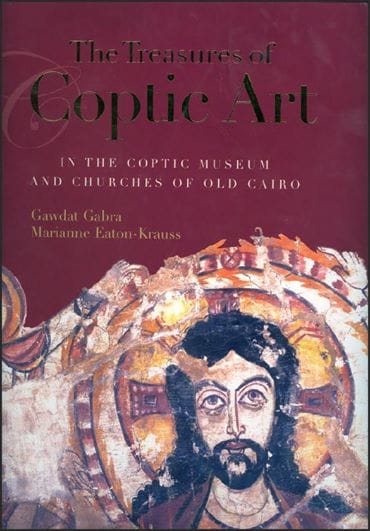
Egypt’s Coptic Church is one of the oldest in the world, with a cultural tradition dating back two millennia, during which time churches have been built and a variety of distinctive art forms have flourished. The world’s largest and most exquisite collection of Coptic artifacts is now housed in the Coptic Museum, founded in Old Cairo in 1908. Here for the first time, in this lavishly illustrated book, more than one hundred of the greatest treasures of the Coptic Museum have been beautifully photographed to present an overview of this rich artistic heritage. Objects from churches and monasteries across Egypt include some of the finest examples of Coptic icons, stelae, sculptures, wall paintings, wooden altar screens, metal crosses, censers, liturgical implements and vestments, chandeliers, and bible caskets. Besides being objects of great craftsmanship and beauty, these artifacts, which range in date from the third to the nineteenth centuries, represent indispensable material for the study of the origins and development of Coptic art, as well as its relations with the ancient Egyptian, Byzantine, and Islamic traditions. Textiles, ceramics, terracotta, ivory and bone carvings, and documents (including the famous Nag Hammadi Gnostic library from the fourth century, one of the most valuable collections of papyri in the world) provide invaluable insights into the economic and social life of Egypt over the past two thousand years. In addition to objects from the Coptic Museum, this book also includes photographs of surrounding churches, some of Egypt’s oldest, that illustrate the architectural legacy of the Copts. The accompanying text and captions provide a description of Coptic civilization in general and Coptic art in particular.


Dr. Gawdat Gabra

Dr. Gawdat Gabra is an independent scholar specializing in Coptic studies, and former director of the Coptic Museum in Cairo (1985). He is also a member of the board of the Society of Coptic Archaeology and chief editor for the St. Mark Foundation for Coptic History Studies 

He is the author and editor of numerous books related to the literary and material culture of Egyptian Christianity, including Coptic Monasteries: Egypt’s Monastic Art and Architecture and Christian Egypt: Coptic Art and Monuments through Two Millennia (both AUC Press 2002). He is also the co-editor of the three volumes of The Popes of Egypt (vol. I: AUC Press, 2004
 
Dr Gabra was born in Luxor, Egypt, but spend a great deal of his childhood in Aswan. He subsequently gained his LIC in Egyptian Antiquities at Cairo University in 1967, obtaining his PhD in Coptic Antiquities at Munster University, Germany.

Gawdat is currently resident in Southern California and a visiting lecturer at Claremont Graduate University.


Click Here To Download

Exit mobile version