المنهج الوجودي لتفسير الكتاب المقدس

المنهج الوجودي لتفسير الكتاب المقدس


المنهج الوجودي لتفسير الكتاب المقدس

المنهج الوجودي لتفسير الكتاب المقدس

لم تقدم العقلانية الإجابات التي توقعها أنصارها بشأن معنى وهدف الحياة، فقد تجاهلت نواحي الحياة التي تمتد إلى ما هو أبعد من المنطق. أما الوجودية، التي تركز على مكان الإرادة والمشاعر، فقد ظهرت في بداية القرن العشرين كرد فعل للعقلانية. وقد قدمت الوجودية افتراضاتها بداية من حقيقة الوجود الإنساني، لكي تفسر الحياة بأكثر حماسة وشمولية.

من ناحية، تعتبر الوجودية بالفعل مضادة للفلسفة، إذ ان أنصارها يرفضون فرض صيغ أو أنظمة خارجية تقوم بتقيد التعبير الحر عن الوجود الإنساني. لذلك، فبخلاف المناهج الطبيعية وفوق الطبيعية التي قد تتميز بأنها “ذاتية نظرية” كثيراً ما تكون غير واعية لمنهجها الذاتي في التفسير، فإن الوجودية تكون “ذاتية متعمدة وظاهرة بوضوح” كمبدأ عمل أساسي لها.

يوجد للوجودية تعبيراتها العلمانية والمسيحية. فالوجوديون العلمانيون، من أمثال جان بول سارتر (1905-1980)، وألبرت كاموس (1913-1960)، كانوا يعتقدون أن الحياة ليس لها معنى موضوعي بعيداً عن الخبرة الحالية. وبدون نقطة موضوعية مرجعية، قادت الوجودية العلمانية إلى العدمية، واليأس من وجود أي معنى للحياة.

الوجودية المسيحية أيضاً تستقي المعنى والحق من الخبرة الشخصية، لكنها تزعم أن أكثر التجارب الأساسية في الحياة هي اللقاء مع الله. فهم يزعمون أن إعلان الله للبشر هو إعلان شخصي، وداخلي، واختباري. الليبرالية اللاهوتية، التي طغى عليها المنهج العقلاني، تم تحديها واستبدالها شرعياً بالوجودية في السنوات التي تلت الحرب العالمية الأولى.

وقد كان المنهج السائد في الخط الرئيسي من اللاهوتيين البروتستانت خلال النصف الثاني من القرن العشرين في فهم الكتاب المقدس، هو المنهج “الوجودي”.

اللاهوتيون الوجوديون

كارل بارث

يُعتبر سورن كيركجارد (1813-1855)، الفيلسوف الدنماركي، هو أب الوجودية المسيحية. لكن كارل بارث (1886-1968) ربما كان هو أكثر الأشخاص المؤثرين في هذه الحركة. كان بارث بوضوح من أنصار المنهج فوق الطبيعي، من حيث أنه كان يؤكد بشدة على العناصر المعجزية، مثل قيامة المسيح (رغم أنه لم يعتبر القيامة حدثاً يمكن التحقق منه تجريبياً في المكان والزمان، كما فعلت العقيدة الكلاسيكية). لقد اعترف بارث في منهجه بما هو فوق طبيعي؛ ومع ذلك، فقد كان أيضاً من الأنصار المدققين للمنهج الطبيعي.

وبدمج الطبيعي مع ما هو فوق الطبيعي، تم تسمية الحركة “التقليدية الجديدة”. فهي “تقليدية” في تأكيدها على ما هو فوق طبيعي، و”جديدة” في تمسكها بالافتراضات الطبيعية فهي تفسير الكتاب المقدس. استطاع بارث أن يدمج هذين المنهجين غير المتفقين بواسطة فصل الحق الكتابي عن المنطق والتاريخ.

فقد علم بارث أن العناصر فوق الطبيعية في الكتاب المقدس لا يمكن أن تكون حقيقية بالفعل إلا عندما يتم قبولها بواسطة المفسر، بالإيمان، على أنها كلمة من الله. وعندها تصبح “القفزة غير العقلانية للإيمان” ضرورية لكي يختبر الإنسان شخصياً كلام الله.

وهكذا فإن الوجودية المسيحية هي محاولة لأن يكون الإنسان في منتصف الطريق بين العقيدة التقليدية والليبرالية، وبين المنهج فوق الطبيعي والمنهج الطبيعي. تعتقد النظرة الوجودية للكتاب المقدس أن الكتاب المقدس هو بالحقيقة أداة إعلان الله للبشر. فالله يوصّل رسالته بواسطة الكتاب المقدس.

لكن الكتاب المقدس، في حد ذاته، لا يمكن أن نسميه إعلان الله. لأنه لكي يصبح الكتاب المقدس كلمة الله بالكامل، يجب أن يتم قبوله بواسطة شخص ما؛ تماماً مثل الصمغ الذي يصنع من الإيبوكسي والمقوي، فهو يصبح صمغاً فقط عندما يختلط العنصران معاً بطريقة سليمة. بنفس الطريقة، يصبح الكتاب المقدس إعلاناً، فقط عندما يتم مزجه بصورة سلمية مع إيمان القارئ أو السامع، فالكلمة في حد ذاتها لن تلصق.

وإلى أن يستجيب عقل بشري لكلمات الكتاب المقدس، لا تكون إلا كلمة الله “المحتملة”. وهكذا فإن “المزج” هو حقاً الذي يقرر حق وسلطة النص. لهذا السبب، فإن الوجودي الذي يقوم بالتفسير لا يجب أن يتحدث عن الكتاب المقدس على أنه “كلمة الله”، بل على أنه “يصبح” كلمة الله.

رغم أن المنهج الوجودي للكتاب المقدس يزعم أنه فوق طبيعي أولاً وقبل كل شيء، إلا أن توجهه الأساسي طبيعي من زاويتين. الأولى، أن المفسرين الوجوديين يستخدمون عامة الوسيلة النقدية – التاريخية، التي كما رأينا، تكون مبنية على افتراضات طبيعية مسبقة.

ثانياً، أن المفسر بادعائه السلطة الناجمة عن أهمية وضعه، يقوم في النهاية بالتحكم في المعنى، إذ ان الكتاب المقدس وحده ليس إعلاناً، فهو يصبح إعلاناً في عملية التقاء المفسر معه. وبذلك، فبافتراضاتهم الطبيعية، يعتنق الوجوديون نظرة للكتاب المقدس لا تماثل النظرة التي يعتقدها الكتاب المقدس نفسه عن نفسه.

لأنه بالنسبة لهم، يعتبر الكتاب المقدس سلطة غير مستقلة، لكنها خاضعة لحكم المفسر الذي يحدد أي من عناصر الكتاب المقدس هو الحق، وبالتالي هو كلمة الله الجديرة بالثقة.

رودلف بلتمان

إن المفسرين الذين يتعاملون مع الكتاب المقدس بحسب المنهج الوجودي يحاولون عادة أن يطهروا الكتاب المقدس من جميع العناصر التي لا تتفق مع نتائج نقدهم التاريخي الطبيعي. فإذا كان هناك أي شك بشأن الأساس الطبيعي للتفسير الوجودي، فإن مثل هذا الشك تم استعباده تماماً بواسطة تصاعد حركة رودلف بلتمان (1884-1976) وتلاميذه.

ذهب منهج بلتمان “بتخليص اللاهوت من الأسطورة” إلى ما هو أبعد من الوجوديين الأوائل، في إنكار المصداقية التاريخية لجميع العناصر فوق الطبيعية في الكتاب المقدس، بما فيها قيامة المسيح. فقد جادل بلتمان أنه على الرغم من السمة الطبيعية الكلية لكتب المقدسة، إلا أن تلك العناصر الطبيعية تشير إلى واقع أسمى، كان مخفياً في أسطورة.

فإن بعض العناصر في الكتاب المقدس لا يمكن أن يتم التعامل معها على أنها تاريخ رصين. فعملية فصل الأسطورة عنه وتقرير الأمور المهمة الباقية كان مهمة المفسر، كما يزعم بلتمان، وهكذا أصبحت عملية تخليص اللاهوت من الأسطورة هي الموضوع السائد للوجوديين بعد الحرب العالمية الثانية.

لا يكون واضحاً دائماً عملية استخدام أحد مفسري الكتاب المقدس أو الوعاظ لمنهج وجودي. فإحدى سمات هذا المنهج هي استخدام كلمات تقليدية بمعان غير تقليدية. فمثل هذا الشخص قد يعلم عن الميلاد الجديد، لكن يكون في ذهنه مفاهيم روحية تتكرر مرات ومرات. وقد يحدث عن أمور شيطانية لكنه لا يشير إلى أي كائن فوق طبيعي لكن يشير إلى قوى شريرة في المجتمع.

النظرة العالمية للمفسر

انتقل القادة في المنهج الوجودي مؤخراً إلى تحليل كيفية عمل التواصل البشري. وهذا يتبع الاتجاه العام للمحدثين، بأن يصرفوا الانتباه عن النص القديم وعن مؤلفه، وأن يزيدوا من التركيز على المفسر؛ أي أن يقوموا بالتركيز على دور المتلقي للمعلومات أكثر من تركيزهم على دور المرسل.

إن الله يرغب بالتأكيد أن تتغلغل كلمته بعمق وبطرق مغيرة للحياة في مفسري القرن العشرين، لكن تطبيق الكتاب المقدس يجب أن يتبع تفسيراً أميناً لمعنى النص، وليس أن يقرره. يخطئ المنهج الوجودي في إعطاء المفسر سلطة مساوية لسلطة النص، إن لم تكن أكثر. بهذه النظرة، يكون إسهام المفسر جزءًا سلطوياً في المزيج الذي يشكل الكلمة التي من الله.

إن الذين يدرسون ظاهرة فهم فكر شخص آخر يدركون أن المتلقي لأية معلومات يسمع بمجموعة من الافتراضات المسبقة التي تشكل نظرة عالمية. هذه النظرة العالمية هي عدسة يرى الشخص من خلالها كل الواقع. فهي تمثل قنوات للفكر، تفسر الخبرات، وتوجه السلوك. تعمل هذه العدسة باستمرار، لكن نادراً ما يتم ملاحظتها.

الأكثر من ذلك، إن اللغة التي يستخدمها المرء يكون لها معنى، فقط بالنسبة للشخص الذي يفهم النظرة العالمية للمتحدث أو الكاتب. لذلك فإن التواصل الفعال لا يحدث إلا عندما تكون اللغة المستخدمة بواسطة المرسل (مؤلفي الكتاب المقدس في هذه الحالة) متصلة مباشرة بالنظرة العالمية للمتلقي (مفسر الكتاب المقدس). فاللغة تصبح مفهومة فقط عندما يستطيع المتلقي أن يفهم النظرة العالمية للمرسل، وبذلك يسمع الكلمات في سياق النظرة العالمية للمرسل.

وحيث أن تأثير النظرة العالمية للشخص يكون شديد العمق والتغلغل، فقد يئس البعض من إمكانية وجود تواصل مفهوم بين البشر من حقب وثقافات مختلفة. بل الحقيقة أن أصحاب النظريات الأكثر تطرفاً قد يئسوا من إمكانية وجود تواصل دقيق بين الذكور والإناث من نفس الثقافة أو حتى بين أي شخصين.

لكن الوجودي المتدين يؤمن أن المشكلة تحل عندما يأتي الدارس للنص الكتابي القديم بحياته الشخصية إلى تلك العملية من الفهم، بحيث ينتج “المزج” بين النص القديم والاستجابة الشخصية المعاصرة، كلمة صحيحة من الله.

يزعم المنهج الوجودي أن الحياة الشخصية للمفسر تلعب دوراً تشكيلياً في معنى أي عملية توصيل للمعلومات. فالمفسر يصل دائماً إلى تفسير يتكون إلى درجة ما من مزيج من أفكاره الخاصة وأفكار المؤلف الأصلي. فحيث أن المفسر قد تفاعل مع النص، فإن النص يعيد تشكيل فكر المفسر، لكن بسبب تفاعل النص مع المفسر، يعيد المفسر تشكيل رسالة النص.

بحسب هذا الاتجاه الوجودي، لا تعد الفجوة بين النص والمفسر أمراً مؤسفاً، بل أنها تمثل الديناميكية التي تنشط كل تفسير. السبب في ذلك هو أن المنظور الجديد، المفترض أنه أوسع، الذي يحدث نتيجة التفاعل بين النص والمفسر، يصبح هو الأساس الذي عليه يحدث اللقاء التالي مع النص.

التفسير الجديد والدائرة التفسيرية

تم إعطاء اسم “التفسير الجديد” لعملية تطبيق المنهج الوجودي على ظاهرة الفهم البشري. ويطلق عليه “جديد” لأنه يأتي بالمفسر إلى دور تشكيلي في عملية التفسير. ويطلق عليه “تفسير” في صيغة المفرد، لأنه لا يعنى بالإرشادات أو الوسائل التي بها يعين المرء معنى النص – وهي المهمة التقليدية للتفسيرات (بصيغة الجمع) – ولكنه يعنى فقط بهذا المنهج أو النظرية المنفردة في فهم الفكر البشري.

يوضح التفسير الجديد مشكلة “الدائرة التفسيرية”. تتضح الناحية الدائرية للتفسير عندما يسأل المرء “أيهما جاء أولاً، النص أم سياق المفسر؛ أفكار المؤلف القديم أم أفكار المفسر؟” وهذا سؤال مشروع ويمكن أن ينبه المفسر لخطأ افتراض أن الكتاب المقدس يمكن قراءته بطريقة شديدة الموضوعية مما يجعل التفسير حراً من التحيز أو البقع المظلمة.

لكن هناك اختلاف جوهري بين منظور التفسير الجديد والمنهج التاريخي لفهم الكتب المقدسة، كما هو معروض في هذا الكتاب. يقول التفسير الجديد أنه لا يوجد طريق للخروج من هذه الدائرة، فلا توجد موضوعية في التفسير، ولا معنى ثابت في النص بمعزل عن مدخلات المفسر. لكن الكتاب المقدس هو توصيل لمعلومات من الله، واللغة البشرية الموحى بها في النص مؤيدة ومدعّمة بحقه ومصداقيته وعدم تغيّره.

فالنص صادق بطريقة موضوعية، ومستقل عن تفسير أي شخص له. وهكذا فإنه بالنسبة للذين يقبلون السلطة المستقلة للكتاب المقدس، لا يحاول المفسر أن يختلق معنى جديداً، رغم أنه يحاول أن يفهم ويطبق المعنى الموضوعي لمقطع كتابي بطريقة أكثر أصالة مما كان يحدث في الماضي. ربما يكون هناك بهذه الطريقة تفسير جديد سليم. للكن لا يكون هناك إعلان سلطوي جديد لحق الله.

لكن قبول الحق المستقل الموضوعي للكتاب المقدس لا يحل بالكامل المشكلة التي تثيرها “الدائرة التفسيرية”. فكيف يمكن لأي مفسر يعنق حشداً من الافتراضات المسبقة الواعية واللاواعية، أن يعرف أنه ينظر للنص من منظور الله، غير متأثر بتحيزاته الشخصية؟ يصدق التفسير الجديد عندما يزعم أن النص ليس سلبياً. بمعنى أن النص ليس مجرد موضوعاً للفهم، لكن الكتاب المقدس كتاب حي، يفحص ويفسر المفسر.

كما يصدق التفسير الحديث أيضاً عندما يرضى بأن يشترك النص مع المفسر في العملية. فكما أن المسيحي الحديث لا يولد في العائلة كامل النمو، ولكنه ينمو في التقوى طوال حياته، كذلك أيضاً النمو في الفهم وتطبيق الكتاب المقدس، يستمر طوال رحلة المسيحي. لكن التفسير الجديد معيب بصورة خطرة، لأنه ينكر موضوعية الحق ويرفض السلطة المستقلة للكتاب المقدس.

رغم أن الجزء القديم من عملية التفسير (النص الموحى به) والعنصر الحديث (دور المفسر) لا يمكن الفصل بينهما، إلا أنه يمكن ويجب التمييز بينهما. فسلطة الله تقف خلف الكلمة التي تم التحدث بها في السياق القديم؛ ولكنها لا تقف خلف ما يأتي به المفسر إلى النص. الكتاب المقدس حق وسلطوي؛ لكن التفسير قد يكون كذلك أو لا يكون.

بحسب التفسير الجديد، يقفز المفسر إلى عملية دائرية دائمة في التفسير، ويتحرك فيها بواسطة عدم يقينية وتعقيدات السياق الحالي، متأثراً بالنص القديم. لكن بحسب الوسيلة التي ينادي بها هذا الكتاب، يعترف المفسر بحق ومصداقية وسلطوية الكتاب المقدس الذي أعطي في السياق القديم، ويستخدم ويوظف الإرشادات لأجل التفسير المناسب الذي يجعل النص يتحدث عن نفسه.

رغم أن المفسر لا يكون حراً على الإطلاق من تأثير السياق الحالي، إلا أن معنى النص السلطوي يكون موجوداً ويكون عليه اكتشافه. يمكن للمسيحي أن يكون واثقاً من تقدمه نحو الفهم والتطبيق السليم للكتاب المقدس، لأن المسيحي يتحرك نحو هدف ونقطة ثابتة، وليس نحو هدف متحرك بالتفسير الوجودي.

الأكثر من ذلك، يمكن للمفسر المسيحي أن يكون على يقين تام من معنى التعاليم الأساسية العظيمة للكتاب المقدس – مثل وضوح إعلان الله. إن اليقين لا يتطلب معرفة مرهقة بكل حق الله. بكلمات أخرى، يمكن للمسيحي أن يفهم حق الله ويعيش في ضوئه بدون أن يزعم أنه فهم واستوعب بالكامل كل حق الله. هذا التمييز يساعد المسيحي على تجنب الشك القوي من ناحية، على عدم التهاون في العقيدة في التفسيرات موضع الخلاف، من ناحية أخرى.

تنشأ العديد من المفاهيم والتحذيرات عند تقييم التفسير الحديث. أولاً، يجب على المفسر أن يحمي الاستقامة والسلطة المستقلة للنص الكتابي بأي ثمن. ثانياً، إن تفسير الكتاب المقدس لا يمكن أن يتم بموضوعية كاملة. ثالثاً، يجب على المفسر أن يقترب إلى النص ويتعامل معه باتضاع.

رابعاً، حيث أن المفسر ليس هو الشخص الوحيد الذي يقوم بتفسير الكتاب المقدس، فإنه يجب أن يدرك قيمة وأهمية الكنيسة في التفسير. خامساً، تفسير الكتاب المقدس هو عمل يستمر طوال الحياة، حيث ينتقل بنا الله من درجة من المعرفة إلى أخرى. سادساً، يمكن للكنيسة أن تنال اليقين بدون الحاجة لأن تفهم تفسير الكتاب المقدس كله. وسابعاً، يجب تجنب الجزم بالرأي في الأمور التي لم تتضح بواسطة الكتب المقدسة.

إن التفكير الوجودي، السائد بواسطة بارث، ثم بلتمان، وأخيراً بواسطة التفسير الحديث، لم يعد له اتجاه سائد. بل بدلاً من ذلك، ينقسم مجال النقد التاريخي بين الكثير من المناهج والاتجاهات، ليس جميعها وجودي.

ففي البحث عن نماذج جديدة لعبور الفجوة من الوثائق القديمة إلى الفكر الطبيعي المعاصر، يسعى العلماء نحو النقد الأدبي، واللغوي، وفلسفة اللغة، والعلوم الاجتماعية. لكن لم يأت منهج ما إلى وضع السيادة والهيمنة بعد. من ناحية أخرى، يتجه العديد من العلماء الإنجيليين السابقين نحو منهج بارث القديم.

رغم أن الوجوديين في القرن العشرين قد شرعوا في استعادة كلمة الله من حطام العقلانيين، فإنه بنهاية القرن أصبحوا في مثل ذلك التدمير لأية كلمة موضوعية صادقة وسلطوية من الله. ربما يكون هذا نتيجة حتمية لمحاولة بشر محدودين ساقطين أن يبحثوا في أنفسهم عن إجابات، الأمر الذي يعتبر عيب قاتل للمنهج الوجودي. ففي النهاية لا يمكن أن نهرب من الذاتية، وخاصة ذاتية المنهج الطبيعي.

مراجع مختارة للمزيد من الدراسة

أكتيميير، بول جي. An Introduction to the New Hermeneutic. Philadelphia: Westminster. 1974.

بارث، كارل. Church Dogmatics المجلد الأول، The Doctrine of the Word of God ترجمة جي تي طومسون. New York: Scribners, 1936.

برونو، إميل. Truth as Encounter. ترجمة إيه دبليو لوس ودي كارنز Philadephia: Westminster, 1964.

بولتمان، رودلف. The Problem of Hermeneutics في Essays Philosophical and Theological ترجمة جي سي جي جريج، الصفحات 234-61. London: SCM.1955.

جرونلر، وريس جوردون. Meaning and Understanding: The Philosophical Framework for Biblical Interpretation. Grand Rapids: Zondervan. 1990.

سيلفا، مويزس. Has the Church Misread the Bible? The History of Interpretation. In the Light of Contemporary Issues. Grand Rapids: Zondervan, 1987.

روبينسو، أنتوني. The Two Horizons: New Testament Hermeneutics and Philosophical Description. Grand Rapids: Eerdmans, 1980.

المنهج الوجودي لتفسير الكتاب المقدس

Why did Jesus call people fools and yet condemn others for doing the same thing? MATTHEW 23:17

MATTHEW 23:17—Why did Jesus call people fools and yet condemn others for doing the same thing?

PROBLEM: Jesus said, “whoever says [to his brother], `You fool!’ shall be in danger of hell fire” (Matt. 5:22). Yet He Himself said to the scribes and Pharisees, “Fools and blind!” (Matt. 23:17) The Apostle Paul, following suit, said, “O foolish Galatians” (Gal. 3:1; cf. 1 Cor. 15:36).

SOLUTION: There are good reasons why there is a strong difference between the two uses of the term “fool.” First, this is another example of the principle that the same word can be used with different meanings in different contexts (see Introduction). For instance, the word “dog” can be used of a canine animal or a detested person.

Second, in Matthew 5, it is used in the context of someone who is “angry” with his brother, indicating a hatred. Neither Jesus nor Paul harbored hatred toward those to whom they applied the term. Thus, their use of the term “fool” does not violate Jesus’ prohibition against calling others a fool.

Third, technically speaking, Jesus only commanded that a “brother” (Matt. 5:22) not be called a “fool,” not an unbeliever. In fact the scriptural description of a fool is one who “has said in his heart, `There is no God’ ” (Ps. 14:1). In view of this, one can see the seriousness of calling a brother a fool; it is tantamount to calling him an unbeliever. Hence, when He who “knew what was in man” (cf. John 2:25) called unbelievers “fools,” it was a most appropriate description of what they really were.

[1]


[1]Geisler, N. L., & Howe, T. A. (1992). When critics ask : A popular handbook on Bible difficulties (357). Wheaton, Ill.: Victor Books.

Did Jesus make a mistake about His disciples seeing the kingdom come in their lifetimes? MATTHEW 16:28

MATTHEW 16:28—Did Jesus make a mistake about His disciples seeing the kingdom come in their lifetimes?

PROBLEM: Jesus told His disciples that some of them would not see death until they saw Him coming in His kingdom. Yet during the life of the apostles, Jesus never returned to set up His kingdom.

SOLUTION: This is a question of when this was going to take place, not whether it would. There are three possible solutions.

First, some have suggested that this may be a reference to the Day of Pentecost where Christ’s Helper, the Holy Spirit, came to descend upon the apostles. In John’s Gospel (14:26), Jesus promised to send the Holy Spirit, and, in the beginning of Acts (1:4–8), He tells them not to leave Jerusalem until they have received the Holy Spirit. But this hardly seems to fit the description of seeing Christ coming in His kingdom (Matt. 16:28).

Second, others believe this might be a reference to the destruction of Jerusalem and the temple in a.d. 70. This would mean that He would return to bring judgment upon the city that rejected Him and crucified Him. While this is a possible explanation, it does not seem to account for the fact that Jesus appears to be coming for believers (those “standing there” with Him), not simply coming in judgment on unbelievers. Nor does the judgment on Jerusalem in a.d. 70 adequately express seeing the “Son of Man coming in His kingdom” (v. 28), a phrase reminiscent of His second coming (cf. 26:64). Nor does it explain why Jesus never appeared in a.d. 70.

A third and more plausible explanation is that this is a reference to the appearance of Christ in His glory on the Mount of Transfiguration which begins in the very next verse (17:1). Here Christ does literally appear in a glorified form, and some of His apostles are there to witness the occasion, namely Peter, James, and John. This transfiguration experience, of course, was only a foretaste of His Second Coming when all believers will see Him come in power and great glory (cf. Acts 1:11; Rev. 1:7).

[1]


[1]Geisler, N. L., & Howe, T. A. (1992). When critics ask : A popular handbook on Bible difficulties (349). Wheaton, Ill.: Victor Books.

If Jesus is the Jewish Messiah, why don’t more Jews believe in him? | Brown, M. L

If Jesus is the Jewish Messiah, why don’t more Jews believe in him?

Actually, there are tens of thousands of Jews who have believed and do believe in him. The problem is that most Jews have not bothered to check into the facts about Jesus, and the only Jesus most of them know is either the baby Jesus of Christmas, an emaciated figure hanging on a cross in churches, or the Jesus of the Crusades and Inquisitions. The question is, Why don’t you believe Jesus is the Messiah? Do you really know who he is?

I encourage you to consider the following points.

1. Most Jews have never seriously studied the issue. Many of those who have decided to find out who Jesus is have been quite surprised by what they have learned. The greatest scholars and scientists in the world once believed the earth was flat—until firsthand investigation and discovery altered their outlook. It’s the exact same thing with Jews who honestly investigate the Messianic claims of Jesus. Everything changes—to put it mildly.

2. If most religious Jews learn anything about Jesus in their traditional studies, it is quite biased and negative. 22 Thus, they do not entertain even the possibility of the messiahship of Jesus.

3. Many so-called Christians have committed atrocities against Jews in the name of Jesus, helping to drive Jews away from their true Messiah. (See below, 2.7, for more on this, along with my book Our Hands Are Stained with Blood.)

4. These same Christians have often put forth a distorted picture of Jesus that bears little resemblance to the real Messiah who walked the earth two thousand years ago. Can Jews be blamed for thinking that Christians worshiped idols when the churches were filled with worshipers bowing before large, beautiful statues depicting Jesus as a babe in his mother’s lap?

5. There is often great pressure on those Jews—especially religious Jews—who put their faith in Jesus the Messiah. Some succumb to the fear, the pressure, the intimidation, the separation, and the loneliness, and they deny with their lips what they know to be true in their hearts.

6. Traditional Jewish teaching gives a slanted portrayal of who the Messiah is and what he will do. Since the description is faulty, people are looking in the wrong direction for the wrong person. No wonder relatively few have found him.

7. Once a learned Jew does believe in Yeshua, he is discredited, and so his name is virtually removed from the rolls of history. It’s almost as if such people ceased to exist. (Do you remember reading the novel Animal Farm in school? Revisionist history goes on to this day—even in traditional Jewish circles.) The story of Max Wertheimer provides one case in point. In the last century, Wertheimer came to the States as an Orthodox Jew, but over the course of time, he became a Reform Jew and was ordained a rabbi upon graduating from Hebrew Union College in Cincinnati in 1889. (He also received a Ph.D. from the University of Cincinnati the same year.) He then served as the greatly loved rabbi of B’Nai Yeshurun synagogue in Dayton, Ohio, for the next ten years. When he became a fervent believer in Jesus, however, pastoring a church as well, his name was literally removed from the rolls of the school—a school of alleged tolerance at that. Why was his name dropped? According to Alfred A. Isaacs, cited in the November 25, 1955, edition of the National Jewish Post, Wertheimer was disowned by Hebrew Union College solely because of his Christian faith. 23 And to think, this happened in a “liberal” Reform Jewish institution!

8. Although this may be hard for you to accept, because our leadership rejected Jesus the Messiah when he came, God judged us as a people (just as he judged us as a people for rejecting his law and his prophets in previous generations), and as a result, our hearts have become especially hardened toward the concept of Jesus as Messiah. 24 Paul explained this in his important letter to the believers in Rome: “What Israel sought so earnestly it did not obtain, but the elect did. The others were hardened, as it is written: ‘God gave them a spirit of stupor, eyes so that they could not see and ears so that they could not hear, to this very day’ ” (Rom. 11:7–8; the quote here is taken from Deut. 29:4 in our Torah and Isa. 29:10 in our Prophets).

If you stop to think about it, isn’t it strange that as a people we have almost totally lost sight of the fact that Jesus-Yeshua is one of us, actually, the most influential Jew ever to walk the earth? 25 Yet most of us think of him as if he were some fair-skinned, blue-eyed European. The good news is that Israel’s hardening was only partial: There have always been Jews who followed Jesus the Messiah, and in the end, our people will turn back to him on a national scale. Paul explains this a few verses later:

I do not want you [Gentiles] to be ignorant of this mystery, brothers, so that you may not be conceited: Israel has experienced a hardening in part until the full number of the Gentiles has come in. And so all Israel will be saved, as it is written: “The deliverer will come from Zion; he will turn godlessness away from Jacob. And this is my covenant with them when I take away their sins.”

Romans 11:25–27; the quote is taken from Isaiah 59:20–21; 27:9; and Jeremiah 31:33–34, all in our Prophets

Hopefully, you will be one of those Jews who is determined to find out the truth about the Messiah right now, determining to follow him at any cost. In the end, you must decide for yourself, and the bottom line question is one that only you can answer: Why don’t you believe Jesus is our promised Messiah?

What if more Jews—including your rabbi—did believe in him? Would you? Of course, that wouldn’t change the facts. Either Jesus is or is not the Messiah of Israel. Public opinion can’t affect the truth. But many times, when people find out that it’s okay to hold to a certain opinion, they come out of the closet.

Maybe it would help you to know that many of us in Jewish work have spoken with Orthodox and even ultra-Orthodox Jews who have told us in private that they believe Jesus is the Messiah, but they are afraid to go public for fear of what could happen to them. Maybe if a number of these religious Jews—some of whom are rabbis—showed up one day on your doorstep and told you their views, it would get you to think seriously about the matter.

As we grow and mature—from infants to children to teens to adults—we find out that not everything we have been told is true. Sometimes we just have to learn for ourselves. And even as adults, we often have skewed perspectives on many things. Just look at what Democrats believe about Republicans (and vice versa) or what Palestinians believe about Israelis (and vice versa) or what Black Muslims believe about Jews (and vice versa). Our perspectives, opinions, and convictions are not always right—no matter how strenuously we argue for our position. Common sense tells us that all of us can’t be right about everything all the time.

Even on an interpersonal level, how often have you met someone only to find out that all the bad things you heard about that person were greatly exaggerated or false? It happens all the time. As for the matter at hand, I assure you in the strongest possible terms: As a Jew, most everything you have heard about Jesus has been untrue. You owe it to yourself to find out just who this Jesus really is—and I say this to you whether you are an ultra-Orthodox rabbi reading this book in secret or you are a thoroughly secular, wealthy Jewish businessman who was given this book by a friend.

This much is certain: We have carefully investigated the claims of Jesus and can testify firsthand that Yeshua is who he said he was. What do you say?

[1]


22 The infamous Rabbinic collection of anti-Jesus fables, called Toledot Yeshu, is still studied in some ultra-Orthodox circles, although virtually all other Jewish scholars have long since repudiated the Toledot. These scurrilous writings, based in part on some Talmudic references, accusing Mary of fathering Jesus through a Roman soldier (or by rape), and portraying Jesus as an idolater, magician, and Israel’s arch-deceiver, were the primary source of information about Jesus for many traditional Jews, especially in the Middle Ages. Of course, as noted by the Oxford Dictionary of Jewish Religion, ed. Geoffrey Wigoder (New York: Oxford, 1997), 695, “the work is an expression of vulgar polemics written in reaction to the no less vulgar attacks on Judaism in popular Christian teaching and writing.” But as I have stated before, just as many Gentiles around the world have had a biased and inaccurate view of the Jewish people, so also have many Jews had a biased and inaccurate view of Jesus, the Jewish Messiah. For a representative sampling from the Toledot, see the excellent study of Walter Riggans, Yeshua ben David: Why Do the Jewish People Reject Jesus as Their Messiah? (Crowborough, England: Marc, 1995), 127–32. Interested readers of this present volume would do well to read Riggans as well.

23 For more on this, see Nahum Brodt, “The Truth about the Rabbi,” in Would I? Would You?, ed. Henry and Marie Einspruch (Baltimore: Lederer, 1970), 8–10. For a fuller account of Wertheimer’s faith, see Jacob Gartenhaus, Famous Hebrew Christians (Grand Rapids: Baker, 1979), 191–97.

24 This is not the first time in our history that God has hardened our hearts because we sinned against him. This is what God said to the prophet Isaiah more than twenty-five hundred years ago: “Go and tell this people: ‘Be ever hearing, but never understanding; be ever seeing, but never perceiving.’ Make the heart of this people calloused; make their ears dull and close their eyes. Otherwise they might see with their eyes, hear with their ears, understand with their hearts, and turn and be healed” (Isa. 6:9–10). The prophet was actually called to a ministry of hardening his people’s hearts! It was as if God were saying, “Fine. If you want to be hard-hearted, refusing to believe me or obey me, I will give you over to your hardness and make you even harder.” This is exactly what has happened to us regarding the Messiah: When so many of our people refused to follow him, God gave us over to our unbelief and obduracy to the point that through the centuries, we have become especially resistant to Jesus.

25 This well-known, anonymous tribute to Jesus, known as “One Solitary Life,” puts things in perspective: “He was born in an obscure village. He worked in a carpenter shop until He was thirty. He then became an itinerant preacher. He never held an office. He never had a family or owned a house. He didn’t go to college. He had no credentials but himself. He was only thirty-three when the public turned against him. His friends ran away. He was turned over to his enemies and went through the mockery of a trail. He was nailed to a cross between two thieves. While he was dying, his executioners gambled for his clothing, the only property he had on earth. He was laid in a borrowed grave. Nineteen centuries have come and gone, and today he is the central figure of the human race. All the armies that ever marched, all the navies that ever sailed, all the parliaments that ever sat, and all the kings that ever reigned have not affected the life of man on this earth as much as that one solitary life.”

[1]Brown, M. L. (2000). Answering Jewish objections to Jesus, Volume 1: General and historical objections. (21). Grand Rapids, Mich.: Baker Books.

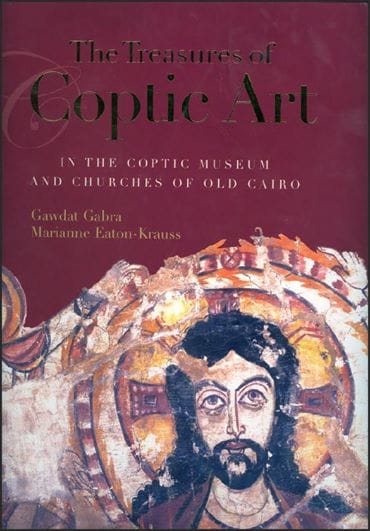
The Treasures of Coptic Art in the Coptic Museum and Churches of Old Cairo Hardcover – Dr. Gawdat Gabra

The Treasures of Coptic Art in the Coptic Museum and Churches of Old Cairo Hardcover – Dr. Gawdat Gabra


Egypt’s Coptic Church is one of the oldest in the world, with a cultural tradition dating back two millennia, during which time churches have been built and a variety of distinctive art forms have flourished. The world’s largest and most exquisite collection of Coptic artifacts is now housed in the Coptic Museum, founded in Old Cairo in 1908. Here for the first time, in this lavishly illustrated book, more than one hundred of the greatest treasures of the Coptic Museum have been beautifully photographed to present an overview of this rich artistic heritage. Objects from churches and monasteries across Egypt include some of the finest examples of Coptic icons, stelae, sculptures, wall paintings, wooden altar screens, metal crosses, censers, liturgical implements and vestments, chandeliers, and bible caskets. Besides being objects of great craftsmanship and beauty, these artifacts, which range in date from the third to the nineteenth centuries, represent indispensable material for the study of the origins and development of Coptic art, as well as its relations with the ancient Egyptian, Byzantine, and Islamic traditions. Textiles, ceramics, terracotta, ivory and bone carvings, and documents (including the famous Nag Hammadi Gnostic library from the fourth century, one of the most valuable collections of papyri in the world) provide invaluable insights into the economic and social life of Egypt over the past two thousand years. In addition to objects from the Coptic Museum, this book also includes photographs of surrounding churches, some of Egypt’s oldest, that illustrate the architectural legacy of the Copts. The accompanying text and captions provide a description of Coptic civilization in general and Coptic art in particular.


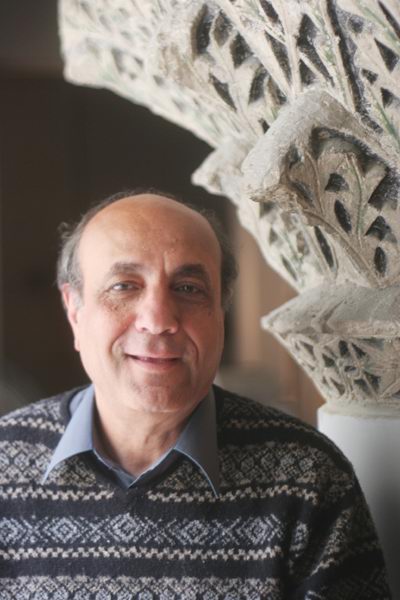
Dr. Gawdat Gabra

Dr. Gawdat Gabra is an independent scholar specializing in Coptic studies, and former director of the Coptic Museum in Cairo (1985). He is also a member of the board of the Society of Coptic Archaeology and chief editor for the St. Mark Foundation for Coptic History Studies 

He is the author and editor of numerous books related to the literary and material culture of Egyptian Christianity, including Coptic Monasteries: Egypt’s Monastic Art and Architecture and Christian Egypt: Coptic Art and Monuments through Two Millennia (both AUC Press 2002). He is also the co-editor of the three volumes of The Popes of Egypt (vol. I: AUC Press, 2004
 
Dr Gabra was born in Luxor, Egypt, but spend a great deal of his childhood in Aswan. He subsequently gained his LIC in Egyptian Antiquities at Cairo University in 1967, obtaining his PhD in Coptic Antiquities at Munster University, Germany.

Gawdat is currently resident in Southern California and a visiting lecturer at Claremont Graduate University.


Click Here To Download

Exit mobile version