القضية الخالق – تجميع نهائي 2 – لي ستروبل

القضية الخالق – تجميع نهائي 2 – لي ستروبل

القضية الخالق – تجميع نهائي 2 – لي ستروبل

القضية الخالق – تجميع نهائي 2 – لي ستروبل

الاحتمـال الأول: فرضـيـة دارويـن

ولكي أبدأ، بدأت أفكر في كيف أن الحقائق تناسب الفرضية التي تقول بأن كل الحياة يمكن تفسيرها بعمليات تقييم طبيعية غير موجهة. وقال عالم الأحياء جوناثان ويلز “مثل كل النظريات العلمية الأخرى، فإن تقييم نظرية داروين في التطور يجب مقارنته باستمرار مع الأدلة. وإذا كان لا يسايرها يجب أن يعاد تقييمه ويُترك – وإلا فلن يكون علماً بل أسطورة[1].

وعندما نظرت إلى مبادئ نظرية داروين، التي دفعتني للإلحاد لعدة سنوات، لم أمض طويلاً لكي أستنتج أنها كاذبة ولا يمكن تصديقها. وأدركت إنني إذا آمنت فعلاً بهذه النظرية فعلي أن أثق فيما يلي:

  • العدم (لا شيء) ينتج عنه كل شيء
  • ما لا حياة فيه يعطي حياة
  • العشوائية ينتج عنها ضبط دقيق
  • الفوضى تعطي معلومات
  • فقدان الوعي ينتج عنه الوعي
  • الخطأ ينتج عنه الصواب

وبناء على كل هذا، كنت مضطراً لأن أستنتج أن نظرية داروين تحتاج إلى الإيمان الأعمى بها، ولم أكن مستعداً ولا راغباً في هذا. وانهارت الأعمدة الأساسية لنظرية التطور عندما تعرضت للتفكير العميق والدقيق.

فمثلاً، فشلت تماماً كل العلميات الطبيعية في تفسير كيف أن المواد الكيميائية غير الحية يمكنها أن تتجمع ذاتياً إلى الخلية الحية الأولى. إذا لا يوجد أية نظريات قابلة للتصديق بل وأيضاً لا توجد نظريات على الإطلاق. وقال عالم الكيمياء الحيوية كلاوس: “كل المناقشات الحالية عن النظريات ذات المبادئ والتجارب في هذا المجال إما انتهت إلى مأزق أو اعتراف بالجهل[2].

وتحدث الكاتب العلمي روبرت روب بريت عن هذه المشكلة فقال: “هل حدث مرة وحلمت بأنك كنت تحاول أن تجري للهروب من وحش وتعثرت قدماك ولم تتمكن للذهاب لأي مكان. إن البحث لمحاول فهم أصل الحياة لا يختلف كثيراً عن هذا الحلم”[3].

وقد أشار ستيفن سي. مير في لقائي معه أنه توجد حواجز لا يمكن تخطيها فيما يختص بأصل المعلومات البيولوجية التي لا يمكن حلها بمزيد من البحث والجهد وبكلمات أخرى، إن العلماء الذين يبحثون في أصل الحياة لم يستيقظوا من الكابوس الذي يعيشون فيه. وبالنسبة لي، فهي تشبه كعب أخيل في نظرية التطور. وكما قال عالم الكيمياء الحيوية مايكل دينتون، إن فكرة العمليات غير الموجهة قد يكون بإمكانها تحويل المواد الكيميائية الميتة إلى كل التعقيدات غير العادية للكائنات الحية فإن هذا بكل تأكيد “لا أكثر ولا أقل من الأسطورة العظيمة للجينات الوراثية الكونية في زماننا”[4].

وبالإضافة إلى هذا، فإن سجل الحفريات رفض بكل إصرار أن يؤكد الادعاءات الكبيرة للتحولات الموجودة في نظرية داروين. وبالرغم من الاكتشافات الكثيرة منذ أيام داروين يقول دينتون: “إن الاكتشافات المتوسطة ظلت محيرة كالعادة”[5]. وبدلاً من أن تندمج في نظرية داروين أصبحت الحفريات نغمات شاذة ومتعارضة حتى أنه لا يمكنها أن تفسر القفزات الأثرية الموجودة في نظرية التطور، مثلاً بين السمك وبين البرمائيات أو بين البرمائيات وبين الزواحف.

أما النقص الخطير في سجل الحفريات فهو الانفجار الهائل البيولوجي والانفجار الكوني. وغالبية، إن لم يكن كل، الأربعين شعبة العالمية، وأعلى فئة في المملكة الحيوانية، قفزت بخطط جسمانية متفردة منذ أكثر من 500 مليون سنة. والظهور المفاجئ لأشكال الحياة الجديدة، قد قلبت شجرة حياة داروين رأساً على عقب.

ومثل المدعي العام الذي كان يثق في نفسه ثقة مطلقة في قضية السيارة بينتو، تنبأ داروين أن اكتشافات جديدة سوف تفسر هذه القفزة في التعقيدات البيولوجية. وفي الحقيقة، فقد ساعدوا على أن تسير كل الأمور إلى أسوء. والعذر في أن المخلوقات الانتقالية كانت لينة للغاية أو صغيرة جداً حتى يمكن أن نجدها في حفرية فإن هذا العذر قد بطل وتبدد عند اختباره. أما النظريات البديلة مثل نظرية “التوازن المرقم” قد تحطمت على صخرة العقل والفكر. إن تقييم داروين ما زال دقيقاً أكثر من قرن ونصف فيما بعد: الانفجار كامبريان الكوني “لا يمكن تفسيره” بحسب فرضياته. وطبقاً لوجهة نظري سيظل هذا نقصاً شديداً.

وعندما فحصت كل هذه الأمور ونقائص أخرى في نظرية داروين بكل موضوعية تأكدت تماماً أن التطور هو حقيقة مؤكدة طالما أن يُعرف على أنه اختلافات تطويرية صغيرة نراها في عالم الحيوان والنبات. وبلا شك، فإن كمية كبيرة من التغيير والتباين حدثت على مدار الزمن. ومع ذلك فهناك أدلة – وإن كانت غير كافية – أوصلتنا إلى استنتاج جوهري يقول بأن انتقالات تطورية كبيرة وعلى نطاق واسع قد حدثت.

ولخص روجر لوين الحاصل على جوائز – وهو محرر سابق في مجلات “العلم، العالم الجديد” – مؤتمر تاريخي علمي عن التطور الضخم: “كان السؤال المركزي هو …. ما إذا كانت الآلية التي وراء التطور الصغير يمكن استقراؤها لتفسر لنا ظاهرة التطور الهائل. وكانت الإجابة الواضحة، كلا”[6].

باختصار، فإن كمية الإيمان التي تحتاجها لكي تُبقي على ثقتنا أمام الادعاءات الكاسحة والمضادة لنظرية داروين، تفوق ما اعتقد ضمانات الأدلة العملية. وفوق كل هذا، فإن مبدأ الطبيعة التي هي مصدر كل شيء لا يمكن تصديق تفسيره عن كيف ظهر الكون في المقام الأول. وهذا الفشل لنظرية مبدأ الطبيعة ونظرية داروين فتح الباب للتفكير في الفرضيات الأخرى وأن كل من الكون والحياة التي فيه هي من نتاج مصمم ذكي.

الاحتمال الثاني: فرضية التصميم

[1] Jonathan Wells, Icons of Evolution, 5.

[2] Klaus Dose, “The Origin of Life: More Questions than Answers,” Inter-disciplinary Science Review 13 (1998).

[3]Robert Roy Britt, “The Year’s Top Ten Space Mysteries,” available at www.msnbc.com/news/851919. Asp?vts=122820022235 (accessed Decem-ber28,2002).

[4] Michael Denton, Evolution: A Theory in Crisis, 358.

[5] Ibid., 162.

[6] Roger Lewin, “Evolutionary Theory Under Fire,” Science 210 (November 1980).

القضية الخالق – تجميع نهائي 2 – لي ستروبل

لماذا أؤمن أن المسيح قد قام من الاموات؟

لماذا أؤمن أن المسيح قد قام من الاموات؟ 

لماذا أؤمن أن المسيح قد قام من الاموات؟

لماذا أؤمن أن المسيح قد قام من الاموات؟ 

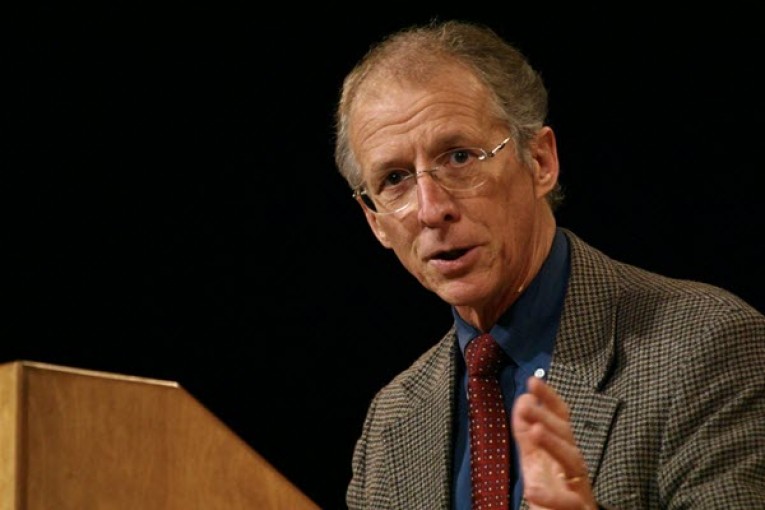
نقدم لكم هذه المقالة التي تتحدث عن كون المسيح قد قدام، وهي بعنوان : لماذا أؤمن أن المسيح قد قام من الاموات؟  وهي للكاتب جون بيبر عميد كلية بيت لحم للاهوت لمدة 33 عاماً وله اكثر من خمسين مؤلف.
نتمنى أن تنال اعجابكم وتفيدكم ولتؤمنوا أن المسيح قام من بين الأموات قام ليخبرنا بهزيمة الموت .. نترككم مع المقالة

لماذا أؤمن أن المسيح قد قام من الاموات؟ 

١- يسوع نفسه شهد لقيامته من الأموات

تكلم يسوع علانية معلناً ما سوف يحدث : عن صلبه ثم قيامته من بين الاموات. وهذا ما ورد في مرقس 8 : 31 فنجد اعلان واضح عن موته وايضاً قيامته من خلال الفم الطاهر. “وابتدأ يعلمهم أن ابن الإنسان ينبغي أن يتألم كثيرا، ويرفض من الشيوخ ورؤساء الكهنة والكتبة، ويقتل، وبعد ثلاثة أيام يقوم.”
راجع ايضا (متى ٢٢:١٧، لوقا ٢٢:٩ )

الرافضين للقيامة سيقولون ان كلام يسوع مضلٓل او ان الكنيسة الاولى وضعت الكلمات على لسانه لجعله يعلم بالضلاله لكن بالحقيقية هم من ابتدعو الضلال. فمن يقرأ الكتاب المقدس ويصل لقناعة بأن الذي يتكلم بسلطان مثل هذا يصعب ان لا يتم قبول كلامه وشهادة عن قيامته بفمه. وخصوصاً الكلمات التي تنبأت عن القيامة لم تكن فقط تلك الواضحة الصريحة السابق ذكرها ولكن إيضا بطرق رمزية وأمثلة لم تكن تصلح كتأليف او اختراع من مخادع.

مثلا، شهادتين مختلفتين بطريقتين مختلفتين تكلم المسيح عن نقض هيكل ( جسده) وانه سيقيمه مرة اخرى وهذا ما جاء ب ( يوحنا ١٩:٢، مرقس ٥٨:١٤، متى ٦١:٢٦) وتكلم ايضا عن أية يونان النبي- وعن وجوده ثلاث ايام في قلب الارض(متى ٣٩:١٢، ٤:١٦) وتلميحه في متى ٤٢:٢١ عن ان الحجر الذي رفضه البناؤون هذا قد صار رأسا للزاوية. وبالإضافة لشهادته .فقد شهد عنه مقاوميه ايضاً ان هذا كان جزء من ما قاله الرب يسوع: متى٦٣:٢٧.

إذن اول إثبات لدينا هو ان الرب يسوع نفسه شهد عن قيامته. عمق واتساع كلماته تجعل احتمالية اختراع هذا الكلام على يد الكنيسة غير وارد. وشخصية يسوع نفسه في هذه الشهادات لم تقول انه كان مختل او مضلل.


٢- القبر كان فارغا يوم القيامة

أوائل النصوص تقول انهم ذهبوا الى القبر ولم يجدوا جسد الرب. ( لوقا ٣:٢٤) واعداء يسوع أكدوا على ذلك بترويجهم إشاعة ان التلاميذ سرقوا الجسد (متى١٣:٢٨) لم يوجد جسد يسوع. وهناك أربعة تفاسير لذلك.

٢أ: اعدائه سرقوا الجسد. ولو تم هذا علي الرغم من انه لا ذكر له علي الاطلاق.لكانوا اظهروا الجسد لمنع انتشار المسيحية في نفس المدينة التي صُلب فيها. ولكنهم لم يقدروا على إظهاره.

٢ب: التلاميذ سرقوا الجسد. وهذه كانت إشاعة منذ البداية. (متى ٢٨: ١١-١٥). هل هذا ممكن؟ هل أمكنهم مقاومة الجنود الحراس على باب القبر؟ وأكثر أهمية، هل كانوا بداوا على الفور بالكرازة يهذه القوة بقيامة يسوع، عالمين انه لم يقم؟ هل خاطروا بحياتهم “التلاميذ” وتحملوا الاضطهاد وهم يعلمون انها اكذوبة؟

٢ج: الرب يسوع لم يمت، ولكن فقط فاقد الوعي عندما وضعوه في المقبره. فاستيقظ ورفع باب القبر وانتصر على الحراس واختفى من التاريخ للأبد بعد ان ظهر بضعة مرات لتلاميذه وأقنعهم انه قام من الأموات. حتى أعداء الرب يسوع لم يقدموا هذه الاطروحة. فقد كان من المؤكد انه مات. الرومان عرفوا ذلك. وايضاً الحجر لا يمكن رفعه من قبل رجل واحد طعن في جنيه بالحربة ومكث معلقا على الصليب ستة ساعات ومن الداخل القبر.

٢د: الله أقام يسوع من الأموات. “اي اللاهوت اقام الناسوت ” هذا ما قال انه سيحدث. انه ما قال التلاميذ انه حدث. ولكن لو وجد اي طيف من تفسير بطريقة منطقية سيقول لك البعض لا نقفز لتفسير معجزي. هل هذا منطقي؟ لا أظن. بالطبع لا اريد ان أكون ساذجا ولكن لن نرفض الحق فقط لانه غريب.
لابد ان ندرك ان التزامنا في هذه المرحلة متأثر بميولنا- سواء بحقيقة القيامة او عدم تصديق القيامة. لو ان رسالة الرب يسوع قد فتحت قلبك واحتياجاتك للغفران، مثلا، إذن ستفقد فكرة ضد المعجزة سلطانها على ذهنك. هل يمكن ان يكون هذا الانفتاح ليس تحيزا للقيامة وإنما حرية من التحيّز ضدها؟


٣- التلاميذ انتقلوا حالا من رجال بلا أمل وخائفين (لوقا٢١:٢٤، يوحنا ١٩:٢٠)

لرجال واثقين وشهود اقوياء للقيامة. ( اعمال ٢٤:٢، ١٥:٣، ٢:٤) وتفسيرهم لهذا التغيير انهم رأوا الرب يسوع قائما من الأموات وأنهم قد اخذوا قوة ليكونوا شهودا له ( اعمال ٣٢:٢). اما التفسير المعاكس لهذا فهو ان ثقتهم هذه نابعة من هلوسة. وهذا التفسير له مشاكل عديدة. التلاميذ لم يكونوا سذج، ولكن شكاكين متزني العقل قبل وبعد القيامة. ( مرقس ٣٢:٩، لوقا ١١:٢٤، يوحنا ٢٠: ٨-٩،٢٥) وبالأكثر هل التعاليم السامية والنبيلة التي كرز بها شهود قيامة المسيح منسوجة من هلاوس؟

ماذا عن رسالة بولس الرسول الى أهل رومية؟! شخصيا اجد من الصعوبة ان اصدق ان احدا بهذه العقلية الفذة والروح الشفافة العميقة يمكن ان يكون مُضٓلل او مُضلِل بشأن قيامة المسيح.


٤- بولس الرسول قال انه ليس هو فقط من رأى المسيح القائم بل اكثر من ٥٠٠ اخ أكثرهم حي حين قال هذا. (١كورنثوس٦:١٥)

وما يجعل هذا ذو أهمية ان هذه الكلمات مكتوبة لليونانيين الذين يتشككون من هذه الادعائات في حين ان اكثر الشهود احياء. فهذه مخاطرة ان كان يمكن تفنيدها بمجرد بحث بسيط.

٥- مجرد وجود كنيسة حية نامية منتصرة على الامبراطورية، يساند حقيقة القيامة.

فالكنيسة نمت بقوة الشهادة بيسوع الذي اقامه الله وجعله ربا ومسيحا ( اعمال ٣٦:٢) فروبوبية المسيح على كل الامم مبنية على انتصاره على الموت. وهذه هي الرسالة التي انتشرت في العالم اجمع وقوتها في عبور الثقافات وخلق شعب جديد لله هي اكبر شهادة على صدقها.


٦- إيمان بولس الرسول يؤيد حقيقة القيامة.

فهو يحاجج أناس من غلاطية ١: ١١-١٧ ان إنجيله وكرازته هي من يسوع المسيح، وليس من الناس. وحجته ان قبل رحلته لدمشق قبل ان يرى الرب يسوع كان مضطهدا للكنيسة والإيمان المسيحي. (اعمال ١:٩) ولكن الان والدهشة الجميع، فهو يخاطر بحياته للكرازة بالإنجيل. ( اعمال ٩: ٢٤-٢٥) وتفسيره : ان الرب يسوع القائم من الأموات ظهر له واعطاه مهمة الكرازة للأمم. (اعمال ٢٦: ١٥-١٨). فهل نصدق مثل هذه الشهادة؟ وهذا يأتي بِنَا للنقطةالتالية.


7- شهود العهد الجديد ليس لديهم سمة المدلسين.

كيف تقيم شاهد؟ كيف تقرر اذا ما كنت ستصدق شهادة احدهم؟ قرار ان تصدق شهادة احد ليس مثل حل مسألة حسابية. التاكيد له طابع مختلف، ولكن في مثل ذات القوة. عندما يموت شاهد، نبني مصداقيته على ما كتبه ومن شهادات الآخرين عنه. إذن كيف تبدو الأمور بالنسبة لبطرس ويوحنا ومتى وبولس الرسل؟ في تقديري ( وعند هذه النقطة سنعتمد على رؤيتنا- لوقا ٥٧:١٢)، فإن كتابات هؤلاء الرجال لا تبدو ككتابات أناس سذج، يسهل التغرير بهم او مضللين.

ان بصيرتهم للطبيعة لإنسانية عميقة. التزامهم عاقل ومكتوب بدقة. تعاليمهم واضحة وليست من اختراع بشر. المستوى الاخلاقي والروحي عالي جداً. وحياة هؤلاء الرجال مكرسة تماما للحق ولمجد الله.


٨- يوجد مجد داخلي في بشارة انجيل موت المسيح وقيامته كما وصفها البشيريون.

يعلم العهد الحديد ان الله أرسل الرب القدس ليمجد المسيح كإبن الله. قال الرب يسوع: متى جاء روح الحق، فهو يرشدكم للحق… ويمجدني. (يوحنا ١٣:١٦) والروح القدس لا يخبرنا بهذا كمعلومة ان يسوع قام. ولكن يفتح اعيننا لنرى مجد المسيح في قصة الصلب والقيامة. فهو يمكننا من رؤية يسوع كما هو، كمال الجمال والحق. وقد كتب الإنجيليون عن مشكلة العمى الروحي وحلها. (كورنثوس الثانية٤: ٦،٤).

ان المعرفة المؤدية الى الخلاص بالمسيح مصلوبا وقَائِما ليست معلومات تاريخية. ولكنها نتيجة استنارة روحية لؤية الأمور على حقيقتها: استعلان مجد وحق الله في وجه المسيح- الذي هو هو أمس واليوم والى الأبد.

المرجع:

• Eight Reasons Why I Believe That Jesus Rose from the Dead “John Piper”
John Piper (@JohnPiper) is founder and teacher of desiringGod.organd chancellor of Bethlehem College & Seminary. For 33 years, he served as pastor of Bethlehem Baptist Church, Minneapolis, Minnesota. He is author of more than 50 books.

لماذا أؤمن أن المسيح قد قام من الاموات؟ 

القديس متى كان يعرف اليونانية والارامية

القديس متى كان يعرف اليونانية والارامية

“The Gospel also contains clear evidence that the author possessed a strong command of both Aramaic and Greek, something that would be a prerequisite for most tax collectors. Furthermore, the author of Matthew used the more precise term nomisma for the coin used in the dispute over tribute (Mt 22:19) than Mark’s and Luke’s denarion (Mk 12:15; Lk 20:24).”

المحتوي الداخلي لانجيل متي يشير الي ان كاتبه يمتلك خلفية بكلا من الآرمية واليونانية . وهذا الامر كان شرطاً اساسياً لجامعي الضرائب .وايضاً استخدم متي مصطلح nomisma المصطلح الاكثر دقة لوصف العملة في الجدل الدائر حول الجزية في انجيل متي 19 : 22 اكثر من الاناجيل الاخري مثل انجيل مرقس ولوقا الذين استخدموا denarion في انجيل مرقس 12 : 15 و لوقا 20 : 24

المرجع:

Ted Cabal et al., The Apologetics Study Bible: Real Questions, Straight Answers, Stronger Faith(Nashville, TN: Holman Bible Publishers, 2007), 1402.

لماذا أؤمن أن المسيح قد قام من الاموات؟ | ترجمة: ميرفت القمص

لماذا أؤمن أن المسيح قد قام من الاموات؟ | ترجمة: ميرفت القمص

جون بيبر

عميد كلية بيت لحم للاهوت لمدة 33 عاماً وله اكثر من خمسين مؤلف.


١- يسوع نفسه شهد لقيامته من الأموات

تكلم يسوع علانية معلناً ما سوف يحدث : عن صلبه ثم قيامته من بين الاموات. وهذا ما ورد في مرقس 8 : 31 فنجد اعلان واضح عن موته وايضاً قيامته من خلال الفم الطاهر. “وابتدأ يعلمهم أن ابن الإنسان ينبغي أن يتألم كثيرا، ويرفض من الشيوخ ورؤساء الكهنة والكتبة، ويقتل، وبعد ثلاثة أيام يقوم.” راجع ايضا (متى ٢٢:١٧، لوقا ٢٢:٩ )

الرافضين للقيامة سيقولون ان كلام يسوع مضلٓل او ان الكنيسة الاولى وضعت الكلمات على لسانه لجعله يعلم بالضلاله لكن بالحقيقية هم من ابتدعو الضلال. فمن يقرأ الكتاب المقدس ويصل لقناعة بأن الذي يتكلم بسلطان مثل هذا يصعب ان لا يتم قبول كلامه و شهادة عن قيامته بفمه.

وخصوصاً الكلمات التي تنبأت عن القيامة لم تكن فقط تلك الواضحة الصريحة السابق ذكرها ولكن إيضا بطرق رمزية وأمثلة لم تكن تصلح كتأليف او اختراع من مخادع. مثلا، شهادتين مختلفتين بطريقتين مختلفتين تكلم المسيح عن نقض هيكل ( جسده) وانه سيقيمه مرة اخرى وهذا ما جاء ب ( يوحنا ١٩:٢ ، مرقس ٥٨:١٤، متى ٦١:٢٦) وتكلم ايضا عن أية يونان النبي- وعن وجوده ثلاث ايام في قلب الارض(متى ٣٩:١٢، ٤:١٦)

و تلميحه في متى ٤٢:٢١ عن ان الحجر الذي رفضه البناؤون هذا قد صار رأسا للزاوية. وبالإضافة لشهادته .فقد شهد عنه مقاوميه ايضاً ان هذا كان جزء من ما قاله الرب يسوع: متى٦٣:٢٧. إذن اول إثبات لدينا هو ان الرب يسوع نفسه شهد عن قيامته. عمق واتساع كلماته تجعل احتمالية اختراع هذا الكلام على يد الكنيسة غير وارد. وشخصية يسوع نفسه في هذه الشهادات لم تقول انه كان مختل او مضلل.


٢- القبر كان فارغا يوم القيامة

أوائل النصوص تقول انهم ذهبوا الى القبر ولم يجدوا جسد الرب. ( لوقا ٣:٢٤) واعداء يسوع أكدوا على ذلك بترويجهم إشاعة ان التلاميذ سرقوا الجسد (متى١٣:٢٨)

لم يوجد جسد يسوع. وهناك أربعة تفاسير لذلك.


٢أ: اعدائه سرقوا الجسد. ولو تم هذا علي الرغم من انه لا ذكر له علي الاطلاق.لكانوا اظهروا الجسد لمنع انتشار المسيحية في نفس المدينة التي صُلب فيها. ولكنهم لم يقدروا على إظهاره.

٢ب: التلاميذ سرقوا الجسد. وهذه كانت إشاعة منذ البداية. (متى ٢٨: ١١-١٥). هل هذا ممكن؟ هل أمكنهم مقاومة الجنود الحراس على باب القبر؟ وأكثر أهمية، هل كانوا بداوا على الفور بالكرازة يهذه القوة بقيامة يسوع، عالمين انه لم يقم؟ هل خاطروا بحياتهم “التلاميذ” وتحملوا الاضطهاد وهم يعلمون انها اكذوبة؟

٢ج: الرب يسوع لم يمت، ولكن فقط فاقد الوعي عندما وضعوه في المقبره. فاستيقظ ورفع باب القبر وانتصر على الحراس واختفى من التاريخ للأبد بعد ان ظهر بضعة مرات لتلاميذه وأقنعهم انه قام من الأموات. حتى أعداء الرب يسوع لم يقدموا هذه الاطروحة. فقد كان من المؤكد انه مات. الرومان عرفوا ذلك. وايضاً الحجر لا يمكن رفعه من قبل رجل واحد طعن في جنيه بالحربة ومكث معلقا على الصليب ستة ساعات ومن الداخل القبر.

٢د: الله أقام يسوع من الأموات. “اي اللاهوت اقام الناسوت ” هذا ما قال انه سيحدث. انه ما قال التلاميذ انه حدث. ولكن لو وجد اي طيف من تفسير بطريقة منطقية سيقول لك البعض لا نقفز لتفسير معجزي. هل هذا منطقي؟ لا أظن. بالطبع لا اريد ان أكون ساذجا ولكن لن نرفض الحق فقط لانه غريب.

لابد ان ندرك ان التزامنا في هذه المرحلة متأثر بميولنا- سواء بحقيقة القيامة او عدم تصديق القيامة. لو ان رسالة الرب يسوع قد فتحت قلبك واحتياجاتك للغفران، مثلا، إذن ستفقد فكرة ضد المعجزة سلطانها على ذهنك. هل يمكن ان يكون هذا الانفتاح ليس تحيزا للقيامة وإنما حرية من التحيّز ضدها؟


٣- التلاميذ انتقلوا حالا من رجال بلا أمل وخائفين (لوقا٢١:٢٤، يوحنا ١٩:٢٠) لرجال واثقين وشهود اقوياء للقيامة. ( اعمال ٢٤:٢، ١٥:٣، ٢:٤)

وتفسيرهم لهذا التغيير انهم رأوا الرب يسوع قائما من الأموات وأنهم قد اخذوا قوة ليكونوا شهودا له ( اعمال ٣٢:٢). اما التفسير المعاكس لهذا فهو ان ثقتهم هذه نابعة من هلوسة. وهذا التفسير له مشاكل عديدة. التلاميذ لم يكونوا سذج، ولكن شكاكين متزني العقل قبل وبعد القيامة. ( مرقس ٣٢:٩، لوقا ١١:٢٤، يوحنا ٢٠: ٨-٩ ،٢٥) وبالأكثر هل التعاليم السامية والنبيلة التي كرز بها شهود قيامة المسيح منسوجة من هلاوس؟ ماذا عن رسالة بولس الرسول الى أهل رومية؟! شخصيا اجد من الصعوبة ان اصدق ان احدا بهذه العقلية الفذة والروح الشفافة العميقة يمكن ان يكون مُضٓلل او مُضلِل بشأن قيامة المسيح.


٤- بولس الرسول قال انه ليس هو فقط من رأى المسيح القائم بل اكثر من ٥٠٠ اخ أكثرهم حي حين قال هذا.

(١كورنثوس٦:١٥) وما يجعل هذا ذو أهمية ان هذه الكلمات مكتوبة لليونانيين الذين يتشككون من هذه الادعائات في حين ان اكثر الشهود احياء. فهذه مخاطرة ان كان يمكن تفنيدها بمجرد بحث بسيط.


٥- مجرد وجود كنيسة حية نامية منتصرة على الامبراطورية،

يساند حقيقة القيامة. فالكنيسة نمت بقوة الشهادة بيسوع الذي اقامه الله وجعله ربا ومسيحا ( اعمال ٣٦:٢) فروبوبية المسيح على كل الامم مبنية على انتصاره على الموت. وهذه هي الرسالة التي انتشرت في العالم اجمع وقوتها في عبور الثقافات وخلق شعب جديد لله هي اكبر شهادة على صدقها.


٦- إيمان بولس الرسول يؤيد حقيقة القيامة.

فهو يحاجج أناس من غلاطية ١: ١١-١٧ ان إنجيله وكرازته هي من يسوع المسيح، وليس من الناس. وحجته ان قبل رحلته لدمشق قبل ان يرى الرب يسوع كان مضطهدا للكنيسة والإيمان المسيحي. (اعمال ١:٩) ولكن الان والدهشة الجميع، فهو يخاطر بحياته للكرازة بالإنجيل. ( اعمال ٩: ٢٤-٢٥) وتفسيره : ان الرب يسوع القائم من الأموات ظهر له واعطاه مهمة الكرازة للأمم. (اعمال ٢٦: ١٥-١٨). فهل نصدق مثل هذه الشهادة؟ وهذا يأتي بِنَا للنقطةالتالية.


7- شهود العهد الجديد ليس لديهم سمة المدلسين.

كيف تقيم شاهد؟ كيف تقرر اذا ما كنت ستصدق شهادة احدهم؟ قرار ان تصدق شهادة احد ليس مثل حل مسألة حسابية. التاكيد له طابع مختلف، ولكن في مثل ذات القوة. عندما يموت شاهد، نبني مصداقيته على ما كتبه ومن شهادات الآخرين عنه. إذن كيف تبدو الأمور بالنسبة لبطرس ويوحنا ومتى وبولس الرسل؟

في تقديري ( وعند هذه النقطة سنعتمد على رؤيتنا- لوقا ٥٧:١٢) ، فإن كتابات هؤلاء الرجال لا تبدو ككتابات أناس سذج، يسهل التغرير بهم او مضللين. ان بصيرتهم للطبيعة لإنسانية عميقة. التزامهم عاقل ومكتوب بدقة. تعاليمهم واضحة وليست من اختراع بشر. المستوى الاخلاقي والروحي عالي جداً. وحياة هؤلاء الرجال مكرسة تماما للحق ولمجد الله.


٨- يوجد مجد داخلي في بشارة انجيل موت المسيح وقيامته كما وصفها البشيريون.

يعلم العهد الحديد ان الله أرسل الرب القدس ليمجد المسيح كإبن الله. قال الرب يسوع: متى جاء روح الحق، فهو يرشدكم للحق… ويمجدني. (يوحنا ١٣:١٦) والروح القدس لا يخبرنا بهذا كمعلومة ان يسوع قام. ولكن يفتح اعيننا لنرى مجد المسيح في قصة الصلب والقيامة.

فهو يمكننا من رؤية يسوع كما هو، كمال الجمال والحق. وقد كتب الإنجيليون عن مشكلة العمى الروحي وحلها. (كورنثوس الثانية٤: ٦،٤). ان المعرفة المؤدية الى الخلاص بالمسيح مصلوبا وقَائِما ليست معلومات تاريخية. ولكنها نتيجة استنارة روحية لؤية الأمور على حقيقتها: استعلان مجد وحق الله في وجه المسيح- الذي هو هو أمس واليوم والى الأبد.


المرجع:


Eight Reasons Why I Believe That Jesus Rose from the Dead “John Piper”

John Piper (@JohnPiper) is founder and teacher of desiringGod.org and chancellor of Bethlehem College & Seminary. For 33 years, he served as pastor of Bethlehem Baptist Church, Minneapolis, Minnesota. He is author of more than 50 books.

لماذا أؤمن أن المسيح قد قام من الاموات؟ | ترجمة: ميرفت القمص

Did Jesus err by affirming that the signs of the end time would be fulfilled in His era? MATTHEW 24:34

MATTHEW 24:34—Did Jesus err by affirming that the signs of the end time would be fulfilled in His era?

PROBLEM: Jesus spoke of signs and wonders regarding His second coming. But Jesus said “this generation” would not end before all these events took place. Did this mean that these events would occur in the lifetime of His hearers?

SOLUTION: These events (e.g., the Great Tribulation, the sign of Christ’s return, and the end of the age) did not occur in the lifetime of Christ’s hearers. Therefore, it is reasonable to understand their fulfillment as something yet to come. This calls for a closer examination of the meaning of “generation” for meanings other than that of Jesus’ contemporaries.

First, “generation” in Greek (genea) can mean “race.” In this particular instance, Jesus’ statement could mean that the Jewish race would not pass away until all things are fulfilled. Since there were many promises to Israel, including the eternal inheritance of the land of Palestine (Gen. 12; 14–15; 17) and the Davidic kingdom (2 Sam. 7), then Jesus could be referring to God’s preservation of the nation of Israel in order to fulfill His promises to them. Indeed, Paul speaks of a future of the nation of Israel when they will be reinstated in God’s covenantal promises (Rom. 11:11–26). And Jesus’ response to His disciples’ last question implied there would yet be a future kingdom for Israel, when they asked: “Lord, will You at this time restore the kingdom to Israel?” Rather than rebuking them for their misunderstanding, He replied that “It is not for you to know times or seasons which the Father has put in His own authority” (Acts 1:6–7). Indeed, Paul in Romans 11 speaks of the nation of Israel being restored to God’s promised blessings (cf. vv. 25–26).

Second, “generation” could also refer to a generation in its commonly understood sense of the people alive at the time indicated. In this case, “generation” would refer to the group of people who are alive when these things come to pass in the future. In other words, the generation alive when these things (the abomination of desolation [v.15], the great tribulation such as has never been seen before [v. 21], the sign of the Son of Man in heaven [v. 30], etc.) begin to come to pass will still be alive when these judgments are completed. Since it is commonly believed that the tribulation is a period of some seven years (Dan. 9:27; cf. Rev. 11:2) at the end of the age, then Jesus would be saying that “this generation” alive at the beginning of the tribulation will still be alive at the end of it. In any event, there is no reason to assume that Jesus made the obviously false assertion that the world would come to an end within the lifetime of His contemporaries.

[1]


[1]Geisler, N. L., & Howe, T. A. (1992). When critics ask : A popular handbook on Bible difficulties (358). Wheaton, Ill.: Victor Books.

Did Jesus make a mistake in referring to Zechariah the son of Jehoiada rather than to Zechariah the son of Berechiah? MATTHEW 23:34–35

MATTHEW 23:34–35—Did Jesus make a mistake in referring to Zechariah the son of Jehoiada rather than to Zechariah the son of Berechiah?

[button color=”red” size=”big” link=”https://www.facebook.com/difa3iat” target=”blank” ]إضغط هنا[/button]

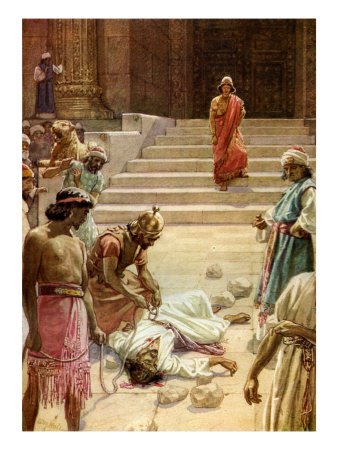
PROBLEM: Jesus said to the scribes and Pharisees that the guilt of all the righteous blood from Abel to Zechariah will fall on them. Concerning Zechariah, Jesus said he was killed between the sanctuary and the altar. Some conclude that the Zechariah referred to by Christ is the son of Jehoiada (2 Chron. 24:20–22).

SOLUTION: The Zechariah referred to has to be the son of Berechiah. This Zechariah is one of the minor prophets, and his father is listed as Berechiah (Zech. 1:1). He would be the most likely candidate because the other Zechariah (son of Jehoiada) died about 800 b.c. If one thinks Christ referred to this Zechariah, then the time span from Abel to this Zechariah would not cover the OT period, which extended to 400 b.c. Abel to Zechariah the son of Berechiah would make a much better sweep of the OT period than would the period from Abel to Zechariah the son of Jehoiada. Since many Zechariahs are mentioned in the OT, it would not be too difficult to imagine two Zechariahs dying from similar circumstances.

[1]


[1]Geisler, N. L., & Howe, T. A. (1992). When critics ask : A popular handbook on Bible difficulties (357). Wheaton, Ill.: Victor Books.

Does Jesus want us to love ourself first or others? MATTHEW 22:39

MATTHEW 22:39—Does Jesus want us to love ourself first or others?


PROBLEM: Jesus says in Matthew that we are to love our neighbor as ourselves. But, if we love ourselves first, before we love our neighbor, then this would be putting self before neighbor. Is Jesus teaching that we should be selfish?

SOLUTION: Loving others as we love ourselves can be understood in different ways, but in no way is Jesus implying that we should be selfish. The Bible condemns “lovers of themselves” (2 Tim. 3:2). It exhorts us not to consider only our own interests, but also the interest of others (Phil. 2:4). There are three ways to understand the phrase, “love others as yourself.”

First, some believe that Jesus is saying that we ought to love others as we ought to love ourselves, namely, unselfishly. This, however, seems far too subtle and dialectical for Jesus’ normally straight-forward moral assertions. It would have been more forthright to simply say do not be selfish than the tangled command of loving oneself unselfishly.

Second, Jesus could have meant that we should love others as we ought to love ourselves, namely, properly. There is a legitimate self-respect or self-love. Ephesians tells us to care for our own bodies, “for no one ever hated his own flesh, but nourishes and cherishes it” (5:28–29). There is nothing wrong with a legitimate self-care and self-respect. The Bible condemns someone for “thinking of himself more highly than he ought,” but urges him to think “soberly” (Rom. 12:3). In this sense, Jesus may be saying love others as you ought to love yourselves.

Third, Jesus could have meant that we should love others as much as we do love ourselves. That is, He might have been saying that we should measure how we ought to love others by how we actually do love ourselves without implying that the way we love ourselves is correct. Rather, God may be simply pointing to love for self as the standard by which we should judge how much to love others. In this way, there would be an automatic check on our selfish love, since we would have to love others this much too.

Geisler, N. L., & Howe, T. A. (1992). When critics ask : A popular handbook on Bible difficulties (355). Wheaton, Ill.: Victor Books.

Is Peter the rock on which the church is built? MATTHEW 16:18

MATTHEW 16:18—Is Peter the rock on which the church is built?

PROBLEM: Roman Catholics use this passage to support their belief in the primacy of Peter, that is, that he is the rock on which the church is built. But Paul said the church is built on Christ, not Peter (1 Cor. 3:11). Is Peter the “rock” in this passage?

SOLUTION: There are different ways to understand this passage, but none of them support the Roman Catholic view that the church is built on St. Peter, who became the first Pope—infallible in all his official pronouncements on faith and doctrine. This is evident for many reasons.

First of all, Peter was married (Matt. 8:14), and Popes do not marry. If the first Pope could marry, why later pronounce that no priest (or Pope) can marry.

Second, Peter was not infallible in his views on the Christian life. Even Paul had to rebuke him for his hypocrisy, because he was not “straightforward about the truth of the Gospel” (Gal. 2:14).

Third, the Bible clearly declares that Christ is the foundation of the Christian church, insisting that “no other foundation can anyone lay than that which is laid, which is Jesus Christ” (1 Cor. 3:11).

Fourth, the only sense in which Peter had a foundational role in the church, all the other apostles shared in the same way. Peter was not unique in this respect. For Paul declared that in this sense the church is “built on the foundation of the apostles and prophets, Jesus Christ Himself being the chief cornerstone” (Eph. 2:20). Indeed, the early church continued steadfastly in the apostles’ doctrine [not just Peter’s]” (Acts 2:42). Even “keys of the kingdom” given to Peter (Matt. 16:19) were also given to all the apostles (cf. Matt. 18:18).

Fifth, there is no indication that Peter was the head of the early church. When the first council was held at Jerusalem, Peter played only an introductory role (Acts 15:6–11). James seems to have a more significant position, summing up the conference and making the final pronouncement (cf. Acts 15:13–21). In any event, Peter is never referred to as the “pillar” in the church. Rather, Paul speaks of “pillars” (plural), such as, “James, Cephas, and John” (Gal. 2:9). Peter (Cephas) is not even listed first among the pillars.

Sixth, many Protestant interpreters believe that Jesus’ reference to “this rock” (Matt. 16:18) upon which His church would be built was to Peter’s solid (rock-like) testimony that Jesus was “the Christ, the son of the living God” (Matt. 16:16). But even if this rock has reference to Peter (Petros, rock), which is certainly a possible interpretation, he was only a rock in the apostolic foundation of the church (Matt. 16:18), not the rock. Nor is he the only apostolic rock. Even Peter himself admitted that Christ is the chief rock (“cornerstone,” 1 Peter 2:7). And Paul notes that the other apostles are all part of the “foundation” (Eph. 2:20).

[1]


[1]Geisler, N. L., & Howe, T. A. (1992). When critics ask : A popular handbook on Bible difficulties (347). Wheaton, Ill.: Victor Books.

How can we explain Matthew’s apparent misquotation of Micah 5:2? MATTHEW 2:6

MATTHEW 2:6—How can we explain Matthew’s apparent misquotation of Micah 5:2?

PROBLEM: Matthew 2:6 quotes Micah 5:2. However, the words Matthew uses are different than those used by Micah.

SOLUTION: Although Matthew seems to have changed some of the words from the passage in Micah, there is no real deviation in the meaning of the text. Matthew, in some instances, seems to have paraphrased.

First, Matthew inserts the phrase “land of Judah” for the word “Ephrathah.” This does not really change the meaning of the verse. There is no difference between the land of Judah and Ephrathah, except one is more specific than the other. In fact, Ephrathah refers to Bethlehem in the Micah passage, and Bethlehem is located in the land of Judah. However, this does not change the basic meaning of this verse. He is speaking of the same area of land. Interestingly, when Herod asked the chief priests and the scribes where the child was to be born, they said, “in Bethlehem of Judea” (Matt. 2:5, nasb).

Second, Matthew describes the land of Judah as “not the least” but Micah states that it is “little.” Here, Matthew may be saying that since the Messiah is to come from this region, it is by no means least among the other areas of land in Judah. The phrase in Micah only says that Bethlehem is too little or small, as compared to the other areas of land in Judah. The verse does not say it is the least among them, only very little. Matthew is saying the same thing in different words, namely, that Bethlehem is little in size, but by no means the least in significance, since the Messiah was born there.

Finally, Matthew uses the phrase “who will shepherd My people Israel” and Micah does not. Micah 5:2 recognizes that there will be a ruler in Israel, and Matthew recognizes this as well. However, the phrase that is not mentioned in Micah is actually taken from 2 Samuel 5:2. The combining of verses does not take away what is being said, but it strengthens the point that the author is making. There are other instances where an author combines one Scripture with another. For example, Matthew 27:9–10 combines some of Zechariah 11:12–13 with Jeremiah 19:2, 11 and 32:6–9. Also, Mark 1:2–3 combines some of Isaiah 40:3 with Malachi 3:1. Only the first passage is mentioned, since it is the main passage being cited.

In brief, Matthew is not misrepresenting any information in his quotation of Micah 5:2 and 2 Samuel 5:2. Matthew’s quote is still accurate even though he paraphrases part of it and combines another portion of Scripture with it.

[1]


[1]Geisler, N. L., & Howe, T. A. (1992). When critics ask : A popular handbook on Bible difficulties (327). Wheaton, Ill.: Victor Books.

You claim that Haggai 2 points to the fact that the Messiah had to come before the Second Temple was destroyed, since it says in verse 9 that the glory of the Second Temple would be greater than the glory of Solomon’s Temple. Actually, Haggai is speaking about only the physical splendor of the Second Temple, which surpassed Solomon’s Temple in the days of Herod.

You claim that Haggai 2 points to the fact that the Messiah had to come before the Second Temple was destroyed, since it says in verse 9 that the glory of the Second Temple would be greater than the glory of Solomon’s Temple. Actually, Haggai is speaking about only the physical splendor of the Second Temple, which surpassed Solomon’s Temple in the days of Herod.

Although there are some clear references in Haggai 2 to an abundance of gold and silver that would be used in rebuilding the Temple, there can be no doubt that the phrase “to fill with glory” refers to the manifest presence of God and not to physical splendor. We can therefore ask, In what way did the glory of the Second Temple surpass that of the First Temple? The answer is inescapable: The Messiah, the King of Glory, the very embodiment of the presence and power of God, visited that Temple.

We dealt with this objection in a different context in vol. 1, 2.1, pointing out several compelling reasons that the references to the Temple being filled with glory could not be explained with primary reference to the physical rebuilding of the Temple with massive amounts of silver and gold. Rather, Haggai’s prophecy must ultimately be understood as meaning that the Temple would be filled with the splendor of God’s glorious presence. Before expanding on this in more depth, let’s read the relevant verses in Haggai’s prophecy:

This is what the Lord Almighty says: “In a little while I will once more shake the heavens and the earth, the sea and the dry land. I will shake all nations, and the desired of all nations will come, and I will fill this house with glory,” says the Lord Almighty. “The silver is mine and the gold is mine,” declares the Lord Almighty. “The glory of this present house will be greater than the glory of the former house,” says the Lord Almighty. “And in this place I will grant peace,” declares the Lord Almighty.

Haggai 2:6–9

How can we be sure the prophet is not simply declaring that the Second Temple would be built more beautifully than Solomon’s Temple? After all, the Hebrew word kavod can sometimes refer to wealth and riches, as in Genesis 31:1: “Jacob heard that Laban’s sons were saying, ‘Jacob has taken everything our father owned and has gained all this wealth [kavod] from what belonged to our father.’ ” And the context in Haggai 2 makes reference to the abundance of silver and gold that God would send for the rebuilding of the Temple. What then gives me the right to insist on a primarily spiritual interpretation to this passage?

First, the Lord is making a specific comparison between the glory of the First Temple and the glory of the Second Temple, and the Scriptures are very clear about the nature of the glory of the First Temple: The supernatural presence of God was there. The fire of God was there. That was the glory of the First Temple (see 2 Chron. 7:1–4). Second, God promises to “fill this house with glory,” and the expression “fill with glory” always refers to the divine manifestation in the Bible (see vol. 1, 2.1). Third, the Talmud and later Rabbinic literature noted that some of the most important elements found in the First Temple—some of the very symbols of the glory of God, I might add—were not found in the Second Temple, namely, the ark of the covenant, the divine fire, the Holy Spirit, the Shekhinah, the Urim and Thummim.297 How then could it be said that the glory of the Second Temple would surpass that of the First when the Second Temple was devoid of the very manifest presence of God that defined the First Temple’s glory? Fourth, the ancient Jewish sages could not agree on the meaning of the passage, some claiming that the glory would consist in the longer duration of the Second Temple (i.e., it lasted longer than the First Temple did; cf. b. Baba Bathra 3a). This argument, however, is so weak that even the sixteenth-century refutationist Isaac Troki—an arch opponent of Christianity—decisively refuted it, stating,

Nor can we admit that the glory of the second temple consisted in its longer duration—a point discussed in the Talmud (Baba Bathra), for the Scripture makes no mention of the glory being attributable to the length of the time during which the temple was constructed or lasted. And even if the duration of the second temple had exceeded by double the time that of the first temple, the word glory could not have been assigned to this distinction.298

And if the promise was merely one of physical glory and splendor—which, as we have noted, falls far short of the description of being filled with God’s glory—why then is an additional promise offered in Haggai 2:9, namely, that in the Second Temple God would appoint peace?299 It is because the Lord is promising several things for the Second Temple: (1) It would be built with the riches of the nations; (2) it would be filled with the glory of God; and (3) the Lord would appoint peace there. So clear was this last word that Ibn Ezra actually raised the possibility that the promise of peace in Haggai 2:9 was conditional, the conditions being “if they will be completely righteous, as Zechariah said, and if they will diligently hearken and obey.”

Ibn Ezra’s interpretation reminds us of the interpretative problems faced by Rabbinic Judaism, since there are prophecies that were supposed to be fulfilled in the days of the Second Temple—Messianic prophecies of fundamental importance—but that were never fulfilled, according to the ancient rabbis (see vol. 1, esp. 2.1). Other prophecies were read as possibilities, since the Scriptures predicted that the Messiah would come on the clouds of heaven, exalted and glorious (Dan. 7:13), and also declared that he would come riding on a donkey, meek and lowly (Zech. 9:9). According to the Talmud, if Israel was righteous and worthy, he would come on the clouds; if Israel was sinful and unworthy, he would come riding on a donkey. But the Bible did not say these were mere possibilities and only one of them would prove true; rather, they were inspired prophecies, both of which would prove true. First the Messiah came riding on a donkey (in point of fact, we were not worthy of his coming then); when we repent and welcome him back (thus becoming worthy to receive him as King), he will return in the clouds of heaven.

And it is Messiah’s coming to the Second Temple that explains Haggai’s prophecy. Something more wonderful than the divine fire would visit that place; something greater than the cloud of glory would be manifest there. The Son of God himself, King Messiah, the glorious Word made flesh, would come to that Temple, teaching, preaching, cleansing, refining, and working miracles. It would be the ultimate divine visitation, far greater than anything that took place in Solomon’s Temple. The Second Temple was also the place of the outpouring of the Holy Spirit on Shavuot (the Feast of Weeks, or Pentecost), as recorded in Acts 2, as well as the place of miraculous healings through the Messiah’s emissaries (see Acts 3; and note especially Acts 2:43; 5:12). Surely that Temple was filled with glory! And it was in the Second Temple that the one who gave his life as an offering to make peace between God and man, and between Jew and Gentile, came and offered peace (cf. also Luke 1:79; 2:14; 19:42; Acts 10:36).300

[1]


297 Another Rabbinic list omits the Shekhinah and separates the ark of the covenant from the mercy seat with the cherubim, thus making five missing items.

298 Troki, Faith Strengthened, 170. For the comparison between the First and Second Temples, cf. esp. b. Yoma 21b and 52b; see further H. N. Bilalik and Y. H. Ravnitzky, eds., The Book of Legends: Sefer Ha-Aggadah, trans. W. G. Braude (New York: Schocken, 1992), 161, #11; cf. also ibid., 165–66, #28, for b. Yoma 9b and Eyn Yaakov.

299 For Troki, this promise also excluded the possibility of fulfillment in the days of the Second Temple; see vol. 1, p, 223, nn. 12–13. Troki’s own answer was a counsel of despair: The prophecy referred to the Third Temple! See vol. 1, ibid.

300 Cf. vol. 1, 2.6 (explaining Matt. 10:34); regarding the greater glory of the Second Temple, cf. Batei Midrashot 2, 24:11, listing the five elements missing from the Second Temple that will return to the final Temple, based on Haggai 2: the fire of the Shekhinah, the ark, the kapporet and cherubim, the Holy Spirit, and the Urim and Thummim.

[1]Brown, M. L. (2003). Answering Jewish objections to Jesus, Volume 3: Messianic prophecy objections (145). Grand Rapids, Mich.: Baker Books.

Exit mobile version