بنعمة الرب نكمل سلسلة الاكتشافات الاثرية التي تؤيد ما ذكر في الكتاب المقدس و اليوم سنتكلم عن توافق ما جاء في سفر الملوك الثاني و مسلة الملك ميشع (حجر مؤاب)
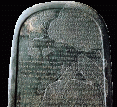
يعود تاريخ مسلة الملك ميشع الى القرن التاسع قبل الميلاد و قد تم اكتشافها بواسطة المرسل الألماني F.A.Klien في سنة 1868 بمدينة ذيبان الأردنية التي تقع حوالي 20 ميلا شرق البحر الميت و هي محفوظة حاليا في متحف اللوفر في باريس
يبلغ طول المسالة 1.15 متر و عرضها حوالي 60 سنتميتر و المسلة مكتوبة بالغة الموأبية و يعتقد انه تم كتابة هذا المسلة لتخليد انتصارات مواب على اسرائيل بعد موت الملك اخزيا كما جاء في سفر الملوك
سفر الملوك الثاني 1: 1 وَعَصَى مُوآبُ عَلَى إِسْرَائِيلَ بَعْدَ وَفَاةِ أَخْآبَ.
و يتوافق أيضا مع ما جاء في سفر الملوك الأول سفر الملوك الأول 11: 7 حِينَئِذٍ بَنَى سُلَيْمَانُ مُرْتَفَعَةً لِكَمُوشَ رِجْسِ الْمُوآبِيِّينَ عَلَى الْجَبَلِ الَّذِي تُجَاهَ أُورُشَلِيمَ، وَلِمُولَكَ رِجْسِ بَنِي عَمُّونَ.
Omri was the king of Israel, and he oppressed Moab for many days
و كان عمري ملك على إسرائيل و اضطهد مؤاب لايام كثيرة
تحليل مخطوطة 4Q521 (الرؤيا المسيانية) ونبوات المسيح المنتظر
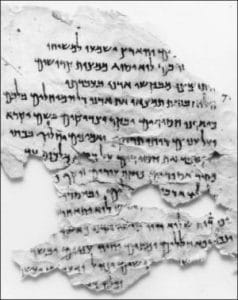
المخطوطة المرقمة 4Q521 او كما يسميها البعض الرؤيا المسيانية
يعود تاريخ كتابتها الى القرن الأول قبل الميلاد و تتكلم المخطوطة عن المسيا المنتظر بحسب الفكر اليهودي في تلك الفترة و يرى البعض ان ما جاء فيها هو بمثابة تفسير لما جاء في سفر اشعياء النبي
و المخطوطة تتكلم عن المسيا المنتظر كما قال نورمان جيسلر
The Messiah of Heaven and Earth” fragment (4Q521) even speaks of the Messiah raising the dead: “(12) then He will heal the sick, resurrect the dead, and to the Meek announce glad tidings” (ibid., 23; cf. 63, 95).
Geisler, Norman L.: Baker Encyclopedia of Christian Apologetics. Grand Rapids, Mich. : Baker Books, 1999 (Baker Reference Library), S. 189
و المخطوطة تتكلم عن مسيح واحد و ليس عن مسيحان كما يدعي البعض
The script is dated to the beginning of the first century bce. Whether the designation ‘apocalypse’ is fully justified is a moot point: the writing strikes as a verse composition akin to the poetry of the late biblical period. The surviving fragments do not appear to include anything patently sectarian. The term ‘Messiah’, probably in the singular, is used without the addition of Aaron or Israel
Vermes, Geza: The Dead Sea Scrolls in English. Revised and extended 4th ed. Sheffield : Sheffield Academic Press, 1995, S. 244
The one explicitly messianic passage (4Q521) in the book describes a single messiah. It is at odds with the view previously expressed by scholars that two messiahs were expected at Qumran—one a priest descended from Aaron and one a king descended from David Editor, Hershel Shanks: BAR 19:01 (Jan/Feb 1993). Biblical Archaeology Society, 2002; 2002
و جاء في المقطع الثاني و العمود الثاني للمخطوطة
1. [כי הס]מים והארץ ישמעו למשיחו 2. [וכל א]שר בם לוא יסוג ממצות קדושים 3. התאמצו מבקשי אדגי בעבדתו 4. הלוא בזאת תמצאו את אדני כל המיחלים בלבם 5. כי אדני חסידים יבקר וצדיקים בשם יקרא 6. יעל ענוים רוחו תרחף ואמונים יחליף בכחו 7. כי יכבד את חסידים על כסא מלכות עד 8. מחיר אסורים פוקח עורים זוקף כ[פופים …] 9. יל[ע]לם אדבק [במי]חלים ובחסדו […] 10. ופר[י …]יש לוא יתאחר 11. ונכבדות שלוא היו יעשה אדני כאשר ד[בר] 12. [כי] ירפא חללים ומתים יחיה ענוים יבשר 13. ו[…] ש[…]ושים ינהל ורעבים יעשר 14. […] וכלם כ[…]
Fr. 2 II … [the hea]vens and the earth will listen to His Messiah, and none therein will stray from the commandments of the holy ones. Seekers of the Lord, strengthen yourselves in His service! All you hopeful in (your) heart, will you not find the Lord in this? For the Lord will consider the pious (hasidim) and call the righteous by na me. Over the poor His spirit will hover and will renew the faithful with His power. And He will glorify the pious on the throne of the eternal Kingdom, He who liberates the captives, restores sight to the blind, straightens the b[ent] (Ps. 146:7–8). And f[or] ever I will clea[ve to the h]opeful and in His mercy … And the fr[uit …] will not be delayed for anyone And the Lord will accomplish glorious things which have never been as [He …] For He will heal the wounded, and revive the dead and bring good news to the poor (Isa. 61:1). … He will lead the uprooted and knowledge … and smoke
Vermes, Geza: The Dead Sea Scrolls in English. Revised and extended 4th ed. Sheffield : Sheffield Academic Press, 1995, S. 244
و اهم ما جاء فيها
[the hea]vens and the earth will listen to His Messiah
السماوات و الارض ستسمعان لمسيحة
Over the poor His spirit will hover and will renew the faithful with His power.
و روحه ستحل على المساكين و سيجدد الايمان بقوته
And He will glorify the pious on the throne of the eternal Kingdom,
و سيكرم المتقين عندما يحكم في مملكته الابدية
, freeing prisoners, giving sight to the blind,
و سيحرر السجناء و سيشفي العميان
straightens the b[ent] (Ps. 146:7–8).
And f[or] ever I will clea[ve to the h]opeful and in His mercy
و سيصلح المعوج و سيكون عوننا للذين يترجونه
And the Lord will accomplish glorious things which have never been
و سيقوم الرب باعمال رائعا لم يسبق لها مثيل
he will heal the badly wounded and will make the dead live
و سيشفي الجرحى و يقيم الموتى
bring good news to the poor (Isa. 61:1)
سيحمل اخبار سارة للفقراء
و تتشابة هذه الكلمات كثيرا مع ما ذكره الانجيل عن المسيح
و ما جاء في المخطوطة عن المسيا المنتظر يتشابه كثيرا مع ما جاء في الاناجيل عن المسيح بانه ليس كسائر البشر
Our Qumran text, 4Q521, is, astonishingly, quite close to this Christian concept of the messiah. Our text speaks not only of a single messianic figure (“[the hea]vens and the earth will obey His Messiah, [the sea and all th]at is in them”), but it also describes him in extremely exalted terms, quite like the Christian view of Jesus as a cosmic agent.
الرد على شبهة العنف في الكتاب المقدس، طوبى لمن يمسك أطفالك ويضرب بهم الصخرة أ حنا السرياني
سلام و نعمة رب المجد
يستخدم البعض النص الوارد في المزمور 137 للطعن في الكتاب المقدس و يقولون بان هناك عنف مبالغ في هذا النص فهل بالفعل يحرض الكتاب المقدس على قتل الاطفال بهذه الطريقة الوحشية؟
المزمورة يتكلم عن احزان شعب اسرائيل بعد سبيهم الى بابل على يد الملك نبوخذنصر في عهد الملك صدقيا بعد ان سرق البابليين الهيكل و دمروا اورشليم عاصمتهم الملكية حيث جاء في سفر الملوك الثاني الاصحاح 25
فهذا المزمور يعتبر صلاة يهودية و فيها يطلب شعب اسرائيل من الرب ان يعاقب شعب ادوم شر معاقبة لانهم ساعدوا البابليين على تدمير مملكتهم و سبيهم ويرى البعض بان نفس الامر حدث مع اطفال اليهود و لذلك طلبوا من الرب ان ياخذ حقهم بمبداء العين بالعين و السن بالسن
“The mother was dashed in pieces upon her children.” This was a method used not only by the Assyrians, but also used later on by the Babylonians.This was mentioned by the children of Israel as they wept in Babylon. “O daughter of Babylon, who art to be destroyed; happy shall he be, that rewardeth thee as thou hast served us. Happy shall he be, that taketh and dasheth thy little ones against the stones” (Ps. 137:8–9).[1]
فقد كان الادوميين من نسل عيسو اخو يعقوب و كانوا يسكنون في جنوب الاردن اي انهم كانوا قريبيم من الإسرائيليين
حرضوا و ساعدوا البابليين عسكريا و كان لهم دور كبير في سبي اليهود و تدمير مملكتهم و لذلك يذكر المزمور قولهم اُذْكُرْ يَا رَبُّ لِبَنِي أَدُومَ يَوْمَ أُورُشَلِيمَ، الْقَائِلِينَ: «هُدُّوا هُدُّوا حَتَّى إِلَى أَسَاسِهَا
The time: 586 B.C.; the place: Jerusalem; the event: the destruction of Jerusalem by the Babylonian armies. We see the angry soldiers as they wreck the walls, slay the people, and burn the city. But we see something else. We see a group of neighboring citizens—the Edomites—as they stand on the other side and encourage the Babylonians to ruin the city. “Raze it! Raze it!” they are calling.“Dash their little children against the stones and wipe out the Jews!” (Ps. 137:7–9) Who are these people who desire such terrible things to happen to their neighbors? They are brethren to the Jews. The Edomites were the descendants of Esau, Jacob’s older brother (Gen. 25:21–26). Esau was outwardly a much better man than scheming Jacob, yet God chose Jacob and rejected Esau. Esau moved to the mountains in the south and established the Edomite kingdom (Idumaea), but they remained enemies.[2]
و كان هناك صراعات بينهم و بين اليهود منذ القدم حيث منعوا اليهود من العبور على اراضيهم في زمن موسى
و بعد ان شاركوا في اذية اليهود احتلوا اجزاء من اراضيهم التي تقع بالقرب منهم
since Psalm 137 places Babylon and Edom in parallel, it has seemed clear to many that in one way or another Edom was involved in the Judean disaster. Lam 4:21f, often assumed to belong shortly after 587 b.c., has been thought to give added support. Evidence that during the period of Babylonian rule Edomites may have taken over some parts of southern Judean territory would support this. [3]
و قد تبين لنا ان النص الكتابي ليس تشريعا او امر الهي بل هو طلبة من اليهود للرب للانقام من الادوميين لاشفاء غليلهم من ما حصل لهم بسبهم
Verse 9 contains two wishes for vengeance. These are the same as curses, but their result is intended to bring happiness to the avenger. In some languages it will be necessary to appeal to God as the one who will provide the reward of happiness; for example, “Let God make the person happy who does to you the bad things you did to us. Let God make the person happy who takes your babies and smashes them against a rock.”[4]
و لاحقا حصل نفس الامر معهم بالفعل لان البابليين غزوهم لاحقا و دمروا مملكتهم و لابد انهم استعملوا نفس الأسلوب الذي استعملوه مع اليهود
و قد تنبا النبي عوبديا و انبياء اخرون بخرابها بسبب خطاياها
و بالفعل ادوم قد دمرت لاحقا و كان حال اطفالها كحال أطفال اليهود لان من دمر مملكتهم كان البابليين أي نفس الذين دمروا اورشليم
و يذكر المؤرخ اليهودي يوسيفوس ان المللك نبوخذنصر هاجم ادوم بعد خمسة سنوات بعد السبي
On the other hand, Edom did not oppose Babylon, and probably remained intact. Josephus notes (Ant 10.9.7 §181) that Nebuchadnezzar subjected Ammon and Moab five years after the fall of Jerusalem[5]
و يرى بعض العلماء ان نهاية مملكتهم كانت على يد الملك نبونيدس البابلي الذي احرق مدنهم و معابدهم
The end of the Edomite kingdom and monarchy may have been a result of the campaigns of Nabonidus in S Transjordan and N Arabia in the years after 552 b.c. (Lindsay 1976; Bartlett 1979: 57–58). According to the Nabonidus Chronicle, Nabonidus besieged a place called [uru A/U]du-um-mu (perhaps to be interpreted as “the city of Edom,” i.e., Bozrah). If so, Nabonidus may be responsible for the destruction, burning, and clearing of the acropolis at Buseira [6]
و مرجع اخر
و لكنهم تجمعوا لا حقا لبناء مدنهم من جديد و لكن الرب قال
و بعدها استعان الرومان بهم اثناء حصار اورشليم في القرن الأول الميلادي و بعدها اختفوا تماما عن الوجود حتى اكتشاف مدينة البتراء في القرن السابع عشر
جاء في كتاب جوش مكدويل برهان يتطلب قرار نقلا عن علماء الاثار
الخلاصة ان نص المزمور ليس تشريع او امر الهي انما هو طلبة من المسبيين لتدمير ادوم كما تم تدمير إسرائيل و هذا ما حدث لاحقا على يد نفس الغزاة و غزاة اخرين
الى هنا اعانني الرب
المراجع
[1] McGee, J. Vernon: Thru the Bible Commentary: The Prophets (Hosea/Joel). electronic ed. Nashville : Thomas Nelson, 1991 (Thru the Bible Commentary 27), S. 107
[2]Wiersbe, Warren W.: Wiersbe’s Expository Outlines on the Old Testament. Wheaton, IL : Victor Books, 1993
[3]Ackroyd, Peter R.: Obadiah, Book of. In: Freedman, David Noel (Hrsg.): The Anchor Yale Bible Dictionary. New York : Doubleday, 1996, S. 5:4
[4]Bratcher, Robert G. ; Reyburn, William David: A Translator’s Handbook on the Book of Psalms. New York : United Bible Societies, 1991 (Helps for Translators), S. 1117
[5]Bartlett, J. R.: Edom (Place): Edom in History. In: Freedman, David Noel (Hrsg.): The Anchor Yale Bible Dictionary. New York : Doubleday, 1996, S. 2:293
[6]Bartlett, J. R.: Edom (Place): Edom in History. In: Freedman, David Noel (Hrsg.): The Anchor Yale Bible Dictionary. New York : Doubleday, 1996, S. 2:293