is
-
آبائيات

-
شهادة التاريخ والآثار

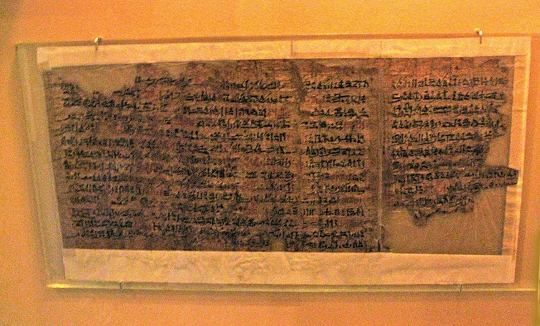
الموثوقية التاريخية لسفر الخروج
سلام و نعمة رب المجد موضوعنا اليوم هو من ضمن سلسة الموثوقية للعهد القديم و سنتلكم عن توافق احدى البرديات…
أكمل القراءة » -
مُترجَم

الاسباب الاربعة لايماني بموثوقية بشائر العهد الجديد
الاسباب الاربعة لايماني بموثوقية بشائر العهد الجديد ترجمة ميرفت القمص عندما فحصت بشائر العهد الحديد لأول مرة كملحد، لم…
أكمل القراءة » -
Matthew

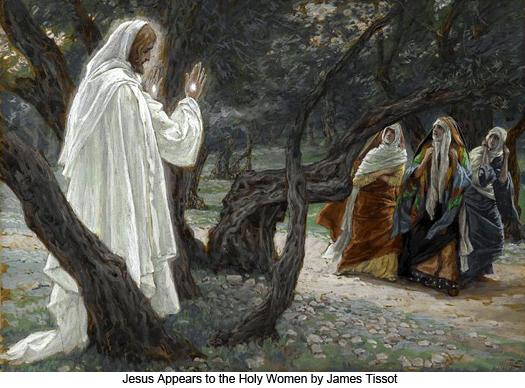
To whom did Christ appear first, the women or His disciples? MATTHEW 28:9
MATTHEW 28:9—To whom did Christ appear first, the women or His disciples? PROBLEM: Both Matthew and Mark list women as…
أكمل القراءة » -
Matthew

Is Jesus advocating pacifism and denouncing capital punishment in this passage? MATTHEW 26:52
MATTHEW 26:52—Is Jesus advocating pacifism and denouncing capital punishment in this passage? PROBLEM: When the soldiers came to arrest Jesus,…
أكمل القراءة » -
Matthew

Was Jesus always present with His disciples? MATTHEW 26:11
MATTHEW 26:11—Was Jesus always present with His disciples? PROBLEM: According to Jesus’ statement here, He would not always be with…
أكمل القراءة » -
Matthew

Did Jesus err by affirming that the signs of the end time would be fulfilled in His era? MATTHEW 24:34
MATTHEW 24:34—Did Jesus err by affirming that the signs of the end time would be fulfilled in His era? PROBLEM:…
أكمل القراءة » -
Matthew
Did Christ come to earth immediately following the Tribulation or sometime later? MATTHEW 24:29
MATTHEW 24:29—Did Christ come to earth immediately following the Tribulation or sometime later? PROBLEM: In Matthew, Jesus represents His coming…
أكمل القراءة » -
Matthew

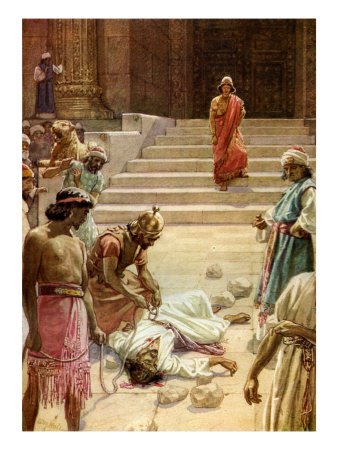
Did Jesus make a mistake in referring to Zechariah the son of Jehoiada rather than to Zechariah the son of Berechiah? MATTHEW 23:34–35
MATTHEW 23:34–35—Did Jesus make a mistake in referring to Zechariah the son of Jehoiada rather than to Zechariah the son…
أكمل القراءة » -
Matthew

Why did Jesus call people fools and yet condemn others for doing the same thing? MATTHEW 23:17
MATTHEW 23:17—Why did Jesus call people fools and yet condemn others for doing the same thing? PROBLEM: Jesus said, “whoever…
أكمل القراءة »