مع يوحنا سابا على دروب الرب – راهب من دير السريان

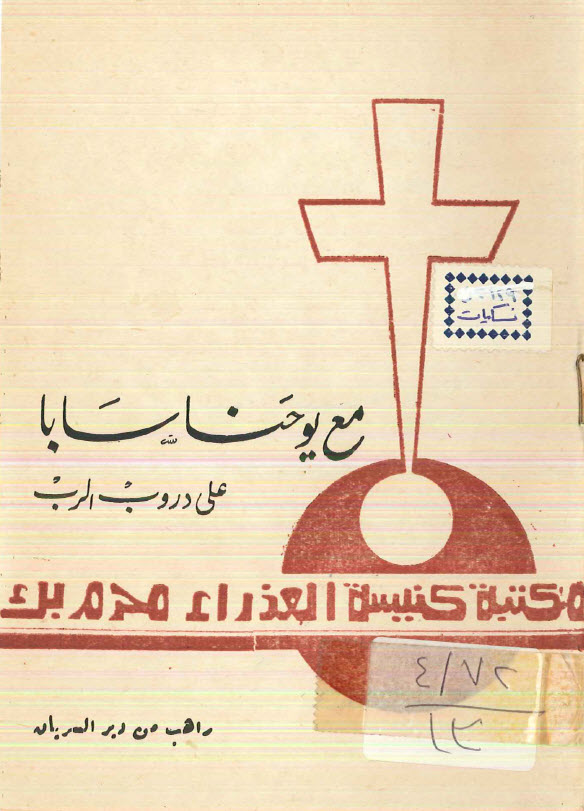
مع يوحنا سابا على دروب الرب – راهب من دير السريان
مع يوحنا سابا على دروب الرب – راهب من دير السريان
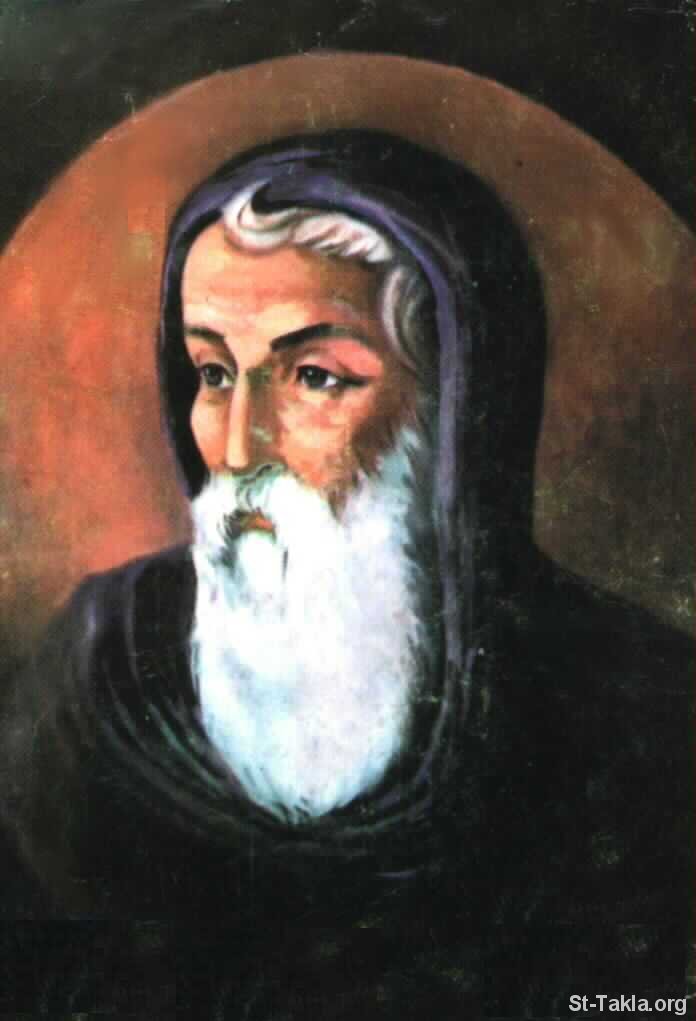
حرم المرحوم جرجس بك يعقوب – 1925م
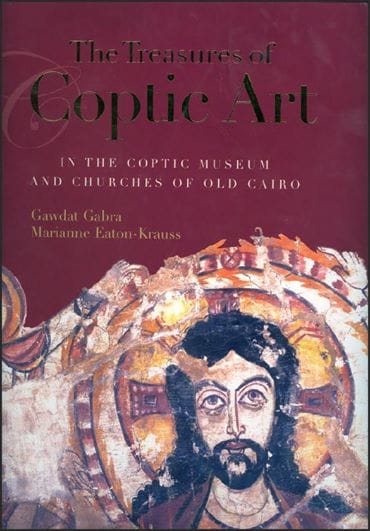
Egypt’s Coptic Church is one of the oldest in the world, with a cultural tradition dating back two millennia, during which time churches have been built and a variety of distinctive art forms have flourished. The world’s largest and most exquisite collection of Coptic artifacts is now housed in the Coptic Museum, founded in Old Cairo in 1908. Here for the first time, in this lavishly illustrated book, more than one hundred of the greatest treasures of the Coptic Museum have been beautifully photographed to present an overview of this rich artistic heritage. Objects from churches and monasteries across Egypt include some of the finest examples of Coptic icons, stelae, sculptures, wall paintings, wooden altar screens, metal crosses, censers, liturgical implements and vestments, chandeliers, and bible caskets. Besides being objects of great craftsmanship and beauty, these artifacts, which range in date from the third to the nineteenth centuries, represent indispensable material for the study of the origins and development of Coptic art, as well as its relations with the ancient Egyptian, Byzantine, and Islamic traditions. Textiles, ceramics, terracotta, ivory and bone carvings, and documents (including the famous Nag Hammadi Gnostic library from the fourth century, one of the most valuable collections of papyri in the world) provide invaluable insights into the economic and social life of Egypt over the past two thousand years. In addition to objects from the Coptic Museum, this book also includes photographs of surrounding churches, some of Egypt’s oldest, that illustrate the architectural legacy of the Copts. The accompanying text and captions provide a description of Coptic civilization in general and Coptic art in particular.
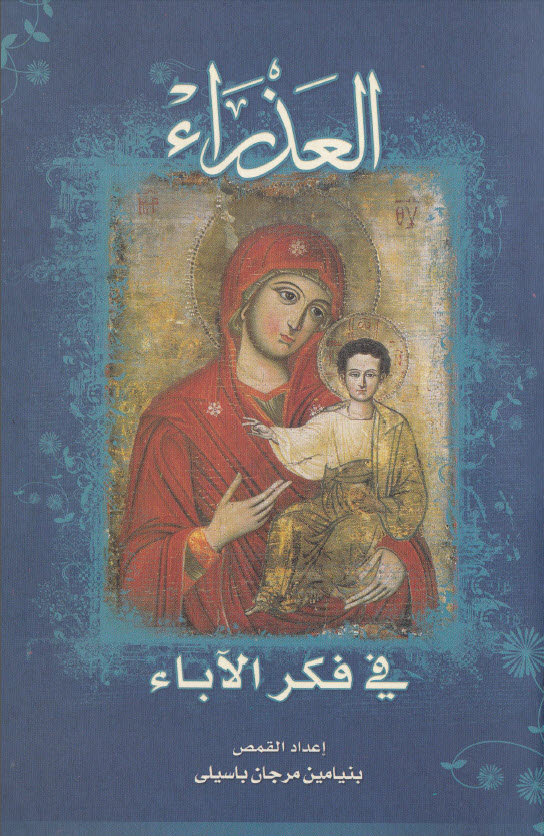
كتاب العذراء في فكر الاباء – القمص بنيامين مرجان باسيلي

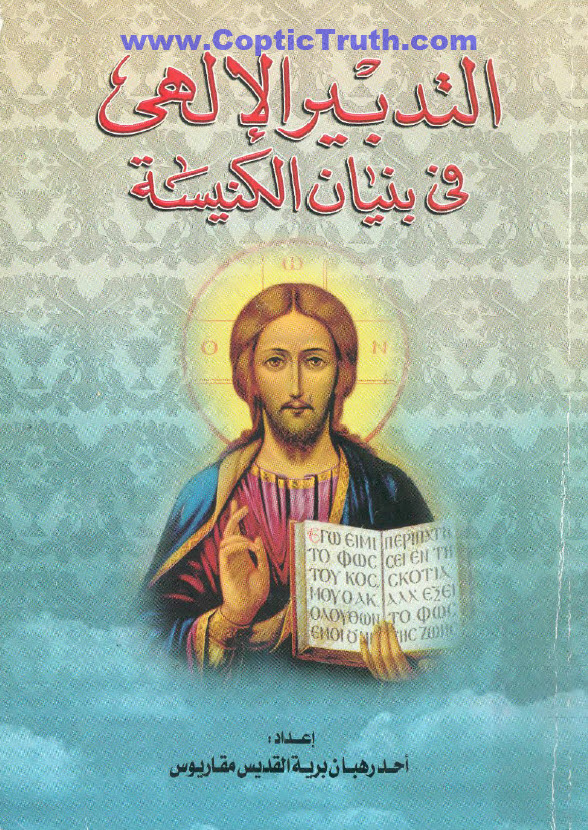
كتاب التدبير الإلهي في بنيان الكنيسة
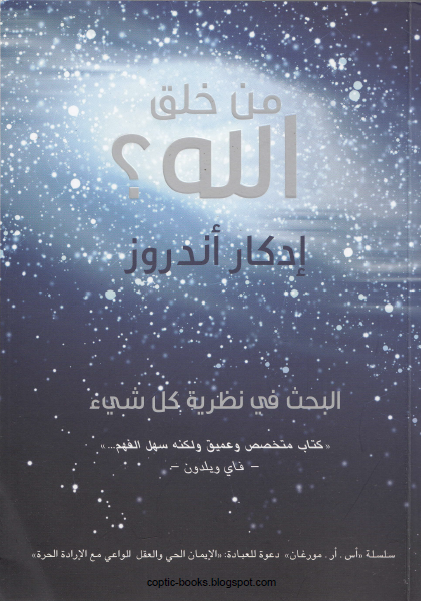



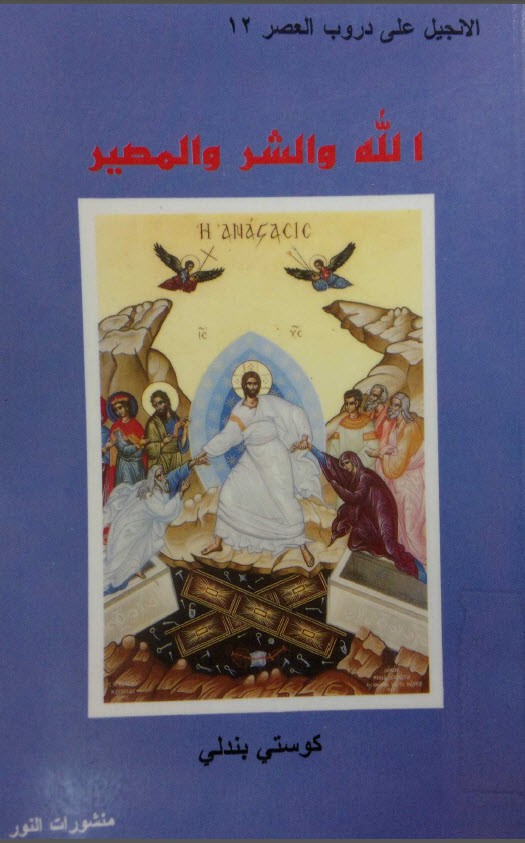
يركز هذا الكتاب على التعرّض لصورة شائعة بين الناس، تشوّه بنظرنا وجه الله تشويهًا فادحًا. إنها صورة إله تُنسب إليه الشرور الطبيعية كالأمراض والمصائب والكوارث، سواء أتمّت هذه النسبة بصورة فظّة كما في التعبير الشعبي الذي يتردد على الألسنة بشكل تمنٍّ: “الله لا يضرّك” (مما يفترض أن الله كائن يُخشى ضرره وأذاه)، أو بالصيغة الملطّفة التي يستخدمها المتنوّرون وهي أن الله “يسمح” بهذه الشرور،
وكأنه يتنصّل منها ويغضّ النظر عنها بآن (وكأن هؤلاء، كما أشار أحد اللاهوتيين، يجعلون من موقف الله موقفًا شبيهًا بموقف بيلاطس البنطيّ عندما “غسل يديه” متنصلاً من موت يسوع الذي كان قادرًا أن يمنعه لو شاء)، هذا بالنسبة للشر الطبيعي. أما الشرّ الخلقي، أي الخطيئة، فموقف الله منها، على حدّ الرأي الشائع الذي نحن بصدده، أشبه ما يكون بموقف أحدنا إذا ما لحقته إهانة. فهو يتربص لمرتكبي الخطيئة ويصبّ عليهم جام غضبه وينزل بهم أشد الويلات، ويميتهم “تأديبًا”، وإذا ما أصرّوا على عصيانه “يرسلهم” بعد موتهم إلى جهنم ويعذبهم بالنار بلا رحمة إلى أبد الآبدين.
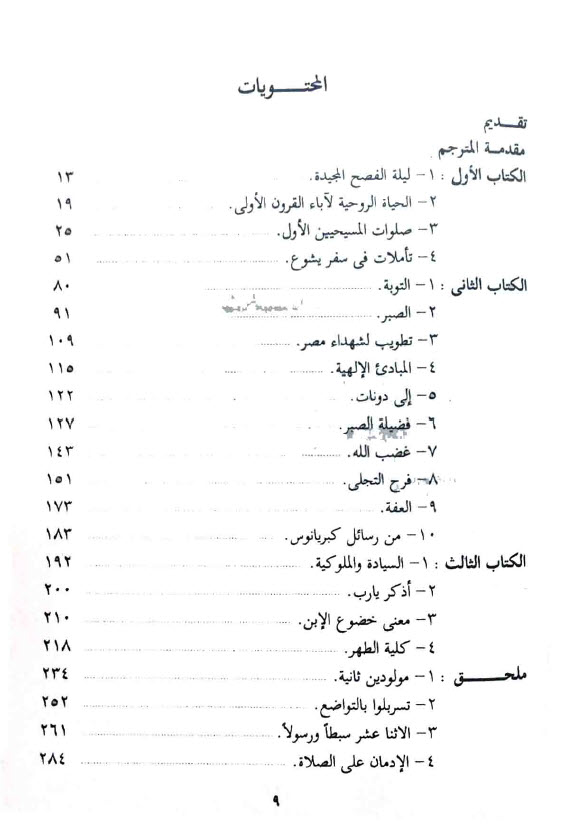
محتويات الكتاب
طبيعة الشر
الارواح الشريرة
هل من وجود فعلي للشيطان؟
هل بامكان الارواح ان تسيطر على الانسان؟
تحديد الخطيئة وانواعها
هل تتساوى الخطايا؟
مفهوم الخطيئة الجدية
الخطيئة والتوبة والاعتراف
لماذا الاعتراف امام الكاهن؟
احياء سر الاعتراف
موقف الله من الخطيئة
اهو موقف غضب وانتقام؟
هل يغضب الله على الانسان؟
هل يقتل الله في سبيل التاديب؟
ما معنى الفداء اذا؟
الدينونة والمصير
بين الرقاد واليوم الاخير
ما حاله الروح بين الرقاد واليوم الاخير؟
لماذا الديتوته النهائية مؤجله؟
صلاتنا ومصير الراقدين
طبيعة اليوم الاخير فناء ام اكتمال؟