that

You claim that Haggai 2 points to the fact that the Messiah had to come before the Second Temple was destroyed, since it says in verse 9 that the glory of the Second Temple would be greater than the glory of Solomon’s Temple. Actually, Haggai is speaking about only the physical splendor of the Second Temple, which surpassed Solomon’s Temple in the days of Herod.

You claim that Haggai 2 points to the fact that the Messiah had to come before the Second Temple was destroyed, since it says in verse 9 that the glory of the Second Temple would be greater than the glory of Solomon’s Temple. Actually, Haggai is speaking about only the physical splendor of the Second Temple, which surpassed Solomon’s Temple in the days of Herod.

You claim that Haggai 2 points to the fact that the Messiah had to come before the Second Temple was destroyed, since it says in verse 9 that the glory of the Second Temple would be greater than the glory of Solomon’s Temple. Actually, Haggai is speaking about only the physical splendor of the Second […]

You claim that Haggai 2 points to the fact that the Messiah had to come before the Second Temple was destroyed, since it says in verse 9 that the glory of the Second Temple would be greater than the glory of Solomon’s Temple. Actually, Haggai is speaking about only the physical splendor of the Second Temple, which surpassed Solomon’s Temple in the days of Herod. قراءة المزيد »

Isaiah 53 cannot refer to Jesus because it says no one was interested in the servant of the Lord or attracted to him, yet the New Testament records that large crowds followed Jesus.

Isaiah 53 cannot refer to Jesus because it says no one was interested in the servant of the Lord

Isaiah 53 cannot refer to Jesus because it says no one was interested in the servant of the Lord or attracted to him, yet the New Testament records that large crowds followed Jesus. Actually, the New Testament record agrees with the picture of the servant of the Lord described in Isaiah 53, despite the fact

Isaiah 53 cannot refer to Jesus because it says no one was interested in the servant of the Lord قراءة المزيد »

It is not true that the medieval rabbis were the first to apply Isaiah 53 to Israel instead of the Messiah. The Israel interpretation is actually very ancient.

It is not true that the medieval rabbis were the first to apply Isaiah 53 to Israel instead of the Messiah. The Israel interpretation is actually very ancient.

It is not true that the medieval rabbis were the first to apply Isaiah 53 to Israel instead of the Messiah. The Israel interpretation is actually very ancient. You’re partially correct. The earliest reference to this interpretation is found in a second-century Christian source recounting a discussion between a Gentile follower of Jesus and some

It is not true that the medieval rabbis were the first to apply Isaiah 53 to Israel instead of the Messiah. The Israel interpretation is actually very ancient. قراءة المزيد »

4.2. Nowhere in the Hebrew Bible are we told that we must “believe in the Messiah.”

Nowhere in the Hebrew Bible are we told that we must “believe in the Messiah.”

Nowhere in the Hebrew Bible are we told that we must “believe in the Messiah.” This is hardly an accurate statement, and it is not even in harmony with Jewish tradition. Believing in God, his prophets, and his Messiah is basic to the biblical faith, while one of the thirteen principles of the Jewish faith

Nowhere in the Hebrew Bible are we told that we must “believe in the Messiah.” قراءة المزيد »

Jehovah’s Witnesses Answered Verse by Verse_Parts 5,6,7

Jehovah’s Witnesses Answered Verse by Verse_Part 2

Jehovah’s Witnesses Answered Verse by Verse Part 2: The Bible That Jehovah’s Witnesses Use Christians embarking on discussions with Jehovah’s Witnesses should be aware that the so-called Bible the Witnesses use contains a number of changes introduced to the text for the sole purpose of supporting Watchtower doctrines. The apostle Peter said concerning Paul’s inspired

Jehovah’s Witnesses Answered Verse by Verse_Part 2 قراءة المزيد »

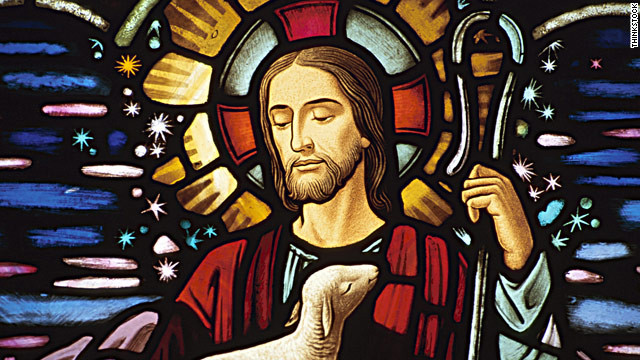
120306025225 jesus staff story top 1 3 If Jesus is the Jewish Messiah, why don’t more Jews believe in him? | Brown, M. L

If Jesus is the Jewish Messiah, why don’t more Jews believe in him? | Brown, M. L

If Jesus is the Jewish Messiah, why don’t more Jews believe in him? Actually, there are tens of thousands of Jews who have believed and do believe in him. The problem is that most Jews have not bothered to check into the facts about Jesus, and the only Jesus most of them know is either

If Jesus is the Jewish Messiah, why don’t more Jews believe in him? | Brown, M. L قراءة المزيد »

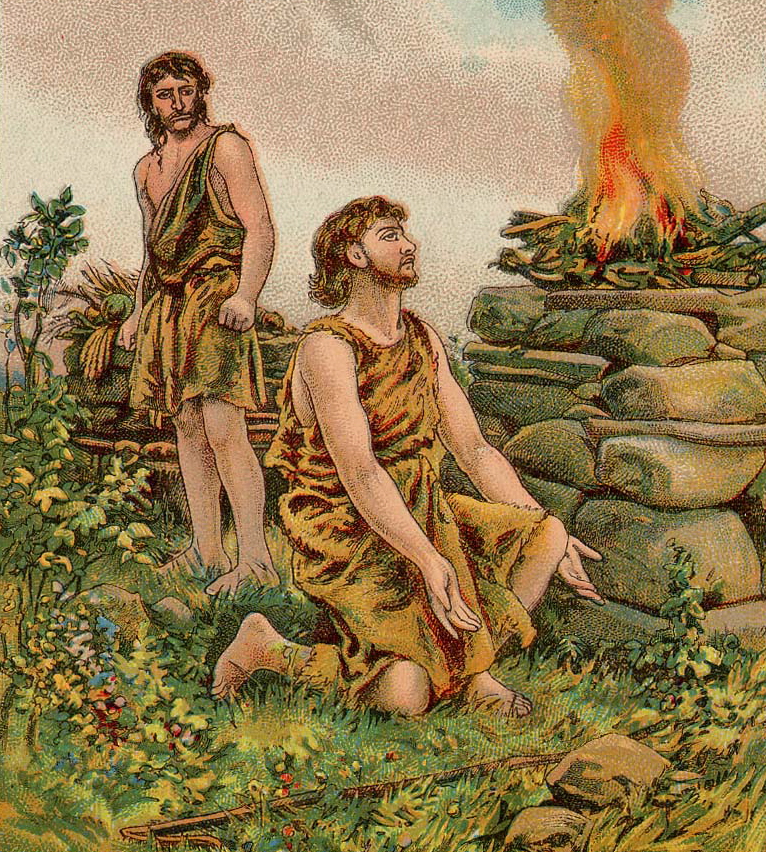
cain and abel 3 3 What was there about Cain’s offering that made it unacceptable to God? Was it the offering itself, or was it Cain’s attitude?

What was there about Cain’s offering that made it unacceptable to God? Was it the offering itself, or was it Cain’s attitude?

What was there about Cain’s offering that made it unacceptable to God? Was it the offering itself, or was it Cain’s attitude?     It would appear that Cain was at fault, both in his attitude and in the offering he presented to the Lord. Cain’s sacrifice consisted of crops he had raised in his

What was there about Cain’s offering that made it unacceptable to God? Was it the offering itself, or was it Cain’s attitude? قراءة المزيد »

adam and eve and the two trees 472 315 80 1 3 In the Garden of Eden, the serpent told Eve that if she and Adam ate of the forbidden fruit, they would be “as gods” (Gen. 3:5 KJV). Then in Genesis 3:22 God says, “Behold, the man has become like one of us” (NASB). Does “gods” and “us” imply the existence of more than one God?

In the Garden of Eden, the serpent told Eve that if she and Adam ate of the forbidden fruit, they would be “as gods” (Gen. 3:5 KJV). Then in Genesis 3:22 God says, “Behold, the man has become like one of us” (NASB). Does “gods” and “us” imply the existence of more than one God?

In the Garden of Eden, the serpent told Eve that if she and Adam ate of the forbidden fruit, they would be “as gods” (Gen. 3:5 KJV). Then in Genesis 3:22 God says, “Behold, the man has become like one of us” (NASB). Does “gods” and “us” imply the existence of more than one God?

In the Garden of Eden, the serpent told Eve that if she and Adam ate of the forbidden fruit, they would be “as gods” (Gen. 3:5 KJV). Then in Genesis 3:22 God says, “Behold, the man has become like one of us” (NASB). Does “gods” and “us” imply the existence of more than one God? قراءة المزيد »