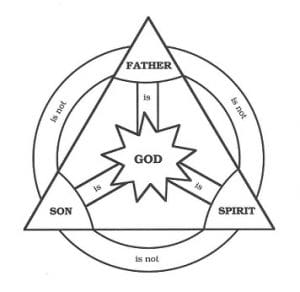
شرح تجسد الإبن الوحيد للقديس كيرلس الإسكندري 

شرح تجسد الإبن الوحيد للقديس كيرلس الإسكندري 
شرح تجسد الإبن الوحيد للقديس كيرلس الإسكندري

شرح تجسد الإبن الوحيد للقديس كيرلس الإسكندري 

ترجمة وتعليق: دكتور جورج حبيب بباوي

مع حوار عن التجسد

مقدمة:

عندما انتقل البابا ثاوفيلس إلى العالم الآخر سنة 412 خلفه ابن شقيقته كيرلس على كرسي مار مرقس في نفس السنة . وبدأ كيرلس حياته الأسقفية بجهود رعائية ضخمة كا أهمها شرح إنجيل لوقا في عظات مسائية كل يوم في الاسكندرية . وفي سنة 431 رأس المجمع المسكوني الثالث ال1ي عقد لتأكيد تعليم الكنيسة الجامعة ضد نسطور . وقضى كيرلس حياته مؤلفاً لاهوتياً بارعاً إلى أن تنيح سنة 444 .

مؤلفات القديس كيرلس

اولا – تفاسير الأسفار المقدسة :

وهي سبعة عشر كتاباً تحت عنوان العبادة بالروح والحق .. وثلاثة عشر كتاباً تعرف بالتفاسير الأنيقة GLAPHYRA ، وهي تغطي مختارات من كل أسفار العهد القديم بقى منها الجزء الخاص بالأسفار الخمسة وجميع الأنبياء الصغار مع تفسير أشعياء ثم شذرات من تفاسير المزامير من مزمور 1 إلى مزمور 119 . وفي العهد الجدديد يعد تفسير إنجيل يوحنا للقديس كيرلس الإسكندري أفضل تفسير في مكتبة الآباء على وجه الإطلاق . ثم 156 عظة على إنجيل لوقا احتفظت بها الكنيسة السريانية . ثم شذرات مختصرة لإنجيل متى والرسالة إلى رومية وكورنثوس الثانية والعبرانيين والباقي مفقود .

ثانيا – الكتب اللاهوتية :

  • كتابان ضد الأريوسية حمل الأول اسم الكنز في وحدة الثالوث القدوس ، والثاني عن وحدة الثالوث القدوس ، وهو عبارة عن سبعة كتب قصد منها تسجيل حوار بين كيرلس وبين أحد الأشخاص لشرح إيمان الكنيسة . وقد كتبت كلها قبل البدعة النسطورية أي ما بين 423-425 .
  • المقالات ضد نسطور وهي ثلاثة كتب باسم الإيمان الصحيح الأول موجه للإمبراطور ثيؤدوسيوس .
  • الفصول الاثنى عشر ضد نسطور ، ثم مقالات ثلاث للدفاع عن الفصول الاثني عشر .
  • المقالات الخمس ضد تجديف نسطور ، وهي أصلاً رد إلى مجموعة من عظات نسطور .
  • الدفاع الموجه للإمبراطور ثيؤدوسيوس ، وهو دفاع عن مجمع أفسس وشرح لما دار فيه .
  • مقالة شرح تجسد الإبن الوحيد .
  • مقالة عن المسيح الواحد .
  • ضد الذين يجهلون أن العذراء والدة الإله .
  • مقالة ضد ديودوروس وثيؤدور المصيصي .
  • كتاب رد على الإمبراطور يوليانوس الجاحد وهو رد على الكتب الثلاثة التي كتبها الإمبراطور بعنوان ” ضد الجليليين ” .
  • 29 رسالة فصيحة كتبت ما بين سنة 414-442 .
  • 90 رسالة عقائدية في غاية الأهمية .
  • 20 عظة على قدر كبير جدا من الأهمية . ولعل أروعها العظة التي ألقيت في كنيسة السيدة العذراء أثناء إنعقاد مجمع أفسس ، وهي العظة الرابعة في هذه المجموعة ومعروفة باسم ” تمجيد العذراء والدة الإله ” .

ثالثًا كتابات القديس كيرلس باللغة القبطية :

نشر Budge عظة واحدة باللغة القبطية الصعيدية عن ” والدة الإله ” . وهناك عظة أخرى نشرها أمليديو عن الإحتمال والتسامح . ونشر العالم الألماني GRUM مجموعة أسئلة وأجوبة للقديس كيرلس مع الشماس أنثيموس ، وهي ذات أهمية بالغة من الناحية العقائدية .

رابعًا كتابات القديس كيرلس باللغة العربية :

وصلتنا الفصول الإثنا عشر ضد نسطور مترجمة عن السريانية ضمن الكتاب المشهور “اعترافات الآباء ” وبعض من رسائل القديس كيرلس مترجمة ايضا عن السريانية في نفس الكتاب ؟ وعظة عن عيد الغطاس في مجموعة ميامر عن الأعياد السيدية مترجمة عن القبطية ، ويبدو انها فعلا من قول كيرلس .

القيمة اللاهوتية لمقال شرح تجسد الإبن الوحيد :

يطرح هذا المقال عدة أسئلة وضعها كيرلس بنفسه وهي كيف نفهم : ” المسيح ” ، ” يسوع”، ” عمانوئيل ” ، ” الكلمة ” . وهو هنا يشرح ألقاب وأسماء وصفات المسيح بطريقة لاهعوتية سهلة .

ومن يراجع الفقرات الخاصة بشرح هذه الألقاب والصفات سوف يكتشف أن فقظ ، “المسيح” ليس اسماً وإنما صفة ليسوع تحدد عمله الخلاصي لأنه يمسح كل الذين يؤمنون به بالروح القدس .

وعن الإتحاد بين اللاهوت والناسوت يؤكد كيرلس دائماً أن الإتحاد سر يفوق العقل البشري ، وأنه من الصعب على اللغة البشرية أن تدرك كنهه ، وكل ما يمكننا أن نقوله في هذا المجال هو أن الإتحاد ليس هو مصاحبة أو إتصال بين اللاهوت والناسوت بل هو اتحاد حقيقي . ويلاحظ القارئ أن كيرلس لم يقل لنا ما هو الإتحاد بل نفى الآراء الخاطئة . وهذا هو التيار الواضح في اللاهوت الشرقي المعروف باسم ” اللاهوت السلبي “ (*) ، وهي تسمية ضعيفة في اللغة العربية ذلك أن كلمة سلبي لها وقع مغاير لها تعارف عليه الآباء . فالأسرار الإلهية لا يمكن شرحها أو إدراك كنهها .. وما يمكننا أن نقوله عنها هو أنها ليست كذا وكذا دون أن نقول ما هي .. هذا هو اللاهوت السلبي ، وهو لاهوت يترك للنفس الإنسانية حرية البحث في ضوء الإختبار السري وليس في ضوء المقولات العقلية ، وهو بلا شك الطابع المميز للاهوت الشرقي الأرثوذكسي .

ولكن كيرلس لم يكتف بإعلان صعوبة إدراك حقيقة الاتحاد بين اللاهوت والناسوت ، بل قدم تشابيها وصفها هو بأنها مأخوذة من الكتاب المقدس مثل الجمرة والسوسنة وخيمة الإجتماع . ومن الملاحظ أن التشبيه الأخير هو قلب تذاكية الأحد في الأبسامودية القبطية . ولا يمكننا أن نقطع إذا كان كيرلس استعان بالتذاكية أم هو الذي وضع التذاكية . والمقطع رقم 32 يكاد يكون مأخوذاً بنصه من الأبسامودية السنويؤة من تذاكية يوم الخميس . ومن يترجم هذا المقطع يستطيع أن يفهم إحساس المترجم عندما يشعر انه أمام نص مقتبس عن غيره .

وقيمة كتاب ” تجسد الابن الوحيد ” بلا حدود . فكل عبارات هذه المقالة خصوصا المنطقة باتحاد اللاهوت بالناسوت حتى عبارة القداس القبطي ” وجعله واحداً مع لاهوته . ” هي من قلب لاهوت الاسكندرية وقلب لاهوت كيرلس على وجه الخصوص . وقد أشرنا في الحواشي على قدر الإمكان إلى المصطلحات والتعبيرات الفنية الدقيقة التي أخذتها كتب الكنيسة القبطية عن كيرلس أو التي وضعها كيرلس وخلفاؤه .

ونشر هذه المقالة هو بمثابة اكتشاف للخلفية التاريخية واللاهوتية لإيمان كنيستنا . ولسوف يأتي الوقت الذي يتأكد لفيه للجميع أن القديس ديوسقوروس لم يخرج عن تعاليم أسلافه ، بل تمسك بها في وجه العاصفة على الرغم مما أشيع عنه من افتراءات .

نرجو أن تكون هذه الترجمة بداية نشر كل مؤلفات القديس كيرلس الاسكندري وغيره من الآباء .. ونرجو انيغفر لنا كيرلس تكاسلنا عن دراسته ونشر تعاليمه المقدسة التي أنقذت الأرثوذوكسية وأنارت طريق الكنيسة عبر العصور .

شرح تجسد الإبن الوحيد

1- ما معنى كلمة ” المسيح ” ؟:

ليس للفظ ” المسيح ” قوة تعريف ولا يوضح جوهر شئ ما ، كما أن كلمة ” رجل ” أو “حصان” أو “ثور” أسماء لا توضح شيئا عن جوهر حامليها بل تشير اليهم فقط ، واسم ” المسيح ” يعلن عن شئ سوف نفحصه .

في القديم حسب مسرة الله مسح البعض بالزيت ، وكانت المسحة علامة لهم على المملكة . والأنبياء ايضا مسحوا روحيا بالروح القدس ولذلك دعوا ” مسحاء “ ، لأن داود النبي المبارك ينشد معبرا عن الله نفسه فيقول : ولا تمسوا مسحائي ولا تؤذوا أنبيائي ” (مزمور 105 : 15) وحبقوق النبي يقول ايضا : خرجت لخلاص شعبك لخلاص مسحائك ( 3 : 15) . لكن بالنسبة للمسيح مخلص الكل ، فقد مسح ، ليس بصورة رمزية مثل الذين مسحوا بالزيت ، ولم يمسح لكي ينال نعمة وظيفة النبي ، ولا مسح مثل الذين اختارهم الله لتنفيذ تدبيره ، أي مثل قورش الذي ملك على الفارسيين والماديين وقاد جيشا ليستولي على أرض البابليين حسبما حركة الله ضابط الكل ولذلك قيل عنه : هكذا يقول الرب لقورش مسيحي الذي انا أمسك بيده اليمنى ” ( أشعياء 45 : 1) . ولا يجب أن ننسى أن الرجل (قورش) كان وثنياً ، إلا انه دعى ” مسيحاً” كما لو كان الأمر السمائي قد مسحه ملكاً ، لأنه بسبق معرفة الله قد نال قوة لقهر بلاد البابليين .

إن ما نريد أن نقوله بخصوص معنى كلمة “المسيح “هو ما سيأتي :بسبب تعدي آدم “ملكت الخطية على الكل “(رومية 5 : 14). وفارق الروح القدس الطبيعة البشرية التي صارت مريضة في كل البشر .ولكي تعود الطبيعة البشرية من جديد إلى حالتها الأولى احتاجت إلى رحمة الله، لكي تحسب بموجب رحمة الله مستحقة الروح القدس .لذلك صار الابن الوحيد كلمة الله انساناً، وظهر للذين على الارض بجسد من الارض ولكنه خالي من الخطية ، حتى فيه وحده تتوج الطبيعة البشرية بمجد عدم الخطية، وتغتني بالروح القدس، وتتجدد بالعودة إلى الله بالقداسة .لانه هكذا تصل الينا النعمة التي بدايتها المسيح البكر بيننا .ولهذا السبب يعلمنا داود النبي المبارك أن نرتل للابن :”أنت احببت البر وابغت الاثم لذلك مسحك الله الهك بزيت البهجة “(مزمور 45 : 7). فكأن الابن قد مسح كإنسان بمديح عدم الجطية .وكما قلت أن الطبيعة البشرية قد مجدت فيه وصارت فيه مستحقة للحصول على الروح القدس الذي لن يفارقها كما حدث في البدء بل صارت مسرته (الروح القدس) أن يسكن فينا. لذلك ايضاًكتب أن الروح القدس حل بسرعة([1]) على المسيح واستقر عليه (يوحنا 1 : 32). فالمسيح هو كلمة الله الذي لأجلنا صار مثلنا، وفي صورة العبد، ومسح كإنسان حسب الجسد، ولكنه كإله يمسح بروحه الذين يؤمنون به.

2- كيف يجب أن نفهم “عمانوئيل”؟:

الله الكلمة دعى عمانوئيل لأنه “امسك ([2]) بنسل ابراهيم “(عبرانيين 2 : 16) ، ومثلنا “شاركنا في اللحم والدم “(عبرانيين 2 : 14) وعمانوئيل تعني “الله معنا”([3]).ونحن نعترف بان الكلمة الله هو معنا، دون أن يكون محصوراًفي مكان ما. لأنه أي مكان لايوجد فيه الله الذي يملأكل الأشياء؟! وهو ليس معنا كما لوكان قد جاء لمساعدتنا كما قيل ليشوع “كما كنت مع موسى سوف اكون معك انت ايضاً”(يشوع 1 : 5). ولكنه معنا لأنه صار مثلنا أي أخذ طبيعة بشرية دون أن يفقد طبيعته (الالهية )لأن كلمة الله غير متغير بطبيعته .

ولماذا لم يدعى الله “عمانوئيل “رغم انه قيل ليشوع “كما كنت مع موسى سأكون معك “ولم يدع الله عمانوئيل رغم انه كان مع كل القديسين؟ والسبب هو أن كلمة الله أصبح معنا في الوقت الذي تحدث عنه باروخ هو أظهر ذاته على الارض .وتحدث مع الناس، وأسس كل طرق التعليم، وأعطاه ليعقوب عبده ولإسرائيل حبيبه، لأنه هو إلهنا وليس آخر سواه”(باروخ 3 : 35-37).وكما قيل بطبيعته الالهية لم يكن “معنا” بالمعنى الذي تحدث عنه باروخ لأن الفرق بين اللاهوت ([4]) والناسوت لاتسمح بالمقارنة بينهما فما أعظم الفرق بين الطبيعتين .ولذلك يتكلم داود الالهي عن العلاقة السرية التي كانت قبل التجسد، بين الله الكلمة، وبيننا، ويقول بالروح:”لماذا تركتنا يارب لماذا تحتقرنا في أزمنة الضيق “(مزمور 10 : 1). أما الآن فهو لايتركنا، بل هو عمنا عندما صار مثلنا دون أن يفقد ما له لأنه أمسك بنسل إبراهيم كما قلت، بل اخذ صورة العبد ورآه البشر كإنسان يمشي على الارض.

أن عمانوئيل و”المسيح” يخصان الابن الواحد نفسه، فهو المسيح لأنه مسح مثلنا كبشر، واخذ الروح للبشرية لأنه الأول وبداية الجنس البشري الجديد. وبالمثل، هو نفسه كإله يمسح بالروح القدس كل الذين يؤمون به .وهو عمانوئيل لأنه صار معنا على النحو الذي شرحته، والذي يخبرنا به أشعياء :هوذا العذراء تحبل وتلد ابناً وتدعى اسمه عمانوئيل “(7 : 14). لأن العذراء القديسة حبلت بالروح القدس وولدت حسب الجسد ابناً، عند ذلك فقط دعى المولود عمانوئيل .لأن غير التجسد أصبح “معنا”عندما ولد. وقد حدث هذا طبقاً لما ذكره داود :”سيظهر الله الهنا ولن يسكت”(مزمور 50 : 2،3) و ايضاً ما أؤمن أن اشعياء أشار إليه :”أنا هو الذي يتكلم، هأنذا آتي “(53 : 6). لأن الكلمة قبل أن يتجسد تحدث من خلال الأنبياء، ولكنه صار معنا متجسداً.

3- من هو يسوع؟:

أن تتابع تأملنا يلزمنا أن نتحدث عن الواحد ابن الله، فالمسيح وعمانوئيل ويسوع شخص واحد .والاسم “يسوع “جاء من الحقيقة :”انه سيخلص شعبه من خطاياهم “(متى 1 : 21). لأنه كما أن الاسم عمانوئيل يعني أن كلمة الله بسبب ميلاده من امرأة صار معنا والمسيح دعى كذلك لأنه مسح مثلنا كبشر، هكذا أيضاً يسوع “لأنه خلصنا نحن شعبه “، وهذا الاسم يوضح انه الله الحقيقة، ورب الكل بالطبيعة .لأنه لايليق أن تكون الخليقة ملك لإنسان، بل من اللائق أن نقول أن كل الاشياء للابن الوحيد حتى وهو في الجسد.

وربما اعترض البعض وقال أن شعب إسرائيل دعي شعب موسى، على هذا نجيب أن شعب إسرائيل دعى شعب الله ةهذا حقيقي .ولكن عندما تمردوا على الله وصنعوا العجل في البرية، حرموا من كرامة الانتساب لله، ورفض أن يدعوهم شعبه بل تركهم لرعاية بشر .وهذا لاينطبق علينا نحن خاصة يسوع، لأنه الله الذي به خلقت كل الاشياء .وعن هذا قال داود :”هو صنعنا وليس نحن .ونحن شعبه وغنم رعيته “(مزمور 100 : 3) وهو نفسه يقول عنا :”خرافي تسمع صوتي وتتبعني “وايضاً “لي خراف أخر ليست من هذه الحظيرة ليكون الكل رعية واحدة لراع واحد “(يوحنا 10 : 26-27). وهو ايضاً أوصى المبارك بطرس :”سمعان بن يونا أتحبني؟ارع حملاني “(يوحنا 21 : 15).

4- لماذا دعي كلمة الله إنساناً؟:

الكلمة الذي من الله الآب ([5]) دعي إنساناً رغم كونه بالطبيعة الله، لأنه اشترك في الدم واللحم مثلنا. (عبرانيين 2 : 14). وهذا جعل الذين على الارض قادرين على مشاهدته .وعندما حدث ذلك ([6]) لم يفقد شيئاً مما له ([7]) .واذ أخذ طبيعة بشرية مثلنا ([8]) لكنها كاملة، ظل أيضاً الله ورب الكل، لأنه هو هكذا فعلاً وبطبيعته وبالحق مولود من الله الآب رغم تجسده .وهذا ما يرينا إياه بوضوح كاف، الحكيم بولس عندما يقول :”الإنسان الأول أرصى من الارض، والأنسان الثاني الرب من السماء “(1كورنثوس 15 : 47). ورغم أن العذراء مريم ولدت الهيكل ([9]) المتحد بالكلمة إلا أن عمانوئيل قيل عنه وهذا حق “من السماء” لأنه من فوق ، ومولود من جوهر الآب .وإن كان قد نزل الينا عندما صار إنساناً إلا انه من فوق .وعن هذا شهد يوحنا :”الذي يأتي من فوق هو فوق الكل “(يوحنا 3 : 31) والمسيح نفسه قال لشعب اليهود “انتم من اسفل واما أنا فمن فوق “(يوحنا 8 : 23) وأيضاً “أنا لست من هذا العالم ” رغم انه كإنسان هو في العالم. إلا انه أيضاً فوق العالم كالله .ونحن نذكر انه قال علانية :”وليس احد صعد إلى السماء إلا الذي نزل من السماء ابن الإنسان .”(يوحنا 3 : 13).

ولذلك نقول ان ابن الإنسان نزل من السماء وهذا تدبير([10]) الاتحاد لن الكلمة وهب لجسده كل صفات مجده وكل ما هو فائق وخاص بالله.

5- كيف قيل أن الكلمة أخلى أو أفرغ ذاته؟:

أن الله الكلمة بطبيعته كامل من كل الوجوه، ومن مائه يوزع عطاياه للخلائق .ونحن نقول عنه انه أفرغ ذاته لم يتغير إلى طبيعة اخرى، ولم يصبح أقل مما كان عليه لأنه لم ينقص شيئاً. هو غير متغير مثل الذي ولده (الآب )، ومثاه تماماً غير عرضة الأهواء .ولكن عندما صار جسداً أي أنساناً جعل فقر الطبيعة الانسانية فقره، ولذا قال :”سأسكب من روحي على كل جسد (يوئيل 2 : 28) ولقد تم هذا:أولاً:لأنه صار إنساناً رغم انه ظل الله([11]).ثانياً:اخذ صورة العبد، وهو بطبيعته حر كإبن .وفي نفس الوقت هو نفسه رب المجد، ولكنه قيل انه تمجد لأجلنا .هو نفسه الحياة، ولكن قيل عنه انه احيي أي اقيم من الاموات .واعطي سلطاناً على كل شيء وهو نفسه ملك كل الاشياء مع الله الآب .أطاع الآب وتألم وما إليه هذه الاشياء تخص الطبيعة البشرية، ولكنه جعلها له ([12]) عندما تجسد لكي يكمل التدبير ويبقى كما هو .وهذا ما تقصده الاسفار المقدسة بإفراغ الذات.

6- كيف يكون المسيح واحداً؟:

يكتب بولس الإلهي :”رغم انه يوجد آلهة كثيرون وارباب كثيرون في السماء وعلى الارض، ولكن اله واحد الآب الذي به كل الاشياء ونحن منه، ورب واحد يسوع المسيح الذي به كل الاشياء ونحن به “(1كورنثوس 8 : 5و6). وايضاً يقول يوحنا الحكيم عن الله الكلمة :”وكل شيءبه كان وبغيره لم يكن شيء مما كان “(يوحنا 1 : 3). وجبرائيل المبارك يعلن البشارة المفرحة ([13]) للعذراء القديسة قائلاً :”هاانت ستحبلين وتلدين ابناً وتدعين اسمه يسوع “(لوقا 1 : 31). فبولس الرسول الإلهي يعلن أن كل الاشياء خلقت بيسوع المسيح والانجيلي الالهي يؤكد قوة التعبير نفسه ويبشر انه هو الله خالق كل الاشياء، ةهذا نطق حق .وصوت الملاك ايضاً يشير إلى أن يسوع المسيح ولد حقاً من العذراء القديسة .ونحن لانقول أن يسوع المسيح كان مجرد إنسان، ولانعتقد بالله الكلمة بدون طبيعته الانسانية .بل نقول انه واحد من اثنين ([14])اي الإله المتجسد .هو نفسه ولد الهياً من الآب لأنه الكلمة وإنسانياً من إمرأة كإنسان([15]) .وهذا يعني انه ولد مرة ثانية عندما قيل انه ولد حسب الجسد، فهو مولود قبل كل الدهور .ولكن عندما جاء الوقت لكي يكمل التديبر ولد من امرأة حسب الجسد. وكما ذكرنا من قبل، كثيرون قد دعوا مسحاء ولكن يوجد واحد فقط يسوع المسيح الذي به خلقت كل الاشياء .وهذا لايعني بالمرة أن الإنسان صار خالق كل الاشياء، بل يعني أن الله الكلمة الذي به خلقت كل الاشياء صار مثلنا واشترك في الدم واللحم (عبرانيين 2 : 14) ، ودعى انساناً دون أن يفقد ماله (الوهيته)، لأنه وان كان قد صار جسداً لكنه بالحقيقة خالق الكل.

7- كيف يكون عمانوئيل واحداً؟:

قيل عن الله الكلمة مرة واحدة والى الأبد وفي آخر الدهور أنه صار انساناً كما يقول بولس :”ظهر بذبيحة نفسه”(عبرانيين9 : 26) وما هي هذه الذبيحة ؟هي جسده الذي كرائحة بخور ذكية ([16]) لله الآب. فقد دخل مرة واحدة إلى القدس، ليس بدم ماعز وتيوس بل بدم ذاته (عبرانيين 9 : 12) .وهكذا حصل للذين يؤمنون به فداء أبدياً .وكثيرون قبله كانوا قديسين ولكن ليس واحد منهم دعى “عمانوئيل “لماذا ؟لان الوقت لم يكن قد حان بعد ليكون هو معنا أي أن يجيء إلى طبيعتنا عندما يتجسد وذلك لأنه أسمى منكل المخلوقات.

واحد إذا هو عمانوئيل لأنه هو الابن الوحيد الذي صار انساناً عندما ولد جسدياً من العذراء القديسة .لقد ليشوع :”سأكون معك”(1 : 5)، ولكن (الله) لم يدع في ذلك الوقت عمانوئيل .وكان قبل لذلك مع موسى ولم يدعى عمانوئيل لذلك نسمع (اسم)عمانوئيل :”معنا الله”الذيى الابن، فلنعتقد بحكمة انه ليس معنا كما كان في الأزمنة السابقة مع القديسين لأنه كان معهم كمعين فقط ولكن هو معنا لأنه صار مثلنا دون أن يفقد طبيعته لأنه الله غير المتغير.

8- ما هو هذا الاتحاد؟:

بطرق مختلفة يحدث اتحاد. فالبعض اذ يفترقون بسبب الاختلاف قي الطبع والفكر يقال عنهم انهم اتحدوا باتفاق الصداقة، (وهذا يعني )ترك الاشياء التي اختلفوا عليها .وأحياناً نقول عن أشياء معينة انها اتحدت عندما تجمعت معاً أو اتصلت بطرق مختلفة مثل وضعها معاً جنبناً إلى جنب أو مزجها أو تركيبها.

لكن عندما نقول أن الكلمة الله اتحد بطبيعتنا فان كيفية هذا الاتحاد هي فوق فهم البشر .وهذا الاتحاد مختلف تماماً عن الانواع الاخرى التي اشرنا اليها .فهو اتحاد لايصف وغير معروف لاي من الناس سوى الله وحده الذي يعرف كل شيء .واي غرابة في أن يفوق (اتحاد اللاهوت بالناسوت )ادراك (العقل)؟ فنحن عندما نبحث بدق امورنا ونحاول ادراك كنهها نعترف انها تفوق مقدرة الفهم الذي فينا فما هي كيفية اتحاد نفس الإنسان بجسده؟من يمكنه أن يخبرنا؟‍‍‍‍‍‍‍‍‍‍‍‍‍‍‍‍‍‍‍‍ ونحن بصعوبة نفهم وبقليل نتحدث عن اتحاد بالجسد .لكن إذا طلب منا أن نحدد كيفية اتحاد اللاهوت بالناسوت وهو امر يفوق كل فهم بل صعب جداً، نقول انه من اللائق أن نعتقد أن اتحاد اللاهوت بالناسوت في عمانوئيل هو مثل اتحاد نفس الإنسان بجسده -وهذا ليس خطأ لأن الحق الذي نتحدث عنه هنا تعجز عن وصفه كلماتنا .والنفس تجعل الاشياء التي للجسد هي لها رغم انها(النفس) بطبيعتها لايشارك الجسد آلامه المادية الطبيعية أو الآلام التي تسببها للجسد الاشياء التي هي خارج الجسد لان الجسد عندما يتحرك مدفوعاً نحو رغباته الطبيعية (الجسدية) فان النفس التي فيه تعرف هذه الرغبات بسبب اتحاد النفس بالجسد .لكنها (النفس) لاتشارك الجسد رغباته، ومع ذلك تعتبر أن تحقيق الرغبة هو تحقيق لرغبتها هي (النفس) فاذا ضرب الجسد أو جرح بالحديد مثلاً فان النفس تحزن مع جسدها، ولكن بطبيعتها لاتتألم بالآلام المادية التي تقع على الجسد ([17]).

ومع هذا يلزم نقول أن الاتحاد في عمانوئيل هو اسمى من أن يشبه باتحاد النفس بالجسد .لأن النفس المتحدة بجسدها تحزن مع جسدها وهذا حتمي حتى انها عندما تقبل الهوان تتعلم كيف تخضع لطاعة الله .اما بخصوص الله الكلمة فانه من الحماقة أن نقول انه كان يشعر-بلاهوته- بالاهانات، لان اللاهوت لايشعر بما نشعر به نحن البشر .وعندما اتحد بجسد له نفس عاقلة وتألم لم ينفعل -اللاهوت- بما تألم به، لكنه كان يعرف ما يحدث له ([18]). واباد كإله كل ضعفات الجسد، رغم انه جعلها ضعفاته هو فهي تخص جسده. لذلك (بسبب الاتحاد) قيل عنه انه ([19]) عطش وتعب وتألم لأجلنا.

لذلك فان الاتحاد الكلمة بطبيعتنا البشرية يمكن على وجه ما أن يقارن باتحاد النفس بالجسد، لأنه كما أن الجسد من طبيعة مختلفة عن النفس، لكن الإنسان واحد من اثنين (النفس والجسد)، هكذا المسيح من الأقنوم الكامل لله الكلمة ومن الناسوت الكامل، والألوهة نفسها والناسوت نفسه في الواحد بعينه الأقنوم الواحد .وكما قلت أن الكلمة يجعل الآم جسده هو، لأن الجسد هو جسده وليس جسد احد آخر سواه .هكذا يمنح الكلمة جسده كل ما يخص لاهوته من قوة، حتى أن جسده قادر على أن يقيم الموتى ويبريء المرضى([20]).

واذ يليق بنا في هذا المجال أن نستخرج تشابيه من الكتب الموحى بها من الله لكي نوضح بعدة أمثلة كيفية الاتحاد، لذلك دعونا نتكلم من الكتب حسب طاقتنا .

9- الجمرة:

قال النبي اشعياء :”وجاء إلى احد الساروفيم وفي يده جمرة متقدة اخذها من على المذبح بملقط وقال لي هذه ستلمس شفتيك لكي تنزع اثمك وتطهرك من خطاياك”(6 : 6-7) ونحن نقول أن الجمرة المتقدة هي مثال وصورة للكلمة المتجسد لانه عندما يلمس شفاهنا أي عندما نعترف بالايمان به فانه ينقينا من كل خطية ويحررنا من اللوم القديم الذي ضدنا([21]).

ويمكننا أن نرى ايضاً الجمرة مثالاً لكلمة الله المتحد بالطبيعة البشرية دون أن يفقد خواصه، بل حاول ما اخذه (الطبيعة البشرية) وجعله متحداً به، بل بمجده وبعمله لان النار عندما تتصل بالخشب تستحوذ عليه، لكن الخشب يظل خشباً .فقط يتغير إلى شكل النار وقوتها، بل يصبح له صفات النار وطاقتها ويعتبر واحداً معها .هكذا يجب أن يكون اعتقادنا في المسيح، لان الله اتحد بالانسانية بطريقة لاينطق بها، ولكنه ابقى على خواص الناسوت على النحو الذي نعرفه، وهو نفسه لم يفقد خواص اللاهوت عندما اتحد به(الناسوت) بل جعله واحداً معه، وجعل خواص (الناسوت) خواصه. بل هو نفسه قام بكل اعمال اللاهوت فيه (في الناسوت)([22]).

10- الجسد الذي أخذه

الجسد الذي أخذه، له نفس عاقلة .وأصبح جسد اللاهوت غير المجسم .واذا فصل أيهما عن الآخر فإننا بالفصل نلغي يقيناً ونهائياً تدبير المسيح:

قدم لنا نشيد الاناشيد ربنا يسوع المسيح قائلاً :”أنا وردة السفوح وسوسنة الأودية “(2 : 1).

وفي السوسنة الرائحة المجسمة (غير ظاهرة للعين) ولكنها لاتوجد خارج السوسنة ولذلك فالسوسنة واحدة من اثنين (الرائحة وجسم السوسنة ). وغياب رائحة السوسنة لايجعلها سوسنة .وكذلك غياب جسم السوسنة لايفسر وجود رائحة السوسنة لأن في جسم السوسنة رائحتها .هكذا يجب أن يكون اعتقادنا في الوهية المسيح الذي يعطر العالم برائحته الذكية ومجده الذي يفوق مجد الارضيات .ولكي يعطر العالم كله استخدم (اللاهوت)الطبيعة البشرية. ةتلك التي بطيعتها غير جسمانية، صارت بالتدبير وعلى قدر مانفهم متجسدة .لأنه عندما اراد أن يعلن عن ذاته من خلال الجسد جعل فيه (الجسد) كل مايخص اللاهوت .لذلك من الصواب أن نعتقد أن الذي بطبيعته غير جسماني اتحد بجسده واصبح الاتحاد مثل السوسنة لان الرائحة العطرة وجسم السوسنة هما واحد ويسميان السوسنة .

11- الله الكلمة والطبيعة البشرية اتحدا معاً حقيقياً بدون تشويش:

أن خيمة الاجتماع التي اراد الله أن تقام في البرية ترمز إلى عمانوئيل في اشياء كثيرة .الله إله الكل قال لموسى الإلهي :”اصنع انت من خشب لايسوس تابوتاً طوله ذراعان ونصف وعرضه ذراع ونصف وارتفاعه ذراع ونصف، وتغشيه بالذهب النقي، من الداخل ومن الخارج تغشيه”(خروج 25 : 10-11)الخشب الذي لايسوس هو رمز للجسد الذي لايفسد لان الارز لايسوس .اما الذهب وهو يفوق كل الاشياء فهو يشير إلى جوهر اللاهوت الفائق ([23]) لكن لاحظ كيف غطى التابوت كله بالذهب النقي من الداخل والخارج، لان الله الكلمة اتحد بجسد مقدس .وحسب ما اعتقد فان هذا مايشير إليه تغشية التابوت بالذهب من الخارج .والنفس العاقلة التي في جسده هي نفسه، وهذا ما يشير إليه تغشية التابوت من الداخل .وهكذا لم يحدث تشويش للطبيعتين، لان الذهب الذي غطي به الخشب ظل كما هو ذهباً .اما الخشب فقد صار غنياً بمجد اللاهوت، لكنه لم يفقد خصائصه كخشب

وببراهين كثيرة يمكننا أن نتأكد من أن التابوت يرمز للمسيح لانه كان يخرج امام بني اسرائيل وكان هذا سبب عزاء لهم، وهكذا قال المسيح في موضع معين”أنا أذهب لكي أعد اكم مكاناً”(يوحنا15 : 2).

12- الله الكلمة صار انساناً.وهو ليس انساناًتشرف بصلة باللاهوت، كما انه ليس انساناً حصل على مساواة وكرامة وسلطان الله الكلمة حسب زعم البعض([24]):

يقول بولس الالهي :”عظيم هو سر التقوى “(1 تيموثاؤس 3 : 16) وهذا حقيقي لان الله الكلمة ظهر في الجسد و”تبرر في الروح“لاننا لم نر فيه أي خضوع لضعفاتنا رغم انه لاجلنا صار انساناً إلا لنه بلا خطية .و”شاهدته الملائكة ” فهم لم يجهلوا ميلاده حسب الجسد و“كرز به للامم” كإله صار انساناً وهو عينه “أومن به في العالم “وهذا ما برهنه بولس الالهي وكتبه :”اذكروا انكم انتم الامم قبلاًحسب الجسد المدعوين غير المختونين من قبل المختونين في الجسد المصنوع باليد، انكم كنتم في ذلك الوقت بدون ميسح اجنبيين عن جنسية اسرائيل وغرباء عن عهود الموعد بلا رجاء وبلا إله في العالم “(أفسس 2 : 11-12) فالامم اذن كانوا بلا إله في العالم عندما كانوا بدون المسيح، ولكن عندما عرفوا (المسيح) انه هو بالحقيقة وبالطبيعة الله اعترف هو بهم بدوره كمعترفين بالايمان .وهو (المسيح) رفع بمجد“اي بمجد الهي “لان داود المبارك ينشد :”صعد الله بفرح”(مزمور 67 : 5) لانه بالحقيقة صعد بالجسد وليس باللاهوت وحده، لان الله تجسد (ولذلك يمكن أن يقال عنه انه صعد). كما اننا نؤمن انه ليس انساناً مثلنا قد تشرف بنعمة اللاهوت لئلا نقع في جريمة عبادة انسان .وانما نؤمن بالرب الذي ظهر في شكل العبد والذي صار مثلنا بالحقيقة بطبيعة بشرية ولكنه ظل الله .لان الله الكلمة عندما اخذ جسداً لم يفقد خواصه (الالهية) بل ظل في نفس الوقت هو نفسه الله المتجسد .هذا هو الايمان الارثوذكسي (الصحيح).

وإذا قال احد :اي ضرر يحدث إذا اعتقدنا أن انساناً مثلنا قد حصل على الالوهة وليس الله هو الذي تجسد؟ سوف نجيب بانه يوجد ألف دليل ضد هذا (الرأي)، وكل هذه الادلة تؤكد لنا انه علينا أن نجاهد بثبات ضد هذا الرأي وان نرفضه .وقبل أي شيء آخر فلندرس التدبير الخاص بالتجسد ونفحص حالتنا جيداً.

لقد تعرضت البشرية للخطر وهوت إلى ادنى حالات المرض أي اللعنة والموت، وزيادة على ذلك تدنست بقذارة الخطية وضلت وصارت في الظلام حتى انها لم تعرفه وهو الله الحقيقي وعبدت المخلوقات دون الخالق. فكيف كان من الممكن أن تتحرر من فساد مثل هذا ؟هل بان تعطي لها الالوهة؟كيف وهي لاتعرف على وجه الاطلاق ماهي كرامة وسمو الالوهة؟ ألم تكن (البشرية) مقيدة بعدم المعرفة وفي ظلام، بل ومدنسة بلطخة الخطية؟ فكيف كان من الممكن أن ترتفع الطبيعة الكلية النقاء، وتحصل على المجد الذي لايستطيع احد أن يصل إليه إلا إذا وهب له؟ .دعونا نفتر انه بالمعرفة مثلاً أو بالتعليم يمكن الحصول على الالوهة. فمن ذا الذي سيعلمها عن المجد الالهي ؟!! لانه كيف يؤمنوا أن لم يسمعوا ؟(رومية 10 : 14). ولذلك فانه غير ممكن لاي من الناس أن يرتقي إلى مجد الالوهة ولكن من اللائق بل من العقول أن نعتقد أن الله الكلمة الذي به خلقت كل الاشياء اشتهى أن يخلص ما قد هلك، فنزل الينا ونزل إلى ما دون مستواه حتى يرفع الطبيعة البشرية إلى ما هو فوق مستواها أي ترتفع إلى امجاد اللاهوت بسبب الاتحاد به([25]).لذلك كان ارتفاع الطبيعة البشرية إلى امجاد اللاهوت بدون التجسد، وان تنال عدم التغير الخاص بالله دون أن ينزل الله اليها .ومن اللائق أن ينزل غير الفاسد إلى الطبيعة المستعبدة للفسادحتى يحررها من الفساد.وكان من اللائق أن الذي لم يعرف خطية يصبح مثل الذين تحت الخطية لبيطل الخطية ففي النور تصبح الظلمة بلا عمل .وحيث يوجد عدم الفساد يهرب الفساد .لان الذي لم يعرف خطية (الله)جعل الذي تحت الخطية (الجسد) خاصاً به حتى تصير الخطية إلى عدم.

وسف أبرهن من الاسفار المقدسة أن الكلمة الله صار انساناًوليس المسيح كانسان تأله .يقول بولس المبارك عن الابن الوحيد :”الذي اذ كان صورة الله لم يحسب مساواته لله شيئاً يخطف، بل افرغ ذاته واخذ صورة العبد وصار في شبه الناس .واذ وجد في الهيئة كانسان تواضع واطاع حتى الموت موت الصليب .لذلك رفعه الله واعطاه اسماً فوق كل اسم، حتى انه في اسم يسوع المسيح تجسد كل ركب السمائيين والارضيين والسفليين، ويعترف كل لسان بان الرب هو يسوع المسيح وهذا بمجد الآب”(فيلبي 2 : 6-11) فمن ذا الذي نقول عنه انه كان في صورة الله ومساوياً للآب وفكر بان هذه الاشياء لاتخطف بل نزل إلى الفقر وصار في شكل العبد وتواضع وصار في شكلنا؟ وإذا كان مجرد انسان مولود من امرأة فكيف اصبح في صورة مساواة الآب؟! أو كيف كانسان يكون له الملء ؟! وكيف يمكن أن يخلي ذاته وهو مخلوق ؟!فما هو الشرف الذي وصل إليه الإنسان حتى يمكن أن يقال عنه انه كانسان تواضع؟ أو كيف يقال (عن المسيح)انه صار في شبه الناس وهو (اصلاً)مثلهم؟ !وكيف افرغ ذاته؟ وهل افراغ الذات هو الحصول على ملء اللاهوت؟ (ومادام كل هذا غير صحيح )لذلك نحن لانعلم بان الإنسان صار الهاً بل كلمة الله الذي هو من ذات جوهر الآب وله ذات المساواة -لانه صورة الآب-اخلى ذاته لاجل الطبيعة البشرية. وقد فعل هذا عندما صار في شكلنا .واولا انه له الملء كإله ما كان قد قيل عنه انه تواضع ولقد حدث هذا ودون أن يفارق عرش الكرامة الالهية، لان عرشه مرتفع .صار في شبه الناس ولكنه في نفس الوقت من ذات جوهر الآب .ولكن علينا أن نلاحظ انه عندما صار مثلنا قيل عنه انه رفع معه الجسد إلى مجد الالوهة وهذا بالتأكيد واضح انه مجده هو (الابن)، ولكنه قيل انه صعد إلى مجده بالجسد الذي اخذه من اجل البشرية .ونحن نؤمن به كرب الكل حتى وهو في الجسد .وله تنحني كل ركبة .وهذا لايحزن الآب ولا يقلل من كرامة الآب بل هذا لمجده، لانه (اي الآب) يفرح ويمجد عندما يعبد الكل الابن، رغم انه صار مثلنا في الجسد كما هو مكتوب:”لانه لم يأخذ ماللملائكة بل ما لنسل ابراهيم، ومن ثم كان ينبغي أن يشبه اخوته”(عبرانيين 2 : 16-17). وكلمة “اخذ من نسل ابراهيم “تعني انه الله ولا تعني انه انسان مثلنا حصل على اللاهوت .وهو نفسه صار مثلنا ولذلك وحده دعي “أخانا“اما نحن فلا نعدى اخوته من جهة اللاهوت ([26]). ومرة ثانية يقول الرسول “فاذ قد تشارك الاولاد في الدم واللحم، اشترك هو فيهما حتى يبيد الموت كانوا كل حياتهم تحت العبودية “(عبرانيين 2 : 14-15). وصار مثلنا عندما اشترك في اللحم والدم، ولهذا سبب مرتبط اشد الارتباط به(بالتجسد) اذ انه مكتوب:”لانه فيما كان الناموس عاجزاًعنه بسبب ضعف الجسد ارسل الله ابنه في شبه جسد الخطية، ودان الخطية في الجسد”(رومية 8 : 3). ومرة ثانية علينا أن نلاحظ اننا لانقرأعن انسان يحصل على اللاهوت ويحاول أن يرتفع إلى كرامته، بل اننا نقرأ عن الله الآب الذي ارسل لنا ابنه الوحيد “في شبه جسد الخطية” لكي يبطل الخطية .لذلك فالصواب هو :ان الله الكلمة صار انساناً ونزل إلى اسف إلى فقرنا .ومن هذا يظهر لنا أن المسيح ليس مجرد انسان حصل على المجد الالهي .

13- كلمة الله الذي صار إنساناًهو المسيح يسوع:

عندما نبحث في سر تجسد الابن الوحيد، فما نقوله عنه نتمسك به لانه التعليم الحقيقي والايمان الارثوذكسي .فالكلمة نفسه هو مولود من الله الآب، إله حقيقي من إله حقيقي، نور من نور، تجسد وتأنس، نزل من السماء وتألم وقام من بين الاموات..لأنه هكذا حدد المجمع العظيم المقدس ([27]) قانون الايمان.

وإذا بحثنا لكي نتعلم ما هو المعنى الحقيقي لتجسد الكلمة الذي صار انساناً فاننا لانذهب إلى القول بان الكلمة عندما تجسد اتصل فقط بالطبيعة البشرية، وان مجرد الاتصال جعل بشريته تشاركه مجد ألوهيته وسلطانها، انه جعل بشريته تشاركه اسم الابن، ولكن بالحري انه صار انساناً مثلنا واحتفظ بما له من خواص لانه غير متغير، بل لايوجد فيه حتى ظل التغيير (يعقوب 1 : 17). فهو تدبيرياً اتخذ لنفسه لحماً ودماً .ولكنه واحد هو الذي قبل التجسد دعى في الاسفار التي اوحى بها الله،”الابن الوحيد” “الكلمة” “الله” “الصورة” البهاء” “رسم جوهر الآب” “الحياة” “المجد” “النور” “الحكمة” “القوة” “الذراع” “اليد اليمنى” “العلي” “الممجد” “رب الصباؤوت” .وباقي الاسماء التي تخص الله وبعد التجسد دعي “الانسان” “يسوع المسيح” “الفادي” “الوسيط” “بكر الراقدين” “آدم الثاني” “رأسد أي الكنيسة ” .الاسماء الاولى تخصه لانها اسماؤه، وكذلك الثانية التي اخذها في نهاية الدهور([28]). لكن الذي يحمل هذه الاسماء هو واحد الذي قبل التجسد الله الحقيقي، وظل كذلك في تجسده، وسيظل كذلك إلى الأبد.

ولذلك لايجب أن نقسم الرب يسوع المسيح إلى إنسان والى إله بل نقول يسوع المسيح هو هو واحد، لكن نميز بين الطبيعتين دون أن نمزجهما ([29]).

وحتى إذا قالت هذه الكتب المقدسة أن في المسيح حل كل ملء اللاهوت جسدياً (كولوسي 2 : 9)، فان هذه الكلمات لاتعني الانفصال، كما لو كان الكلمة حل في انسان اسمه المسيح، لاننا يجب أن لانمزق الاتحاد أو نعتقد بوجود ابنين .وحتى إذا استخدمت الاسفار المقدسة اسم المسيح وحده دون أن يشير إلى الله الكلمة، فهذا لايبدو بالمرة فصلاً للطبيعة البشرية التي اتخذها لنفسه وجعلها هيكله. علينا أن نفهم طريقة التعبير عن الحقائق الايمانية، لانه مكتوب في موضع آخر أن نفوس البشر تسكن ([30]) في بيوت من طين “(أيوب 4 : 9) فاذا كانت اجساد البشر تسمى “بيوت من طين” والنص يؤكد أن النفوس تسكنها، فهل تستدعي طريقة التعبير هذه أن نقسم الإنسان الواحد إلى اثنين (جسد ونفس)؟! أليس هذا خطأ؟. وإذا كانت هذه الطريقة المألوفة للحديث عن الموضوعات التي فيها اتحاد بين اثنين وبسبب الاتحاد يمكن أن نتحدث عن طبيعة هي اصلاًمن الطبائع المركبة ([31]) كما لو كنا نتحدث عن عنصر واحد منها مع الواقع غير ذلك فاحياناً يقال عن الإنسان أن روحه تسكن جسده، واحياناً تدعى روح الإنسان (وحدها) أو جسد الإنسان (وحده) انساناً، وهذا ما يخبرنا به بولس الحكيم اذ يقول :”اذا كان انساننا الخارجي يفني فانساننا الداخلى يتجدد يوماً فيوماً”(2كورنثوس 4 : 16) والرسول يتحدث عن العلاقة بين الإنسان الخارجي والداخلي ويصفخا بهذه الطريقة وهو يتحدث بالصواب لكنه لايقسم الإنسان الواحد إلى اثنين (واحد داخلي والآخر خارجي ). كذلك النبي اشعياء في موضع آخر يقول :”في الليل تبكر اليك روحي ياالله”(26 : 9)، فهل تقوم روحه مبكرة إلى الله باعتبارها شيئاً آخر غير نفسه ؟أليس حماقة أن نستنتج هذا؟!!. لذلك علينا أن نفهم طريقة الحديث عن مثل هذه الموضوعات وان نلتزم بما هو معقول منتبهين إلى الغرض الذي يكمن وراء هذه الاقوال.

وعلى الرغم من انه قيل عن يسوع انه كان “ينمو في القامة وفي الحكمة وفي النعمة”(لوقا 2: 52). فان هذا يخص التدبير لآن كلمة الله سنح لبشريته أن تنمو حسب خواصها وحسب قوانينها وعاداتها .لكنه اراد شيئاً فشيئاً أن يعطي مجد الوهيته إلى جسده كلما تقدم في العمر حتى لايكون مرعباًللناس إذا بدر منه عدم الاحتياج المطلق إلى أي شيء .ومع هذا تكلموا عنه “كيف عرف هذا الإنسان الكتب وهو لم يتعلم”(يوحنا 7 : 15) ([32]). فالنمو يحدث للجسد، كما أن التقدم في النعمة والحكمة يتلائم مع مقاييس الطبيعة البشرية. وهنا يلزمنا أن نؤكد أن اللله الكلمة المولود من الآب هو نفسه كلي الكمال لاينقصه النمو أو الحكمة أو النعمة، بل انه يعطي للمخلوقات الحكمة والنعمة وكل ماهو صالح.

وعلى الغم من انه قيل عن يسوع انه تألم فان الآلام هي ايضاً خاصة التدبير. وهي آلامه هو، وهذا صحيح تماماً لانه تألم في الجسد الذي يخصه هو .ولكنه كإله لايتألم أي لايقبل طبيعته الالم حتى عندما تجرأ صالبوه وعذبوه بقسوة. وعندما صار الابن الوحيد مثلنا-لانه دعى في الاسفار التي اوحى بها الله “بابن البشر” وهذا حسب التدبير -إلا اننا نعترف انه بطبيعته الله.

14- براهين من الكتب الالهية على أن كلمة الله وان كان قد صار انساناً إلا انه ظل الله:

يقول الله في موضع ما لموسى شارح الاسرار الالهية:”وتصنع غطاء من الذهب لكرسي الرحمة من ذهب نقي طوله ذراعان ونصف وعرضه ذراع ونصف .وتصنع كروبين من ذهب، صنعة خراطة، تصنعهما على طرفي الغطاء. فاصنع كروباً واحداً على الطرف من هنا وكروباً آخر على الطرف من هناك ..ووجهاهما كل واحد إلى الاخر نحو كرسي الرحمة يكون وجهاً الكروبين”(خروج 25 : 17-20).

هذا رمز صحيح يدل على الله الكلمة الذي تأنس إلا انه ظل الله، عندما صار مثلنا من اجل التدبير لم يفقد مجده وعظمته. وعمانوئيل صار لنا “كفارة الايمان “(رومية 3 : 25). وهذا يبرهنه يوحنا ايضاً :”ياأولادي الصغار اكتب اليكم هذا لكي لاتخطئوا. وان أخطأ احد فلنا شفيع عند الآب يسوع المسيح البار، وهو كفارة لخطايانا”(1يوحنا 2 : 1-2). وايضاً يقول بولس:”الذي قدمه كفارة بالايمان بدمه”(رومية 3 : 25) وعلينا أن ننظرالى الكروبين واقفين باسطين اجنحتهما على كرسي الرحمة، وفي نفس الوقت يثبتان اعينهما على ارادة ربهما .وحشد الارواح السمائية يثبتون عيونهم على ارادة الله، وكلهم لايشبع من التطلع إلى الله .هذا المنظر الارضي(في خيمة الاجتماع) يذكرنا بالمنظر السمائي الذي رآه اشعياء النبي عندما رأى الابن جالساً على عرش عال(6 : 1) والسارافيم يخدمونه كالله.

15- برهان آخر..

وموسى الالهي قد اقيم في القديم لكي يحرر شعبه من ظلم المصريين، ولكن كان من الضروري اولاً يتعلم الذين كانوا تحت نير العبودية أن الله تصالح معهم. لذلك امر موسى بان يجري معجزات لان المعجزة في بعض الاوقات تساعدنا على الايمان. لذلك يقول موسى لله ضابط الكل:”ولكن إذا لا يصدقوني ولايسمعون لقولي بل يقولون لم يظهر لك الرب، فماذا اقول لهم؟ فقال له الرب ما هذه التي في يدك؟ فقال عصا. فقال اطرحها على الارض. فطرحها فصارت حية فهرب موسى منها. ثم قال الرب لموسى مد يدك وامسك بذنبها..”(خروج 4 : 1-5).

لنتأمل هذا .ان ابن الله بالطبيعة وبالحق هو عصا الآب لان العصا هي علامة المملكة لان الآب في الابن له سلطان على الكل. وفي ذلك يقول داود:”كرسيك ياالله إلى دهر الدهور. قضيب استقامة هو قضيب ملكك”(مزمور 45 : 6). ولكنه(الآب) طرحها أو جعلها على الارض في طبيعة بشرية .عند ذلك انخذت (العصا) شبه الناس الخطاة، واصبح واضحاً أن العصا التي صارت حية ترمز إلى شر الطبيعة البشرية، لان الحية علامة على الشر. ولكي نتأكد أن ما فسرته صواباً نجد أن ربنا يسوع المسيح نفسه يقول عن رموز التدبير بالجسد انه مثل الحية النحاسية التي رفعها موسى لكي تشفي من عضات الحيات. لانه يقول:”وكما رفع موسى النبي الحية في البرية هكذا يجب أن يفع ابن الإنسان حتى أن من يؤمن به لايهلك بل تكون له الحياة الابدية”(يوحنا 3 : 14-15). والحية التي صنعت من نحاس كانت سبب خلاص الذين كانوا في خطر، لانهم عندما نظروا اليها خلصوا. هكذا ربنا يسوع المسيح للذين ينظرونه وهو في شبه الناس الخطاة -لانه صار انساناً-..ولكن لايجهل احد انه الله الذي يقيم والذي يمنح الحياة والقوة للهرب من العضات الاليمة والسامة، وأنا اقصد القوات التي تحاربنا.

وهناك جانب رمزي آخر:”عصا” ابتلعت “عصى” السحرة التي القيت على الارض، لان”العصا” بعد أن طرحت على الارض وصارت حية “لم تظل حية”، بل رجعت إلى ما كانت عليه. كذلك “عصا” الآب أي الابن الذي فيه يسود الآب على الكل صار في شبهنا -كما قيلت من قبل -إلا انه بعد أن اكمل التدبير عاد إلى السماء فهو في يد الآب”قضيب البر والملك“(مزمور 45 : 6) وهو يجلس عن يمين الآب في مجده، وله عرش الآب حتى وهو في الجسد.

16- وأيضاً…

قال الرب لموسى:”ادخل يدك داخلاً في حضنك .ثم اخرجها وإذا يده برصاء مثل الثلج”(خروج 4 : 6-7).اليد -يد الله الآب-في الاسفار الالهية هي الابن لان النص يشير إليه:”أنا ويدي اسست السموات”(اشعياء 48 : 13)، وداود الالهي ينشد قائلاً:”بكلمة الرب تأسست السموات”(مزمور 33 : 6). وعندما كانت يد موسى مختبئة فى حضنه لم تكن برصاء، ولكن عندما أخرجت خارجا صارت برصاء .وبعد فترة أدخلها مرة ثانية ثم أخرجها ولم تعد برصاء بل قيل:”أعيدت إلى نفس لون جسده ” (خروج 7:4).لذلك عندما كان الله الكلمة فى حضن الآب كان يشرق ببهاءالألوهة، ولكن عندما صار كما لو كان خارجا بسبب التجسد ـ أو لأنه صار انسانا فى شبه جسد الخطية”(رومية3:8)،”احصى مع أثمة“(اشعياء12:53) لأنه بولس الالهى يقول :”الذى لم يعرف خطية صار خطية لأجلنا حتى نصير بر الله فيه”(2كورنثوس21:5)..وهذا ما أعتقد أن البرص أشار إليه لأن الأبرص حسب الناموس كان نجسا..ولكنه عندما عاد إلى حضن الآب ـ لأنه صعد إلى هناك بعد قيامته من الأموات ـ صار مثل يد موسى التى أدخلت فى حضنه وصارت طاهرة. هكذا سوف يأتى ربنا يسوع المسيح فى الوقت المحدد ببهاء مجد الألوهة رغم أنهلن يخلع شبهنا. لأن بولس المبارك يقول أيضا عن المسيح:”لأنه مات لكى يحمل خطايا كثيرين، وسيظهر ثانية بلا خطية لخلاص الذين ينتظرونه”(عبرانيين28:9). لذلك عندما تدعوه الاسفار الالهية المسيح يسوع في مناسبات متعددة، لايظن احد انه مجرد انسان بل لنتعتقد انه يسوع المسيح كلمة الله الحقيقي الذي من الله الآب حتى وان صار انساناً.

17- المسيح ليس الله لبس جسداً، وليس كلمة الله الذي حل في انسان، بل الذي تجسد فعلاً حسب شهادة الكتب:

الذين بلا دنس (الهراطقة) يؤمنون بالمسيح، ويتفقون معنا، يعلمون أن الله الكلمة هو من الله الآب..وانه نزل إلى فقرنا وصار في صورة العبد .والجسد الذي اخذه وولد من العذراء هو جسده .بل انه لم يولد فقط بل صار مثلنا ودعى ابن الإنسان ([33]). فهو بالحقيقة الله حسب الروح ولكنه هو نفسه انسان حسب الجسد من اجل هذا يوجه بولس الرسول الالهي خطابه إلى اليهود قائلاً:”الذي بانواع كثيرة وطرق شتى تكلم مع الآباء بالانبياء وفي الايام الاخيرة تكلم معنا في ابنه”(عبرانيين 1 : 1-2). كيف تكلم الله الآب في الايام الاخيرة في ابنه؟ قديماً تكلم في الناموس في الابن، ولذلك قال الابن أن كلماته اعطيت قديماً لموسى الحكيم:”لاتظنوا اني جئت لكي انقض الناموس أو الانبياء .لانني لم آت لكي انقض بل اكمل ..السموات والارض تزولان ولكن كلامي لايزول “(متى 5 : 16-18،متى 24 : 35). وكذلك يشهد النبي “أنا هو المتكلم أنا آت”(اشعياء 52 : 6 السبعينية) وعندما تجسد، تكلم الآب معنا فيه كما قال بولس المبارك:”في آخر الايام” .ولكي لايعوق أي شيء ايماننا بانه هو هو قبل الدهور الله الرسول اضاف الرسول على الفور:”الذي فيه خلق العالمين” ثم عاد واكد “الذي هو بهاء مجد ورسم اقنوم الآب“. بالحقيقة صار انساناً ذاك الذي به الله الآب”خلق العالمين” .ولذلك لكي يكون اعتقادنا سليماً علينا أن نؤمن انه صار انساناً وليس كما يفترض البعض أن الله سكن فيه .لو كان هذا صحيحاً -اي أن الله سكن في انسان- إلا يصبح ما يقوله يوحنا الانجيلي المبارك:”الكلمة صار جسداً”(يوحنا 1 : 14) بلا فائدة؟ لانه ما هي الحاجة إلى مثل هذا التصريح؟‍‍‍‍‍‍‍‍‍‍‍ وكيف يقال أن الكلمة تجسد إلا إذا كان فعلاً قد صار جسداً أي صار مثلنا لكنه ظل فوقنا بل فوق الابن الوحيد صار انساناً وهو الله حتى وهو في الجسد، ولم يسكن في انسان ثم جعل هذا الإنسان لابساً اللاهوت مثل البشر الذين انعم عليهم بشركة الطبيعة الالهية..

18- الأمثلة..

يقول الله عن (البشر) في موضع:”إني ساسكن فيهم واسير بينهم واكون لهم الهاً وهم يكون لي شعباً”(ارميا 31 : 33،2كورنثوس 6 : 16) ويقول الرب يسوع المسيح نفسه:”هانذا سآتي ..ان فتح لي انسان، سوف ادخل أنا وأبي لنسكن ونتعشى معه “(يوحنا 14 : 23 ورؤيا 3 : 20) وكذلك ايضاً دعينا هياكل الله :”انتم هياكل الله الحي”(2كورنثوس 6 : 16)، وهو يقول ايضاً :”ألستم تعلمون أن اجسادكم هي هياكل الروح القدس الذي فيكم والذي لكم من الله”(1كورنثوس 6 : 19). فاذا قالوا انه دعى عمانوئيل بمعنى انه مثلنا نحن البشر قد سكن الله فيه، فليعترفوا علانية انهم يشاهدوننا نحن والملائكة في السماء وعلى الارض نعبده يخجلون من هذه الفكرة .ويخجلون بالحري لأنهم يجهلون قصد الاسفار المقدسة .كما انه لايوجد عندهم الايمان الذي سلمه الينا الذين كانوا منذ البدء معاينين وخداماً للكلمة (لوقا 1 : 2) .واذا قالوا انه الله وانه تمجد كإله لان كلمة الله الآب سكن فيه (اي في يسوع المسيح) وانه يمجد على هذا النحو وليس على اساس انه اله الذي صار جسداً .فليسمعوا منا هذا: لايكفي لمن يسكن الله فيه أن تجعله هذه السكنى إلهاً يعبد، لان الله يسكن في الملائكة وفينا نحن بالروح القدس ..ومع هذا، فالذين اخذوا الروح القدس لايكفيهم هذا لكي يصبحوا بالحقيقية آلهة ([34]).لذلك ليس كما يحل في انسان، وانما نعبده لانه الله الذي صار جسداً أي انساناً وظل في نفس الوقت الله الذي يعبد.

19. أقوال رسولية تشهد أن المسيح هو الله

19- عندما يتحدث الرسول عن المسيح يقول:”الذي اراد في اجيال اخر لم يعرفه بنو البشر على النحو الذي اعلن الآن لقديسيه ..الذين اراد الله أن يعرفهم ما هو غني مجد هذا السر في الامم، الذي هو المسيح فيكم رجاء المجد الذي ننادي به”(أفسس 3 : 5-كولوسي1 : 26-27)فاذا كان المسيح انساناً لبس اللاهوت وليس الله بالحقيقية-فكيف يصبح هو نفسه “غنى مجد السر”الذي يبشر به للامم؟ أو كيف يمكن أن يقال أن الرسول بشر بالله بالمرة؟!

20- “فاني اريد أن تعلموا أي جهاد لي لأجلكم لأجل الذين في لاودوكية وجميع الذين لم يروا وجهي في الجسد، لكي تتعزى قلوبهم مقترنة في المحبة بكل غنى يقين الفهم لمعرفة سر الله والمسيح”(كولوسي 2 : 1-2). وها هو يسمى سر الله، سر المسيح ويتمنى لمن يكتب اليهم أن يكون عندهم “يقين الفهم” لمعرفته. فما هي حاجة الذين يريدون معرفة سر المسيح إذا كان الله حل في انسان؟..لكنهم يحتاجون إلى “غنى يقين الفهم” لكي يعرفوا أن الله الكلمة تجسد.

21- “لأنه منكم اذيعت كلمة الرب ليس في مكدونية واخائية فقط بل في كل مكان ايضاً قد ذاع ايمانكم بالله حتى لم يعد لنا حاجة أن نتكلم ..”(تسالونيكي 1 : 8). وها هو الرسول يذكر أن ايمانهم هو ايمان الله، بينما يقول المسيح:”من يؤمن بي فله الحياة الابدية”(يوحنا 6 : 47).كما أن الكلمة التي يبشر بها الرسول هي كلمة الرب أي المسيح.

22- “لأنكم انتم أيها الاخوة تعلمون دخولنا اليكم انه لم يكن باطلاً، بل بعد ما تألمنا قبل وبغى علينا كما تعلمون في فيلبي بشجاعة في الهنا تكلمنا معكم بانجيل الله”(1تسالونيكي 2 : 1-2). وعندما يقول الرسول انه تحدث بشجاعة “في الهنا” فانه يوضح من هو هذا الاله فهو الذي كرز في بشارة انجيل الله الذي يبشر الامم أي المسيح.

23- “فانكم أيها الاخوة تذكرون تعبنا وكدنا اذ كنا نكرز لكم بإنجيل الله ونحن عاملون ليلاً ونهاراً كي لانثقل على احد منكم” وايضاً”من اجل ذلك نحن ايضاً نشكر الله بلا انقطاع لانكم اذ تسلمتم منا كلمة خبر من الله قبلتموها لاككلمة اناس بل كما هي في الحقيقة ككلمة الله التي تعمل ايضاًفيكم انتم المؤمنين”(1تسالونيكي 2 : 9-13).ألا يقول الرسول صراحة أن كلمة المسيح هي انجيل الله وانها كلمة الله ايضاً؟!أليس هذا ظاهراًبكل وضوح للجمتع.

24- “لانه قد ظهرت نعمة الله مخلصنا لجميع الناس معامة ايانا أن ننكر الفجور والشهوات..منتظرين الرجاء المبارك وظهور مجد الله العظيم ومخلصنا .يسوع المسيح”(تيطس 2 : 11-13). هنا جهراً يوصف الرب يسوع بانه “الله العظيم“، ذلك الذي ننتظر مجيئه المجيد فنصلي بحرارة ونعيش بالتقوى وبدون عيب. ولو كان المسيح انساناً لبس اللاهوت فكيف يسمى “الله العظيم”؟ وكيف يكون رجاؤنا فيه مباركاً؟ والنبي ارميا يقول “ملعون هو الرجل الذي يتكل على انسان”(17 : 5). ولو كان المسيح قد لبس اللاهوت فهذا لايجعله الهاً. وقياساًعلى ذلك لو دعونا كل من حل فيهم الله آلهة..فماذا يمنعنا من عبادتهم؟ لكن الرسول بولس يسمي المسيح:الله والعظيم، وان مجيئه مبارك. وبولس ايضاًفال لليهود عن عمانوئيل:”الذين منهم الآباء والعهد والمواعيد، ومنهم المسيح حسب الجسد الكائن على الكلالله المبارك إلى الأبد“(رومية9 : 4-5) ولقد كرز بولس بإعلان الهي..وهذا واضح اذ يقول هو نفسه:”وبعد اربعة عشر سنة صعدت إلى اورشليم مع برناباواخذت تيطس معي. ولقد صعدت بإعلان عليهم الانجيل الذي اكرز به، لكن عرضته على انفراد على المعتبرين لئلا اكون اسعى أو قدسعيت باطلاً”(غلاطية 2 : 1-2). ونحن نعلم أن بولس بشر بالمسيح للامم كإله، وفي كل مكان كان يتحدث عن سر المسيح مسمياً اياه بالسر العظيم الألهي. لقد صعد إلى اورشليم بموجب اعلان الهي، وعرض بشارته على المعتبرين أي الرسل القديسين والتلاميذ لئلا يكون قد سعى باطلاً. وعندما نزل من اورشليم واخذ يبشر الامم لم يصبح تعليمه ولم يغير بشارته التي سبقت صعوده اورشليم. ألم يستمر في الاعتراف بالمسيح الاله؟ بكل تأكيد، حتى انه يكتب قائلاً:”اني اتعجب من انكم تنتقلون هكذا سريعاًعن الذي دعاكم إلى انجيل آخر. ليس هو آخر، غير انه يوجد قوم يزعجونكم ويريدون أن يحولوا انجيل المسيح”ثم يضيف:”لكن أن بشرناكم نحن أو ملاك من السماء بغير ما بشرناكم به فليكن اناثيما”(غلاطية 1 : 6-7). ورغم أن الله حل في كل الذين بشرهم (بولس) إلاانهم تركوا كل شيء. ما سبب ذلك إلا أن الرسول كرز لهم بالمسيح الاله وحده؟!!.

25- كتب يوحنا الانجيلي عن المسيح:”وعندما كان في اورشليم في العيدآمن به كثيرون باسمه اذ رأوا الآيات التي صنع، لكن يسوع لم يأتمنهم على نفسه لانه كان يعرف الجميع ولانه لم يكن محتاجاً أن يشهد احد عن الإنسان لانه علم ماكان في الإنسان“(يوحنا 2 : 23-25). لوكان المسيح انساناًلبس اللاهوت الا يكون الذين آمنوا به وباسمه في اورشليم قد خدعوا؟ كيف عرف وحده ما في الإنسان؟ لان الله وحده هو الذي يعرف الإنسان لانه هو”الذي يصور القلوب واحداً فواحداً”(مزمور 33 : 15). ولماذا هو وحده يغفر الخطايا؟ فهو يقول:”ابن الإنسان له سلطان على الارض أن يغفر الخطايا”(متى 9 : 6).ولماذا هو وحده دون باقي الخلائق يجلس مع الآب على عرشه؟ لماذا تعبده الملائكة وحده؟ ولماذا علمنا أن نعتبر الآب “آبانا السماوي” لكنه تحدث عنه بطريقة خاصة وحده ومختلفة عن الطريقة التي علمنا اياها؟!.

ربما قال احد ما أن كل ما ذكرته من براهين يجوز أن تستخدم في مجال حلول الكلمة (في انسان). ولو كان الامر كذلك لكان على الكلمة أن يبدأ كلامه كما يبدأ الانبياء الذين حل فيهم الكلمة ويقول:”هكذا يقول الرب”، ولكنه لم يفعل، بل عندما شرع في وضع الشريعة التي هي اسمى من الناموس اشهر سلطانه كمشرع للناموس وقال:”أما أنا فاقول لكم”(متى 5 : 22و32و34و39و44).

وكيف يقول انه حر وليس مديوناًلله (متى 17 : 26)؟..السبب في ذلك هو انه الابن بالحقيقة. ولو كان انساناً لبس اللاهوت، لن يكون بطبيعته حراً ولان الله بطبيعته حر فهو وحده الذي يطلب الديون في الوقت المناسب.

وإذا كان المسيح هو غاية الناموس والانبياء، وقيل عنه انه انسان لبس اللاهوت -ألا يعطي هذا فرصة للبعض أن يقولوا في سخرية، أن غاية الناموس وبشارة الانبياء ادت في النهاية إلى ذنب عظيم وهو عبادة انسان؟.

لقد حدد الناموس عبادتنا لله على النحو التالي:”للرب الهك تسجد ةاياه وحده تخدم”(تثنية 6 : 13-متى 4 : 10). ولقد كان الناموس مؤدبنا وقائدنا إلى المسيح، والى معرفة اكثر سمواً من تلك التي حصل عليها الذين عاشوا في الظلال ([35]) وعبادتنا لله ليست شيئاً يستهان به حتى اننا نعبد بدلاًمنه انساناً حل الله فيه. وعلى ذلك ايهما افضل بالنسبة للايمان، طالما أن المسألة هي مجرد حلول الله، هل الافضل أن يحل الله في السماء أم يحل في إنسان؟ ايهما اشرف طالما أن المسألة هي مجرد حلول، أن يحل الله في السيرافيم أم في جسد بشري ارضي؟([36]).ولو كان(المسيح) انساناً لبس اللاهوت فما معنى القول:”شاركنا في اللحم والدم”(عبرانيين 2 : 14). كيف يتحقق هذا لو كان اللاهوت قد حل في انسان؟ هل يكفي الحلول لان يصبح (الكلمة) مشاركاً ايانا اللحم والدم. ولو كانت مشاركته اللحم والدم تجعل منه انساناً على النحو الذي يفهمه المعارضون للايمان، فالله حل في قديسين كثيرين، وهذا يعني انه لم يتجسد مرة واحدة بل ينطل الخطية بذبيحة نفسه”(عبرانيين 9 : 26). فلو كان الرأي المعارض صحيحاً، فكيف تبشرنا الكتب الالهية بمجيء واحد الكلمة؟.

26- لو كان المسيح انساناً حل فيه اللاهوت، فانه يصبح مجرد هيكل الله. وفي هذه الحالة علينا أن نسأل كيف يسكن فينا المسيح إذاً؟هيكل يسكن هياكل، هل هذا معقول؟! أم معقول انه هو الله الساكن فينا نحن هياكله بالروح؟!

لو كان المسيح انساناً لبس اللاهوت فلماذا يكون جسده وحده واهب الحياة بصورة دائمة؟!..

لو كان مجرد حلول اللاهوت يؤدي إلى هذا لنالت هذا الامتيازاجساد القديسين الذين حل فيهم الله ضابط الكل. وبولس الالهي يكتب في موضع آخر:”الذي يحتقر ناموس موسى فعلى شاهدين أو ثلاثة يموت بدون رحمة، فكم عقاباًاشر تظنون انه يحسب مستحقاً من داس ابن الله وحسب دم العهد الذي قدس به دنساً؟!”(عبرانيين 10 : 28-29). والناموس الذي تكلم به الانبياء هو الهي والوصايا اعطيت عن طريق الملائكة. فكم عقاباً اشر يستحق ذاك الذي يدنس دم المسيح؟.وما هي افضلية الايمان بالمسيح عن العبادة حسب الناموس؟.ولماذا يكون العقاب اشر لو أن هناك مساواة بين الاثنين؟.لقد قلنا سابقاً أن المسيح ليس مثل باقي القديسين حل فيه اللاهوت. بل هو الله بالحقيقة ومجده اسمى من مجد العالم كله لانه بالطبيعة الله، فهو كلمة الله الآب الذي تجسد وصار انساناً كاملاً. ونحن نؤمن أن الجسد الذي اتحد به، فيه نفس عاقلة، ولهذا فالاتحاد كامل وحقيقي.

27- كيف يجب أن يفهم أن الكلمة تجسد وسكن فينا؟ وكيف نزل الينا كلمة الله؟. وماذا يجب أن نقول عن الجسد الذي هو جسده؟.يذكر الرسول بولس المبارك أن الابن الوحيد امسك بنسل ابراهيم وانه اشترك في اللح والدم وصار مثلنا(راجع عبرانيين2 : 14-16).ونحن نذكر ايضاً صوت يوحنا القائل:”والكلمة صار جسداً وسكن فينا”([37])(يوحنا1 : 14).فهل قصد هؤلاء الرجال الروحيون أن يعلمونا أن كلمة الله صار جسداً أي تغير؟.وهل من الصواب أن نعتقد أن الكلمة يمكن أن يتغير مثل المخلوقات؟.لو كان هذا هو قصد هؤلاء لتعين علينا أن نفترض اما أن يأتي الكلمة بارادته الحرة ويتغير إلى طبيعة اخرى، أو أن يرغمه آخر على قبول طبيعة اخرى..وكلا الافتراضيين لايظهران في النصوص الالهية.

حاشا لله أن يتغير لان طبيعته لايقبل أي تغيير، بل ليس فيها حتى ظل التغيير(يعقوب1 : 17)، وطبيعته الالهية السمائية قائمة على مالها من صفات لايمكن أن تتغير ابداً.

كيف إذا تجسد الكلمة؟ هذا ما نحتاج إلى معرفته..:

اولاً:ان الاسفار الالهية غالباًما تسمى الإنسان كله جسداً، أي تسمى الكل باسم الجزء..فيشلر تارة إلى الإنسان كله باسم الجسد، وتارة الإنسان بالنفس وحدها، كما هو مكتوب:”ويبصر كل جسد خلاص الله”(لوقا3 : 9).وكذلك بولس الالهي الناطق بالالهيات يقول:”لم استشر لحماً ودماً”(غلاطية 1 : 16).وموسى شارح الاسفار الالهية وستين الاسرائيليين:”والذين نزلوا إلى مصر من آبائكم كانوا خمسة وستين نفساً:(تثنية 10 : 23).ولايستطيع احد أن يقول أن الذين نزلوا إلى مصر هو نفوس عارية بلا اجساد، أو أن الاجساد بلا نفوسها هي التي سيعطيها الله بغنى من خلاصه ([38]).لذلك عندما نسمع أن الكلمة صار جسداً فلنعتقد انه تجسد وصار انساناً له نفس وجسد.لان الكلمو الله تجسد وصار انساناًكاملاً ودعى ابن الإنسان لان له نفساً وعقلاً، واتحد بكل مكونات الإنسان اتحاداًحقيقياً بطريقة يعرفها هو وحده.

أن كيفية الاتحاد هي فوق عقولنا.واذا اراد احد ما مثالاعلى ما نقول، وهو مثال اقرب لمن ينظر في مرآة لا لمن يتطلع إلى ذات الشيء فاننا نقول أن الكلمة اتحد بجسد له نفس عاقلة مثل اتحاد نفس الإنسان بجسده.ورغم أن الجسد من طبيعة اخرى مختلفة عن طبيعة النفس إلاان النفس تشترك مع الجسد وتتحد به حتى انها لاتبدو مختلفة عنه ولذلك فان الإنسان من الطبيعة المركبة، كائن حي واحد,إلا اننا نعرف أن النفس-كما قلت سابقاً-تظل مختلفة بطبيعتها.ولذلك نقول أن التجسد تمليس بالتبديل أو التغيير في طبيعة الكلمة، لانه عندما صار جسداً لم يفقد خواص لاهوته. كيف يمكن أن يحث هذا؟‍‍‍‍‍‍‍‍‍‍ انما تجسد الكلمة بان اتخذ جسداً من امرأة واتحد به في احشائها وولد هو نفسه وبعينه الله المتجسد دون أن يفقد بالمرة ميلاده غير المنطوق به من الله الآب، عندما ولد من امرأة. ولما تجسد سمح لجسده أن يتكون حسب القوانين الخاصة بالجسد، وأنا اقصد طريقة الميلاد والنمو.إلا أن الطبيعة البشرية لها فيه شيء خاص، فهو قد ولد من عذراء..وهو وحده الذي له أُم لم تعرف الزوج ([39]). وإذا قال يوحنا انه صار جسداً فقد اضاف:”وسكن فينا” لكي يعلن انه بالتجسد وسكناه فينا لم يفقد شيئاً ما من خواصه بل ظل كما هو.

وإذا قال يوحنا انه (الكلمة)، سكن(اوحل) فاننا نفهم من ذلك انه آخر سكن في آخر، أي سكنت الطبيعة الالهية في البشرية دون أن يحدث امتزج أو اختلاط أو تغيير ([40]) إلى ما ليس هو من طبيعته (الكلمة).

والذي يحل في ىخر لايتحول إلى (طبيعة) الآخر الذي يحل فيه ولايصبح مثله..لانه إذا حدث هذا لايبقى أي مجال للحديث عن الحلول القائمة تظل كما هي، لكن المسيح الواحد هو منهما محتفظاً بالتمام -كما قلت سابقاً- بعدم الاختلاط([41])، لان يوحنا يقول “سكن فينا”، وهذا يعني أن يوحنا يؤكد أن الابن الوحيد المتجسد الذي صار انساناً هو هو الابن الواحد.وأنا ارجو أن تفهموا كيف يتوج الانجيلي الالهي بحكمة، الطبيعة البشرية كلها عندما يقول:”الكلمة سكن فينا“.فهو لايقول أن تجسد الكلمة حدث لاي سبب آخر إلا لاجلنا نحن لكي نغتني بالاشتراك فيه بالروح القدس وننال خيرات التبني.

ولذلك ففي المسيح حدث اتحاد كامل وحقيقي. اما فينا نحن، فعلى الرغم من انه (الكلمة) يحل فينا، إلا انه يحل فينا ليس جوهره بل هو حلول النعمة ([42])، لان المسيح وحده حل كل ملء اللاهوت جسدياص (كولوسي 2 : 9). ولم يحدث هذا باي نوع من المشاركة، أو مجرد صاة مثل لمعان النور علة جسم من الاجسام، أو عندما تبعث الحرارة دفأها الذاتي في جسم من الاجسام([43])، وامنا حدث اتحاد حقيقي للطبيعة الالهية غير الدنسة التي اختارت سكنى لها في الهيكل الذي ولد من العذراء، لانه بالاتحاد وحده يسوع المسيح هو واحد.وأنا انكر أن كل ما ذكرناه يفوق كل التعبيرات البشرية الممكنة، ولكن لايجب أن نتوفق عن التأمل والايمان بسر المسيح بسبب وجود صعوبة مثل هذه. بل ليظل هذا السر باستحقاق موضع إكرامنا، لآنه كلما كان السر فوق ادراك كل العقول وبعيداً عن امكانية التعبير عنه بكلمات ازداد ايماننا بعظمته وروعته.

ونحن لانلعم بان الكلمة عندما تجسد وصار انساناً كاملاً اصبح محدوداً فهذا هو الغباء بعينه. وانما نحن نعلم بانه يملأ السموات والارض وما تحت الارض، لان الله يملأ كل الاشياء لان طبيعته ليست مادية ولذلك لاتتجزأ. وعندما اخذ جسداً اصبح ذلك الجسد، جسد الكلمة، ليس على النحو الذي ننسب فيه الضحك للرجل أو الصهيل للحصان، وانما على نحو آخر مختلف تماماً. لاته اتحد بالجسد اتحاداً حقيقياً وجعله آداة لاتمام مقاصده في حدود امكانيات الجسد -ماعدا الخطية.

وإذا قيل أن الله الكلمة نزل الينا، فلا يفرغ احد ظاناً كيف نزل غير المادي من مكان إلى آخر. ولايجب أن يظن احد انه ينسحب من مكان لآخر، فهو يملأ كل الاشياء. بل علينا أن نفهم أن نزوله ومجيئه ليس تنقلاً من مكان لآخر بل بول الكلمة لخدمة مقدسة وارسالية سلمت بعد ذلك لتلاميذ المسيح، مخلصناكلنا.

ومرة اخرى يقول الرسول بولس الالهي عن المسيح:”لذلك لاحظوا ايها الاخوة شركاء الدعوة السمائية رسول ورئيس كهنة اعترافنا يسوع المسيح”(عبرانيين 3 : 1)..فما الذي علينا ملاحظته سوى أن الرسول يعلن عن خدمة المسيح التي اتمها في بشريته، لكنه في ذات الوقت هو بالطبيعة الله رغم أن الرسول ينسب إليه وظيفة الرسولية؟! وهذا لايضلد الحق بالمرة، كما قلت سابقاً أن الله الكلمة قيل عنه انه ارسل من عند الآب. فهو بكل تأكيد يملأ الاشياء ولايوجد مكان على الاطلاق يخلو منه. ولكننا نضطر لمثل هذه الاستعمالات لاننا نريد أن نفسر الاشياء الالهية بكلمات بشرية، ونريد أن نفهم تداير الطبيعة العدمية الموت، بمصطاحتنا المادية.

ومرة اخرى اقول أن الروح القدس يملأكل الاشياء، إلا أن الرسول المبارك يكتب ويقول:”بما انكم ابناء ارسل الله روح ابنه إلى قلوبكم صارخاً آباً ايها الآب”(غلاطية 4 : 6). بل أن المخلص نفسه يقول:طمن الافضل لكم أن انطلق، لانه أن لم انطلق لايأتيكم المعزي. ولكنني مت ذهبت أنا ارسله اليكم“(يوحنا 16 : 7) وكل هذا لايعني انتقال الروح القدس من مكان لآخر([44]).ولكي لانخطيء في فهم هذه الامور علينا أن نعود دائماً إلى قاعدة التقوى ([45]) لكي نتبع فعرفة يقينية، لاننا متى فعلنا ذلك نفيد انفسنا بما هو صالح.

28- كيف نعتقد أن العذراء هي والدة الإله؟

ولد الكلمة من الله الآب بطريقة لاندركها بل هي فوق مستوى الادراك والفهم، وهذا يايق بالطبيع غير المادية. ولكن الذي ولد من ذات الآب وواحد معه بالجوهر لذلك يدعى “الابن“وهذا الاسم يوضح لنا حقيقة الميلاد الازلي.فكما أن الآب حي وكائن منذ الازل كذلك المولود منه حي وكائن معه منذ الازل على النحو الذي ذكره الانجيلي الحكيم:”الله الكلمة كان في البدء مع الله”راجع(يوحنا1 : 1) لكنه في الزمان الاخير “لاجلنا نحن البشر ولاجل خلاصنا نزل من السماء وتجسد وتانس”([46]) دون أن يفقد خواصه، لان طبيعته غير متغيرة وكائنة إلى الابد في مجد الله الفائق، لكن لاجلنا وتدبيرياً قبل أن يخاى ذاته بل وقبل فقرنا، لانه وهو الغني افتقر -كما هو مكتوب -حتى نصبح نحن بفقره اغنياء (2كورنثوس 8 : 9) ولذلك تجسد وولد من امرأة حسب الجسد. والذي حدث انه اخذ من العذراء القديسة جسداً واتحد به اتحاداً حقيقياً. لذلك نعتقد أن العذراء القديسة هي والدة الاله، لانها ولدته حسب الجسد، لكنه مولود في ذات الوقت من الآب قبل كل الدهور.

والذين يفترضون أن الكلمة ابتدأ أو وجد عندما صار انساناً انما يفترضون رأياً مضاداً للتقوى وفي منتهى الفوضى. والمخلص نفسه يظهر لاصحاب هذا الرأي غباوتهم فيقول عن نفسه:”قبل أن يكون ابراهيم أنا كائن“(يوحنا 8 : 58). فكيف هو كائن قبل ابراهيم وهو قد ولد حسب الجسد بعده باجيال كثيرة؟ في هذا يكفي ما قاله يوحنا الناطق بالالهيات موبخاً اصحاب هذا الرأي:”الذي قلت عنه يأتي بعدي رجل صار قدامي“(يوحنا 1 : 30) وعينا نكتفي نما ذكرناه وان نترك هذا الرأي الغبي جداً لكي نتقدم إلى ما هو نافع.

لايضطرب احد عندما يسمع أن العذراء هي والدة الاله. ولايجب أن تمتليء النفوس بعدم ايمان اليهود أو بعدم تقوى الامم، فاليهود هاجموا المسيح قائلين:”لانرجمك لاجل عمل حسن تجديف لانك وانت انسان تجعل نفسك الله”(يوحنا10 : 33)، وكذلك ابناء اليونانيين (الامم) عندما يسمعون تعاليم الكنيسة أن الله ولد من امرأة يضحكون. وهؤلاء جميعاً سيأكلون ثمرة عدم تقواهم وسيسمعون منا”الغبي يتكلم باللوم وقلبه يصور له الاشياء الباطلة”0اشعياء32 : 6). وسر المسيح واضح لكنه لليهود عثرة ولليونانيين غباوة (1كورنثوس1 : 23) اما بالنسبة لنا نحن الذين نعرفه فهو سر الخلاص الذي يستحق كل اعجاب، واعظم من أن يكون موضع رفض أو عدم ايمان من احد.

وإذا كان هناك احد ما يتجزأ أو يعلم بان الجسد الترابي ([47]) هو الذي ولد الطبيعة الالهية غير الجسدانية، أو أن العذراء حبلت بالطبيعة التي هي فوق كل الخليقة، فان هذا هو البجنون بعينه. لان الطبيعة الالهية ليست من تراب الارض حتى تولد منه (من التراب) ولاتلك الخاضعة للفساد ([48]) تصبح اما لعدم الموت، ولاتلك الخاضعة للموت تلد الذي هو حياة الكل، ولاغير المادي يصبح ثمرة للجسد الذي بطبيعته خاضع للميلاد وله ابتداء في الزمان الجسد لايمكنه أن يلد الذي لابداية له.

لكننا نؤكد أن الكلمة صار مانحن. واخذ جسداً مثل جسدنا واتحد به اتحاداً حقيقياً بطريقة فوق الادراك التعبير. وانه تأنس وولد حسب الجسد. وذها ليس غريباً لايصدق أو يحظي بعدم الايمان..إلا تولد النفس البشرية وهي من طبيعة مختلفة عن طبيعة الجسد مع الجسد، لانها-كما قلنا سابقاً-متحدة به؟! ولا اظن أن احد سيفترض أن النفس لها طبيعة الجسد، أو انها تتكون معهن وانما الله بطريقة غير معروفة يغرسها في الجسد وتولد معه. ولذلك نحن نحدد أن الكائن الحي الواحد المولود هو من اثنين ([49]). هكذا الكلمة هو الله لكنه تجسد وايضاً ولد حسب الجسد .بطريقة بشرية، لذلك تدعى التي ولدته والدة الاله.

إذا لم تكن العذراء قد ولدت الله فلا يجب أن يسمى المولود منها الله. ولكن حيث أن الكتب الموحى بها تدعوه الله المتجسد، وحيث انه لاتوجد وسيلة اخرى للتجسد إلا الولادة من امرأة، فكيف لانسمي التي ولدته والدة الاله؟ وسوف ابين من الكتب المحى بها أن الذي ولد هو بالحقيقية الله.

أقوال عن الميسح

29- “هوذا العذراء ستحبل وتلد ابناً وسيدعون اسمه عمانوئيل”(اشعياء 7 : 14). فكيف -خبروني-يدعى الذي ولد من العذراء عمانوئيل؟. وكما قلت سابقاً “عمانوئيل” تعني أن كلمة الله هو بالحقيقة الله صار مثلنا بسبب الجسد. وقد دعى عمانوئيل لانه اخلى ذلته، وولد مثلنا ةتحدث معنا. لذلك فهو الله في الجسد والتي ولدته بالحقيقة هي والدة الاله، لانها ولدته حسب الجسد.

30- يقول النبي:”ويطرحون كل ثوب اقتنوه بالمكر وكل رداء سيغيرونه إذا ارادوا بالدماء. لانه يولد لنا ولد ونعطي ابناً وسيكون الحككم على كتفه ويدعى اسمه مشيراً الهاً قديراً”(اشعياء 9 : 5).هانحن نسمع انه يسمى ولداً لانه ولد مثلنا.لكنه عندما ولد اشارت إليه السماء بنجم لامع، فجاء المجوس ليسجدوا له من اقاصي الارض، وحمل الملائكة الاخبار السارة للرعاة وقالوا لهم”ولد لكم مخلص”،”وبشروا بالارادة الصالحة للآب”(لوقا 2 : 11).وهو ايضاً المشير الالهي لانه اعلن لنا عن الارادة الصالحة، لانه فيه (الابن) سر (الآب) أن يخلص الارض كلها. وفيه وبه يصالح العالم كله لنفسه، لاننا عندما نتصالح مع المسيح نتصالح مع الله ([50]) لذلك هو بالحقيقة الله وابن الله. وهو مشير الآب ورسوله الينا هو نفسه علمنا ذلك:”هكذا احب الله العالم حتى بذل ابنه الوحيد لكي لايهلك كل مايؤمن به بل تكون له الحياة الابدية “(يوحنا 3 : 16).والابن الوحيد هو ذاك الذي ولد من العذراء القديسة لان الكلمة صار انساناً وهو الله في الجسد، ولهذا السبب قيل انه ظهر للذين على الارض.

واخيراًيقول (المسيح):”الذي يؤمن بي له حياة أبدية”(يوحنا 6 : 47) لاننا به وفيه نؤمن بالآب. ولذلك قال هو:الذي يؤمن بي لايؤمن بي بل بالذي ارسلني، والذي رآني فقد الآب الذي ارسلني”(يوحنا 12 : 44-45).

31- “اسمعي لي ايتها الجزائر واصغوا ايها الامم من بعيد، من بطن أمي يدعون اسمي الرب”(اشعياء 49 : 1). والكلمة هو الله، ولذلك لايجهل انه سيولد وسيتجسد من امرأة لاجلنا. وكان الكلمة يعرف انه سيدعى المسيح يسوع، لذلك يعلن لنا الله الآب مسبقاًالاسم الجديد ([51]) لابنه الذي سيبارك في كل ارجاء الارض (اشعياء 55 : 15-16). ولاحظ كيف يشير إلى امه التي ولدته..وحيث انه الله، فبالحقيقة أن التي ولدته حسب الجسد تدعى بالحق والدة الاله. اما إذا لم يكن هو الله كمل يتصور البعض وفي شر يقولون انه ليس الله، فليمنعوا لهذا السبب لقد والدة الاله عن العذراء.

32- الابن الوحيد هو الله حتى وإن ظهر في شكل إنسان.

صلى سليمان وقال:”الآن ايها الرب إله اسرائيل فليتحقق كلامك الذي كامت به داود عبدك. هل يسكن حقاً مع الإنسان على الارض”(2اخبار 6 : 17-18). لاحظ كيف يتعجب سليمان من تجسد الكلمة.وهو فعلاً شيء عجيب أن يسكن (الكلمة) مع الناس على الارض. ولكن ما هو العجيب وما هو الجديد والجدير بالاعجاب والدهشة إذا ظل الله مع الاشياء التي سر بها والتي يحفظها أو التي سيخلقها في المستقبل؟!([52])

بالحقيقة هي أعجوبة فريدة وخاصة أن يتجسد أن الله وان يسكن مع الناس على الارض حسب المواعيد التي اعطيت لداود الالهي([53]). كما هو مكتوب:”حاف الرب لداود بالحق ولن يرذله أن من ثمرة بطنك اجعل على كرسيك”(مزمور 132 : 11). وبالحقيقة عرف داود أن الله ضابط الكل لن ينكر مواعيده، لكنه بحث عن المكان الذي سيولد فيه وعن الذي سيحلفه على كرسيه.ولذلك قال:”لااصعد على سريري ولااعطي نوماً لعيني ولالأجفاني نعاساً ولاراحة لي في مقادسي حتى اجد مكاناً للرب ومسكناً لإله يعقوب”(مزمور 132 : 3-5).وعندما عرف الروح مكان ميلاد الابن الوحيد بالجسد، بشر به وقال:”ها قد وجدناه في أفراته “(مزمور 132 : 6) أي في بيت لحم..وجدناه في الغابة. وافراته هي بيت لحم بكل يقين لان النبي يقول:”وانت يابيت لحم أفراته”(ميخا5 : 2). ولاحظ أن الذي ولد في أفراته يسمى”إله يعقوب” الذي حل في المسكن (الجسد)، لانه هناك في أفراته ولدتالعذراء يسوع. وفي موضع آخر يسيمه داود “إله ابراهيم” عندما يقول “رؤساء الشعوب اجتمعوا مع اله ابراهيم”(مزمور47 : 9). ولان داود قد تدرب على معرفة ما سيحدث في المستقبل رأي بعيني قلبه، وباستنارة الروح القدس “رؤساء الشعوب” أي الرسل القديسين في طاعة ربنا يسوع المسيح ([54]). وهكذا دعى اله ابراهيم واله يعقوب ذاك الذي من امرأة. فلماذا لاتدعى العذراء والدة الاله؟!

33- يقول النبي حبقوق “يارب سمعت خبرك فجزعت، وتفكرت في اعمالك وارتجفت، في وسط الحيوانيين تعرف، وعند مجيء الوقت المعين تظهر، وعندما اضطربت نفسي هل في الغضب ستذكر الرحمة. سيأتي الله من تيمان والقدوس من فاران”(حبقوق3 : 2) عندما ولد من امرأة، عاش حتى صلب على الصليب المكرم([55])، لكي بنعمة الله يذوق -بالجسد – الموت لاجل كل انسان0( عبرانيين2 : 9). ولكن لانه الله، قام إلى حياة الابد.وعندما احتمل الآم الصليب، عرف بين الحيوانيين (اللصين).كما قال هو نفسه في موضع آخر لليهود:”عندما ترفعون ابن الإنسان تعرفون اني أنا هو”(يوحنا8 : 28). لكن كيف يدعوه النبي الله؟.إلا يخبرنا انه سوف يأتي من تيمان ومن جبل فاران؟.وتيمان تعني الجنوب، ونحن نعلم أن المسيح ظهر ليس في الشمال بل في الجنوب من اليهودية حيث توجد بيت لحم.لذلك فالذي يدعى الرب والله جاء من الجنوب، أي اليهودية، لانه ولد في بيت لحم. فكيف لاتكون العذراء مريم التي ولدته والدة الاله.

34- في سفر التكوين مكتوب”وبقى يعقوب وحده، وصارعه انسان حتى طلوع الفجر. ولما رأي انه لايقدر عليه ضرب حق فخذه وقال له:”أطلقني لانه طلع الفجر ولكنه قال:”لااطلقك إلا إذا باركتني” وبعدها مكتوب “وباركه هناك. ودعى اسم ذلك المكان وجه الله، وقال:لانني رايت الله وجهاً لوجه وحفظت حياتي. واشرقت الشمس عندما عبر المكان الذي سماه وجه الله وهو يخمع على فخذه”(تكوين32 : 24-31)..ان معنى هذا النص سري لانه يشير إلى مصارعات اليهود مع المسيح، لكنهم سوف يستسلمون ويطلبون بركته عندما يعودون إليه بالايمان في الايام الاخيرة. لكن لاحظ هذا :كان يعقوب يصارع مع انسان، ومع هذا دعاه يعقوب”وجه الله”..ليس هذا فقط بل هو عرف انه الله بالحقيقة. ولذلك قال اني رآيت الله وجهاً لوجه لانه هو “صورة جوهر الآب”([56]) (عبرانيين1 : 3). وفي هذا المعنى تحدث الرب مع اليهود عن الله الآب:”لم تروا وجهه وليست كلمته ثابته فيكم لانكم لاتؤمنون بالذي ارسله اليكم”(يوحنا5 : 37-38). لكن الله بالحقيقة هو ذلك الإنسان الذي صارع يعقوب. والكتب المقدسة تقدم لنا برهاناً على ذلك:”وقال الله ليعقوب قم اصعد إلى بيت ايل، وأقم هناك مذبحاً لله الذي ظهر لك حين هربت من وجه عيسو اخيك (تكوين 35 : 24).

 35- اخبرنا دانيال النبي عن الرؤيا المخيفة التي رآها وقال:”كنت ارى رؤيا في الليل وإذا مع سحب السماء مثل ابن الإنسان اتى وجاء إلى القديم الايام، فقربوه قدامه فاعطى سلطاناً ابدي لن يزول وملكوته لن ينتهي”(دانيال7 : 13-14). اسمع كيف اخبرنا دانيال انه لم يرى مجرد انسان، حتى لايؤمن احد أن عمانوئيل مثل أي واحد منا، بل قال بتدقيق”مثل ابن الإنسان” لان الكلمة هو الله لكنه صار في شبه الناس ووجد في الهيئة كإنسان (فيلبي 2 : 7-8). لكي ما نعرف انه هو نفسه الله المتأنس وانه ليس انساناً فقط ولاهو بدون ناسوت. لذلك يقول دانيال انه قد اعطي الرئاسة والكرامة التي له منذ الازل، لانه يقول:”وكل الشعوب والامم والالسنة تتعبد له“لذلك فالابن الوحيد كلمة الله حتى وهو في الجسد تعبده كل المخلوقات.وايضاً وهو في الجسد له ملكوت الآب، لانه هو ايضاً ملكوته. فاذا ولدته العذراء مريم بالجسد، فكيف لاتكون والدة الاله ([57])؟!.

36- آلام المسيح.كيف انه من المفيد أن نتحدث بطرق مختلفة عن الواحد بعينه الله المتجسد دون أن نقيمه إلى اثنين.

يحدثنا القديس بولس عن الالآم المخلصة ([58]) فيقول:”لكي بنعمة الله يذوق الموت”(عبرانيين2 : 9).وايضاً:”سلمت اليكم اولاً ما استلمته أنا ايضاً أن المسيح مات عن خطايانا حسب الكتب وانه دفن وقام في اليوم الثالث”(1كورنثوس15 : 3-4).

وكذلك بطرس الحكيم جداً يقول هو ايضاً:”فاذ قد تألم المسيح بالجسد لاجلنا..”(1بطرس 4 : 1)..هكذا نؤمن أن ربنا يسوع المسيح الواحد أي الكلمة، رأيناه في شكل بشري عندما يجسد وتأنس وصار مثلنا.ولكن كيف ننسب إليه الالآم وفي نفس الوقت نؤكد انه كإله لايتألم؟

الآلام تخص التدبير.والله الكلمة جعل ما يخص جسده يخصه هو نفسه بسبب الاتحاد الفائق الوصف. لكنه ظل فوق الآلام حسب مقتضى طبيعته لان الله لايتألم. ولاغرابة فيما نقول، لان نفس الإنسان تظل فوق الآلام عندما يتألم جسدها. ونحن لانعتبر النفس بعيدة عن الآلام، أو أن الآلام عندما تحدث للجسد لاتخص النفس..لان الجسد الذي يتألم هو جسدها. وعندما يتألم الجسد فالنفسالمتحدة به وهي من طبيعة بسيطة لاتلمس لاتظل بعيدة عن الالم لان الجسد الذي يتألم ليس غريباً عنها بالمرة. هكذا يمكننا أن نفهم آلام المسيح مخلصنا كلنا.

وسوف استخدم امثلة توضح لنا جزئياً (كما يرى المرء ظلال شيء كيف بسبب الاتحاد اشترك الابن الوحيد في الآلام ومع ذلك ظل حراً من الآلام كإله..

امر القديس موسى النبي الحكيم أن يقوم بمعجزات حتى يؤمن اسرائيل أن الله ارسله لكي يحررهم من العبودية. فقال له الله:”تأخذ من ماء النهر وتسكب على الارض فيصير الماء الذي تأخذه من النهر دماً علىى الارض”(خروج2 : 9).ونحن نقول أن الماء هو صورة الحياة، ةانه رمز لميلاد الابن الوحيد من الآب لانه مولود من الآب مثل خروج الماء من النهر لان الابن من ذات جوهر الآب([59]). وهو الحياة ويحيي كل الاشياء. وعندما يقول الله لموسى:”وتسكب الماء على الارض فيصير الماء دماً فقد اشار إلى التجسد، لانه عندما اخذ جسداً ارضياً من تراب الارض. ولذلك قيل انه مات به (الجسد) مثلنا، رغم انه بطبيعته هو الحياة.

وفي سفر اللاويين يأمر الله بأبعاد الابراص عن المحلة لانه ملوث ونجس، لكن عندما يبرأ فانه يتطهر. ولذلك يأمر الناموس الكاهن أن يؤخذ للمتطهر عصفوران حيان طاهران وخشب ارز وقرمز وزوفا ويأمر الكاهن أن يذبح العصفور الواحدفي اناء خزف علة ماء حي. اما العصفور الحي فيأخذه مع خشب الارز والقرمز والزوفا ويغمسها مع العصفور الحي في دم العصفور المذبوح على الماء الحي، وينضح على المتطهر من البرص سبع مرات فيطهره ثم يطلق العصفور الحي على وخه الصحراء (لاوييين 14 : 4-8). وهكذا بدم المسيح الكريم وبالمعمودية المقدسة نتطهر ونغتسل من لطخات القذارة العالقة بنا ومن موت الشهوات الحسية. وعلينا أن نلاحظ كيف تتحدث الاسفار المقدسة رطريقة خفية. فالاسفار تشبه المسيح بعصفورين-دون أن يعني هذا وجود ابنين-بل واحد من اثنين أي لاهوت متحد بالناسوت. العصفوران طاهران وهذا يشير إلى أن ربنا يسوع المسيح لم يخطيء، لان الكلمة قدوس في لاهوته وناسوته. ولذلك لتسخدم الكتاب المقدس الطيور كإشارة ورمز اليه. فارتفاع الطيور في الهواء هو رمز إلى ارتفاعه والى انه من فوق، لان المسيح هو الإنسان الذي من السماء(1كورنثوس15 : 47) رغم انه ولد من العذراء بالجسد..كيف هو من فوق ومن السماء؟ الله الكلمة من فوق ومن الآب، اخذ جسداً من العذراء القديسة وجعله جسده الخاص ورغم ميلاده من العذراء الااننا نقول انه نزل به من السماء وانه من فوق”ليس احد صعد إلى السماء إلا الذي نزل من السماء ابن الانسان”(يوحنا3 : 13). وهذا القول نفهمه على النحو التالي:

أن الكلمة يعطسي جسده من صفاته، حتى اننا يمكننا أن نقول بسبب الاتحاد انه (الجسد) نزل من السماء، لانه(الكلمة) عندما اتحد به جعله واحداً معه ([60])، ولاحظ انه عندما يذبح العصفور الاول يغمس العصفور الثاني في دم الاول دون أن يموت. مامعنى هذا؟ أن الكلمة حي وان مات جسده، وبسبب الاتحاد اشترك هو في الآلام لان الجسد الذي تألم هو جسده هو وهو الواحد بعينه، اقتبل هو نفسه الآلام دون أن يتألم طبيعته. ومما يساعدنا على الفهم-بل هو ضروري ونافع لنا-ان نعرف الفرق بين التعبيرات المختلفة التي تستخدم للحديث عن المسيح الواحد، وهي كلها لاتنطوي على أي نوع من التجزئة بل تتحدث عن الواحد دون تقسيم، ودون أن يشير إلى ابنين رغم أن ما حدث للمسيح وكتب(في الاسفار المقدسة) يبدو ظاهراً غير ونسجم مع بعضه. وهذا مت اعنيه بكل دقة في الامثلة الآتية:

اننا نقول أن الله الكلمة ولد من امرأة حسب الجسد، رغم انه هو نفسه يعطي الميلاد لكل البشر ويدعو الاشياء التي لم تولد بعد إلى ميلاده في الوقت المعين. فكيف يولد من امرأة ويخلق الاشياء في ذات الوقت؟ هذا ما اعنيه عن التعبيرات المختلفة التي تصف الواحد بعينه. فهو ولد عندما صار انساناً مثلنا. وهو يدعو الاشياء التي لم توجد بعد إلى الوجود لانه الله. وهكذا ايضاً مكتوب عنه:”ةكان الصبي ينمو ويتقوى مملوءاً من الحكمة والنعمة”(لوقا2 : 4). هو كامل كإله، ومن ملئه نحن اخذنا لانه يمنح العطايا الروحية للقديسين، فهو نفسه الحكمة ومعطي النعمة. فكيف ينمو الصبي، كيف يمتلء من الحكمة والنعمة؟ هذه هي التعبيرات المختلفة التي تتحدث عن إله متأنس وتصفه بصفات انسلنية بسبب الاتحاد الكامل، كما انه يوصف ايضاً بانه معطي النعمة والحكمة كالله.

وهو يدعي البكر والابن الوحيد.واذا فحص احد ما عن معنى الكلمتين وجد انه البكر لان له اخوة كثيرين، لكنه الابن الوحيد وحده الذي لااخوة له بالمرة. ومع هذا هو ذاته البكر والابن الوحيد.كيف؟ هو البكر ضمن اخوة كثيرين بسبب الطبيعة البشرية التي اخذها، وهو نفسه الابن الوحيد لانه وحده مولود من الله الآب.

وايضاً قيل عنه انه تقدس بالروح وانه ايضاً يقدس كل الذين يأتون اليه. اعتمد حسب الجسد، ولكنه يعمد بالروح القدس كل الذين يأتون اليه.كيف هو نفسه يتقدس هو الذي يقدس؟ كيف اعتمد ويعمد؟ يتقدس كإنسان ولذلك يقدس الهياً كل الذين يعمدهم بالروح القدس.

هو نفسه اقام الموتى لكنه اقيم من الموت، وهو الحياة بطبيعته لكنه احيى. كيف يكون هذا؟هو ذاته الذي اقيم من الاموات وقيل انه احيى حسب الجسد، إلا انه هو الذي يقيم ويحيي الموتى كإله. هو يتألم ولكنه لايتألم، أي انه يتألم في الجسد كإنسان لكنه غير قابل الألم كإله.

هو نفسه اشترك في الصلاة معنا اذ قال انتم تسجدون لمن لاتعلمون، ولكننا نسجد لمن نعلم. وهو عبد معنا لانه اخذ الطبيعة التي تسجد. لكن إليه ايضاً تقدم العبادة لانه اسمى من كل المخلوقات التي تسجد، فهو الله([61]).

لكن لايجب أن نفضل بين الناسوت واللاهوت، ولا أن نقبل الاعتقاد بان الناسوت متصل باللاهوت اتصالاً شرفياً، ولانقبل القول باننا نعبد الناسوت معه، لان هذا القول يطفح بعدم التقوى..بل نعبد الواحد كلمة الله المتجسد الذي تانس واخذ جسداً اتحد به، له نفس عاقلة مثل نفوسنا. وعندما نعبد الابن لايجب علينا أن نفصل بين الناسوت واللاهوت أو نعتقد بوجود اقنومين لان الله ضابط الكل لم يطلب منا نحن والملائكة أن نعبد بكرين، لان البكر الذي ادخل إلى العالم هو واحد(عبرانيين1 : 6).واذا دققنا النظر في الطريقة التي دخل بها الينا سنجدها سر التدبير الخص بالتجسد. فلقد ادخل البكر إلى العالم عندما تأنس، لكنه في العالم دائماً وفوق كل ما هو ارضي، وهو بالحقيقة في مجد الالهوية. والفرق بينه وبين المخلوقات هو الفرق بين الخالق والمخلوقات، لانه الله بالطبيعة واسمى من كل الاشياء.

واحد فقط نسجد له -كما قلت سابقاً- حتى عندما تجسد وصار البكر ضمن اخوة كثيرين. واحد هو الذي سجد له المولود الاعمى عندما شفي بمعجزة لان الانجيلي يذكر:”ووجد يسوع في الهيكل وقال له:هل تؤمن بابن الله فقال الذي شفي:ومنن هو ياسيد حتى اؤمن به؟”..عندئذ اعلن المسيح عن نفسه متجسداً بالكلمات التالية “الذي تراه وهو الذي يكلمك هو هو”(يوحنا9 : 37). وهكذا استخدم المسيح صيغة المفرد وهذا يعني انه لم يسمح بان نفصل اللاهوت عن الناسوت. لذلك إذا اراد احد ما أن يصف عمانوئيل بانه انسان فقط فعليه أن يتذكر أن الاسم لايشير إلى انسان فقط بل إلى كلمة الله الذي اتحد بطببعتنا. الواحد ذاته سجد له التلاميذ عندما رأوه ماشياً على المياه:”سجدوا له قائلين بالحقيقة انت ابن الله”(متى14 : 33).

ونحن لانقول اننا نعبد الناسوت مع اللاهوت لان في هذا القول فصل شنيع، فكلمة “مع” تقال ضمن حديث واضح عن طبيعة مركبة سوف تغزي بالحديث عن اثنين. وعادة نحن لانتحدث عن واحد بغينه ونقول انه يحيا مع نفسه أو اكل مع نفسه أو صلى مع نفسه أو مشى مع نفسه..ذلك أن حرف الجر”مع” متى اضيف اصبح يعني الاشارة إلى شخصين (اقنومين). لذلك كل من يقول انه يعبد الناسوت مع اللاهوت يعتقد بدون شك بوجود ابنين، ويفصل اللاهوت عن الناسوت. والاتحاد نفسه إذا اخذ على انه مجرد مشاركة في الكرامة أو السلطان يصبح اتحاداً غير حقيقي..وهذا ما اوضحناه بكلمات كثيرة سابقاًز

37- ضد الذين ينكرون الاتحاد الطبيعي:

البعض يثرثر ويهذر على التدبير الخاص بتجسد الابن الوحيد([62])، ويحاولن أن ينالوا من السر الكريم العظيم والغالي جداً عندنا وعند الارواح السمائية..هذا السر الذي به نخلص، يحاولون أن يشوهوا جماله الحق. مع أن الاجدر بهم أن لايستهينوا بما هو حقيقي بل عليهم أن يتطلعوا بعيون فاحصة مشتاقة إلى أن تعرف عمق الاسفار المقدسة حتى يسيروا على ذات الدرب الصحيح تابعين الاباء القديسين الذين علموا مستنيرين بالروح القدس وحددوا لنا الايمان وقالوا أن الله الكلمة مولود من ذات الجوهر الآب بطريقة لايعبر عنها وانه به خلقت كا الاشياء ما في السماء وما على الارض، الذي لاجلتا ولاجل خلاصنا نحن البشر نزل إلى السماء وتجسد وتأنس وتألم وصعد إلى السماء وسياتي في وقته ليدين الاحياء والاموات([63])

لكن البعض الذين يظنون انهم متعلمون وهم في الحقيقة مغرورون وقد انتفخوا بالكبرياء، متى سمعوا كلمات الايمان يهزأون بها ويهاجمون حقائق الايمان مدعين انها افكار جنونية. لكننا نحن نعتقد على وجه الخصوص أن معرفة الحق قد كشفت باستنارة الروح القدس للقديسين اما هؤلاء المستهزئون الذين يظون انهم وحدهم يعرفون ما هو الصواب، هؤلاء لايعترفون بان الابن الوحيد ابن الله هو ذاته الله الكلمة المولود من ذات جوهر الآب الذي تألم في جسده لاجلنا رغم انه كإله غير قابل للالم. وهم يدعون بان الكلمة لبس-بشكل مستقل عنه(مثل من لبس الرداء ويصبح الرداء ملتصقاً به فقط)-الجسد الذي ولد من العذراء القديسة، وانه نسب إلى جسده نوعاً من المجد بسبب الصلة التي نشأت نتيجة اتصال الكلمة بهذا الجسد.وهم لايؤمنون بالاتحاد بل يقولون أن الابن في الجسد حصل من الله على المساواة في الكرامة والسلطان حتى انه دعى بالاسماء المعروفة. الابن والمسيح والرب. هذا اختراع لاصحة له على الاطلاق.والانسان الذي اخترعوه وقالوا انه تألم وان آلامه تنسب للكلمة مادام الإنسان يسوع المسيح قد اتصل بالله الكلمة..هذا تعليم بانفصال اللاهوت عن الناسوت أي بقاء الطبيعتين كل على ما هي عليه بدون اتحاد.

انني اريد أن اكشف ضعف هذا الرأي على قدر استطاعتي. وسوف أبدأ بشرح ما تذكره الاسفار الالهية عن الابن المتجسد!لقد جاع المسيح، وتعب من الرحلة(المشي)، ونام في القارب مرة، وضربه معذبوه، وجلده بيلاطس، وبصق عليه الجنود، وطعن في جنبه بالحرية وقدم له الخل والممزوج بالمر. بل اكثر من هذا ذاق الموت وتألم على الصليب وتحمل اهانات اليهود. كل هذه الامور يعتقد المخالفون انها حدثت لانسان ويمكن أن تنسب فقط لاقنوم الابن ذاته. لكننا نعتقد بإله واحد الآب ضابط الكل خالق كل الاشياء المنظورة. وايضاً بالواحد ربنا يسوع المسيح ابنه، ونرفض أن نقسم عمانوئيل إلى انسان مستقل عن الكلمة، بل نعترف بان الكلمة صار انساناً بالحقيقة مثلنا وانه هو نفسه إله من إله. واذ اخذ شكلنا صار انساناً مثلنا مولوداً من امرأة، وانه بسبب اتحاده بالجسد تألم بكل الاهانات لكنه احتفظ بما له من عدم الألم لانه ليس انساناً فقط بل هو نفسه الله. وكما أن الجسد هو جسده هكذا آلام الجسد ورغباته غير الدنسة وكل الاهانات التي ةجهها البعض، كل هذا احتمله هو لانه كان موجهاً إلى جسده الخاص به. لقد تألم دون أن يتألم ([64]). ولما وضع ذاته لم يتحول إلى بشر لانه احتفظ بخواص طبيعته وبكل ما يجعله اسمى من المخلوقات، ولهذا وحده يمكننا أن نتحدث عن تواضعه.واذا افترضنا انه تغير أو تحولت طبيعته الالهية إلى طبيعة جسدية فان ذلك يقتضي منا الاعتراف بارادتنا أو بغير اردتنا أن الطبيعة الالهية قابلة للتغيير لكنه ظل غير متغير رغم تجسده لان من خواص الطبيعة السمائية عدم التغير وعدم الالم بينما من خواص الجسد التغيير. وبسبب هذا الاتحاد نقول انه تألم حينما تألم جسده لكن صفة عدم الالم هي ايضاً صفة حقيقية تخصه.

وإذا كان عمانوئيل قد تمجد بالالم كما قال نفسه عندما جاء لكي يتألم على الصليب المكرم:”الآن ابن الإنسان يتمجد”(يوحنا13 : 13)،فلماذا لايخجل الذين ينسبون مجد الالم إلى انسان له مجرد صلة شرفية تجعل له كرامة الكلمة؟. لانه حسب ظنهم الخاطيء يعتقدون أن الابن حسب ارادة الآب ومسرته الصالحة اتصل بانسان وجعل هذا الإنسان مساوياً له في مجده، وسمح لهذا التعليم الخاطيء أن الكلمة لم يتجسد ولايتانس بالمرة. وهذا يجعلنا نعتبر معلمي المسكونة القديسين، معلمين كذبة. وإلا دعوا اصحاب الرأي المخالف يبرهنون لنا أن مجرد اتصال بين الكلمة وانسان 0اي مجرد الاتصال) له قوة وفاعلية التجسد!. وإذا ظنوا أن استنتاجنا هو غير ما تعلمون به فلماذا لاتيحدثون عن التجسد؟ ولماذا يصفونه بانه مجرد اتصال بين اثنين؟. أليس من الصواب أن يقولوا أن كلمة الله الآب اتحد بانسانيتنا ؟. وهكذا نعتقد انه في جسده الخاص قد تألم لان الالام تخص الناسوت، بينما اللاهوت هو فوق الالام.

لكن طريقتهم في فهم آلام المسيح وهي مجرد نسبة الالام له، لااعرف كيف اخترعوها-لانهم بهذه الوسيلة قد سلبوا من عمانوئيل مجده ([65]) وجعلوه مثل باقي الانبياء. هذا فعلوه هذا فعلوه بكل يقين، وهذا ما سوف ابرهن عليه في الاسفار الالهية..

تذمر الشعب على موسى وهرون في البرية:”ليتنا متنا بيد الرب في ارض مصر اذ كنا جالسين عند قدور اللحم نأكل خبزاً للشبع”(خروج 16 : 3) وكان على موسى الحكيم أن يسألهم:”لماذا تتحدثون بصيغة الجمع “نحن”-من نحن؟ انتم تتذمرون ضد الله وليس ضدنا نحن أي أنا هارون. لان الله ضابط الكل كان يحكم ويملك في العهد القديم شعب اسرائيل من خلال الانبياء حتى رفضوا ملك الله وتذمروا ضد صموئيل (1صموئيل8 : 50) وطلبوا ملكاً يلك عليهم. واذ حزن النبي جداً قال له الله:”اسمع لصوت هذا الشعب لانهم لم يرفضوك انت بل اياي قد رفضوا لكي لااملك عليهم”(1صموئيل8 : 7). وفي موضع آخر قال المسيح ايضاً للرسل القديسين:”الذي يقبلكم يقبلني”(يوحنا13 : 20). ووعد انه سوف يخاطب الرحماء الذين سيقفون امام كرسيه”تعالوا إلىيامباركي ابي خذوا الملك المعد لكم قبل انشاء العالم”(متى25 : 34) وانه سوف يعترف بهم كخاصته-والذين سلكوا طريق البر وكانوا مترفقين بالاخرين:”ما فعلتموه باحد هؤلاء الصغار فبي قد فعلتم”(متى25 : 40)ز

وفي كل الاقوال السابقة واضح كيف ينسب كل شيء لصاحبه-فشعب اسرائيل كان يتذمر ضد موسى وهرون، إلا أن الامر نسب لله رغم أن موسى وهرون هم بشر مثلنا. وكذلك الذين كانوا مترفقين ورحماء مع الاخرين، هؤلاء نسبت افعالهم للمسيح نفسه لانها كانت موجهة إليه رغم أن ما فعلوه كان مع بشر مثلنا. فهل هذا هو الذي يقصدونه بالحديث عن انتساب الالام للكلمة، لانه (الكلمة) كان على صلة بانسان يتالم؟ إذا صح هذا، فلماذا لايحسب هذا المتألم مجرد انسان ولاشيء غير انسان وإذا صح هذا فان عمانوئيل ليس الله بالحقيقة ولاالابن الوحيد ولابالطبيعة الله. وفي الامثلة السابقة حسبت اعمال البشر الموجهة لموسى وهرون موجهة ضد الله، وكذلك اعمال القديسين الذين ترفقوا ورحموا الجوعى والمرضى حسبت اعمالهم على انها موجهة للمسيح. إلاانه لاموسى ولاهرون ولاالرحماء اكرمهم الكلمة وجعل اياً منهم شريكاً ومساوياً له في الكرامة.

وإذا قالوا أن هذا الإنسان وحده(المسيح) هو الذي نال الكرامة والمساواة. فماذا ستقولون عندما ترون اله ومخلص الكل يجلس ويدين ليس حسب الظاهر بل بالعدل (يوحنا7 : 24)؟. لماذا يجلس هو وحده مع الآب؟ وكيف سيأتي كديان ومعه الملائكة تخدمه؟ لماذا نعبده هو وحده، ومعنا كل الارواح السمائية؟. أن الهراطقة يوفقون على ما نقوله الآن ويعترفون انه حق أي أن الالام لم تلمسه كإله، لكنهم مخطئون جداً في فهمهم لالام المسيح([66]).من كل هذا يظهر لنا انه وان كان الكلمة قد تجسد، إلا انه وهو في الجسد لم يكن مثل الباقين (اي الانبياء..إلخ) ةنحن ياسادة نؤمن بالاتحاد بين الكلمة والناسوت، ونرى أن الالام تخص الناسوت ولكنه غير قابل للالام كإله. وان قد تجسد وصار مثلنا إلااننا نعترف بألوهيته ومجده الفائق ووعطاياه الالهية.

ونحن نضع الاتحاد كاساس للايمان. ونعترف بانه تألم في الجسد ولكنه ظل فوق الالام لان عدم التألم من طبيعته. وعلينا الاحتراس من فصل اللاهوت عن الناسوت ومن التقسيم إلى طبيعتين أو فصل كل طبيعة عن الاخرى، فاننا نضع الذي ولد من العذارء القديسة أي عمانوئيل-الذي يعني اسمه”معنا الله”-في ذات مقام موسى وهرون.

وعلى الرغم من انه يقول من خلال الانبياء:”بذلت ظهري للضاربين. وجهي لم استر عن العار والبصاق”(اشعياء50 : 6)، وايضاً:”ثقبوا يدي ورجلي واحصوا كل عظامي”9مزمور22 : 16-17)،”وضعوا في طعامي علقماً وفي عطشي يسقونني عظامي”(مزمور69 : 21) فاننا نخصص كل هذه للابن الوحيد الذي تألم تدبيرياً في الجسد حسبما تعلم الكتب المقدسة:”لاننا بضرباته شفيعاً..”(اشعياء53 : 5).ولكننا نعترف انه غير قابل للام بالطبيعة. لذلك كما قلت سابقاً هو نفسه إله متأنس، والالام تخص الناسوت أي تخصه هو لكن من حيث هو إله هو غير قابل للالام.

هذا هو الاعتقاد الصحيح الذي يجعلنا اتقياء، وهذه هي التعاليم الارثوذكسية التي تجعلنا نتقدم وننمو ونسعى إلى جائزة عودتنا العليا(فيلبي3 : 14) في المسيح يسوعن الذي به وله مع ألاب المجد مع الروح القدس إلى دهر الدهور آمين (أه) ([67]).

بركة الآباء اثناسيوس وكيرلس وديوسقوروس تشملنا جميعاً.

ـــــــــــــــــــــــــــــــــــــــــــــــــــــــــــــــ

(*) Apophatic Theology

([1]) يشرح القديس كيرلس في هذا النص من إنجيل يوحنا معنى حلول الروح القدس بشكل حمامة أي الطيران السريع علامة على الشوق

([2]) أمسك بنسل ابراهيم تعني ليس مجرد إتخاذ الجسد البشري بل أن يحسب مثل الناس لأنه صار ضمن الناس.

([3]) يمكن ترجمة عمانوئيل إلى الله معنا أو معنا الله حسبما يظهر من اصلها العبراني ، إذ تأتي كلمة معنا قبل كلمة إيل.

راجع Fohrer, Hebrew and Aramic Dictionary of the O.T P 33.

([4]) يشرح القديس كيرلس “عمانوئيل “على انه اسم الله عندما صار معنا بالجسد، لأنه معنا منذ بداية العالم ولكنه أصبح معنا عل النحو جديد فريد .ولذلك وضع كيرلس هذه العبارة لكي يدعم معنى :”الله معنا”.

([5]) أو المولود من الآب

([6]) أي نجسد

([7]) أي الوهيته.

([8]) أي مثل طبيعتنا.

([9]) شاع استخدام كلمة الهيكل للدلالة على ناسوت المسيح في كل الكتابات المسيحية منذ العهد الجديد .(راجع يوحنا 2 : 19-20) وهو تعبير هام يؤكد أن ناسوت المسيح هو مكان حلول الله.

([10]) تتكرر كلمة تدبير في هذه المقالة، وهي تعني أن هناك اموراً معينة قام بها المسيح مثل الجوع والعطش والألم إلخ، وكل هذه كانت جزءاً أساسياً في لحظة الخلاص .او كانت الخطة (التدبير) هي أن يكون للمسيح كل صفات الناسوت.

([11]) راجع ثيؤتكية الخميس “لم يزل إلهاً أتى وصار ابن البشر، ولكنه هو الاله الحقيقي اتى وخلصنا “.

([12]) أي تخصه.

([13]) الإنجيل

([14]) راجع ثيؤتكية الأحد حيث تردد الكنيسة صوت كيرلس عامود الدين وتقول :”واحد من اثنين، لاهوت قدوس بغير فساد مساو للآب وناسوت طاهر مساو لنا كالتدبير “.

([15]) راجع التسابيح الكيهكية حيث نرتل مع كيرلس ونقول :”في حضن ابيه الممجد .فلنسبحه كإله ونمدحه مع امه كإنسان الابصلمودية طبعة 1911 ص91 .ياليت الذين يتهموننا بالاوطاخية يخجلون راجع هذا الادعاء في كتاب “فلسفة الفكر الديني “للمؤلف الكاثوليكي جورج قنواتي مجلد 2 ص328 .

([16]) يظهر هنا بكل وضوح أثر التفسير الطقسي على لاهوت كيرلس، لانه لايوجد اشارة واضحة في العهد الجديد إلى ذبيحة المسيح كرائحة بخور، بينما تمتليء الكتب الطقسية الشرقية بعبارت مماثلة لما يذكره كيرلس راجع تذاكية الأحد :”شبهوا رئيس الكهنة بمخلصنا الصالح الذبيحة الحقيقية لمغفرة الخطايا، هذا الذي اصعد ذاته ذبيحة مقبولة فاشتمه ابوه الصالح وقت المساء على الجلجثة “.

([17]) استخدم كيرلس هذا التشبيه لكي يؤكد أن اللاهوت لم يتألم عندما صلب المسيح ولكنه أي اللاهوت كان يعرف ماذا يحدث لجسده .وكيرلس في الفقرة التالية يؤكد أن كل التشلبيه قاصرة.

([18]) لعل التفرقة بين ويشعر هي من اهم ما تعلم به الكنائس الشرقية الأرثوذكسية عن ىلام ربنا.

([19]) يعبر كيرلس هنا عن التقوى الشرقية الأرثوذكسية بكل وضوح أن المتألم هو ربنا وليس لاهوته ورغم أن الآلام تخص جسده إلا انها تنسب له كشخص واحد غير منقسم وهو ذات ما صرح به القديس ديوسقوروس بطل الأرثوذكسية.

([20]) اتحاد اللاهوت بالناسوت يعنى أن كل من يلمس جسد الابن الوحيد بالايمان يحصل على كل ما يريده من الله (اللاهوت)، مثل المرأة النازفة الدم التي لمست طرف ثوب المسيح وبرئت لان قوة خرجت من المسيح .ولاحظ أن الرب يؤكد حقيقة الاتحاد عندما قال:”قوة خرجت مني”(لوقا 8 : 46) ولم يقل من لاهوتي .هكذا شرح القديس كيرلس المعجزة ويؤكد الانجيل في عدة مناسبات أن المعجزات كانت تتم بقوة منه، راجع بدقة لوقا (6 : 18)حيث يقول:”وجميع المعذبين بالارواح النجسة كانوا يبرأون وكل واحد في الجموع كانوا يحاولون لمسه لان قوة كانت تخرج منه وتشفي الجميع”. ما ابعد الفرق بين هذه النظرة الانجيلية وبين النص المشهور في طومس لاون:”الواحد يشفي المرضى والآخر يتألم”.

([21]) فسر غالبية آباء الكنيسة الشرقية رؤية اشعياء على انها اعلان نبوي عن الافخارستيا، وكيرلس يؤكد هذا في النص الجميل الذب يتضمن لمس المسيح للطبيعة البشرية بالاعتراف وبالايمان به والافخارستيا هي اعتراف المسيح بكل ما في كلمة اعتراف من معاني، كما أن التناول هو ايمان بالمسيح لايعادله أي شيء في حياة المؤمن.

([22]) نرى هنا الاساس الآبائي للعبارة المشهورة في الاعتراف الاخير قبل التناول حيث يقول الكاهن القبطي “وجعله واحداًمعه بغير اختلاط ولا امتزاج ولا تغير “واذا كانت هذه العبارة قد اضيفت في حبرية البابا غبريال بن تريك إلا انها اسكندرانية وكيرلسية وتعبر عن ايمان سليم.

([23]) تفسير خيمة الاجتماع على هذا النحو موجود عند الآباء قبل كيرلس، وبالذات ايريناوس وهيبوليتوس .ومن يقرأ نص القديس كيرلس يشعر على الفور انه كان يأخذ من كلمات ثيؤتوكية الاحد حيث ترتل كنيستنا:”التابوت المصفح بالذهب من كل ناحية المصنوع من خشب لايسوس سبق أن يدلنا على الله الكلمة الذي صار انساناًبغير افتراق . “.وشريعة تفسير الآباء قائمة على حقيقة اساسية أن كل ماهو متصل بظهور الله في العهد القديم قد تحقق بشكل افضل واكمل في العهد الجديد عندما اتحد وحل في الهيكل الحقيقي أي الطبيعة البشرية .وحظ أن ثيؤتوكية الاحد تتحدث عن التجسد ثم عن العذراء لان كل مايخص العذراء مرتبط بالتجسد

([24]) في هذه الفقرة يفرق كيرلس بين هرطقتين وهما النسطورية التي ادعت أن المسيح حصل على مجرد صلة باللاهوت، والاريوسية التي ادعت أن الابن في الجسد مخلوق رفع بمحنة الهية من الآب إلى كرامة اللاهوت .ويمكن لاي انسان يريد أن يتحاشى السقوط في هرطقة أن يتذكر دائماً أن ربنا يسوع ليس انساناً تأله ولاإلهاً فقط بل هو واحد من اثنين :لاهوت وناسوت.

([25]) يلخص القديس كيرلس في هذه السطور جوهر لاهوت مدرسة الاسكندرية ونظرتها العميقة للخلاص فهو اولاً عودة إلى الاتحاد بالله بعد أن اغتربنا عنه بالخطية .وقد اصبح من الممكن أن نعود إلى لله عندما اتحد اللاهوت بالناسوت في ربنا يسوع المسيح .ثانياً أن الذي يحقق عودتنا لله في المسيح هو الروح القدس، وقد شرح كيرلس في هذه الفقرة (1) من هذه المقالة .ثالثاً أن الخلاص هو الالتصاق بالمسيح في المعمودية التي هي دفن وقيامة معه وفي شركة جسده في الافخارستيا وفي فهم اسراره في الكلمة الالهية، أو بالموت مثله في حالات الشهداء والنساك وكل هذا مؤسس إلى حقيقة اساسية وهي الاعتقاد بمجيء الله الينا في الجسد وباتحاده بهذا الجسد.

([26]) المسيح هو الاخ البكر (رومية 8 : 20) وهذه التسمية ممكنة بل حقيقة لانه اخذ الذي لنا أي الطبيعة البشرية.

([27]) مجمع نيقية المسكوني اللأول 325.

([28]) يلاحظ أن الفرق الاساسي بين الاسماء الاولى والاسماء الثانية هو أن الثانية تتحدث عن عمل الابن الوحيد الذي قام به في الجسد مثل “الوسيط” “بكر الراقدين” إلخ

([29]) من المعروف أن مقالة القديس كيرلس عن تجسد الابن الوحيد قد قرئت في مجمع خلقيدونية سنة451 والعبارة التي نحن بصددها الان هي احدى العبارات الاساسية التي تمسك بها القديس ديسقوروس كما هو ثابت من محاضر الجلسات وبالذات الكتاب الذي نشر في روما سنة 1694 عن مجمع خلقيدونية ص86

([30]) أو تحل

([31]) حرفياً الطبائع المتحدة.

([32]) لايتعارض هذا الشح مع تأكيد القديس كيرلس على الاتحاد .لقد حدث الاتحاد منذ اللحظة التي تكون فيها الجسد، ولكن الجسد كان ينمو حسب خواصه وقوانينه .وما يؤكده كيرلس هنا هو أن المسيح كشف عن مجده الالهي شيئاً فشيئاً كلما نما جسده .ولعل هذا المبدء اللاهوتي الهام، هو ما يميز الاناجيل الاربعة عن غيرها من الاناجيل المزورة التي تنسب للمسيح في طفولته معجزات وخوارق غير عادية .وما هو واضح جداً من هذه الفقرة هو أن الاتحاد بين اللاهوت والناسوت شيء وظهور المجد الالهي شيء آخر .الاتحاد حدث دون انفصال لكن ظهور المجد الالهي كان يحدث على فترات وفي مناسبات معينة مثل السير على الماءاو التجلي.

([33]) هذه الطريقة الغريبة في تأكيد انسانية الرب سببها البدع التي كانت تقاوم اعتقاد الكنيسة الجامعة بتأنس المسيح.

([34]) تعد هذه الفقرة من اهم ما تركه الآباء لنا عن الفرق الاساسي بين المسيح وبين المؤمنين من حيث مشاركة الطبيعة الالهية .ولم يكتب احد قبل كيرليس الاسكندري بهذا الوضوح في هذه النقطة.

([35]) أي في العهد القديم.

([36]) تعد هذه الفقرة بمثابة جوهر الديانة المسيحية . وقد ادرك القديس كيرلس هذا. ولذلك يسال خصوم الارثوذكسية :اذا كنتم تريدون أن تشرفوا الله وتزيدوه مجداً بإنكاركم التجسد فما هو الفرق بين المسيحية واليهودية ؟!

([37]) الترجمة العربية البروتستانتية تفضل ترجمة الاصل اليوناني الى:”سكن فينا “بينما تفضل الترجمات العربية القديمة:”سكن فينا “، وهي افضل واقرب إلى الاصل اليوناني لان الكلمة صار جسداًتعني صار فينا.

([38]) يؤكد كيرلس هنا وحدة الإنسان نفساً وجسداً، وهو المبدأ الهام الذي قام عليه تعليم الكتاب المقدس بعهديه، وهو ما يضاد تعليم افلاطون بل الفلسفة اليونانية القديمة التي تعلم بوجود تناقض بين النفس(الروح) والجسد. ونص القديس كيرلس هو نص فريد كتب في وقت سادت فيه الفكرة الافلاطنية، وهذا مايؤكد تمسك هذا المعلم الكنسي بمباديء الكتاب المقدس ورفضه النظام الفلسفي الفلاطوني.

([39]) هذا بلا شك تعبير طقسي وهو شائع الاستعمال في الشرق. وكلمة “لم تعرف زواج” هنا في الاصل اليوناني تعني الخبرة الداخلية القلبية بجانب الخبرة العلمية.

([40]) تعد هذه التأكيدات ضرورية لفهم نوع الاتحاد بين اللاهوت والناسوت، فهو ليس مزجاًبين اثنين أو خلطاً أو تغيير اللاهوت إلى ناسوت.

([41]) يؤكد هنا القديس كيرلس معنى عدم الاختلاط بين اللاهوت والناسوت بانه احتفاظ الناسوت بكل خصائصه واللاهوت بكل خصائصصه. والاتحاد هو المسيح الواحد والشخص الواحد الذي يلائم خصائص ماله من نلسوت ولاهوت.

([42]) استخدم القديس كيرلس كلمة يونانية هامة وهي Skeitiken (Oxetikhn) أي حلول بالعمة وليس بالجوهر .

([43]) لمعن النور على جسم من الاجسام يعني نوع من الصلة الخارجية المؤقتة. كذلك عندما تبعث الحرارة دفأها في أي شيء قريب من مصدر الحرارة يعني نوع من الصلة الداخلية. اما المسيح يسوع فالامر مختلف اذ لاتوجد صلة أو مشاركة بين اللاهوت والناسوت وانما اتحاد ولعل عبارة كيرلس “بالاتحاد وحده يسوع السيم هو واحد” هي مفتاح الفهم المصري لسر التجسد .

([44]) يشرح القديس كيرلس حلول الروح القدس في مقالته”العبادة بالروح والحق “على انه اعلان الروح القدس عن نعمة أو بركة ام تكن موجودة أو ظاهرة. وعل ذلم لكمة “حل” تعني “اعطى أو منح” ولاتعني الانتقال من مكان لآخر، لان هذا لايخص الطبيعة المادية.

([45]) أي التقليد.

([46]) النص مأخوذ من قانون الايمان النيقاوي، وقد اتبع الآباء تقليداً وهو تأكيد كل ما يعلمون به باقتباس كلمات قانون الايمان.

([47]) الاشارة هنا إلى العذراء مريم، وهذا واضح من سياق الكلام.

([48]) الاشارة هنا إلى العذراء وهي تمثل البشرية كلها قبل المسيح. ولعل هذا النص بالذات ضد عقيدة الحبل بلا دنس، التي وان لم تثر في زمان الآباء، إلاانها لاتتفق مع ما علموا به.

([49]) شاعت في اللاهوت المسيحي نظريتان في اصل النفس البشرية:الأولي، وشاعت في الشرق عند غالبية آباء الكنيسة الشرقية، وهي أن النفس تخلق ثم توضع في الجسد وهو ما يصرح به هنا القديس كيرلس عامود الدين. والثانية: هي أن النفس تولد مع الجسد وتتكون من الوالدين في لحظة تكوين الجسد. وتزعم هذا الرأي ترتليان واغسطينوس، واصبح هذا شبه عقيدة رسمية في الغرب اللاتيني. وهناك اعتراضات صعبة على النظريتين.

([50]) شرح كيرلس( 2كورنثوس5 : 20) في موضع آخر وقال:”الله هو المسيح، الذي إذا تصالحنا معه تصالحنا مع الله”رسالة عن الايمان الصحيح:67.

([51]) نظراً لاهمية هذه الفقرة رأينا اقتباس بعض النصوص من كتابات القديس كيرلس الاخرى، حيث يشرح لنا ما هو الاسم الجديد للابن..يقول:”ما لم يكن الابن بالطبيعة ما كان قد دعى “معنا الله” عندما ولد من امرأة واخذ شكلنا. واسم عمانوئيل لم يعطي لاي ملاك أو لاي مخلوق. بل هكذا سمى الآب الابن وحده. والنبي القديس هو شاهدنا على ذلك، اذ يقول عن الميلاد الالهي:”ويدعى بالاسم الجديد الذي سيعطيه الرب له”(اشعياء 62 : 2).واسم الابن الجديد هو بالحقيقة “عمانوئيل” أي “معنا الله”.وقبل أن يأتي إلى العالم كان اسمه الله فقط، وبعد ميلاده من العذراء لايسمى الله فقط بل”معنا الله” أي الله المتجسد. لذلك إذا كان الآب يسمي ابنه الوحيد معنا الله فليخجل الذين بنفاق بل وبجهل يقولون عنه انه مخلوق، لان من هو بطبيعته الله لايمكن أن يكون مجرد مخلوق”(الكنز 32 : 3,3أ-ب).وفي مقالة “عن الايمان الصحيح” يقول:”الاسم الجديد هو يسوع وقد اعطى للكلمة بواسطة الصوت الملائكي ” (26ج) وفي نفس المقالة يقول :”قبل التجسد لم يكن كلمة الله يعرف باسم يسوع أو المسيح إلا عند الذين وهبوا المعرفة لنبوية وعرفوا انه يدعى كذلك في الوقت المعين عندما يتجسد. لذلك فالاسم الجديد الذي اعطى عندما تجسد الكلمة هو يسوع”(120ج) وفي مقالة اخرى باسم “حوار عن الثالوث”يقول:”اسم الكلمة الجديد الذي اعطي في التجسد هو يسوع، وكلمات النبي تدعم ما نقوله:”ويدعون اسمه بالاسم الجديد الذي اعطاه له الآب”(5 : 55ج).وفي الرسالة الرعوية الخاصة بعيد القيامة سنة 420 يقول:”متى دعى الكلمة يسوع أو المسيح إلاعندما تجسد وتأنس؟.دعى يسوع لانه يخلص شعبه من خطاياهم،وهو المسيح لانه لاجلنا قد مسح لذلك لايدع فقط كلمة الله الآب،كما لو كان بغير جسد،بل سيدعى يسوع والمسيح لانه جاء في الجسد،وعنه يقول الرسول:”هو هو امس واليوم والى الابد”(الرسالة 7 : 101-أ-ب).

([52]) ما يؤكده القديس كيرلس هنا، هو أن لايظل الله مع المخلوقات يرعاها ويحفظها، بل أن يأتي إلى علاقة وشركة مع الإنسان باعتباره تاج الخليقة.

([53]) ما اعجب التوافق بين الكلمات القطعة الثالثة في ثيؤطوكية الخميس وشرح القديس كيرلس..”اقسم الرب لداود بالحق ولن ينكوه أن من ثمرة بطنك اضع على كرسيك فلهذا لما طاب البار قلباً، أن منه يولد المسيح حسب الجسد، طلب باجتهاد أن يجد مسكناً للرب الاله الكلمة وهذا اكمله بسر عجيب، وللوقت صرخ بالروح قائلاً:”إنا قد سمعنا في أفراتة. التي هي بيت لحم الموضع الذي تفضل عمانوئيل إلهنا أن يولد فيه حسب الجسد من اجل خلاصنا، كما قال ميخا النبي:”وانت يابيت لحم..”(5 : 2) أن ترتيب الافكار والكلمات يجعلني اشعر بان القديس كيرلس استخدم كلمات الثيؤتوكية أو العكس. لكن هذا التوافق يؤكد لنا حقيقة الروح الواحد الذي في طقوس وفي كتابات الآباء. 

([54]) مزمور 47 من المزامير المعروفة باسم “مزامير الصعود” وهي تصف صعود المسيح وجلوسه على كرسيه واجتماع الله مع رؤساء شعبه أي الرسل على جبله المقدس. وجلوس الله على كرسيه على جبله المقدس هو من علامات تجلي الله وظهوره للدينونة. ومما لاشك فيه أن وضع هذا المزمور من بين مزامير الساعة الثالثة حيث نحتفل بصعود المسيح ونزول الروح القدس هو ترتيب آبائي.

([55]) تعبير طقسي.

([56]) من المعروف أن كلمة Prosopon أي اقنوم تعني اصلاً “وجه” فالوجه هو الذي يعبر عما في الشخص. وتعبير “وجه الله”متكرر في العهد القديم، ويعني ظهور الله أو اعلان عن الله. ومن المؤكد أن (عبرانيين 1 : 3) الذي يذكر لن الابن هو صورة جوهر الآب أي وجه الآب تستند على نص تكوين(32 : 24-31). وهذا ما يقصده الرسول بولس بقوله:”الله الذي قال أن يشرق نور من ظلمة هو اشرق في قلوبنا نور المعرفة وجه الله في يسوع المسيح (2كورنثوس 4 : 6). وفي ضوء ماقرره القديس كيرلس يظهر لنا أن اقنوم الابن أو وجه الآب، اذ لايستطيع أي مخلوق أن يعبر عن الآب أو أن يظن لنا إلا ابنه يسوع المسيح (يوحنا 1 : 14)

راجع G.L Prestige.”God in Patristic Thought”3rd.ed 1964,P.157.

([57]) لعل القاريء لاحظ أن كيرلس يبرهن على أن العذراء والدة الاله على هذا النحو:(أ)التأكيد على الوهية الابن. (ب)التأكيد على ناسوت الابن. (ج)التأكيد على الاتحاد. وعلى ذلك يصبح لقب والدة الاله جامعاًلكل هذه المعاني الثلاثة.

([58]) تعبير طقسي.

([59]) استعمل القديس اثناسيوس هذا التشبيه اكثر من مرة في الرد على اريوس (راجع الرد على اريوس1 : 19) وه يؤكد أن الماء الذي في النهر إذا مر في قناة متفرعة من النهر يظل بطبيعته ذات الماءز هكذا الابن مولود من الآب مثل ولادة نهر من نهر أي أن الجوهر واحد.

([60]) يعود القديس كيرلس إلى ذات العبارة مرة اخرى:طجعله واحداً مع لاهوته ” ليؤكد أن الاتحاد تام وكامل حتى أن ابن الإنسان يمكنه أن يقول انني نزلت من فوق أو من السماء، لان المتحدث هو يسوع المسيح الواحد الذي يمكنه أن يوصف نفسه-كواحد غير منقسم- كسمائي وابن الله وابن الإنسان .

([61]) يؤكد كيرلس على بقاء خصائص اللاهوت وخصائص الناسوت في المسيح الواحد ويجب أن نقرأ هذه السطور فيما سيجيء من شرح. عموماً بقاء الخصائص لايعني الثنائية بالمرة.

([62]) عندما كتب كيرلس ضد نسطور عن ضرورة الاعتقاد بالمسيح الواحد وباهمية الاتحاد بين اللاهوت والناسوت، لخص دفاعه في نقط اساسية:(أ) اننا لايمكن أن نتصل بالله بدون المسيح، وبالتالي يجب أن يكون المسيح في مركز يجعله قادراً على تحقيق العلاقة الالهية-الانسانية بين الله والناس، وهذا يتحقق في حالة واحدة عندما يكون المسيح اقنوماًواحداً:الله المتأنس. (ب) ان كل اعمال المسيح الخلاصية تحققت في الجسد، ولم يتم عمل واحد منها خارج الجسد. ويترتب على ذلك أن كل انفصال بين اللاهوت والناسوت ياغي تماماً ونهائياً عمل الخلاص نفسه. ولعل افضل مثال على هذا هو الافخارستيا التي تصبح عديمة القيمة بالمرة إذا كان الذي على المذبح جسد المسيح فقط وليس جسده المتحد بلاهوته. بل أن كيرلس يقول صراحة:بدون اتحاد اللاهوت بالناسوت نصبح نحن “آكلي لحوم البشر” ولحم البشر لايفيد بالمرة وانما جسد الابن الوحيد هو الذي يقيم ويحيي. ونفس القياس ينطبق إلى المعمودية وعلى الصليب والقيامة.(ج) من جهة العبادة أي تقديم الصلاة والسجود يقول كيرلس:”إنا لانعبد المسيح الاله المجرد عن الجسد لاننا لم نعرفه إلافي الجسد. ونحن نعبد المسيح الواحد دون أن نفصل بين لاهوته وناسوته لان كل عبادة تقدم للمسيح هي اقتراب من الآب من خلال مت حققه يسوع لاجلنا من خلال ناسوت المسيح. حتى الصلاة المشهورة :”ابانا الذي في السموات..”اصبحت لنا الجسارة على أن نتفوه بها بسبب الجسد عندما “سكن الكلمة فينا “اي في طبيعتنا (يوحنا 1 : 14) فاصبح رأس البشرية الذي من خلاله يمكن أن نتقدم للآب ..وهذا هو معنى اتحاد اللاهوت بالناسوت، ذلك أن المسيح الواحد هو رأس البشرية لانه تجسد وهو يقدمنا للآب لانه من ذات جوهر الآب. وعندما نسجد للميسح فاننا نعبده لانه مات عنا (في الجسد)، وقام وصعد إلى مجده (بالجسد)، واصبحت حياته الالهية المتأنسة هي وحدها التي تؤهلنا لكل خيرات الدهر الآتي. وهنا يظهر بكل وضوح أن الفصل بين اللاهوت والناسوت هو قضاء على عبادتنا للمسيح، لاننا اذ قلنا اننا نسجد للاهوت دون الناسوت أو مع النسوت فاننا هنا نطرح الخلاص الذي قدمه لنا المسيح. وعاى حد تعبير القديس كيرلس نفسه:”كل من يطلب الابن الوحيد كإله فقط من يسعى إلى احتقار ما فعاه الرب لاجلنا “. وعلى ذلك فعبادة الابن الوحيد كإله فقط تعني بكل وضوح عدم عبادته لان تجاهل التجسد لايعطي لنا الفرصة لكي نشكره (لاحظ أن الافخارستيا تسمى سر الشكر ).

([63]) قانون الايمان النيقاوي.

([64]) تألم دون أن يتألم Epaqen anaqwV وهي احدى المقاطع المشهورة في القرن الخامس وتشرح آلام المسيح على هذا النحو. لقد تألم الرب حقاًوفعلاً هذه الآلام وقعت على الناسوت لان اللاهوت ليس محسوساً..ليس لع اعضاء وشكل وبالتالي فهو لايتألم ولايخضع للآلام لكننا إذا قلنا أن ناسوت الابن هو الذي تألم فاننا بهذه العبارة نتحدث عن انفصال بين اللاهوت والناسوت، لان الناسوت هو ناسوت الله الذي قبل أن يحمل خطايانا واسقامنا. وعلى حد شرح كيرلس في المقالة الثالثة ضد نسطور بعد قبول الكلمة الله لجسده ورصائه بالموت على الصليب تعبيراً عن عمق وقوة الاتحاد. كان من الممكن للمسيح أن يمنع الآلام والموت عن جسده، ولكنه لم يفعل لانه رضى أن ينال منه اليهود والرومان. وهذا الرضا هو تأكيد على وحدانية الاقنوم، ويصبح الصليب والقيامة من اعمال الخلاص الالهية التي قام بها ليس جسد المسيح بل المسيح الواحد من اثنين:اللاهوت والناسوت. وما يؤكده كيرلس هو أن الشخص الواحد الذي جمع في شخصه اللاهوت والناسوت كان صاحب القرار بالرضا بالموت على الصليب، القرار أو الارادة هو قرار المسيح الواحد والرب الواحد. ولكن في الرب الواحد مالايقبل الالام أي اللاهوت مثلما يموت شهيد محترقاص بالنار..فان الجسد يتعذب اما الروح فتظل بعيدة عن الام الحريق واحياناً تسمو الروح على الام وتسبح وتشكر كما حدث لاستفانوس شهيد المسيحية الاول والشهيد بوليكاريوس.

([65]) المجد هو الالام كما هو واضح في العهد الجديد وبالذات انجيل يوحنا. وكان اقتبال عمانوئيل للام دليلاً على محبته غير المحدودة، وصارت الالام هي وسيلة التعبير عن ظهور محبة الله أي مجد الله.

([66]) من المعروف أن الآباء الاسكندرية كانوا دائماً يحتفظون باقوى البراهين حتى نهاية المقالة أو الحوار تمسكاً بالمبدأ الانجيلي أن تعطي الخمر الجيدة في نهاية المأدبة(يوحنا2 : 10)، وه رمز لنهاية العالم المجيدة وراحة الملكوت الابدي، وما سجله كيرلس هنا هو تأكيد على أن مايحدث يمكن أن ينسب لله باعتبار أن الله هو الذي يضبط ويملك وسيدين .لكن في الواقع لا تمس هذه االاعمال الله نفسه لان اللاهوت فوق الالام. ولكن عندما تجسد الله صدرت منه تصريحات تؤكد الوهيته ومساواته الآب-هنا يدافع كيرلس باخر براهينه على اهمية الاتحاد ويرتب افكاره على هذا النحو:1-كل ما يحدث للبشر يمكن أن ينسب لله.2- لكن البشر يظلون بشراً مثل موسى وهرون وصموئيل وقديسي العهد الجديد.3- الله فوق الالام، ولايمكن أن تمسه الالام.4- عندما تجسد اظهر بكل وضوح انه ليس مجرد بشر مثل الانبياء بل الله الكلمة.5- إذا كيف نفهم آلامه؟..انها ليست شيئاً ينسب له كما تنسب اعمال البشر لله.6- بل شيئاً يخصه هو كاقنوم واحد تألم جسده وقبل هو أن يتألم. أي أن حلول اللاهوت في الناسوت هو اتحاد جعل الابن الوحيد شخصاً واحداً غير منقسم.

([67]) تمت الترجمة في 10 يناير1972، والراجعة في اغسطس1973و23 مايو1974و17 نوفمبر1974. ولااستطيع أن افي الذي ساعدوني في تقديم النص العربي حقهم، لكن الله هو الذي سيكافيء كل واحد منا.(جورج حبيب بباوي)

شرح تجسد الإبن الوحيد للقديس كيرلس الإسكندري 

Paul claimed that the Hebrew Scriptures prophesied the resurrection of the Messiah on the third day. Nowhere in our Bible is such a prophecy found.

Paul claimed that the Hebrew Scriptures prophesied the resurrection of the Messiah on the third day. Nowhere in our Bible is such a prophecy found.

Paul’s exact words are: “For what I received I passed on to you as of first importance: that Messiah died for our sins according to the Scriptures, that he was buried, that he was raised on the third day according to the Scriptures …” (1 Cor. 15:3–4). As a Jew schooled in the Scriptures from his childhood, Paul was not thinking of just one passage but of several passages that pointed to the Messiah’s resurrection on the third day. And remember: Paul was not trying to “pull a fast one” on anybody! And no one had pulled a fast one on him either. This is the tradition he received, and if someone taught him something that was not in his Bible, he would have known it immediately. In fact, when we study the Tanakh, we see that the third day is often the day of completion and climax—and so it was with the Messiah’s death and resurrection!

We should first look at some prophecies that make reference to restoration—or rescue from death—on the third day.

  • Hosea 6:1–2 states, “Come, let us return to the Lord. He has torn us to pieces but he will heal us; he has injured us but he will bind up our wounds. After two days he will revive us; on the third day he will restore us, that we may live in his presence.” This is a word given to Israel as a whole, but the sequence is there: full restoration on the third day!352
  • According to Genesis 22:4, it was on the third day that Abraham arrived at Mount Moriah and prepared to sacrifice his son Isaac—that important event known in later Rabbinic tradition as the Akedah, “the binding (of Isaac)”—an event seen as a Messianic foreshadowing by the rabbis (see above, 4.1). In similar fashion, the Letter to the Hebrews notes, “Abraham reasoned that God could raise the dead, and figuratively speaking, he did receive Isaac back from death” (Heb. 11:19)—and this took place on the third day.
  • This was the time set for the miraculous healing of King Hezekiah, who as a son of David serves as somewhat of a Messianic prototype (cf. also b. Sanhedrin 94a, 98a): “Go back and tell Hezekiah, the leader of my people, ‘This is what the Lord, the God of your father David, says: I have heard your prayer and seen your tears; I will heal you. On the third day from now you will go up to the temple of the Lord’ ” (2 Kings 20:5; cf. also v. 8).
  • Jonah was in the belly of the fish for three days (a deathlike experience, to be sure!—cf. Jonah 2:1–9) before being spit out on dry land, and hence saved from his watery tomb (Jonah 1:17; 2:10). Jesus himself makes reference to this event in the context of his death and resurrection (see, e.g., Matt. 12:40).

Elsewhere in the Tanakh, it is striking to see how often the third day has special significance:

  • God told the children of Israel assembled at Mount Sinai to be ready for the third day “because on that day the Lord will come down on Mount Sinai in the sight of all the people” (Exod. 19:10).
  • After calling the people to fast for three days for divine intervention to save her Jewish people from annihilation, on the third day, Esther stood before the king and appealed for mercy (Esther 5:1).
  • The building of the Second Temple was completed on the third day of the month of Adar (Ezra 6:15).
  • On the third day after Joseph interpreted the dreams of two of his fellow prisoners—both of whose dreams included a symbolic “three”—one of the men was hung and the other man restored to his former position (Gen. 40:1–23).
  • Sacrifices left until the third day could no longer be eaten but were to be wholly consumed by the altar’s flames (Lev. 7:17–18; 19:6–7).
  • It was on the third day—and in the third battle—that the Israelites defeated their Benjamite brothers in battle (see Judges 20, esp. 20:30).
  • After three days the Israelites crossed the Jordan—by the miraculous intervention of God (Josh. 1:11; 3:2).353

Based on this biblical data, the German biblical scholar Roland Gradwohl argued that “ ‘three days’ is a stereotyped phrase used by the Old Testament in describing a situation when something will be fulfilled or completed within a useful and reasonable time.… The ‘third day’ is used to describe the moment when an event attains its climax.”354 Another German scholar, K. Lehmann, wrote an entire volume on the subject of resurrection on the third day, pointing to passages such as Exodus 19:11, 16; Genesis 22:4; 2 Kings 20:5; Esther 5:1; Hosea 6:2 (all cited above) as evidence that the third day was associated with special divine activity, something that caught the attention of the ancient rabbis as well.355 These insights, coupled with some key verses about restoration, salvation, or rescue from death on the third day, give Paul the right to say that the Messiah rose from the dead on the third day according to the Scriptures. There would have been no day more suitable than this, from the viewpoint of the Word of God.356

[1]


352 Note that the Septuagint’s rendering of Hosea 6:2 reads, “On the third day we shall be raised up and we shall live,” while the Targum renders, “In the day of the resurrection of the dead he will raise us up that we may live,” avoiding the issue of the third day entirely—possibly because of the use of the text by the early followers of Jesus. For discussion on the significance of these translations as related to the question of resurrection on the third day, see Anthony C. Thiselton, The First Epistle to the Corinthians: A Commentary on the Greek Text (Grand Rapids: Eerdmans, 2000), 1195–97, with reference to G. Delling, “hemera,TDNT, 2:949 (more broadly, 2:943–53).

353 Of less importance theologically, but still of some relevance, we should note that there are several occasions in which a destination was reached on the third day, indicating completion of a journey. (See, e.g., Josh. 9:17; 1 Sam. 30:1; 2 Sam. 1:2; see also 1 Kings 3:18, where the third day is significant for another reason.)

354 Roland Gradwohl, “Drei Tage und der dritte Tag,” Vetus Testamentum 47 (1997): 373–78 (I cite the abstract published in Old Testament Abstracts 21.1, no. 139 [1998]). Note also that there are a number of passages in which three days signifies a period of trial (e.g., Gen. 42:17; Exod. 10:22–23; 15:22; Judg. 4:14) or deliberation, again with the concept of bringing something to climax or completion (e.g., 1 Kings 12:5, 12; Ezra 10:7–9).

355 K. Lehmann, Auferweckt am dritten Tag nach der Schrift, 2d ed. (Freiburg: Herder, 1969), 176–81, 262–90, with reference also to the midrashic material, cited in Thiselton, First Epistle to the Corinthians, 1197.

356 It should also be pointed out that Paul’s interpretation is clearly within the bounds of accepted interpretative methods in early Judaism; those unfamiliar with modern scholarship on the Jewishness of Paul’s thought and methodology should begin with the watershed study of W. D. Davies, Paul and Rabbinic Judaism: Some Rabbinic Elements in Pauline Theology, 4th ed. (Philadelphia: Fortress, 1980); on a less technical level, cf. Brad H. Young, Paul the Jewish Theologian: A Pharisee among Christians, Jews, and Gentiles (Peabody, Mass.: Hendrickson, 1998); for some novel—and challenging—approaches to Romans and Galatians, cf. Mark D. Nanos, The Mystery of Romans: The Jewish Context of Paul’s Letter (Philadelphia: Fortress, 1996); idem, The Irony of Galatians: Paul’s Letter in First-Century Context (Philadelphia: Fortress, 2001); cf. also Joseph Shulam and Hilary LeCornu, A Commentary on the Jewish Roots of Romans (Baltimore: Messianic Jewish Publishers, 1997), as well as Stern, JNTC, on Paul’s epistles. Recent relevant surveys covering the wider issue of Paul and the law—massive amounts of scholarship have been devoted to this subject—include Stephen Westerholm, Israel’s Law and the Church’s Faith: Paul and His Recent Interpreters (Grand Rapids: Eerdmans, 1998); Frank Thielman, Paul and the Law: A Contextual Approach (Downers Grove, Ill.: InterVarsity Press, 1994).

[1]Brown, M. L. (2003). Answering Jewish objections to Jesus, Volume 3: Messianic prophecy objections (181). Grand Rapids, Mich.: Baker Books.

The only true prophecy about Jesus in the Hebrew Scriptures is found in Zechariah 13:1–6—a passage dealing with false prophets. It even makes explicit reference to his crucifixion!

The only true prophecy about Jesus in the Hebrew Scriptures is found in Zechariah 13:1–6—a passage dealing with false prophets. It even makes explicit reference to his crucifixion!

Actually, the passage of which you speak has nothing whatsoever to do with Jesus. To be sure, you are right in saying it is a prophecy about false prophets, but it makes no reference to crucifixion—the Hebrew actually speaks of wounds on the false prophet’s back, not on his hands. The only references to the Messiah in this passage of Scripture are in the powerful, God-centered, repentance-based passages that come before and after Zechariah 13:1–6. So, you have failed to recognize the true references to the Messiah in Zechariah 12–14 and have focused on the one passage that does not apply to him.

Now, I must admit that some Messianic Jews and Christians have been their own worst enemies here, getting excited about some English renderings of Zechariah 13:6 (“And one shall say unto him, What are these wounds in thine hands? Then he shall answer, Those with which I was wounded in the house of my friends.” [KJV]) and immediately saying to themselves, “That’s Jesus! That’s a prophecy about Jesus!” Consequently, they have used this verse as a Messianic proof text, giving the anti-missionaries something embarrassing and erroneous to expose. This passage has nothing to do with Yeshua, and it is not Messianic in any sense of the word.

The context is quite clear, referring to a time of national cleansing in Israel’s future when false prophets will be exposed (see Zech. 13:1–2, “ ‘On that day a fountain will be opened to the house of David and the inhabitants of Jerusalem, to cleanse them from sin and impurity. On that day, I will banish the names of the idols from the land, and they will be remembered no more,’ declares the Lord Almighty. ‘I will remove both the prophets and the spirit of impurity from the land.’ ”). That time has not yet come; so it cannot apply to Yeshua’s crucifixion two thousand years ago. As we continue reading, we see that Zechariah 13:3 provides further evidence that the text cannot refer to Jesus. It states: “And if anyone still prophesies, his father and mother, to whom he was born, will say to him, ‘You must die, because you have told lies in the Lord’s name.’ When he prophesies, his own parents will stab him.” This doesn’t work either, since Jesus’ parents didn’t stab him! And how in the world could Zechariah 13:5 be applied to Jesus (“He will say, ‘I am not a prophet. I am a farmer; the land has been my livelihood since my youth.’ ”), when Jesus earned his livelihood as a carpenter?

Of course, you might still ask, “What about verse 6, where the King James Version speaks of ‘wounds in thine hands,’ and anyone who can read Hebrew can see that this translation is accurate. That certainly seems to apply to Jesus—especially when the one speaking says he received the wounds in the house of his friends!”

Actually, that is not what the Hebrew says. In fact, no less a Hebrew authority than H. L. Ginsberg concluded that the Hebrew actually meant “on your back” (literally, “between your shoulders”).350 He demonstrated this in an article published in 1978, basing his conclusions on examples from the Ugaritic language (discovered in 1929 in Syria) and from the Tanakh itself. This helps to explain why the NJPSV, of which Ginsberg was the editor primarily responsible for the translation of the Prophets, rendered Zechariah 13:6, “And if he is asked, ‘What are those sores on your back?’ he will reply, ‘From being beaten in the homes of my friends.’ ”351 (Note again that the Hebrew says “between your hands/arms” and not “on your hands/arms.”)

What makes this wrong interpretation all the more tragic is the fact that there are several very important Messianic passages surrounding Zechariah 13:1–6, which apply clearly and powerfully to Jesus, but these passages have been totally missed by the anti-missionaries. I speak of Zechariah 12:10–14, referring to Israel’s repentance when they look at the pierced Messiah (see above, 4.31, and also 4.4); 13:7–9, speaking of the betrayal and smiting of the shepherd-Messiah, causing the flock to be scattered (for discussion of the Messiah’s closeness to God, spoken of in v. 7, see 4.4); chapter 14 in its entirety, with specific reference to the Messiah’s return (Zech. 14:4 says that his feet will touch the Mount of Olives when he comes to fight for his people; see again 4.4) and all nations coming to Jerusalem to celebrate the Feast of Tabernacles.

I encourage you not to be misinformed about the meaning of Zechariah 13:1–6—a passage that promises the exposure and eradication of false prophets in the land and that cannot possibly be applied to Yeshua in any way—and not to overlook the other glorious prophecies in Zechariah 12–14 pointing to the suffering, death, and return of the Messiah, so clearly referring to Jesus.

[1]


350 Ginsberg was one of the three primary translators of the New Jewish Publication Society Version of the Bible and a longtime professor at Jewish Theological Seminary. He was hailed by W. F. Albright, the brilliant biblical archaeologist, as the top scholar in Northwest Semitic languages of his day.

351 The explanatory footnotes to this verse give further background based on Ginsberg’s article, “The Oldest Record of Hysteria with Physical Stigmata—Zechariah 13:2–6e,” in Yitschak Avishur and Joshua Blau, eds., Studies in Bible and the Ancient Near East: Presented to Samuel E. Loewenstamm, on His Seventieth Birthday (Jerusalem: E. Rubinstein’s, 1978), 23–27. Note that the Stone edition reads, “scars between your arms.”

[1]Brown, M. L. (2003). Answering Jewish objections to Jesus, Volume 3: Messianic prophecy objections (179). Grand Rapids, Mich.: Baker Books.

Psalm 22 does not speak of death by crucifixion. In fact, the King James translators changed the words of verse 16[17] to speak of “piercing” the sufferer’s hands and feet, whereas the Hebrew text actually says, “Like a lion they are at my hands and feet.”

Psalm 22 does not speak of death by crucifixion. In fact, the King James translators changed the words of verse 16[17] to speak of “piercing” the sufferer’s hands and feet, whereas the Hebrew text actually says, “Like a lion they are at my hands and feet.”

It is interesting to note that verse 16[17] is not quoted in the New Testament even though other verses from Psalm 22 are cited in the Gospels. This means that verse 16[17] was not the primary verse on which the New Testament authors focused. As to the allegation that the King James translators intentionally changed the meaning of the Hebrew text, their translation (“they pierced my hands and feet” versus “like a lion [they are at] my hands and feet”) actually reflects an ancient Jewish interpretation along with some important variations in the medieval Masoretic manuscripts. In other words, it’s as much of a Jewish issue as it is a Christian one! In any case, there really is no problem. With either rendering, the imagery is one of extreme bodily violence done to the sufferer’s hands and feet, corresponding to the realities of crucifixion.

Psalm 22 is the great psalm of the righteous sufferer, publicly mocked and shamed, brought down to the jaws of death in the midst of terrible suffering and humiliation, and miraculously delivered by God, to the praise of his name (see above, 4.24). It was quoted in the Gospels with reference to the Messiah’s crucifixion (see Matt. 27:35 KJV; John 19:24). In fact, Jesus himself drew our attention to Psalm 22 while hanging on the cross, using the familiar words of verse 1[2] in his prayer to his heavenly Father, “My God, my God, why have you forsaken me?” (Matt. 27:46 and parallels).

Interestingly, the very verse that is the subject of so much controversy (namely, verse 16[17]) is a verse that the New Testament never quotes. Not once! Still, the charge is made that later Christian translators—specifically, the translators of the King James Version, the most influential and widely used English version in history—intentionally altered the meaning of the Hebrew text of this verse, introducing the word “pierced” in place of the Hebrew “like a lion.” To quote anti-missionary rabbi Tovia Singer once again:

Needless to say, the phrase “they pierced my hands and my feet” is a Christian contrivance that appears nowhere in the Jewish scriptures.

Bear in mind, this stunning mistranslation in the 22nd Psalm did not occur because Christian translators were unaware of the correct meaning of this Hebrew word. Clearly, this was not the case.242

Rabbi Singer does, however, note that this alleged “Christian contrivance,” this so-called stunning mistranslation, does not go back to the New Testament itself. He asserts,

It must be noted that the authors of the New Testament were not responsible for inserting the word “pierced” into the text of Psalm 22:17. This verse was undoubtedly tampered with years after the Christian canon was completed.

… The insertion of the word “pierced” into the last clause of this verse is a not-too-ingenious Christian interpolation that was created by deliberately mistranslating the Hebrew word kaari [the word found in Psalm 22:16(17) in most Masoretic manuscripts]… as “pierced.”243

Once again, Rabbi Singer is typical of the anti-missionaries, who not only take issue with quotations of Hebrew Scriptures in the New Testament and with later Christian translations of the Bible but also claim that there has been willful mistranslation and premeditated, purposeful duplicity—accusations that are quite serious indeed.244 How should we respond to such charges? It is best to answer these charges in a dispassionate and calm spirit, simply weighing the evidence and asking the question, What is the verdict of honest, nonbiased scholarship? Following this method, it will quickly be seen that there is no substance to the anti-missionary polemic here.

We must also bear in mind that there is actually no need to try to defend or vindicate the translators of the King James Version or other Christian versions. The truth of the New Testament surely doesn’t rise or fall on the accuracy of translations completed more than fifteen hundred years later! That would be like questioning the reliability of the Hebrew Bible based on an alleged mistranslation of a particular passage made by a panel of rabbis centuries later. How does a mistranslation by later translators affect the accuracy or reliability of the original? Obviously, it does not.

“But that’s where I differ,” you say. “This type of falsification is common in Christianity. It’s the only way the New Testament authors can support their case, and it’s the only way later translators can support the whole argument.”

Hardly! The reason so many scholars, intellectuals, educated Jews, and thinking people of all faiths have put their faith in Jesus the Messiah is because the truth about Yeshua can withstand every kind of scholastic or emotional attack. In keeping with this, we will clearly demonstrate (see vol. 4, 5.1–5.5) that the New Testament authors showed great understanding and sensitivity in their use of the Tanakh. As for the honesty and integrity of later translators, I have no question that Christian translators display a Christian bias, while Jewish translators display a Jewish bias. It’s easy to document this practice on numerous occasions, and it has nothing to do with dishonesty or lack of integrity. Rather, it has to do with human beings trying to grapple honestly with textual and translation difficulties. Thus, if manuscript evidence for a certain reading is equally divided between two possible variants, and one reading is in harmony with “Christian” interpretation and the other reading is in harmony with “Jewish” interpretation, it is quite natural for the decision of the translators to reflect their particular religious background.

As for 22:16[17], almost all of the standard medieval Hebrew manuscripts (known as Masoretic) read kaʾari, followed by the words “my hands and my feet.” According to Rashi, the meaning is “as though they are crushed in a lion’s mouth,” while the commentary of Metsudat David states, “They crush my hands and my feet as the lion which crushes the bones of the prey in its mouth.” Thus, the imagery is clear: These lions are not licking the psalmist’s feet! They are tearing and ripping at them.245 Given the metaphorical language of the surrounding verses (cf. vv. 12–21[13–22]), this vivid image of mauling lions graphically conveys the great physical agony of the sufferer. Would this in any way contradict the picture of a crucified victim, his bones out of joint, mockers surrounding him and jeering at him, his garments stripped off of him and divided among his enemies, his feet and hands torn with nails, and his body hung on pieces of wood?246

“But you’re avoiding something here,” you argue. “Where did the King James translators come up with this idea of ‘piercing’ the hands and feet? That’s not what the Hebrew says.”

Actually, the Septuagint, the oldest existing Jewish translation of the Tanakh, was the first to translate the Hebrew as “they pierced my hands and feet” (using the verb oruxan in Greek), followed by the Syriac Peshitta version two or three centuries later (rendering with bazʾu). Not only so, but the oldest Hebrew copy of the Psalms we possess (from the Dead Sea Scrolls, dating to the century before Yeshua) reads the verb in this verse as kaʾaru (not kaʾari, “like a lion”),247 a reading also found in about a dozen medieval Masoretic manuscripts—recognized as the authoritative texts in traditional Jewish thought—where instead of kaʾari (found in almost all other Masoretic manuscripts) the texts say either kaʾaru or karu.248 (Hebrew scholars believe this comes from a root meaning “to dig out” or “to bore through.” ) So, the oldest Jewish translation (the Septuagint) translates “they pierced”; the oldest Jewish manuscript (from the Dead Sea Scrolls) reads kaʾaru, not kaʾari; and several Masoretic manuscripts read kaʾaru or karu rather than kaʾari. This is not a Christian fabrication. I have copies of the manuscript evidence in front of my eyes as I write these words.249

There is also an interesting notation made by the Masoretic scholars in the margin to Isaiah 38:13, where the Hebrew word kaʾari, “like a lion,” also occurs—the only other time in the Tanakh that kaʾari is found with the preposition k, “like,” joined to this form of the word.250 In this instance, however, kaʾari occurs with a verb explaining the lion’s activity (“break”), whereas in Psalm 22:16[17] the meaning is ambiguous. As noted by Franz Delitzsch, “Perceiving this, the Masora [i.e., the marginal system of notation of the Masoretic scholars to the Hebrew biblical text] on Isaiah 38:13 observes, that kʾry in the two passages in which it occurs (Ps. 22:17, Isa. 38:13), occurs in two different meanings [Aramaic lyshny btry], just as the Midrash then also understands kʾry in the Psalm as a verb used of marking with conjuring, magic characters.”251 So, the Masoretes indicated that kʾry in Psalm 22 was to be understood differently than kʾry in Isaiah 38, where it certainly meant “like a lion.”

In light of this, Singer’s charges of deliberate and deceitful alteration of the text by Christians become all the more outrageous. Listen again to his words:

Notice that when the original words of the Psalmist are read, any allusion to a crucifixion disappears. The insertion of the word “pierced” into the last clause of this verse is a not-too-ingenious Christian interpolation that was created by deliberately mistranslating the Hebrew word kaari… as “pierced.” The word kaari, however, does not mean “pierced,” it means “like a lion.” The end of Psalm 22:17, therefore, properly reads “like a lion they are at my hands and my feet.” Had King David wished to write the word “pierced,” he would never use the Hebrew word kaari. Instead, he would have written either daqar or ratza, which are common Hebrew words in the Jewish scriptures. Needless to say, the phrase “they pierced my hands and my feet” is a Christian contrivance that appears nowhere in the Jewish scriptures.

Bear in mind, this stunning mistranslation in the 22nd Psalm did not occur because Christian translators were unaware of the correct meaning of this Hebrew word. Clearly, this was not the case.252

In reality, there is no stunning mistranslation, no Christian interpolation, no Christian contrivance to be found. Rather, the Christian translations vilified by the anti-missionaries simply reflect an extremely honest and valid attempt to accurately translate the Hebrew text based on ancient Jewish manuscripts and translations. Those are the facts.

[1]

242 Singer, <http://www.outreachjudaism.org/like-a-lion.htm#4ret>

243 Ibid.

244 As pointed out in the very useful Internet article mentioned in n. 241, above, Singer is especially vitriolic in his attacks. The following verbiage is noted from Singer’s article on Psalm 22 (there is some overlap here with my citations in the text, but I list them again in full for impact: “1. Christian translators rewrote the words of King David; 2. The insertion of the word ‘pierced’ into the last clause of this verse is a not-too-ingenious Christian interpolation that was created by deliberately mistranslating the Hebrew word kaari as ‘pierced’; 3. the phrase ‘they pierced my hands and my feet’ is a Christian contrivance that appears nowhere in the Jewish scriptures. 4. …this stunning mistranslation in the 22nd Psalm … 5. This verse was undoubtedly tampered with years after the Christian canon was completed. 6. The Bible tampering … 7. Why then did [the Christian translators] specifically target Psalm 22 for such Bible tampering? 8. This church revision of the 22nd Psalm … 9. The church, therefore, did not hesitate to tamper with the words of the 22nd Psalm.…10… . the stunning mistranslation in this chapter …” Sadly, such charges expose the serious lack of scholarship that is rampant in Rabbi Singer’s articles and tapes, as can be readily seen by comparing his comments with those of contemporary Jewish and Christian scholars who have written commentaries on Psalm 22.

245 It should be noted that the reading kaʾari, “like a lion,” is not without problems, since there is no verb in this clause. In other words, the Hebrew literally reads, “like a lion my hands and feet,” necessitating the addition of the words “they are at” in most contemporary Jewish translations. Thus, the NJPSV translates, “Like lions [they maul] my hands and feet” (with reference to Rashi and Isaiah 38:13 in the footnote). Cf. Rozenberg and Zlotowitz, The Book of Psalms, 122, 127. Stone translates, “Like [the prey of] a lion are my hands and my feet.”

246 This observation undermines the claim of Rabbi Singer that “when the original words of the Psalmist are read, any allusion to a crucifixion disappears” (<http://www.outreachjudaism.org/like-a-lion.htm#4ret>).

247 Cf. Martin Abegg Jr., Peter Flint, and Eugene Ulrich, eds. and trans., The Dead Sea Scrolls Bible: The Oldest Known Bible (San Francisco: HarperSan Francisco, 1999), 519: “Psalm 22 is a favorite among Christians since it is often linked in the New Testament with the suffering and death of Jesus. A well-known and controversial reading is found in verse 16, where the Masoretic text has ‘Like a lion are my hands and feet,’ whereas the Septuagint has ‘They have pierced my hands and feet.’ Among the scrolls the reading in question is found only in the Psalms scroll found at Nahal Hever (abbreviated 5/6HevPs), which reads, ‘They have pierced my hands and my feet’!”

248 In contrast with this, only one Masoretic manuscript reads kaʾaryeh (“like a lion”; ʾaryeh is a variant spelling for ʾari, “lion”). Delitzsch (Psalms, 1039) points out that the Masoretic scholars were aware of a textual variation in two occurrences of this same form, and he notes that “perceiving this [difficulty of the translation ‘like a lion’ in the context], the Masora on Isa 38:13 observes, that kʾari in the two passages in which it occurs (Ps. 22:17, Isa. 38:13), occurs in two different meanings, just as the Midrash then also undestands kʾri in the Psalm as a verb used of marking with conjuring, magic characters.”

249 The exact evidence as documented in the standard edition of Kennicot and de Rossi lists seven Masoretic manuscripts reading kʾrw, while three other manuscripts have the reading krw in the margins. It has also been pointed out by some scholars that the Hebrew word used for “lion” in Psalm 22:13[14] is the more common ʾaryeh, making it more doubtful that a different form of the word, namely, ʾari, would be used just two verses later. Yet this is what the normative reading in the Masoretic manuscripts would call for.

250 Note that Rashi pointed to this very verse in Isaiah to explain Psalm 22:17.

251 Delitzsch, Psalms, 1039; cf. also Glen Miller, “The Isaiah 7:14 Passage.”

252 Singer, <http://www.outreachjudaism.org/like-a-lion.htm#4ret>, my emphasis. His attack on the Septuagint is perhaps even more remarkable. Cf. the following selections, which either completely contradict the verdict of modern scholarship or drastically overstate the evidence: “It is universally conceded and beyond any question that the rabbis who created the original Septuagint only translated the Five Books of Moses and nothing more” (actually, there was no such thing as a “rabbi” at the time the Torah was translated into Greek). “This undisputed point is well attested to by the Letter of Aristeas, the Talmud, Josephus, the church fathers, and numerous other critical sources” (he fails to note that some of these sources preserve the legendary account of the origins of the Septuagint!). “… even the current Septuagint covering the Five Books of Moses is an almost complete corruption of the original Greek translation that was compiled by the 72 rabbis more than 2,200 years ago for King Ptolemy II of Egypt. … The Septuagint that is currently in our hands—especially the sections that are of the Prophets and Writings—is a Christian work, amended and edited exclusively by Christian hands. There is therefore little wonder that the Septuagint is esteemed in Christendom alone. In fact, in the Greek Orthodox Church, the Septuagint is regarded as Sacred Scripture.” (He closes by noting, “I have addressed the subject of the Septuagint more thoroughly in a previous article entitled ‘A Christian Defends Matthew by Insisting That the Author of the First Gospel Used the Septuagint in His Quote of Isaiah to Support the Virgin Birth.’”) For a detailed introduction to the whole issue of the text’s critical use of the Septuagint and other ancient versions, written by a leading authority in the field (currently a professor at the Hebrew University in Jerusalem), cf. Emanuel Tov, Textual Criticism of the Hebrew Bible, rev. ed. (Philadelphia: Fortress, 2001).

[1]Brown, M. L. (2003). Answering Jewish objections to Jesus, Volume 3: Messianic prophecy objections (122). Grand Rapids, Mich.: Baker Books.

Isaiah 53 cannot refer to Jesus because it says the servant of the Lord would see seed

Isaiah 53 cannot refer to Jesus because it says the servant of the Lord would see seed, an expression always meaning physical descendants when used in the Hebrew Bible.

Actually, the passage you refer to is the only occurrence of the Hebrew expression “see seed” in the Tanakh, so it is not wise to be so dogmatic about the meaning of the expression, especially since “seed” is sometimes used metaphorically in the Scriptures and since it can sometimes refer simply to a future generation. This much is certain: Through his continued life after his resurrection, we can honestly and fairly say that Jesus the Messiah fulfills the description of “seeing seed.”

It was while debating Rabbi Professor J. Immanuel Schochet on March 30, 1995, that I first heard the argument that the Hebrew expression “see seed” (yireh zeraʿ) always referred to literal offspring in the Hebrew Bible. With all due respect to Rabbi Schochet’s scholarship, I must confess I was surprised to hear this, since this idiom is found only one time in the Tanakh, namely, in Isaiah 53. How then can it be argued that this expression always refers to literal offspring in the Tanakh when it occurs only once? Of course, one could simply argue that the Hebrew word zeraʿ always refers to literal seed (= physical offspring), never to metaphorical seed (such as disciples or spiritual offspring), and therefore the verse would mean that the servant of the Lord had children. If this were true, it would rule out Jesus as a candidate. This argument, however, is not compelling for a number of reasons.

First, zeraʿ, “seed,” is sometimes used metaphorically in the Hebrew Scriptures, including the Book of Isaiah. Thus, Isaiah called Israel “a seed of evildoers,” “a seed of an adulterer,” and “a seed of falsehood” (Isa. 1:4; 14:20; 57:3–4). While some of these phrases could be intended in a literal sense (that is, the Israelites were literally children of evil, adulterous, lying people), more likely they are intended metaphorically (that is, they were wicked, adulterous, dishonest people to the very core of their beings). According to the standard Hebrew lexicon of Brown, Driver, and Briggs, in cases such as these, seed means “as marked by moral quality = persons (or community) of such a quality,”158 thus, “a seed of evildoers” would really mean “a community of evildoers” or “evildoers to the core.” In the context of Isaiah 53:10, this would mean that the servant of the Lord would see godly, spiritual posterity, true disciples transformed by means of his labors on their behalf. As Isaiah 53:10 explains, this is tied in with his “prolong[ing] his days,” referring to his resurrection (see above, 4.13).

Second, zeraʿ is sometimes used with reference to “a future generation” without referring to the specific descendants of one individual in particular. Thus, Psalm 22 declares that as a result of the mighty deliverance experienced by the righteous sufferer (see below, 4.24), “posterity [zeraʿ] will serve him; future generations will be told about the Lord. They will proclaim his righteousness to a people yet unborn—for he has done it” (Ps. 22:30-31[31-32]).159 As rendered in the NJPSV: “Offspring shall serve Him; the Lord’s fame shall be proclaimed to the generation to come; they shall tell of His beneficence to people yet to be born, for He has acted.” In the context of Isaiah 53:10, this would mean that the servant of the Lord would see future generations of his people serving the Lord. Cannot this be rightly applied to the hundreds of thousands of Jews who have followed Yeshua, the servant of the Lord, through the centuries? Certainly, this would be true to the context, especially since the text does not say that he would literally father a seed (= offspring), but rather that he would see offspring.

Third, the weakness of this argument is seen when we realize that no less a traditional Jewish authority than Saʿadiah Gaon applied Isaiah 53 to Jeremiah the prophet, yet God commanded Jeremiah never to marry or have children (Jer. 16:1; see above, 4.6). More recently, Isaiah 53 was applied to the late Lubavitcher Rebbe, yet he and his wife were unable to have children. How then could this be applied to either of these two candidates? Obviously, the text does not explicitly state that the servant of the Lord had to bear children of his own, hence the passage could be applied to these other Jewish leaders, albeit incorrectly. (In other words, many of the other specifics of the text cannot possibly apply to either Jeremiah or the Rebbe, while they apply perfectly to Yeshua.) We can see, then, that this argument has very little, if any, force.

Having concluded our discussion of Isaiah 53, let me once again encourage you to read the entire passage for yourself (beginning in Isaiah 52:13) while asking yourself honestly before the Lord, Of whom does the prophet speak? I trust you will see an amazing prophetic portrait of our Messiah, the righteous Lamb of God, who died that we could live. In fact, the description is so clear that you will understand why the charge has been raised that this section of the Bible was removed from the weekly Scripture portions read in the synagogue. It sounds too much like Yeshua! But is this charge really true?

Oxford professor Geza Vermes has argued that the Ten Commandments were once read every week in the synagogues and then were removed because of Hellenizing Jews who claimed that God gave Israel only the Ten Commandments.160 If true, this would mean there might have been polemical factors that dictated which portions of the Bible would be read aloud in the synagogue—at least in some extreme cases. Similarly, it has been argued that Isaiah 52:13–53:12 was also removed from its place because Christians often pointed to the text as a clear prophecy of Jesus, and it sounded too much like him to be read in the synagogues. More specifically, we see that Isaiah 51:12–52:12 (the section immediately preceding Isaiah 52:13–53:12) was read in conjunction with Deuteronomy 15:18–21:9 (called Parashat Shoftim) from the Torah, while Isaiah 54:1–10 (the section immediately following Isaiah 52:13–53:12) was read in conjunction with the next Torah passage, Deuteronomy 21:10–25:19 (called Parashat Ki Tetzei). What happened to Isaiah 53?

It is possible the text was simply skipped because it did not fit properly with the Torah portion in question, since the reading from the Prophets coincided in some way with the reading from the Torah. In keeping with this, the Jewish scholar Raphael Loewe has pointed to ancient synagogal traditions from Palestine that seem to indicate that Isaiah 53 was never read as part of the weekly portion. On the other hand, Loewe pointed to equally ancient synagogal traditions from Egypt that seem to indicate the opposite, namely, that Isaiah 53 was originally read one week out of every year, but it was subsequently removed, apparently for polemical reasons.161 How interesting! Of course, we may never know which tradition is accurate (or if both traditions are accurate, reflecting different customs in different parts of the world). Yet we do know this: Isaiah 53 has not been read aloud in the synagogues for many centuries, but there is nothing stopping you from carefully and prayerfully reading the text for yourself. I urge you to follow the truth wherever it may lead.

Having examined all the major objections that have been raised against the Messianic Jewish/Christian interpretation of Isaiah 53, it is clear that none of them have any substance. It is equally clear that the passage describes Jesus the Messiah with striking accuracy. What do you say?

[1]


158 Francis Brown, S. Driver, and C. Briggs, The Brown-Driver-Briggs Hebrew and English Lexicon (repr., New York: Oxford Univ. Press, 1959), 283.

159 The KJV renders Psalm 22:30a[31a] as, “A seed shall serve him,” bringing out clearly the Hebrew usage and indicating that it does not refer to specific offspring, but posterity in general.

160 Geza Vermes, “The Decalogue and the Minim,” in his Post-Biblical Jewish Studies, Studies in Judaism in Late Antiquity, vol. 8 (Leiden: E. J. Brill, 1975), 169–77.

161 Loewe, prolegomenon to Driver and Neubauer, Fifty-Third Chapter of Isaiah, 20–22.

[1]Brown, M. L. (2003). Answering Jewish objections to Jesus, Volume 3: Messianic prophecy objections (83). Grand Rapids, Mich.: Baker Books.

Nowhere in the Hebrew Bible are we told that we must “believe in the Messiah.”

Nowhere in the Hebrew Bible are we told that we must “believe in the Messiah.”

This is hardly an accurate statement, and it is not even in harmony with Jewish tradition. Believing in God, his prophets, and his Messiah is basic to the biblical faith, while one of the thirteen principles of the Jewish faith as articulated by Maimonides (Rambam), is that we must believe in the coming of the Messiah, awaiting him every day with unwavering faith.

This objection is really quite odd. (It may also be quite new; I first heard it from anti-missionaries in the late 1980s.) Apparently, it is a reaction to the New Testament emphasis on putting one’s faith in the Messiah, on “believing in Jesus.” The argument runs something like this: “There will be no need to believe in the Messiah, because when he comes, there will be peace on earth. You will be able to look out the window and see that the Messiah has come. There will be no war, no hatred, no strife.”

Of course, this distorts even traditional Jewish thinking about the Messiah and the Messianic age, let alone biblical thinking, both of which point to a clear human response to the Messiah and his kingdom. Further, the kind of logic used here works against Rabbinic Judaism as well, since nowhere in the entire Hebrew Bible does it say, “Believe in the oral law,” yet the oral law forms the very substance of traditional Judaism. Nonetheless, answering this particular objection gives us the opportunity to discuss some important Messianic truths, so I’ll take a little time to explain the reasons for my belief more fully.

First, however, to demonstrate just how “un-Jewish” the objection is—and by that I mean un-Jewish in a traditional sense—I quote here the words of Rabbi Shmuley Boteach from his book on the Messiah in Hasidic thought. He claims that “the belief in the coming of the Messiah is more central to Judaism than even the observance of the Sabbath or Yom Kippur,”25 even referring to the belief in the coming of the Messiah as “the cardinal principle of Jewish faith,” and noting that “one is required not only to believe in the coming of the Messiah, but to actually await his arrival.”26 Similarly, Rabbi Shmuel Butman, a Lubavitcher leader in “the Rebbe is the Moshiach” movement,27 answered the question, “Why must we look forward to the coming of the Moshiach?” as follows:

… In the opening paragraph of his laws about the Moshiach (Hilchos Melachim 11:1), Rambam states:

“… Whoever does not believe in him [the Moshiach], or does not look forward to his coming, denies not only the other prophets but the Torah and Moshe, our Teacher, for the Torah attested concerning him [the Moshiach] …” (and he goes on to quote verses in the Torah that refer to the Moshiach).

This is a remarkable halachic ruling. Even one who firmly believes in the coming of the Moshiach, yet his belief is no more than a dispassionate agreement that Moshiach eventually will come, not only does not fulfill his obligation; the Rambam rules that he actually denies the entire Torah and the authority of Moshe Rabbeinu, through whom G-d gave the Torah!28

So, one Orthodox rabbi states that “the belief in the coming of the Messiah is more central to Judaism than even the observance of the Sabbath or Yom Kippur”(!), while another Orthodox rabbi emphatically teaches that Jews must fervently believe in the coming of the Messiah—otherwise they deny the entire Torah!29 And when Messiah comes, what then? Does the Jew then cease to believe in the Messiah, or does he joyfully embrace his arrival? The answer is self-evident, and it is exactly what we mean when we say, “Believe in Jesus the Messiah.” In other words, Messiah has come! Your sins can be forgiven, as Jeremiah promised (Jer. 31:31–34), and you can receive a new heart and a new spirit, as Ezekiel declared (Ezek. 11:19; 18:31; 36:26). What could be more basic than that? In fact, it is more important to “believe in the Messiah” after his arrival than before his arrival.30 Otherwise, we would be like a young man who believes passionately that God will send him a bride, and then when that God-sent woman of his dreams finally arrives, he says, “She’s not the one!” What a pity that would be.

For many years prior to Yeshua’s birth, our people longed for the coming of the Messiah, believing that his arrival was at hand. When at last he came into this world and revealed himself, his emissaries went everywhere, announcing the good news. “Messiah is here! Messiah has come!” The faith and expectancy of the people then rose to a fever pitch. But when he died, many were disillusioned: “We thought he was the Messiah. What happened? We had hoped he was the one who was going to redeem Israel.” (See Luke 24:13–21 for a good example of the psychological state of the Messiah’s followers immediately after his death.)

But then he rose from the dead, and his followers began to spread the word: It is true! He is risen, just as he said. Messiah lives! Redemption has come! Believe in him and be reconciled to God. Turn from your sins today. (See, e.g., Acts 2:22–40; 3:17–26; 16:1–34.) What a shame that so many of our people did not—and still do not—believe in him, our true Messiah and Redeemer. That’s why his emissaries gave such strong warnings: “Take care that what the prophets have said does not happen to you: ‘Look, you scoffers, wonder and perish, for I am going to do something in your days that you would never believe, even if someone told you’ ” (Acts 13:40–41, quoting Hab. 1:5).

In speaking such words, exhorting their people to believe in God and his servant, the Messiah, Yeshua’s followers were following in the footsteps of the Torah and the Prophets. Such belief was absolutely fundamental. (See vol. 2, 3.7, for more on this.) When God sent Moses and Aaron to deliver their people, it was essential that the people believed in him and them. (See Exod. 4:1–31 and throughout the Torah. By the way, should Jews now stop believing in Moses since he lived and died more than three thousand years ago? I think you get the point! Not surprisingly, this ongoing call to believe Moses formed Rambam’s seventh fundamental principle of belief: “The prophecy of Moses our Teacher has priority.”) After Moses’ death, it was crucial that the people then believed in Joshua, their new leader. (See Josh. 4:14; to believe means to reverently and explicitly trust.)

Not to believe in God and his servants meant certain destruction. To give just a few examples, Lot’s sons-in-law refused to believe Lot or the angels, so they were destroyed with the city of Sodom (Gen. 19:14); the Israelites refused to believe in God’s words spoken through Moses and Aaron, so they died in the wilderness (see Numbers 14, esp. v. 31); Moses and Aaron themselves were banned from the Promised Land for lack of faith in the Lord’s command (Num. 20:1–12); our people were led into the Babylonian captivity because “they mocked God’s messengers, despised his words and scoffed at his prophets until the wrath of the Lord was aroused against his people and there was no remedy” (2 Chron. 36:16).

How different things could have been if they had only heeded King Jehoshaphat’s exhortation spoken many decades earlier: “Listen to me, Judah and people of Jerusalem! Have faith in the Lord your God and you will be upheld; have faith in his prophets and you will be successful” (2 Chron. 20:20). If only they had listened to Isaiah’s words of warning: “If you do not stand firm in your faith, you will not stand at all.” (Isa. 7:9; the English translation reflects a word play in the Hebrew: ʾim loʾ taʾaminu ki loʾ teʾamenu.) But we did not believe.

It is sad to say, but one of our people’s greatest sins has been chronic unbelief—toward the Lord and the servants he sends to us. To this day, the vast majority of Jews around the world (especially in Israel) do not actively believe in God or his Word. History is repeating itself:

When the Lord heard [his people’s complaints in the wilderness], he was very angry; his fire broke out against Jacob, and his wrath rose against Israel, for they did not believe in God or trust in his deliverance.… In spite of all this, they kept on sinning; in spite of his wonders, they did not believe.

Psalm 78:21–22, 32

And though the Lord has sent all his servants the prophets to you again and again, you have not listened or paid any attention.

Jeremiah 25:4

It was no different with the coming of the Messiah into the world. Only a minority of our people believed (or believes) in him. And although the crowds once followed Jesus because of his many miracles—just as our people all believed in Moses when they saw the miracles he performed—they soon turned against him, with some even clamoring for his death, just as they once clamored for Moses’ death. According to Numbers 14:10, “the whole assembly [of Israel] talked about stoning” Moses and Aaron; according to Matthew 27:22, an angry Jewish crowd called for Jesus’ crucifixion. I take no pleasure in recounting this, but we cannot ignore the facts.

In light of all this, it makes perfect sense that Isaiah 52:13–53:12, the most famous Messianic prophecy in the Bible (see objections 4.5–4.17) begins with the words, “See, my servant will act wisely; he will be raised and lifted up and highly exalted,” but then asks immediately (53:1), “Who has believed our message and to whom has the arm of the Lord been revealed?” That is the million-dollar question—to put it lightly.

Have you believed our message? Our Messiah has come, paying the price for our sins, rising from the dead, opening the way for us to have an intimate relationship with God, and providing for our eternal salvation. Believe in him and you too can be “saved”—meaning forgiven, cleansed, transformed, and empowered to live a holy life. What are you waiting for?

[1]


25 Rabbi Shmuel Boteach, The Wolf Shall Lie with the Lamb: The Messiah in Hasidic Thought (Northvale, N.J.: Aronson, 1993), 7.

26 Ibid., 4, his emphasis. Rabbi Boteach also emphasizes the need to long for the Messiah’s arrival (ibid.).

27 For background on this movement and for further information on the Lubavitcher Hasidim, see vol. 1, 1.6 and 2.2. See further the eye-opening volume of Professor David Berger, The Rebbe, the Messiah, and the Scandal of Orthodox Indifference (Oxford: Oxford University Press, 2001). In light of the principle of redemptive analogies, presented in vol. 2, 3.15, the very facts that cause professor Berger such alarm are the same facts that greatly encourage me. Romans 11:26!

28 “All About Moshiach: Questions and Answers (XI),” The Jewish Press, 15 January 1993, 19. It is also important to remember that Rambam (Maimonides), whose teaching on the Messiah is accepted without question by most traditional Jews, lists progressive signs through which one can identify the Messiah. As translated by Touger, Laws of Kings and Their Wars, 232, rendering Law of Kings 11:4, “If a king will arise from the House of David who is learned in Torah and observant of the mitzvoth, as prescribed by the written law and the oral law, as David his ancestor was, and will compel all of Israel to walk in [the way of the Torah] and reinforce the breaches [in its observance]; and fight the wars of God, we may, with assurance, consider him the Messiah [or, we may presume him to be the Messiah]. If he succeeds in the above, builds the Temple in its place, and gathers the dispersed of Israel, he is definitely the Messiah.” The point is simple: The notion that one fine day you will be able to open the window, look at the world, and say, “What do you know! The Messiah has come!” is not even in accord with Jewish tradition, let alone biblical truth.

29 Cf. similarly Eliyahu Touger, When Moshiach Comes (Jerusalem and New York: Feldheim, 1997).

30 I find it interesting that all over Israel large billboards proclaim the Lubavitcher Rebbe as Messiah, years after his death in 1994 (without a resurrection). His followers are still calling for Jews to believe in him.

[1]Brown, M. L. (2003). Answering Jewish objections to Jesus, Volume 3: Messianic prophecy objections (13). Grand Rapids, Mich.: Baker Books.

If Jesus is the Jewish Messiah, why don’t more Jews believe in him? | Brown, M. L

If Jesus is the Jewish Messiah, why don’t more Jews believe in him?

Actually, there are tens of thousands of Jews who have believed and do believe in him. The problem is that most Jews have not bothered to check into the facts about Jesus, and the only Jesus most of them know is either the baby Jesus of Christmas, an emaciated figure hanging on a cross in churches, or the Jesus of the Crusades and Inquisitions. The question is, Why don’t you believe Jesus is the Messiah? Do you really know who he is?

I encourage you to consider the following points.

1. Most Jews have never seriously studied the issue. Many of those who have decided to find out who Jesus is have been quite surprised by what they have learned. The greatest scholars and scientists in the world once believed the earth was flat—until firsthand investigation and discovery altered their outlook. It’s the exact same thing with Jews who honestly investigate the Messianic claims of Jesus. Everything changes—to put it mildly.

2. If most religious Jews learn anything about Jesus in their traditional studies, it is quite biased and negative. 22 Thus, they do not entertain even the possibility of the messiahship of Jesus.

3. Many so-called Christians have committed atrocities against Jews in the name of Jesus, helping to drive Jews away from their true Messiah. (See below, 2.7, for more on this, along with my book Our Hands Are Stained with Blood.)

4. These same Christians have often put forth a distorted picture of Jesus that bears little resemblance to the real Messiah who walked the earth two thousand years ago. Can Jews be blamed for thinking that Christians worshiped idols when the churches were filled with worshipers bowing before large, beautiful statues depicting Jesus as a babe in his mother’s lap?

5. There is often great pressure on those Jews—especially religious Jews—who put their faith in Jesus the Messiah. Some succumb to the fear, the pressure, the intimidation, the separation, and the loneliness, and they deny with their lips what they know to be true in their hearts.

6. Traditional Jewish teaching gives a slanted portrayal of who the Messiah is and what he will do. Since the description is faulty, people are looking in the wrong direction for the wrong person. No wonder relatively few have found him.

7. Once a learned Jew does believe in Yeshua, he is discredited, and so his name is virtually removed from the rolls of history. It’s almost as if such people ceased to exist. (Do you remember reading the novel Animal Farm in school? Revisionist history goes on to this day—even in traditional Jewish circles.) The story of Max Wertheimer provides one case in point. In the last century, Wertheimer came to the States as an Orthodox Jew, but over the course of time, he became a Reform Jew and was ordained a rabbi upon graduating from Hebrew Union College in Cincinnati in 1889. (He also received a Ph.D. from the University of Cincinnati the same year.) He then served as the greatly loved rabbi of B’Nai Yeshurun synagogue in Dayton, Ohio, for the next ten years. When he became a fervent believer in Jesus, however, pastoring a church as well, his name was literally removed from the rolls of the school—a school of alleged tolerance at that. Why was his name dropped? According to Alfred A. Isaacs, cited in the November 25, 1955, edition of the National Jewish Post, Wertheimer was disowned by Hebrew Union College solely because of his Christian faith. 23 And to think, this happened in a “liberal” Reform Jewish institution!

8. Although this may be hard for you to accept, because our leadership rejected Jesus the Messiah when he came, God judged us as a people (just as he judged us as a people for rejecting his law and his prophets in previous generations), and as a result, our hearts have become especially hardened toward the concept of Jesus as Messiah. 24 Paul explained this in his important letter to the believers in Rome: “What Israel sought so earnestly it did not obtain, but the elect did. The others were hardened, as it is written: ‘God gave them a spirit of stupor, eyes so that they could not see and ears so that they could not hear, to this very day’ ” (Rom. 11:7–8; the quote here is taken from Deut. 29:4 in our Torah and Isa. 29:10 in our Prophets).

If you stop to think about it, isn’t it strange that as a people we have almost totally lost sight of the fact that Jesus-Yeshua is one of us, actually, the most influential Jew ever to walk the earth? 25 Yet most of us think of him as if he were some fair-skinned, blue-eyed European. The good news is that Israel’s hardening was only partial: There have always been Jews who followed Jesus the Messiah, and in the end, our people will turn back to him on a national scale. Paul explains this a few verses later:

I do not want you [Gentiles] to be ignorant of this mystery, brothers, so that you may not be conceited: Israel has experienced a hardening in part until the full number of the Gentiles has come in. And so all Israel will be saved, as it is written: “The deliverer will come from Zion; he will turn godlessness away from Jacob. And this is my covenant with them when I take away their sins.”

Romans 11:25–27; the quote is taken from Isaiah 59:20–21; 27:9; and Jeremiah 31:33–34, all in our Prophets

Hopefully, you will be one of those Jews who is determined to find out the truth about the Messiah right now, determining to follow him at any cost. In the end, you must decide for yourself, and the bottom line question is one that only you can answer: Why don’t you believe Jesus is our promised Messiah?

What if more Jews—including your rabbi—did believe in him? Would you? Of course, that wouldn’t change the facts. Either Jesus is or is not the Messiah of Israel. Public opinion can’t affect the truth. But many times, when people find out that it’s okay to hold to a certain opinion, they come out of the closet.

Maybe it would help you to know that many of us in Jewish work have spoken with Orthodox and even ultra-Orthodox Jews who have told us in private that they believe Jesus is the Messiah, but they are afraid to go public for fear of what could happen to them. Maybe if a number of these religious Jews—some of whom are rabbis—showed up one day on your doorstep and told you their views, it would get you to think seriously about the matter.

As we grow and mature—from infants to children to teens to adults—we find out that not everything we have been told is true. Sometimes we just have to learn for ourselves. And even as adults, we often have skewed perspectives on many things. Just look at what Democrats believe about Republicans (and vice versa) or what Palestinians believe about Israelis (and vice versa) or what Black Muslims believe about Jews (and vice versa). Our perspectives, opinions, and convictions are not always right—no matter how strenuously we argue for our position. Common sense tells us that all of us can’t be right about everything all the time.

Even on an interpersonal level, how often have you met someone only to find out that all the bad things you heard about that person were greatly exaggerated or false? It happens all the time. As for the matter at hand, I assure you in the strongest possible terms: As a Jew, most everything you have heard about Jesus has been untrue. You owe it to yourself to find out just who this Jesus really is—and I say this to you whether you are an ultra-Orthodox rabbi reading this book in secret or you are a thoroughly secular, wealthy Jewish businessman who was given this book by a friend.

This much is certain: We have carefully investigated the claims of Jesus and can testify firsthand that Yeshua is who he said he was. What do you say?

[1]


22 The infamous Rabbinic collection of anti-Jesus fables, called Toledot Yeshu, is still studied in some ultra-Orthodox circles, although virtually all other Jewish scholars have long since repudiated the Toledot. These scurrilous writings, based in part on some Talmudic references, accusing Mary of fathering Jesus through a Roman soldier (or by rape), and portraying Jesus as an idolater, magician, and Israel’s arch-deceiver, were the primary source of information about Jesus for many traditional Jews, especially in the Middle Ages. Of course, as noted by the Oxford Dictionary of Jewish Religion, ed. Geoffrey Wigoder (New York: Oxford, 1997), 695, “the work is an expression of vulgar polemics written in reaction to the no less vulgar attacks on Judaism in popular Christian teaching and writing.” But as I have stated before, just as many Gentiles around the world have had a biased and inaccurate view of the Jewish people, so also have many Jews had a biased and inaccurate view of Jesus, the Jewish Messiah. For a representative sampling from the Toledot, see the excellent study of Walter Riggans, Yeshua ben David: Why Do the Jewish People Reject Jesus as Their Messiah? (Crowborough, England: Marc, 1995), 127–32. Interested readers of this present volume would do well to read Riggans as well.

23 For more on this, see Nahum Brodt, “The Truth about the Rabbi,” in Would I? Would You?, ed. Henry and Marie Einspruch (Baltimore: Lederer, 1970), 8–10. For a fuller account of Wertheimer’s faith, see Jacob Gartenhaus, Famous Hebrew Christians (Grand Rapids: Baker, 1979), 191–97.

24 This is not the first time in our history that God has hardened our hearts because we sinned against him. This is what God said to the prophet Isaiah more than twenty-five hundred years ago: “Go and tell this people: ‘Be ever hearing, but never understanding; be ever seeing, but never perceiving.’ Make the heart of this people calloused; make their ears dull and close their eyes. Otherwise they might see with their eyes, hear with their ears, understand with their hearts, and turn and be healed” (Isa. 6:9–10). The prophet was actually called to a ministry of hardening his people’s hearts! It was as if God were saying, “Fine. If you want to be hard-hearted, refusing to believe me or obey me, I will give you over to your hardness and make you even harder.” This is exactly what has happened to us regarding the Messiah: When so many of our people refused to follow him, God gave us over to our unbelief and obduracy to the point that through the centuries, we have become especially resistant to Jesus.

25 This well-known, anonymous tribute to Jesus, known as “One Solitary Life,” puts things in perspective: “He was born in an obscure village. He worked in a carpenter shop until He was thirty. He then became an itinerant preacher. He never held an office. He never had a family or owned a house. He didn’t go to college. He had no credentials but himself. He was only thirty-three when the public turned against him. His friends ran away. He was turned over to his enemies and went through the mockery of a trail. He was nailed to a cross between two thieves. While he was dying, his executioners gambled for his clothing, the only property he had on earth. He was laid in a borrowed grave. Nineteen centuries have come and gone, and today he is the central figure of the human race. All the armies that ever marched, all the navies that ever sailed, all the parliaments that ever sat, and all the kings that ever reigned have not affected the life of man on this earth as much as that one solitary life.”

[1]Brown, M. L. (2000). Answering Jewish objections to Jesus, Volume 1: General and historical objections. (21). Grand Rapids, Mich.: Baker Books.

How Can One God Be Three?

How Can One God Be Three?

Speaking through the prophet Isaiah, God said, “My thoughts are not your thoughts, / Nor are your ways My ways … / For as the heavens are higher than the earth, / So are My ways higher than your ways, / And My thoughts than your thoughts” (Isa. 55:8–9). God is infinite, man is finite, so there are mysteries about God that man cannot fully understand. One of these mysteries is the Trinity, the tri-personality of God. According to Christian orthodoxy, God is one God in essence, power, and authority, and also eternally exists as three distinct co-equal persons. These three persons are the Father, the Son (Jesus), and the Holy Spirit. This does not mean that Christians believe in three gods (polytheism). Rather, the doctrine of the Trinity is that there is only one God who exists in three distinct persons, and all three share the exact same divine nature or essence.

Understanding this fully is beyond human comprehension and has no human parallels, although various analogies have been offered. One of these analogies is the three physical states of water. Water is not only a liquid but also a solid (ice) and a gas (vapor), yet its chemical composition (substance) never changes in all three forms (two parts hydrogen and one part oxygen—H2O). Although such analogies help us visualize the concept of the Trinity, they all fall short in some way. In the case of the water analogy, although the molecule H2O can be liquid, solid, or gas, it is never all three at one time. The Trinity, on the other hand, is all three persons as one God.

The word Trinity is not used in Scripture, but it has been adopted by theologians to summarize the biblical concept of God. Difficult as it is to understand, the Bible explicitly teaches the doctrine of the Trinity, and it deserves to be explained as clearly as possible, especially to non-Christians who find the concept a stumbling-block to belief. So let’s dig into this topic by addressing four key questions.

IS THE DOCTRINE OF THE TRINITY IRRATIONAL?

The doctrine of the Trinity is certainly a mystery but that doesn’t mean it’s irrational. The concept cannot be known by human reason apart from divine revelation, and, as we’ll soon see, the Bible definitely supports the idea of the Trinity. But for now, I want to demonstrate that the doctrine of the Trinity, although beyond human comprehension, is nevertheless rational. Our acceptance of it is congruous with how we respond to other data about the known world.

There are many things about the universe we don’t understand today and yet accept at face value simply because of the preponderance of evidence supporting their existence. The scientific method demands that empirical evidence be accepted whether or not science understands why it exists or how it operates. The scientific method does not require that all data be explained before it is accepted.

Contemporary physics, for instance, has discovered an apparent paradox in the nature of light. Depending on what kind of test one applies (both of them “equally sound”), light appears as either undulatory (wave-like) or corpuscular (particle-like). This is a problem. Light particles have mass, while light waves do not. How can light have mass and not have it, apparently at the same time? Scientists can’t yet explain this phenomenon, but neither do they reject one form of light in favor of the other, nor do they reject that light exists at all. Instead, they accept what they’ve found based on the evidence and press on.

Like physicists, we are no more able to explain the mechanics of the Trinity than they can explain the apparent paradox in the nature of light. In both cases, the evidence is clear that each exists and harbors mystery. So we must simply accept the facts and move on. Just because we cannot explain the Trinity, how it can exist, or how it operates does not mean that the doctrine must be rejected, so long as sufficient evidence exists for its reality. So let’s now explore this evidence.

HOW DOES THE BIBLE PRESENT THE DOCTRINE OF THE TRINITY?

THE OLD TESTAMENT

Although the doctrine of the Trinity is fully revealed in the New Testament, its roots can be found in the Old Testament.

In several places, God refers to Himself in plural terms. For example, “Then God said, ‘Let Us make man in Our image’” (Gen. 1:26; see 3:22; 11:7; Isa. 6:8).

The Messiah was prophesied in the Old Testament as being divine. Isaiah 9:6 states that the Messiah will be called “Mighty God,” a term applied in the Old Testament specifically to Yahweh (see Mic. 5:2).

Isaiah 48:16 refers to all three members of the Godhead: “Come near to Me, listen to this: From the first I have not spoken in secret, from the time it took place, I was there. And now the Lord God [Father] has sent Me [Jesus], and His Spirit [the Holy Spirit]” (nasv).

The Old Testament also makes numerous references to the Holy Spirit in contexts conveying His deity (Gen. 1:2; Neh. 9:20; Ps. 139:7; Isa. 63:10–14).

THE NEW TESTAMENT

The New Testament provides the most extensive and clear material on the Trinity. Here are just a few of the texts that mention all three members of the Godhead and imply their co-equal status.

•     Matthew 28:19, the baptismal formula: “Go therefore and make disciples of all the nations, baptizing them in the name [not ‘names’] of the Father and of the Son and of the Holy Spirit.”

•     Matthew 3:16, at the baptism of Christ in the Jordan: “And after being baptized, Jesus went up immediately from the water; and behold, the heavens were opened, and He saw the Spirit [Holy Spirit] of God [Father] descending as a dove, and coming upon Him [Jesus]” (nasv).

•     Luke 1:35, the prophetic announcement to Mary of Jesus’ birth: “And the angel answered and said to her, ‘The Holy Spirit will come upon you, and the power of the Highest [Father] will overshadow you; therefore, also, that Holy One who is to be born will be called the Son of God [Jesus].’”

•     The trinitarian formula is also found in 1 Peter 1:2, 2 Corinthians 13:14, and 1 Corinthians 12:4–6.

DIGGING DEEPER

To explain the doctrine of the Trinity, I will take an inductive (scientific) approach. By this I mean I will accumulate general facts in Scripture that lead to a specific conclusion—that the nature of God is triune. The argument will go like this:

1. The Bible teaches that God is one (monotheism) and that He possesses certain attributes that only God can have.

2. Yet when we study the attributes of the Father, the Son, and the Holy Spirit, we discover that all three possess the identical attributes of deity.

3. Thus we can conclude that there is one God eternally existing as three distinct persons.

God Is One (Monotheism)

The Hebrew Shema of the Old Testament is “Hear, O Israel: The Lord our God, the Lord is one!” (Deut. 6:4; see Isa. 43:10; 44:6; 46:9). Some people have argued that this passage actually refutes the concept of the triune nature of God because it states that God is one. But the Hebrew word for “one” in this text is echod, which carries the meaning of unity in plurality. It is the same word used to describe Adam and Eve becoming “one flesh” (Gen. 2:24). Scripture is not affirming that Adam and Eve literally become one person upon marriage. Rather, they are distinct persons who unite in a permanent relationship.

The New Testament confirms the teaching of the Old: “You believe that God is one. You do well; the demons also believe, and shudder” (James 2:19, nasv; see 1 Tim. 2:5; 1 Cor. 8:4; Eph. 4:4–6).

God Has a Certain Nature

Both the Old and New Testaments list the attributes of God. We won’t consider all of them here, but what follows are some of the clearest expressions of what constitutes deity.

•     God is omnipresent (present everywhere at once): Psalm 139:7–10; Jeremiah 23:23–24.

•     God is omniscient (possesses infinite knowledge): Psalms 139:1–4; 147:4–5; Hebrews 4:13; 1 John 3:20.

•     God is omnipotent (all-powerful): Psalm 139:13–18; Jeremiah 32:17; Matthew 19:26.

The Father Is God

To the Jews, who do not accept the Trinity, God is Yahweh. In the Old Testament, Yahweh is to the Hebrews what Father is in the New Testament and to Christians. The attributes of God (Yahweh) listed above are the same for Yahweh and Father because both names apply to the one God. Although the concept of God as Father is not as explicit in the Old Testament as it is in the New, nevertheless, it has its roots in the Old (see Pss. 89:26; 68:5; 103:13; Prov. 3:12).

In the New Testament, the concept of the Father as a distinct person in the Godhead becomes clear (Mark 14:36; 1 Cor. 8:6; Gal. 1:1; Phil. 2:11; 1 Pet. 1:2; 2 Pet. 1:17). God is viewed as Father over creation (Acts 17:24–29), the nation of Israel (Rom. 9:4; see Exod. 4:22), the Lord Jesus Christ (Matt. 3:17), and all who believe in Jesus as Lord and Savior (Gal. 3:26).

The Son Is God

Like the Father, Jesus possesses the attributes of God. He is omnipresent (Matt. 18:20; 28:20). He is also omniscient: He knows people’s thoughts (Matt. 12:25), their secrets (John 4:29), the future (Matt. 24:24–25), indeed all things (John 16:30; 21:17). His omnipotence is also taught. He has all power over creation (John 1:3; Col. 1:16), death (John 5:25–29; 6:39), nature (Mark 4:41; Matt. 21:19), demons (Mark 5:11–15), and diseases (Luke 4:38–41).

In addition to these characteristics, Jesus exhibits other attributes that the Bible acknowledges as belonging only to God. For example, He preexisted with the Father from all eternity (John 1:1–2), accepted worship (Matt. 14:33), forgave sins (Matt. 9:2), and was sinless (John 8:46).

The Holy Spirit Is God

The Holy Spirit is also omnipresent (Ps. 139:7–10), omniscient (1 Cor. 2:10), and omnipotent (Luke 1:35; Job 33:4).

Like Jesus, the Holy Spirit exhibits other divine attributes that the Bible ascribes to God. For instance, He was involved in creation (Gen. 1:2; Ps. 104:30), inspired the authorship of the Bible (2 Pet. 1:21), raised people from the dead (Rom. 8:11), and is called God (Acts 5:3–4).

The upshot of all this is that God is triune. In a formal argument, we can put it this way:

Major Premise:

Only God is omnipresent, omniscient, and omnipotent.

Minor Premise:

The Father, the Son, and the Holy Spirit are omnipresent, omniscient, and omnipotent.

Conclusion:

Therefore, God is triune as Father, Son, and Holy Spirit.

THE TRINITY

HOW DOES JESUS TEACH THE DOCTRINE OF THE TRINITY?

In the Bible, Jesus claims to be God and then demonstrates this claim by displaying the attributes of God and by raising Himself from the dead. So what Jesus has to say about God must be true. And Jesus clearly teaches that God is triune.

Jesus Is Equal with the Father and Holy Spirit

In Matthew 28:19, Jesus tells His followers to “make disciples of all the nations, baptizing them in the name of the Father and of the Son and of the Holy Spirit.” He uses the singular word name but associates it with three persons. The implication is that the one God is eternally three co-equal persons—Father, Son, and Holy Spirit.

Jesus Is One with the Father

In John 14:7 and 9, Jesus identifies Himself with the Father by saying to His disciples, “If you had known Me, you would have known My Father also; and from now on you know Him and have seen Him … He who has seen Me has seen the Father” (see John 5:18). Jesus is not claiming to be the Father; rather, He is saying that He is one with the Father in essence.

Jesus Is One with the Holy Spirit

Continuing in John 14, Jesus tells His disciples that, after He is gone, He will send them “another Helper” who will be with them forever and will indwell them (vv. 16–17). The “Helper” is the Holy Spirit. The trinitarian implication lies with the word another. The apostle John, as he wrote this passage, could have chosen one of two Greek words for another. Heteros denotes “another of a different kind,” while allos denotes “another of the same kind as myself.” The word chosen by John was allos, clearly linking Jesus in substance with the Holy Spirit, just as He is linked in substance with the Father in verses 7 and 9. In other words, the coming Holy Spirit will be a different person than Jesus, but He will be the same with Him in divine essence just as Jesus and the Father are different persons but one in their essential nature. Thus, in this passage, Jesus teaches the doctrine of the Trinity.

So far we have seen that the authors of Scripture and Jesus Christ teach the triune nature of God. Therefore, the only way the doctrine of the Trinity can be rejected is if one refuses to accept the biblical evidence. Some groups, such as the Jehovah’s Witnesses, do this by reinterpreting and altering Scripture. Others, such as the Unitarians (who claim that Jesus is just a man), arbitrarily and without any evidence deny anything supernatural or miraculous in the Bible. Both the Jehovah’s Witnesses and the Unitarians are guilty of the very same thing of which they accuse Christians—irrationality. They refuse to accept the evidence for the Trinity regardless of how legitimate it is. This is unscientific and irrational. If one approaches Scripture without bias, he will clearly discover what the church has maintained for centuries: God is triune—one God in essence but eternally existing in three persons as Father, Son, and Holy Spirit.

A COMMON OBJECTION

Perhaps you’ve wondered or heard someone say, “If Jesus is one in essence with the Father, an equal member of the triune Godhead, why does He say, ‘the Father is greater than I’” (John 14:28)? This question actually moves away from the doctrine of the Trinity and launches us into the doctrine of the incarnation, the process whereby Jesus, as the eternal Son of God, came to earth as man. Nevertheless, because this question is frequently raised as an objection, it needs to be answered.

Numerous passages in Scripture teach that Jesus, although fully God, is also fully man (John 1:14; Rom. 8:3; Col. 2:9; 1 Tim. 3:16). However, Philippians 2:5–8 states that, in the process of taking on humanity, Jesus did not give up any of His divine attributes. Rather, He gave up His divine glory (see John 17:5) and voluntarily chose to withhold or restrain the full use of His divine attributes. There are numerous instances in Scripture where Jesus, although in human form, exhibits the attributes of deity. If Jesus had surrendered any of His divine attributes when He came to earth, He would not have been fully God and thus could not have revealed the Father as He claimed to do (John 14:7, 9).

The key to understanding passages such as John 14:28 is that Jesus, like the Father and the Holy Spirit, has a particular position in the triune Godhead. Jesus is called the Son of God, not as an expression of physical birth, but as an expression of His position in relationship to the Father and Holy Spirit. This in no way distracts from His equality with the Father and the Holy Spirit or with His membership in the Godhead. As man, Jesus submits to the Father and acts in accordance to the Father’s will (see John 5:19, 30; 6:38; 8:28). So when we read passages such as Mark 14:36 where Jesus submits to the Father’s will, His submission has nothing to do with His divine essence, power, or authority, only with His position as the Incarnate Son.

Perhaps an illustration will help to explain this. Three people decide to pool their money equally and start a corporation. Each are equal owners of the corporation, but one owner becomes president, another vice-president, and the third secretary/treasurer. Each are completely equal so far as ownership, yet each has his own particular function to perform within the corporation. The president is the corporate head, and the vice-president and secretary/treasurer are submissive to his authority and carry out his bidding.

So when Jesus the God-man submits to the Father’s will or states that the Father is greater than He or that certain facts are known only by the Father (e.g., Matt. 24:36), it does not mean that He is less than the other members of the Godhead but that in His incarnate state He did and knew only that which was according to the Father’s will. The Father did not will that Jesus have certain knowledge while in human form. Because Jesus voluntarily restrained the full use of His divine attributes, He was submissive to the Father’s will.

Why did Jesus choose to hold back from fully using His divine powers? For our sake. God willed that Jesus feel the full weight of man’s sin and its consequences. Because Jesus was fully man, He could fulfill the requirements of an acceptable sacrifice for our sins. Only a man could die for the sins of mankind. Only a sinless man could be an acceptable sacrifice to God. And it is only because Jesus is an equal member of the triune Godhead, and thus fully God, that He was able to raise Himself from the dead after dying on the cross and thereby guarantee our eternal life.

When all the evidence is accounted for and the verdict read, the Bible clearly teaches that the Father, the Son, and the Holy Spirit are three distinct, co-equal, co-eternal members of the Godhead, yet one in essence, power, and authority. All three are one God. Were this not the case, if the Trinity were not a reality, there would be no Christianity.

[1]


[1]Story, D. (1997). Defending your faith. Originally published: Nashville : T. Nelson, c1992. (99). Grand Rapids, MI: Kregel Publications.

In the Hebrew original, is the word “earth” used in Genesis 1:1 the same as “earth” in Genesis 1:10? | Gleason L. Archer

In the Hebrew original, is the word “earth” used in Genesis 1:1 the same as “earth” in Genesis 1:10? 

In the Hebrew original, is the word “earth” used in Genesis 1:1 the same as “earth” in Genesis 1:10? | Gleason L. Archer

Yes, the word is ʾereṣ in both cases. Whether it refers to earth in general or to a more restricted area is something to be determined from context—as is true with many of our English words. For example, John 3:16 uses “world” (Gr. kosmos) in the sense of all the human race, as objects of God’s concern and redeeming love; but in 1 John 2:15 (“Love not the world”) “world” is used in the sense of the organized system of rebellion, self-seeking and enmity toward God, which characterizes the human race in opposition to God.

So also ʾereṣ may be used in the sense of the entire planet Earth in contrast to the heavens (Gen. 1:1). Or it may be the dry land in contrast to the oceans and seas (Gen 1:10). Or it may mean one particular country or geographical-political division, such as “the land of Israel” (2 Kings 5:2) or “the land of Egypt” (Exod 20:2). In Genesis 2:5–9, ʾereṣ refers to the area of Eden, where God prepared a perfect setting for Adam and Eve to dwell. In almost every case the context will lead us to the correct sense in which the word is meant by the author.

While it is reasonable to assume that God’s creation referred to in Genesis 1:1 was “perfect,” this fact is not actually so stated until after v.10 After the separation of water from dry land, it is mentioned that this work of creation was “good” (Heb. 2̣tóḇ, not the Hebrew word for “perfect,” tāmím, which does not occur until Gen. 6:9, where it refers to the “blamelessness” of Noah). The “goodness” of God’s creative work is mentioned again in Genesis 1:12, 18, 21, 25, and Genesis 1:31 (the last of which states, “And God saw all that he had made, and, behold, it was very good,” NASB). In the light of these citations, it would be difficult to maintain that God’s creative work in Genesis 1:2 and thereafter was not really “good”; on the other hand, nowhere is it actually affirmed that it was “perfect”—though the term ṭóḇ may well have implied perfection.

As for the reference to the earth’s being “waste and void” (Heb. ṯōhú wāḇōhú) in Genesis 1:2, it is not altogether clear whether this was a subsequent and resultant condition after a primeval catastrophe, as some scholars understand it (interpreting the verb hāyeṯāh as “became” rather than “was”). It may simply have been that Genesis 1:1 serves as an introduction to the six-stage work of creation that is about to be described in the rest of chapter 1. In that case there is no intervening catastrophe to be accounted for; and the six creative days are to be understood as setting forth the orderly progressive stages in which God first completed his work of creating the planet Earth as we know it today.

Those who construe hāyeṯāh (“was”) as “became” (a meaning more usually associated with this verb when it is followed by the preposition le occurring before the thing or condition into which the subject is turned) understand this to indicate a primeval catastrophe possibly associated with the rebellion of Satan against God, as suggested by Isaiah 14:10–14. That passage seems to imply that behind the arrogant defiance of the king of Babylon against the Lord there stands as his inspiration and support the prince of hell himself, who once said in his heart, “I will raise my throne above the stars of God; I will make myself like the Most High” (Isa. 14:14); this language would hardly have proceeded from the lips of any mortal king).

In 2 Peter 2:4 we read that “God did not spare angels when they sinned, but cast them into hell and committed them to pits of darkness, reserved for judgment.” Those who espouse this interpretation suggest that a major disaster overtook the created heaven and earth mentioned in Genesis 1:1, as a result of which the earth needed to be restored—perhaps even recreated—in the six creative days detailed in the rest of Genesis 1.

It must be understood, however, that there is no explicit statement anywhere in Scripture that the primeval fall of Satan was accompanied by a total ruin of earth itself; it is simply an inference or conjecture, which may seem persuasive to some Bible students but be somewhat unconvincing to others. This, in brief, is the basis for the catastrophe theory.

[1]


[1]Archer, G. L. (1982). New International Encyclopedia of Bible Difficulties. Originally published: Encyclopedia of Bible difficulties. 1982. Zondervan’s Understand the Bible Reference Series (65). Grand Rapids, MI: Zondervan Publishing House.

Cleared-Up’ Contradictions In The Bible

Contradictions In The Bible

‘Cleared-Up’ Contradictions In The Bible

By: Jay Smith, Alex Chowdhry, Toby Jepson, James Schaeffer and edited by Craig Winn

“The first to present his case seems right, till another comes forward and questions him.” (Proverbs 18:17)


The Charge of Contradiction

Muslims talk often about the many contradictions in the Bible. The number of contradictions vary depending on whom you are talking to. Kairanvi’s Izhar-ul-Haq presents 119 contradictions, while others such as Shabbir Ally have supposedly found 101. The problem as they see it concerns their supposition that any religious book claiming absolute divine authority must not include any contradictions, as a message emanating from an Omniscient being must be consistent with itself.

The Muslims quote from the Qur’an (4:82) which says “do they not consider the Qur’an (with care). Had it been from any other than Allah, they would have found there-in many a discrepancy.”

A Definition of Revelation:

In order to respond to this challenge it is important we understand the presupposition and thinking that underlies such a challenge. The principle of non-contradiction has been elevated to the status of an absolute criterion, capable of being applied by human beings in judging the authenticity of God’s word. This is not a proposition to which Christians can or should give assent. The Christian will gladly admit that scripture is ultimately non-self-contradictory. But the Christian cannot agree that the principle of non-contradiction is given to men as a criterion by which they are to judge God’s word. It is this criterion which the Muslims have imposed upon the discussion of revelation. And it is a criterion which is lethal to Islam as the QurÕan is filled with internal contradictions as well as errors of fact, history, and science.

Setting a false standard is a mistake which many of us fall into; measuring that which is unfamiliar to us by a standard which is more familiar; in this case measuring the Bible with the standard which they have borrowed from the Qur’an. Their book, the Qur’an, is falsely believed to have been ‘sent down’ from heaven unfettered by the hands of men. It is this misconception of scripture which they then impose upon the Bible. But it is wrong for Muslims to assume that the Bible can be measured using the same criteria as that imposed on the Qur’anÑa criterion upon which the QurÕan itself fails miserably.

The Bible is not simply one book compiled by one man as the Muslims errantly claim for their Qur’an, but a compilation of 66 books, written by more than 40 authors, over a period of 1500 years! For that reason Christians have always maintained that the entire Bible shows the imprint of human hands. Evidence of this can be found in the variety of human languages used, the varying styles of writing, the differences in the author’s intellects and temperaments, as well as the apparent allusions to the author’s contemporary concepts of scientific knowledge, without which the scriptures would not have been understood by the people of that time. That does not mean, however, that the Bible is not authoritative, for each of the writers received their revelation by means of inspiration.

A Definition of Inspiration:

In 2 Timothy 3:16, we are told that all Scripture is inspired. The word used for inspiration is theopneustos which means “God-breathed,” implying that what was written had its origin in God Himself. In 2 Peter 1:21 we read that the writers were “carried along” by God. Thus, God used each writer, including his personality to accomplish a divinely authoritative work, for God cannot inspire error.

The Bible speaks many times of its inspiration: In Luke 24:27,44; John 5:39; and Hebrews 10:7, Yahshua says that what was written about him in the Old Testament would come to pass. Romans 3:2 and Hebrews 5:12 refer to the Old Testament as the Word of God. We read in 1 Corinthians 2:13, “This is what we speak, not in words taught us by human wisdom but in words taught by the Spirit.” This is corroborated in 2 Timothy 3:16, as we saw above. In 1 Thessalonians 2:13, Paul when referring to that which he had written says, “…you accepted it not as the word of men, but as it actually is, the Word of God…” Peter speaks of the inspiration of Paul’s writings in 2 Peter 3:15-16, where he maintains that, “…Paul also wrote to you with the wisdom that God gave him. He writes the same way in all his letters…” Earlier, in 2 Peter 1:21 Peter writes, “For prophecy never had its origin in the will of man, but men spoke from God as they were carried along [moved] by the Holy Spirit.” And then finally in Revelation 22:18,19 the writer John, referring to the book of Revelation states, “…if anyone adds anything to them, God will add to him the plagues described in this book. And if anyone takes words away from this book of prophecy, God will take away from him his share in the tree of life…”

Charles Wesley summarizes this high view of inspiration brilliantly when he says, “The Bible must be the invention either of good men or angels, bad men or devils, or of God. However, it was not written by good men, because good men would not tell lies by saying ‘Thus saith the Lord;’ it was not written by bad men because they would not write about doing good, while condemning sin, and themselves to hell; thus, it must be written by divine inspiration” (McDowell 1990:178).

How does God inspire the writers? Does He simply move the writers by challenging their heart to reach new heights, much like we find in the works of Shakespeare, Milton, Homer and Dickens, all of which are human literary masterpieces? Or does that which He inspire contain the words of God-along with myths, mistakes and legends, thus creating a book in which portions of the Word of God can be found, along with those of finite and fallible men? Or are the scriptures the infallible Word of God in their entirety? In other words, how, Muslims will ask, is this inspiration carried out? Does God use mechanical dictation, similar to that which we find erroneously claimed for the Qur’an, or does He use the writersÕ own minds and experiences?

The simple answer is that God’s control was always with them in their writings, such that the Bible is nothing more than “The Word of God in the words of men” (McDowell 1990:176). This means that God utilized the culture and conventions of his penman’s milieu. Thus history must be treated as history, poetry as poetry, hyperbole and metaphor as hyperbole and metaphor, and generalization and approximation as what they are. Differences between literary conventions in Bible times and in ours must also be observed: Since, for instance, nonchronological narration and imprecise citation were conventional and acceptable in those days, we must not regard these things as faults when we find them in Bible writers. When total precision of a particular kind was not expected nor aimed at, it is no error not to have achieved it. Scripture is inerrant, not in the sense of being absolutely precise by modern standards, but in the sense of making good its claims and achieving that measure of focused truth at which its authors aimed.

The truthfulness of Scripture is not negated by the appearance in it of irregularities of grammar or spelling, phenomenal descriptions of nature, reports of false statements (for example, the lies of Satan), or seeming discrepancies between one passage and another if they can be explained or if they are minor. It is not right to set the so-called ‘phenomena’ of Scripture against the teaching of Scripture about itself. Apparent inconsistencies should not be ignored. Solution of them, where this can be convincingly achieved (as we have attempted in this paper), will encourage our faith. However, where for the present no convincing solution is at hand we shall not pretend to create one, but instead hope for future enlightenment. For example, not too long ago the OT was considered false because there was no evidence that the Hittites existed. Today, proof abounds.

This is not a blind hope in other areas either. For instance, a century ago there were about 100 parts of the body whose function were mysterious to doctors, and people would say “This is proof of evolution as these are left over parts which we don’t need anymore”. However, because of on-going and diligent research we are now left with only one organ in the body which appears to be redundant. In time, perhaps we will find a use for that organ as well. This principle can also be seen with the Bible. So many ‘discrepancies’ have also been cleared up due to greater research and understanding. Had Shabbir been around a century or even 25 years ago his list could easily have been 1001 contradictions. As new data is uncovered, we are continually finding answers to many of the historical mysteries. Therefore we have every reason to believe that, in God’s time, the rest will be solved as well.

We are fully aware that the Christian criteria for revelation is not acceptable to Muslims, as it is in seeming conflict with their erroneous view of the QurÕan. Yet, by simply measuring the Bible against the ‘sent down’ concept which they wrongly claim for their Qur’an, Muslims condemn themselves of duplicity, since they demand of the New Testament that which they do not demand of the previous revelations, the Taurat and Zabuur, though both are revered as equally inspired revelations by all Muslims. Muslims believe that Moses wrote the Taurat and David the Zabuur. However, neither claimed to have received their revelations by a means of a nazil (‘sent down’) transmission. So why insist on such for the New Testament, especially since the document makes no such claim itself? Especially since, the QurÕan fails miserably in this regard.

The underlying reason perhaps lies in the misguided belief by Muslims that the Qur’an, because it is the only revelation which came “unfettered” by human intervention, is thus the truest and clearest statement of Allah’s word, and therefore supersedes all previous revelations, even annulling those revelations, as they have supposedly been corrupted by the limitations of their human authors.

Left unsaid is the glaring irony that the claim for a nazil revelation for the Qur’an comes from one source alone, the man to which it was supposedly revealed, Muhammad. Yet there are no external witnesses both before or at the time who can corroborate Muhammad’s testimony. Not even miracles are provided to substantiate his claims, nor are there any known documents of such a Qur’an from the century in which it is claimed to have been revealed (see the paper on the historicity of the Qur’an versus the Bible.)

Even if we were to disregard the historical problems for early Qur’ans, a further problem concerns the numerous Muslim traditions which speak of the many differing copies of Qur’anic codices which were prevalent during the unverified collating of the Uthmanic recension in the mid-seventh century. Since the conflicting copies were allegedly destroyed, we cannot know today whether the Qur’an in our possession was even similar to that which was first revealed.

What Muslims must understand is that Christians have always maintained that the Word of God, the Bible, was indeed written by men, but that these men were always under the direct inspiration of the Holy Spirit (2 Peter 1:20-21). Further, the QurÕan was recited by a man who claimed to have forgotten much of it. Not only was it ultimately written down by men, it had to be passed along orally for decades. WhatÕs more, the resulting book is a jumbled mess, often plagiarized, and very poorly written. Even when one takes the worst passage of the Bible and contrasts it with the best of the QurÕan, the comparison is shocking.

God in the Bible deliberately chose to reveal His Word through inspired prophets and apostles, so that His Word would not only be conveyed to humanity correctly, and comprehensively but would be communicated to their understanding and powers of comprehension as well. This may be why the Qur’an says that only Allah understands portions of it.

There are other problems with the contention maintained by Muslims that the Bible is full of contradictions. For instance, what then will Muslims do with the authority which their own Qur’an gives towards the Bible? How can a book which the QurÕan says its God inspired not measure up to the standards it imposes?

The Qur’an gives authority to the Bible:

The Qur’an, itself, the highest authority for all Muslims, gives divine authority to the Bible and claims itÕs authentic, at least up to the seventh-ninth Centuries. Consider the following Suras:

Sura Baqara 2:136 points out that there is no difference between the scriptures which preceded and those of the Qur’an, saying, “…the revelation given to us…and Jesus…we make no difference between one and another of them.” Sura Al-I-Imran 3:2-3 continues, “Allah…He sent down the Law (of Moses) and the Gospel (of Jesus)…as a guide to mankind.” Sura Nisaa 4:136 carries this farther by admonishing the Muslims to, “…Believe…and the scripture which He sent before him.” In Sura Ma-ida 5:47,49,50,52 we find a direct call to Christians to believe in their scriptures: “…We sent Jesus, the son of Mary, confirming the Law that had come before him. We sent him the Gospel… Let the people of the Gospel judge by what Allah hath revealed therein, if any do fail to judge by the light of what Allah hath revealed, they are (no better than) those who rebel…” Again, in Sura Ma-ida 5:68 we find a similar call: “People of the Book!…Stand fast by the law, the Gospel, and all revelation that hath come to you from YOUR LORD. It is the revelation that has come to thee from THY LORD.”

To embolden this idea of the New and Old Testament’s authority we find in Sura 10:94 that Muslims are advised to confer with these scriptures if in doubt about their own, saying: “If thou wert in doubt as to what We have revealed unto thee, then ask those who have been reading the Book from before thee. The truth had indeed come to thee from thy Lord.” And as if to emphasize this point the advice is repeated in Sura 21:7, “…the apostles We sent were but men, to whom We granted inspiration. If ye realize this not, Ask of those who possess the message.” This is crucial as it doesnÕt say: Òthose who possessed the message.Ó That means according to the QurÕan at the time of this revelation in the seventh century the Bible was the uncorrupted Word of God.

Finally, in Sura Ankabut 29:46 Muslims are asked not to question the authority of the scriptures of the Christians, saying, “And dispute ye not with the people of the book but say: We believe in the revelation which has come down to us and that which came down to you.” This in itself is devastating to Islam as the ÒrevelationsÓ are mutually exclusive and completely incompatable.

If there is anything in these Suras which is clear, it is that the Qur’an emphatically endorses the Torah and the Gospel as authentic and authoritative revelations from God. In fact, nowhere is there any warning in the Qur’an that the former scriptures had been corrupted, nor that they were contradictory. If the Qur’an was indeed the final and complete revelation, if it was the seal of all former revelations the Muslims claim, than certainly the author of the Qur’an would have included a warning against that which had been corrupted in the earlier scriptures. But nowhere do we find even a hint that the Bible was contradictory, or indeed that it was corrupted.

There are some Muslims, however, who contend that according to sura 2:140 the Jews and Christians had corrupted their scriptures. This aya says (referring to the Jews), “…who is more unjust than those who conceal the testimony they have from Allah…?”Yet, nowhere does this aya state that the Jews and Christians corrupted their scriptures. It merely mentions that certain Jews have concealed “the testimony they have from Allah.” In other words the testimony is still there (thus the reason the afore-mentioned suras admonish Muslims to respect the former scriptures), though the adherents of that testimony have chosen to conceal it. If anything this aya is a ringing endorsement to the credibility of those former scriptures, as it assumes a testimony from Allah does exist amongst the Jewish community.

God does not change His Word

Furthermore, the Muslim Qur’an holds to the premise that God does not change His word and that it cannot be changed. Sura Yunus 10:64 says, “No change can there be in the words of Allah.” This is repeated in Sura Al An’am 6:34: “There is none that can alter the words of Allah,” found also in Sura Qaf 50:28,29. The QurÕanÕs law of abrogation found in Sura 2:106 contradicts these verses, but thatÕs just one of many QurÕanic anomalies.

In the Bible we, likewise, have a number of references which speak of the unchangeableness of God’s word; such as, Deuteronomy 4:1-2; Isaiah 8:20; Matthew 5:17-18; 24:35; and Revelation 22:18-20. If this is the recurring theme in both the Bible and the Qur’an, it is hardly likely that we would find a scripture with such a multiplicity of contradictions which Muslims claim are found in the Bible. What then should we do with the contradictions which the Muslims claim are there? If they are there, such an attack is suicidal for Islam.

Contradictions analyzed:

When we look at the contradictions which Muslims point out we find that many of these supposed errors are not errors at all but either a misunderstanding of the context or nothing more then a copyist mistake or translation error. The former can easily be explained, while the latter needs a little more attention. It is quite clear that the books of the Old Testament were written between the 17th and the 5th century BC on the only parchments available at that time, pieces of Papyrus, which decayed rather quickly, and so needed continual copying. We now know that much of the Old Testament was copied by hand for 3,000 years, while the New Testament was copied for another 1,400 years, in isolated communities in different lands and on different continents, yet they still remain basically unchanged.

Today many older manuscripts have been found which we can use to corroborate those earlier manuscripts. In fact we have an enormous collection of manuscripts available to which we can go to corroborate the textual credibility of our current document. Concerning the New Testament manuscripts (MSS) we have in our possession 5,300 Greek manuscripts or fragments thereof, 10,000 Latin Vulgate manuscripts and at least 10,000 other early translations. In all we now have more than 25,000 manuscript copies or portions of the New Testament from which to use! Obviously this gives us much more material with which to delineate any variant verses which may exist. Where there is a variant reading, these have been identified and expunged and noted as footnotes on the relevant pages of the texts. In no way does this imply any defects with our Bible (as found in the original autographs).

Christians readily admit, however, that there have been ‘scribal errors’ in the copies of the Old and New Testament. It is beyond the capability of anyone to avoid any and every slip of the pen in copying page after page from any book, sacred or secular. Although Muslims are wont to deny it, these scribal errors have been proven to exist in their book as the earliest QurÕan fragments differ significantly from todayÕs text. Yet we may be sure that the original manuscript (better known as autograph) of each book of the Bible, being directly inspired by God, was free from all error. Those originals, however, because of the early date of their inception no longer exist as they all preceded the invention of paper, which is more durable, in the fourth century A.D.

The individuals responsible for the copying (scribes or copyists) were prone to making two types of scribal errors, well known and documented by those expert in the field of manuscript analysis. One concerned the spelling of proper names (especially unfamiliar foreign names), and the other had to do with numbers. The fact that it is mainly these type of errors in evidence gives credence to the argument for copyist errors. If indeed the originals were in contradiction, we would see evidence of this within the content of the stories themselves. (Archer 1982:221-222) In Hebrew numbers are a significant problem because they were designated by letters, not numerals.

What is important to remember, however, is that no well-attested variation in the manuscript copies that have come down to us alter any doctrine or teaching of the BibleÑnot one. To this extent, at least, the Holy Spirit has exercised a restraining influence in superintending the transmission of the text.

Since God has nowhere promised an inerrant transmission of Scripture, it is necessary to affirm that only the autographic text of the original documents were inspired. For that reason it is essential that we maintain an ongoing textual criticism as a means of detecting any slips that may have crept into the text in the course of its transmission. The verdict of this science, however, is that the Hebrew and Greek text appears to be amazingly well preserved, so that we are amply justified in affirming, with the Westminster Confession, a singular providence of God in this matter and in declaring that the authority of Scripture is in no way jeopardized by the fact that the copies we possess are not entirely error-free.

Similarly, no translation is or can be perfect, and all translations are an additional step away from the autograph. This is even true if the language is the same as time significantly alters the meaning of words. For example, the Religious Arabic of the QurÕan is so dated, it is no longer written or spoken apart from the QurÕan. And there are many words in which no one knows their meaning. Moreover, language itself is an imprecise tool. Meanings are heavily influenced by time, culture, circumstance, and even inflection. Often, the context of a passage is often as important to the meaning as the words themselves.

Yet the verdict of linguistic science is that English-speaking Christians are served with a host of translations and Hebrew and Greek dictionaries so they have no cause for hesitating to conclude that the true Word of God is within their reach. Indeed, in view of the frequent repetition in Scripture of the main matters with which it deals and also of the Holy Spirit’s constant witness to and through the Word, no serious translation of Holy Scripture will so destroy its meaning as to render it unable to make its reader “wise for salvation through faith in Christ.” (2 Tim. 3:15)

With that in mind let’s look at the examples forwarded by Shabbir Ally in his pamphlet to better ascertain whether or not the scriptures can stand the test of authority espoused above?

While answering these challenges it became obvious that Shabbir made a number of errors in his reasoning which could easily have been rectified had he simply looked at the context. This may offer us an idea as to why Muslims in general seem so fond of looking for, and apparently finding “contradictions” in the BibleÑmost of which are very easily explained by appealing to the context. When we look at the Qur’an we are struck with the reverse situation, for the Qur’an has very little context as such to refer to. There is little narration, and passages interject other passages with themes which have no connection. A similar theme is picked up and repeated in another Sura, though with variations and even at times contradictory material (i.e. the differing stories of Abraham and the idols found in Suras 21:51-59 and 6:74-83; 19:41-49). It stands to reason, then, that Muslims fail to look in their Holy Book with a critical eye. Is it no wonder that they decline to do the same with the Bible.

On the second page of his booklet “101 Clear Contradictions in the Bible”, Shabbir Ally states “Permission Granted! Please copy this booklet and spread the truth.”

We, the authors of this paper, have been delighted to fulfill this request. Although we have not directly copied all his words, we have reproduced his alleged contradictions in this booklet and replied to them. Therefore, through these rebuttals we are doing what Shabbir requested, spreading the truth! Showing the firm foundation of the Bible, which is the truth. Please weigh the words of Mr. Ally against the rebuttals found herein.

1. Does God incite David to conduct the census of his people (2 Samuel 4:1), or does Satan (1 Chronicles 21:1)? (Category: misunderstood how God works in history)

This seems an apparent discrepancy unless of course both statements are true. It was towards the end of David’s reign, and David was looking back over his career, which had brought the Canaanite, Syrian, and Phoenician kingdoms into a state of vassalage and dependency on Israel. He had an attitude of pride and self-admiration for his achievements, and was thinking more in terms of armaments and troops than in terms of the mercies of Yahweh.

Yahweh, therefore, decided that it was time that David be brought to his knees. So he let him go ahead with his census, in order to find out just how much good it would do him, as the only thing this census would accomplish would be to inflate the national ego (intimated in Joab’s warning against carrying out the census in 1 Chronicles 21:3). As soon as the numbering was completed, a disastrous plague struck Israel bringing about an enormous loss of life (70,000 Israelites according to 2 Samuel 24:15).

What about Satan? Why would he get himself involved in this affair (according to 1 Chronicles 21:1)? It seems SatanÕs reasons were entirely malicious, knowing that a census would displease Yahweh (1 Chronicles 21:7-8), and so Satan incited David to carry it through.

Yet this is nothing new, for there are a number of other occurrences in the Bible where both Yahweh and Satan were involved in tests and trials:

In the book of Job, chapters one and two we find a challenge to Satan from Yahweh allowing Satan to bring upon Job his calamities. Yahweh ‘s purpose was to purify Job’s faith, and to strengthen his character by means of discipline through adversity, whereas Satan’s purpose was purely malicious, wishing Job as much harm as possible so that he would recant his faith in his God.

Similarly both Yahweh and Satan are involved in the sufferings of persecuted Christians according to 1 Peter 4:19 and 5:8. Yahweh’s purpose is to strengthen their faith and to enable them to share in the sufferings of Christ in this life, that they may rejoice with Him in the glories of heaven to come (1 Peter 4:13-14), whereas Satan’s purpose is to ‘devour’ them (1 Peter 5:8), or rather to draw them into self-pity and bitterness, and thus down to his level.

Both Yahweh and Satan allowed Yahshua the three temptations during his ministry on earth. Yahweh ‘s purpose for these temptations was for him to triumph completely over the tempter who had lured the first Adam to his fall, whereas Satan’s purpose was to deflect the savior from his Messianic mission.

In the case of Peter’s three denials of Yahshua in the court of the high priest, it was Christ himself who points out the purposes of both parties involvement when he says in Luke 22:31-32, “Simon, Simon, Satan has asked to sift you as wheat. But I have prayed for you Simon, that your faith may not fail. And when you have turned back, strengthen your brothers.

And finally the crucifixion itself bears out yet another example where both Yahweh and Satan are involved. Satan exposed his purpose when he had the heart of Judas filled with treachery and hate (John 13:27), causing him to betray Yahshua. YahwehÕs reasoning behind the crucifixion, however, was that Christ, the Lamb slain from the foundation of the world should give his life as a ransom for many, so that once again sinful man could relish in the relationship lost at the very beginning, in the garden of Eden, and thereby enter into a relationship which is now eternal.

Thus we have five examples where both Yahweh and Satan were involved for different reasons and with entirely different motives. Satan’s motive in all these examples, including the census by David was driven by malicious intent, while Yahweh in all these cases showed a view to eventual victory, while simultaneously increasing the usefulness of the person tested. In every case Satan’s success was limited and transient; while in the end Yahweh’s purpose was well served furthering His cause substantially. (Archer 1982:186-188)

2. 2 Samuel 24:9 gives the total population for Israel as 800,000, whereas 1 Chronicles 21:5 says it was 1,100,000. (Category: misunderstood the historical context or misunderstood the author’s intent)

There are a number of ways to understand not only this problem but the next challenge as well, since they both refer to the same passages and to the same census.

It is possible that the differences between the two accounts are related to the unofficial and incomplete nature of the census (which will be discussed later), or that the book of Samuel presents rounded numbers, particularly for Judah.

The more likely answer, however, is that one census includes categories of men that the other excludes. It is quite conceivable that the 1 Chronicles 21:5 figure included all the available men of fighting age, whether battle-seasoned or not, whereas the 2 Samuel 24:9 account is speaking only of those who were ready for battle. Joab’s report in 2 Samuel 24 uses the word ‘is hayil, which is translated as “mighty men,” or battle-seasoned troops, and refers to them numbering 800,000 veterans. It is reasonable that there were an additional 300,000 men of military age who were neither trained nor ready to fight. The two groups would therefore make up the 1,100,000 men in the 1 Chronicles 21 account which does not employ the Hebrew term ‘is hayil to describe them. (Archer 1982:188-189 and Light of Life II 1992:189-190)

3. 2 Samuel 24:9 gives the round figure Of 500,000 fighting men in Judah, which was 30,000 more than the corresponding item in 1 Chronicles 21:5. (Category: misunderstood the historical context)

Observe that 1 Chronicles 21:6 clearly states that Joab did not complete the numbering, as he had not yet taken a census of the tribe of Benjamin, nor that of Levi’s either, due to the fact that David came under conviction about completing the census at all. Thus the different numbers indicate the inclusion or exclusion of particular unspecified groups in the nation. We find another reference to this in 1 Chronicles 27:23 where it states that David did not include those twenty years old and younger, and that since Joab did not finish the census the number was not recorded in King David’s Chronicle.

The procedure for conducting the census had been to start with the trans-Jordanian tribes (2 Samuel 24:5) and then shift to the northern most tribe of Dan and work southward towards Jerusalem (verse 7). The numbering of Benjamin, therefore, would have come last. Hence Benjamin would not be included with the total for Israel or of that for Judah, either. In the case of 2 Samuel 24, the figure for Judah included the already known figure of 30,000 troops mustered by Benjamin. Hence the total of 500,000 included the Benjamite contingent which causes the numbers to mesh perfectly.

Observe that after the division of the United Kingdom into the North and the South following the death of Solomon in 930 BC, most of the Benjamites remained loyal to the dynasty of David and constituted (along with Simeon to the south) thekingdom of Judah. Hence it was reasonable to include Benjamin with Judah and Simeon in the sub-total figure of 500,000, even though Joab may not have itemized it in the first report he gave to David (1 Chronicles 21:5). Therefore the completed grand total of fighting forces available to David for military service was 1,600,000 (1,100,000 of Israel, 470,000 of Judah-Simeon, and 30,000 of Benjamin). (Archer 1982:188-189 and Light of Life II 1992:189)

4. 2 Samuel 24:13 mentions that there will be seven years of famine whereas 1 Chronicles 21:12 mentions only three. (Category: misunderstood the author’s intent, and misunderstood the wording)

There are two ways to look at this. The first is to assume that the author of 1 Chronicles emphasized the three-year period in which the famine was to be most intense, whereas the author of 2 Samuel includes the two years prior to and after this period, during which the famine worsened and lessened respectively.

Another solution can be noticed by observing the usage of words in each passage. When you compare the two passages you will note that the wording is significantly different in 1 Chronicles 21 from that found in a 2 Samuel 24. In 2 Samuel 24:13 the question is “shell seven years of famine come to you?” In 1 Chronicles 21:12 we find an alternative imperative, “take for yourself either three years of famine…” From this we may reasonably conclude that 2 Samuel records the first approach of the prophet Gad to David, in which the alternative prospect was seven years; whereas the Chronicles account gives us the second and final approach of Nathan to the King, in which the Lord (doubtless in response to David’s earnest entreaty in private prayer) reduced the severity of that grim alternative to three years rather than an entire span of seven. As it turned out, however, David opted for a third option, and thereby received three days of severe pestilence. (Archer 1982:189-190 and Light of Life II 1992:190)

5. Was Ahaziah 22 (2 Kings 8:26) or 42 (2 Chronicles 22:2) when he began to rule over Jerusalem? (Category: copyist error)

Because we are dealing with accounts which were written thousands of years ago, we would not expect to have the originals in our possession today, as they would have disintegrated long ago. We are therefore dependent on the copies taken from copies of those originals, which were in turn continually copied out over a period of centuries. Those who did the copying were prone to making two types of scribal errors. One concerned the spelling of proper names, and the other had to do with numbers due to the fact that they were represented by letters and the convention changed over time.

The two examples of numerical discrepancy here have to do with a decade in the number given. Ahaziah is said to have been 22 in 2 Kings 8:26; while in 2 Chronicles 22:2 Ahaziah is said to have been 42. Fortunately there is enough additional information in the Biblical text to show that the correct number is 22. Earlier in 2 Kings 8:17 the author mentions that Ahaziah’s father Joram ben Ahab was 32 when he became King, and he died eight years later, at the age of 40. Therefore Ahaziah could not have been 42 at the time of his father’s death at age 40! Such scribal errors do not change Jewish or Christian beliefs in the least. In such a case, another portion of scripture often corrects the mistake (2 Kings 8:26 in this instance). We must also remember that the scribes who were responsible for the copies were meticulously honest in handling Biblical texts. They delivered them as they received them, without changing even obvious mistakes, which are few indeed. (Refer to the next question for a more in-depth presentation on how scribes could misconstrue numbers within manuscripts) (Archer 1982:206 and Light of Life II 1992:201)

6. Was Jehoiachin 18 years old (2 Kings 24:8) or 8 years old (2 Chronicles 36:9) when he became king of Jerusalem? (Category: copyist error)

Once again there is enough information in the context of these two passages to tell us that 8 is wrong and 18 right. The age of 8 is unusually young to assume governmental leadership. However, there are certain commentators who contend that this can be entirely possible. They maintain that when Jehoiachin was eight years old, his father made him co-regent, so that he could be trained in the responsibilities of leading a kingdom. Jehoiachin then became officially a king at the age of eighteen, upon his father’s death.

A more likely scenario, however, is that this is yet another case of scribal error, evidenced commonly with numbers. It may be helpful to interject here that there were three known ways of writing numbers in Hebrew. The earliest, a series of notations used by the Jewish settlers in the 5th century BC Elephantine Papyri (described in more detail below) was followed by a system whereby alphabetical letters were used for numbers. A further system was introduced whereby the spelling out of the numbers in full was prescribed by the guild of so-perim. Fortunately we have a large file of documents in papyrus from these three sources to which we can refer.

As with many of these numerical discrepancies, it is the decade number that varies. It is instructive to observe that the number notations used by the Jewish settlers in the 5th century BC Elephantine Papyri, during the time of Ezra and Nehemiah, from which this passage comes, evidences the earlier form of numerical notation. This consisted of a horizontal stroke ending in a downward hook at its right end to represent the numbers in tens (thus two horizontal strokes one above the other would be 20). Vertical strokes were used to represent anything less than ten. Thus eight would be /III IIII, but eighteen would be virtually identical: /III IIII with the addition of a horizontal line and downward hook above it. Similarly twenty-two would be /I followed by two horizontal hooks, and forty-two would be /I followed by two sets of horizontal.

If, then, the primary manuscript from which a copy was being carried out was old, if the papyrus parchment became frayed, the dye blurred or smudged, one or more of the decadal notations could be missed by the copyist. It is far less likely that the copyist would have mistakenly seen an extra ten stroke that was not present in his original then that he would have failed to observe one that had been smudged, faded, or been lost in the weaving of the papyrus.

In the New International Version (NIV) of the Bible, the corrections have been included in the texts. However, for clarity, footnotes at the bottom of the page mention that earlier Hebrew MSS include the scribal error, while the Septuagint MSS from 275 B.C. and Syriac as well as one Hebrew MSS include the correct numerals. It only makes sense to correct the numerals once the scribal error has been noted. This, however, in no way negates the authenticity nor the authority of the scriptures which we have.

Confirmation of this type of copyist error is found in various pagan writers as well. For example in the Behistun rock inscription set up by Darius 1, we find that number 38 gives the figure for the slain of the army of Frada as 55,243, with 6,572 prisoners, according to the Babylonian column. Copies of this inscription found in Babylon itself, records the number of prisoners as 6,973. However in the Aramaic translation of this inscription discovered at the Elephantine in Egypt, the number of prisoners was only 6,972. Similarly in number 31 of the same inscription, the Babylonian column gives 2,045 as the number of slain in the rebellious army of Frawartish, along with 1,558 prisoners, whereas the Aramaic copy has over 1,575 as the prisoner count. (Archer 1982:206-207, 214-215, 222, 230; Nehls pg.17-18; Light of Life II 1992:204-205)

7. Did king Jehoiachin rule over Jerusalem for three months (2 Kings 24:8), or for three months and ten days (2 Chronicles 36:9)? (Category: misunderstood the author’s intent)

Here again, as we found in challenge number 2 and 4, the author of the Chronicles has been more specific with his numbering, whereas the author of Kings is simply rounding off the number of months, assuming that the additional ten days is not significant enough to mention.

8. Did the chief of the mighty men of David lift up his spear and killed 800 men (2 Samuel 23:8) or only 300 men (1 Chronicles 11:11)? (Category:misunderstood the historical context or misunderstood the author’s intent)

It is quite possible that the authors may have described two different incidents, though by the same man. One author may have only mentioned in part what the other author mentions in full. ItÕs even possible that the chief is being credited with the work of his soldiers in one account and not in the other. (Light of Life II 1992:187)

9. Did David bring the Ark of the Covenant to Jerusalem after defeating the Philistines (2 Samuel 5 and 6), or before (1 Chronicles chapters 13 and 14)? (Category: didn’t read the entire text)

Shabbir Ally should have continued reading on further to 1 Chronicles 15, as he would then have seen that David brought the Ark after defeating the Philistines. The reason for this is that the Israelites moved the Ark of the covenant twice. The first time, they moved it from Baal, prior to the defeat of the Philistines, as we see in 2 Samuel 5 and 6 and in 1 Chronicles 15. Once the prophet Samuel narrates David’s victory over the Philistines, he tells us about both times when the Ark was moved. However in 1 Chronicles, the order is as follows: the Ark was first moved from Baal; then David defeated the Philistines; and finally, the Ark was moved from the House of Obed-Edom.

Therefore the two accounts are not contradictory at all. What we have here is simply one prophet choosing to give us the complete history of the Ark at once (rather than referring to it later). In both cases the timing of events is the same.

While the BibleÕs chronologies are accurate in this regard, same cannot be said of the Qur’an. In Sura 2 we are introduced to the fall of Adam, then we jump thousands of years ahead to God’s mercy to the Israelites, followed by a giant leap backwards to Pharaoh’s drowning, followed by Moses and the Golden calf, followed by the Israelites complaint about food and water, and then we are introduced to the account of the golden calf again. Following this, we read about Moses and Jesus, then we read about Moses and the golden calf, and then about Solomon and Abraham. If one wants to talk about chronology, what does Moses have to do with Yahshua, or Solomon with Abraham? Chronologically the sura should have begun with Adam’s fall, then moved to Cain and Abel, Enoch, Abraham, Lot, Isaac, Jacob and Esau, Joseph, the sons of Israel and Moses, in that order. If such a blatant chronological mix-up can be found in this sura of the Qur’an, then Shabbir would do well to explain it before errantly criticizing the Bible. (Light of Life II 1992:176)

10. Was Noah supposed to bring 2 pairs of all living creatures (Genesis 6:19-20), or was he to bring 7 pairs of ‘clean’ animals (Genesis 7:2; see also Genesis 7:8,9)? (Category: misquoted the text)

This indeed is an odd question to raise. It is obvious that Shabbir Ally has misquoted the text in the 6th chapter of Genesis, which makes no mention of any ‘clean’ animals in its figure, while the 7th chapter specifically delineates between the clean and unclean animals. Genesis 7:2 says Noah was to bring in 7 pairs of ‘clean’ animals and 2 pairs of every kind of ‘unclean’ animal. Why did Shabbir not mention the second half of this verse which stipulates 2 pairs in his challenge? It is obvious that there is no discrepancy between the two accounts. The problem is the question itself.

The reason for including seven of the clean species is perfectly evident: they were to be used for sacrificial worship after the flood had receded (as indeed they were, according to Genesis 8:20). Obviously if there had not been more than two of each of these clean species, they would have been rendered extinct by their being sacrificed on the altar. But in the case of the unclean animals and birds, a single pair would suffice, since they would not be needed for blood sacrifice. (Archer 1982:81-82)

11. Did David capture 1,700 of King Zobah’s horsemen (2 Samuel 8:4), or was it 7,000 (1 Chronicles 18:4)? (Category: copyist error)

There are two possible solutions to these differing figures. The first by Keil and Delitzsh (page 360) is a most convincing solution. They maintain that the word for chariotry (rekeb) was inadvertently omitted by the scribe in copying 2 Samuel 8:4, and that the second figure, 7,000 (for the parasim “cavalrymen”), was necessarily reduced to 700 from the 7,000 he saw in his Vorlage for the simple reason that no one would write 7,000 after he had written 1,000 in the recording the one and the same figure. The omission of rekeb might have occurred with an earlier scribe, and a reduction from 7,000 to 700 would have then continued with the successive copies by later scribes. But in all probability the Chronicles figure is right and the Samuel numbers should be corrected to agree with that.

A second solution starts from the premise that the number had been reduced to 700 as it refers to 700 rows, each consisting of 10 horse men, making a total of 7,000. Either way, this like all of the numerical disunions is immaterial to the message and ultimately meaningless. (Archer 1982:184: Keil & Delitzsch 1949:360; Light of Life II 1992:182)

12. Did Solomon have 40,000 stalls for his horses (1 Kings 4:26), or 4,000 stalls (2 Chronicles 9:25)? (Category: copyist error, or misunderstood the historical context)

There are a number of ways to answer these puzzling differences. The most plausible is analogous to what we found earlier in challenge numbers five and six above, where the decadal number has been rubbed out or distorted due to constant use. The horizontal lines and downward hooks used to designate decadal numbers were easily lost in the grooves inherent in parchment fiber, especially as it aged.

Others believe that the stalls mentioned in 2 Chronicles were large ones that housed 10 horses each (that is, a row of ten stalls). Therefore 4,000 of these large stalls would be equivalent to 40,000 small ones. Another commentator maintains that the number of stalls recorded in 1 Kings was the number at the beginning of Solomon’s reign, whereas the number recorded in 2 Chronicles was the number of stalls at the end of his reign. We know that Solomon reigned for 40 years; no doubt, many changes occurred during this period. It is quite likely that he reduced the size of the military machine his father David had left him. (Light of Life II 1992:191)

13. According to the author, did Baasha, the king of Israel die in the 26th year of king Asa’s reign (1 Kings 15:33), or was he still alive in the 36th year (2 Chronicles 16:1)? (Category: misunderstood the historical context, or copyist error)

There are two possible solutions to this problem. To begin with, scholars who have looked at these passages have concluded that the 36th year of Asa should be calculated from the withdrawal of the 10 tribes from Judah and Benjamin which brought about the division of the country into Judah and Israel. If we look at it from this perspective, the 36th year of the divided monarchy would be in the 16th year of Asa. This is supported by the Book of the Kings of Judah and Israel, as well as contemporary records, which follow this convention. (note: for a fuller explanation of this theory, see Archer, page 225-116).

Keil and Delitzsch (pp. 366-367) preferred to regard the number 36 in 2 Chronicles 16:1 and the number 35 in 15:19 as a copyist’s error for 16 and 15, respectively. This problem is similar to question numbers five and six above. In this case, however, the numbers were written using Hebrew alphabetical type (rather than the Egyptian multiple stroke type used in the Elephantine Papyri, referred to in questions 5 and 6). It is therefore quite possible that the number 16 could quite easily be confused with 36. The reason for this is that up through the seventh century BC the letter yod (10) greatly resembled the letter lamed (30), except for two tiny strokes attached to the left of the main vertical strokes. It required only a smudge or fiber separation from excessive wear on this scroll-column to result in making the yod look like a lamed. It is possible that this error occurred first in the earlier passage, in 2 Chronicles 15:19 (with its 35 wrongly copied from an original 15); then to make it consistent in 16:1, the same scribe (or perhaps a later one) concluded that 16 must be an error for 36 and changed it accordingly on his copy. (Archer 1982:226: Keil & Delitzsch 1949:366-367; Light of Life II 1992:194)

14. Did Solomon appoint 3,600 overseers (2 Chronicles 2:2) to build the temple, or was it only 3,300 (1 Kings 5:16)? (Category: misunderstood the author’s intent)

This is not a problem. The most likely solution is that the author of 2 Chronicles included the 300 men who were selected as reservists to take the place of supervisors who become ill, injured or died, while the author of the 1 Kings 5:16 passage includes only the engaged supervisory force. With the group as large as the 3,300, sickness, injury and death occured, requiring reserves who would be called up as the need arose. (Light of Life II 1992:192)

15. Did Solomon build a facility containing 2,000 baths (1 Kings 7:26), or over 3,000 baths (2 Chronicles 4:5)? (Category: misunderstood the author’s intent, or copyist error)

The Hebrew verb rendered “contained” and “held” is different from that translated “received”; and the meaning may be that the sea ordinarily contained 2,000 baths. But when filled to its utmost capacity it received and held 3,000 baths. Thus the chronicler simply mentions the amount of water that would make the sea like a flowing spring rather than a still pool. This informs us that 3,000 gallons of water were required to completely fill the sea which usually held 2,000 gallons.

Another solution follows a theme mentioned earlier, that the number in Hebrew lettering for 2,000 has been confounded by the scribe with a similar alphabetical number for the number 3,000.

It should be noted that Shabbir (in his debate on 25th February 1998 against Jay Smith in Birmingham, UK) quoted this “contradiction” and added to it saying that if the bath had a diameter of 10 cubits it cannot possibly have had a circumference of 30 cubits as the text says (since ‘pi’ dictates that it would have a circumference of 31.416 or a 9.549 diameter). Shabbir made the humorous comment “Find me a bath like that and I will get baptized in it!” But Shabbir did not read the text properly or was more interested in a cheap laugh than truth. Why? Because the text says that it was about 8cm thick and had a rim shaped like a lily. Therefore it depends on where you measure. The top or bottom of the rim or the inside or outside of the vessel. Each would all give a different diameter; and depending on whether you measure at the top of the rim or at the narrower point, you would get a different circumference. In other words, Shabbir would get baptized if he were a man of his word. (Haley pg. 382; Light of Life II 1992:192)

16-21. Are the numbers of Israelites freed from Babylonian captivity correct in Ezra (Ezra 2:6, 8, 12, 15, 19, 28) or in Nehemiah (Nehemiah 7:11, 13, 17, 20, 22, 32)? (note: because numbers 16-21 deal with the same census, I have included them as one) (Category: misunderstood the historical context)

In chapter 2 of Ezra and in chapter 7 of Nehemiah there are thirty-three family units that appear in both lists of Israelites returning from Babylon to Judea. Of these 33 family units listed in Ezra and Nehemiah, nineteen family units are identical, while fourteen show discrepancies in the number of members within the family units (though Shabbir only lists six of them). Two of the discrepancies differ by 1, one differs by 4, two by 6, two differ by 9, another differs by 11, another two by 100, another by 201, another differs by 105, a further family differs by 300, and the largest difference is the figure for the sons of Azgad, a difference of 1,100 between the accounts of Ezra 2 and Nehemiah 7.

How, then, are we to account for the 14 discrepancies? The answer is quite simple, and Shabbir, had he done any study into the history of these two accounts would never have bothered to waste his time in asking these questions. The fact that there are both similarities and discrepancies side-by-side should have pointed him to the solution as well (as you who are reading this are probably even now concluding).

There are two important factors to bear in mind when looking at these discrepancies between the two lists. The first is the probability that though members of the units or families had enrolled their names at first as intending to go; in the interval of preparation, some possibly died, others were prevented by sickness or other insurmountable obstacles, so that the final number who actually went was not the same as those who had intended to go. Anyone who has planned a school trip to the beach can understand how typical a scenario this really is.

A second and more important factor are the different circumstances in which the two registers were taken, an important fact of which Shabbir seems to be acutely unaware. Ezra’s register was made up while still in Babylon (in the 450s BC), before the return to Jerusalem (Ezra 2:1-2), whereas Nehemiah’s register was drawn up in Judea (around 445 BC), after the walls of Jerusalem had been rebuilt (Nehemiah 7:4-6). The lapse of so many years between the two lists (between 5-10 years) would certainly make a difference in the numbers of each family through death or by other causes.

Most scholars believe that Nehemiah recorded those people who actually arrived at Jerusalem under the leadership of Zerubbabel and Jeshua in 537 or 536 BC (Nehemiah 7:7). Ezra, on the other hand, uses the earlier list of those who originally announced their intention to join the caravan of returning colonists back in Babylon, in the 450s BC.

The discrepancies between these two lists point to the fact that there were new factors which arose to change their minds. Some may have fallen into disagreement, others may have discovered business reasons to delay their departure until later, whereas in some cases there were certainly some illnesses or death, and in other cases there may have been some last-minute recruits from those who first decided to remain in Babylon. Only clans or city-group’s came in with a shrunken numbers. All the rest picked up last-minute recruits varying from one to 1,100.

When we look at the names we find that certain names are mentioned in alternate forms. Among the Jews of that time (as well as those living in the East), a person had a name, title, and surname. Thus, the children of Hariph (Nehemiah 7:24) are the children of Jorah (Ezra 2:18), while the children of Sia (Nehemiah 7:47) are also the children of Siaha (Ezra 2:44). When we take all these factors into consideration, the differences in totals that do appear in these two tallies should occasion no surprise whatsoever. The same sort of arbitration and attrition has featured every large migration in human history. (Archer 1982:229-230 and Light of Life II 1992:219-220)

22. Both Ezra 2:64 and Nehemiah 7:66 agree that the totals for the whole assembly was 42,360, yet when the totals are added, Ezra – 29,818 and Nehemiah – 31,089? (Category: copyist error)

There are possibly two answers to this seeming dilemma. The first is that this is most likely a copyist’s error. The original texts had the correct totals, but somewhere along the line of transmission, a scribe made an error in one of the lists, and changed the total in the other so that they would match, without first totaling up the numbers for the families in each list. There is the suggestion that a later scribe upon copying out these lists purposely put down the totals for the whole assembly who were in Jerusalem at his time, which because it was later would have been larger.

The other possibility is forwarded by the learned Old Testament scholar R.K. Harrison, who suggests that at any rate the figure of 42,000 may be metaphorical, following “...the pattern of the Exodus and similar traditions, where the large numbers were employed as symbols of the magnitude of Yahweh, and in this particular instance indicating the triumphant deliverance that Yahweh achieved for His captive people” (Harrison 1970:1142-1143).

Such errors do not change the historicity of the account, since in such cases another portion of Scripture usually corrects the mistake (the added totals in this instance). As the well-known commentator, Matthew Henry once wrote, “Few books are printed without minor errors and typographical mistakes; yet, authors do not disown them on account of this, nor are the errors by the press imputed to the author. The candid reader amends them by the context or by comparing them with some other part of the work.” (Light of Life II 1992:201, 219)

23. Did 200 singers (Ezra 2:65) or 245 singers (Nehemiah 7:67) accompany the assembly? (Category: rounding)

As in question 7, a scribe copying the numbers in the Ezra account simply rounded off the figure of 245 to 200. That was acceptable at the time and remains so today.

24. Was King Abijah’s mother’s name Michaiah, daughter of Uriel of Gibeah (2 Chronicles 13:2) or Maachah, daughter of Absalom (2 Chronicles 11:20 & 2 Samuel 13:27)? (Category: misunderstood the Hebrew usage)

This apparent contradiction rests on the understanding of the Hebrew word bat, equivalent to the English daughter. Although usually used to denote a first generation female descendant, it can equally refer to more distant kinship. An example of this is 2 Samuel 1:24, which states: ‘O daughters of Israel, weep for Saul…’ As this is approximately 900 years after Israel (also called Jacob) actually lived, it is clear that this refers to the Israelite women, his distant female descendants.

When seen in this light, the ‘contradiction’ vanishes. 2 Chronicles 13:2 correctly states that Michaiah is a daughter of Uriel. We can assume that Uriel married Tamar, Absalom’s only immediate daughter. Together they had Michaiah who then married king Rehoboam and became the mother of Abijah. 2 Chronicles 11:20 and 1 Kings 15:2, in stating that Maachah was a daughter of Absalom, simply link her back to her more famous grandfather, instead of her lesser known father, to indicate her royal lineage. Abishalom is a variant of Absalom and Michaiah is a variant of Maachah. Therefore, the family tree looks like this:

       Absalom/Abishalom
               |
             Tamar-----Uriel
                    |
Rehoboam-----Maachah/Michaiah
         |
        Abijah

25. Joshua and the Israelites did (Joshua 10:23,40) or did not (Joshua 15:63) capture Jerusalem? (Category: misread the text)

The short answer is, not in this campaign. The verses given are in complete harmony and the confusion arises solely from misreading the passage concerned.

In Joshua 10, it is the king of Jerusalem that is killed: his city is not captured (verses 16-18 and 22-26). The five Amorite kings and their armies left their cities and went to attack Gibeon. Joshua and the Israelites routed them and the five kings fled to the cave at Makkedah, from which Joshua’s soldiers brought them to Joshua, who killed them all. Concerning their armies, verse 20 states: ‘the few who were left reached their fortified cities’, which clearly indicates that the cities were not captured. So it was the kings, not their cities, who were captured.

Joshua 10:28-42 records the rest of this particular military campaign. It states that several cities were captured and destroyed, these being: Makkedah, Libnah, Lachish, Eglon, Hebron and Debir. All of these cities are south-west of Jerusalem. The king of Gezer and his army were defeated in the field whilst helping Lachish (v.33) and in verse 30 comparison is made to the earlier capture of Jericho, but neither of these last two cities were captured at this time. Verses 40 & 41 delineate the limits of this campaign, all of which took place to the south and west of Jerusalem. Importantly, Gibeon, the eastern limit of this campaign, is still approximately 10 miles to the north-west of Jerusalem.

Jerusalem is, therefore, not stated as captured in Joshua 10. This agrees completely with Joshua 15:63, which states that Judah could not dislodge the Jebusites in Jerusalem.

26. Was Jacob (Matthew 1:16) or Heli (Luke 3:23) the father of Joseph and husband of Mary? (Category: misunderstood the Hebrew usage)

The answer to this is simple but requires some explanation. Matthew gives the genealogy of Joseph and Luke gives that of Mary, making Jacob the father of Joseph and Heli the father of Mary. This is shown by the two narrations of the virgin birth. Matthew 1:18-25 tells the story only from Joseph’s perspective, while Luke 1:26-56 is told wholly from Mary’s point of view. Both are important as one establishes the legal lineage to David while the other the blood lineage, fulfilling a Messianic requirement.

A logical question to ask is why Joseph is mentioned in both genealogies? The answer is again simple. Luke follows strict Hebrew tradition in mentioning only males. Therefore, in this case, Mary is designated by her husband’s name.

This reasoning is clearly supported by two lines of evidence. In the first, every name in the Greek text of Luke’s genealogy, with the one exception of Joseph, is preceded by the definite article (e.g. ‘the’ Heli, ‘the’ Matthat). Although not obvious in English translations, this would strike anyone reading the Greek, who would realize that it was tracing the line of Joseph’s wife, even though his name was used. The second line of evidence is the Jerusalem Talmud, a Jewish source. This recognizes the genealogy to be that of Mary, referring to her as the daughter of Heli (Hagigah 2:4). (Fruchtenbaum 1993:10-13)

27. Did Jesus descend from Solomon (Matthew 1:6) or from Nathan (Luke 3:31), both of whom are sons of David? (Category: misunderstood the Hebrew usage)

This is directly linked to ‘contradiction’ 26. Having shown that Matthew gives Joseph’s genealogy and Luke gives that of Mary, it is clear that Joseph was descended from David through Solomon and Mary through Nathan again fulfilling prophecy.

28. Was Jechoniah (Matthew 1:12) or Neri (Luke 3:27) the father of Shealtiel? (Category: misunderstood the Hebrew usage)

Once again, this problem disappears when it is understood that two different genealogies are given from David to Yahshua, those of both Mary and Joseph (see #26). Two different genealogies mean two different men named Shealtiel, a common Hebrew name. Therefore, it is not surprising to recognize that they both had different fathers!

29. Which son of Zerubbabel was an ancestor of Jesus Christ, Abiud (Matthew 1:13) or Rhesa (Luke 3:27), and what about Zerubbabel in (1 Chronicles 3:19-20)? (Category: misunderstood the Hebrew usage)

As with #28, two different Shealtiels necessitates two different Zerubbabels, so it is not surprising that their sons had different names. There was a Zerubbabel son of Shealtiel in both Mary’s and Joseph’s ancestry. Matthew tells us that Joseph’s father was named Jacob. Of course, the Bible records another Joseph son of Jacob, who rose to become the second most powerful ruler in Egypt (Genesis 37-47). We see no need to suggest that these two men are one and the same, so we should have no problem with two men named Zerubbabel son of Shealtiel.

The Zerubbabel mentioned in 1 Chronicles 3:19,20 could easily be a third. Again, this causes no problem: there are several Marys mentioned in the Gospels, because it was a common name. The same may be true here. This Zerubbabel would then be a cousin of the one mentioned in Matthew 1:12,13. 

30. Was Joram (Matthew 1:8) or Amaziah (2 Chronicles 26:1) the father of Uzziah? (Category: misunderstood the Hebrew usage)

This answer is of a similar nature to that in #24. Just as the Hebrew bat (daughter) can be used to denote a more distant descendant, so can the Hebrew ben (son). Yahshua is referred to in Matthew 1:1 as the son of David, the son of Abraham. Both the genealogies trace Yahshua’s ancestry through both these men, illustrating the usage of ‘son’. Although no Hebrew manuscripts of Matthew’s gospel are extant today, it is clear that he was a Jew writing from a Hebrew perspective and therefore completely at home with the Hebrew concept of son ship.

With this in mind, it can easily be shown that Amaziah was the immediate father of Uzziah (also called Azariah). Joram/Jehoram, on the other hand, was Uzziah’s great-great-grandfather and a direct ascendant. The line goes Joram/Jehoram – Ahaziah – Joash – Amaziah – Azariah/Uzziah (2 Chronicles 21:4-26:1).

Matthew’s telescoping of Joseph’s genealogy is acceptable, as his purpose is simply to show the route of descent. He comments in 1:17 that there were three sets of fourteen generations. This reveals his fondness for numbers and links in directly with the designation of Yahshua as the son of David. In the Hebrew language, each letter is given a value. The total value of the name David is fourteen and this is probably the reason why Matthew only records fourteen generations in each section, to underline Yahshua’ position as the son of David.

31. Was Josiah (Matthew 1:11) or Jehoiakim (1 Chronicles 3:16) the father of Jechoniah? (Category: misunderstood the Hebrew usage)

This question is essentially the same as #30. Jehoiakim was Jeconiah’s father and Josiah his grandfather. This is quite acceptable and results from Matthew’s aesthetic telescoping of the genealogy, not from any error.

32. Were there fourteen (Matthew 1:17) or thirteen (Matthew 1:12-16) generations from the Babylonian exile until Christ? (Category: misunderstood the Hebrew usage)

As Matthew states (1:17), there were fourteen. In the first section there are fourteen names, in the second fifteen and in the third, fourteen. The simplest way of resolving the matter is that in the first and third sections, the first and last person is included as a generation, whereas not in the second. Either way of counting is acceptable.

33. Who was the father of Shelah; Cainan (Luke 3:35-36) or Arphaxad (Genesis 11:12)? (Category: misunderstood the Hebrew usage)

The most probable answer to this is that the genealogy in the Masoretic text of Genesis telescopes the generations as does Matthew in his list. When we look at the Septuagint (LXX), we find the name of Cainan included as the father of Shelah, echoing what we find in Luke. Luke, writing in Greek, would have used the Septuagint as his authority.

On that same note, if we refer to the Septuagint, when we look at Genesis 11:12 we find that Apharxad was 135 years old, rather than 35 (which would allow more time for him to be Shelah’s grandfather). ItÕs reassuring to know that the Septuagint, the oldest surviving copy of the OT, is the most accurate in numerical details, especially as they relate to decimal positions.

34. John the Baptist was (Matthew 11:14; 17:10) or was not Elijah to come (John 1:19)? (Category: misunderstood the historical context)

An unenlightened reading of Matthew would suggest that Yahshua is saying that John the Baptist was the Elijah who was to come, while John records John the Baptist denying it. The reason for this apparent inconsistency is a lack of awareness and context.

The priests and Levites came to John the Baptist and asked him if he was Elijah. Quite a funny question to ask someone, unless you know the Jewish Scriptures. For Yahweh says through the prophet Malachi: “See, I will send you the prophet Elijah before the great and dreadful day of Yahweh comes. He will turn the hearts of the fathers to their children, and the hearts of the children to their fathers.” Therefore as the Jewish people were expecting Elijah, and the question was quite logical.

John was about 30 years when he was asked this question. His parents were already dead; he was the only son of Zechariah from the tribe of Levi. So when asked if he was Elijah who ascended up into heaven about 878 years earlier, the answer was obviously “No, I am not Elijah.” Yahshua also testifies, albeit indirectly, to John not being Elijah in Matthew 11:11 where he says that John is greater than all people who have ever been born. Moses was greater than Elijah, but John was greater than them both.

When Yahshua says to the priests of John “If you are willing to accept it, he is the Elijah who was to come,” he is demonstrating that he is God because he knows the future. He knows that the priests will reject JohnÕs message and thus his first coming begins quietly and benignly; itÕs hardly Ògreat and dreadful.Ó And it ends with the cross, resurrection, and the indwelling of his spirit in men.

The angel Gabriel (Jibril in Arabic) speaks to Zechariah of his son, John, who was not yet born, saying “he will go on before the Lord, in the spirit and power of Elijah, to turn the hearts of the fathers to their children and the disobedient to the wisdom of the righteous – to make ready a people prepared for the Lord.” (Luke 1:17) He correctly says that John will go Òin the spirit and power of ElijahÓ which is YahwehÕs spirit and power. Gabriel doesnÕt say that John is Elijah.

The Angel refers to two prophecies, Isaiah 40:3 (see Luke 3:4 to see this applied again to John the Baptist) and Malachi 4:5 mentioned above, which says “See, I will send you the prophet Elijah before the great and dreadful day of the Lord comes. He will turn the hearts of the fathers to their children, and the hearts of the children to their fathers”. “Elijah” whom Yahweh foretold through Malachi the prophet will return to usher in the Ògreat and dreadful dayÓ of Yahweh. At the second coming, Yahshua, who is Yahweh in the flesh, returns in great power and the day is dreadful as he obliterates the hundreds of millions of soldiers who have amasses in Medigo, ready to destroy Jerusalem and wipe out the Jewish people.

So, John wasnÕt Elijah, yet he spoke with the same spirit and power. His mission is the same, too, as both usher in the Messiah. Had the priests and Levites accepted his message, the first coming wouldnÕt have ended with a crucifixion.

Yahshua in Matthew 17:11 says that the prophecy of Malachi is true, and it is. He says that this “Elijah” will suffer, like he, will suffer, and he did. “The disciples understood that he was talking to them about John the Baptist.” Therefore, once we understand the context it is clear; John was not the literal Elijah, but he was performing ElijahÕs role and was speaking with the same power and authorityÑpreparing the way for the Messiah, “the Lamb of God who takes away the sins of the world.” John 1:29.

35. Jesus would (Luke 1:32) or would not (Matthew 1:11; 1 Chronicles 3:16 & Jeremiah 36:30) inherit David’s throne? (Category: misunderstood the Hebrew usage)

This answer follows on directly from that to #26. Having shown that Matthew’s genealogy is that of Joseph, it is obvious from Jeremiah 36:30 that none of Joseph’s physical descendants were qualified to sit on David’s throne as he himself was descended from Jeconiah. However, as Matthew makes clear, Yahshua was not a physical descendant of Joseph. After having listed Joseph’s genealogy with the problem of his descendance from Jeconiah, Matthew narrates the story of the virgin birth. Thus he shows how Yahshua avoids the Jeconiah problem and remains able to sit on David’s throne. Luke, on the other hand, shows that Yahshua’s true physical descendance was from David apart from Jeconiah, thus fully qualifying him to inherit the throne of his father David. The announcement of the angel in Luke 1:32 completes the picture: ‘the Lord God will give him the throne of his father David’. This divine appointment, together with his physical descendance, make him the only rightful heir to David’s throne. (Fruchtenbaum 1993:12)

36. Jesus rode into Jerusalem on a colt (Mark 11:7; cf. Luke 19:35), or a colt and an ass (Matthew 21:7)? (Category: misread the text & misunderstood the historical context)

The accusation is that the Gospels contradict about how many donkeys Yahshua rode into Jerusalem on. It is based on not reading the text of Matthew properly and ignoring his point regarding this event.

It first should be noted that all four Gospel writers refer to this event. Shabbir Ali omitted the reference in John 12:14. Mark, Luke and John are all in agreement that Yahshua sat on a colt. Logic shows that there is no “contradiction” as Yahshua cannot ride on two animals at once. So, why does Matthew mention two animals? The reason is clear.

Even by looking at Matthew in isolation, we can see from the text that Yahshua did not ride on two animals, but only on the colt. For in the two verses preceding the quote in point (b) above by Shabbir, we read Matthew quoting two prophecies from the Old Testament (Isaiah 62:11 and Zechariah 9:9) together. Matthew says: “Say to the Daughter of Zion, ‘See, your king comes to you, gently and riding on a donkey, on a colt, the foal of a donkey’.” Matthew 21:5

By saying “a donkey” and then “on a colt, the foal of a donkey” Zechariah is using classic Hebrew sentence structure and poetic language known as “parallelism,” simply repeating the same thing again in another way, as a parallel statement. Couplets are very common in the Bible (i.e. Psalm 119:105 mentions, “Your word is a lamp to my feet and a light to my path,” saying the same thing twice in succession). It is clear that there is only one animal referred to. Therefore Matthew clearly says Yahshua rode only on a colt, in agreement with the other three Gospel writers.

So why does Matthew say that the colt and its mother were brought along in verse seven? The reason is simple. Matthew, who was an eyewitness, emphasizes the immaturity of the colt, too young to be separated from its mother. As the colt had never been ridden the probability was that it was still dependent on its mother. It would have made the entry to Jerusalem easier if the mother donkey were led along down the road, as the foal would naturally follow her, even though he had never before carried a rider and had not yet been trained to follow a roadway. Here again we see that there is no contradiction between the synoptic accounts, but only added detail on the part of Matthew as one who viewed the event while it was happening.

This is just one of many of the prophecies that Yahshua fulfilled. He fulfilled ones that were in his control as well as ones which he could not manipulate, such as the time and place of his birth (Daniel 9:24-26, Micah 5:1-2, Matthew 2:1-6), and his resurrection (Psalm 16:10, Acts 2:24-32) to name but two of hundreds.

Muslims are told to believe that in the Taurat or Torah, there is reference to a prophecy which the Qur’an speaks of in Sura 7:157 and 61:6 concerning Muhammad. However, Muslims yet have to come up with one, confirming that the QurÕan is errant regarding one of its most crucial doctrines.

37. Simon Peter finds that Jesus was the Christ by a revelation from heaven (Matthew 16:17), or by His brother Andrew (John 1:41)? (Category: too literalistic)

The emphasis of Matthew 16:17 is that Simon did not just hear it from someone else; Yahweh had made it clear to him. That does not preclude him being told by other people. Yahshua’s point is that he was not simply repeating what someone else had said. He had lived and worked with Yahshua and he understood that Yahshua was none other than the Christ (Messiah), and thus Yahweh. Yahshua did not ask, “Who have you heard that I am?” but, “Who do you say I am?” There is all the difference in the world between these two questions, and Peter was not in doubt.

38. Jesus first met Simon Peter and Andrew by the Sea of Galilee (Matthew 4:18-22), or on the banks of the river Jordan (John 1:42-43)? (Category: misread the text)

The accusation is that one Gospel records Yahshua meeting Simon Peter and Andrew by the Sea of Galilee, while the other says he met them by the river Jordan. However this accusation falls flat on its face as the different writers pick up the story in different places. Both are true.

John 1:35 onwards says Yahshua met them by the river Jordan and that they spent time with him there. Andrew (and probably Peter too) were disciples of John the Baptist. They left this area and went to Galilee, in which region was the village of Cana where Yahshua then performed his first recorded miracle. “After this he went down to Capernaum with his mothers and brothers and disciples. There they stayed for a few days.” John 2:12.

Peter and Andrew were originally from a town named Bethsaida (John 2:44) but now lived in Capernaum (Matthew 8:14-15, Mark 1:30-31, Luke 4:38-39), a few miles from Bethsaida. They were fishermen by trade, so it was perfectly normal for them to fish when they were home during these few days (for at this time Yahshua was only just beginning public teaching or healing).

This is where Matthew picks up the story. As Peter and Andrew fish in the Lake of Galilee, Yahshua calls them to follow himÑto leave all they have behind and become his disciples. Before this took place, he had not asked them, but they had followed him because of John the Baptist’s testimony of him (John 1:35-39). Now, because of this testimony, plus the miracle in Cana, as well as the things Yahshua said (John 1:47-51), as well as the time spent with the wisest and only perfect man who ever lived, it is perfectly understandable for them to leave everything and follow him. It would not be understandable for them to just drop their known lives and follow a stranger who appeared and asked them to, like children after the pied piper! Yahshua did not enchant anyoneÑthey followed as they realized who he wasÑthe one all the prophets spoke of, the MessiahÑGod.

39. When Jesus met Jairus, his daughter ‘had just died’ (Matthew 9:18), or was ‘at the point of death’ (Mark 5:23)? (Category: too literalistic)

When Jairus left his home, his daughter was very sick, and at the point of death, or he wouldn’t have gone to look for Yahshua. When he met Yahshua he was not sure whether his daughter had already succumbed. Therefore, he could have uttered both statements; Matthew mentioning her death, while Mark speaking about her sickness. However, it must be underlined that this is not a detail of any importance to the story, or to us. The crucial points are clear: Jairus’s daughter had a fatal illness.All that could have been done would already have been. She was as good as dead if not already dead. Jairus knew that Yahshua could both heal her and bring her back from the dead. As far as he was concerned, there was no difference. Therefore it is really of no significance whether the girl was actually dead or at the point of death when Jairus reached Yahshua.

40. Jesus allowed (Mark 6:8), or did not allow (Matthew 10:9; Luke 9:3) his disciples to keep a staff on their journey? (Category: misunderstood the Greek usage)

It is alleged that the Gospel writers contradict each other concerning whether Yahshua allowed his disciples to take a staff on their journey or not. The problem is one of translation.

In Matthew we read the English translation of the Greek word “ktesthe,” which is rendered in the King James translation as “Provide neither gold, nor silver nor yet staves.” According to a Greek dictionary this word means “to get for oneself, to acquire, to procure, by purchase or otherwise” (Robinson, Lexicon of the New Testament). Therefore in Matthew Yahshua is saying “Do not procure anything in addition to what you already have. Just go as you are.”

Matthew 10 and Mark 6 agree that Yahshua directed his disciples to take along no extra equipment. Luke 9:3 agrees in part with the wording of Mark 6:8, using the verb in Greek, (“take“); but then, like Matthew adds “no staff, no bag, no bread, no money”. But Matthew 10:10 includes what was a further clarification: they were not to acquire a staff as part of their special equipment for the tour. Mark 6:8 seems to indicate that this did not involve discarding any staff they already had as they traveled the country with Yahshua.

This trivial difference does not effect the substantial agreement of the Gospels. We would not be troubled if this were a contradiction, for we do not have the same view of these Gospels as a Muslim is erroneously taught about the Qur’an. If indeed Christian scribes and translators had wished to alter the original Gospels, this “contradiction” would not have been here. It is a sign of the authenticity of the text as a human account of what took place, and is a clear sign that it has not been deliberately corrupted.

41. Herod did (Matthew 14:2; Mark 6:16) or did not (Luke 9:9) think that Jesus was John the Baptist? (Category: misread the text)

There is no contradiction here. In Luke 9:9, Herod asks who this incredible person could be, as John was now dead. In Matthew 14:2 and Mark 6:16 he gives his answer: after considering who Yahshua could be, he concluded that he must be John the Baptist, raised from the dead. By the time Herod actually met Yahshua, at his trial, he no longer thought that he was John (Luke 23:8-11). He had heard more about him and understood John’s claims about preparing for one who was to come (John 1:15-34). He may well have heard that Yahshua had been baptized by John, obviously ruling out the possibility that they were the same person.

42. John the Baptist did (Matthew 3:13-14) or did not (John 1:32-33) recognize Jesus before his baptism? (Category: misunderstood the author’s intent)

John’s statement in John 1:33 that he would not have known Yahshua except for seeing the Holy Spirit alight on him and remain, can be understood to mean that John would not have known for sure without this definite sign. John was filled with the Holy Spirit from before his birth (Luke 1:15) and we have record of an amazing recognition of Yahshua even while John was in his mother’s womb. Luke 1:41 relates that when Mary visited John’s mother, the sound of her greeting prompted John, then still in the womb, to leap in recognition of Mary’s presence, as the mother of the Lord.

From this passage we can also see that John’s mother had some knowledge about who Yahshua would be. It is very likely that she told John something of this as he was growing up (even though it seems that she died while he was young).

In the light of this prior knowledge and the witness of the Holy Spirit within John, it is most likely that this sign of the Holy Spirit resting on Yahshua was simply a confirmation of what he already thought. Yahweh removed any doubt so that he could be.

43. John the Baptist did (John 1:32-33) or did not (Matthew 11:2) recognize Jesus after his baptism? (Category: misread the text)

In the passage of John 1:29-36 it is abundantly clear that John recognized Yahshua. We should have no doubt at all about this.

Matthew 11:2 takes place later on, and many things have happened in the interim. John’s original knowledge of Yahshua was limited to a brief encounter and like all humans under extreme duress, he had become somewhat disillusioned. He did not know exactly what form Yahshua’s ministry would take during the first coming, or that he himself would be hauled off to prison. We are told from Matthew 3:11 some of what John knew: “He will baptize you with the Holy Spirit and with fire. His winnowing fork is in his hand, and he will clear his threshing-floor, gathering his wheat into the barn and burning up the chaff with unquenchable fire.” This is the classic portrayal of the Messiah as the conquering king who would bring Yahweh’s judgment on all those who reject him, bringing peace and justice to those who follow him. John obviously understood this, but it relates to the second coming, not the first.

However, the Messiah was also portrayed in the scriptures as a suffering servant, in the first coming, who would suffer on behalf of His people. This is shown clearly in Isaiah 53, especially verse 12: “For he bore the sin of many, and made intercession for the transgressors.” John also understood this, as shown by his statement in John 1:29: “Look, the Lamb of God, who takes away the sin of the world!”

What was sometimes not so well understood was how the two portrayals of the Messiah (i.e., the first and second coming) interacted. Many thought that the Messiah would bring his terrible judgment as soon as he came. In fact, this will occur when he returns (his return is alluded to in Acts 1:11, for example). Some were confused, therefore, by Yahshua’s reluctance to act as a military leader and release the nation of Israel from Roman oppression at that time as he will do at the battle of Armageddon upon his return.

This confusion is illustrated by Luke 24:13-33, where Yahshua spoke with two of his followers on the road to Emmaus after his resurrection. They were initially kept from recognizing him (v.16). They told him how they “had hoped that he was the one who was going to redeem Israel” (v.21). They were correct in this hope, but failed to understand the first stage in Yahweh’s redemptive process. Yahshua corrected their misunderstanding in v. 25,26: “How foolish you are, and how slow of heart to believe all that the prophets have spoken! Did not the Christ have to suffer these things and then enter his glory?

It is most likely that a similar misunderstanding prompted John the Baptist’s question in Matthew 11:2. Despite having been so sure of Yahshua’s identity as the Messiah, pacifist and hellish events had clouded his certainty. After expecting Yahshua to oust the Romans and restore the kingdom of Israel, instead he had seen Yahshua ‘teach and preach in the towns of Galilee’ (Matthew 11:1), with no mention of a military campaign and ultimately he saw him attacked and crucified. John surely wondered what had gone wrong: had he misunderstood the Messiah’s role? Yahshua’s answer in Matthew 11:4-6 makes it clear: “Go back and report to John what you hear and see: The blind receive sight, the lame walk, those who have leprosy are cured, the deaf hear, the dead are raised, and the good news is preached to the poor.”

These activities were Messianic prerogatives, as foretold by Isaiah 29:18; 35:5; 61:1. Although John’s disillusionment was a natural human reaction, he had been right all along. The Messiah was here and all would be revealed in its proper time. The Bible is showing us genuine human reactions and reporting them as the occurred because the Bible is YahwehÕs way of dealing with humans.

44. When Jesus bears witness to himself, is his testimony not true (John 5:31) or is his testimony true (John 8:14)? (Category: misunderstood the historical context)

If I testify about myself, my testimony is not valid” (John 5:31) compared with “Even if I testify on my own behalf, my testimony is valid” (John 8:14). It appears to be a contradiction, but only if the context is ignored.

In John 5 Yahshua is speaking about how he cannot claim on his own to be the Messiah nor Yahweh, unless he is in line with Yahweh’s revealed word. That is, without fulfilling the prophecies spoken in the Old Testament. But as Yahshua did fulfill them and was proclaimed to be the Messiah by John the Baptist who the prophets also spoke of as heralding the way for the Messiah (see #34), then Yahshua was indeed who he claimed to be, God. Yahshua says of the Jewish scriptures which his listeners studied diligently, “These are the Scriptures that testify about me”.

We read of a somewhat different setting in John 8. Yahshua has just claimed to be the Messiah by quoting Old Testament Messianic prophecies and applying them to himself (John 8:12, Isaiah 9:2, Malachi 4:2). “Then some Pharisees challenged him, ‘Here you are, appearing as your own witness; your testimony is not valid’.” Verse 13.

It is to this statement that Yahshua responds “Yes it is”. Why? Because the Pharisees were using a law from Deuteronomy 19:15 which says “One witness is not enough to convict a man accused of any crime or offense he may have committed. A matter must be established by the testimony of two or three witnesses. If a malicious witness takes the stand.” Therefore they broadened the law to mean more that it does actually say. Indeed, the testimony of one man was validÑhowever not enough to convict, but enough when used in defense to bring an acquittal. This law is not speaking about anyone making a claim about himself, only in a court when accused of a crime.

So when Yahshua says in reply to them “Even if I testify on my own behalf, my testimony is valid” he is right to do so according to the laws the Pharisees had come to judge him by. He also says that he knew exactly who he was, whereas they did not. He was God. Therefore his word could be trusted.

However, it is a good principle not to believe just anyone who claims to be the Messiah. Any claimant must have proof. Therefore the second thing Yahshua goes on to state in John 8 is that he has these witnesses too, the witnesses that the Pharisees were asking for. “I am one who testifies for myself; my other witness is the Father who sent me.” Verse 18. The same proclamation as in John 5 that he was fulfilling the prophecies that they knew (see just before this incident in John 7:42 for further proof of this point).

There is no contradiction, simply clarity and great depth which can be seen when Yahshua’s answers are viewed in the context of the scripture, Jewish culture and law.

45. When Jesus entered Jerusalem he cleansed (Matthew 21:12) or did not cleanse (Mark 11:1-17) the temple that same day, but the next day? (Category: misunderstood the author’s intent)

The key to understanding may be found in Matthew’s use of narrative. At times he can be seen to arrange his material in topical order rather than strict chronological sequence as do many writers. This is done for clarity, especially when related issues are more revealing combined than they are set in a chronology.

With this in mind, it is probable that Matthew relates the cleansing of the temple along with the triumphal entry, even though the cleansing occurred the next day. Verse 12 states that ‘Yahshua entered the temple’ but does not say clearly that it was immediately following the entry into Jerusalem. Verse 17 informs us that he left Jerusalem and went to Bethany, where he spent the night. Mark 11:11 also has him going out to Bethany for the night, but this is something that he did each night of that week in Jerusalem.

Matthew 21:23 states: “Yahshua entered the temple courts” in a similar fashion to verse 12, yet Luke 20:1 says that the following incident occurred “one day,” indicating that it may not have been immediately after the fig tree incident.

According to this interpretation, Yahshua entered the temple on the day of his triumphal entry, looked around and retired to Bethany. The next morning he cursed the fig tree on the way to Jerusalem (at which time it started to wither) and cleansed the temple when he got there. Returning to Bethany that evening, as it was getting dark, the withered fig tree may not have been noticed by the disciples. It was only the following morning in the full light of day that they saw what had happened to it. (Archer 1994:334.335)

46. Matthew 21:19 says the tree which Jesus cursed withered at once, whereas Mark 11:20 maintains that it withered overnight. (Category: misunderstood the author’s intent)

The differences found between the accounts of Matthew and Mark concerning the fig tree have much to do with the order both Matthew and Mark used in arranging their material. When we study the narrative technique of Matthew, we find (as was noted in #45 above) that he sometimes arranges his material in a topical order rather than in strict chronology, that is more characteristic of Mark and Luke.

For instance, if we look at chapters 5-7 of Matthew which deal with the sermon on the Mount, it is quite conceivable that portions of the sermon on the Mount teachings are found some times in other settings, such as in the sermon on the plain in Luke (6:20-49). Matthew’s tendency was to group his material in themes so that timeless truths could be assimilated more easily. We find another example of this exhibited in a series of parables of the kingdom of heaven that make up chapter 13. Once a theme has been broached, Matthew prefers to carry it through to its completion, as a general rule.

When we see it from this perspective it is to Mark that we look to when trying to ascertain the chronology of an event. In Mark’s account we find that Yahshua went to the temple on both Palm Sunday and the following Monday. But in Mark 11:11-19 it is clearly stated that Yahshua did not expel the tradesmen from the temple until Monday, after he had cursed the barren fig tree (verses 12 to 14). Matthew followed his topical approach, whereas Mark preferred to follow a strict chronological sequence. These differences are not contradictory, but show merely a different style in arranging material. Both are valid. (Archer 1982:334-335 and Light of Life III 1992:96-97)

It is interesting to note that they QurÕan uses neither chronological nor topical organization. It is a complete jumble of haphazardly repeated and conflicting stories, threats, torments, and violent demands. Its lack of organization is proof that it was not divinely inspired.

47. In Matthew 26:48 Judas came up and kissed Jesus, whereas in John 18:3 Judas could not get close enough to Jesus to kiss him. (Category: misquoted the text)

This is rather an odd discrepancy by Shabbir, for nowhere in the John account does it say (as Shabbir forthrightly maintains) that Judas could not get close enough to Yahshua to kiss him. Not being able to get close to him had nothing, therefore, to do with whether he kissed him or not. It seems that Shabbir imagines this to be the problem and so imposes it onto the text. The fact that John does not mention a kiss does not mean Judas did not use a kiss. Many times we have seen where one of the gospel writers includes a piece of information which another leaves out. That does not imply that either one is wrong, only that, as witnesses, they view an event from different perspectives, and so include into their testimony that which they deem to be important. (Light of Life III 1992:107)

48. Did Peter deny Christ three times before the cock crowed (John 13:38), or three times before the cock crowed twice (Mark 14:30, 72)? (Category: discovery of earlier manuscripts)

This accusation is that Yahshua says to Peter “the cock will not crow till you have denied me three times” (John 13:38) and also “Before the cock crows twice you will deny me three times” (Mark 14:30). However, as the King James translation has it the cock crowed prior to Peter’s third denial in Mark, while the prediction in John failed. This problem is one of manuscript evidence.  Matthew 26:33-35, 74-75 “before the cock crows you will disown me three times” Luke 22:31-34, 60-62 “before the cock crows today, you will deny three times that you know me” John 13:38 “before the cock crows, you will disown me three times.

Mark is therefore the odd one out. This is due to the second crow being a later addition to the original Gospel for some unknown reason. Early manuscripts of Mark do not have the words “a second time” and “twice” in 14:72, nor the word “twice” in 14:30, or the cock crowing a first time in verse 14:68 as in the King James translation. Therefore an erroneous addition is spotted by the clarity of having 4 accounts of the event and many early manuscripts of the Gospel of Mark. As a relatively early English translation, the King James translators did not have nearly as many early Greek manuscripts to work with as we do today and they were considerably more reliant on the Latin Vulgate, which was itself a translation.

Another explanation is plausible, although not necessary as the issue does not arise in the oldest copies of Mark. If the first crow verse (68 in the King James) was not in the original but the others (“twice” in 30 and 72) were, as in the New International translation. For as a cock can (and often does) crow more than once in a row, there would be no contradiction (the first and second crows being together, with Peter remembering Yahshua’s prediction on the second crow), for since we may be very sure that if a rooster crows twice, he has at least crowed once. Mark therefore just included more information in his account than the other gospel writers.

49. Jesus did (John 19:17) or did not (Matthew 27:31) bear his own cross? (Category: misread the text or the texts are compatible with a little thought)

John 19:17 states that he went out carrying his own cross to the place of the skull. Matthew 27:31 tells us that he was led out to be crucified and that it was only as they were going out to Golgotha that Simon was forced to carry the cross.

Mark 15:20 agrees with Matthew and gives us the additional information that Yahshua started out from inside the palace (Praetorium). As Simon was on his way in from the country, it is clear that he was passing by in the street. This implies that Yahshua carried his cross for some distance, from the palace into the street. Weak from his floggings and torture, it is likely that he either collapsed under the weight of the cross or was going very slowly. In any case, the soldiers forced Simon to carry the cross for him. Luke 23:26 is in agreement, stating that Simon was seized as they led Yahshua away. Thus the contradiction vanishes. Yahshua started out carrying the cross and Simon took over at some point during the journey.

50. Did Jesus die before (Matthew 27:50-51; Mark 15:37-38), or after (Luke 23:45-46) the curtain of the temple was torn? (Category: misread the text)

After reading the three passages Matthew 27:50, Mark 15:37 and Luke 23:45, it is not clear where the apparent contradictions are that Shabbir has pointed out. All three passages point to the fact that at the time of Yahshua’s death the curtain in the temple was torn. It does not stand to reason that because both Matthew and Mark mention the event of Christ’s death before mentioning the curtain tearing, while Luke mentions it in reverse order, that they are therefore in contradiction, as Matthew states that the two events happened, ‘At that moment’, and the other two passages nowhere deny this.

They all agree that these two events happened simultaneously for a very good reason; for the curtain was there as a barrier between God and man. Its destruction coincides with the death of the Messiah, thereby allowing man the opportunity for the first time since Adam’s expulsion from God’s presence at the garden of Eden, to once again be reunited with Him. There is no discrepancy here, only good news and profound truth.

51. Did Jesus say everything openly (John 18:20) or did he speak secretly to his disciples (Mark 4:34, Matthew 13:10)? (Category: misunderstood the historical context)

The reason people say that Yahshua contradicts himself about saying things secretly or not, especially in relation to parables, is due to a lack of textual and cultural information. This answer requires significant background, some of which I hope to give briefly here.

Firstly a parable is a story given in order to clarify, emphasize or illustrate a teaching, not a teaching within itself. Yahshua was a Jewish Rabbi. In Rabbinical literature there are approximately 4000 parables recorded. It was thought by Rabbis to be good practice to divide their instruction of the people into three parts, the latter third typically being two parables representative to the first two thirds. Yahshua carries on in this tradition with just over one third of his recorded instruction being in the form of parables. He drew upon a wealth of images that the Israelis of his day knew, using common motifs such as plants, animals, and relationships. Therefore the point of each of Yahshua’s parables was clear to all the listeners, which can be seen from the Gospels too. Parables were so rich and also so subtle that not only could they drive home a clear and simple point to the ordinary listener, but the scholars could turn them over and over in their mind, deriving greater and greater meaning from them. So, Yahshua often expanded on the meaning of a parable to his disciples, his close students, in response to their inquiry or to instruct them further as any Jewish Rabbi would.

This can be seen from reading Mark 4:34 in context. For it says, “With many similar parables Yahshua spoke the word to them [the crowds], as much as they could understand. He did not say anything to them without using a parable [to clarify, emphasize or illustrate the teaching]. But when he was alone with his own disciples he explained everything [taught them more, for they could understand more than the crowds].” Mark 4:33-34.

Therefore parables were not secret teachings. They are not esoteric knowledge given only to the initiated. It makes no sense (nor has any historical basis) to say that Yahshua went around confusing people. He went around in order to teach and instruct people. So when Yahshua was asked while on trial in court (John 18:20) about his teaching, he says something to the words of “I taught publiclyÑeveryone heard my words. You know what I taught. I did not teach in secret.” He was right.

As all this is true, what are these “secrets of the kingdom of heaven” which Yahshua speaks of? The only ‘secret’ (“the mystery hidden for long ages past, but now revealed and made known through the prophetic writing by the command of the eternal God, so that the nations might believe and obey him” (Romans 16:25-26) is that Yahshua is God!

This secret was that Yahshua’s mission was foretold by the prophets, that he was the fulfillment of these prophecies and the greatest revelation that would ever be given to mankind. His words were not only for the saving of people, but also for the judging of people because they were “ever hearing but never understanding, ever seeing but never perceiving” (Matthew 13:14) as many of the hearers of the parables were unwilling to accept the truth and form an eternal relationship with him.

Many people enjoyed Yahshua’s teaching, came for the nice moral discourses and the excellent parables, but not many followed him as the perceived cost was too great (see Luke 9:57, 14:25, 33). But it was these things his disciples were beginning to understand because they trusted Yahshua. The secrets of the kingdom of heaven were revealed to them and then to us through these disciples following (and explaining) Matthew 13:10: “But blessed are your eyes because they see, and your ears because they hear [unlike the crowds]. For I tell you the truth, many prophets and righteous men longed to see what you see but did not see it, and to hear what you hear but did not hear it” [as they did not live during the lifetime of Yahshua-all the prophets were before him].

The secret which was revealed is Yahshua is Yahweh, Yahshua is the one all the prophets spoke of, the salvation of mankind, God’s greatest revelation, the Alpha and the Omega (Revelation 21:6-8, 22:12-16), the only way to be right with Yahweh (John 3:36, Romans 6:23).

52. Was Jesus on the cross (Mark 15:23) or in Pilate’s court (John 19:14) at the sixth hour the day of the crucifixion? (Category: misunderstood the historical context)

The simple answer to this is that the synoptic writers (Matthew, Mark and Luke) employed a different system of numbering the hours of day to that used by John. The synoptics use the traditional Hebrew system, where the hours were numbered from sunrise (approximately 6:00am in modern reckoning), making the crucifixion about 9:00am, the third hour by this system.

John, on the other hand, uses the Roman civil day. This reckoned the day from midnight to midnight, as we do today. Pliny the Elder (Natural History 2.77) and Macrobius (Saturnalia 1.3) both tell us as much. Thus, by the Roman system employed by John, Yahshua’s trial by night was in its end stages by the sixth hour (6:00am), which was the first hour of the Hebrew reckoning used in the synoptics. Between this point and the crucifixion, Yahshua underwent a brutal flogging and was repeatedly mocked and beaten by the soldiers in the Praetorium (Mark 15:16-20). The crucifixion itself occurred at the third hour in the Hebrew reckoning, which is the ninth in the Roman, or 9:00am by our modern thinking.

This is not just a neat twist to escape a problem, as there is every reason to suppose that John used the Roman system, even though he was just as Jewish as Matthew, Mark and Luke. John’s gospel was written after the other three while he was living in Ephesus. This was the capital of the Roman province of Asia, so John would have become used to reckoning the day according to the Roman usage. Further evidence of him doing so is found in John 21:19: ‘On the evening of that first day of the week‘. This was Sunday evening, which in Hebrew thinking was actually part of the second day, each day beginning at sunset. (Archer 1994:363-364)

53. The two thieves crucified with Jesus either did (Mark 15:32) or did not (Luke 23:43) mock Jesus? (Category: too literalistic an interpretation)

This apparent contradiction asks did both thieves crucified with Yahshua mock him or just one. Mark 15:23 says both did. Luke 23:43 says one mocked and one defended Yahshua. It isn’t too difficult to see what it going on here. The obvious conclusion is that both thieves mocked Yahshua initially. However after Yahshua had said, “Father, forgive them, for they do not know what they are doing,” one of the robbers seems to have had a change of heart and repented on the cross, while the other continued in his mocking.

There is a lesson here which shouldn’t be overlooked; that the Lord allows us at any time to repent, no matter what crime or sin we have committed. These two thieves are symptomatic of all of us. Some of us when faced with the reality of Christ continue to reject him and mock him, while others accept our sinfulness and ask for forgiveness. The good news is that like the thief on the cross, we can be exonerated from that sin at any time, even while ‘looking at death in the face’.

54. Did Jesus ascend to Paradise the same day of the crucifixion (Luke 23:43), or two days later (John 20:17)? (Category: misunderstood how God works in history)

The idea that Yahshua contradicts himself (or the Gospels contradict themselves) concerning whether he had ascended to Paradise or not after his death on the cross is due to misunderstandings about the nature of Yahshua, time and paradise as well as the need to contextualize the nature of Yahweh and eternity in the fourth dimension. To fully appreciate the truths contained in these passages, one would need an entire book.

Yahshua says to the thief on the cross “Truly I say to you, today you will be with me in Paradise.” Since there is no punctuation in Greek, linguistically the argument can be made that the comma is in the wrong place. Thus: “Truly I say to you today, you will be with me in Paradise.” The statement is true either way. Paradise is outside of time. And even inside the constraints of time itÕs true as Yahshua is Yahweh so the thief would indeed be with God in paradise immediately upon his death as a result of his trusting Yahshua.

Yahshua says to Mary Magdalene, according to the rendering of the King James translation, that he had not yet “ascended” to his Father. However, this should be rendered “returned” to his Father. In Luke, Yahshua dies, and his spirit ascended to Paradise (see vs. 46). In John, Yahshua has been bodily resurrected, and in that state, he had not yet ascended to the Father.

Yahshua was with God, and was God, before the beginning of the world (John 1 and Philippians 2:6-11). Yahshua saying “for I have not yet returned to the Father” does not mean he wasnÕt in heaven between his death and resurrection in “our time.” By way of parallel (albeit an imperfect one), I do go to my original home and the area where I grew up without returning there. Returning as in myself being restored to what was and remaining there.

However, a more likely understanding of the text has to do with the context. Another way to say, “Do not hold on to me, for I have not ascended to my Father. Go instead to my brothers…”, would be, “Do not hang on to me MaryÑI have not left you physically yet. You will see me again. But now, I want you to go and tell my disciples that I am going to heaven soon.”

The complexity of time as a dimension and the fact that Yahshua is Yahweh is the Father makes this somewhat difficult to fully understand but the texts are not mutually exclusive. There is no contradiction.

55. When Paul was on the road to Damascus he saw a light and heard a voice. Did those who were with him hear the voice (Acts 9:7), or did they not (Acts 22:9)? (Category: misunderstood the Greek usage or the text is compatible with a little thought)

Although the same Greek word is used in both accounts (akouo), it has two distinct meanings: to perceive sound and to understand. Therefore, the explanation is clear: they heard something but did not understand what it was saying. Paul, on the other hand, heard and understood. There is no contradiction. (Haley p.359)

56. When Paul saw the light and fell to the ground, did his traveling companions fall (Acts 26:14) or did they not fall (Acts 9:7) to the ground? (Category: misunderstood the Greek usage or the text is compatible with a little thought)

There are two possible explanations of this point. The word rendered ‘stood’ also means to be fixed, to be rooted to the spot. This is something that can be experienced whether standing up or lying down.

An alternative explanation is this: Acts 26:14 states that the initial falling to the ground occurred when the light flashed around, before the voice was heard. Acts 9:7 says that the men ‘stood speechless’ after the voice had spoken. There would be ample time for them to stand up whilst the voice was speaking to Saul, especially as it had no significance or meaning to them. Saul, on the other hand, understood the voice and was no doubt transfixed with fear as he suddenly realized that for so long he had been persecuting and killing those who were following Yahshua. He had in effect been working against the God whom he thought he was serving. This terrible realization evidently kept him on the ground longer than his companions. (Haley p.359) When Muslims come to recognize that Allah was modeled after Satan, they have a similar response.

57. Did the voice tell Paul what he was to do on the spot (Acts 26:16-18), or was he commanded to go to Damascus to be told what to do (Acts 9:7; 22:10)? (Category: misunderstood the historical context)

Paul was told his duties in Damascus as can be seen from Acts 9 and 22. However in Acts 26 the context is different. In this chapter Paul doesn’t worry about the chronological or geographical order of events because he is talking to people who have already heard his story. In Acts 9:1-31 Luke, the author of Acts, narrates the conversion of Saul.

In Acts 22:1-21 Luke narrates Paul speaking to Jews, who knew who Paul was and had actually caused him to be arrested and kept in the Roman Army barracks in Jerusalem. He speaks to the Jews from the steps of the barracks and starts off by giving his credentials as a Jew, before launching into a detailed account of his meeting with Yahshua and his conversion.

In Acts 26:2-23 Luke, however, narrates the speech given by Paul, (who was imprisoned for at least two years after his arrest in Jerusalem and his speech in Acts 22,). This was given to the Roman Governor Festus and King Herod Agrippa, both of whom were already familiar with the case. (Read the preceding Chapters). Therefore they did not require a full blown explanation of Paul’s case, but a summary. Which is exactly what Paul gives them. This is further highlighted by Paul reminding them of his Jewish credentials in one part of a sentence, “I lived as a Pharisee,” as opposed to two sentences in Acts 22:3. Paul also later in the Chapter is aware that King Agrippa is aware of the things that have happened in verses 25-27.

58. Did 24,000 Israelites die in the plague in ‘Shittim’ (Numbers 25:1, 9), or was it only 23,000 Israelites who died (1 Corinthians 10:8)? (Category: confused this incident with another)

This apparent contradiction asks how many people died from the plague that occurred in Shittim (which incidentally is misspelt ‘Shittin’ in Shabbir’s pamphlet). Numbers 25:1-9 and 1 Corinthians 10:8 are contrasted. Shabbir is referring to the wrong plague here.

If he had looked at the context of 1 Corinthians 10, he would have noted that Paul was referring to the plague in Exodus 32:28, which takes place at Mt. Sinai in Western Arabia and not to that found in Numbers 25, which takes place in Shittim, amongst the Moabites. If there is any doubt refer to verse 7 of 1 Corinthians 10, which quotes from Exodus 32:6, “Afterwards they sat down to eat and drink and got up to indulge in revelry.”

Now there are those who may say that the number killed in the Exodus 32 account were 3,000 (Exodus 32:28) another seeming contradiction, but one which is easily rectified once you read the rest of the text. The 3,000 killed in verse 28 account for only those killed by men with swords. This is followed by a plague which the Lord brings against those who had sinned against him in verse 35, which says, “And the Lord struck the people with a plague because of what they did with the calf Aaron had made.” It is to this plague which Paul refers to in 1 Corinthians 10:8. (Geisler/Howe 1992:458-459)

Yahweh has no tolerance for false prophets, false gods, or false doctrines. Those who accept false religions have made their choice and have therefore damned themselves. To keep them from damning others, especially in proximity to his chosen people, he exterminates them. This is a lesson for Christians and Jews. We are not called to be tolerant of false prophets like Muhammad, false gods like Allah, or false religions like Islam. By tolerating them, their clerics and kings kill millions and damn billions.

59. Did 70 members of the house of Jacob come to Egypt (Genesis 46:27), or was it 75 members (Acts 7:14)? (Category: misunderstood the historical context)

This apparent contradiction asks how many members of the house of Jacob went to Egypt. The two passages contrasted are Genesis 46:27 and Acts 7:14. However both passages are correct. In the Genesis 46:1-27 the total number of direct descendants that traveled to Egypt with Jacob were 66 in number according to verse 26. This is because Judah was sent on ahead in verse 28 of Chapter 46 and because Joseph and his two sons were already in Egypt. However in verse 27 all the members of the family are included, including Joseph and his sons and Judah making a total number of 70, referring to the total number of Jacob’s family that ended up in Egypt not just those that traveled with him to Egypt.

In the older Septuagint and Dead Sea Scroll manuscripts the number given in verse 27 is 75. This is because they also include Joseph’s three grandsons and two great grandsons listed in Numbers 26:28-37, and in at least the Septuagint version their names are listed in Genesis 46:20. Therefore the Acts 7:14 quotation of Stephen’s speech before his martyrdom is correct because he was quoting from the Septuagint.

60. Did Judas buy a field (Acts 1:18) with money from betraying Jesus, or did he throw it into the temple (Matthew 27:5)? (Category: misunderstood the author’s intent)

This apparent contradiction asks, ‘What did Judas do with the money he received for betraying YahshuaIn Acts 1:18 it is claimed that Judas bought a field. In Matthew 27:5 it was thrown into the Temple from where the priests used it to buy a field. However, upon closer scrutiny it appears one passage is just a summary of the other.

Matthew 27:1-10 describes in detail the events that happened in regard to Judas betrayal of Yahshua, and their significance in terms of the fulfillment of the Scriptures. In particular he quotes from the prophet Zechariah 11:12-13 which many think are clarifications of the prophecies found in Jeremiah 19:1-13 and 32:6-9.

In the Acts 1:18 passage however, Luke is making a short resume of something that people already knew, as a point of clarification to the speech of Peter, among the believers (the same situation as we found in question number 57 earlier). This is illustrated by the fact that in verse 19 he says, “Everyone in Jerusalem heard about this.” Also it is more than probable that the Gospel record was already being circulated amongst the believers at the time of Luke’s writing. Luke, therefore, was not required to go into detail about the facts of Judas’ death.

61. Did Judas die by hanging himself (Matthew 27:5) or by falling headlong and bursting open with all his bowels gushing out (Acts 1:18)?(Category: the texts are compatible with a little thought)

This alleged contradiction is related to the fact that Matthew in his Gospel speaks of Judas hanging himself but in Acts 1:18 Luke speaks about Judas falling headlong and his innards gushing out. However both of these statements are true.

Matthew 27:1-10 mentioned the fact that Judas died by hanging himself in order to be strictly factual. Luke, however in his report in Acts1:18-19 wants to cause the feeling of revulsion among his readers, for the field spoken about and for Judas, and nowhere denies that Judas died by hanging. According to tradition, it would seem that Judas hanged himself on the edge of a cliff, above the Valley of Hinnom. The rope snapped, was cut or untied and Judas fell upon the field below as described by Luke.

62. Is the field called the ‘field of blood’ because the priest bought it with blood money (Matthew 27:8), or because of Judas’s bloody death (Acts 1:19)? (Category: misunderstood the wording)

Once again, looking at the same two passages, Shabbir asks why the field where Judas was buried called the Field of Blood? Matthew 27:8 says that it is because it was bought with blood-money, while, according to Shabbir Acts 1:19 says that it was because of the bloody death of Judas.

However both passages agree that it was due to it being bought by blood-money. Acts 1:18 starts by saying, “With the reward he got for his wickedness, Judas bought a field”. So it begins with the assumption that the field was bought by the blood-money, and then the author intending to cause revulsion for what had happened describes Judas bloody end on that piece of real estate.

63. How can the ransom which Christ gives for all, which is good (Mark 10:45; 1 Timothy 2:5-6), be the same as the ransom of the wicked (Proverbs 21:18)? (Category: misunderstood how Yahweh works in history)

This contradiction asks, ‘Who is a ransom for whom?’ Shabbir uses passages from Mark 10:45 and 1 Timothy 2:5 to show that it is Yahshua that is a ransom for all. This is compared to Proverbs 21:18 which speaks of “The wicked become a ransom for the righteous, and the unfaithful for the upright.”

There is no contradiction here as they are talking about two different types of ransom. A ransom is a payment by one party to another. It can be made by a good person for others, as we see Christ does for the world, or it can be made by evil people as payment for the evil they have done, as we see in the Proverbs passage and throughout the Islamic Hadith and QurÕan.

The assumption being made by Shabbir in the Mark and 1 Timothy passages is that Yahshua was good and could therefore not be a ransom for the unrighteous. In this premise he reflects the Islamic denial that someone can pay for the sins of another, or can be a ransom for another. In Islam there is no savior, no cross, no redemption, and no choice. Islam is based upon predestination and good works which are invariably bad. It is obviously wrong to impose IslamÕs capricious and irrational criterion to Biblical interpretation. Despite the QurÕanÕs denials, Christ as a ransom for the many is clearly taught in the Bible.

Again Shabbir’s supposition relies upon quotations being taken out of their context. The Mark 10:45 passage starts off by quoting Yahshua as saying, “For even the Son of Man did not come to be served, but to serve, and to give his life as a ransom for many.” This was spoken by Yahshua because the disciples had been arguing over the fact that James and John had approached Yahshua about sitting at his right and left side when Christ came into his glory. Here Yahshua is again prophesying his death which is to come and the reason for that death, that he would be the ransom payment that would atone for all people’s sin.

In 1 Timothy 2:5-6 Paul is here speaking, saying, “For there is one God and one mediator between God and men, Christ Yahshua, who gave himself as a ransom for all men-the testimony given in its proper time.”

This comes in the middle of a passage instructing the Early Church on worshiping Yahweh. These two verses give the reason and the meaning of worshiping Yahweh. The redemptive ransom given by Yahweh, that through Yahshua’s atoning work on the Cross, Yahweh may once again have that saving relationship with man.

The Proverbs 21:18 passage speaks however of the ransom that Yahweh paid through Egypt in the Exodus of Israel from Egypt, as is highlighted in the book of Isaiah, but particularly in Chapter 43:3: “For I am Yahweh, your God, the Holy One of Israel, your Savior; I give Egypt for your ransom, Cush and Seba in your stead.”

This picture is further heightened in verses 16 and 17 of the same Chapter. This also has some foundation from the book of Exodus 7:5; 8:19; 10:7; 12:33. Chapters 13 and 14 particularly point to this. As history records for us in the Bible it was through this action that the Old Covenant was established between God and the Kingdom of Israel.

64. Is all scripture profitable (2 Timothy 3:16) or not profitable (Hebrews 7:18)? (Category: misunderstood how God works in history)

The accusation is that the Bible says all scripture is profitable as well as stating that a former commandment is weak and useless, and therein lies the contradiction. This is a contextual problem and arises through ignorance of what Yahweh promised to do speaking through the Prophets, concerning the two covenants which He instituted.

Muslims think that this is a contradiction only because they donÕt understand the central message of the BibleÑOld and New TestamentsÑwhich revolves around the Old and New Covenants, or old and new relationship between Yahweh and his creation, man. There is no choice in Islam and thus no love. With no love, there is no relationship between Allah and man in Islam and therefore no covenant. Further, in Islam, perverse deeds like murder and thievery are called good, and they from the basis for forgiveness of sin or bad deeds like not fighting or tolerance. In the Bible good deeds (which are defined quite differently from IslamÕs criterion) have no influence on the forgiveness of sin. Only sacrifice accomplishes that. ItÕs not unlike our legal system. Not murdering ten people does not serve as an offset for a murder nor free one from having to sacrifice oneÕs freedom or life as the just punishment for the crime. Not robbing a hundred banks will not free one from the sacrifice of time and money that the judge will require if you rob the bank on the second block.

Due to space this wonderful issue cannot be looked at in depth here. However, some background information will have to be given in order for a reader, unfamiliar with the Bible, to understand.

Yahweh’s word originates from him, and is indeed useful for teaching, rebuking, correcting and training as 2 Timothy states. That is a general statement which refers to all that which comes from Yahweh.

Hebrews chapter 7 speaks of a particular commandment given to a particular people at a specific time; under the old covenant, the sacrificial system in the Tabernacle and later the Temple in Jerusalem. Yahweh established in the covenant with His people Israel a system where they would offer sacrifices, animals to be killed, in order for him to forgive them of their sins; particularly what God calls in Leviticus chapters 4 to 6, the “sin offering” and the “guilt offering”.

This concept of substitutional death is foreign to Islam, but is fundamental to Biblical Judaism and Christianity. Sacrificial offerings in Islam are designed to appease Allah and other idols rather than for the forgiveness of sin. In Judeo-Christianity, atonement must take place for sin. The penalty of sin is death, and someone has to pay that price. There is no forgiveness for sin without the shedding of blood, for Yahweh is just. He cannot ignore the crime of sin any more than an earthly judge can ignore the crimes of theft, murder, or rape. Anarchy would result.

Yahweh established this system of atonement as the Old Testament shows by referring to the need for atonement 79 times! However, it also records Yahweh saying “The time is coming, declares Yahweh, when I will make a new covenant with the house of Israel and with the house of Judah. It will not be like the covenant I made with their forefathers when I took them by the hand and led them out of Egypt” [i.e. at Mount Sinai where He gave the first covenant to the people of Israel just after he saved them from Egypt] (Jeremiah 31:31). The reason Yahweh gives for the change in covenants is that his people did not remain faithful to the old one and something needed to be done to resolve a broken relationship. He says that this new covenant will necessitate a once-for-all payment for their sins, unlike the previous covenant (Jeremiah 31:34, Daniel 9:24).

Yahweh also speaks in the Old Testament of the Messiah who would bring this about. A Messiah not from the Levitical priesthood, but a perfect man from the tribe of Judah. He, the MessiahÑYahweh in the fleshÑwould be the sacrifice that would pay for all sin in one go, and approach Yahweh not on the merit of his ancestry (as with the Levitical priests), but on his own merit, being like God, perfect, because he is God. If people follow this Messiah and accept his payment of the penalty for sin for them, then Yahweh will forgive their sin as His justice has been satisfied. He himself made the sacrifice. Those who accept this gift can draw near to Yahweh, for Yahweh wants to be in relationship with His creation (Genesis 3:8-11) and the sin which stops that, is now forgiven.

Obviously this is quite involved and only a comprehensive reading of the Old and New Testaments will explain it adequately. All scripture is profitable, including that concerning the sacrificial system as it is fulfilled in the sacrifice of Christ on the cross. ItÕs the essence of the promised renewed covenant with His people. Clean animals, especially sheep and doves, in the original system were replaced with the perfect lamb and peace sacrifice of the Messiah, Yahshua, in the new covenant or relationship. ItÕs that simple. ItÕs that magnificent. ItÕs the Gospel.

Many scriptures describe the Messiah who would bring about the new covenant. In this Yahweh “makes his life a guilt offering” and we are told “Surely he took up our infirmities [sins] and carried our sorrows, he was pierced for our transgressions, he was crushed for our iniquities; the punishment that brought us peace [with Yahweh] was upon him.” See Isaiah chapter 53. It is the best presentation of the Gospel message in the Bible.

You can pay the price for your sin if you wish, but it will cost you your life eternally. You will die for your own sin and go to hell. Or, because of the love of Yahweh and trust that the Messiah paid that price for you, and was pierced” in substitution for you, bringing you peace with God. Then Yahweh will permit you to enter heaven for eternity as His justice is satisfied. For as John the Baptist when seeing Yahshua mentioned, “Look, the Lamb of God, who takes away the sins of the word!” He also said, “Whoever believes in the Son [Yahshua] has eternal life, but whoever rejects the Son will not see life, for God’s wrath remains on him.” John 1:29, 3:36.

God teaches that He will do this. It was fulfilled in the death and resurrection of the Messiah, Yahshua, EXACTLY as the Old Testament said it would happen, and the new covenant was established. Sin was paid for once for all by the “Lamb of God who takes away the sins of the world” as John the Baptist announced upon seeing Yahshua. He is the one Yahweh promised. So through his death the old system of sacrifices, offering animals over and over again, became unnecessary. Yahweh’s ultimate solution is equal parts consistent, just, superior and comprehensive. (Hebrews 8:7-13).

So, like clarification #92, Yahweh did not change His mind on His plan for enabling people to be right with Him. He simply provided the ultimate solution. It was His intention all along to use the new covenant to fulfill the old, as the Old Testament shows.

A further point needs to be addressed a here. These ceremonial laws were required of the Israelites alone, as they were the ones who operating within the stipulations, ordinances and decrees of the Mosaic covenant. Any Gentile, or non-Israelite, who wished to convert to Judaism, was obligated to observe these covenantal ordinances as well. But Christians are not converts to Old Covenant. They are believers in Yahshua, Yahweh, the Savior. They operate within the context of a “new covenant,” the one established in Yahshua’s blood by his atoning sacrifice, not the old covenant which God made with Israel at Sinai. Within this new covenant, Christians can learn a great deal about the nature of Yahweh, his desired relationship with us, and how to live from what is written in the Old Testament. So there is a clear line of continuity, revelation and renewal between the covenants, new and oldÑbecause both Israel and Christianity share the same scriptures, Messiah, and most importantly, God. Therefore all those Scriptures are profitable for studying, to know where we have come from, and where we are going. But not every commandment, ordinance or decree in the Old Testament is applicable to Christians in the same way it was (or is) to Israel. Though we have much in common, we have a new covenant, which present Jews need to read about and acquiesce to, as it fulfills all that they look for and continue to hope for.

65. Was the wording on the cross, as ( Matthew 27:37, Mark 15:26, Luke 23:38, and John 19:19) all seem to have different wordings? (Category: misread the text)

This seeming contradiction takes on the question, ‘What was the exact wording on the cross?’ It is argued that Matthew 27:37, Mark 15:26, Luke 23:38, and John 19:19 all use different words posted above Yahshua’s head while hanging on the cross. This can be better understood by looking at John 19:20 which says; “Many of the Jews read this sign, for the place where Yahshua was crucified was near the city, and the sign was written in Aramaic, Latin and Greek.”

It is interesting that Pilate is said to have written the sign and may have written different things in each of the languages according to Pilate’s proficiency in each of the languages. The key charge brought against Yahshua in all of the Gospels is that he claimed to be ‘King of the Jews.’ If this had been missing from any of the accounts then there may have been a possible concern for a contradiction here; but this is not the case. For a further explanation of this see Archer’s explanation. (Archer 1982:345-346).

66. Did Herod want to kill John the Baptist (Matthew 14:5), or was it his wife Herodias (Mark 6:20)?(Category: misunderstood the author’s intent)

The supposed contradiction pointed out by Shabbir is, ‘Did Herod want to kill John the Baptist?’ The passages used by Shabbir to promote his conjecture are Matthew 14:5 where it appears to say that Herod did and Mark 6:20 where Shabbir suggests that Herod did not want to kill him. However the passages in question are complimentary passages.

When we look at the whole story we see that Matthew 14:1-11 and Mark 6:14-29, as far as I have been able to see nowhere contradict each other. This seems to be a similarly weak attempt to find a contradiction within the Bible to that of contradiction 50. In both passages Herod has John imprisoned because of his wife Herodias. Therefore it is the underlying influence of Herodias on Herod that is the important factor in John’s beheading. Mark’s account is more detailed than Matthew’s, whose Gospel is thought to have been written later, because Matthew does not want to waste time trampling old ground when it is already contained within Mark’s Gospel. Notice also that Mark does not anywhere state that Herod did not want to kill John, but does say that Herod was afraid of him, because of John’s righteousness and holiness, and, as Matthew adds, the factor of John’s influence over the people.

67. Was the tenth disciple of Jesus in the list of twelve Thaddaeus (Matthew 10:1-4; Mark 3:13-19) or Judas, son of James (Luke 6:12-16)? (Category: misunderstood the historical context)

Both are correct. It was not unusual for people of this time to use more than one name. Simon, or Cephas was also called Peter (Mark 3:16), and Saul was also called Paul (Acts 13:9). In neither case is there a suggestion that either was used exclusively before changing to the other. Their two names were interchangeable.

68. Was the man Jesus saw sitting at the tax collector’s office whom he called to be his disciple named Matthew (Matthew 9:9) or Levi (Mark 2:14; Luke 5:27)? (Category: misunderstood the historical context)

The answer to this question is exactly the same as the previous one in that both scriptures are correct. Matthew was also called Levi, as the scriptures here attest.

It is somewhat amusing to hear Shabbir drawing so much attention to this legitimate custom. In the run-up to a debate in Birmingham, England in February 1998, he felt free to masquerade under an alternative name (Abdul Abu Saffiyah, meaning ‘Abdul, the father of Saffiyah’, his daughter’s name) in order to gain an unfair advantage over Mr Smith, his opponent. By disguising his identity he denied Mr. Smith the preparation to which he was entitled. Now here he finds it contradictory when persons in 1st century Judea uses one or the other of their names, a practice which is neither illegal nor duplicitous. There are perfectly legitimate reasons for using an alternative name. However, in the light of Mr. Ally’s unfair and deceitful practice outlined above, there is a ring of hypocrisy to these last two questions raised by himÑas there is to all of Islam.

69. Was Jesus crucified on the daytime after the Passover meal (Mark 14:12-17) or the daytime before the Passover meal ( John 13:1, 30, 29; 18:28; 19:14)? (Category: misunderstood the historical context)

Yahshua was crucified in the daytime before the Passover meal. The reason why Mark seems to say it was after is one of culture and contextualising.

The evidence from the Gospels that Yahshua died on the eve of the Passover, when the Passover meal would be eaten after sunset, is very solid. Before we delve (albeit briefly) into this issue, it is worth noting that Mark 14 records that Yahshua does not eat the Passover with his disciples.

Luke 14:12 says it was “the Feast of Unleavened Bread”, which is also called “Passover.” As the name suggests, part of the Passover meal was to eat bread without yeast. It is a commandment which Jewish people keep even today for the meal, for Yahweh makes it clear for reasons of prophecy and revelation that at Passover: “eat bread without yeast And whoever eats bread with yeast in it must be cut off from the community of Israel. Eat nothing made with yeast. Wherever you live, you must eat unleavened bread.” See also Exodus 12:1-20.

The Greek word for “unleavened bread” is ‘azymos’. This is the word used by Mark in “the Feast of Unleavened Bread”, chapter 14 verse 12. The Greek word for normal bread (with yeast) is ‘artos’. All the Gospel writers, including Mark, agree that in this last meal with his disciples the bread they ate was artos, in other words a bread with yeast. “While they were eating, Yahshua took bread [artos], gave thanks and broke it, and gave it to his disciples, saying Take it; this is my body.” Mark 14:22. Therefore, this meal was not a Passover meal. The use of the different words in the same passage confirms this. For it would be unthinkable to them to eat something that Yahweh had commanded them not to eat (bread with yeast – artos), and not to eat something that they were commanded to eat (unleavened bread – azymos).

So what does Mark mean in verses 12-17? Firstly, we read, “when it was customary to sacrifice the Passover lamb.” Exodus 20:1-8 says that this must happen on the 14th day of the Jewish month of Nisan. However, there was dispute as to when this day was, due to the debate on separate calendars which were used for calculating feast-days. It is possible that separate traditions were in vogue in Yahshua life. So, indeed it may have been “customary” to sacrifice the lamb on that day for some, although many, probably most, recognized the Passover as being the next evening.

Secondly, the disciples ask Yahshua “Where do you want us to go and make preparations for you to eat the Passover?” They had no idea that Yahshua was going to give his life for the sins of the world like the Passover lamb of Exodus 20 did to save the Israelites from God’s wrath upon Egypt. Yahshua had explained to them, but they did not grasp it for many reasons, including the hailing of Yahshua by the people as Messiah in the Triumphal Entry, which was still ringing in their ears. He does not state that he would eat it with them. He wanted to, but he knew he would not. There is no room for any dogmatic statement that the Passover must be eaten on the same day the room was hired or prepared. Indeed, Jewish people, because of Exodus 12, thoroughly prepared their houses for the Feast of Unleavened Bread in advance.

Thirdly, the Gospels couch the last supper in terms of fulfillment. Luke 22 records Yahshua saying that he had longed to eat “this” Passover meal with them. So, does Luke say it was the Passover meal? It is doubtful, due to the same use of artos and azymos, amongst other reasons. Yahshua did make this last supper a time of special fellowship with his disciples, his friends, being painfully aware of the agony he would go through, only a few hours later. He also wanted to show his disciples that the Passover spoke of him; that he was the sacrifice that would bring in the New Covenant He had promised (see questions #64 and #34) just like the lambs that was killed 1500 years earlier to save the people if Israel from His wrath. He illustrated through the meal that he is the “Lamb of God who takes away the sins of the world” as John the Baptist called Yahshua (John 1:29). He wanted to eat it with them for he says, “I will not eat it again until it finds fulfillment in the Kingdom of God” (Luke 22:16). His coming death was its fulfillment, “For Christ, our Passover Lamb, has been sacrificed” (1 Corinthians 5:7).

So, there is no contradiction. Yahshua died before the Passover meal as he himself became the ultimate Òpassover.Ó

70. Did Jesus both pray (Matthew 26:39; Mark 14:36; Luke 22:42) or not pray (John 12:27) to the Father to prevent the crucifixion? (Category: misread the text)

This apparent contradiction asks: ‘Did Yahshua pray to the Father to prevent the crucifixion?’ Matthew 26:39; Mark 14:36 and Luke 22:42 are supposed to imply that he does. John 12:27, however, seems to say that he doesn’t.

This is a rather weak attempt at a contradiction and again wholly relies upon the ignorance of the reader. Matthew 26:39, Mark 14:36, and Luke 22:42 are parallel passages which take place in the Garden of Gethsemane just before the arrest of Yahshua. In all of these passages Yahshua never asks for the Crucifixion to be prevented but does express his anguish over the pain and suffering that he is going to encounter over the next few hours, in the form of his trials, beatings, whippings, and alienation from people on the Cross, the ordeal of crucifixion itself and the upcoming triumph over Satan. He does, however, more importantly ask for YahwehÕs will to be carried out over the next few hours knowing that this is the means by which he will die and rise again, and by doing so atone for all the sins of the world.

John 12:27 comes from a totally different situation, one which takes place before the circumstances described above. It is said while Yahshua is speaking to a crowd of people during the Passover Festival at the Temple in Jerusalem (in fact even before the gathering of the Twelve with Yahshua at the Upper Room). On this occasion Yahshua again says something very similar to the other passages above: “Now my heart is troubled, and what shall I say? ‘Father save me from this hour’? No it was for this very reason that I came to this hour. Father, glorify your name!”

Again we are reminded that he is feeling anguish. He knows events are fast unfolding around him. He knows exactly what is to come. Yet, this statement is said in reply to some Greeks who have just asked something of Yahshua through his disciples. Were they there to offer him a way out of his upcoming troubles? Perhaps, but Yahshua does not go to meet them and indeed replies to their request to meet him in this way.

71. Did Jesus move away three times (Matthew 26:36-46; Mark 14:32-42) or once (Luke 22:39-46) from his disciples to pray? (Category: the texts are compatible with a little thought)

Shabbir asks how many times Yahshua left the disciples to pray alone at the Garden of Gethsemane on the night of his arrest. Matthew 26:36-46 and Mark 14:32-42, show three but Luke 22:39-46 only speaks of one. However once again there is no contradiction once you realize that the three passages are complementary.

Note that the Luke passage nowhere states that Yahshua did not leave the disciples three times to go and pray. Because he does not mention all three times does not imply that Yahshua did not do so. Obviously Luke did not consider that fact to be relevant to his account. We must remember that Luke’s Gospel is thought of as the third Gospel to have been put to paper chronologically, therefore it would make sense for him not to regurgitate information found in the other two gospels.

72. When Jesus went away to pray, were the words in his two prayers the same (Mark 14:39) or different (Matthew 26:42)? (Category: imposes his own agenda)

This apparent contradiction comparing Matthew 26:36-46 with Mark 14:32-42, and in particular verses 42 and 39 respectively, is not a contradiction at all. Shabbir asks the question: ‘What were the words of the second prayer?’ at the Garden of Gethsemane. It relies heavily once again upon the reader of Shabbir’s book being ignorant of the texts mentioned, and his wording of the supposed contradiction as contrived and misleading.

Shabbir maintains that in the passage in Mark, “that the words were the same as the first prayer (Mark 14:39).” Let’s see what Mark does say of the second prayer in 14:39: “Once more he went away and prayed the same thing.”

Nowhere in this verse does Mark say that Yahshua prayed the same words as the previous prayer, but what he does imply by the words used in the sentence is that the gist of the prayer covers the same thing. Unlike Islam, there are no meaningless and repetitive rituals in ChristÕs example. Prayer is a conversation with Yahweh, not a ritual to be preformed.

When we compare the first two prayers in Matthew (39 and 42) we see that they are essentially the same prayer, though not exactly the same wording. Then in verse 44 Matthew says that Christ prayed yet again “saying the same thing!” Yet according to Shabbir’s thinking the two prayers were different; so how could Yahshua then be saying the same thing the third time?

It seems that Shabbir is simply imposing a Muslim formula of prayer on the passages above which he simply cannot do. You would expect this to be the case if this was a rigidly formulated prayer that had to be repeated daily, as we find in Islam. But these prayers were prayers of the heart that were spoken by Yahshua because of the enormity of the situation before him. Ultimately that situation was secondary to the gravity, power, and loving bond that Yahshua had with the Father. ItÕs too bad Muslims are prevented from having a meaningful conversation with God.

73. Did the centurion say that Jesus was innocent (Luke 23:47), or that he was the Son of God (Mark 15:39)? (Category: the texts are compatible with a little thought)

The question being forwarded is what the centurion at the cross said when Yahshua died. The two passages quoted are Mark 15:39 and Luke 23:47. However as has been said before with other apparent contradictions these passages are not contradictory but complementary. Matthew 27:54 and Mark 15:39 agree that the centurion exclaimed that Yahshua, “was the Son of God!” Luke 23:47 however mentions that the centurion also refers to Yahshua as, “a righteous man.” Is it so hard to understand that the centurion said both?

74. Did Jesus say “My God, my God, why hast thou forsaken me?” in Hebrew (Matthew 27:46) or in Aramaic (Mark 15:34)? (Category: misunderstood the Hebrew usage)

The question of whether Yahshua spoke Hebrew or Aramaic on the cross is answerable. However, the reason for Matthew and Mark recording it differently is due to the way the event was spoken of in Aramaic after it happened, and due to the recipients of the Gospel. However, the whole issue is not a valid criticism.

Mark 15:34 is probably the most quoted Aramaism in the New Testament, being “Eloi, Eloi, lama sabakthani.” However, it is doubtful that Yahshua spoke in the language that Mark records them in. The reason is simple; the people hearing Yahshua’s words thought he was calling Elijah (Matthew 27:47 and Mark 15:35). In order for the onlookers to have made this mistake, Yahshua would have to have cried “Eli, Eli,” not “Eloi, Eloi.” Why? Because in Hebrew Eli can be either “My God” or the shortened form of Eliyahu which is Hebrew for Elijah. However, in Aramaic Eloi can be only “My God.”

It is also worth noting that lama (“why”) is the same word in both languages, and sabak is a verb which is found not only in Aramaic, but also in Mishnaic Hebrew.

Therefore Yahshua probably spoke it in Hebrew. Why therefore is it recorded in Aramaic as well? Yahshua was part of a multilingual society. He spoke Greek (the common language of Greece and Rome), Aramaic (the common language of the Ancient Near East) and Hebrew, the sacred tongue of Judaism, which had been revived in the form of Mishnaic Hebrew in Second Temple times. Hebrew and Aramaic are closely related Semitic languages. That Hebrew and Aramaic terms show up in the Gospels is, therefore, not at all surprising.

That one Gospel writer records it in Hebrew and another in extremely similar Aramaic in a trilingual and multi-literate society is no problem to Christians, nor is it a criticism of the Bible. If Mark recorded his words in Arabic, then we would worry because Arabic wouldnÕt even be developed as a written language for another six centuries.

75. Were the last words that Jesus spook “Father into thy hands I commit my spirit” (Luke 23:46), or “It is finished” (John 19:30)? (Category: the texts are compatible with a little thought)

What were the last words of Yahshua before he died is the question asked by Shabbir in this supposed contradiction. This does not show a contradiction any more than two witnesses to an accident at an intersection will come up with two different descriptions of that accident, depending on where they stood. Neither witness would be incorrect, as they describe the event from a different perspective. Luke was not a witness to the event, and so is dependent on those who were there. John was a witness. What they are both relating, however, is that at the end Yahshua gave himself up to death.

It could be said that Luke used the last words that he felt were necessary for his gospel account, which concentrated on the humanity of Christ (noted in the earlier question), while John, as well as quoting the last words of Yahshua, was interested in the fulfillment of the salvific message, and so quoted the last phrase “it is finished.”

John 17:4 records Yahshua’s prayer in the light of his forthcoming crucifixion, stating that He had completed the work of revelation (John 1:18), and since revelation is a particular stress of the Gospel of John, and the cross is the consummation of that commission (John 3:16), it is natural that this Gospel should centre on tetelestai. At any rate, if Yahshua said ‘It is finished; Father into your hands I commit my spirit’ or vice versa, it would be quite in order to record either clause of this sentence, as his last words. Luke-Acts reaches its conclusion without any climax, because the continuing ministry of the exalted Christ through the Holy Spirit and the Church has no ending prior to the Parousia, and to record tetelestai might have undermined this emphasis, or it could have been taken the wrong way. At any rate, no contradiction is involved; purely a distinction of emphasis.

76. Did the Capernaum centurion come personally to ask Jesus to heal his slave (Matthew 8:5), or did he send elders of the Jews and his friends (Luke 7:3,6)? (Category: the text is compatible with a little thought & misunderstood the author’s intent)

This is not a contradiction but rather a misunderstanding of sequence, as well as a misunderstanding of what the authors intended. The centurion initially delivered his message to Yahshua via the elders of the Jews. It is also possible that he came personally to Yahshua after he had sent the elders. Matthew mentions the centurion because he was the one in need, while Luke mentions the efforts of the Jewish elders because they were the ones who made the initial contact.

We know of other instances where the deed which a person tells others to do is in actuality done through him. A good example is the baptism done by the disciple’s of Yahshua, yet it was said that Yahshua baptized (John 4:1-2).

We can see why each author chose to relate it differently by understanding the reason they wrote the event. Matthew’s reason for relating this story is not the factual occurrence but to relate the fact of the importance of all nations to Christ. This is why Matthew speaks of the centurion rather than the messengers of the centurion. It is also the reason why Matthew spends less time relating the actual story and more on the parable of the kingdom of heaven. Matthew wants to show that Yahshua relates to all people.

Luke in his telling of the story does not even relate the parable that Yahshua told the people, but concentrates on telling the story in more detail, thereby concentrating more on the humanity of Yahshua by listening to the messengers, the fact that he is impressed by the faith of the centurion and the reason why he is so impressed; because the centurion does not even consider himself ‘worthy’ to come before Yahshua. Ultimately this leads to the compassion shown by Yahshua in healing the centurion’s servant without actually going to the home of the centurion.

77. Did Adam die the same day (Genesis 2:17) or did he continue to live to the age of 930 years (Genesis 5:5)? (Category: misunderstood how God works in history)

The Scriptures describe death in three ways; 1) Physical death which ends our life on earth, 2) spiritual death which is separation from God, and 3) eternal death in hell. The death spoken of in Genesis 2:17 is the second death mentioned in our list, that of complete separation from Yahweh, while the death mentioned in Genesis 5:5 is the first death, a physical death which ends our present life.

For obvious reasons Shabbir will see this as a contradiction because he does not understand the significance of spiritual death which is a complete separation from Yahweh, since he will not admit that Adam had any relationship with Yahweh to begin with in the garden of Eden. The spiritual separation (and thus spiritual death) is shown visibly in Genesis chapter 3 where Adam was thrown out of the Garden of Eden and away from God’s presence.

Ironically Adam being thrown out of the garden of Eden is also mentioned in the Qur’an (Sura 2:36), though there is no reason for this to happen, if (as Muslims believe) Adam had been forgiven for his sin. Here is an example of the Qur’an borrowing a story from the earlier scriptures without understanding its meaning or significance, and therein lies the assumption behind the supposed contradiction.

(For a clearer understanding of the significance of spiritual death and how that impinges on nearly every area of disagreement Christians have with Islam, read the paper entitled “The Hermeneutical Key” by Jay Smith.)

78. Did God decide that the lifespan of humans was to be only 120 years (Genesis 6:3), or longer (Genesis 11:12-16)? (Category: misread the text)

In Genesis 6:3 we read: “Then the LORD said, ‘My Spirit will not contend with man forever, for he is mortal; his days will be a hundred and twenty years.'” This is contrasted with ages of people who lived longer than 120 years in Genesis 11:12-16. However this is based, on a misreading or misunderstanding of the text.

The hundred and twenty years spoken of by Yahweh in Genesis 6:3 cannot mean the life span of human beings as you do find people older than that mentioned more or less straight away a few Chapters on into the book of Genesis (including Noah himself). The more likely meaning is that the Flood that Yahweh had warned Noah about doesn’t happen until 120 years after the initial warning to Noah. This is brought out further in 1Peter 3:20 where we read, “God waited patiently in the days of Noah while the ark was being built.” Therefore looking at the context of the Genesis 6:3 passage it would agree with what we find in chapter 11 of the same book. (Geisler/Howe 1992:41)

79. Apart from Jesus there was no-one else (John 3:13) or there were others (2 Kings 2:11) who ascended to heaven? Category: misunderstood the wording)

There were others who went to heaven without dying, such as Elijah and Enoch (Genesis 5:24). In John 3:13 Yahshua is setting forth his superior knowledge of heavenly things. Essentially what he is saying, “no other human being can speak from first hand knowledge about these things, as I can, since I came down from heaven.” He is claiming that no one has ascended to heaven to bring down the message. In no way is he denying that anyone else is in heaven, such as Elijah and Enoch. Rather, Yahshua is simply claiming that no one on earth has gone to heaven and returned with a message.

80. Was the high priest Abiathar (Mark 2:26), or Ahimelech (1 Samuel 21:1; 22:20) when David went into the house of God and ate the consecrated bread? (Category: misunderstood the Hebrew usage & misunderstood the historical context)

Yahshua states that the event happened in the days of Abiathar the high priest and yet we know from 1 Samuel that Abiathar was not actually the high priest at that time; it was his father, Ahimelech.

If we were to introduce an anecdote by saying, ÒWhen king David was a shepherd-boy…Ó, it would not be incorrect, even though David was not king at that time. In the same way, Abiathar was soon to be high priest and this is what he is most remembered for, hence he is designated by this title. Moreover, the event did happen in the days of Abiathar, as he was alive and present during the incident. We know from 1 Samuel 22:20 that he narrowly escaped when his father’s whole family and their town was destroyed by Saul’s men. Therefore, Yahshua’s statement is quite acceptable. (Archer 1994:362)

81. Was Jesus’ body wrapped in spices before burial in accordance with Jewish burial customs (John 19:39-40), or did the women come and administer the spices later (Mark 16:1)? (Category: the texts are compatible with a little thought)

John 19:39,40 clearly states that Joseph and Nicodemus wrapped the body in 75 pounds of myrrh and aloes, along with strips of linen. We also know from the synoptic writers that the body was placed in a large shroud. There is no contradiction here. The fact that the synoptics do not mention the spices during the burial does not mean that they were not used.

If Mark 16:1 is taken to mean that the women were hoping to do the whole burial process themselves, they would need the strips of linen as well, which are not mentioned. They simply wished to perform their last act of devotion to their master by adding extra spices to those used by Joseph.

As Yahshua died around the ninth hour (Mark 15:34-37), there would have been time (almost three hours) for Joseph and Nicodemus to perform the burial process quickly before the Sabbath began. We need not suppose that there was only time for them to wrap his body in a shroud and deposit it in the tomb.

82. Did the women buy the spices after (Mark 16:1) or before the Sabbath (Luke 23:55 to 24:1)? (Category: the texts are compatible with a little thought)

Several details in the accounts of the resurrection suggest that there were in fact two groups of women on their way to the tomb, planning to meet each other there. See question 86 for more details of these two groups.

Now it becomes clear that Mary Magdalene and her group bought their spices after the Sabbath, as recorded by Mark 16:1. On the other hand, Joanna and her group bought their spices before the Sabbath, as recorded by Luke 23:56. It is significant that Joanna is mentioned only by Luke, thereby strengthening the proposition that it was her group mentioned by him in the resurrection account.

83. Did the women visit the tomb “toward the dawn” (Matthew 28:1), or “When the sun had risen” (Mark 16:2)? (Category: the texts are compatible with a little thought)

A brief look at the four passages concerned will clear up any misunderstanding. Matthew 28:1: ÒAt dawn…went to look at the tomb.Ó Mark 16:2 ÒVery early…just after sunrise, they were on their way to the tomb.Ó Luke 24:1: ÒVery early in the morning…went to the tomb.Ó John 20:1: ÒEarly…while it was still dark…went to the tomb.Ó

Thus we see that the four accounts are easily compatible in this respect. It is not even necessary for this point to remember that there were two groups of women, as the harmony is quite simple. From Luke we understand that it was very early when the women set off for the tomb. From Matthew we see that the sun was just dawning, yet John makes it clear that it had not yet done so fully. The darkness was on its way out but had not yet gone. Mark’s statement that the sun had risen comes later, when they were on their way. It is perfectly reasonable to assume that the sun had time to rise during their journey across Jerusalem.

84. Did the women go to the tomb to anoint Jesus’ body with spices (Mark 16:1; Luke 23:55-24:1), or to see the tomb (Matthew 28:1), or for no reason (John 20:1)? (Category: the texts are compatible with a little thought)

This answer links in with number 81 above. We know that they went to the tomb in order to put further spices on Yahshua’s body, as Luke and Mark tell us. The fact that Matthew and John do not give a specific reason does not mean that there was not one. They were going to put on spices, whether or not the Gospel authors all mention it. We would not expect every detail to be included in all the accounts, otherwise there would be no need for four of them!

85. When the women arrived at the tomb, was the stone “rolled back” (Mark 16:4), “rolled away” (Luke 24:2), “taken away” (John 20:1), or did they see an angel do it (Matthew 28:1-6)? (Category: misread the text)

Matthew does not say that the women saw the angel roll the stone back. This accusation is indeed trivial. After documenting the women setting off for the tomb, Matthew relates the earthquake, which happened while they were still on their way. Verse 2 begins by saying there was a violent earthquake, the Greek of which carries the sense of, now there had been a violent earthquake. When the women speak to the angel in verse 5, we understand from Mark 16:5 that they had approached the tomb and gone inside, where he was sitting on the ledge where Yahshua’s body had been. Therefore, the answer to this question is that the stone was rolled away when they arrived: there is no contradiction.

86. In (Matthew 16:2; 28:7; Mark 16:5-6; Luke 24:4-5; 23), the women were told what happened to Jesus’ body, while in (John 20:2) Mary was not told. (Category: the texts are compatible with a little thought)

The angels told the women that Yahshua had risen from the dead. Matthew, Mark and Luke are all clear on this. The apparent discrepancy regarding the number of angels is cleared up when we realize that there were two groups of women. Mary Magdalene and her group probably set out from the house of John Mark, where the Last Supper had been held. Joanna and some other unnamed women, on the other hand, probably set out from Herod’s residence, in a different part of the city. Joanna was the wife of Cuza, the manager of Herod’s household (Luke 8:3) and it is therefore highly probable that she and her companions set out from the royal residence.

With this in mind, it is clear that the first angel (who rolled away the stone and told Mary and Salome where Yahshua was) had disappeared by the time Joanna and her companions arrived. When they got there (Luke 24:3-8), two angels appeared and told them the good news, after which they hurried off to tell the apostles. In Luke 24:10, all the women are mentioned together, as they all went to the apostles in the end.

We are now in a position to see why Mary Magdalene did not see the angels. John 20:1 tells us that Mary came to the tomb and we know from the other accounts that Salome and another Mary were with her. As soon as she saw the stone rolled away, she ran to tell the apostles, assuming that Yahshua had been taken away. The other Mary and Salome, on the other hand, satisfied their curiosity by looking inside the tomb, where they found the angel who told them what had happened. So we see that the angels did inform the women, but that Mary Magdalene ran back before she had chance to meet them.

87. Did Mary Magdalene first meet the resurrected Jesus during her first visit (Matthew 28:9) or on her second visit (John 20:11-17)? And how did she react? (Category: the texts are compatible with a little thought)

We have established in the last answer that Mary Magdalene ran back to the apostles as soon as she saw the stone had been rolled away. Therefore, when Matthew 28:9 records Yahshua meeting them, she was not there. In fact, we understand from Mark 16:9 that Yahshua appeared first to Mary Magdalene, which was after she, Peter and John had returned to the tomb the first time (John 20:1-18). Here, we see that Peter and John saw the tomb and went home, leaving Mary weeping by the entrance. From here, she saw the two angels inside the tomb and then met Yahshua himself.

As all this happened before Yahshua appeared to the other women, there was some delay in them reaching the apostles. We may understand what happened by comparing the complementary accounts. Matthew 28:8 tells us that the women (Mary the mother of James and Salome) ran away afraid yet filled with joy…to tell his disciples. Their fear initially got the better of them, for they said nothing to anyone. (Mark 16:8) It was at this time that Yahshua met them. (Matthew 28:9,10) Here, he calmed their fears and told them once more to go and tell the apostles.

There is a lot to the harmonization of the resurrection accounts. It has not been appropriate to attempt a full harmonization in this short paper, as we have been answering specific points. A complete harmonization has been done by John Wenham inEaster Enigma (most recent edition 1996, Paternoster Press). Anyone with further questions is invited to go this book.

It must be admitted that we have in certain places followed explanations or interpretations that are not specifically stated in the text. This is permissible, as the explanations must merely be plausible. It is clear that the Gospel authors are writing from different points of view, adding and leaving out different details. This is to be expected from four authors writing independently. Far from casting doubt on their accounts, it gives added credibility, as those details which at first appear to be in conflict can be resolved with some thought, yet are free from the hallmarks of obvious collusion, either by the original authors or any subsequent editors.

88. Did Jesus instruct his disciples to wait for him in Galilee (Matthew 28:10), or that he was ascending to God (John 20:17)? (Category: misread the text)

This apparent contradiction asks, ÒWhat was Yahshua’s instruction for his disciples?Ó Shabbir uses Matthew 28:10 and John20:17 to demonstrate an apparent contradiction. However the two passages occur at different times on the same day and there is no reason to believe that Yahshua would give his disciples only one instruction.

This ÒcontradictionÓ depends upon the reader of Shabbir’s book being ignorant of the biblical passages and the events surrounding the resurrection. The two passages, in fact, are complementary not contradictory. This is because the two passages do not refer to the same point in time. Matthew 28:10 speaks of the group of women encountering the risen Yahshua on their way back to tell the disciples of what they had found. An empty tomb! And then receiving the first set of instructions from him to tell the disciples.

The second passage from John 20:17 occurs some time after the first passage, (to understand the time framework read from the beginning of this Chapter) and takes place when Mary is by herself at the tomb grieving out of bewilderment, due to the events unraveling around about her. She sees Yahshua and he gives her another set of instructions to pass on to the disciples.

89. Upon Jesus’ instructions, did the disciples return to Galilee immediately (Matthew 28:17), or after at least 40 days (Luke 24:33, 49; Acts 1:3-4)? (Category: didn’t read the entire text and misquoted the text)

This supposed contradiction asks when the disciples returned to Galilee after the crucifixion. It is argued from Matthew 28:17 that they returned immediately, and from Luke 24:33 and 49, and Acts 1:4 that it was after at least 40 days. However both of these assumptions are wrong.

It would appear that Yahshua appeared to them many times; sometimes individually, sometimes in groups, as the whole group gathered together, and also at least to Paul and Stephen after the Ascension (see 1 Corinthians 15:5, and Acts 7:55). He appeared in Galilee, Jerusalem and other places. Matthew 28:16 is a summary of all the appearances of Christ, and it is for this reason that it is not advisable to overstress chronology in this account, as Shabbir seems to have done.

The second argument in this seeming contradiction is an even weaker argument than the one I have responded to above. This is because Shabbir has not fully quoted Acts 1:4 which says: ÒOn one occasion, while he was eating with them, he gave them this command: ÔDo not leave Jerusalem, but wait for the gift my Father promised, which you have heard me speak about.ÕÓ Now the author of Acts, Luke in this passage does not specify when Yahshua said this. However, it is apparent from the Gospels of Matthew and John that some of the disciples at least did go to Galilee and encounter Yahshua there; presumably after the first encounter in Jerusalem and before the end of the forty day period before Christ’s Ascension into Heaven.

90. Did the Midianites sell Joseph “to the Ishmaelites” (Genesis 37:28), or to Potiphar, an officer of Pharoah (Geneis 37:36)? (Category: misunderstood the historical context)

This apparent contradiction is a very strange one because it shows a clear misunderstanding of the text in Genesis 37:25. The question is asked, ÒTo whom did the Midianites sell Joseph?Ó Verse 28 is used to say the Ishmaelites, and verse 36 Potiphar.

The traveling merchants were comprised of Ishmaelite and Midianite merchants who bought Joseph from his brothers, and they in turn sold him to Potiphar in Egypt. The words Ishmaelite and Midianite are used interchangeably. This would seem obvious once you read verses 27 and 28 together. A clearer usage for these two names can also be found in Judges 8:24.

91. Did the Ishmaelites bring Joseph to Egypt (Genesis 37:28), or was it the Midianites (Genesis 37:36), or was it Joseph’s brothers (Genesis 45:4)? (Category: misunderstood the historical context)

This supposed contradiction follows on from the last one and again illuminates Shabbir’s problem with the historical context, as well as his inability to understand what the text is saying. This time the question asked is, ÒWho brought Joseph to Egypt?Ó From the last question we know that both the Ishmaelites and the Midianites were responsible for physically taking him there (as they are one and the same people), while the brother’s of Joseph are just as responsible, as it was they who sold him to the merchants, and thus are being blamed for this very thing by Joseph in Genesis 45:4. Consequently, as we saw in the previous question all three parties had a part to play in bringing Joseph to Egypt.

92. Does God change his mind (Genesis 6:7; Exodus 32:14; 1 Samuel 15:10-11, 35), or does he not change his mind (1 Samuel 15:29)? (Category: misunderstood how God works in history & misunderstood the Hebrew usage)

This “contradiction” appears only in older English translations of the Biblical manuscripts. The accusation arises from translation difficulties and is solved by looking at the context of the event.

God knew that Saul would fail in his duty as King of Israel. Nevertheless, Yahweh allowed Saul to be king and used him to do His will. Saul was highly effective as leader, in stirring his people to have courage and take pride in their nation, and in coping with Israel’s enemies during times of war.

However, God made it clear long before this time (Genesis 49:8) that he would establish the kings that would reign over Israel, from the tribe of Judah. Saul was from the tribe of Benjamin. Therefore there was no doubt that Saul or his descendants were not God’s permanent choice to sit on the throne of Israel. His successor David, however, was from the tribe of Judah, and his line was to continue. Therefore God, who knows all things, did not change his mind about Saul, for he knew Saul would turn away from Him and that the throne would be given to another.

The word in Hebrew that is used to express what Yahweh thought and how he felt concerning the turning of Saul from him is “niham” which is rendered “repent” in the above. However, as is common in languages, it can mean more than one thing. For example, English has only one word for “love.” Greek has at least 4 and Hebrew has more. A Hebrew or Greek word for love cannot always simply be translated “love” in English if more of the original meaning is to be retained. This is a problem that translators have.

Those who translated the Bible under the order of King James (hence the King James translation, which Shabbir quotes from) translated this word niham 41 times as “repent,” out of the 108 occurrences of the different forms of niham in the Hebrew manuscripts. These translators were dependent on far fewer manuscripts than were available to the more recent translators; the latter also having access to far older manuscripts as well as a greater understanding of the Biblical Hebrew words contained within. Therefore, the more recent translators have rendered niham far more accurately into English by conveying more of its Hebrew meaning (such as relent, grieve, console, comfort, change His mind, as the context of the Hebrew text dictates).

With that in mind, a more accurate rendering of the Hebrew would be that Yahweh was “grieved” that he had made Saul king. God does not deceive or change his mind (unlike Allah which does both). Yahweh was grieved that he had made Saul king. God shows in the Bible that He has real emotions. He has compassion on people’s pain and listens to people’s pleas for help. His anger and wrath are roused when He sees the suffering of people from others’ deeds.

As a result of Saul’s disobedience pain was caused to God and to the people of Israel. But also, God had it in His plan from the beginning that Saul’s family, though not being from the tribe of Judah, would not stay on the throne. Therefore when Saul begs the prophet Samuel in verses 24 to 25 to be put right with God and not be dethroned, Samuel replies that Yahweh has said it will be this way. He is not going to change His mind. It was spoken that it would be this way hundreds of years before Saul was king.

There is no contradiction here. The question was “Does God change his mind?” The answer is, “No.” But He does respond to peopleÕs situations and conduct, in compassion and in wrath, and therefore can be grieved when they do evil. (Archer 1994)

93. How could Egyptian magicians convert water into blood (Exodus 7:22), if all the available water had been already converted by Moses and Aaron (Exodus 7:20-21)? (Category: didn’t read the entire text & Imposes his own agenda)

This is a rather foolish question. To begin with Moses and Aaron did not convert all available water to blood, as Shabbir quotes, but only the water of the Nile (see verse 20). There was plenty of other water for the magicians of Pharaoh to use. We know this because just a few verses later (verse 24) we are told, “And all the Egyptians dug along the Nile to get drinking water, because they could not drink the water of the river.” Not only has Shabbir not read the entire text, he has imposed on the text he has read that which simply is not there.

94. Did David (1 Samuel 17:23, 50) or Elhanan (2 Samuel 21:19) kill Goliath? (Category: copyist error)

The discrepancy as to who killed Goliath (David or Elhanan) was caused by copyist or scribal error, which can be seen clearly. The text of 2 Samuel 21:19 reads as follows: “In another battle with the Philistines at Gob, Elhanan son of Jaare-Oregim the Bethlehemite killed Goliath the Gittite, who had a spear with a shaft like a weaver’s rod.”

As this stands in the Hebrew Masoretic text, this is a certainly a clear contradiction to 1 Samuel and its account of David’s slaying of Goliath. However, there is a very simple and apparent reason for this contradiction, as in the parallel passage of 1 Chronicles 20:5 shows. It describes the episode as follows: “In another battle with the Philistines, Elhanan son of Jair killed Lahmi the brother of Goliath the Gittite, who had a spear with a shaft like a weaver’s rod.”

When the Hebrew for these sentences is examined, the reason for the contradiction becomes quite obvious and the latter 1 Chronicles is seen to be the correct reading. This is not simply because we know David killed Goliath, but also because of the language.

When the scribe was duplicating the earlier manuscript, the fibers must have been frayed or the die faded at this particular verse in 2 Samuel. The result was that he made two or three mistakes (see Gleason L. Archer, Encyclopedia of Bible Difficulties, page 179). The sign of the direct object in 1 Chronicals was ‘-t which comes just before “Lahmi” in the sentence order. The scribe mistook it for b-t or b-y-t (“Beth”) and thus got BJt hal-Lahmi (“the Bethlehemite”) out of it. He misread the word for “brother” (‘-h , the h having a dot underneath it) as the sign of the direct object (‘-t) right before g-l-y-t (“Goliath”). Therefore he made “Goliath” the object of “killed” instead of “brother” of Goliath, as in 1 Chronicles. The copyist misplaced the word for “weavers” (‘-r-g-ym) so as to put it right after “Elhanan” as his family name (ben Y-‘-r-y’-r–g-ym, ben ya’arey ‘oregim, “the son of the forest of weavers”, a most improbable name for anyone’s father). In Chronicles the oregim (“weavers”) comes straight after menr (“a beam of”)Ñthus making perfectly good sense.

To conclude: the 2 Samuel passage is an entirely traceable error on the part of the copyist in the original wording, which has been preserved in 1 Chronicles 20:5. David killed Goliath. This testifies to the honesty and openness of the scribes and translators (both Jewish and Christian). Although it would be easy to change this recognized error, this has not been done in favor of remaining true to the manuscripts. Although it leaves the passage open to shallow criticism as Shabbir Ally has shown, it is criticism which we are not afraid of. An excellent example of human copying error resulting from the degeneration of papyrus.

95. Did Saul take his own sword and fall upon it (1 Samuel 31:4-6), or did an Amalekite kill him (2 Samuel 1:1-16)? (Category: misread the text)

It should be noted that the writer of 1 & 2 Samuel does not place any value on the Amalekite’s story. Thus, in all reality it was Saul who killed himself, though it was the Amalekite who took credit for the killing. The writer relates how Saul died and then narrates what the Amalekite said. The Amalekite’s statement that he happened to be on Mount Gilboa (2 Samuel 1:6) may not be an innocent one. He had quite possibly come to loot the dead bodies. In any case, he certainly got there before the Philistines, who did not find Saul’s body until the next day (1 Samuel 31:8). We have David’s own testimony that the Amalekite thought he was bringing good news of Saul’s death (2 Samuel 4:10). It is likely, therefore, that he came upon Saul’s dead body, took his crown and bracelet and made up the story of Saul’s death in order that David might reward him for defeating his enemy. The Amalekite’s evil plan, however, backfired dramatically on him.

96. Is it that everyone sins (1 Kings 8:46; 2 Chronicles 6:36; Proverbs 20:9; Ecclesiastes 7:20; 1 John 1:8-10), or do some not sin (1 John 3:1, 8-9; 4:7; 5:1)? (Category: misunderstood the Greek usage & Imposes his own agenda)

This apparent contradiction asks: ÒDoes every man sin?Ó Then a number of Old Testament passages that declare this are listed followed by one New Testament passage from 1 John 1:8-10: “If we claim to be without sin, we deceive ourselves and the truth is not in us. If we confess our sins, he is faithful and just and will forgive us our sins and purify us from all unrighteousness. If we claim we have not sinned, we make him out to be a liar and his word has no place in our lives.”

After this it is claimed by Shabbir that: ÒTrue Christians cannot possibly sin, because they are children of God.Ó This is followed by a number of passages from the First Epistle of John showing that Christians are children of God. Shabbir is imposing his view on the text, assuming that those who are children of God, somehow suddenly have no sin. It is true that a person who is born of God should not habitually practice sin (James 2:14), but that is not to say that they will not occasionally fall into sin, as we live in a sinful world and impinged by it.

The last of the verses quoted is from 1 John 3:9 which says: “No-one who is born of God will continue to sin, because God’s seed remains in him; he cannot go on sinning, because he has been born of God.” Shabbir in his quote uses an older translation for 1 John 3:9 and so states, “No one born of God commits sin…and he cannot sin…,” which is not a true translation of the Greek. In the newer translations, such as the NIV they translate correctly using the present continuous in this verse, as it is written that way in the Greek. Thus those born of God will not continue to sin, as they cannot go on sinning…, the idea being that this life of sinning will die out now that he has the help of the Holy Spirit in him or her.

It is interesting how Shabbir jumps around to make his point. He begins with 1 John 1, then moves to 1 John 3, then returns to the 1 John 1 passage at the beginning of the Epistle and re-quotes verse 8, which speaks of all men sinning, with the hope of highlighting the seeming contradiction. There is no contradiction in this as Shabbir obviously hasn’t understood the apostle’s letter or grasped the fact that the letter develops its theme as it goes on. Therefore quoting from the beginning of the letter, then moving to the middle of the letter, and finally returning to the beginning of the letter is not the way to read a letter.

The Scriptures clearly teach that all men have sinned except for one, Christ, therefore we have no quarrel with Shabbir on this point. As to Shabbir’s second point I am glad he has come to realize that Christians are children of God therefore we have no quarrel with him on this subject. It is Shabbir’s third point, however, which is a contentious one because it does not take on board the development of the themes of the letter, of which the one pointed out here is the call to holiness and righteousness because of the forgiveness of sins by Yahshua Christ’s atoning death. It is for that reason that we are called not to continue in our sinful ways but to be changed into Christ’s sinless likeness. In his attempt to show a contradiction Shabbir has mischievously rearranged the order in which the verses were intended to be read in order to force a contradiction, which doesn’t exist.

97. Are we to bear one another’s burdens (Galatians 6:2), or are we to bear only our own burdens (Galatians 6:5)? (Category: misread the text)

There is no contradiction here at all. This is not a case of ‘either/or’ but of ‘both/and’. When you read Galatians 6:1-5 properly you will notice that believers are asked to help each other in times of need, difficulty or temptation; but they are also called to account for their own actions. There is no difficulty or contradiction in this, as the two are mutually inclusive.

98. Did Jesus appear to twelve disciples after his resurrection (1 Corinthians 15:5), or was it to eleven (Matthew 27:3-5; 28:16; Mark 16:14; Luke 24:9,33; Acts 1:9-26)? (Category: misread the text)

There is no contradiction once you notice how the words are being used. In all the references given for eleven disciples, the point of the narrative account is to be accurate at that particular moment of time being spoken of. After the death of Judas there were only eleven disciples, and this remained so until Matthias was chosen to take Judas’ place. In 1 Corinthians 15:5 the generic term ‘the Twelve’ is therefore used for the disciples because Matthias is also counted within the Twelve, since he also witnessed the Death and Resurrection of Yahshua Christ, as the passage pointed out by Shabbir records in Acts 1:21-22.

99. Did Jesus go immediately to the desert after his baptism (Mark 1:12-13), or did he first go to Galilee, see disciples, and attend a wedding (John 1:35, 43; 2:1-11)? (Category: misread the text)

This apparent contradiction asks: ÒWhere was Yahshua three days after his baptism?Ó Mark 1:12-13 says he went to the wilderness for forty days. But John ‘appears’ to have Yahshua the next day at Bethany, the second day at Galilee and the third at Cana (John 1:35; 1:43; 2:1-11), unless you go back and read the entire text starting from John 1:19. The explanation about the baptism of Yahshua in John’s Gospel is given by John the Baptist himself. It was “John’s testimony when the Jews of Jerusalem sent priests and Levites to ask him who he was” (vs. 19). It is he who is referring to the event of the baptism in the past. If there is any doubt look at the past tense used by John when he sees Yahshua coming towards him in verses 29-30 and 32. While watching Yahshua he relates to those who were listening the event of the baptism and its significance. There is no reason to believe that the baptism was actually taking place at the time John was speaking, and therefore no reason to imply that this passage contradicts that of Mark.

100. Did Joseph flee with the baby Jesus to Egypt (Matthew 2:13-23), or did he calmly present him at the temple in Jerusalem and return to Galilee (Luke 2:21-40)? (Category: misunderstood the historical context)

These are complementary accounts of Yahshua’s early life, and not contradictory at all. It would take some time for Herod to realize that he had been outsmarted by the magi. Matthew’s Gospel says that he killed all the baby boys that were two years old and under in Bethlehem and its vicinity. That would be enough time to allow Joseph and Mary the opportunity to do their rituals at the temple in Jerusalem and then return to Nazareth in Galilee, from where they went to Egypt, and then returned after the death of Herod

101. When Jesus walked on the water, did his disciples worship him (Matthew 14:33), or were they utterly astounded due to their hardened hearts (Mark 6:51-52)? (Category: didn’t read the entire text)

This is not a contradiction but two complementary passages. If Shabbir had read the entire passage in Matthew he would have seen that both the Matthew account (verses 26-28) and the Mark account mention that the disciples had initially been astounded, thinking he was a ghost. This was because they had not understood from the previous miracle who he was. But after the initial shock had warn off the Matthew account then explains that they worshiped him.

Conclusion:

In conclusion, once we have weighed the evidence, all of the seeming contradictions posed by Shabbir Ally can be adequately explained. When we look over the 101 supposed contradictions we find that they fall into 15 broad categories or genres of errorsÑmost all of which are his. Listed below are those categories, each explaining in one sentence the errors behind Shabbir’s contradictions. Alongside each category is a number informing us how many times he could be blamed for each category. You will note that when you add up the totals they are larger than 101. The reason is that, as you may have already noticed, Shabbir many times makes more than one error in a given question. Rather than impuning the Bible, Shabbir simply enabled us to demonstrate how miraculous YahwehÕs Book really is.

Categories of the errors evidenced by Shabbir in his pamphlet:

-he misunderstood the historical context – 25 times
-he misread the text – 15 times
-he misunderstood the Hebrew usage – 13 times
-the texts are compatible with a little thought – 13 times
-he misunderstood the author’s intent – 12 times
-these were merely copyist error – 9 times
-he misunderstood how God works in history – 6 times
-he misunderstood the Greek usage – 4 times
-he didn’t read the entire text – 4 times
-he misquoted the text – 4 times
-he misunderstood the wording – 3 times
-he had too literalistic an interpretation – 3 times
-he imposed his own agenda – 3 times
-he confused an incident with another – 1 time
-we now have discovered an earlier manuscript – 1 time

In Shabbir’s booklet, he puts two verses on the bottom of each page. It would seem appropriate that we give an answer to these quotes. First, “God is not the author of confusion…” (1 Corinthians 14:33) True. There is very little that is confusing in the Bible. When we understand all the original readings and the context behind them, any confusion disappears. Of course we need to think and read to understand everything in there, as we are 2,000 to 3,500 years and a translation removed from the original hearers.

The same could not be said for the Qur’an. It is hopelessly confused. Without chronology or context AllahÕs Book is a jumbled and chaotic mess. Worse, the historical Biblical characters stories upon which it is dependant, do not parallel the Bible but instead originate in second century Talmudic apocryphal writings. And because we can go to the historical context of those writings we now know that they could not have been authored by God, but were created by men, centuries after the authentic revelation of Yahweh had been canonized. Therefore, the best parts of the QurÕan are plagiarized from the worst possible source.

Second, “…A house divided against itself falls.” (Luke 11:17)The Bible is not divided against itself. Yahshua was talking about Satan destroying his own demonsÑthe very cast of characters that possessed Muhammad and ÒinspiredÓ his to recite the most vulgar ÒscriptureÓ known to man.

Shabbir not only found nothing material, he demonstrated that it was Islam that was a house divided. Shabbir was unable to understand the Bible because its message is the antithesis of the QurÕan, as is its god, and prophet. And thatÕs an impossible position for Islam because Allah claims that he inspired the Bible. Yet thatÕs irrational.

We conclude with two quotes of our own: “The first to present his case seems right… till another comes forward and questions him” (Proverbs 18:17) AndÉ”…our dear brother Paul also wrote to you with the wisdom that God gave him…. His letters contain some things that are hard to understand which ignorant and unstable people distort, as they do the other Scriptures, to their own destruction.” (2 Peter 3:15-16)

Bibliography:

Archer, Gleason, L., Encyclopedia of Bible Difficulties, 1994 Revised Edition, 1982, Zondervan Publishing House
Bivin, David, & Blizzard, Roy, Jr., Understanding the Difficult Words of Jesus, Revised Edition, Destiny Image Publishers, 1994
Blomberg, Craig, The Historical Reliability of the Gospels, IVP, Leicester, 1987
France, R.T., Matthew, Tyndale IVP, 1985
Fruchtenbaum, A. ‘The Genealogy of the Messiah’. The Vineyard, November 1993, pp.10-13.
Geisler, Norman & Howe, Thomas, When Critics Ask, Victor Books, Wheaton, Illinois, 1992
Haley, John, W., Alleged Discrepancies of the Bible, Whitaker House, Pennsylvania
Harrison, R.K., Old Testament Introduction, Tyndale Press, London, 1970
Keil, C.F., and Delitzsch, F., Biblical Commentary on the Old Testament, 20 vols. Reprint, Grand Rapids: Eerdmans, 1949
McDowell, Josh, Christianity; A Ready Defence, Harpendon, Scripture Press Foundation, 1990
Morris, Leon, Luke, Tyndale Press, 1974 (1986 reprint)
The True Guidance, Part Two, (‘False Charges against the Old Testament’), Light of Life, Austria, 1992
The True Guidance, Part Three, (‘False Charges against the New Testament’), Light of Life, Austria, 1992


‘Cleared-Up’ Contradictions In The Bible

Exit mobile version