Apologetics
Why does the Bible commend the Magi for following the star, when it condemns astrology? MATTHEW 2:2
MATTHEW 2:2—Why does the Bible commend the Magi for following the star, when it condemns astrology? PROBLEM: The Bible condemns…
أكمل القراءة »How many generations were listed between the captivity and Christ, 14 or 13? MATTHEW 1:17
How many generations were listed between the captivity and Christ, 14 or 13? MATTHEW 1:17
أكمل القراءة »Did Matthew make a mistake concerning the father of Jotham? MATTHEW 1:9
MATTHEW 1:9—Did Matthew make a mistake concerning the father of Jotham? PROBLEM: In 2 Kings 15:1–7, the Bible mentions the…
أكمل القراءة »MATTHEW 1:8—Is Joram the father of Uzziah or of Ahaziah?
MATTHEW 1:8—Is Joram the father of Uzziah or of Ahaziah? PROBLEM: Matthew says “Joram begot Uzziah.” However, 1 Chronicles 3:11…
أكمل القراءة »-

How can we explain the difference in the order of creation events
How can we explain the difference in the order of creation events ? PROBLEM: Genesis 1 declares that…
أكمل القراءة » -

GENESIS 4:17—Where did Cain get his wife?
GENESIS 4:17—Where did Cain get his wife? PROBLEM: There were no women for Cain to marry. There was only Adam,…
أكمل القراءة » -

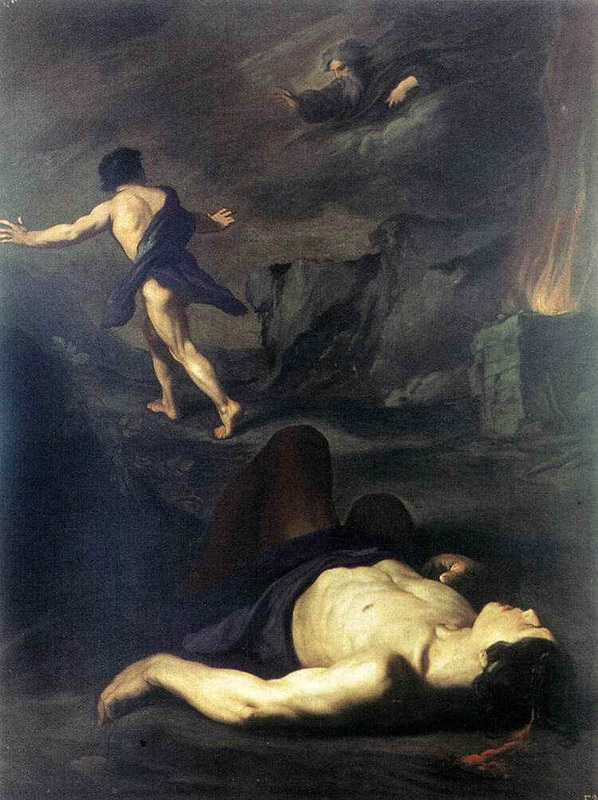
GENESIS 4:12–13—Why wasn’t Cain given capital punishment for the murder he committed?
GENESIS 4:12–13—Why wasn’t Cain given capital punishment for the murder he committed? PROBLEM: In the OT, murderers were given capital…
أكمل القراءة » -

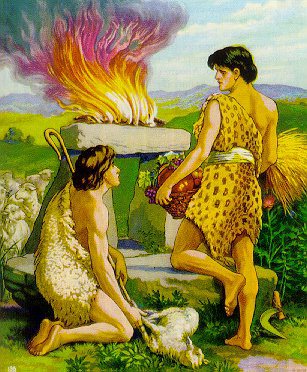
GENESIS 4:5—Does God show respect to certain persons?
GENESIS 4:5—Does God show respect to certain persons? PROBLEM: God is represented in the Scriptures as someone who “is no…
أكمل القراءة » -

GENESIS 3:8—How could Adam and Eve go from God’s presence if God is everywhere?
GENESIS 3:8—How could Adam and Eve go from God’s presence if God is everywhere? PROBLEM: The Bible says that God…
أكمل القراءة »