الوحي الذاتي للإله في التاريخ البشري – حوار من الأسقف إن. تي. رايت

الوحي الذاتي للإله في التاريخ البشري – حوار من الأسقف إن. تي. رايت
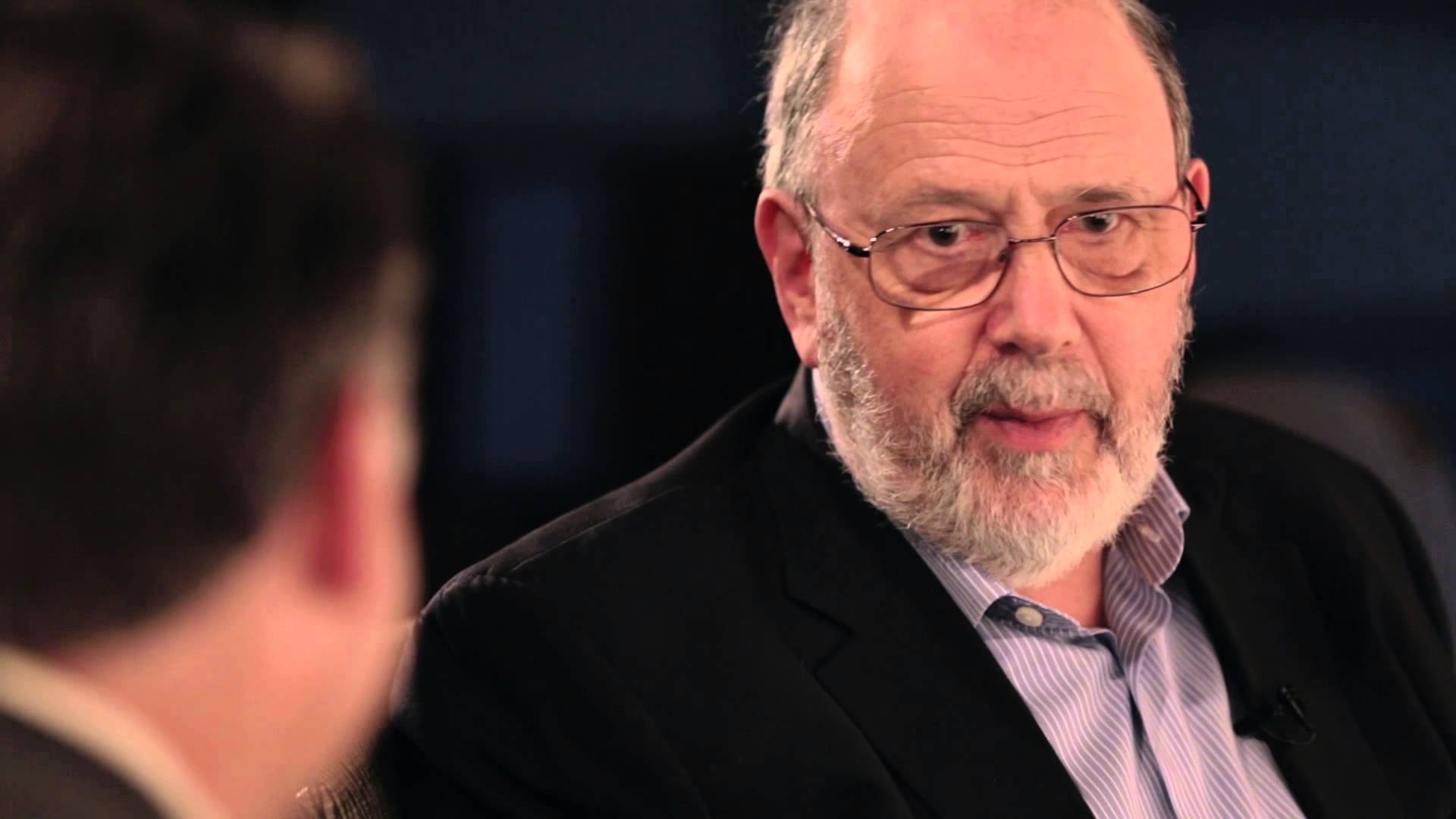
الوحي الذاتي للإله في التاريخ البشري – حوار من الأسقف إن. تي. رايت

الوحي الذاتي للإله في التاريخ البشري – حوار من الأسقف إن. تي. رايت

THE SELF-REVELATION OF GOD

IN HUMAN HISTORY

نقاش حول المسيح مع رايت

أنتوني فلو: أسئلة عن الوحي الإلهي

حتى الآن ناقشت المعلومات التي قادتني للقبول بوجود العقل الإلهي. أولئك الذين يسمعون هذه الحجج حتما سيتسألون عن رأيي بخصوص ادعاءات الوحي الإلهي. في كل كتبي ضد الألوهية ومناظراتي المتعددة وقفت موقفا مؤيدة لادعاءات الوحي الإلهي أو التدخل الإلهي. موقفي الحالي هو أكثر انفتاحا تجاه هذه الادعاءات. في الواقع، أنا أعتقد أن الدين المسيحي يستحق بكل وضوح الاحترام والتقدير بغض النظر عما إذا كان موقفه من الوحي الإلهي صحيحاً.

ليس هناك أي دين يمتلك مزيجاً من شخصية لها جاذبية مثل جاذبية السيد المسيح ومفكر من الطراز الأول مثل القديس بولس Paul St-. تقريباً، كل الحجج المتعلقة بالمحتوى الديني تمت صياغتها من قبل القديس بولس، الذي كان يمتلك عقلاً فلسفياً ذكياً، وكان بمقدوره التحدث والكتابة بكل اللغات ذات العلاقة بالمحتوى الديني. إذا كنت تريد من الإله المقتدر أن يصنع لك دينا، فإن الدين المسيحي هو ذلك الدين.

ناقشت في الطبعات الأولى من كتاب «الإله والفلسفة» الادعاءات المسيحية إلى حد ما، وذهبت إلى أن التقدم الهائل الذي أحرز في الدراسات النقدية للعهد الجديد وغيرها من المصادر لتاريخ نشأة المسيحية لا يدع لأولئك الذين يقدمون ادعاءات واسعة وكبيرة مجالا للاختباء. ثانياً، أنه لا يمكن معرفة المعجزات من خلال دليل تاريخي، وهذا يخل بمصداقية الادعاء بأن قيامة المسيح يمكن معرفتها باعتبارها حقيقة تاريخية.

في مناظراتي المختلفة عن عودة المسيح، قدمت نقاطاً إضافية. النقطة الأولى، هي أن الوثائق التي تؤرخ للحدث المُدعى كتبت قبل ثلاثين أو أربعين سنة بعد ذلك الحدث. ليس هناك دلائل معاصرة، وإنما مجرد وثائق كتبت بعد وقوع الحدث. النقطة الثانية، هي أننا لا نملك وسيلة للتحقق من أن المسيح العائد هو نفسه الذي ظهر للمجموعات التي ادعت رؤيته، لأن ما عندنا من وثائق يقول فقط أن هذا الحدث غير الاعتيادي قد وقع بالفعل. والنقطة الأخيرة هي إن الدلائل على عودة المسيح محدودة جداً. في الواقع أن وثائق العهد الجديد New Testament عن عودة المسيح كانت رسائل القديس بولس، ولم تكن نصوصا إنجيلية Gospels، وفي هذه الوثائق هناك القليل جدا من التفاصيل الحسية على عودة المسيح.

اليوم أقول بأن التحدي المتعلق بفكرة عودة المسيح أكثر تأثيراً من أي تحدي ديني أخر. لا أزال أعتقد بأنه عندما ينظر علماء التاريخ بطريقة احترافية إلى دلائل عودة المسيح فإنهم يحتاجون إلى أكثر بكثير مما هو متوفر، فهم يحتاجون إلى دلائل من أنواع مختلفة. أعتقد أن الادعاء بأن الإله تجسد في المسيح هو ادعاء فريد من نوعه، ولا أعرف كيف يمكن الحكم على ذلك سوى بالإيمان أو عدم الإيمان بصحته. لا أرى أية مبادئ عامة يمكن أن ترشدنا إلى ذلك. في سياق منظوري الفكري الجديد، شاركت في نقاش عن المسيح مع الفقيه التاريخي المعروف الأسقف رایت Bishop N. T. Wright أسقف دورهام، والباحث في العهد الجديد، وفيما يلي ردوده على بعض المواضيع التي طرحتها في كتاباتي.

رد نيكولاس توماس رايت

  1. T. Wrights Response

لا أعرف من أين أبدأ، فالدلائل على وجود المسيح كثيرة جدا، بحيث أنني كعالم تاريخ أجد أن لدينا دلائل كثيرة على المسيح أكثر من أي شخص في العالم القديم. من الواضح أن هناك بعض شخصيات من العالم القديم لدينا لها تماثيل ونقوش. من ناحية أخرى، لدينا أيضا تماثيل للآلهة والإلهات في العالم القديم جداً، ومع ذلك لا يمكنك أن تكون متأكداً من وجود هذه الشخصيات. ولكن فيما يخص المسيح فإن كل الدلائل تشير بشكل قاطع إلى وجود هذه الشخصية العظيمة في العشرينات إلى الثلاثينات من القرن الأول، والأدلة تتسق مع ما نعرفه عن اليهودية في تلك الحقبة (على الرغم من أن الكثير منه كتب لاحقا) بحيث أنه من الصعب على أي باحث تاريخي -لا أعلم أي باحث تاريخي-أن يشك في وجود المسيح. ربما يكون هناك شخص أو شخصين. هناك رجل أسمه ويلس Wells هو الوحيد الذي شكك في ذلك حديثاً. من وقت لآخر تجد شخص مثل اليغرو J. M. Allegro الذي كتب قبل جيل من الآن كتاباً استناداً إلى مخطوطات البحر الميت، واستنتج أن المسيحية ليست سوى عبادة الفطير المقدس[1].

لا يوجد عالم يهودي أو مسيحي أو لا أدري Agnostic على الإطلاق أخذ هذا الكلام على محمل الجد. من الواضع جداً أن المسيح شخصية موثقة جداً في التاريخ الحقيقي، ولذلك لا بد لهذا السؤال أن ينحى جانباً.

ما هي الأسس للادعاء من خلال النصوص بأن الإله تجسد في المسيح؟

إيماني بالمسيح كابن الإله المتجسد لا يستند إلى النصوص الواردة في الإنجيل التي تزعم ذلك، بل إن إيماني بذلك أعمق من ذلك بكثير، بل يعود إلى سؤال مهم جدا حول كيف فهم يهود القرن الأول وجود الإله، وفعل الإله في العالم، وحتما أن ذلك يعود إلى المزامير[2]، وإلى إشعيا[3]، وإلى سفر التثنية[4] وسفر التكوين[5] وهلم جرا. ونستطيع أن نرى كيف أن التراث اليهودي من أيام المسيح فسر هذه النصوص. لقد تكلموا عن الإله الذي صنع الكون، وهو أيضا إله إسرائيل[6] ويتكلمون عن هذا الإله على أنه مؤثر في العالم، وموجود ويفعل أمور في العالم وداخل إسرائيل، ويتحدثون عن ذلك بخمسة طرق (لا علاقة لذلك بطرق توما الأكويني الخمسة[7]).

يتحدثون عن كلمة الإله: لقد تكلم وكفى، لقد قال الإله «ليكن نور» فأصبح هناك نور. كلمة الإله حية وفاعلة، وفي سفر إشعيا لدينا صورة قوية جدا عن كلمة تنزل من الأعلى كالمطر أو كالثلوج وتفعل أشياء في هذا العالم. يتحدثون عن حكمة الإله، ونحن نرى ذلك في الأمثال بشكل خاص، وفي عدة روايات في الإنجيل كذلك. الحكمة تصبح نوعا من التجسيد لذات الإله الثانية. حكمة الإله فاعلة في العالم، وتتواجد في إسرائيل، وهي تقوم بأعمال تساعد الناس أنفسهم حتى يعرفوا كيف يصبحوا حكماء.

يتحدثون عن مجد الإله الحاضر في المعبد. علينا أن لا ننسى بأن المعبد بالنسبة لليهود في القرن الأول، كان رمزا للتجسيد وهم يؤمنون بأن خالق الكون وعد بالعودة، وأن يكون مسكنه في المعبد بالقرب من الطريق إلى القدس. قبل أن تذهب بالفعل إلى القدس وتفكر في هذا الأمر فإنك لن تدرك ذلك، وهو أمر غير عادي على الإطلاق. ويتحدثون عن قانون الإله الكامل الذي ينعش الروح (كما في المزمور ۱۹). القانون مثل الحكمة، ليس مجرد قانون مكتوب. إنه قوة وجودية موجودة وحاضرة عندما أراد الإله أن يظهر ذاته. ثم، أخيراً يتحدثون عن روح الإله، الروح التي تسرع إلى شمشون[8] في سفر القضاة[9].

روح الإله التي تمكن الأنبياء أن يصبحوا أنبياء. روح الإله التي تسكن البشر حتى يتمكنوا من القيام الاستثنائي بتمجيد الإله.

هذه الطرق الخمسة عن فعل الإله في العالم هي الطرق التي كان اليهود في القرن الأول يعبرون فيها عن إيمانهم بالواحد الذي يعرفونه على أنه هو الإله الأبدي خالق العالم حيث كان موجوداً وفاعلاً في العالم، وبشكل خاص داخل أرض إسرائيل. ونستطيع أن نرى ذلك ليس في العهد القديم فحسب، وإنما نستطيع رؤيته في الأثار التي خلفها العهد القديم في يهودية القرن الأول وفي كتابات الحاخامات[10]، وفي مخطوطات البحر الميت[11]، وفي نصوص أخرى.

الآن، عندما نأتي إلى هذه الطرق الخمسة في الأناجيل نكتشف أن يسوع لا يتحدث فقط بل يتصرف، ولكن يتصرف كما لو أن هذه الطرق الخمسة تصبح حقيقة بطريقة جديدة من خلال ما يقوم به. ونرى ذلك بشكل خاص في مثال الزارع. الزارع يزرع الكلمة والكلمة تقوم بعملها، ولكن من الذي يقوم بعملية التعليم، إنه يسوع ذاته.

يتحدث يسوع كذلك بطرق مختلفة حول الحكمة: حكمة الإله حيث يقول: «أنا أفعل هذا، وأنا أفعل ذلك». ويمكنك تتبع تقاليد وحكم العهد القديم، ليس فقط في الأقوال الفردية ليسوع، ولكن في الطريقة التي يمارس فيه ما كان يقوم به، ونقاشاته مع الرجل الحكيم الذي بنى بيته على الحجارة والرجل الجاهل الذي بني بيته على الرمال، وهي نموذج لتعليم الحكمة. الرجل الحكيم هو الشخص الذي يسمع هذه الكلمات من الألغام (الحكم الرمزية) ثم يفعلها. وهكذا فإن الحكمة ويسوع متلازمان معا بشكل وثيق جداً.

ومن ثم، هناك المعبد حيث يتصرف يسوع كما لو كان هو المعبد شخصياً. عندما يقول يسوع إن «خطاياك مغفورة» فهي صدمة حقيقية، غفران الخطايا يعلن عادة عندما تذهب إلى المعبد وتستغفر، ولكن يسوع يقول لك أنك تستطيع أن تستغفر في الشارع، عندما تكون مع يسوع وهو يحدق في مجد الإله.

عندما نعود إلى الشريعة اليهودية، نكتشف شيئا رائعا. أحد العلماء اليهود الكبار في يومنا هذا، يعقوب نوسنر Jacob Neusner، وهو الذي كتب العديد من الكتب الرئيسية في اليهودية، كتب كتابا عن يسوع. في ذلك الكتاب، يقول نوستر إنه عندما يقرأ أن يسوع قال أشياء مثل «لقد سمعت أنه قيل كذا وكذا، ولكن أقول الكم: هذا وهذا وهذا»، أريد أن أقول ليسوع هذا: من تعتقد نفسك؟ الإله؟

لقد قدم يسوع قانون جديد، وقدم تفسيراً جذرياً جديداً للقانون، ويدعي بمعنى ما بأنه تجاوز الطريقة التي كان يفهم أو يفسر بها القانون. وأخيرة هناك الروح، يقول يسوع «إذا كنت أنا روح الإله أتخلص من الشياطين فإن مملكة الإله نزلت علي». فما نراه ليس كثيراً، فيسوع يدور بين الناس قائلاً: «أنا هو الشخص الثاني من الثالوث. إما أن تؤمنوا بذلك أو لا». وهذه في الحقيقة ليست وسيلة لقراءة الإنجيل. بدلا من ذلك، يجب أن تقرأ كما قرأها المؤرخون في القرن الأول، بحيث يمكننا أن نرى يسوع يتصرف بحيث نقول جميعا: الطريقة الرائعة التي يتعامل بها الإله مع البشر قد حدثت بالفعل.

إنها ليست من خلال كلمة أو حكمة أو غيرها، إنها من، وفي، ومن خلال شخص. الشيء الذي يجمع كل ذلك معاً (كتبت هذا في الفصل قبل الأخير من كتابي يسوع ونصر الإله Jesus and the victory of God) هو أن الكثير من اليهود في أيام يسوع كانوا يعتقدون أنه في يوم ما سوف يعود إله إسرائيل Yahweh في شخص للعيش داخل الهيكل. تجد ذلك في سفر حزقيال، وسفر إشعيا، وسفر زكريا[12]، والعديد من النصوص اللاحقة. ولذلك هم يعيشون على أمل أنه في يوم من الأيام سوف يعود الإله، لأنه إذا عاد سوف يعيد بناء الهيكل، ولكن ليس بالطريقة التي فعل بها هيردوس[13] Herod ذلك. هناك سلسلة من التوقعات تتعلق بعودة الإله. كما نجد في الأناجيل صورة استثنائية عن يسوع عند قيامه بالرحلة الأخيرة إلى القدس وهو يحكي قصص الملك الذي عاد.

لقد وجدت كما وجد الأخرون بأن يسوع عندما كان يحكي قصص الملك الذي عاد إلى شعبه، أو السيد الذي عاد إلى خدمه، لم يكن يتحدث عن العودة الثانية في المستقبل. لم يكن التلاميذ مهيئين لذلك، كما إنهم لم يكونوا يعلمون بأنه ذاهب ليصلب. كان يسوع يتحدث عن أهمية رحلته إلى القدس، وهو كان يدعو من لهم آذان إلى أن يسمعوا وأن يأخذوا صورة الإله Yahweh في العهد القديم إلى صهيون Zion ويضعوها في عقولهم وهم يرون النبي الصغير وهو يسافر إلى القدس راكبا حمار. أعتقد أن يسوع راهن على حياته، على أساس الاعتقاد بأنه دعي لتجسيد عودة الرب إلى صهيون[14].

كلمة تجسد Embody كلمة إنجليزية، أما المقابل اللاتيني لها فهو Incarnation ولكنني أفضل كلمة Embody على الأقل في الأماكن التي أقوم فيها بالوعظ حيث يمكن للناس استيعابها أكثر من اللفظ اللاتيني، ولكنها تؤدي نفس المعنى.

أنا لا أظن أن يسوع يعتقد أنه طلب منه أن يتصرف على أساس هذا الافتراض. وأعتقد أن هذا كان مخيفاً بشكل كبير ليسوع. أعتقد أنه كان يعلم أنه قد يكون في الواقع مخطئ. ولكن في نهاية الأمر هناك أناس يصدقون بأن شيء ما يمكن أن يتحول، مثل الرجل الذي يعتقد بأنه إبريق من الشاي. أعتقد أن يسوع كان يعلم أن هذه دعوته، وأنه يجب أن يتعامل على هذا الأساس، وأن عليه أن يعيش ويعمل على أساس أن يجسد عودة الرب إلى شعبه.

لهذا السبب أود أن أقول إن يسوع، بعد موته وقيامته (وهذه قصة مختلفة تماماً. سنأتي إليها قريبا) تم التعرف عليه بسرعة كبيرة جداً من قبل أتباعه على أنه المجسد لإله إسرائيل. واجهوا قيامته، ولكن بعد أن عادوا إلى عقولهم، إلى كل ما شاهدوه وسمعوه وما عرفوه عن يسوع، صفعوا وجوههم «هل كنتم تعرفون مع من كنتم كل هذا الوقت؟ لقد كنا مع شخص تجسد فيه إله إسرائيل، ثم راحوا يحكون القصص مراراً، بشيء من الرهبة والهلع والإدراك المتأخر، متفكرين في كل ما حدث طوال الوقت الفائت.

هذه فكرة استثنائية جبارة، ومع ذلك فإن هذه الفكرة تعطي معناً عميقاً ومتجذراً تاريخياً لطريقة رؤية يسوع لنفسه. والآن بالتأكيد يمكن لأي شخص أن يقول لي: قد تكون على حق، وقد يكون يسوع بالفعل نظر إلى نفسه على هذا النحو، وقد يكون تلاميذه وصلوا للتفكير بذلك أيضاً، ولكن بالتأكيد أن يسوع كان مخطئ، إما لأننا نعلم مسبقا بأنه إذا كان هناك إله فإنه لا يمكن أن يكون إنساناً، وإما لأننا نعلم بشكل مسبق بأن أي شخص يتكلم عن نفسه بهذه الطريقة يجب أن يكون مجنوناً أو مختلاً عقلياً أو مخدوعاً.

لهؤلاء أريد أن أقول حسناً، أتركوا هذه المسلمات جانباً في الوقت الحالي، وحاولوا أن تستحضروا صورة يهود القرن الأول وهو يعتقدون بذلك ويتصرفون على هذا الأساس، وبعد ذلك اطرحوا السؤال عن قيامة المسيح، وبعدها اطرحوا جميع أسئلتكم عما نعنيه بكلمة «إله»، لأن المسيحيين الأوائل قالوا بأن كلمة «الإله» لازالت غامضة وأنها تصبح واضحة فقط عندما ننظر إلى يسوع. يقول القديس يوحنا الإنجيلي [15]«لم ير أحد الإله في أي وقت، ولكن الابن الوحيد الذي يعيش في حضن الأب جعل منه معروفاً». وفقا للغة اليونانية، فإن المعنى الحرفي لهذا الكلام هو «قدم لنا تفسيرا لما هو الإله، وأرانا من هو الإله على وجه الحقيقة». إنه جواب طويل لسؤال جوهري، ولكنني لا أستطيع اختصاره أكثر من ذلك. معظم الناس حسب خبرتنا يفكرون في الإله والمسيح بهذه الطريقة، ولكن هذه الطريقة التي أفكر بها أنا وهي الطريقة التي فكر بها المسيح والمسيحيون الأوائل، وكذلك الذين كتبوا الأناجيل، ونحن نقوم بعمل جيد في أن نجعل عقولنا تلتف حول هذا الفهم.

ما هي الدلائل على قيامة يسوع؟

دعوني أختصر قدر الإمكان. لقد قرأ والدي كتابي المطول «قيامة أبن الإله» The Resurrection of the Son of God عندما كان في الثالثة والثمانين من عمره. استغرقت منه قراءة الكتاب المكون من ۷۰۰ صفحة ثلاثة أيام فحسب. لقد ركز على قراءة الكتاب بشكل كامل خلال هذه الأيام، وبعدها أتصل بي تلفونيا وقال لي: لقد انتهيت من قراءة الكتاب، فتعجبت من ذلك، فقال «نعم لقد قرأته وقد بدأت أستمتع بقراءته بعد الصفحة رقم 600». اعتقدت أن كلامه نوع من المجاملة الفاترة. لقد كان والدي يعمل في صناعة الأخشاب. قلت لوالدي «هل تعلم يا أبي أن الصفحات الخمسمائة هي جذع النظام Root system، وإن الشجرة إذا لم يكن لها جذع رئيسي فإنها لن تكون قادرة على الانتصاب ولن تعطي أية ثمرة. رد والدي قائلا «لقد أدركت ذلك ولكنني أفضل دائما الفروع العليا من الشجرة». .

أعود للحديث عن جذع النظام Root system قليلاً. من الأمور التي استمتعت بها عند تأليف الكتاب هو العودة إلى الأسس التقليدية والبحث عن معتقدات الحياة بعد الموت لدى الشعوب. يعتقد اليونانيون والرومان والمصريون بالحياة بعد الموت، وهناك تنوع كبير في المعتقدات بهذا الشأن، ولكن فكرة القيامة ليست موجودة في العالم اليوناني الروماني.

في الواقع، يقول بليني Pliny، وإسخيلوس Aeschylus، وهوميروس Homer وشيشرون Cicero، وجميع أطياف الكتاب الأوائل بأننا «نعرف بالتأكيد أن القيامة لم تحدث». وفي الوقت نفسه طور اليهود اعتقاداً لاهوتياً محدداً عن القيامة (المقصود قيامة المسيح)، وهو «أن شعب الإله سوف يعود جسديا إلى الحياة بعد الموت في النهاية». عامل الوقت مهم، لأن معظم المسيحيين في العالم الغربي يستخدمون كلمة «القيامة» Resurrection بشكل غامض على أنها تعني «الحياة بعد الموت»، وهو ما لم يحدث أبدأ في العالم القديم. لقد كان المصطلح يستخدم بشكل دقيق جدا، وهو ما أسميه الحياة بعد الحياة بعد الموت. وبعبارة أخرى، فأنت أولاً تموت وتصبح ميتاً وجسدك غير حي، وبعد ذلك تبعث بمعنى أنك تعيش حياة جسدية، وهي حياة جديدة بعد «الحياة بعد الموت».

نستطيع تتبع الطريقة التي يتكلم بها عن معتقد «القيامة» في الديانة اليهودية. القيامة هي سلسلة من مرحلتين: بعد وفاتك مباشرة تدخل في مرحلة انتظار[16]. وبعد ذلك تنتقل إلى مرحلة حياة جديدة تماما تسمى «القيامة». في الكتاب الذي استمتعت بكتابته، رسمت خريطة عن المعتقدات اليهودية في موضوع الحياة بعد الموت على ضوء خريطة أكبر من المعتقدات القديمة لموضوع الحياة بعد الموت، وهناك ضمن الديانة اليهودية تباينات بهذا الخصوص.

آمن الفريسيون[17] Pharisees بالقيامة، ويبدو أن هذا كان هو الاعتقاد الشائع في فلسطين اليهودية أيام يسوع. أما الصدوقيين[18] Sadducees فلم يعتقدوا بالحياة بعد الموت على الإطلاق، وقد أعتقد أشخاص مثل فيلو Philo وربما إسنس Essenes بوجود حياة جسدية خالدة واحدة، بحيث أنك بعد الموت تذهب إلى حيث تذهب وتبقى هناك، بدلا من أن تمر بتجربة «القيامة» أكثر من مرة[19].

أكثر ما يثير الاهتمام أنه في كل المجتمعات التي خضعت للدراسة في هذا الصدد، تجد الناس محافظين جدا في معتقدات الحياة بعد الموت. وفي مواجهة الموت، يميل الناس إلى المعتقدات والممارسات التي يعرفونها والتي أخذوها عن عوائلهم ومن عاداتهم ومن قراهم، وهكذا تتم طقوس الدفن. ولذا فإنه من اللافت للنظر حقاً أن المسيحيين الأوائل المعروفين لدينا في الفترة حتى نهاية القرن الثاني عندما بدأ الغنوصيين[20] Gnostics باستخدام كلمة القيامة بمعنى مختلف تماماً فإن كل المسيحيين الأوائل المعروفين لدينا خلال الأجيال الأربعة أو الخمسة الأولى يعتقدون بالحياة الجسدية بعد الموت، رغم أن أغلب ما جاء في هذه القصص جاء من أيام العالم الوثني حيث كانت فكرة القيامة تعتبر هراءاً مطلقاً.

هناك أسطورة حديثة هذه الأيام تقول إننا نحن فقط ممن يمتلك علماً معاصراً لفترة ما بعد التنوير[21] أكتشف أن الأموات لا يبعثون. هؤلاء الناس يؤمنون بالمعاجز الخيالية، ولكنهم بالتأكيد مخطئون، وهناك نص جميل للويس C. S. Lewis متعلق بهذا الموضوع.

هذا النص يتكلم عن حمل العذراء بالمسيح، وكيف أن جوزيف[22] Joseph لم يكن قلقا بشأن حمل العذراء، ليس لأنه لم يكن يعلم مصدر هذا الحمل، وإنما كان قلقا لأنه كان يعلم بذلك. وكذلك الحال مع قيامة المسيح، فالناس في العالم القديم كانوا يشعرون بالاضطراب من الادعاء المسيحي، لأنهم كانوا يعتقدون أن من يموت يظل ميتاً إلى الأبد.

وكخلاصة، نستطيع تتبع صيغ مختلفة من الديانة اليهودية في فترة المسيحية الأولى فيما يخص القيامة.

 أولاً: أنه بدلاً من قيامة تحصل لجميع البشر في النهاية، فإن المسيحيين الأوائل كانوا يعتقدون أن القيامة تختص في البداية برجل واحد فقط. وحسب علمي لا يوجد يهودي في القرن الأول يعتقد بأن القيامة مختصة برجل واحد يبعث قبل كل البشر، ورغم أن هذا تطور جديد، إلا أن الجميع يعتقدون بالبعث.

ثانياً: أنهم يعتقدون أن القيامة تنطوي على تحول لجسد مادي. يبدو أن اليهود الذين يعتقدون بالقيامة قد ذهبوا في اتجاهين، فالبعض قال إن القيامة (البعث) هي خلق جسد جديد مشابه تماماً لما نحن عليه، في حين ذهب البعض الأخر إلى أنه سوف يكون هناك بدن نوراني، يضئ مثل النجم. تكلم هؤلاء عن نوع جديد من المادية Physicality، نوع جديد من التجسيد Embodiedness -هذا الاعتقاد موجود في كتابات بولس-فهو جسد لكونه جماد وله حجم، ولكنه تحول بحيث لم يعد يحس بالألم أو المعاناة أو الموت، وهذا أمر جديد غير موجود في اليهودية.

 ثالثاً: يعتقدون بأن المسيح نفسه بعث من جسد ميت، وهو ما لا يعتقد به يهود المعبد الثاني Second Temple، لأن أتباع المعبد الثاني يعتقدون أن المسيح ما كان ليقتل أبدأ، وهذا أمر جديد أيضاً.

 رابعاً: هم يستخدمون فكرة القيامة بطريقة جديدة تماماً. تم استخدام هذه الفكرة في اليهودية في استعارة Metaphor «العودة من السجن» كما نجدها في سفر حزقيال Ezekiel، ولكن في بدايات المسيحية تم استخدام هذه الفكرة وربطها بالتعميد[23] Baptism والقداسة Holiness ومفاهيم أخرى من العقيدة المسيحية التي لم تكن في البال في اليهودية، ولم يكن معروفة كيفية استخدامها لمفهوم القيامة، وهو يمثل طفرة في وجهة النظر اليهودية.

خامساً: أن المسيحيين الأوائل يعتبرون أن إله البشر قدم القيامة كنوع من الهدية، والمسيحيون مدعوون للعمل مع الإله في عيد الفصح[24] Easter التوقع ما سيفعله إله العالم الجديد[25]. هذه الفكرة جديدة للغاية، ولكنها تمثل تطوراً في إطار الديانة اليهودية فقط.

سادساً: أن عقيدة القيامة تحولت من عقيدة مهمة من ضمن عقائد عديدة مهمة -كما هو الحال في اليهودية -إلى أن تصبح مركز كل شيء، وإذا ما اقتطعنا هذا الاعتقاد من معتقدات أباء القرن الثاني فإن البناء الفكري لهم يتعرض للتدمير. لابد أن نصل إلى نتيجة مفادها أن شيئا ما حدث جعل من الاعتقاد بالقيامة ينتقل من الإطار الخارجي إلى المركز.

 سابعاً وأخيراً: لا نجد في بواكير المسيحية توجهاً في الاعتقاد لما يحصل بعد الموت. أما في اليهودية، فهناك وجهات نظر عدة، وهناك أيضاً عدد كبير من وجهات النظر بهذا الخصوص في العالم الوثني، ولكن في بواكير المسيحية لا نجد سوى القيامة في ذاتها. تثير معتقدات معظم الناس المحافظين في موضوع الحياة بعد الموت الدهشة، ولذلك يبدو أن المسيحيين الأوائل كان لديهم سببا منطقيا في إعادة التفكير في هذا الاعتقاد الهام والشخصي جدا. وعندما ننظر إلى الطيف الفكري لبواكير المسيحية نجد أن المسيحيين الأوائل يختلفون حول أمور كثيرة، ولكنهم يجمعون بصورة تثير الدهشة ليس في اعتقادهم بالقيامة فحسب، بل في كيفية حصولها وكيف ستتم، وكل ذلك شرحته في كتابي بالتفصيل.

كل هذا يفرض علينا كمؤرخين أن نسأل سؤالاً بسيطاً جداً: كيف أعتقد المسيحيون الأوائل منذ أقدم الأزمان بالإجماع بفكرة القيامة (البعث). هذا السؤال التاريخي مثير للاهتمام بحد ذاته. بالتأكيد، سوف يرد المسيحيون الأوائل بالقول لقد كان لدينا هذا الاعتقاد لأننا نؤمن بيسوع». إذا كانت فكرة أن يسوع بعث من جسد ميت ظهرت بعد عشرين أو ثلاثين سنة من بداية المسيحية كما يقول بعض الباحثين المشككين فإنك سوف تعثر على الكثير من الشواهد التي تبين أنه لم يكن هناك مكان لفكرة القيامة في بواكير المسيحية. لذلك فإن اتساع نطاق وإجماع المسيحيين الأوائل على الاعتقاد بالبعث يجبرنا على القول بأن شيئا ما حدث قبل ذلك بوقت طويل مما شكل وصبغ التحرك المسيحي ككل.

عند هذه النقطة لابد من القول «حسناً وماذا عن القصص الإنجيلية؟ ماذا عن الرواية الثامنة والعشرون في إنجيل متى[26] Matthew، وماذا عن الرواية السادسة عشر في إنجيل مرقس[27] Mark؟ وماذا عن القصة الأطول منها في الرواية الرابعة والعشرون من إنجيل لوقا[28] Luke؟ وماذا عن الروايتين الأطول الواحدة والعشرون والثانية والعشرون في إنجيل يوحنا[29] John؟ وبطبيعة الحال، ومثل باقي علماء الإنجيل أعتقد أن هذه الفقرات كتبت بعد فترة طويلة من موت المسيح. وأنا في الحقيقة لا أعرف متى كتبت الأناجيل، ولا أحد يعرف متى كتبت، بالرغم من أن العلماء يقولون لنا إنهم يعرفون.

ربما تكون هذه الأناجيل كتبت في الخمسينات أو الستينات من القرن الأول، وبعضهم يقول إنها كتبت قبل ذلك، كما يمكن أن تكون قد كتبت في الثمانينات أو التسعينات، ولكن فيما يخص حجتي، فهذا الأمر لا يعني شيئا على الإطلاق. النقطة هي أن القصص الإنجيلية المتعلقة بالبعث لها صفات خاصة ومشتركة بين الأناجيل الأربعة، والذي يتبين تاريخيا أنه رغم أنها كتبت في مرحلة متأخرة فإنه يتضح أنها لم تتعرض للتحريف إلى درجة كبيرة، لقد تم تحريرها قليلاً، ولكنها لم تتعرض للتحريف، وهذا مهم جداً.

الخاصية الأولى، هي صورة يسوع في روايات البعث. لقد قيل مراراً وتكراراً بأن:

1) إنجيل مرقس كتب أولاً، وأنه بالكاد كان فيه إشارة إلى البعث.

۲) إنجيل متى الذي جاء بعد إنجيل مرقس، لم يحتوي كذلك على الكثير مما خص البعث.

۳) مع نهاية القرن، ظهر كل من إنجيل لوقا وإنجيل يوحنا، وعند ذلك فقط وجدنا قصص أكل يسوع للسمك المشوي وطبخه للفطور على الشاطئ وطلبه من توما Thomas أن يمسه وأمثال ذلك. ووفقا لهذه النظرية فإن المسيحيين في نهاية القرن الأول بدأوا يعتقدون بأن يسوع في الحقيقة ليس إنساناً، أي إنه ليس رجلاً حقيقياً، ولذلك قام لوقا ويوحنا بتأليف القصص في هذه المرحلة للقول بأن يسوع كان إنساناً، وأن يسوع الذي رفع كان له كيان بدني وما إلى ذلك.

المشكلة في هذه الروايات أنها كانت شعبية. وجهة النظر الأخرى تقول، أنه إذا كنت يهودياً في القرن الأول وأردت أن تحيك قصة عن المسيح الذي بعث من جسد ميت فإن المصدر الإنجيلي الطبيعي سيكون الرواية الثانية عشرة من إنجيل دانيال[30] التي تعد واحدة من أكبر النصوص التي تتحدث عن البعث بالنسبة ليهودية المعبد الثاني. تقول الرواية الثانية عشرة بأن الصالحين سوف يلمعون مثل النجوم في مملكة الأب. في الواقع، إن يسوع أستشهد بهذه العبارة في الفقرة الأولى من الرواية الثالثة عشر من إنجيل مرقس. مما يزيد الأمر روعة أن يسوع لم يكن ليظهر كنجم يلمع في أي من روايات البعث لو كانوا قد حبكوا هذه القصص.

من خلال وجهتي النظر هاتين، تبدو صورة يسوع غريبة جداً، فهي صورة ليست كما نتوقع، وهي صورة مخالفة لما هو موجود في الروايات اليهودية في ذلك الوقت، وهي متسقة مع ما ورد في أناجيل متى ولوقا ويوحنا، ولذلك يبدو أن شيئاً غريباً ما قد حدث.

كأن الإنجيليين Evangelists كانوا يريدون أن يقولوا لنا «نعلم أنكم ستجدون صعوبة في التصديق، ولكن هذا ما حدث». لا يمكن للناس أن يصدقوا مثل هذه الأمور. أي شخص يكتب قصص خيالية عن عيد الفصح كان ينبغي أن يجعل يسوع أكثر وضوحاً.

دعوني أقول شيئا هنا:

إذا أخذت روايات البعث في أناجيل لوقا ومرقص ومتى ويوحنا في النص اليوناني ووضعتها جنبا إلى جنب فستجد أنها مختلفة (حتى عندما يتحدثون عن قصة النساء اللاتي يذهبن إلى القبر). إنهم يستخدمون كلمات مختلفة مرة بعد أخرى. من الواضح أنهم كانوا ينسخون من بعضهم البعض. الشيء الثاني، أن هناك غياباً شبه كامل لروايات البعث في العهد القديم. في قصة الصلب Crucifixion يبدو واضحا أن قصة موت يسوع قيلت مراراً وتكراراً من قبل الطائفة المسيحية، وقد نسج عليها في الرواية الثانية والعشرين من المزمور Psalm، والرواية الثالثة والخمسين من مزمور إشعيا Isaiah ومزمور زكريا Zechariah وبقية التلميحات في روايات البعث وأيضا في رواية الدفن. ولكن عندما تنتقل إلى الصفحة التي تليها إلى رواية البعث لا تجد ذلك في أناجيل لوقا ومرقص ومتى ويوحنا. وبالمثل، فإن يوحنا يقول عندما ذهب التلاميذ إلى القبر لم يكونوا يعرفون الكتاب المقدس الذي يقول إن يسوع سوف يبعث من جسد ميت، ولكن يوحنا لم يستشهد بذلك. وفي الطريق إلى عمواس Emmaus يشرح يسوع الكتاب المقدس، ولكن مرة أخرى لا يقول لنا لوقا أي شيء عما قاله يسوع.

هذا أمر غريب جداً. فإما أن نقول إن الكنيسة الأولى هي التي كتبت رواية البعث على غرار ما ورد في العهد القديم وأن متى ويوحنا ولوقا ومرقص قد استندوا إلى هذه الروايات، أو أن نقول إن هذه القصص تعود إلى حقبة قديمة جدا في النقل الشفهي التي تسبق الانعكاس اللاهوتي Theological Reflection. في تقديري أن الاحتمال الثاني هو الأرجح بدرجة كبيرة.

الميزة الثالثة الرائعة لهذه الروايات، هو موقع المرأة فيها. في العصور القديمة والعصر اليهودي والوثني، لم تكن تقبل شهادة المرأة في المحكمة. ينقل بولس Paul عن الانطباع السائد عن المسيح في ذلك الوقت قائلاً «هذه قصة قيلت لي. لقد صلب من أجل تخليصنا من الذنوب، ووفقا للكتاب المقدس فإنه رفع في اليوم الثالث ثم رآه رجال سيفاس Cephas عن طريق جيمس، ومن قبل بعض تلامذته، ورآه أيضاً خمسمائة شخص في إحدى المرات، وأخيرا رأيته أنا». ولكن نرفع رؤوسنا ونسأل بولس ولكن أين النساء؟ والجواب أنه في بداية الخمسينات لم يكن يسمح للنساء بالخروج لأنهم كانوا يعلمون أنهم سيكونون في ورطة، ونحن نرى هذه الورطة عندما نقرأ سيلسوس Celsus وهو يصب جام غضبه على البعث بقوله هذا الاعتقاد مبني على شهادة نساء مجنونات». .

من المدهش أننا نجد في أناجيل متى ومرقص ولوقل ويوحنا ذكر لمريم المجدلية[31] Mary Magdalene أو مرايم (جمع مريم) أخريات ونساء غيرهن.

ومن بين كل الناس اختيرت مريم المجدلية كشاهدة رئيسية، ولذلك نجدها في الأناجيل الأربعة، ونحن كمؤرخين ملزمين بالقول إن هذه القصص لو كانت وضعت بعد خمس سنوات ناهيك عن ثلاثين أو أربعين أو خمسين سنة لما وجدنا مريم المجدلية تلعب هذه الدور. من وجهة نظر المدافعين عن المسيحية الذين يريدون إقناع الجمهور المشكك بأن المسيح قد بعث من جسد ميت فإن إدخال مريم المجدلية هنا مثل من يطلق النار على قدميه. لا يمكن للمسيحيين الأوائل أن يفعلوا ذلك مطلقاً. القصص التي تتحدث عن عثور النسوة على القبر لابد من التعامل معها على أنها صحيحة تاريخياً.

الصفة الرابعة والأخيرة لهذه المواقف، وهنا أتحدث كوني مبشراً مارس التبشير في كل عيد فصح لمدة خمس وثلاثون سنة. المبشرون وفقا للعادة الغربية يقومون بالتبشير عن قيامة المسيح، والتبشير عن المستقبل، وعن بعثنا نحن وعن ذهابنا للجنة. ولكن في أناجيل لوقا ومرقص ويوحنا ومتى لا نجد ذكراً لقصص البعث. على العكس من ذلك فإن بولس كان في كل مرة يتحدث فيها عن البعث يتحدث فيها عن مستقبلنا. العبرانيين Hebrews (اليهود أو بني إسرائيل) يوجهون لنا الكلام عن قيامة المسيح وعن بعثنا نحن، وفي كتاب الوحي نجد ربطاً بين بعثنا وبعث يسوع. يتفق كل من جستن الشهيد[32] Justin Martyr، وأغناطيوس الأنطاكي[33] Ignatius of Antioch، وإيريناوس[34] Irenaeus بالقول: «نتحدث عن بعث المسيح لينعكس ذلك علينا». ولكن متى ويوحنا ولوقا ومرقص لا يقولون «أن يسوع سوف يبعث، وبالتالي فإننا سوف نبعث في اليوم التالي». هم يقولون، وهذا مثير لتعجب الناس «إن يسوع سوف يبعث، وإنه هو حقا المسيح». مخلوق الإله الجديد ظهر، ومهمتنا هي عبادته لأنه يجسد إله إسرائيل خالق الكون». وبعبارة أخرى، تريد القصص التي نجدها في الإنجيل أن تقول ببساطة لم تقال من قبل «إن يسوع قد بعث، وأننا سوف نبعث»، وهو ما نجده واضحاً عند بولس بدءًا من أواخر الأربعينات.

من كل ما سبق نصل إلى عدة استنتاجات. حتى نتمكن من تفسير صعود نجم المسيحية في بدايتها، وحتى نستطيع تفسير وجهات النظر الأربع في موضوع البعث علينا أن نقول إن الكنيسة في وقت مبكر جدا كانت بالفعل تعتقد أن يسوع بعث جسدياً من جسد ميت، وليس لدينا دلائل على أن المسيحيين الأوائل كانوا يعتقدون على خلاف ذلك. ولكن هل نستطيع كمؤرخين أن نفسر ذلك؟ كثيراً ما يقول الناس «إنه بالتأكيد ابن الإله، وكان باستطاعته أن يفعل أي شيء. ولكن هل هذا يستند إلى العقل؟ ولكنني لا أريد أن أفعل ذلك، وإنما أريد أن أكون مخلصا للنصوص التي لا تقول ذلك. علينا أن نسأل: كيف يمكن تفسير هذه الظاهرة الاستثنائية في المقام الأول، والقول بأن هناك قصصا تؤكد حصولها.

لقد اكتشفت خلال نظري في التفسيرات التاريخية أن هناك شيئين قد حصلا:

١) كان هناك قبر فارغ وكان معروفا أنه القبر الصحيح.

۲) وكان هناك ظهور Appearances ليسوع الذي رفع .

من المؤكد أن هذين الشيئين حصلا. لأنه إذا كان هناك قبر ولم يكن هناك شبيه فإن كل شخص في العالم القديم كان سيصل إلى نتيجة مفادها أن الجسد قد اختطف. كان من المعتاد سرقة القبور، وخاصة إذا كان الموتى من الأغنياء أو المشهورين، فقد يكون هناك جواهر أو شيء يستحق السرقة، ولكن الناس سوف يقولون ما قالته مريم «لقد أخذوا الجسد، لا أعرف ماذا حدث له»، ولم يكن ليتكلموا أبدا عن البعث إذا كان القبر فارغاً.

وبالمثل لا يمكننا تفسير البيانات التاريخية التي رأيناها بالقول إن تلامذته كانت لهم خبرة من نوع ما جعلتهم يلتقون بيسوع. هؤلاء يعلمون أن يسوع قد قتل، ولكنهم جميعا يعرفون عن الهلوسة والرؤى والأشباح. الأدب القديم -اليهودي والوثني -مليء بمثل هذه الأمور، وهي تعود إلى زمن هوميروس Homer، ونجدها في شعر فيرجيل[35] Virgil، فهي موجودة في كل مكان.

حاول البعض حديثا من باب الجدال أن يقول إن البعث لا يمكن أن يكون قد حصل «عندما يموت الذين تحبهم فأنت تتصورهم معك في الغرفة، يضحكون معك وربما يتحدثون إليك، وفجاءة يختفون مرة أخرى، ولعل هذا ما حدث مع التلامذة». وفي الواقع أنني قرأت بعض من هذا سابقاً. هذه الظاهرة موثقة كجزء من حالة الحزن، ويمكنك أن تفسرها كما يحلو لك، ولكن المسيحيين الأوائل كانوا يعرفون عن هذه الظاهرة كما نعرف. هم يعرفون جيداً أن هناك هلوسة وأشباح ورؤى وما إلى ذلك. بعبارة أخرى، إذا كانت لهؤلاء تجربة قوية مشابهة مع المسيح، ولكن إذا كان القبر ليس فارغاً عندها سيقولون «يا إلهي، لقد كانت تجربة قوية ولكن يسوع بالتأكيد لم يرفع من جسد ميت، لأن الجسد الميت لا يرتفع، وها هو جسده في القبر».

في هذه النقاط علينا أن نذكر أنفسنا بالطريقة التي يدفن بها اليهود موتاهم. معظم اليهود في فلسطين يدفنون موتاهم على مرحلتين. المرحلة الأول بلف الميت بكفن مع الكافور ووضعه في الحد في قبر صخري، أو وضعه في سرداب في المنزل، وهم لا يدفنون الموتى على الطريقة الغربية كما يحدث في الوقت الحالي، حيث يدفن الميت في قبر محفور في الأرض ويملئ.

النقطة هنا هي، أن جسد يسوع لو كان موجودة في القبر لكان من السهل على التلاميذ أن يجدوه، ولذلك فإن علينا أن نقول إنه لابد أنه كان هناك قبراً فارغاً، ولابد أنهم شاهدوا أو اجتمعوا مع شخص ما اعتقدوا أنه يسوع، على الرغم من أنه تحول بطريقة لا نتوقعها، ونجد نحن كقراء أنها مربكة جداً لنا.

والآن نأتي إلى الحركة الأخيرة في مباراة شطرنج. كيف يمكننا كمؤرخين أن نفسر الحقيقتين اللتين ذكرتهما: القبر الفارغ وظهور شبيه ليسوع؟ التفسير الأسهل لذلك هو أن يسوع بالفعل قد ترفع من الجسد الميت، وأن التلاميذ بالفعل التقوا بيسوع على الرغم من أنه تم تجديد جسده وتحول بطريقة يمكن معها أن يبدو حي. لكن بعث يسوع بالفعل لا يوفر لنا تفسيراً كافياً للقبر الفارغ واللقاء مع يسوع. بعد قراءتي لكل الفرضيات الأخرى المحتملة في كل الأدبيات أجد أن هذا التفسير ضروري.


أنتوني فلو: ملاحظات ختامية

 أنا معجب بطريقة الأسقف رایت، فهي جديدة تماماً. إنه يعرض الأمر بطريقة جديدة لأول مرة. وهذا مهم جداً، خصوصا في المملكة المتحدة والتي يكاد الدين المسيحي يختفي منها.

من المؤكد أن هذا شيء رائع وراديكالي. هل يمكن أن يكون هناك وحي مقدس؟ كما قلت لا يمكنك أن تحد من قدرات الإله المقتدر إلا إذا كان ذلك مستحيلاً من الناحية المنطقية، وما عدا ذلك فهو ممكن للإله المقتدر.


[1] المقصود بالفطير المقدس ذلك الفطير الممزوج بدم بشري من دم (الجوييم) أي الغرياء، وخلطه بالدقيق الذي تعد منه فطائر عيد الفصح. وقد رت هذه العادة المتوحشة إلى اليهود عن طريق كتبهم المقدسة.

[2] المزامير أو مزامير داود هي تسابيح لله، وأناشيد حمد وسجود وتمجيد له، وقد جاءت المزامير في الكتاب المقدس في عدة أماكن.

[3] يعتبر الكاتب لسفر أشعيا في العهد القديم من الكتاب المقدس.

[4] سفر التثنية أو سفر تثنية الاشتراع (بالعبرية: أحد الأسفار المقدسة في الكتاب المقدس لدى الديانة اليهودية والعهد القديم في المسيحية، ولا خلاف بين مختلف طوائف الديانة اليهودية والمسيحية حول قدسيته

[5] سفر التكوين هو أول أسفار التوراة (أسفار موسى الخمسة وأول أسفار التناخ، وهو جزء من التوراة العبرية، كما أنه أول أسفار العهد القديم لدى المسيحيين

[6] في التوراة وفي التراث اليهودي يعتبر اسم «إسرائيل» اسم بديل ليعقوب، وتظهر قصة تسمية يعقوب بإسرائيل في سفر التكوين

[7] خمس حجج قدمها القديس توما الأكويني للبرهنة على وجود الله.

[8] شمشون بن منوح الدني (بالعبرية: lient) من شخصيات العهد القديم، هو بطل شعبي من إسرائيل القديمة اشتهر بقوته الهائلة وورد ذكره في سفر القضاة في الأصحاحات ۱۳ إلى 16.

[9] هو سابع أسفار التناخ الكتاب المقدس في الديانة اليهودية والعهد القديم في المسيحية، ولا يوجد خلاف على قدسيته لدى مختلف طوائف الديانتين باستثناء الصدوقيون إحدى الطوئف اليهودية القديمة التي رفضت جميع أسفار التاخ عدا أسفار موسى الخمسة الأولى المعروفة باسم التوراة.

[10] الرباني في اليهودية، ويسمى الحبر [والراب والحاخام، هو زعيم ديني. كلمة حاخام العربية ترجع إلى الكلمة العبرية Don أي «حكيم».

[11] مخطوطات البحر الميت تضم ما يزيد على 850 قطعة مخطوطة، بعضها مما سمي لاحقا الكتاب المقدس وبعضها من كتب لم تكن تعرف أو كانت مفقودة. وقد كانت في في جرار فخارية كانت مطلية بالنحاس أول من عثر عليها راعيان من بدو التعامرة المتجولين واكتشف المزيد بين عامي 1987 و1956 في 11 کھفاً في وادي قمران قرب خربة قمران شمال البحر الميت. وقد أثارت المخطوطات اهتمام الباحثين والمختصين بدراسة نص العهد القديم لأنها تعود لما بين القرن الثاني قبل الميلاد والقرن الأول منه.

[12] ) أسفار من العهد القديم.

[13] هوردس أو هيرودس (العبرية: ## 73 قبل الميلاد -4 قبل الميلاد) هو ابن الدبلوماسي انتيباتر الإدومي من زوجته النبطية، عين حاكما على الجليل ثم أصبح ملك اليهودية. وقد بسط نفوذه على المنطقة الممتدة من هضبة الجولان شمالا إلى البحر الميت جنوبا، وكانت أيام حكمه تمثل ازدهارا ثقافيا واقتصادية، وقد كان حليفة أمينا للإمبراطورية الرومانية كان مقره في مدينة القدس، أي أورشليم، وقد اشتهر بمشاريع البناء الفاخرة التي بادرها في هذه المدينة، ومنها بناء معبد القدس الكبير المسمى هيكل سليمان

[14] صهيون (بالعبرية: ## ومعناها الحصن) هو واحد من التلين الذين كانت تقوم عليهما مدينة أورشليم القديمة حيث أسس داود عاصمته الملكية.

[15] أحد تلامذة السيد المسيح.

[16] مشابهة لفكرة البرزخ في الديانة الإسلامية.

[17] الفريسيون أحد الأحزاب السياسية الدينية التي برزت خلال القرن الأول داخل المجتمع اليهودي في فلسطين، يعود أصل المصطلح إلى اللغة الآرامية ويشير إلى الابتعاد والاعتزال عن الخاطئين؛ كان الفريسيون يتبعون مذهبا دينيا متشددا في الحفاظ على شريعة موسى والسنن الشفهية التي استنبطوها. كان الفريسيون على خلاف دائم مع الصدوقيين الذين أنكروا القيامة والملائكة والأرواح.

[18] الصدوقيون هم إحدى الأحزاب الدينية السياسية التي نشأت ضمن الديانة اليهودية وذكرت في العهد الجديد؛ فمن المعروف أنه خلال القرن الأول قبل الميلاد ومن ثم خلال القرن الأول انقسم المجتمع الديني اليهودي إلى عدد من الأحزاب والجماعات السياسية داخل المؤسسة الدينية، وقد كان أكبر حزبين هما الصدوقيين والفريسيين.

[19] بمعنى عدم وجود حياة برزخية.

[20] الغنوصية (أو العارفية أو العرفانية) هي مدرسة عقائدية أو فلسفية حلولية نشأت حول القرن الأول الميلادي. خذت الغنوصية طورا جديدا لدي ظهور المسيحية لإثبات تواؤم المعتقدين. وكانت لا تتعارض مباشرة مع الديانات التوحيدية كالمسيحية واليهودية ولكنها تم مقاومتها وقمعها من قبل الكنيسة منذ فترة مبكرة.

[21] عصر التنوير ويسمى عصر الأنوار (بالفرنسية: Siecle des Lumieres) مصطلح يشير إلى القرن الثامن عشر في الفلسفة الأوروبية والذي برز فيه مفكرون وفلاسفة الأنوار.

[22] النبي يوسف الصديق. يحتفل بذكرى يوسف كواحد من الأجداد المقدسين في تقويم القديسين في الكنيسة الأرمنية الرسولية يوم ۲۹ يوليو. وفي الكنيسة الأرثوذكسية الشرقية والكنائس الكاثوليكية الشرقية التي تتبع المذهب البيزنطي، يعرف باسم «يوسف ذو الجمال الأسر».

[23] التعميد أو المعمودية هي طقس مسيحي يمثل دخول الإنسان الحياة المسيحية. تتمثل المعمودية باغتسال المعتمد بالماء بطريقة أو بأخرى. لشخص الذي يجري تعميده يصبح تابعا ليسوع المسيح وتابعا للكنيسة المسيحية. والعماد يمثل موت يسوع المسيح وقيامته في الحياة الجديدة. أيضا الطفل المعمد يخلص من الخطيئة الأصلية التي هي خطيئة آدم وحواء ويدخل الحياة مرة أخرى كإنسان جديد. وبحسب الاعتقاد المسيحي، فإن أول عماد في التاريخ كان عماد المسيح على يد يوحنا المعمدان في نهر الأردن.

[24] عيد القيامة (باليونانية: Tlioka)، ويعرف بأسماء عديدة أخرى أشهرها عيد الفصح وأحد القيامة، هو أعظم الأعياد المسيحية وأكبرها، يستذكر فيه قيامة المسيح من بين الأموات بعد ثلاثة أيام من صلبه وموته كما هو مسطور في العهد الجديد، وفيه ينتهي الصوم الكبير الذي يستمر عادة أربعين يوما؛ كما ينتهي أسبوع الآلام، ويبدأ زمن القيامة المستمر في السنة الطقسية أربعين يوما.

[25] هذه الفكرة شبيهة بمفهوم ليلة القدر الذي تقدر فيه أعمال البشر.

[26] إنجيل البشير متى (حرفيا «نسبت إلى الرسول متى «). هذا الإنجيل هو أحد الأناجيل الأربعة التي هي ضمن العهد الجديد الكتاب الذي يعتمده المسيحيين في حياتهم. الأناجيل الأربعة التي هي ضمن العهد الجديد من الكتاب المقدس والتي تم طباعتها بصورة تقليدية ابتداء من متى ويليه وبحسب الترتيب مرقس ولوقا ومن ثم يوحنا. إنجيل متى يسمى تقليديا بإنجيل متى البشير أو المبشر.

[27] إنجيل البشير مرقس تقليديا هو الإنجيل الثاني في تسلسل الأناجيل الأربعة في العهد الجديد من الكتاب المقدس للمسيحيين، ويسمى إنجيل مرقس البشير أو المبشر. يشرح ويحكي هذا الإنجيل عن حياة المسيح ابتداء بيوحنا المعمدان إلى صعود المسيح إلى السماء بعد قيامته من بين الأموات، لكن إنجيل مرقس يركز بالخصوص على الأسبوع الأخير من حياة المسيح.

[28] إنجيل البشير لوقا يسرد إنجيل لوقا حياة السيد المسيح، مماته وقيامته. وأن كاتب هذا الإنجيل وأعمال الرسل هو ليس واحد، لكن بحسب التقليد تنسب كتابة أعمال الرسل إلى لوقا

[29] إنجيل البشير يوحنا هو رابع إنجيل من الأناجيل التشريعية في العهد الجديد من الكتاب المقدس للمسيحيين، وتقليديا يسمي بإنجيل يوحنا البشير أو المبشر. القديس يوحنا هو كاتب هذا الإنجيل في الإيمان المسيحي وهذا الإنجيل مقدمته تشهد بلاهوت يسوع المسيح كلمة الله.

[30] دانيال هو أحد الأنبياء الأربعة الكبار في التراث اليهودي المسيحي، والشخصية المركزية في سفر دانيال.

[31] مريم المجدلية من أهم الشخصيات المسيحية المذكورة في العهد الجديد وتعتبر من أهم النساء من تلاميذ المسيح والشاهدة على قيامته وأول الذاهبين لقبره حسب ما ذكره الإنجيل.

[32] القديس جستن كان من المبشرين الأوائل وهو أقدم الشارحين للوجس في القرن الثاني. استشهد مع تلامذته واعتبر قديسا للكنيسة الكاثوليكية.

[33] أغناطيوس الملقب بالنوراني أو الأنطاكي والذي يدعى أيضا ثيوفوروس (باليونانية: ## أي حامل الإله)، وهو قديس وأحد آباء الكنيسة كان على الأرجح أحد تلامذة الرسولين بطرس ويوحنا. هو ثالث أساقفة أو بطاركة أنطاكية بعد بطرس وإفوديوس الذي توفي حوالي سنة 68.

[34] القديس إيرينيئوس (القرن الثاني الميلادي -نحو عام ۲۰۲ م) هو أسقف مدينة لوغدونوم في بلاد الغال، ثم أصبح علما وجزئاً من الإمبراطورية الرومانية (الآن هي مدينة ليون، ب فرنسا). وكان القديس إيرينيئوس أحد أشهر آباء الكنسية الأوائل ومن أهم المدافعين عن العقيدة المسيحية، وكانت كتاباته تقويمية خلال فترة بداية انتشار ونمو علم اللاهوت المسيحي.

[35] فيرجيل (۷۰ ق.م -۱۹ ق.م) شاعر روماني.

القضية الخالق – تجميع نهائي 3 – لي ستروبل

القضية الخالق – تجميع نهائي 3 – لي ستروبل

القضية الخالق – تجميع نهائي 3 – لي ستروبل

القضية الخالق – تجميع نهائي 3 – لي ستروبل

إقرأ أيضًا: الاحتمـال الأول: فرضـيـة دارويـن

الاحتمال الثاني: فرضية التصميم

قال عالم الفيزياء الذي أصبح فيما بعد لاهوتياً جون بولكينغورن: “إن سؤالاً أساسياً مثل الإيمان بالله (أو عدم الإيمان) لا يمكن إنهائه بمناقشة واحدة. إنه معقد للغاية. وما على الشخص أن يفعله هو التفكير في قضايا مختلفة ويرى ما إذا كانت الإجابات التي سيحصل عليها توضح الصورة التي تعطي للموضوع معنى”[1].

وهذا هو الأسلوب الذي اتبعته في بحثي. وقمت بفحص عميق لأربعة فروع علمية مختلفة لأرى ما إذا كانت تشير إلى أو تبعدني عن المصمم الذكي.

وعندما فتحت ذهني لتفسير غير مبدأ الطبيعة، وجدت أن افتراضية التصميم تفسر بكل وضوح أدلة العلم “فالقوة التفسيرية” لفرضية التصميم تفوقت على نظرية أخرى. وما يلي بعض الحقائق التي وردت في أبحاثي واستفساراتي:

  • دلـيـل علـم الكـونيـات

إنه بفضل الاكتشافات العلمية في الخمسين سنة الأخيرة، أخذت مجادلة “الكلام Kalam” الكونية القديمة قوة جديدة. وكما وصف ذلك وليم لين كريج فقال: “رغم أن هذه المجادلة بسيطة إلا أنها ممتازة: “تقول أولاً: كل ما هو موجود له سبب”. وحتى الشكاك المشهور ديفيد هيوم لم ينكر هذه الافتراضية. كما قال الملحد كوينتن سميث إن التعبير الذي يقول: “إننا جئنا من لا شيء وبواسطة لا شيء من أجل لا شيء” تعبير سخيف ومثير للسخرية.

“ثانياً: إن الكون له بداية”. وبناء على المعلومات فإن كل علماء الكون يوافقون على أن الكون بدأ بالانفجار الهائل في نقطة محددة في الماضي. كما أكد كريج على القول بأن النظريات البديلة عن أصل الكون تحتاج إلى بداية. فمثلاً، استخدام ستيفن هوكنج “للأرقام الخيالية” يحجب نقطة البداية في نموذجه، والذي يصرح هوكنج عنه بالقول بأنه ليس وصفاً للحقيقة.

ويأتي الاستنتاج بكل وضوح من مقدمتين منطقيتين: “ولهذا فللكون سبباً. وحتى روبرت جاسترو والذي كان سابقاً لا أدري سلم بأن العناصر الأساسية للمسيحية وعلم الكون الحديث يلتقيان: “إن سلسلة الأحداث التي تقود الإنسان بدأت فجأة وبحدة، وفي لحظة محددة من الزمن، في ومضة ضوء وطاقة”.

  • دلـيـل الفيـزيـاء

إحدى أكثر الاكتشافات المميزة للعلم الحديث هو أن قوانين وثوابت الفيزياء تتعاونان بطريقة غير متوقعة لجعل هذا الكون مكاناً صالحاً للسكن والحياة. فمثلاً، قال عالم الطبيعة والفيلسوف روبن كولنس، إن الجاذبية قد ضبطت بكل دقة على جزء من مائة مليون بليون، بليون، بليون، بليون.

والثابت الكوني، الذي يمثل كثافة طاقة الفضاء، محددة بإحكام مثل إلقاء سهم من الفضاء ليضرب عين ثور بنسبة تريليون تريليون من البوصة في قطر الكرة الأرضية. وقال أحد الخبراء إنه يوجد أكثر من ثلاثين من القوانين الكونية الثابتة تحتاج إلى تقويم محدد حتى ينتج عنها كوناً يمكن أن يكون فيه حياة.

وقال بين كولينس بإن الفرصة لا يمكن أن تفسر “مبدأ أن الإنسان هو حقيقة الكون المركزية” والبديل الذي نوقش – بأنه يوجد الكثير من الأكوان – يحتاج إلى دعم من أي دليل وقد انهار تماماً على ما تحقق من أن هذه العوالم الأخرى يُعزى وجودها إلى عملية مصممة تصميماً عالياً.

وهذا الدليل قوي للغاية حتى أنه هو الذي جعل باتريك جلين يتخلى عن إلحاده ويقول: “إن المعلومات المتناغمة تشير بقوة تجاه فرضية وجود الله. إنه أسهل وأكثر الحلول وضوحاً للغز الإنساني”.

  • دلـيـل علـم الفـلك

وما يشبه الضبط الدقيق لعلم الفيزياء، هو مركز الأرض في الكون وتعقيداته الجيولوجية والعمليات الكيميائية كلها التي تعمل معاً بكفاءة عظيمة لكي تخلق مكاناً آمناً حتى يمكن للبشر أن يعيشوا.

مثلاً، قال كل من عالم الفلك جيليرمو جونزاليس والفيلسوف جاي ويزلي ريتشاردز حتى يكون نجماً بيئة صالحة للعيش عليه يحتاج إلى أن يكون له الخواص غير العادية لشمسنا – الكتلة الصحيحة، الضوء الصحيح، العمر الصحيح، المسافة الصحيحة، المدار الصحيح، المجرة الصحيحة، الموضع الصحيح. لكي يغذي الكائنات الحية على كوكب دوار. وعوامل كثيرة تجعل نظام مجموعتنا الشمسية وموقعنا في الكون هو الصحيح لكي يكون بيئة صالحة للسكن فيه.

وما هو أكثر من ذلك، الحالة غير العادية التي تجعل الحياة ممكنة هي أيضاً التي تحدث لكي تجعل كوكبنا في موقع جيد لرؤية وتحليل الكون والبيئة. وكل هذا يوضح بأن كوكبنا قد يكون نادراً إن لم يكن فريداً وأن الخالق أرادنا أن نكتشف الكون.

وقال الفيزيائي الفلكي المتعلم في هارفارد جون أ. أوكيف من ناسا “لو لم يكن الكون قد صنع بأقصى دقة ما كنا موجودين فيه. ومن وجهة نظري أن هذه الظروف تبين أن الكون خلق للإنسان ليعيش فيه”.

  • دلـيـل الكيميـاء الحيـويـة

قال داروين: “إذا أمكن توضيح أن أي عضو معقد موجود ولم يتكون من تعديلات عديدة ومتتابعة وطفيفة، فسوف تنهار نظريتي”. وقد أوضح المتخصص في الكيمياء الحيوية مايكل بيه هذا تماماً من خلال وصفه “للتعقيد المتعذر اختزاله” في مكائن جزيئية.

هذه الأدوات الغريبة الميكروسكوبية المعقدة مثل الهُدب cilia والبكتيريا الشبيهة بالسوط flagella، لا يمكن أن تكون قد وُجدت قطعة قطعة من خلال عمليات داروين لأنها يجب أن توجد كاملة حتى يمكنها أن تؤدي وظيفتها. وأمثلة أخرى تشتمل على النظام الذي يصعب تصديقه عن نقل البروتينات داخل الخلايا والعملية المعقدة لتجلط الدم.

وما هو أكثر من مجرد تحدي مدمر لأصحاب نظرية داروين هي تلك الأنظمة البيولوجية المدهشة – التي تفوق القدرة البشرية في التكنولوجيا وكلها تشير إلى خالق علوي. وقال بيه “ويمكن تلخيص استنتاجي في كلمة واحدة هي: التصميم. وأقول هذا بناء على العلم. وأقول أن نظام “التعقيد المتعذر اختزاله” هو دليل قوي على تصميم هادف بواسطة مصمم ذكي”.

إن مجادلة بيه أثبتت أنه يصعب على الشكاكون تحديها. وإن كان من الواضح أنه ستكون هناك اكتشافات مستقبلية في الكيمياء الحيوية، فقد أشار بيه أنهم لن يستطيعوا مناقشة التعقيد الذي اكتشف وكان أفضل تفسير له هو وجود خالق.

  • دلـيـل المعلومات البيولوجية

الستة أقدام من حامض DNA في داخل كل خلية في أجسادنا التي بها 100 تريليون خلية تحتوي على أربعة حروف من الرموز الكيميائية التي تقذف تعليمات مجمعة ومحددة لكل البروتينات التي تتكون منها أجسادنا. وقد أوضح ستيفن مير المتعلم في كامبردج أنه ولا فرضية علمية واحدة تمكنت من توضيح كيف يمكن للمعلومات أن تدخل المادة البيولوجية بوسائل طبيعية.

وعلى العكس من ذلك، قال “حينما نجد ترتيبات متتابعة ومعقدة وتتمشى مع نمط أو وظيفة مستقلة، فإن هذا النوع من المعلومات هو دائماً ناتج عن الذكاء. فالكتب، وشفرة الكمبيوتر والحامض النووي كلها تتمتع بهذه الخواص. ونحن نعلم ان الكتب وشفرات الكمبيوتر مصممة بالذكاء، ووجود هذا النوع من المعلومات في الحامض النووي يشير إلى مصدر ذكي”.

وبالإضافة إلى ذلك قال مير: “إن انفجار كامبريان الكوني الذي نتج عنه أشكال جديدة من الحياة، والذي ظهر فجأة مكوناً تكويناً كاملاً في سجل الحفريات، بدون سابق تحول، كان سيحتاج إلى كميات هائلة من المعلومات الحيوية. والمعلومات هي الماركة المسجلة للعقل. ومن دليل الجينات وعلم الأحياء يمكننا أن نستنتج وجود عقل أكبر كثيراً جداً من عقولنا، مصمم ذكي واع، حكيم وله هدف وهو مبدع بدرجة مذهلة”.

  • دلـيـل الوعــي

توصل الكثير من العلماء إلى أن قوانين الكيمياء والطبيعة لا يمكنها أن تفسر لنا اختبارنا للوعي. وقد عرف البروفيسور جي. بي. مورلاند الوعي على أنه الاستبطان والاحساسات والأفكار والعواطف والرغبات والمعتقدات والاختبارات الحرة التي تبقينا أحياء ومتنبهين. والروح هي التي تحتوي على الوعي وتبعث الحياة في جسدنا.

وطبقاً لما وضحه أحد الباحثين من أن الوعي يمكن أن يستمر بعد أن يقف مخ الإنسان عن العمل، فإن الأبحاث العلمية الحديثة أيدت وجهة النظر التي تقول بأن “العقل” و”الوعي” و”الروح” هي كيان منفصل عن المخ.

وكما قال مورلاند: “لا يمكنك أن تحصل على شيء من لا شيء. فإذا كان الكون نشأ من مادة ميتة لا وعي فيها كيف يمكنك أذاً أن تحصل على شيء مختلف تماماً – وعي، حياة، تفكير، مشاعر، مخلوقات حية – على المادة التي ليست بها مثل هذه الأشياء. ولكن إذا كان كل شيء بدأ من فكر وعقل الله، فليست لدينا مشكلة في تفسير مصدر وأصل عقولنا”.

إن الفيلسوف مايك روس يؤمن بنظرية داروين، اعترف بصراحة: “لا يوجد أحد لديه إجابة على قضية الوعي. وقال جون سي. إلكيس الحاصل على جائزة نوبل “هناك ما يمكن أن نسميه الأصل غير العادي لعقلي الواعي ولروحي المتفردة”.

هـويـة المُصـمم

راجعت سيل المعلومات مما قمت به من بحث وتقصي، ووجدت أن الدليل على وجود مصمم ذكي أمر مصدق ومقنع وقوي. ومن وجهة نظري فإن ربط ما وجدته من علم الكونيات وعلم الطبيعة كافيين تماماً لتأييد افتراضية وجود مصمم لهذا الكون. وكل المعلومات الأخرى التي قد تكون قضية تراكمية قوية انتهت بأنها غمرت كل اعتراضاتي.

ولكن من هو هذا المصمم الأعظم؟ ومثل لعبة توصيل النقط، فإن كل واحدة من الستة فروع العلمية التي بحثها أعطت المفاتيح لإزالة القناع عن هوية الخالق.

وكما شرح كريج أثناء لقائنا، قال إن أدلة علم الكونيات توضح أن سبب هذا الكون يجب ألا يكون لا سبب ولا بداية ولا زمن وغير مادية وله إرادة حرة وقوة هائلة. وفي مجال الفيزياء قال كولنس إن الخالق ذكي واستمرت مشغوليته بخليقته بعد الانفجار الهائل الأولي.

ودليل علم الفلك يوضح أن الخالق كان مبدعاً ودقيقاً في خلق مكان يصلح لمعيشة مخلوقاته التي صممها وأنه يعتني ويهتم بها. كما قدم كل من جونزاليز وريتشاردز الدليل على أن الخالق قد وضع على الأقل هدفاً في مخلوقاته وهو اكتشاف العالم الذي صممه ومن خلال ذلك يكتشفونه هو.

ولا تؤكد الكيمياء الحيوية ووجود المعلومات البيولوجية نشاط الخالق بعد الانفجار الهائل فقط، ولكن أيضاً تظهر مدى ابداعه العظيم.  وكما قال مير إن الدليل على وجود الوعي يؤكد أن الخالق كائن عاقل وحكيم، وهذا يساعدنا على فهم هذه القوة كلية القدرة كما توضح أننا يمكن أن نصدق فكرة الحياة بعد الموت.

إن هذه ليست صورة لإله الربوبية* الذي كون هذه الكون ثم تخلى عنه. وكما شرح مير في لقائي الأول معه، إن التخلي عن دليل لوجود نشاط مستمر للخالق في الكون بعد بداية خلقه يكذب مذهب الربوبية كاحتمال يمكن تصديقه.

ومذهب وحدة الوجود، الخالق والكون موجودان معاً، يعجز أيضاً عن تفسير الدليل، لأنه لا يستطيع أن يوضح كيف ظهر الكون للوجود. وإذا كان إله مذهب وحدة الوجود غير موجود قبل الكون المادي فلن يستطيع إحضار الكون للوجود.

كما وضح كريج كيف أن المبدأ العلمي “لشفرة أوكهام” الذي قضى على تعدد الآلهة والشرك بالله، تاركاً إيانا مع إله واحد. وبالإضافة إلى ذلك، فإن الطبيعة الشخصية للخالق تتناقض مع القوة الإلهية غير الشخصية للخالق تتناقض مع القوة الإلهية غير الشخصية التي هي مركز عقائد العصر الجديد.

على النقيض من ذلك، فإن صورة الخالق التي بزغت من المعلومات العلمية تتوافق بقوة مع وصف الله الذي وضحت شخصيته على صفحات الكتاب المقدس:

  • الخالق: “من قدم أسست الأرض والسموات هي عمل يديك” (مزمور 102: 25)[2].
  • فريد: “إنك قد أُريت لتعلم أن الرب هو الإله. ليس آخر سواه” (تثنية 4: 35)[3].
  • موجود بذاته وسرمدي: “من قبل أن تولد الجبال أو أبدأت الأرض والمسكونة منذ الأزل إلى الأبد أنت الله” (مزمور 90: 2)[4].
  • روحي غير مادي: “الله روح” (يوحنا 4: 24)[5].
  • شخصي، ذاتي: “…. ظهر الرب لإبراهيم وقال له: “أنا الله القدير سر أمامي وكن كاملاً” (تكوين 17: 1)[6].
  • له إرادة حرة: “وقال الله ليكن نون فكان نور” (تكوين 1: 3)[7].
  • ذكي وعقلاني: “ما أعظم أعمالك يا رب. كلها بحكمة صنعت. ملآنة الأرض من غناك” (مزمور 104: 14)[8].
  • عظيم القوة: “الرب عظيم القدرة” (ناحوم 1: 3)[9].
  • مبدع: “لأنك قد اقتنيت كليتي نسجتني في بطن أمي. أحمدك من أجل أني قد امتزت عجباً. عجيبة هي أعمالك ونفسي تعرف ذلك يقيناً” (مزمور 139: 13 -14)[10].
  • يرعى ويهتم: “امتلأت الأرض من رحمة الرب” (مزمور 33: 5)[11].
  • كلي الوجود: “هو ذا السماوات وسماء السماوات لا تسعك” (ملوك الأول 8: 27)[12].
  • أعطى البشرية هدفاً: “فإنه فيه خلق الكل ما في السماوات وما على الأرض ما يرى وما لا يرى… الكل به وله قد خلق” (كولوسي 1: 16)[13].
  • يعطينا حياة بعد الموت: “يبلع الموت إلى الأبد” (أشعياء 25: 8)[14].

وكما كتب الرسول بولس منذ ألفي عام وقال: “لأن أموره غير المنظورة ترى منذ خلق العالم مدركة بالمصنوعات قدرته السرمدية ولاهوته حتى أنه بلا عذر” (رومية 1: 20)[15].

والسؤال عما إذا كانت هذه الصفات قد تصف ألوهية أية ديانة أخرى في العالم أصبحت موضع نقاش عندما أضفت الدليل الذي اكتشفته من خلال دراسة التاريخ القديم والآثار القديمة.

وكما وصفت في كتابي “القضية …. المسيح” إن الدليل المقتنع يقيم أساساً يعول عليه للعهد الجديد، وهذا يوضح تحقيق نبوات العهد القديم في حياة يسوع الناصري ضد كل ما هو غريب ويؤيد قيامة المسيح كحادثة فعلية ظهرت في الزمن المحدد وفي الفضاء. كما أن قيامته من الأموات هو عمل فذ وغير مسبوق وأعطى سلطاناً وقوة وتوثيقاً لقوله إنه ابن الله الوحيد.

وبالنسبة لي فإن المدى والتنوع والعمق والقوة المثيرة والمقنعة للأدلة من العلم والتاريخ أكدت صدق المسيحية إلى الدرجة التي أزالت بها كل شكوكي.

وأنا لست مثل الذين يؤمنون بنظرية داروين، فإن إيماني يسبح ضد تيار قوي من الأدلة المضادة، واضعاً ثقتي في الله إله الكتاب المقدس وهو قرار حكيم وطبيعي وقد اتخذته فعلاً. وكنت فقط أسمح بسيل الحقائق أن تجرفني نحو نتائجها المنطقية.

انصـهار العـلـم والإيمـان

لسوء الحظ هناك الكثير من سوء الفهم حول الإيمان. فالبعض يعتقدون بأن الإيمان يتناقض مع الحقائق. ويقول مايكل شيرمير: “إن هدف الإيمان هو أن تثق بصرف النظر عن الأدلة، وهذا أمر مضاد للعلم”[16]

ومع ذلك، فهذا بالتأكيد ليس هو فهمي لهذا الأمر. فإنني أرى الإيمان على أنه خطوة عاقلة نحو نفس الاتجاه الذي يشير إليه الدليل. أي أن الإيمان يتخطى مجرد الاعتراف بأن حقائق العلم والتاريخ تشير نحو الله. إنه يُجيب على تلك الحقائق بالاستفادة من الثقة في الله، خطوة مضمونة تماماً وذلك لتأييد الدليل لها.

قال أليستر مكجراث من أكسفورد كل وجهات النظر العالمية تحتاج إلى الإيمان. وادعاءات الحقيقة للإلحاديين لا يمكن إثباتها. كيف نعرف أنه لا يوجد إله؟ والحقيقة البسيطة في الأمر كله هو إن الإلحاد هو نوع من الإيمان يصل إلى نتائج تتخطى الأدلة المتاحة”[17].

ومن الناحية الأخرى، فإن الأدلة المتاحة من أحدث الأبحاث العلمية تُقنع مزيداً من العلماء بأن الحقائق تؤيد الإيمان أكثر من أي وقت مضى. ويقول الصحفي جريج إيستروبروك: “إن الفكرة القديمة التي تقول إنه هناك الكثير من الوجوه أكثر مما تراه العين تبدو كما لو أنها فكرة حديثة ظهرت ثانية. وأننا ندخل أعظم مرحلة للتداخل بين العلم والإيمان منذ حركة التنوير التي حاولت أن تُصلح الاثنين معاً”[18].

وبالنسبة لكثير من الناس – بمن فيهم الفيزيائي بول دافيس – هذا تطور غير متوقع وسبب لهم نوع من الصدمة. ويقول: “قد يكون ذلك أمراً غريباً ولكن في وجهة نظري أن العلم يقدم طريقاً مؤكداً نحو الله أكثر من العقيدة”[19].

وقال العالم جيمس تور من جامعة ريز: “الشخص المبتدئ الذي لا يعرف شيئاً عن العلم سيقول إن العلم يقوده بعيداً عن الإيمان. وإذا درست العلم بجدية فسوف يقربك أكثر إلى الله[20]. وقال الفيزيائي الفلكي والقس جورج كوين ” لا شيء نتعلمه عن الكون يهدد إيماننا. إنه يزيده غنى وثراء”[21].

وقال عالم الفيزياء الرياضي ليولكينغورن، من كامبردج:

لم ير أحداً الشحنة الكهربية الموجودة في الجزيء الأصغر من الاليكترون المسماة quark وأعتقد أنه لن يستطيع أحد أن يراها. إنها ترتبط بقوة معا داخل البروتون والنيوترون حتى إنه لا يمكن كسرها. لماذا إذاً أصدق في هذه الشحنات غير المرئية؟ ….. لأنها تعطي معنى لكثير من الأدلة المباشرة في علم الطبيعة. وأود أن ننتقل من هذا إلى حقيقة وجود الله.

فوجود الله يعطي معنى لكثير من جوانب معرفتنا واختباراتنا مثل: نظام وثمار العالم المادي، الوجوه المختلفة للحقيقة، الاختبارات الإنسانية في العبادة والرجاء، ظاهرة يسوع المسيح (بما فيها قيامته. وأعتقد أن عمليات فكرية مشابهة متضمنة في كلا الحالتين. ولا أعتقد أنني انحرفت إلى طريق فكري غريب عندما انتقل من العلم إلى الدين… وفي بحثهم عن الحق يصبح العلم والإيمان أبناء عمومة تحت الجلد”[22].

ومع ذلك فقد أضاف تميزاً هاماً: “إن المعرفة الدينية تتطلب جهداً وعناية أكثر من المعرفة العلمية. فبينما تتطلب انتباهاً دقيقاً للحق، فهي أيضاً تدعو إلى الالتزام بهذا الحق الذي اكتشفته”[23].

وطبقاً لما يقوله ماكجاث: “الكلمة العبرية لكلمة “الحق” تعني “الشيء الذي يمكن أن تستند إليه”. ويقول بأن الحق هو أكثر من مجرد الصواب. إنه الثقة التي تقودنا إلى شخص جدير بأن نطرح فيه كل ثقتنا. وغير مطلوب منا أن نعرف حقيقية أخرى بل ان ندخل في علاقة مع من يستطيع أن يحفظنا ويريحنا”[24].

إن حقائق العلم والتاريخ يمكنها فقط أن تأخذنا بعيداً. فعند نقطة معينة تتطلب الحقيقة إجابة. وعندما نقرر ألا نتأمل فقط في الفكرة المجردة عن مصمم هذا الكون ولكن أيضاً أن نجعله “إلهنا الحقيقي” عندئذ يمكننا أن نلتقي به شخصياً ونتصل به يومياً ونقضي الأبدية معه كما وعدنا بذلك. وهذا يغير كل شيء.

من العـلـم إلى الله

لم يندهش أحد عند سماعه الدليل العلمي على وجود الله مثلما اندهش عالم الطبيعة العجوز الذي يصل عمره إلى 77 عاماً وصاحب الشعر الفني والكلام الطيب والذي كان أمامي في مطعم في جنوب كاليفورنيا.

وقصته مثل تلك التي قصها عليّ كريج سابقاً عن عالم الطبيعة من أوروبا الشرقية الذي وجد الله من خلال علم الكونيات، وهذه شهادة أخرى للعلم لكي يقود الباحثين نحو الله. ومع ذلك فهي شيء آخر، إنها خريطة طريق لمن يريد أن يتقدم إذا كنت مهتماً شخصياً لمعرفة ما إذا كان الإيمان بالله يدعم بالحقائق.

فيجو أولسين هو جراح ذكي انغمست حياته في العلم، وبعد تخرجه من كلية الطب أصبح زميلاً في مجلس الجراحين الأمريكيين. وكان يصحب اسمه العديد من رموز الشهادات التي حصل عليها M.S., M.D., Litt.D., D.H., F.A.C.S., D. T. M.&H., F. I. C. S. وكان يُرجع شكه في الأمور الروحية لمعرفته لعالم العلم.

وقال: “بحثت في المسيحية والكتاب المقدس من خلال نظرة شخص يؤمن بمذهب اللاأدري. وكانت زوجتي جوان أيضاً لا تؤمن بالمسيحية. وكنا نعتقد بعدم وجود برهان مستقل على وجود خالق. وكنا نعتقد أن الحياة وُجدت من خلال عمليات تطورية”[25].

وكانت المشكلة في والدي جوان اللذين كانا مسيحيين أتقياء. وعندما قام بزيارتهما كل من فيجو وجوان في عام 1951 وهم في طريقهم لكي يبدأ فيجو كطبيب مقيم في مستشفى نيويورك لأول مرة، شعروا بتبكيت ديني شديد. وفي مناقشات متأخرة بالليل، بدأ كل من فيجو وجوان أن يشرحا بصبر لماذا تتناقض المسيحية مع العلم المعاصر. وأخيراً، وهم يشعران بنوع من الضيق والتشتت عند الساعة الثانية صباحاً وهم جالسون حول الطاولة بالمطبخ، وافقا على فحص واختبار الإيمان المسيحي بأنفسهم.

وأشار أولسين أن بحثه سيكون مخلصاً وصادقاً، ولكنه في داخله كان هناك خطة أخرى. وقال: “لم يكن قصدي أن أقوم بدراسة موضوعية على الإطلاق. وكما شرح الجراح الصدر، قررنا أن نخترق الكتاب المقدس لنستخرج منه كل الأخطاء العلمية المحيرة”.

وعلى منزلهم الجديد علقوا ورقة وكتبوا عليها “أخطاء علمية في الكتاب المقدس” متخيلين أنهم يستطيعوا ملئها بالأخطاء. ووضعوا نظاماً يناقشون فيه بعضهم البعض ما يتعرفوا عليه من بحثهم وتقصيهم. وبينما كان فيجو يعمل بالمستشفى، تقوم جوان ببحص القضايا المعلقة على الورقة. ثم أثناء ليالي العطلة الأسبوعية في إجازة فيجو، كانا يدرسان معاً ويحللان ويناقشان ويتجادلان.

وبرزت المشاكل بسرعة ولكن ليس تلك التي كانا يفكران فيها. وقال فيجو: “لقد وجدنا صعوبة في إيجاد تلك الأخطاء العلمية. ثم وجدنا شيئاً يبدو أنه خطأ ولكن بعد دراسة أكثر وتأمل، اكتشفنا أن فهمنا كان ضحلاً. وهذا دفعنا لأن نتوقف لتدبر الأمر”.

وفي إحدى المرات أعطاني طالب كتاباً مكتوباً في عام 1948 بعنوان “العلم الحديث والإيمان المسيحي”. وكل فصل من فصوله 13 مكتوبة من قبل عالم مختلف عن الدليل الذي وجدوه في مجاله والذي يشير إلى وجود الله. وبالرغم من أنه كتب قبل ظهور الكثير من الاكتشافات العلمية التي وصفها في هذا الكتاب فإن هذه الأدلة كانت كافية لتوقف فيجو وجوان.

قال أولسين: “لقد عصف الكتاب بأذهاننا! فلأول مرة عرفنا أنه توجد أسباب خلف المسيحية. وتصميمهم على الإيمان لن يكون نوعاً من الانتحار الذهني”.

مغامـرة العـمـر

التهم كل من فيجو وجوان هذا الكتاب والكثير من الكتب الأخرى في نفس الموضوع. وبينما كانوا يحللون الأدلة توصلوا إلى العديد من النتائج.

أولاً، عرفا على أساس علمي أن الكون ليس أزلياً. بل بالحري ظهر في نقطة معينة. وطالما أن هذا الكون ملفوف بالقوة – طاقة حرارية، طاقة ذرية…. إلخ – فبدأوا يفكرون أنه لا بد من وجود قوة هائلة أوجدته.

ثانياً، نظرا إلى الخطة الواضحة للكون، والجسم الإنساني بكل أعضائه وخلاياه، واستنتجوا أن القوة التي خلقت هذه الكون يجب أن تكون قوة ذكية.

ثالثاً، قالا إنه بالرغم من عظمة القوة العقلية لدى الإنسان، فهناك من هو أعظم، القدرة على الحب والتعامل بالمشاعر والعاطفة. ولأن الخالق يجب أن يكون أعظم من خلائقه، فلا بد وأن له نفس هذه الصفات.

وبناء على الأدلة والمنطق المستقل عن الكتاب المقدس، تمكنوا من الإجابة على السؤال الأول من الثلاثة أسئلة التي قام عليهم بحثهما: “هل يوجد إله خلق الكون؟” وأدهشوا أنفسهم بالحكم الذي توصلوا إليه: نعم، خالق شخصي – الله موجود.

بعد اقتناعهم بهذا، بدأ في محاولة استكشاف السؤالان الآخران: “هل كشف الله عن ذاته للبشرية من خلال الكتاب المقدس أو نصوص كتابية مقدسة أخرى؟ وهل يسوع ابن الله – متحداً إلهياً بالبشرية – يستطيع أن يساعدنا كما ادعى ذلك؟”

واستمر البحث في هذين الموضوعين. وفي أحد الأيام، بينما كان فيجو يعمل في المستشفى، كون ما اعتقد أنه مجادلة قوية ضد المسيحية. قال لي وهو يستعيد ذكرى المنظر كما لو أنه حدث الشهر الماضي: “كنت حقيقة فخوراً به وأمضيت طوال اليوم أفكر فيه. ولم أتمكن من الانتظار حتى أخبر زوجتي جوان!”

وفي نهاية فترة العمل بالمستشفى، سار حتى وصل إلى شقته الصغيرة “وفي هذا اليوم أتذكر الفكر الذي تبادر إلى ذهني عندما فتحت زوجتي الباب وقبلتني – يا لها من زوجة رائعة وهي حامل أيضاً”.

دخل وأغلق الباب وشرح لزوجته اعتراضه الجديد على المسيحية. وأخيراً سأل: “ماذا تعتقدين أنت؟”

قال: “ساد السكون المكان لمدة دقيقة. ثم نظرت جوان إليّ بعينيها الزرقاوان الجميلتان وقالت: “ولكن يا فيجو ألم تتوصل بعد كل هذه الدراسات إلى أن المسيح هو ابن الله؟”

قال: “كان هناك شيء ما في الطريقة التي كلمتني بها والتي نظرت بها إليّ والتي في الحال أسقطت كل الحواجز الباقية في ذهني. ولم يعد الدليل أمامه أي عائق. وكل ما تعلمناه اجتمع معاً في صورة رائعة مضيئة وخرافية للرب يسوع.

“ترددت بعض الشيء ثم قلت لها: “نعم، إنني أؤمن بذلك وأعلم أنه حقيقي”. ولم أكن آمنت حتى لحظة كلامي معها – ولكن عندما انهارت الحواجز، علمت أنها على صواب. وتوجهنا نحو غرفة المعيشة وجلسنا على الكنبة. وقلت لها: “ماذا عنك أنت؟”

قالت: “لقد حسمت الأمر كله منذ بضعة أيام، ولكنني خشيت أن أقول لك ذلك. كل الأشياء التي درسناها وتعلمناها أقنعتني أخيراً بما جاء في الكتاب المقدس وعن المسيح وعن حاجتي – بل وحاجتنا – إليه. “ومنذ بضعة أيام كنت مقتنعة تماماً” لقد صلت لكي تقبل غفران الله المجاني لها والحياة الأبدية. وبهذا بدأت أكبر مغامرة في حياتنا.

ولأنهما رغبا في زيادة الأثر الطيب الذي حصلوا عليه، صلى كل من فيجو وجوان صلاة جريئة طلبا فيها من الله أن يرسلهم إلى مكان خال من المسيحيين ومن الرعاية الطبية. وأرسلهم الله إلى بنجلادش حيث قضيا 33 عاماً في هذا البلد الفقير.

وهناك أسسوا مستشفى مسيحي وجعلوه مركزاً للرعاية الطبية والاستنارة الروحية حيث وجدت فيه الجماهير الشفاء والرجاء. وقد قام فيجو وزملاؤه بتأسيس 120 كنيسة. وقد رحب بهم الناس والحكومة ترحيباً حاراً، وقد كرموه بإعطائه الفيزا رقم 1 اعترافاً منهم بما قدموه لبلدهم.

قلت له: “لا بد وأن المعيشة كان صعبة للغاية في بلد متخلف مثل هذا”.

أجابني بابتسامة: “لقد كانت أعظم مغامرة قمنا بها. فعندما تقيم في مكان صعب، وتشعر بثقل المسؤولية أكثر مما تحتمل وتصلي وتسكب نفسك وقلبك أمام الله، عندئذ سترى الله يصل إليك ويلمس حياتك ويحل المشكلة ويتدخل في الموقف بطريقة تفوق كل تصورك.

وأضاءت عيناه وقال: “هذه هي الحياة مع الله، لا يساويها شيء وعلينا أن نختبر هذه مرة ومرات. لقد كنا سنخسر كل ذلك من أجل العالم. وفي رأيي إنك إذا عرفت الهدف الذي خلقك الله من أجله – مهما كان – وتتبعه فستجد أنه هو أفضل طريق وحياة تعيشها”.

وكتب فيجو ثلاثة كتب عن اختباراته. وأحببت عنوا أحد هذه الكتب هو “اللاأدري الذي جرؤ على البحث عن الله”[26]لأنه يقول بوجود مخاطرة مع البحث عن دليل لوجود الله. وعند نقطة معينة فإن الحق الذي تكشف عنه ستطلب إجابة. وهذا يمكنه أن يغير كل شيء.

لقـد صُممـت للاكتشـاف

مع أن فيجو كانت لديه خلفية علمية قوية وأفضل مما لدي أنا، فكانت توجد أشياء متشابهة في الطريقة التي تعاملنا بها مع قضية الإيمان والعلم. لقد قرأنا كتباً، وسألنا أسئلة وبحثنا عن أدلة غير مهتمين إلى أي مكان سيأخذنا ذلك. وبحثنا عن ذلك بطريقة منظمة وحماسية كما لو أن حياتنا متوقفة عليها.

وفي النهاية، حياتنا ومشاعرنا وفلسفاتنا ونظرتنا للعالم وأولوياتنا وعلاقاتنا تغيرت للأفضل.

وإذا كنت شكاكاً روحياً أرجو أن تتمكن من اكتشاف الدليل بنفسك. وفي الحقيقة، فإن سلوك أولسين ذي الثلاث جوانب قد يساعدك إذا اتبعته:

أولاً: هل هناك إله خلق هذا الكون؟

ثانياً: هل كشف الله عن ذاته للبشرية من خلال الكتاب المقدس أو أي كتب مقدسة أخرى.

ثالثاً: هل يسوع هو ابن الله – متحداً بالبشرية – ويمكن أن يساعدنا كما ادعى.

وسوف تكتشف أن الكون محكوم بقوانين طبيعية وقوانين روحية. والقوانين الطبيعية تقودنا إلى الخالق، أما القوانين الروحية تعلمنا كيف نعرفه شخصياً اليوم وإلى الأبد.

إنه ليس الخالق فقط بالمعنى الواسع، بل هو خالقك أنت. لقد خلقك لكي تتصل به بطريقة حية ونشطة وقوية. وإذا بحثت عنه بكل قلبك، فهو يعدك بأن يقدم لك كل الوسائل التي تحتاجها لكي تجده[27]. وربما تكون قد شعرت وأنت تقراً هذا الكتاب بأن الله يبحث عنك بطريقة قد تكون غامضة ولكنها حقيقية.

إنك، كما يقول بحث جونزاليز وريتشاردز، خُلقت وصممت للاكتشاف، وأعظم اكتشاف في حياتك ينتظرك. ولهذا فأنا آمل أن تسعى وراء المعرفة العلمية ولكن لا تتوقف هناك. ولا تدع اغرائها يكون مصيرك، وبدلاً من ذلك اسمح لها بأن تقودك لما ورائها من معان متضمنة لا تُصدق والتي تقدمها لحياتك وأبديتك.

واقتراحي هو ما يأتي: اقضي بعض الدقائق الهادئة لكي تنغمس في هذه الكلمات الختامية والتي عبر عنها ببلاغة أليستر مكجراث ودعها تكون قوة دافعة لمغامرة عمرك:

وجد الكثيرون أن المنظر الرهيب للسماء المرصعة بالنجوم يولد احساساً بالإعجاب والسمو المشحون بالمعاني الروحية. ومع ذلك فإن الوميض البعيد للنجوم لا يخلق في حد ذاته هذا الإحساس بالشوق، إنه فقط يعرض ما هو موجود فعلاً هناك. إنها تحفز رؤيتنا الروحية وتكشف فراغنا وتجبرنا لكي نسأل كيف يملأ هذا الفراغ.

يا ليت أصولنا الحقيقية ومصيرنا يكون خلف تلك النجوم. ويا ليت وطننا يكون، ليس ذلك الموجودون فيه حالياً، بل الذي نصبو للعودة إليه. ويا ليت تراكمات أحزاننا وأوجاعنا أثناء وجودنا في هذا العالم تكون مؤشراً لأرض أخرى حيث مصيرنا الحقيقي والذي نشعر به الآن في داخلنا.

ولنفترض أن هذا ليس هو المكان الذي سنكون فيه ولكن ينتظرنا وطناً أفضل. نحن لا ننتمي لهذا العالم. وقد نكون قد فقدنا طريقنا. ألا يجعل هذا وجودنا الحالي أمر غريب ورائع في ذات الوقت؟ غريب، لأن هذا ليس هو مصيرنا ورائع لأنه يشير للأمام إلى حيث رجائنا الحقيقي. إن جمال السماوات بالليل، أو روعة غياب الشمس هي مؤشرات هامة لتلك الأصول وتحقيق كامل لرغبات قلوبنا العميقة. ولكن إذا أخطأنا رؤية العلامة المميزة لتوجيهنا فسوف نربط أشواقنا ورجاؤنا بأهداف ضعيفة لا تطفئ عطشنا لهذه المعاني السامية[28].

[1]John Plokinghorne, Quarks, Chaos, and Christianity (New Youk: Cross-road, 1994), 25.

* مذهب فكري يدعو إلى دين طبيعي مبني على العقل لا على الوحي

[2] Psalm 102: 25.

[3] Deuteronomy 4: 35.

[4] Psalm 90: 2.

[5] John 4: 24.

[6] Genesis 17: 1. According to Theologian Millard J. Erickson, “God is Personal. He is an individual being, with self-consciousness and will, capable of feeling, choosing, and having a reciprocal relationship with other personal and social beings,” Millard J. Erickson, Christian Theology (Grand Rapids, Mich.: Baker, 1985), 269.

[7] Genesis 1: 3.

[8] Psalm 104: 24.

[9] Nahum 1: 3.

[10] Psalm 139: 13-14.

[11] Psalm 33: 5.

[12] 1 Kings 8:27.

[13] Colossians 1: 16 (The Message).

[14] Isaiah 25: 8.

[15] Romans 1:20.

[16] Michael Shermer, How We Believe, 123.

[17] Alister McGrath, Glimpsing the Face of God, 22.

[18] Gregg Easterbrook, “The New Convergence,” Wired (December 2002)

[19] Quoted in John Plokinghorne. Qurks. Chaos and Christianity, 35.

[20] See: Candace Adams, “Leading Nanoscientist Builds Big Faith,” Bap-tist Standard (March 15, 2002).

[21] Quoted in Margaret Wertheim, “The Pope’s Astrophysicist,” Wired (December 2002).

[22] John Polkinghorne, Quarks, Chaos, and Christianity, 98-100.

[23] Ibid., 13.

[24] Alister McGrath, Glimpsing the Face of God, 44.

[25] See: American Scientific Affiliation, Modem Science and Christian Faith (Wheaton, 111.: Van Kampen, 1948).

[26] Viggo Olsen, The Agnostic Who Dared to Search (Chicago: Moody, 1974). His Other Books are Dakter and Daktar II, Both Published by Moody.

[27] God said in Jeremiah 29: 13: “You will seek ne and find me when you seek me with all your heart.”

[28] Alister McGrath, Glimpsing the Face of God, 51, 53.

القضية الخالق – تجميع نهائي 3 – لي ستروبل

Why does the Bible commend the Magi for following the star, when it condemns astrology? MATTHEW 2:2

MATTHEW 2:2—Why does the Bible commend the Magi for following the star, when it condemns astrology?

PROBLEM: The Bible condemns the use of astrology (see Lev. 19:26; Deut. 18:10; Isa. 8:19), yet God blessed the wise men (Magi) for using a star to indicate the birth of Christ.

SOLUTION: First, we need to ask what astrology is. Astrology is a belief that the study of the arrangement and movement of the stars can enable one to foretell events—whether they will be good or bad.

Second, the star used in the biblical account was to announce the birth of Christ, not to foretell this event. God gave the star to the Magi to proclaim to them that the child had already been born. We know the child was already born, because in Matthew 2:16, Herod gives a command to kill all the boys in Bethlehem and vicinity that are two years old or younger in accordance with “the time which he had ascertained from the Magi” (nasb).

Third, there are other cases in the Bible in which the stars and planets are used by God to reveal His desires. Psalm 19:1–6 affirms that the heavens declare God’s glory, and Romans 1:18–20 teaches that creation reveals God’s existence. Christ refers to what will happen to the sun, moon, and stars in connection with His second coming (Matt 24:29–30), as did the prophet Joel (2:31–32). The star guiding the Magi was not used to predict, but to proclaim the birth of Christ.

[1]


[1]Geisler, N. L., & Howe, T. A. (1992). When critics ask : A popular handbook on Bible difficulties (326). Wheaton, Ill.: Victor Books.

Psalm 110 does not say the Messiah is Lord.

Psalm 110 does not say the Messiah is Lord


Also, the psalm is not written by David about the Messiah. Our traditions indicate it may have been written by Eliezer about his master, Abraham, and then added to the collection of the Psalms by David many years later. Or David wrote it for the Levites to recite about him (or a court poet wrote it about David). This much is sure: It does not teach that the Messiah is God!

Psalm 110 is an important Messianic psalm pointing to the highly exalted status of the Messiah (to the right hand of God!) and to his priestly and royal nature. For these reasons, it is quoted frequently in the New Testament with reference to Yeshua. Yeshua even quotes it himself, pointing out how the Messiah was greater than David, since David called him “my lord.” However, you are mistaken in thinking that the New Testament (or Christian translations of the Hebrew Bible) makes the claim that the opening verse of this psalm means that Jesus is Lord (Yahweh).

According to anti-missionary rabbi Tovia Singer,

Psalm 110 represents one of the New Testament’s most stunning, yet clever mistranslations of the Jewish scriptures. Moreover, the confusion created by the Christianization of this verse was further perpetuated and promulgated by numerous Christian translators of the Bible as well.…

The story of the church’s tampering with Psalm 110 is so old that it begins in the Christian canon itself.265

These are startling claims indeed. On what basis does Singer make such serious charges? On the basis of Yeshua’s use of this psalm to point to his own exalted status, and on the basis of subsequent Christian translations that allegedly perpetuate this misunderstanding of the text.What is startling is not the wrongness of the “Christian” interpretation but the wrongness of Singer’s arguments, in particular his claim that the New Testament’s usage of this psalm represents one of its “most stunning, yet clever mistranslations of the Jewish scriptures.”266 This claim is absolutely without foundation.

Let’s take a look at the words of Jesus himself as recorded by one of his disciples:

While the Pharisees were gathered together, Jesus asked them, “What do you think about the [Messiah]? Whose son is he?”

“The son of David,” they replied.

He said to them, “How is it then that David, speaking by the Spirit, calls him ‘Lord’? For he says,

“ ‘The Lord said to my Lord:

“Sit at my right hand

until I put your enemies

under your feet.” ’

If then David calls him ‘Lord,’ how can he be his son?” No one could say a word in reply, and from that day on no one dared to ask him any more questions.

Matthew 22:41–46

Rabbi Singer is confident that this event not only reflects a wrong interpretation of the text but that it never even took place:

Although the above conversation could never have occurred, I am certain this narrative has been replayed over and over again in the imagination of countless Christians for nearly 1,900 years.

It’s an inspiring story to the Christian believer. Jesus really showed those Pharisees how little they knew! Yet, this is precisely why this story could never have transpired. No Jew who had even a superficial knowledge of the Jewish scriptures would have ever found Jesus’ argument compelling, let alone a conversation stopper. The depth of knowledge that the Pharisees possessed of Tanach was astounding.267

Notice carefully Singer’s words: “No Jew who had even a superficial knowledge of the Jewish scriptures would have ever found Jesus’ argument compelling, let alone a conversation stopper.” To the contrary, it is because Jesus knew that his hearers were so familiar with the Scriptures that he raised this compelling argument. Of course, they had no answer. You see, some of the earliest Rabbinic interpretation of Psalm 110 understood the psalm to be speaking of the Messiah, and if David in fact wrote the psalm, then Yeshua’s question is well taken: If the Messiah is merely David’s son—and it was universally agreed that the Messiah was the son of David—how can David call him his lord?

“But that’s the whole problem,” you object. “The Christian translations claim that the Messiah is Lord—meaning God himself—whereas the Hebrew Bible says no such thing.” This, in fact, is another of Rabbi Singer’s points, and he argues that the second “Lord” in the text “never refers to God anywhere in the Bible. It is only used for the profane, never the sacred.”268

But where did Jesus say “Lord” was referring to God? He simply stated that the text indicated David called the Messiah his lord—which is exactly what Singer claims that laʾdoni means: “The correct translation… is ‘to my master’ or ‘to my lord.’ ”269 Precisely. That was Yeshua’s whole point.

Unfortunately, Singer has gotten his information completely wrong, failing to read correctly the Christian translation he cites and completely ignoring well-known Jewish translation customs. Simply stated, a tradition developed among the Jewish people that the Hebrew name for God, yhwh, was too sacred to pronounce.270 Thus, whenever a Jew would read this name in the Bible, he would not say Yahweh (which is the most likely original pronunciation; the more common Jehovah is not correct). Rather, he would say, ʾadonai, meaning “Lord.”271 Thus, the opening verse of Psalm 110 would have been recited out loud as “ʾadonay (or ʾadonai) said to ʾadoni” (ʾadoni meaning “my lord” or “my Lord”).272

When Jesus quoted this verse to the Pharisees, this would have been the way he said it, referring to Yahweh as ʾadonai. There were no tricks here, no sleight of hand, no cover-up, no deception, no mistranslation. Just a straightforward recitation of the Hebrew text. No one would have thought that Jesus was claiming to be Yahweh, since his hearers certainly knew the text by heart as well, and since they distinctly heard two different words for Lord and lord: ʾadonai, meaning Yahweh, and ʾadoni, meaning “my Lord” or “my lord.”273 And that was Jesus’ whole point: How can the Messiah be merely a son of David if David calls him his lord?274 He must not only be David’s son; he must also be greater than David.

How then does Singer claim that the New Testament and later Christian translations of Psalm 110 are guilty of intentional mistranslation? It is simply because (1) he has not handled the Christian translations fairly, and (2) he has not realized how the very first Jewish translation of the Tanakh into Greek rendered Psalm 110:1.

Using the King James Version as an example, we see that Psalm 110:1 was rendered: “The Lord said unto my Lord, Sit thou at my right hand, until I make thine enemies thy footstool.” Virtually all modern Christian translations follow a similar translation pattern, rendering the opening Hebrew word yhwh as “Lord” and then rendering the second Hebrew word ʾadoni as “my Lord” or “my lord.” As we have seen, the custom of translating the Hebrew yhwh as “Lord” goes back to Jewish practice, not Christian practice. And just as Jewish readers distinguished between ʾadonai and ʾadon (meaning Yahweh, as opposed to any lord or the Lord), so also Christian translations into English distinguished between Lord (Hebrew, yhwh) and Lord (Hebrew, ʾadon). This is also the custom most commonly followed by Jewish translations of the Bible into English: Whenever yhwh occurs in the original text, it is written as Lord (all uppercase).

In keeping with this practice, Christian translations (and many Jewish translations as well) distinguish between yhwh and ʾadoni in Psalm 110:1 by rendering these words as Lord and my Lord (or my lord). Amazingly, Singer claims that the NASB (a twentieth-century Christian translation that also renders Psalm 110:1 with Lord and Lord) fails to distinguish between the two words, inviting the readers to “look at the first word ‘Lord’ in the verse. Now look at the second word ‘Lord’ (they are only three words apart). Did you notice any difference between them? You didn’t because the Christian translator carefully masked what it actually says in the text of the original Hebrew.” Thus, he claims, “the two English words in the NASB translation are carefully made to appear identical, in the original Hebrew text they are entirely different.”275 Absolutely not! These two words are not the same, as you would immediately see even at first glance: The first is all uppercase letters (you’ll find this in just about any Christian translation); the second is lowercase after the initial capital L.

Rabbi Singer, however, takes serious issue with the fact that many Christian versions translate the second ʾadon (ʾadoni, representing the noun followed by the first-person pronominal suffix) as “my Lord” instead of “my lord,” arguing that every single time ʾadoni is found in the Tanakh, it is speaking of a human being, not God (who would always be referred to as ʾadonai rather than ʾadoni). He states:

The Hebrew word adonee [a phonetic spelling of adoni] never refers to God anywhere in the Bible. It is only used for the profane, never the sacred. That is to say, God, the Creator of the universe, is never called adonee in the Bible. There are many words reserved for God in the Bible; adonee, however, is not one of them.276

There are at least three problems with his argument: First, he is incorrect in stating that “my lord” is reserved “for the profane, never the sacred.” Just look in Joshua 5:14, where Joshua addresses the angel of the Lord as “my lord” (ʾadoni). Yet this divine messenger is so holy that Joshua is commanded to remove the shoes from his feet because he is standing on holy ground, just as Moses was commanded when the angel of the Lord—representing Yahweh himself—appeared to him (Exod. 3:1–6). This is hardly a “profane” rather than “sacred” usage! Similar examples can be found in Judges 6:13 and Zechariah 1:9, among other places. In each of these, angels are addressed as “my lord,” and in some of these cases, the angels bear the divine presence. Second, Singer’s whole argument hinges on the Masoretic vocalization, which did not reach its final form until the Middle Ages. As every student of Hebrew knows, biblical Hebrew was written with consonants and “vowel letters” only; the vowel signs were added hundreds of years later. Yet both ʾadonai (used only for Yahweh) and ʾadoni (used for men and angels, as we just noted) are spelled identically in Hebrew, consisting of the four consonants ʾ-d-n-y. How then can Rabbi Singer make such a dogmatic statement about the differences between these two forms in the Bible? His argument stands only if we accept the absolute authority of the Masoretic vocalization, which in some cases follows the original writing by almost two thousand years.277 Third, it is not really important whether we translate with “my Lord” or “my lord,” since Yeshua’s whole argument was simply that David called the Messiah “lord,” meaning that the Messiah had to be more than David’s son. While many Christian translations do render ʾadoni as “my Lord” in Psalm 110:1, they are careful to distinguish between the first Lord (i.e., Lord) and the second.

“But,” you say, “I understand that the New Testament is written in Greek. Are you telling me that the writers of the New Testament followed Jewish practice and spelled the two words differently? That was not the custom in Greek, and therefore readers of the Gospels would be misled into thinking that the two ‘Lords’ were the same person, both referring to God.”

That’s a good observation. But once again, this is not a “Christian” problem but rather a “Jewish” problem dating back to the Septuagint, which was completed more than two hundred years before the writing of the New Testament. The New Testament only follows the practice of the Jewish Septuagint. It is the Greek Septuagint that first rendered yhwh with the Greek word kyrios, “Lord” or “lord.” Thus, Psalm 110:1 is rendered by the Septuagint as, “The kyrios said to my kyrios,278 and the writers of the New Testament—themselves almost all Jews—merely quoted the Jewish translation of their day into Greek. It’s that simple!279

To review: (1) When Jesus quoted this verse in Hebrew, he would have said, neʾum ʾadonai laʾadoni. He would not have spoken the name Yahweh, but he would have distinguished between the Lord God and David’s Lord/lord. (The same would apply to Aramaic if Yeshua quoted the verse in a Targumic form.) (2) Christian translations of Psalm 110:1 into English also distinguish between Yahweh and David’s Lord/lord, representing the former with Lord and the latter with Lord/lord. (3) The Septuagint, not the New Testament, was the first example of a translation in which yhwh and ʾadon were both translated with kyrios. From this we can see that Singer’s charges are totally erroneous and without any support in the text. We need not trouble ourselves with this for another moment.

The real questions that deserve attention are, Is this really a Messianic psalm, and, Was Yeshua correct in referring it to himself? Let’s look at the whole psalm as rendered in the NIV:

Of David. A psalm.

The Lord says to my Lord:

“Sit at my right hand

until I make your enemies

a footstool for your feet.”

The Lord will extend your mighty scepter from Zion;

you will rule in the midst of your enemies.

Your troops will be willing

on your day of battle.

Arrayed in holy majesty,

from the womb of the dawn

you will receive the dew of your youth.

The Lord has sworn

and will not change his mind:

“You are a priest forever,

in the order of Melchizedek.”

The Lord is at your right hand;

he will crush kings on the day of his wrath.

He will judge the nations, heaping up the dead

and crushing the rulers of the whole earth.

He will drink from a brook beside the way;

therefore he will lift up his head.

Psalm 110

It is clear that this is a royal psalm, spoken to a Judean king about his promised worldwide reign. But what is meant by “Of David. A psalm.”? We know that these opening words (called the superscription) are not necessarily part of the original text. But we also know that Jewish readers in Yeshua’s day accepted this as a psalm of David. What then does this mean? Was the psalm written by David or for David (or for the Davidic king)?

An ancient Jewish interpretation, as fascinating as it is far-fetched, claims that this psalm was originally written by Eliezer, the servant of Abraham, and that David added this psalm to his collection centuries later. According to this view, the psalm was written after Abraham returned from his victorious battle with the four kings of the plain (see Genesis 14) and Melchizedek, king of Salem (Jerusalem) came out to meet him. As written in Genesis 14:19–20, Melchizedek, the priest-king of Jerusalem, greeted Abraham (still called Abram at that time) with the words: “Blessed be Abram by God Most High, Creator of heaven and earth. And blessed be God Most High, who delivered your enemies into your hand.” Abraham then gave a tithe of the spoils to Melchizedek, a definite sign of honor and respect (Gen. 14:20a).

Surprisingly, some of the ancient rabbis had a problem with Melchizedek’s greeting, saying that God was displeased with Melchizedek since he blessed Abram before he blessed the Lord, as a result of which the priesthood was taken from Melchizedek and given to Abram (meaning to his descendants; see b. Nedarim 32b). This is how Psalm 110:4 is explained: “The Lord has sworn and will not change his mind: ‘You are a priest forever, in the order of Melchizedek.’ ” There is little, however, to commend this interpretation and several serious objections that can be raised against it: (1) As Ibn Ezra notes, after giving due regard to the ancient midrash just cited, it is quite difficult to explain the reference to Zion in verse 2 (“The Lord will extend your mighty scepter from Zion”) with reference to Abraham. Zion is the city of David!280 (2) Abraham himself was not called a priest by the Lord, even if the priesthood ultimately came through the tribe of his great-grandson Levi. (3) Abraham was not a royal figure in the Torah, nor was he primarily a triumphant ruler; yet that is what Psalm 110 explicitly describes and promises. (4) There is not a shred of evidence to support the midrashic interpretation. It is simply a creative reading of the text, apparently inspired by the reference to Melchizedek in Genesis 14 and Psalm 110, the only two times his name appears in the Hebrew Bible. (5) Even some midrashic evidence is against this interpretation, since elsewhere it is said that Abraham sits at the left hand of God, while it is the Messiah who sits at the Lord’s right hand.281

Some scholars have even argued that the interpretation of this psalm with reference to Abraham is a direct reaction to Christian interpretations that pointed to the Messiah.282 This is certainly possible, although it is far from certain. But the extreme unlikelihood of the Abrahamic interpretation is beyond dispute.

A much more likely view is that a court poet wrote this psalm for David, perhaps when he moved his throne to Jerusalem (2 Sam. 5–6).283 Thus, speaking prophetically, this poet declared that Yahweh said to his lord (David), “Sit at my right hand.…” And, as we learned previously (vol. 1, 2.1), David served as a prototype of the priestly king, a Messianic figure who himself was both priest and king. The fact that David ruled out of Jerusalem would associate him with Melchizedek, the priest-king of Salem (= Jerusalem) spoken of in Genesis 14.

There are, however, serious problems with this view as well: (1) Was David actually called a priest by the Lord? It is one thing to say that David was a priestly king; it is another thing to say that he was called “a priest forever” by God himself. Clearly, David was not.284 (2) When was David told to sit at God’s right hand until his enemies were made a footstool for his feet? It is true that the Lord granted David victory over his enemies while he was alive. But this psalm presents a call from God to sit at his right hand (i.e., by his heavenly throne) until all of David’s enemies were defeated. When did this happen? (3) The closing verses of this psalm seem to indicate that the king spoken of here would have a worldwide reign. This cannot apply to David.285

Not surprisingly, a number of the ancient rabbis applied this psalm to the Messiah,286 and it is this Messianic interpretation that is actually presupposed by Jesus in the New Testament. As Franz Delitzsch rightly observed:

… if those who were interrogated [meaning the Pharisees and other Jewish teachers] had been able to reply that David does not there speak of the future Messiah, but puts into the mouth of the people words concerning himself, or … concerning the Davidic king in a general way, then the question would lack the background of cogency as an argument. Since, however, the prophetico-Messianic character of the Psalm was acknowledged at that time (even as the later synagogue, in spite of the dilemma into which this Psalm brought it in opposition to the church, has never been able entirely to avoid this confession), the conclusion to be drawn from this Psalm must have been felt by the Pharisees themselves, that the Messiah, because the Son of David and Lord at the same time, was of human and at the same time of superhuman nature; that it was therefore in accordance with Scripture if this Jesus, who represented Himself to be the predicted Christ [Messiah], should as such profess to be the Son of God and of divine nature.287

Simply stated, if the most common interpretation of the day did not understand this psalm to speak of the Messiah, then any of the Jewish leaders with whom Yeshua spoke could have simply said, “But this doesn’t speak of the Messiah! It speaks of David.” The fact that no such reply was given indicates just how widely the psalm was understood to be Messianic.

“But you’re not being fair,” you say. “You’re basing everything on the New Testament account. How do we know that it is true?”

First, the very nature of Jesus’ question points to the widespread Messianic understanding of the psalm. After all, Matthew (whom we cited above) wrote his book of good news (= Gospel) to his own Jewish people, many of whom were thoroughly versed in the Scriptures, and if Jesus’ point had no relevance at all—if, indeed, it was as ludicrous and impossible as Rabbi Singer claims—then Matthew (not to mention Mark and Luke) would not have put the wool over anyone’s eyes. Rather, the question posed by Yeshua would be like someone asking, “Do you believe that President Kennedy’s assassination was the work of one man or part of a larger conspiracy?” The fact of his assassination is not in dispute, only the details. In the same way, the fact of the Messianic interpretation of the psalm was not in dispute, only the specific meaning of the verses. Second, despite the fact that the New Testament refers to Psalm 110 more than any other portion of Scripture in the Hebrew Bible, Talmudic rabbis still interpreted the psalm messianically. In other words (as noted above by Delitzsch), since followers of Jesus were so quick to point to Psalm 110 with reference to him as Messiah, it would only be natural to think that the later rabbis would not interpret this psalm as Messianic. And yet they did, with frequency. There can be no doubt, then, that this Messianic interpretation was not only ancient; it was also natural. Third, as far as we can tell, for a first-century Jewish reader “A psalm of David” would most naturally be taken to mean “A psalm written by David” unless there were good reasons to interpret it as a psalm written for David. This would mean that David wrote this psalm about the Messianic King rather than about himself.288 Fourth, even if the psalm was originally written by a court poet for his lord, King David, it would still point to David’s priestly calling (as a prototype of the Messiah) as well as to his worldwide reign, fulfilled only through David’s greater descendant, King Messiah. This would mean, then, that Jesus was pointing to Jewish interpretation of the day, interpretation that attributed the authorship of this psalm to David, thereby proving that Messiah had to be greater than David, but without making a definitive statement about the authorship of the psalm.

These observations, coupled with the reasons listed above, argue for the Messianic interpretation of Psalm 110. At the least, such an interpretation makes very good sense, and therefore the New Testament writers were not out of line in frequently citing this psalm with reference to Jesus.289

In support of this Messianic interpretation we can also point to the comments on Daniel 7:13 attributed to the influential medieval Jewish leader, Rabbi Sa‘adiah Gaon. Explaining the words “And behold, [coming] with the clouds of heaven, one like a son of man,” he stated, “This is Messiah our righteousness,” contrasting this description with the Messianic prophecy found in Zechariah 9:9, where it is written that the Messiah will come meek and lowly, riding on a donkey.290 He interpreted the clouds of heaven to mean the host of heavenly angels, noting that this is the glorious splendor that the Creator will grant to the Messiah. And how does Gaon explain the end of verse 13, where it is stated that they will bring the Messiah to the Ancient of Days (a title for the Lord)? He simply quotes the opening line of Psalm 110, “The utterance of the Lord to my lord, ‘Sit at My right hand’ ” (translated literally). He got that exactly right!

There is one final point to be made, and it is extremely significant. We noted in vol. 1, 2.1, that two thousand years ago, many Jews were looking for two Messiahs, one priestly and one royal. This is reflected in the Dead Sea Scrolls in the references to the Messiahs of Aaron and David. It is also reflected in what is called the Testament of the Twelve Patriarchs, a writing of great importance in the ancient Jewish world. Reference is made there to a Messiah from the tribe of Judah and a Messiah from the tribe of Levi. The concept of a priestly and royal Messiah came directly from the Hebrew Scriptures, but it was misunderstood by the Jewish teachers in Yeshua’s day. Some of these teachers were expecting two Messianic figures, one priestly and one royal, whereas the Tanakh only spoke of one Messianic figure, descended from David, who was both priestly (in function) and royal (in function and lineage).

After Yeshua’s death and resurrection, his first followers, all of them Jews, began to understand his priestly role, and an important letter to these Jewish believers (called the Letter to the Hebrews in the New Testament) speaks of his priestly work at length (see above, 4.1). They understood that the divine son of David was, like David, a royal priest. Perhaps it was in reaction to this that Rabbinic literature, which postdates the writing of the New Testament, makes virtually no reference to the Messiah’s priestly role. That’s right: In literally millions of words of teaching and instruction, thousands of which discuss the Messiah, there is not a single reference to the priestly Messiah. Yet the scriptural hints—really, they are more than hints—were totally clear. In the person of the Messiah, identified as “the Branch” in the Tanakh, priest and king would be combined as one.

Along with Psalm 110, Zechariah 3–6 provides the clearest references to this, and some of the Rabbinic comments to these passages are striking, especially when you consider that the obvious deduction was not made, namely, if these passages are Messianic in content, then the Messiah should be both a priest and king. Let’s focus in on Zechariah 3:8, “Listen, O high priest Joshua and your associates seated before you, who are men symbolic of things to come: I am going to bring my servant, the Branch.” The Targum renders this closing phrase as, “Behold I bring my servant the Messiah.” The Branch—understood to be the Branch of David—is the Messiah.

Abraham Ibn Ezra provides an interesting interpretation on the identity of the Branch:

He is Zerubbabel, as it is said, “His name is branch” [Zech. 6:12], and the end of the passage proves it, [stating] “before Zerubbabel” [Zech. 4:7]. And many interpreters say that this branch is the Messiah, and he is called Zerubbabel because he is from his seed, as in, “and David my servant will be their prince forever” [Ezek. 37:25]. And I too can interpret this homiletically [derek derash], for tsemach [branch] by Gematria [i.e., numerically interpreted] equals Menachem, that is, Ben Ammiel [in the Talmud, Menachem Ben Ammiel is a name for the Messiah; see b. Sanhedrin 99b, and notes of Ibn Ezra that the numeric values for the Hebrew words branch and Menachem are identical, both equal to 138].291

One question, however, was not adequately addressed in this interpretation: Why was Joshua the high priest, along with his companions, singled out immediately before reference was made to the Branch? Why not single out Zerubbabel, the Davidic governor, rather than single out the high priest? Many interpreters believe that Zechariah 4:14 points to Zerubbabel and Joshua as the two anointed ones who will serve in this world, but no reference is made to the Branch in this passage. Zechariah 6:9–15, however, is explicit: Joshua the high priest is to be crowned—remember that only kings were crowned—and it is he who symbolizes the Branch: “Take the silver and gold and make a crown, and set it on the head of the high priest, Joshua son of Jehozadak. Tell him this is what the Lord Almighty says: ‘Here is the man whose name is the Branch [once again, the Targum calls him the Messiah], and he will branch out from his place and build the temple of the Lord’ ” (Zech. 6:11–12).292 So, it is Joshua, not Zerubbabel, who is called the Branch, a high priest, wearing the crown, representing the Davidic Messiah.293

Why then did both Rashi and Ibn Ezra state that the Branch here was actually Zerubbabel? It was because they missed the priestly role of the Messiah.294 Otherwise, the passage is perfectly clear: Joshua the high priest, not Zerubbabel the governor, is identified with the Branch. In fact, the text is so clear that some liberal interpreters actually believe that the text was changed and that it originally referred to Zerubbabel being crowned, not Joshua.295 This, however, is similar to the claim of the PLO in 2002 when the Israeli forces discovered documents directly linking Yasser Arafat to terrorist activities: PLO officials claimed that the documents were forged! There is no forgery here, nor has the text been altered: It is the high priest Joshua, crowned and sitting on a throne, who is symbolic of the Branch, thus emphasizing the priestly role of the Messiah—making atonement for Israel and the nations—who is elsewhere known in the Scriptures as the royal son of David.

What makes this all the more interesting is that this man Joshua is normally known by a shortened name in the Tanakh, just as someone named Michael could be called Mike. And what is that shortened name? Yeshua! And so, the one and only man directly singled out in the Bible as a symbol of the Messiah was called Yeshua. The Lord knew exactly what he was doing when he laid this all out in advance, giving enough clues along the way that, once discovered, the evidence would be indisputable. Is the picture becoming clearer to you?296

[1]

265 Singer, ;

266 Rabbi Singer also claims that “the original Hebrew text was masked” in Christian translations, ibid.

267 Ibid.

268 Singer, as posted on his web site (see n. 265, above).

269 Ibid.

270 This (yhwh) is the so-called tetragrammaton, which occurs more than six thousand times in the Tanakh.

271 Literally, “my lords”; see vol. 2, 2.1.

272 The Hebrew is literally, “The utterance of YHWH to my lord.”

273 If Jesus quoted the verse in Aramaic, he could well have said marya (meaning Yahweh) said to mari (“my lord/Lord”), following the exact same custom as in Hebrew. The Targum to Psalm 110 is more paraphrastic and expansive.

274 Although anti-missionaries strenuously object to the translation of ʾadoni in Psalm 110:1 as “my Lord” instead of “my lord,” this matter is actually of no importance at all in Yeshua’s argument. He is simply stressing that David, the greatest king in Israel’s history, calls the Messiah his lord.

275 Singer, as posted on his web site (see n. 265, above). Oddly enough, Rabbi Singer later reverses himself on this point, noting that “the King James Version and a few other Bibles still render the second ‘Lord’ as if it were sacred; however, they translate the first ‘Lord’ in upper case. This is a helpful hint to the keen observer that there is a distinction between them. Of course, it’s up to the curious Bible student to then look up the second ‘Lord’ in a Hebrew Bible. Only such a deliberate and thorough investigation would uncover how the text was doctored.” Needless to say, any biblical scholar—Jewish or Christian—could not countenance the possibility of intentionally mistranslating a text or “doctoring” it to hide its true meaning. Rather, different translations arise from different translational convictions.

276 Singer, ibid.

277 Genesis 18 provides the classic example of interpretive issues arising because of the varying Masoretic vocalizations for the two words ʾadonai (with the short vowel patah, which could mean “my lords”) and ʾadoni (with the long vowel qametz, which refers to Yahweh), both of which are spelled with the identical consonants (see vol. 2, 3.1). Interestingly, ʾadonai (with qametz) in Judg. 6:15 is rendered with “my lord” in the LXX (kyrie mou) as opposed to simply Lord (kyrie, as it is usually rendered with reference to Yahweh), a rendering possibly reinforced by Judg. 6:13, with ʾadoni. This, then, could point to a change in the Masoretic vocalization of ʾadoni.

278 To repeat, there is no such ambiguity in English translations, since the English custom for more than five hundred years has been to render yhwh with Lord (all uppercase) and ʾadon with lord or Lord.

279 Once again, Rabbi Singer completely misses this point, claiming that it was the New Testament that started this translation custom: “If we look at the original Greek of Matthew 22:44 we find the same doctoring of the text in later Christian translations of the Book of Psalms. When Matthew has Jesus quote Psalm 110:1 to the Pharisees, the identical Greek word kyrios (pronounced koo-re-os) is used both times the word ‘Lord’ appears in Matthew 22:44” (as posted on his web site [see n. 265, above]).

280 Rashi’s explanation here, following the midrash, is weak (namely, that “from Zion” means that Melchizedek came from Zion/Jerusalem with bread and wine for Abram and his men when they returned from battle).

281 Cf. Midrash Tehillim (Psalms) 18:29.

282 Cf. Hermann L. Strack and Paul Billerbeck, Kommentar zum Neuen Testament aus Talmud und Midrasch (München: C. H. Beck, 1922–1961), Vol. 4/1:452–465; see also David M. Hay, Glory at the Right Hand: Psalm 110 in Early Christianity (Nashville: Abingdon, 1973).

283 According to Ibn Ezra, it was written when David’s men swore to him, “You will not go out with us in battle.”

284 Both Ibn Ezra and Radak claim that priest here simply means “servant,” pointing to 2 Samuel 8:18, where David’s sons are called “priests.” This strained interpretation (see vol. 1, 2.1), provides eloquent testimony to the difficulties presented by this verse when it is applied to David rather than the Messiah.

285 According to D. A. Carson, “Psalm 110 uses language so reckless and extravagant (“forever,” v. 4; the mysterious Melchizedek reference, v. 4; the scope of the king’s victory, v. 6) that one must either say the psalm is using hyperbole or that it points beyond David. That is exactly the sort of argument Peter uses in Acts 2:25–31 concerning another Davidic psalm (Ps 16),” “Matthew,” EBC, 8:467.

286 Although some rabbinic commentaries dispute that David wrote this about the Messiah, other rabbinic sources (e.g., Midrash Tehillim 2:9; 18:29) follow the Messianic interpretation, indicating that they had no trouble with David calling the Messiah “lord” (this interpretation was so common that it is presupposed by the New Testament). There are also rabbinic traditions that speak of the Messiah’s preexistence and his heavenly dialogs with God, indicating again that he was not merely a physical descendant of David. Cf. Patai, Messiah Texts, 17–22.

287 Delitzsch, Psalms, 1664–65.

288 Very farfetched is the view of Nachmanides (in his classic Barcelona debate of 1263), followed recently by Tovia Singer, namely, that David wrote this psalm for his court poets to recite about him. This not only sounds strange, it could well be called egotistical. Still, Singer argues, “King David composed Psalm 110 for liturgical recitation by the Levites in the Temple years after his death. Therefore, the Levites would read this lyric, The Lord [God] said to my master [King David] ‘Sit thou at my right hand… .’ For the church, however, the Psalmist’s original intent was superseded by its interest in Christianizing this verse. Thus, the opening verse in Psalm 110 was altered in order to paint Jesus into the Jewish scriptures,” <http://www.outreachjudaism.org/psalm110.html>

289 Carson, “Matthew,” EBC, 8:468, makes a good point for the historicity of the New Testament interpretation: “Even the fact that Jesus’ use of Psalm 110:1 was susceptible to an interpretation denying that the Messiah must be of Davidic descent argues strongly for the authenticity of this exegesis of the psalm, for it is unlikely that Christians would have placed this psalm on Jesus’ lips when his Davidic sonship is taught throughout the NT (in addition to Matthew, cf. Mark 10:47–48; 11:10; Luke 1:32; 18:38–39; Rom 1:3; 2 Tim 2:8; Rev 3:7; 5:5; 22:16). Jesus’ question (v. 45) is not a denial of Messiah’s Davidic sonship but a demand for recognizing how Scripture itself teaches that Messiah is more than David’s son.”

290 For more on this, including the Talmudic explanation for these two apparently contradictory descriptions, see vol. 1, 2.1. The answer, of course, is that the prophecies are not either/or, but both/and. The Messiah first came riding on a donkey; he will return in the clouds of heaven.

291 Remember that Zerubbabel was of Davidic descent.

292 According to Kenneth L. Barker, “Zechariah,” EBC, 7:639–40, this is Messianically applied in the Targum, the Jerusalem Talmud, and the Midrash.

293 Cf. the insightful comments of Barker (ibid., 7:638–39) on Zechariah 6:9–10: “The position of this actual ceremony after the eight visions is significant. The fourth and fifth visions, at the center of the series, were concerned with the high priest and the civil governor in the Davidic line. Zechariah here linked the message of those two visions to the messianic King-Priest. In the fourth vision (chap. 3), Joshua was priest; here (v. 13) the Branch was to officiate as priest. In the fifth vision (chap. 4), Zerubbabel was the governing civil official; here (v. 13) the Branch was to rule the government. In 4:9 Zerubbabel was to complete the rebuilding of the temple; here (v. 12) the Branch would build the temple. In 4:14 Zerubbabel and Joshua represented two separate offices; here the Branch was to hold both offices (v. 13). Thus restored Israel is seen in the future under the glorious reign of the messianic King Priest. The passage is typical-prophetical. Joshua served as a type of the Messiah, but at certain points the language transcends the experience of the type and becomes more directly prophetical of the antitype.”

294 Commenting on Zechariah 6:12, Rashi states, “And some interpret [the passage] with reference to King Messiah, but all the content speaks [only] of the Second Temple.”

295 Cf. Barker, “Zechariah,”EBC, 7:639, “Some interpreters argue that the original reading at the end of the verse was ‘Zerubbabel son of Shealtiel’ instead of ‘Joshua son of Jehozadak.’ But Eichrodt ([Theology of the Old Testament] 2:343, n.1) rightly considers ‘that the interpretation of this passage in terms of Zerubbabel, which can only be secured at the cost of hazardous conjecture, is mistaken and that a reference to a hoped-for messianic ruler after Zerubbabel’s disappearance is more in accordance with the evidence.’ Furthermore, no Hebrew MSS or ancient versions have the Zerubbabel reading.”

296 There are a number of relevant articles in John Day, ed., King and Messiah in Israel and the Ancient Near East: Proceedings of the Oxford Old Testament Seminar (JSOTSup 270; Sheffield, England: Sheffield Academic Press, 1998).

[1]Brown, M. L. (2003). Answering Jewish objections to Jesus, Volume 3: Messianic prophecy objections (133). Grand Rapids, Mich.: Baker Books.

Psalm 110 does not say the Messiah is Lord

Psalm 45:6 does not say the Messiah is God

Psalm 45:6 does not say the Messiah is God

Try this simple test: Write out this verse in Hebrew by itself, give it to anyone who is fluent in biblical Hebrew, and ask him or her to translate the verse. They will say that the meaning of the Hebrew is “Your throne, O God, is forever and ever.” The Hebrew is quite clear. The problem is that the verse refers in context to Israel’s king, who was human. So, the real question is, How can an earthly king be called ’elohim? The answer is simple: This passage ultimately points to the Messiah, the divine King!

We addressed this issue at some length in vol. 2 (3.3; see also above, 4.4), and the interested reader will find much relevant information there. It will be sufficient here to summarize what we learned in our previous discussions: Psalm 45 is a royal psalm, hailing the Davidic king in highly exalted terms, even referring to him as “God” (or “divine one”).

While it is stretching the limits of the Hebrew language to refer to any human king in such lofty terms, it is altogether fitting to speak of Yeshua in such terms, since he is the Word made flesh, the Son of God clothed in earthly, human garments. Thus, this psalm can only be rightly understood when it is interpreted in terms of the Messiah.

As we have explained elsewhere (vol. 2, 3.3; principle 2 in the appendix), Psalm 45 is a royal psalm, written in honor of Israel’s king, which means that we should not be surprised to see it filled with Messianic imagery.257 In keeping with this, Risto Santala, a Finnish Christian scholar of Hebrew and Rabbinic literature, points out that the rabbis commonly interpret royal psalms with reference to the Messiah, noting, “The Jews see the Messiah in the Psalms in more or less the same contexts as do the Christians.

But since they communicate in the Psalms’ own language they find there secret references which they can then apply to their own conception of the Messiah.”258 As a typical example he points to Psalm 21, observing, “In Christian circles Psalm 21 is not usually considered Messianic. The Midrash, on the other hand, see the Messiah-King in its first and fourth verses.

Rashi attaches the same interpretation to verse 7, and the Targum to verse 8.”259 All this is justified by the fact that the Davidic king is the subject of the psalm (see also the related comments of Rashi and Ibn Ezra to Psalm 2, 4.22). With reference to Psalm 45, Santala writes, “The most celebrated Jewish exegetes agree that this psalm speaks of the ‘Messiah-King.’260

How then is verse 6[7] interpreted in the classic Rabbinic commentaries? Commenting on the opening clause, Rashi’s explanation is translated by A. J. Rosenberg as follows: “Your throne O judge Your throne O prince and judge shall exist forever and ever as the matter that is stated (Exod. 7:1): ‘I have made you a judge… over Pharaoh.’ And why? Because ‘a scepter of equity is the scepter of your kingdom’ that your judgments are true and you are fit to govern.”

This is highly significant, since Rashi understands ʾelohim to be the description of the king, following the most natural sense of the Hebrew. According to this understanding, the phrase would be rendered, “Your throne, O ʾelohim, is forever and ever.” The question, then, is the meaning of ʾelohim, which Rashi interprets in light of Exodus 7:1, where Moses is appointed by the Lord to be ʾelohim to Pharaoh.

This leads to two important observations: (1) Even though we can assume Rashi knew that Christians used this text to point to the divine nature of the Messiah, he still interpreted it along the same grammatical lines as did the Christians; (2) Rashi’s interpretation, although highly unlikely and generally not widely followed by later Jewish interpreters and translators, reminds us that ʾelohim can have varied nuances of meaning.261

This is in keeping with Christian scholars who have rendered the clause as “Your throne, O divine one,” so as to emphasize the Messiah’s divinity without suggesting that his divinity caused God in heaven to cease to be God.262

The Targum renders this passage as, “Your throne of honor, Yahweh [abbreviated in the Targum], is forever and ever,” reminding us that the meaning of the original text is clear and straightforward. Other classical Rabbinic commentaries, such as Ibn Ezra and Metsudat David, argue that the text means, “Your throne is the throne of God,” or, “Your throne is given by God” (cf. also the rendering in the Stone edition; see further vol. 2, 3.3).

In their recent Psalms commentary, Rozenberg and Zlotowitz translate this clause as “Your throne from God is everlasting,” explaining, “The sense is that the king’s throne has God’s approval because he renders justice from it in accordance with God’s will. Ibn Ezra translates ‘your throne is the throne of God,’ adding another ‘throne.’ ”263 More interesting, however, is their next comment: “The Hebrew could also be rendered ‘Your throne, O God, is everlasting.’

This would not fit the context, which requires the king to be the subject.”264 So, if not for the contextual difficulty, the translation would be fairly straightforward. And what is the primary difficulty? It is impossible for these commentators to conceive that the human king could be called ʾelohim. But if that human king is the Messiah, and if the Messiah is divine, then there is no valid reason to reject the obvious, clear rendering.

We can therefore repeat without hesitation what we stated at the outset: Psalm 45 proclaims the divine nature of the Messianic King, and we do best to take the Scriptures in their most obvious, basic sense, allowing the Bible to dictate our theology, rather than imposing our theology on the Word of God.

[1]

257 See 4.28; note also principle 2 in the appendix, along with vol. 2, 3.2.

258 Santala, The Messiah in Light of the Rabbinical Writings, 111, his emphasis.

259 Ibid.

260 Ibid., 113. According to Edersheim, “Ps. 45. is throughout regarded as Messianic. To begin with; the Targum renders verse 2 (3 in the Hebrew): ‘Thy beauty, O King Messiah, is greater than that of the sons of men.’ ” See Alfred Edersheim, Life and Times of Jesus the Messiah (repr., Peabody, Mass.: Hendrickson, 1993), 918 (2.788 in other editions).

261 Actually, in Exodus 7:1, ʾelohim does not mean “judge” contrary to Rashi’s explanation; rather, as indicated by the related passage in Exodus 4:16, and as rendered in the NJPSV, ʾelohim in these passages means “in the role of God.” The Stone edition renders ʾelohim in Exodus 4:16 as “leader” and in 7:1 as “master,” both of which fall short of the mark.

262 Cf. further vol. 2, 3.3, with special reference to the rendering of H. J. Kraus.

263 Rozenberg and Zlotowitz, The Book of Psalms, 274, 277.

264 Ibid., 277.

[1]Brown, M. L. (2003). Answering Jewish objections to Jesus, Volume 3: Messianic prophecy objections (131). Grand Rapids, Mich.: Baker Books.

Psalm 45:6 does not say the Messiah is God

Psalm 40 is absolutely not Messianic in any way.

Psalm 40 is absolutely not Messianic in any way.

Did you know that the Talmudic rabbis interpreted all kinds of obscure verses to be Messianic? They saw hints and allusions to the Messiah in hundreds of unusual biblical texts, in passages that are totally unrelated to anything Messianic. In contrast with this, Psalm 40 has some very important Messianic themes.

As we noted in the previous answer, the Talmudic rabbis applied all kinds of scriptural passages to the Messiah, many of which seem quite far-fetched. Can the same be said of the use of Psalm 40 in the Letter to the Hebrews in the New Testament? Let’s consider the evidence.

Several verses from Psalm 40 are quoted with reference to Jesus the Messiah in Hebrews 10 (see Heb. 10:1–10). The author’s point in that chapter is that “the law is only a shadow of the good things that are coming—not the realities themselves. For this reason it can never, by the same sacrifices repeated endlessly year after year, make perfect those who draw near to worship” (Heb. 10:1). He finds support for his view in Psalm 40 where the psalmist (who is David, according to tradition) states:

Sacrifice and offering you did not desire,

but my ears you have pierced;

burnt offerings and sin offerings

you did not require.

Then I said, “Here I am, I have come—

it is written about me in the scroll.”

Psalm 40:6–7

What then is the problem? For many, it is that these words are attributed to Jesus in Hebrews: “Therefore, when [Messiah] came into the world, he said: ‘Sacrifice and offering you did not desire, but a body you prepared for me;255 with burnt offerings and sin offerings you were not pleased. Then I said, ‘Here I am—it is written about me in the scroll—I have come to do your will, O God’ ” (Heb. 10:5–7). How can these statements be attributed to Jesus? And did the writer of Hebrews actually believe that Jesus spoke the words of Psalm 40? Let me explain the background and meaning of the psalm. Then you will be able to understand why Hebrews 10 quotes it in a Messianic context.

After experiencing a great deliverance, the psalmist caught a glimpse of something new (Ps. 40:3) and crucial: “God isn’t looking for sacrifices and offerings, he wants me—my total, unreserved obedience.” In other words, “God doesn’t want me endlessly offering sacrifices for my sins and disobedience. He wants me to obey!” And as the psalmist—David?—considered the words of the Torah, repeatedly calling for sacrifices to be offered up on the altar of the Lord, he said to himself, “Sacrifice and offering you did not desire, but my ears you have pierced; burnt offerings and sin offerings you did not require. Then I said, ‘Here I am, I have come—it is written about me in the scroll’ ” (vv. 6–7).256

What does he mean? There are many different interpretations given by the commentators, both Jewish and Christian, but I personally believe he was saying, “When I read about the offerings in the scroll of the Law, I came to realize that it really speaks of your desire for me—my life given wholly over to you.” Unfortunately, just a few verses later, the psalmist goes on to lament his own sins and failures: “For troubles without number surround me; my sins have overtaken me, and I cannot see. They are more than the hairs of my head, and my heart fails within me” (v. 12). What a confession! He is saying, “I see that God wants my life wholly yielded to him. That is the sacrifice he seeks. But I’m a sinner, overwhelmed by my iniquity.” He saw the lofty ideal of the Torah; he failed miserably to live it out.

Once this psalm became part of the Hebrew Bible, it took on a life of its own, as Israelite worshipers would sing and pray these words for themselves—and every one of them would fall short of the ideal, just as the psalmist did. And this continued until the one perfect Israelite came into the world, the Messiah, the only one who was completely obedient, the one who could truly say, “In the scroll of the book it is written about me,” since he was the ultimate sacrifice, the perfect offering, the one who fulfills the image of the sacrifices of atonement and cleansing. His life satisfied the real meaning of the sacrificial system. He was not just the one who was totally yielded to the will of the Father; he was the one who actually offered himself up as a sin offering (see above, 4.1).

So, according to Hebrews 10, when Jesus the Messiah came into the world (not meaning the moment he was born, but typically and prophetically), he said, “God, you don’t want more sacrifices and offerings. You have already received hundreds of thousands of lambs and goats and rams and bulls. You want me! I’m the one you spoke of in your Law”—and for the first time, the Scripture was fulfilled and the goal was realized. It makes perfect sense!

[1]


255 For discussion of the translation of this phrase (“a body you prepared for me” in the Greek as opposed to the “my ears you have pierced, dug through” in the Hebrew) in Hebrews 10:5, see 5.5.

256 For an interesting midrashic interpretation, cf. Midrash Ruth 8:8, on Ruth 4:19.

[1]Brown, M. L. (2003). Answering Jewish objections to Jesus, Volume 3: Messianic prophecy objections (129). Grand Rapids, Mich.: Baker Books.

Psalm 22 does not speak of death by crucifixion. In fact, the King James translators changed the words of verse 16[17] to speak of “piercing” the sufferer’s hands and feet, whereas the Hebrew text actually says, “Like a lion they are at my hands and feet.”

Psalm 22 does not speak of death by crucifixion. In fact, the King James translators changed the words of verse 16[17] to speak of “piercing” the sufferer’s hands and feet, whereas the Hebrew text actually says, “Like a lion they are at my hands and feet.”

It is interesting to note that verse 16[17] is not quoted in the New Testament even though other verses from Psalm 22 are cited in the Gospels. This means that verse 16[17] was not the primary verse on which the New Testament authors focused. As to the allegation that the King James translators intentionally changed the meaning of the Hebrew text, their translation (“they pierced my hands and feet” versus “like a lion [they are at] my hands and feet”) actually reflects an ancient Jewish interpretation along with some important variations in the medieval Masoretic manuscripts. In other words, it’s as much of a Jewish issue as it is a Christian one! In any case, there really is no problem. With either rendering, the imagery is one of extreme bodily violence done to the sufferer’s hands and feet, corresponding to the realities of crucifixion.

Psalm 22 is the great psalm of the righteous sufferer, publicly mocked and shamed, brought down to the jaws of death in the midst of terrible suffering and humiliation, and miraculously delivered by God, to the praise of his name (see above, 4.24). It was quoted in the Gospels with reference to the Messiah’s crucifixion (see Matt. 27:35 KJV; John 19:24). In fact, Jesus himself drew our attention to Psalm 22 while hanging on the cross, using the familiar words of verse 1[2] in his prayer to his heavenly Father, “My God, my God, why have you forsaken me?” (Matt. 27:46 and parallels).

Interestingly, the very verse that is the subject of so much controversy (namely, verse 16[17]) is a verse that the New Testament never quotes. Not once! Still, the charge is made that later Christian translators—specifically, the translators of the King James Version, the most influential and widely used English version in history—intentionally altered the meaning of the Hebrew text of this verse, introducing the word “pierced” in place of the Hebrew “like a lion.” To quote anti-missionary rabbi Tovia Singer once again:

Needless to say, the phrase “they pierced my hands and my feet” is a Christian contrivance that appears nowhere in the Jewish scriptures.

Bear in mind, this stunning mistranslation in the 22nd Psalm did not occur because Christian translators were unaware of the correct meaning of this Hebrew word. Clearly, this was not the case.242

Rabbi Singer does, however, note that this alleged “Christian contrivance,” this so-called stunning mistranslation, does not go back to the New Testament itself. He asserts,

It must be noted that the authors of the New Testament were not responsible for inserting the word “pierced” into the text of Psalm 22:17. This verse was undoubtedly tampered with years after the Christian canon was completed.

… The insertion of the word “pierced” into the last clause of this verse is a not-too-ingenious Christian interpolation that was created by deliberately mistranslating the Hebrew word kaari [the word found in Psalm 22:16(17) in most Masoretic manuscripts]… as “pierced.”243

Once again, Rabbi Singer is typical of the anti-missionaries, who not only take issue with quotations of Hebrew Scriptures in the New Testament and with later Christian translations of the Bible but also claim that there has been willful mistranslation and premeditated, purposeful duplicity—accusations that are quite serious indeed.244 How should we respond to such charges? It is best to answer these charges in a dispassionate and calm spirit, simply weighing the evidence and asking the question, What is the verdict of honest, nonbiased scholarship? Following this method, it will quickly be seen that there is no substance to the anti-missionary polemic here.

We must also bear in mind that there is actually no need to try to defend or vindicate the translators of the King James Version or other Christian versions. The truth of the New Testament surely doesn’t rise or fall on the accuracy of translations completed more than fifteen hundred years later! That would be like questioning the reliability of the Hebrew Bible based on an alleged mistranslation of a particular passage made by a panel of rabbis centuries later. How does a mistranslation by later translators affect the accuracy or reliability of the original? Obviously, it does not.

“But that’s where I differ,” you say. “This type of falsification is common in Christianity. It’s the only way the New Testament authors can support their case, and it’s the only way later translators can support the whole argument.”

Hardly! The reason so many scholars, intellectuals, educated Jews, and thinking people of all faiths have put their faith in Jesus the Messiah is because the truth about Yeshua can withstand every kind of scholastic or emotional attack. In keeping with this, we will clearly demonstrate (see vol. 4, 5.1–5.5) that the New Testament authors showed great understanding and sensitivity in their use of the Tanakh. As for the honesty and integrity of later translators, I have no question that Christian translators display a Christian bias, while Jewish translators display a Jewish bias. It’s easy to document this practice on numerous occasions, and it has nothing to do with dishonesty or lack of integrity. Rather, it has to do with human beings trying to grapple honestly with textual and translation difficulties. Thus, if manuscript evidence for a certain reading is equally divided between two possible variants, and one reading is in harmony with “Christian” interpretation and the other reading is in harmony with “Jewish” interpretation, it is quite natural for the decision of the translators to reflect their particular religious background.

As for 22:16[17], almost all of the standard medieval Hebrew manuscripts (known as Masoretic) read kaʾari, followed by the words “my hands and my feet.” According to Rashi, the meaning is “as though they are crushed in a lion’s mouth,” while the commentary of Metsudat David states, “They crush my hands and my feet as the lion which crushes the bones of the prey in its mouth.” Thus, the imagery is clear: These lions are not licking the psalmist’s feet! They are tearing and ripping at them.245 Given the metaphorical language of the surrounding verses (cf. vv. 12–21[13–22]), this vivid image of mauling lions graphically conveys the great physical agony of the sufferer. Would this in any way contradict the picture of a crucified victim, his bones out of joint, mockers surrounding him and jeering at him, his garments stripped off of him and divided among his enemies, his feet and hands torn with nails, and his body hung on pieces of wood?246

“But you’re avoiding something here,” you argue. “Where did the King James translators come up with this idea of ‘piercing’ the hands and feet? That’s not what the Hebrew says.”

Actually, the Septuagint, the oldest existing Jewish translation of the Tanakh, was the first to translate the Hebrew as “they pierced my hands and feet” (using the verb oruxan in Greek), followed by the Syriac Peshitta version two or three centuries later (rendering with bazʾu). Not only so, but the oldest Hebrew copy of the Psalms we possess (from the Dead Sea Scrolls, dating to the century before Yeshua) reads the verb in this verse as kaʾaru (not kaʾari, “like a lion”),247 a reading also found in about a dozen medieval Masoretic manuscripts—recognized as the authoritative texts in traditional Jewish thought—where instead of kaʾari (found in almost all other Masoretic manuscripts) the texts say either kaʾaru or karu.248 (Hebrew scholars believe this comes from a root meaning “to dig out” or “to bore through.” ) So, the oldest Jewish translation (the Septuagint) translates “they pierced”; the oldest Jewish manuscript (from the Dead Sea Scrolls) reads kaʾaru, not kaʾari; and several Masoretic manuscripts read kaʾaru or karu rather than kaʾari. This is not a Christian fabrication. I have copies of the manuscript evidence in front of my eyes as I write these words.249

There is also an interesting notation made by the Masoretic scholars in the margin to Isaiah 38:13, where the Hebrew word kaʾari, “like a lion,” also occurs—the only other time in the Tanakh that kaʾari is found with the preposition k, “like,” joined to this form of the word.250 In this instance, however, kaʾari occurs with a verb explaining the lion’s activity (“break”), whereas in Psalm 22:16[17] the meaning is ambiguous. As noted by Franz Delitzsch, “Perceiving this, the Masora [i.e., the marginal system of notation of the Masoretic scholars to the Hebrew biblical text] on Isaiah 38:13 observes, that kʾry in the two passages in which it occurs (Ps. 22:17, Isa. 38:13), occurs in two different meanings [Aramaic lyshny btry], just as the Midrash then also understands kʾry in the Psalm as a verb used of marking with conjuring, magic characters.”251 So, the Masoretes indicated that kʾry in Psalm 22 was to be understood differently than kʾry in Isaiah 38, where it certainly meant “like a lion.”

In light of this, Singer’s charges of deliberate and deceitful alteration of the text by Christians become all the more outrageous. Listen again to his words:

Notice that when the original words of the Psalmist are read, any allusion to a crucifixion disappears. The insertion of the word “pierced” into the last clause of this verse is a not-too-ingenious Christian interpolation that was created by deliberately mistranslating the Hebrew word kaari… as “pierced.” The word kaari, however, does not mean “pierced,” it means “like a lion.” The end of Psalm 22:17, therefore, properly reads “like a lion they are at my hands and my feet.” Had King David wished to write the word “pierced,” he would never use the Hebrew word kaari. Instead, he would have written either daqar or ratza, which are common Hebrew words in the Jewish scriptures. Needless to say, the phrase “they pierced my hands and my feet” is a Christian contrivance that appears nowhere in the Jewish scriptures.

Bear in mind, this stunning mistranslation in the 22nd Psalm did not occur because Christian translators were unaware of the correct meaning of this Hebrew word. Clearly, this was not the case.252

In reality, there is no stunning mistranslation, no Christian interpolation, no Christian contrivance to be found. Rather, the Christian translations vilified by the anti-missionaries simply reflect an extremely honest and valid attempt to accurately translate the Hebrew text based on ancient Jewish manuscripts and translations. Those are the facts.

[1]

242 Singer, <http://www.outreachjudaism.org/like-a-lion.htm#4ret>

243 Ibid.

244 As pointed out in the very useful Internet article mentioned in n. 241, above, Singer is especially vitriolic in his attacks. The following verbiage is noted from Singer’s article on Psalm 22 (there is some overlap here with my citations in the text, but I list them again in full for impact: “1. Christian translators rewrote the words of King David; 2. The insertion of the word ‘pierced’ into the last clause of this verse is a not-too-ingenious Christian interpolation that was created by deliberately mistranslating the Hebrew word kaari as ‘pierced’; 3. the phrase ‘they pierced my hands and my feet’ is a Christian contrivance that appears nowhere in the Jewish scriptures. 4. …this stunning mistranslation in the 22nd Psalm … 5. This verse was undoubtedly tampered with years after the Christian canon was completed. 6. The Bible tampering … 7. Why then did [the Christian translators] specifically target Psalm 22 for such Bible tampering? 8. This church revision of the 22nd Psalm … 9. The church, therefore, did not hesitate to tamper with the words of the 22nd Psalm.…10… . the stunning mistranslation in this chapter …” Sadly, such charges expose the serious lack of scholarship that is rampant in Rabbi Singer’s articles and tapes, as can be readily seen by comparing his comments with those of contemporary Jewish and Christian scholars who have written commentaries on Psalm 22.

245 It should be noted that the reading kaʾari, “like a lion,” is not without problems, since there is no verb in this clause. In other words, the Hebrew literally reads, “like a lion my hands and feet,” necessitating the addition of the words “they are at” in most contemporary Jewish translations. Thus, the NJPSV translates, “Like lions [they maul] my hands and feet” (with reference to Rashi and Isaiah 38:13 in the footnote). Cf. Rozenberg and Zlotowitz, The Book of Psalms, 122, 127. Stone translates, “Like [the prey of] a lion are my hands and my feet.”

246 This observation undermines the claim of Rabbi Singer that “when the original words of the Psalmist are read, any allusion to a crucifixion disappears” (<http://www.outreachjudaism.org/like-a-lion.htm#4ret>).

247 Cf. Martin Abegg Jr., Peter Flint, and Eugene Ulrich, eds. and trans., The Dead Sea Scrolls Bible: The Oldest Known Bible (San Francisco: HarperSan Francisco, 1999), 519: “Psalm 22 is a favorite among Christians since it is often linked in the New Testament with the suffering and death of Jesus. A well-known and controversial reading is found in verse 16, where the Masoretic text has ‘Like a lion are my hands and feet,’ whereas the Septuagint has ‘They have pierced my hands and feet.’ Among the scrolls the reading in question is found only in the Psalms scroll found at Nahal Hever (abbreviated 5/6HevPs), which reads, ‘They have pierced my hands and my feet’!”

248 In contrast with this, only one Masoretic manuscript reads kaʾaryeh (“like a lion”; ʾaryeh is a variant spelling for ʾari, “lion”). Delitzsch (Psalms, 1039) points out that the Masoretic scholars were aware of a textual variation in two occurrences of this same form, and he notes that “perceiving this [difficulty of the translation ‘like a lion’ in the context], the Masora on Isa 38:13 observes, that kʾari in the two passages in which it occurs (Ps. 22:17, Isa. 38:13), occurs in two different meanings, just as the Midrash then also undestands kʾri in the Psalm as a verb used of marking with conjuring, magic characters.”

249 The exact evidence as documented in the standard edition of Kennicot and de Rossi lists seven Masoretic manuscripts reading kʾrw, while three other manuscripts have the reading krw in the margins. It has also been pointed out by some scholars that the Hebrew word used for “lion” in Psalm 22:13[14] is the more common ʾaryeh, making it more doubtful that a different form of the word, namely, ʾari, would be used just two verses later. Yet this is what the normative reading in the Masoretic manuscripts would call for.

250 Note that Rashi pointed to this very verse in Isaiah to explain Psalm 22:17.

251 Delitzsch, Psalms, 1039; cf. also Glen Miller, “The Isaiah 7:14 Passage.”

252 Singer, <http://www.outreachjudaism.org/like-a-lion.htm#4ret>, my emphasis. His attack on the Septuagint is perhaps even more remarkable. Cf. the following selections, which either completely contradict the verdict of modern scholarship or drastically overstate the evidence: “It is universally conceded and beyond any question that the rabbis who created the original Septuagint only translated the Five Books of Moses and nothing more” (actually, there was no such thing as a “rabbi” at the time the Torah was translated into Greek). “This undisputed point is well attested to by the Letter of Aristeas, the Talmud, Josephus, the church fathers, and numerous other critical sources” (he fails to note that some of these sources preserve the legendary account of the origins of the Septuagint!). “… even the current Septuagint covering the Five Books of Moses is an almost complete corruption of the original Greek translation that was compiled by the 72 rabbis more than 2,200 years ago for King Ptolemy II of Egypt. … The Septuagint that is currently in our hands—especially the sections that are of the Prophets and Writings—is a Christian work, amended and edited exclusively by Christian hands. There is therefore little wonder that the Septuagint is esteemed in Christendom alone. In fact, in the Greek Orthodox Church, the Septuagint is regarded as Sacred Scripture.” (He closes by noting, “I have addressed the subject of the Septuagint more thoroughly in a previous article entitled ‘A Christian Defends Matthew by Insisting That the Author of the First Gospel Used the Septuagint in His Quote of Isaiah to Support the Virgin Birth.’”) For a detailed introduction to the whole issue of the text’s critical use of the Septuagint and other ancient versions, written by a leading authority in the field (currently a professor at the Hebrew University in Jerusalem), cf. Emanuel Tov, Textual Criticism of the Hebrew Bible, rev. ed. (Philadelphia: Fortress, 2001).

[1]Brown, M. L. (2003). Answering Jewish objections to Jesus, Volume 3: Messianic prophecy objections (122). Grand Rapids, Mich.: Baker Books.

Psalm 22 is the story of David’s past suffering. There is nothing prophetic about it.

Psalm 22 is the story of David’s past suffering. There is nothing prophetic about it.

Actually, Psalm 22 is the prayer of a righteous sufferer, brought down to the jaws of death and then rescued and raised up by God in answer to prayer, a glorious testimony to be recounted through the ages. As such, it applies powerfully to Jesus the Messiah, the ideal righteous sufferer, surrounded by hostile crowds, beaten, mocked, crucified, and seemingly abandoned by man and God, but delivered from death itself and raised from the dead by the power of God, a story now celebrated around the globe. That’s why he quoted words from this psalm with reference to himself when he hung on the cross. How strikingly they apply to him! What is also interesting is that some of the great Rabbinic commentators—including Rashi—interpreted the psalm as a prophecy of Israel’s future suffering and exile, not as the story of David’s past suffering. Not only so, but a famous Rabbinic midrash composed about twelve hundred years ago said that David spoke of the Messiah’s sufferings in Psalm 22. We can therefore say with confidence that the application of this psalm to the death and resurrection of the Messiah is in keeping with the clear meaning of the text.

According to anti-missionary rabbi Tovia Singer,

missionaries are confronted with another remarkable problem as they seek to project the words of this Psalm into a first century crucifixion story. In the simplest terms, this text that Christians eagerly quote is not a prophecy, nor does it speak of any future event. This entire Psalm, as well as the celebrated Psalm that follows it, contains a dramatic monologue in which King David cried out to God from the depths of his personal pain, anguish, and longing as he remained a fugitive from his enemies. Accordingly, the stirring monologue in this chapter is all in the first person. The author himself is crying out to God, and there is no doubt who the faithful speaker is in this Psalm; the very first verse in this chapter explicitly identifies this person as King David.230

Unfortunately, Rabbi Singer’s interpretation flies in the face of many traditional Jewish commentators who plainly say that Psalm 22 is prophetic. For example, at the outset of his comments on this psalm, Rashi says, “They [meaning the people of Israel] are destined to go into exile and David recited this prayer for the future.”231 Commenting on the words “I am a worm” in 22:6[7], Rashi notes that David “refers to all Israel as one man,” and he interprets specific verses with reference to later historical figures such as Nebuchadnezzar (22:14[15]). How then can Rabbi Singer claim that the psalm does not “speak of any future event”? Jewish tradition says that it does!232 In fact, Rashi explains verse 26[27] with reference to “the time of our redemption in the days of our Messiah,” then interprets verses 27-29[28-30] with reference to the Gentile nations turning to the Lord, the end of the age, and the final judgment. These certainly are future events, also underscoring the worldwide redemptive implications of this psalm.233

There is no need, however, even to press this argument about the futuristic interpretation of Psalm 22, since it does not have to be prophetic to be applied to the Messiah, for two primary reasons: (1) Many events in the life of David were repeated in the life of the Messiah, since David, in many ways, was the prototype of the Messiah (see further, below, 4.26 and 4.29); and (2) as part of the canon of Scripture, Psalm 22 was the psalm of the righteous sufferer miraculously delivered from death, and without doubt, many righteous sufferers have recited the words of this psalm to the Lord in their times of distress. But none could recite it with as much meaning and application as could Jesus the Messiah, the ideal and ultimate righteous sufferer, resurrected from death itself, resulting in worldwide praise to God. Really, the psalm applies to him in many unique ways, and whereas the author of the psalm (according to tradition, David) may have spoken of his own situation with some poetic hyperbole, there was no hyperbole when applying the words to Yeshua. Just look at how aptly his death and resurrection are described in this psalm.

First is the picture of a public, agonizing, humiliating death—extraordinarily applicable to death by crucifixion:234

Many bulls surround me,

mighty ones of Bashan encircle me.

They open their mouths at me,

like tearing, roaring lions.

My life ebbs away:

all my bones are disjointed;

my heart is like wax,

melting within me;

my vigor dries up like a shard;

my tongue cleaves to my palate;

You commit me to the dust of death.235

Dogs surround me;

a pack of evil ones closes in on me,

like lions [they maul] my hands and feet.

I take the count of all my bones

while they look on and gloat.

They divide my clothes among themselves,

casting lots for my garments.

Psalm 22:12-19[13-20] NJPSV236

Surrounded, hemmed in, with his life ebbing away, brought down to the dust of death, the psalmist then prays for a mighty deliverance:

But you, O Lord, be not far off;

O my Strength, come quickly to help me.

Deliver my life from the sword,

my precious life from the power of the dogs.

Rescue me from the mouth of the lions;

save me from the horns of the wild oxen.

Psalm 22:19-21[20-22]

And God heard his cry, answering the anguished sufferer with a deliverance so extraordinary that it resulted in: (1) worldwide praise and adoration, (2) a lasting testimony of God’s saving power to be recounted through the generations of Israel, and (3) the turning of the Gentile nations to God, as Rashi himself noted, even associating this final event with the Messianic era (as we observed, above). As the text declares:

You who fear the Lord, praise him!

All you descendants of Jacob, honor him!

Revere him, all you descendants of Israel!

For he has not despised or disdained

the suffering of the afflicted one;

he has not hidden his face from him

but has listened to his cry for help.

From you comes the theme of my praise in the great assembly;

before those who fear you will I fulfill my vows.

The poor will eat and be satisfied;

they who seek the Lord will praise him—

may your hearts live forever!

All the ends of the earth

will remember and turn to the Lord,

and all the families of the nations

will bow down before him,

for dominion belongs to the Lord

and he rules over the nations.

All the rich of the earth will feast and worship;

all who go down to the dust will kneel before him—

those who cannot keep themselves alive.

Posterity will serve him;

future generations will be told about the Lord.

They will proclaim his righteousness

to a people yet unborn—

for he has done it.

Psalm 22:23-31[24-31]

Little wonder, then, that this was understood to be a Messianic psalm by the writers of the New Testament. What other individual’s deliverance from extreme suffering and death was worthy of being recounted again and again in the assembly of Israel? What other individual’s deliverance from extreme suffering and death was worthy of worldwide attention to the point that the nations actually turned to the God of Israel because of it? Only the death and resurrection of the Messiah, the perfectly righteous one, the ultimate fulfillment of Psalm 22.237

As expressed by James E. Smith,

No Old Testament person could have imagined that his personal deliverance from death could be the occasion for the world’s conversion. Such a hope must be restricted to the future Redeemer. Under inspiration of the Holy Spirit, David in Psalm 22 saw his descendants resembling, but far surpassing, himself in suffering. Furthermore, the deliverance of this descendant would have meaning for all mankind.238

In light of all this, it is very interesting to see how Pesikta Rabbati, the famous eighth-century midrash, put some of the words of this psalm on the lips of the suffering Messiah (called Ephraim, but associated with the son of David), citing Psalm 22:8, 13–14, and 16 in the context of Messiah’s sufferings. In fact, the midrash explicitly states that “it was because of the ordeal of the son of David that David wept, saying My strength is dried up like a potsherd (Ps. 22:16).” Did you catch that? According to this respected Rabbinic homily, David described the Messiah’s sufferings in Psalm 22!

Let’s look at the key texts more fully:

During the seven-year period preceding the coming of the son of David, iron beams will be brought low and loaded upon his neck until the Messiah’s body is bent low. Then he will cry and weep, and his voice will rise to the very height of heaven, and he will say to God: Master of the universe, how much can my strength endure? How much can my spirit endure? How much my breath before it ceases? How much can my limbs suffer? Am I not flesh and blood?

It was because of the ordeal of the son of David that David wept, saying My strength is dried up like a potsherd (Ps. 22:16). During the ordeal of the son of David, the Holy One, blessed be He, will say to him: Ephraim, My true Messiah, long ago, ever since the six days of creation, thou didst take this ordeal upon thyself. At this moment, thy pain is like my pain.

At these words, the Messiah will reply: “Now I am reconciled. The servant is content to be like his Master” (Pesikta Rabbati 36:2).239

It is taught, moreover, that in the month of Nisan the Patriarchs will arise and say to the Messiah: Ephraim, our true Messiah, even though we are thy forbears, thou art greater than we because thou didst suffer for the iniquities of our children, and terrible ordeals befell thee… . For the sake of Israel thou didst become a laughingstock and a derision among the nations of the earth; and didst sit in darkness, in thick darkness, and thine eyes saw no light, and thy skin cleaved to thy bones, and thy body was as dry as a piece of wood; and thine eyes grew dim from fasting, and thy strength was dried up like a potsherd—all these afflictions on account of the iniquities of our children.

Pesikta Rabbati 37:1240

Ephraim is a darling son to Me… My heart yearneth for him, in mercy I will have mercy upon him, saith the Lord (Jer. 31:20). Why does the verse speak twice of mercy: In mercy I will have mercy upon him? One mercy refers to the time when he will be shut up in prison, a time when the nations of the world will gnash their teeth at him every day, wink their eyes at one another in derision of him, nod their heads at him in contempt, open wide their lips to guffaw, as is said All they that see me laugh me to scorn; they shoot out the lip, they shake the head (Ps. 22:8); My strength is dried up like a potsherd; and my tongue cleaveth to my throat; and thou layest me in the dust of death (Ps. 22:16). Moreover, they will roar over him like lions, as is said They open wide their mouth against me, as a ravening and roaring lion. I am poured out like water, and all my bones are out of joint; my heart is become like wax; it is melted in mine inmost parts (Ps. 22:14–15).

Pesikta Rabbati 37:1241

How striking all this is, especially in light of the objection raised here, namely, that Psalm 22 has nothing to do with the Messiah. To the contrary, when Psalm 22 is rightly understood, and when the true Messiah is recognized—our suffering, dying, and rising Savior—the application of this psalm to him is totally appropriate, to say the least.

[1]

230 Tovia Singer, <http://www.outreachjudaism.org/like-a-lion.htm#1ret>

231 My emphasis. Remember that David was recognized as a prophet in the Scriptures and in Jewish tradition; see, e.g., 2 Samuel 23:1 with Rashi’s commentary.

232 After reviewing the various suggestions offered by Jewish scholars as to the identity of the sufferer in Psalm 22, Rozenberg and Zlotovitz then note, “Traditional Jewish scholarship sees this psalm as foretelling of the coming events surrounding Purim. The anguished cry, ‘My God, my God why have You abandoned me?,’ is ascribed to Esther. … Christian scholars have also understood this psalm as being predictive but have connected the psalm to the events surrounding their Messiah” (The Book of Psalms, 120–21, my emphasis).

233 I have observed through the years that anti-missionaries often ignore or betray ignorance of normative, traditional Jewish interpretations when those interpretations contradict the polemical point they are making, as is the case here. It is therefore fair to ask what their primary motivation is. Is it faithfulness to (traditional) Judaism, or is it pulling Jews away from other beliefs? If it is the former, why then contradict or ignore the very men whose teachings form the core of traditional Judaism?

234 As noted by Charles A. Briggs (Messianic Prophecy [New York: Scribner’s, 1889], 326), cited in Kaiser, The Messiah in the Old Testament, 112–13, the sufferings described in Psalm 22 “find their exact counterpart in the sufferings on the cross. They are more vivid in their realization of that dreadful scene than the story of the Gospels. The most striking features of these sufferings are seen there, in the piercing of the hands and feet, the body stretched upon the cross, the intense thirst, and the division of the garments.”

235 Rashi explains this phrase to mean “to the crushing of death.”

236 On the crucifixion imagery in this psalm, see 4.25.

237 Again, one need not raise the question of whether or not the psalmist actually spoke of his own death and resurrection; it is sufficient that he spoke of his own extreme sufferings and deliverance in graphic, poetic terms that quite literally foreshadowed the Messiah’s death and subsequent deliverance from the grave.

238 Smith, The Promised Messiah, 146, cited in Kaiser, The Messiah in the Old Testament, 113.

239 From the standard translation of William G. Braude, Pesikta Rabbati: Homiletical Discourses for Festal Days and Special Sabbaths, 2 vols. (New Haven: Yale, 1968), 680–81.

240 Ibid., 685–86.

241 Ibid., 686–87. All of these citations can be found in the useful Internet article on Psalm 22 found on <http://www.messianicart.com/chazak/ps22.htm>

[1]Brown, M. L. (2003). Answering Jewish objections to Jesus, Volume 3: Messianic prophecy objections (117). Grand Rapids, Mich.: Baker Books.

Psalm 16 does not speak of the resurrection of the Messiah.

Psalm 16 does not speak of the resurrection of the Messiah.

According to the biblical record, Psalm 16 is a psalm of David, in which he expresses his confidence that he will be delivered from death and will not rot in the grave. But since David did, in fact, ultimately die and see physical corruption, the New Testament learns from this that he was speaking prophetically about his greatest descendant, the Messiah, who would actually be resurrected from the grave.

As rendered in the NJPSV, the key verses from Psalm 16 state:

I am ever mindful of the Lord’s presence;

He is at my right hand; I will never be shaken.

So my heart rejoices,

my whole being exults,

and my body rests secure.

For You will not abandon me to Sheol,

or let Your faithful one see the Pit.

You will teach me the path of life.

In Your presence is perfect joy;

delights are ever in Your right hand.

Psalm 16:8–11

What exactly does this mean? Does David simply express the hope that he will not die before his time? Or is it something more? Is he actually saying that God will not let his body stay in the grave? As the nineteenth-century biblical scholar J. A. Alexander observed, the text does not say that God will not leave him in the place of the dead (Sheol) but rather that God will not leave him to that place, meaning “abandon to, give up to the dominion or possession of another.”221 And this is reinforced by the next phrase, namely, that God will not let his “faithful one see the Pit,” meaning, see the corruption and decay of death.222 This seems to indicate more than “You will keep me from dying prematurely.”223 In fact, some of the traditional Jewish commentators, including Rabbi David Kimchi, interpreted David’s words in verse 9 (“my body rests secure,” my translation) to mean that “when the Psalmist dies his body will not decompose.”224

As Rozenberg and Zlotowitz explain:

The Talmud points out that seven biblical heroes were preserved whole in the earth: Abraham, Isaac, Jacob, Moses, Aaron, Miriam, and Benjamin. Regarding David this is a difference of opinion as to whether the expression, “my body” includes David among the others, which would make it eight or that David’s prayer was wishful thinking (B.B. 17A).225

How interesting! Even the Talmud takes up the question of exactly what David meant in some of these important phrases, while other traditional sources interpret some of the expressions “to allude to immortality.”226 This emphasis on the future life seems to be confirmed by the closing verse of the psalm, speaking of the path of life, God’s presence, perfect joy, and unending delights. As Rashi explains, “Endless joy. That is the joy of the future.”227

In light of all this, Peter’s comments on this psalm—as he preached to a Jewish audience from around the world, gathered at the Temple in celebration of Shavuot (the Feast of Weeks, or Pentecost)—make perfect sense:

Brothers, I can tell you confidently that the patriarch David died and was buried, and his tomb is here to this day. But he was a prophet and knew that God had promised him on oath that he would place one of his descendants on his throne. Seeing what was ahead, he spoke of the resurrection of the [Messiah], that he was not abandoned to the grave, nor did his body see decay. God has raised this Jesus to life, and we are all witnesses of the fact.

Acts 2:29–32; cf. also 13:35–37

“There’s only one problem,” you say. “David spoke this about himself, not about some future descendant of his. So how can it refer to the Messiah?”

Actually, it is possible that he looked ahead into the future and saw himself supernaturally preserved from death and decay (as suggested by some of the rabbis, as we have read), but what he was actually seeing was not his own deliverance from death (in reality, resurrection) but rather that of his progeny, the Messiah.228 And this would really not be surprising at all, since in the biblical mentality, one’s future hope and ongoing life were intimately tied in with one’s descendants, and to die childless would be to die without a future.229 That’s why King Hezekiah pleaded with God to deliver him from death: At the time of his sickness, he had no son. How then could his line be preserved? How then could his destiny be fulfilled? When he was healed, he proclaimed, “The living, the living—they praise you, as I am doing today; fathers tell their children about your faithfulness” (Isa. 38:19). The chain of life is kept intact from father to son.

This mentality is also reflected in names such as Simon Bar Jonah (Simon son of Jonah, in the New Testament) or Abraham Ibn Ezra (Abraham son of Ezra, in the middle ages): You do not stand alone; rather, you are your father’s son. Even more interesting is the Arabic custom reflected in such names as Abu Walid (meaning father of Walid). How can a father be named after his son? The reverse is what we expect! The answer is fascinating: In some Arabic cultures, when the firstborn son is named, the father changes his name. And so, to give an example, when a man named Salim has his first son and names him Muhammad, Salim now becomes known as Abu Muhammad, father of Muhammad. His future is bound up with his son, and his offspring carries out his destiny in an unbroken chain. This is similar to the biblical mentality and shows why it was considered such a curse to die childless.

It is therefore totally logical from a biblical standpoint that David, a prophet of God inspired by the Spirit, actually foresaw the resurrection of the Messiah as he pondered his own future hope. The New Testament application of this verse to Yeshua’s resurrection is fitting and appropriate, not twisting the force of the original but rather gleaning an important insight from the text. We do well to take this interpretation seriously, especially since David’s prophetic hope was not fulfilled in his life but rather in the life of his greater son, the Messiah.

[1]

221 Joseph Addison Alexander, The Psalms Translated and Explained (repr; Grand Rapids, Baker, 1977), 68. This agrees with the rendering of the NJPSV, as cited: “For You will not abandon me to Sheol.”

222 For the meaning and etymology of shahat, also rendered “pit” (cf. Isa 38:17, with shahat beli), see M. Held, “Pits and Pitfalls in Akkadian and Biblical Hebrew,” Journal for the Ancient Near Eastern Society of Columbia University 5 (1973): 173–90; cf. further N. J. Tromp, Primitive Conceptions of Death and the Netherworld in the Old Testament (Rome: Pontifical Biblical Institute Press, 1969), 19, 33, 67, 69–71; HALAT, 4:1365–66; and the articles on Sheol in NIDOTTE (see the index vol., 5:724, s.v. “sheol,” for references); cf. also HALAT 4:1274–75. More broadly, cf. Tromp, Primitive Conceptions, with Assyriological strictures from W. von Soden, “Assyriologische Erwägungen zu einem neuen Buch über die Totenreichvorstellungen im Alten Testament,” Ugarit Forsehungen 2 (1970): 331–32.

223 Old Testament scholar A. A. Anderson presents both views, suggesting that verse 10 “probably” means that “God will deliver his servant from an untimely death, or from the danger of death during his allotted span of life,” but also states that “it is just possible that the Psalmist may have hoped that, in some way or other, his fellowship with God would not come to an end,” even suggesting that the text contains an “allusion … to the belief of the resurrection of the body.” Anderson, The Book of Psalms (1–72): The New Century Bible Commentary (Grand Rapids: Eerdmans, 1972), 1:145–46. It seems that the reason Anderson is uncertain about this psalm expressing a hope in the resurrection from the dead is not primarily the simple meaning of the text but rather the larger question of whether such a belief was known at that time.

224 Martin S. Rozenberg and Bernard M. Zlotowitz, The Book of Psalms: A New Translation and Commentary (Northvale, N.J.: Aronson, 1999), 79.

225 Ibid. The abbreviation B.B. refers to the Talmudic tractate b. Baba Bathra.

226 Ibid. The authors, however, claim that “there is, however, no hard evidence that immortality as understood later on was a living concept in biblical times” (ibid.), also claiming that it is “anachronistic” to assign this psalm “to David’s time and contend that he was expressing a belief in resurrection” (ibid., 75). Other biblical and ancient Near Eastern scholars differ with this; cf. Willem VanGemeren, “Psalms,” EBC, 5:158–59.

227 Rosenberg notes that this explanation is only found in some Rashi manuscripts, meaning that Rashi himself or an editor of his works wrote it. Either way, this explanation derives from a traditional Jewish source.

228 According to Delitzsch (Psalms, 1666), such “Messianic Psalms of David are reflections of his radical, ideal contemplation of himself, reflected images of his own typical history; they contain prophetic elements, because David there too speaks en pneumati [Greek for “in the Spirit”] but elements that are not solved by the person of David.”

229 In fact, the Hebrew word ʾaharit, which means “the end, the final consequences” (see Prov. 23:17–18; 24:19–20), and other times refers to physical offspring (see Ps. 109:13 in NRSV). For the spiritual implications of this concept, cf. Michael L. Brown, Go and Sin No More: A Call to Holiness (Ventura, Calif.: Regal, 1999), 76–89.

[1]Brown, M. L. (2003). Answering Jewish objections to Jesus, Volume 3: Messianic prophecy objections (114). Grand Rapids, Mich.: Baker Books.

Psalm 2:12 should not be translated as “kiss the Son.” Only the King James Version and modern Christian fundamentalist translations still maintain this incorrect rendering.

Psalm 2:12 should not be translated as “kiss the Son.” Only the King James Version and modern Christian fundamentalist translations still maintain this incorrect rendering.

The words “kiss the son” in Psalm 2:12 are actually not quoted in the New Testament, but one of the greatest of the medieval Rabbinic commentators, along with some noted modern Hebrew scholars argued for the “kiss the son” rendering. A good case can be made for this translation. In any case, regardless of the translation of this verse, the psalm is filled with important Messianic imagery.

Psalm 2 is a coronation psalm, celebrating the enthronement of the Davidic king, called God’s son. As I pointed out in vol. 2, 3.3, the psalm reaches its ultimate fulfillment in the Messiah, the greatest Davidic king of all. The connection between psalms of David and Messianic psalms is reflected in the comments of Rashi on verse 1 of this psalm, “Our Sages [in the Talmud, b. Berakhoth 7b] expounded the passage as referring to the King Messiah, but according to its apparent meaning, it is proper to interpret it as referring to David himself, as the matter is stated (2 Sam. 5:17).” Similarly, Ibn Ezra states, “The correct [interpretation] in my opinion is that one of the [court] poets composed this psalm concerning David when he was anointed, thus it is written, Today I have begotten you. Or, it concerns the Messiah.”212 As I understand Messianic prophecy, both interpretations are true: Psalm 2 was originally written concerning David (or one of his descendants) at the time of coronation, and this psalm reaches its fulfillment in the life of the Messiah (see the principles articulated in the appendix).

There is also a Talmudic reference to Psalm 2:7–8 in b. Sukkah 52a, the famous section dealing with Messiah ben Joseph, which is applied to Messiah son of David. It is written there:

Our Rabbis taught: The Holy One, blessed be He, will say to the Messiah, son of David (may he reveal himself speedily in our days!), “Ask of Me anything, and I will give it to you,” as it is said, “I will tell of the decree, etc., this day have I begotten you. Ask of me and I will give the nations for your inheritance” (Ps. 2:7–8). But when he will see that Messiah son of Joseph is slain, he will say to him, “Lord of the universe, I ask of You only the gift of life.” “As to life,” He would answer him, “Your father David has already prophesied this concerning you,” as it is said, “He asked life of You, and You gave it to him [even length of days for ever and ever]” (Ps. 21:4[5]).

This text reminds us that the language of sonship is prominent in this psalm, as proclaimed by the king himself—the Messiah according to the Talmudic passage just cited—in verse 7b: “I am obliged to proclaim that Hashem said to me, ‘You are my son, I have begotten you this day’ ” (Stone).213 And throughout the psalm, there are two key subjects: the Lord and his anointed one (Hebrew, mashiach), as stated in the opening verses: “Why do the nations conspire and the peoples plot in vain? The kings of the earth take their stand and the rulers gather together against the Lord and against his Anointed One. ‘Let us break their chains,’ they say, ‘and throw off their fetters’ ” (Ps. 2:1–3). How preposterous—the nations of the earth want to overthrow the Lord and his anointed king! No chance, says the Lord. “I have installed my Kingon Zion, my holy hill” (v. 6a). And this king, as stated in verse 7b, was God’s son.

Why then should it be considered odd that the psalm would close with a twofold admonition, namely, to “serve the Lord with fear” (v. 11a) and “kiss the son” (v. 12a)? The primary issue is not the translation of the verb “kiss” (nashaq), nor is it the meaning of the word, since “kiss” can be used in the sense of paying homage, either to an idol (1 Kings 19:18; Hosea 13:2; cf. m. Sanhedrin 7:6) or to an earthly ruler (1 Sam. 10:1). The bigger issue is the word “son,” since it is not the normal Hebrew noun ben (as in v. 7) but rather the Aramaic word for son, bar, which is rarely found in the Hebrew Bible (see Prov. 31:2). Thus, the oldest versions are divided on the phrase’s meaning,214 while traditional Hebrew commentators have suggested widely varied renderings, including reading bor (“purity”) rather than bar, and understanding the text to say something like, “worship [the Lord] in purity.” But this is far from certain, as can be seen by comparing recent Jewish translations: “pay homage in good faith” (NJPSV, with a note that the meaning of the Hebrew is uncertain); “yearn for purity” (Stone, understanding the verb nashaq to mean “yearn,” as suggested by Rashi); “arm yourselves with purity” (Rosenberg, following another interpretation suggested by Rashi).

Aside from the confusion as to the text’s actual meaning, there is a contextual problem as well, since the psalm centers around the figure of the Davidic king, installed by the Lord, and it is against the Lord and his anointed king that the nations rage. But, if any of these Jewish translations are followed, the closing verses of the psalm, which contain a stern word of warning addressed to these very nations, contain no mention of the Messianic King at all! In traditional Christian translations, however, there is no such problem, since the foreign kings are admonished to serve the Lord and reverence the son, lest God’s wrath come upon them.215

“But that’s the whole problem,” you say. “It’s only the Christian translations that understand bar to mean ‘son.’ ”

Not so. Abraham Ibn Ezra, possibly the most exacting of the medieval Jewish commentators and a man with no sympathy for Christian interpretations of the Tanakh, understood bar to mean “son,” with reference to Proverbs 31:2. Other Jewish scholars—some traditional and some not—have also interpreted the text in similar terms, including A. B. Ehrlich, A. Sh. Hartom (in his fairly traditional Psalms commentary, where “son” is mentioned as a possibility),216 and Samuel Loewenstamm and Joshua Blau, leading Israeli scholars, in their Thesaurus.217 (Note that David Kimchi also understands bar to refer to the king, although reading the text in terms of bar lebab [“purity of heart”], hence “the pure one” or, with another interpretation, “the elect one.”218) Thus, Ibn Ezra states, “ ‘Serve the Lord refers to the Lord, while ‘Kiss the son’ refers to his anointed one, and the meaning of bar is like [the meaning of bar in the phrase] ‘What my son [beri] and what, son of my womb [bar bitni; Prov. 31:2].’ And thus it is written, ‘You are my son’ [Ps. 2:7]. And it is a custom of the nations in the world to put their hands under the hand of the king, as the brothers of Solomon did [see 1 Chr. 29:24 in the Hebrew], or for the servant [to put his hand] under the thigh of his master [see Gen. 24:2], or to kiss the king. And this is the custom until today in the land of India.”219

There is also an interesting mystical interpretation provided in the Zohar that equates bar with the son of God: “You are the good shepherd; of you it is said, ‘Kiss the son.’ You are great here below, the teacher of Israel, the Lord of the serving angels, the son of the Most High, the son of the Holy One, may His name be praised and His Holy Spirit [Shekhinah].”220

As to the question of why an Aramaic word would occur in a Hebrew psalm, some scholars have suggested that just as in Jeremiah 10:11, where the foreign nations are addressed in Aramaic (the most widely used Semitic language of the day, similar to Arabic today in the Muslim world) in an otherwise totally Hebrew context, so also the final warning to the foreign kings reminds them in the most common Semitic term (Aramaic bar for “son”) that the king in Jerusalem is God’s son.

We can safely say, then, that there are excellent reasons to accept the translation of “kiss the son” and no compelling reasons to reject it. In context, it reminds us of the central role played by the Messianic King in Jerusalem, the son/Son of God.

[1]


212 Similarly, Ibn Ezra, commenting on Psalm 45:16[17], sees his interpretation as fitting both David and the Messiah.

213 I cite the Stone edition here to emphasize that even through traditional Jewish eyes, the Hebrew yelidtika is rightly rendered, “I have begotten you.” See further vol. 2, 3.3.

214 The Syriac Peshitta understood bar as “son”; other ancient versions (Greek, Aramaic, Latin) understood the meaning to be “purity,” “chastity,” “discipline,” “pure,” “unmixed” (reading the Hebrew as either bar or bor).

215 Among these translations are the KJV, NKJV, NIV, and NASB.

216 A. Sh. Hartom, The Book of Psalms (in Hebrew) (Tel Aviv: Yavneh, 1972), 12: “It is possible that the word bar occurs here according to its meaning in Aramaic, ‘son’, in which case it should be interpreted: kiss the son, that is, the king (v. 7), as if to say, give him glory (2 Sam. 10:1; 1 Kin. 19:18; Hos. 13:2).” Hartom’s volume belongs to a commentary series that was edited by the respected Orthodox scholar M. D. (Umberto) Cassuto.

217 Samuel Loewenstamm and Joshua Blau, eds., Thesaurus of the Language of the Bible, vol. 2 (in Hebrew and English) (Jerusalem: The Bible Concordance Press, 1959), 146–47. Blau and Loewenstamm also mention kissing “the soil (before the king’s feet)” as a possibility.

218 Cf. A. A. Macintosh, “A consideration of the problems presented by Psalm 2:11 and 12,” Journal of Theological Studies, n.s., 27 (1976): 138ff. for translations of both Ibn Ezra as well as Radak (the latter understanding br as “elect, chosen,” from a putative root brr, “to choose, select”); Arnold B. Ehrlich, Die Psalmen, Hüldiget dem Sohne (Berlin: M. Poppelauer, 1905), 4; A. Sh. Hartom, The Book of Psalms, 12; Loewenstamm and Blau, Thesaurus, 2:147–48. Moreover, it can be argued that some Christian scholars have unconsciously steered away from such a translation for fear of seeming partial and biased. In any case, from the viewpoint of a contextual and philological study of Psalm 2, what does any rendering of verse 12 have to do with later Jewish or Christian interpretations, especially in light of the fact that in spite of the popularity of Psalm 2 in the New Testament (esp. v. 7; cf. Donald Juel, Messianic Exegesis [Philadelphia: Fortress, 1988], 62), verse 12 is never quoted? For an interesting study of the affect of medieval Jewish-Christian polemics on the concept of Israel as God’s “son”, see V. Huonder, Israel Sohn Gottes. Zur Deutung eines altestamentlichen Themas in der judischen Exegese des Mittelalters (Göttingen: Vandenhoeck & Ruprecht, 1975).

219 Of minor grammatical importance is the question of why there is no definite article before bar (in other words, why the word “the” is not found), but in poetic contexts such as Psalm 2, the definite article would not be necessary; cf. Delitzsch, Psalms, in Keil and Delitzsch, Commentary on the Old Testament, 847.

220 As cited in Santala, The Messiah in the Old Testament in the Light of Rabbinical Writings, 121, from the Amsterdam edition, part 3, 307a. Another citation of this passage in the Zohar (vol. 1, 267a), adds the words, “It is also said about the Messiah son of Joseph,” possibly referring to b. Sukkah 52a, cited above.

[1]Brown, M. L. (2003). Answering Jewish objections to Jesus, Volume 3: Messianic prophecy objections (111). Grand Rapids, Mich.: Baker Books.

Exit mobile version