شهادة من الاثار -ترجع الى ما قبل المسيحية- تثبت يهودية الإعتقاد بـ موت المسيح وقيامته المعجزية بعد 3 ايام!
شهادة من الاثار تثبت يهودية الإعتقاد موت المسيح وقيامته المعجزية بعد 3 ايام!
شهادة من الاثار -ترجع الى ما قبل المسيحية- تثبت يهودية الإعتقاد بـ موت المسيح وقيامته المعجزية بعد 3 ايام !
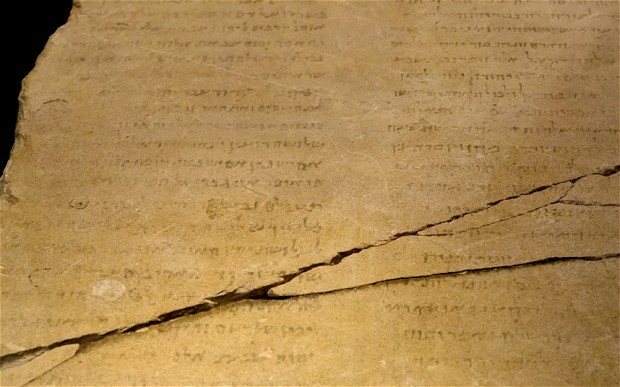
تم اكتشاف حجر “رؤية جبرائيل-חזון גבריאל” يبلغ طوله متر (3 أقدام) ، ومكتوب فيه 87 سطر ، ويرجع تاريخه الى أواخر القرن الأول قبل الميلاد. ترجم العالم الإسرائيلي (اسرائيل قنوهل-ישראל קנוהל) -وهو بروفيسور في الدراسات الكتابية بالجامعة العبرية بأورشليم- محتوى هذا الحجر والذي فيه تشكيلة من النبوات وتحكي عن مسيا قُتِل بواسطة الرومان آنذاك والمرجح انه سمعان من بيرية (شمعون) وهو ادعى كونه المسيح وتمرد على الرومان وقُتِل في هذا الوقت (4 قبل الميلاد) ، ورد في ذلك النقش عبارة مثيرة.
في السطر 80 לשלושת ימין חאיה אני גבריאל גו(זר) עליך في ثلاثة أيام تحيا ، انا جبرائيل أأمرك
علق البرفيسور اسرائيل على هذا النقش وقال أن هذا يُثبت ان فكرة المُخلِص المُتألم والذي سيموت وسيحيا في اليوم الثالث هي اعتقاد يهودي أصيل وتسبق عصر المسيحية.
شهادة من الاثار تثبت يهودية الإعتقاد موت المسيح وقيامته المعجزية بعد 3 ايام!
شهادة من الاثار تثبت يهودية الإعتقاد موت المسيح وقيامته المعجزية بعد 3 ايام!
شهادة من الاثار -ترجع الى ما قبل المسيحية- تثبت يهودية الإعتقاد بموت المسيح وقيامته المعجزية بعد 3 ايام !تم اكتشاف حجر…
المداخل المتاحة للدفاعيات – فتح الباب للإيمان – أليستر ماكجراث (الدفاعيات المجردة)
المداخل المتاحة للدفاعيات – فتح الباب للإيمان – أليستر ماكجراث (الدفاعيات المجردة)
يمكن تشبيه الدفاعيات بإزاحة الستار حتى يتمكن الناس من رؤية لمحة لما يختبئ وراءها، أو يرفع ماسة مقابل النور فتتلألأ وجوهها وتبرق عند سقوط أشعة الشمس عليها. فالدفاعيات تهتم بتأسيس مداخل للإيمان، سواءً تخيلنا هذه المداخل فتح أبواب، أو إزاحة ستار، أو إضاءة مصباح حتى يرى الناس بمزيد من الوضوح، أو استخدام عدسة تضع الأشياء في البؤرة.
والموضوعات الرئيسية في الدفاعيات هي تلك التي تتيح للناس رؤية الأشياء بوضوح، وربما للمرة الأولى، تساعدهم على اكتشاف الأفكار المضللة، فيدركون فجأة سر ما يتمتع به الإيمان المسيحي من قدرة على الإقناع على المستوى الفكري وجاذبية على المستوى التخيلي.
فالدفاعيات تقوم بمد الجسور التي يعبر عليها الناس من العالم الذي يعرفونه إلى العالم الذي يودون اكتشافه، وتساعدهم في العثور على أبواب ربما لم يسمعوا بها من قبل، فيرَون عالماً يفوقُ كل تخيلاتهم ويدخلون فيه. والدفاعيات تفتح العيون وتفتح الأبواب بتأسيس مداخل للإيمان المسيحي. فما هي المداخل التي نقصدها؟
حتى عهد قريب، كان الاتجاه السائد في الدفاعيات يعتمد على استخدام الحجج للدفاع عن الإيمان المسيحي بشكل عقلاني. إلا أن هذا الاتجاه كان يمثل إلى حد كبير استجابة لثقافة عقلانية اتخذت من التوافق مع العقل معيارًا للحق. وسنرى أن استخدام الحجة ما زال يمثل جزءًا لا يتجزأ من الدفاعيات المسيحية ولا يجب تهميشه أبدًا. إلا أن تراجع المذهب العقلاني في الثقافة الغربية أدى إلى الإقلال من أهميتها. وخلَق جوًا يتطلب إدراكَ جوانب أخرى في الإيمان المسيحي، وعلى رأسها ما يتمتع به من جاذبية عظمى على مستوى الخيال، والأخلاق.
والكُتاب المسيحيون القدامى، وخاصةً كُتاب العصور الوسطى وعصر النهضة، علقوا أهمية كبرى على الصور التشبيهية والقصص الكتابية في تعليم الأشخاص المخلصين، إلا أن صعود تيار الحداثة أدى إلى الحط من قيمة هذين العنصرين، بقدر ما أدى ظهور تيار ما بعد الحداثة إلى إعادة اكتشاف قوة تأثيرهما.
وقد أدى نمو تيار ما بعد الحداثة مؤخرًا إلى تأكيد أهمية القصة والصورة من جديد لأن كلاً منهما يجذب الخيال البشري بشكل خاص. وكل من له دراية بتاريخ الدفاعيات المسيحية لا يصعب عليه أن يدرك أن المدافعين القدامى كانوا يعتمدون اعتمادًا كبيرًا على هذين العنصرين باعتبارهما مداخل للإيمان، وخاصةً في عصر النهضة. ولذلك، فنحن بحاجة لاستعادة هذه الأساليب القديمة في الدفاعيات لخلق منهج متوازن يدافع عن الإيمان المسيحي ويبرز جماله في ظل ما تشهده ثقافتنا من تحولات.
وعلينا أن نكيف دفاعياتنا بم يتلاءم مع مستمعينا، مع الانتباه لوجود عدة نقاط للتلاقي بين الإنجيل والنفس البشرية. ويتضح أن العهد الجديد نفسه يُعنى بربط الإنجيل مع مفاهيم وخبرات المتلقين على اختلاف نزعاتهم. فإن كانت النفس تَعطش لله “كَأَرضٍ يَابِسَةٍ” (مز143: 6)، فكيف ترتوي؟ إن مهمتنا تحديد القنوات المتاحة التي تتدفق فيها مياه الإنجيل الحية فتنعش النفس البشرية وتغيرها، ثم استخدام هذه القنوات بأمانة وفاعلية. وفي هذا الفصل سأستخدم صورة المدخل لتساعدنا على فهم هذه المنهجيات المختلفة.
المداخل والدفاعيات: بعض الأفكار:
تُعتبر صورة الشمس والنافذة من أهم الصور التي استخدمها اللاهوتيون في العصور الوسطى لشرح ما تجريه نعمة الله من تغيير في النفس البشرية. وتُعَد كتابات “ألن الذي من لِيل” Alan of Lille (المتوفى سنة 1203) مثالاً جيدًا على هذا حيث يشَبه النفس البشرية بحجرة باردة مظلمة. ولكن عندما تُفتح النافذة على مصراعيها، يندفع نور الشمس إلى الحجرة فيشيع فيها النور والدفء.
إلا أن فتح النافذة لا يدفئ الغرفة ولا ينيرها، ولكنه يزيل حاجزاً من أمام القوة التي يمكنها أن تفعل ذلك، فسبب التغيير الحقيقي هو الشمس. وكل ما نفعله نحن أننا نزيل الحاجز الذي يمنع نور الشمس وحرارتها من دخول الحجرة.
وهذه الصورة تساعدنا على إدراك هذه الفكرة اللاهوتية، وهي أننا لا نتسبب في تغيير الناس وقبولهم للإيمان. ويؤكد “ألن” أننا نحن الذين لا بد أن نفتح نافذة عقولنا على مصراعيها، فتتمكن نعمة الله من العمل في حياتنا، وهكذا ينحصر دورنا في إزالة العوائق من أمام نعمة الله، أما تجديد نفوسنا فهو مهمة هذه النعمة الإلهية. إلا أن الصورة مهمة في مجال الدفاعيات أيضًا، فهي تُذكرنا أن الله هو من يغير النفوس، وتؤكد في الوقت نفسه أننا قادرون على تيسير هذه العملية بالمساهمة في إزالة الحواجز والعوائق التي تقف أمام نعمة الله.
والمدخل وسيلة تنفتح بها عيوننا على حقيقة حالتنا، وقدرة الإنجيل على تغييرها. ولكي نفهم هذه النقطة المهمة، تخيل أنك مصاب بتسمم في الدم، وحياتك ستنتهي في غضون ساعات لو لم تحصل على الأدوية اللازمة، ولكنك لا تعرف ما أصابك على وجه التحديد، ولا تعرف بوجود علاج لهذه الحالة. حاول أن تتخيل نفسك في ذلك الموقف. والآن فكِّر في الطرق التالية التي يمثل كلٌّ منها مدخلاً يؤدي إلى تغيير وضعك:
يخبرك طبيب من أصدقائك أن ما تعانيه هو تسمم في الدم، ويشرح لك أن هذه الحالة إن لم تعالج تؤدي إلى الوفاة، ويعطيك أسماء عدة أدوية ويخبرك بالمكان الذي تحصل عليها منه وبكيفية استخدامها.
يخبرك صديق آخر أنه أصيب بهذه الأعراض عينها، إلا أن شخصًا أخبره بدواء معين أنقذ حياته. يقترح عليك أن تجرب هذا الدواء. أي أنه يحكي لك قصته الشخصية التي تتقابل مع قصتك في هذه النقطة الحرجة.
الطريقة الأولى تمثل حجة تستند إلى أدلة، أما الثانية قصة تستند إلى خبرة شخصية يرى صاحبها أنها مطابقة للموقف الذي تمر به. ورغم أن كل أسلوب يختلف تمامًا عن الآخر، فكلٌّ منهما يمثل مدخلاً. كيف؟
أولاً، كلٌّ منهما يساعدك على رؤية الأمور على حقيقتها. ثانياً، كلٌّ منهما يتيح لك أن تدرك ما يجب فعله لتغيير الأوضاع. ثالثًا، كلٌّ منهما يشجعك على اتخاذ تلك الخطوة الحاسمة بالحصول على الدواء، وتناوله حتى تتحسن حالتك.
إن الدواء هو سبب شفائك، ولكنك لو لم تدرك حقيقة حالتك، وأنك تحتاج للدواء، لكان شفاؤك مستحيلاً. ونعمة الله هي الدواء، وبعد أن تُشفى بهذه النعمة يمكنك أن تساعد الآخرين على إدراك حاجتهم لها، ويمكنك أن تشهد عن قوتها. والله هو من يغير الناس ويأتي بهم للإيمان. أنت جزء صغير (ولكنه حقيقي) في عملية الشفاء هذه. ومن ثم، فما تقوله يمكن أن يمثل مدخلاً يسمح للناس برؤية الأمور من منظور مختلف، مما يساعدهم على تخيل طريقة جديدة للتفكير والعيش.
فما هذه المداخل المتاحة للدفاعيات المسيحية؟ سوف نبحث في هذا الفصل بعض الإمكانات المتوفرة للدفاعيات. وسنبدأ بأبسط الأساليب الدفاعية، ألا وهي شرح ماهية المسيحية.
المدخل الأول: الشرح:
أفضل دفاع عن المسيحية هو شرحها. أي أنك إن أردت أن تدافع عن المسيحية أو تبرز جمالها، فأفضل السبل لذلك أن تبدأ بتعريف الناس بماهية المسيحية، لأن الكثيرين لديهم مفاهيم خاطئة عن المسيحية تعيق قبولهم للإيمان.
ومن أروع الأمثلة على ذلك مثال يقدمه اللاهوتي العظيم القديس أغسطينوس الذي قبِل الإيمان بعد جولة طويلة في أراضي الفلسفة المجدبة.[1] كان أغسطينوس شابًا موهوبًا في الخطابة من شمال أفريقيا، وقد صاحب المانويين، وهي طائفة كانت شديدة الانتقاد للمسيحية، هكذا استقى جُل معرفته بالمسيحية من نقادها، لم تكن بالمعرفة الدقيقة. ورفض أغسطينوس المسيحية باعتبارها لا تستحق اهتمام شخص في ثقافته وذكائه.
وكان أغسطينوس طموحًا، فقرر أن يكون رجلاً ناجحًا في عاصمة الإمبراطورية، فغادر شمال أفريقيا متجهًا إلى روما. وبعد فترة وجيزة من وصوله، عُرِضَت عليه وظيفة خطيب عام في ميلانو، وهي المدينة الرئيسية في شمال إيطاليا. ونظرًا لإدراكه بأن هذه الوظيفة يمكن أن تمثل بداية لحياة مهنية ذات شأن في العمل المدني بالإمبراطورية، رحب أغسطينوس بالعرض. إلا أنه كان يعلم أيضًا أن تقدمه في المجال السياسي يعتمد على قدراته البلاغية. فمن يستطيع أن يساعده في تطوير هذه المهارات؟
اكتشف أغسطينوس بعد وصوله إلى ميلانو أن أمبروز Ambrose أسقف المدينة المسيحي مشهور ببراعته في الخطابة، فقرر أن يكتشف بنفسه ما إذا كان يستحق هذه الشهرة. فكان كل يوم أحد يتسلل إلى الكاتدرائية الكبيرة في المدينة ويستمع لعظات الأسقف. وفي البداية لم يكن اهتمامه بالعظات سوى اهتمام الشخص المتخصص الذي ينظر للعظة باعتبارها خطبة فخمة. ولكن محتوى العظات بداً يستحوذ عليه تدريجيًا.
اعتدت أن أسمع عظاته متحمسًا، ولكني لم أكن مدفوعاً لذلك بالدافع الصحيح، بل كنتُ أريد أن أختبر مهارته في الخطابة لأرى ما إذا كانت طلاقته أفضل مما قيل لي عنه أم أدنى… ولكني لم أكن مهتمًا بما يقول، وكانت أذناي لا تتجه سوى نحو أسلوبه في الخطابة… إلا أنه كما دخلت الكلمات التي أمتعتني إلى عقلي، هكذا دخلت المادة التي لم أكن أعبأ بها في بادئ الأمر، حتى إني لم أتمكن من الفصل بينهما. فبينما كنت أفتح قلبي لفصاحته، دخل معها أيضًا الحق الذي كان يعلنه.[2]
وكما يتضح من رحلة أغسطينوس الطويلة إلى الإيمان، نجح أمبروز (الذي أصبح أغسطينوس يعتبره واحدًا من أبطال اللاهوت) في إزالة عائق ضخم من طريق الإيمان. فقد أبطل مفعول الصورة المغلوطة التي روجتها المانوية عن المسيحية. وبعد أن استمع أغسطينوس لأمبروز بدأ يدرك أن المسيحية أكثر جاذبية وإقناعًا مما كان يظن بكثير. وهكذا أزيل عائق يقف أمام الإيمان. وبالرغم من أن أغسطينوس لم يؤمن بالمسيحية إلا بعد فترة، فقد كان لقاؤه مع أمبروز علامة بارزة على طريق البحث.
ولابد أن البعض ممن نلتقي بهم في خدمتنا الدفاعية يحمل أفكارًا مضللة ومشوهة تمامًا عن المسيحية. وهذه المفاهيم الخاطئة التي يلتقطها البعض دون وعي، والبعض الآخر ينشرها عن قصد، لابد من تحديدها وإبطال مفعولها بخطة مُحكمة مدروسة.
ننتقل الآن لنبحث ما قد يُعتبر أكثر مداخل الإيمان شيوعًا، ألا وهو استخدام الحجة المنطقية.
المدخل الثاني: الحجة:
تؤكد المنهجيات الكلاسيكية في الدفاعيات أهمية العقل في كلٍّ من بناء حجة فكرية تؤيد فكرة وجود الله، ونقد الأفكار المغايرة. وقد بحثنا فيما سبق دور الحجج في الدفاع عن وجود الله، ومنها:
الحجة المبنية على التصميم argument from design: وهي تَعتبر أن ملاحظة التصميم الموجود في العالم، مثل ما يميزه من “ضبط دقيق”، أو بنية معقدة يشير إلى أن الله هو المصمم (ص 99، 100).
الحجة المبنية على الإنشاء argument from origination: إن كانت للكون بداية، فهذا يعني أن له مسببًا أنشأه، وقد يكون هذا المسبب شخصًا أو شيئًا، وهو ما يشير تلقائيًا إلى فكرة الله في المسيحية باعتباره خالقَ كل شيء (ص 96- 98).
الحجة المبنية على الترابط argument from coherence: وهنا نركز على قدرة الإيمان المسيحي أن يقدم تفسيرًا لما نلاحظه في العالم المحيط ولما نختبره داخلنا (ص79- 86، 101- 103).
الحجة المبنية على الأخلاق argument from morality: تقول هذه الحجة باستحالة وجود قواعد ثابته وموثوق بها للقيم الأخلاقية إلا إذا كان لها أساس يتجاوز هذا العالم المادي، كإله بار مثلاً (ص 104-109).
وقائمة الحجج تطول، ولكن لابد أن نأخذ في اعتبارنا أن هذه الحجج لا يجب أن تُفهم على أنها “براهين” بالمعنى المنطقي الدقيق للكلمة. ولكن ما توضحه هذه الحجج بكل جلاء أن الإيمان بالله له أسباب وجيهة، أو أن الإيمان بالله له مبرراته، حتى وإن كان لا يمكن البرهنة عليه بشكل مطلق.
وكلمة “برهان” بمعناها الدقيق لا تنطبق إلا على المنطق والرياضيات، فكما يمكننا أن نبرهن على أن الكل أكبر من الجزء، يمكننا أن نبرهن أن 2+2 =4. إلا أنه يجب أن نحترس من الخلط بين “قابلية البرهنة” و”الحق”. ففي مطلع القرن العشرين أثبت عالم الرياضيات العظيم “كرت جودل” Kurt Gödel أنه بالرغم من كثرة ما نصوغه من قواعد الاستدلال، ستظل هناك بعض الاستدلالات التي لا تخضع لهذه القواعد، ومع ذلك فهي مقبولة.
أي أن هناك عددًا من الأفكار الصحيحة التي قد لا يمكننا إثبات صحتها،[3] وهذه الحقيقة تنطوي على معانٍ غاية في الأهمية من الناحية الفلسفية.[4]
ويمكن استخدام الحجج أيضًا في نقد بدائل الإيمان المسيحي وتقييمها، وذلك بإظهار عدم ترابطها على المستوى الفكري أو افتقارها لأساس من الأدلة يمكن الوثوق به. فقد أبرزنا مثلاً عبر صفحات هذا الكتاب قدرة الإنجيل على خلق معنى للأشياء.
ونحن بذلك لا نحصر جاذبية المسيحية في أبعادها العقلانية فحسب، لأنها غنية بالجوانب الوجدانية، والأخلاقية، والتخيلية، والوجودية. ويجب على المدافع الذي يتحلى بروح المسئولية أن يستفيد منها استفادة كاملة. ولا شك أن الكثيرين ينجذبون إلى الإيمان المسيحي بسبب قدرته على خلق معنى للأشياء.
ولكن ماذا عن بدائل المسيحية؟ ما مدى قدرة النظم المنافسة على خلق معنى للأشياء؟ هل تصمد أمام اختبار الاتساق التجريبي، أي هل تنجح نظرياتها في خلق معنى للملاحظة وللخبرة؟ وقد أكدنا في فصل سابق أهمية إظهار ما يميز الإيمان المسيحي من قدرة على خلق معنى لملاحظاتنا وخبراتنا. ولا يكفي هنا أن يقتصر المدافع على إظهار تفوق المسيحية في هذا الصدد، ولكنه لا بد أن يبين قصور البدائل الأخرى.
ويرجع الفضل في تصميم هذا الأسلوب لواحد من أهم المدافعيين الكتابيين في أمريكا الشمالية أثناء القرن العشرين، وهو “فرانسيس شِفَر” (1912- 1984). ويُبرز أسلوب “شِفَر” في الدفاعيات الكثير من النقاط التي تناولناها في هذا الكتاب.[5]
فهو يلفت النظر مثلاً لأهمية أخذ الجمهور في الاعتبار، والابتعاد عن استخدام منهج موحد للجميع: “إن أردنا أن نتواصل مع مستمعينا، لابد أن نصرف الوقت والجهد لنفهم لغتهم، حتى نوصل لهم الرسالة باللغة التي يفهمونها.”[6] أي أن المدافع لابد أن يستمع لجمهوره حتى يتعلم لغتهم ليتمكن من التواصل معهم بهذه اللغة.
ويبدو أن “شِفَر” اكتشف بنفسه أهمية الإصغاء لأفكار جمهوره ومخاوفهم وتطلعاتهم أثناء عمله المرسلي في المنطقة الناطقة بالفرنسية في سويسرا في أواخر الخمسينات وفي الستينات من القرن العشرين. ونظرًا لأنه كان يقيم في كوخ سويسري (اسمه “لابري” L’Abri وهو مشتق من الكلمة الفرنسية التي تعنى “مأوى” أو “ملجأ”) في قرية بجبال الألب تدعى “إيموز” Huemoz، فقد كان يستضيف الكثير من الطلاب الذين يتجولون في أنحاء أوروبا، ولاسيما الشباب الأمريكيين الذين كانون يتجولون في مختلف البلدان الأوروبية بحقيبة ظهر.
فكان يسمع آرائهم في الأفلام والروايات المعاصرة أو في الفلسفات الجديدة التي ظهرت آنذاك. وكان يتساءل كيف يمكن تقديم الكتاب المقدس بشكل يناسب الأفكار الوجودية العنيدة التي روجها الفلاسفة المؤثرون في تلك الحقبة مثل “جان بول سارتر” Jean Paul Sartreوكذلك “سورن كيركجارد”. وإذ استمع “شِفَر” لهؤلاء الطلاب وهم يُعبرون عن أفكارهم، اكتشف أنه يمكنه التفاعل معهم في مستواهم وبلغتهم، مستخدمًا صورًا توضيحية من عالمهم ليساعدهم على إدراك معقولية الإيمان المسيحي.
إلا أن أعظم إساهم قدمه “شِفَر” للدفاعيات يكمن في الأهمية التي يعلقها على تحديد مَواطن الصراع في الفلسفات غير المسيحية واكتشاف ما تنطوي عليه من معانٍ أشمل. والمقصود أن أي فلسفة حياتية ترتكز على افتراضات مسبقة معينة، فإن كانت هذه الافتراضات المسبقة من صنع الإنسان ولا تتضمن تفويضًا أو تخويلاً إلهيًّا، فلن تتمكن من التوافق مع بِنَى الكون الذي خلقه الله.
كلما كان مَن يؤمن بفكر غير مسيحي منسجمًا مع افتراضاته المسبقة، ابتعد عن العالم الحقيقي، وكلما اقترب من العالم الحقيقي، تَبدد انسجامه مع افتراضاته المسبقة.[7]
ويقول “شِفَر” إن كل شخص يعيش بإحدى قدميه في أحد العالمَين ويضع الأخرى في العالم الآخر: العالم الحقيقي الخارجي الذي يتميز بعمقه وتعقيده، وعالم داخلي من الأفكار يشكله الاشتياق للتفهم، والحب، والقيمة. فإن وُجِد صراع بين هذين العالمين، يستحيل على الفرد أن يحيا حياة لها معنى.
فلابد من وجود توافق بين خبرتنا في العالم الخارجي وعالمنا الداخلي.[8] ولذلك، يرجح “شِفَر” أن المدافع لابد أن يستخدم الحجة المنطقية لتحديد وكشف التناقضات والصراعات الداخلية التي تحويها الفلسفات الحياتية غير المسيحية. وهو يبين أنها تقوم على فرضيات أو افتراضات مسبقة لا تتسق مع الوجود الإنساني الحقيقي ولا تتوافق معه.
كل مَن نتحدث إليه، سواءً أكان بائعًا في متجر أم كان طالبًا جامعيًا، يحتفظ بمجموعة من الافتراضات المسبقة، سواء قام بتحليلها أم لم يقم… ويستحيل على أي شخص غير مسيحي أو جماعة غير مسيحية أن تتوافق مع النظام الذي تتبعه سواء على مستوى المنطق أو على مستوى الممارسة.
وعندما يحاول الشخص إخفاء الصراع، عليك أن تساعده على كشفه، وفي نقطة معينة سيكتشف عدم الاتساق. وعندئذٍ سيجد نفسه غير قادر على الاستمرار، وهذا الصراع ليس صراعًا فكريًا فحسب، ولكنه يقع في صميم الكيان الإنساني ككل.[9]
ومن ثم، على المدافع أن يساعد الفرد على إدراك هذا “الصراع” والشعور بقوته الفكرية والوجودية، وهو ما يتضمن مساعدته على اكتشافه أولاً، وتقدير أهميته ثانيًا. ويرى “شِفَر” أن البشر يَقُون أنفسهم من هذا الصراع بحمايتها داخل شرنقة فكرية تمنعهم من مواجهة ذلك الاكتشاف المزعج بأن أفكارهم لا تتفق مع الواقع. ويستخدم “شِفَر” صورة يقتبسها من شتاء سويسرا لوصف هذه الحالة، فهو يشبه هذه الشرنقة الفكرية بأسقف أكواخ جبال الألب التي تعمل كمصدات تحمي المسافرين من الانهيارات الثلجية:
فهو يشبه المصدات الكبيرة التي تبنى على بعض الممرات الجبلية لحماية العربات من انهيارات الصخور والحجارة التي تهوي من فوق الجبل من آن لآخر. وهذه الانهيارات الثلجية في حالة غير المسيحي هي العالم الحقيقي الساقط المشوه الذي يحيط بهم. وعلى المسيحي أن يزيل المصدة بحب ويسمح لحقيقة العالم الخارجي وحقيقة الإنسان بأن تصدمه.[10]
ومن ثم يمكن النظر إلى الدفاعيات باعتبارها نزعًا لسقف هذا الكوخ لإجبار الشخص على إدراك أن طريقة تفكيره عاجزة عن الصمود في مواجهة العالم الحقيقي الخارجي.
فكيف يمكن تطبيق هذا المنهج؟ يعطينا “شِفَر” مثالاً يوضح هذا الأسلوب جيدًا. فقد كان يتحدث إلى مجموعة من الطلاب في غرفة بإحدى الكليات في جامعة كامبردج. وبينما كان الماء يغلي لتحضير الشاي، ابتدره أحد الطلاب الهنود قائلاً إن المسيحية لا معنى لها. فسأله “شِفَر” عن عقيدته قائلاً: “ألستُ على صواب إن قلت إن القسوة وعدم القسوة متساويات في عقيدتك، وليس بينهما أي فارق أصيل؟” فوافقه الطالب. ثم يروي “شِفَر” ما حدث بعد ذلك:
الطالب الذي اجتمعنا في غرفته فهم جيدًا ما يعنيه اعتراف الطالب السيخي، فتناول الغلاية الممتلئة بالماء الساخن الذي كان سيعمل به الشاي، ووضعها أعلى رأس الشاب الهندي والبخار يتصاعد منها. فنظر الشاب لأعلى وسأله: ماذا تفعل؟ فأجابه بنبرة حاسمة باردة ولكنها مهذبة: “لا فرق بين القسوة وعدم القسوة.” وعندئذ خرج الهندي صامتًا واختفى في ظلام الليل البهيم.[11]
وأسلوب “شِفَر” يتسم بقوته وبقدرته على الوفاء بالعديد من الأغراض، مما يجعله صالحًا لعدد من المواقف المختلفة. خذ مثلاً الوضعية المنطقية Logical Positivism، وهي حركة فلسفية حققت نجاحًا كاسحًا في العالم الناطق بالإنجليزية في ستينات القرن العشرين. وقد أعلنت هذه الحركة أن كل العبارات الميتافيزيقية*، بما فيها ما يتعلق بالله، عديمة المعنى.
وكان الأساس الذي اعتمدت عليه هذه الفلسفة في ذلك هو “مبدأ التحقق” الذي قصر العبارات ذات المعنى على القضايا الصحيحة في حد ذاتها (مثل “كل العزاب غير متزوجين”) أو التي تتأكد بالخبرة (مثل “كان في الحديقة الأمامية لقصر “باكينجهام” ست إوزات الساعة 5:23 صباحًا يوم 1 ديسمبر 1968″). وتطبيق منهج “شِفَر” يتيح لنا أن نؤكد أن مبدأ التحقق نفسه عديم المعنى لأنه لا يتماشى مع المعيار الذي اعتمدته الوضعية المنطقية لقياس المعنى.
أو خذ مثالاً أبسط للهجمة الشرسة التي غالبًا ما نواجهها في جامعات أمريكا الشمالية: “لا يمكن أن تتأكد من أي شيء”. وهذه النظرة تهدف إلى الإطاحة برؤية “الصورة الكبرى” للواقع، كتلك التي يقدمها الإيمان المسيحي لأنها تعني أننا لابد أن نتشكك حتى في كل العبارات المؤكدة المختصة بالحياة.
ولكن من الواضح أن هذا التصريح ذاتي المرجعية يعتمد في صدقه أو كذبه على ذاته self-referential، ويمكن تقويضه والقضاء عليه بطرح سؤال بسيط ردًا عليه: “هل أنت متأكد من ذلك؟” وهكذا فإن المنطق الذي يقوم عليه الادعاء هو نفسه الذي يُسقطه.
إلا أن هذا لا يعنى أن مهمتنا هي مجرد الفوز بالمجادلات أو تقديم المؤهلات العقلانية للإيمان. فمما يؤسف له أن تأثير حركة التنوير على الثقافة الغربية لم يختفِ، ولا سيما في الإصرار على تقديم براهين تثبت صحة العقائد، مما نتج عنه تقديم الدفاعيات المسيحية باعتبارها مجرد بناء حجج فعالة تهدف لإقناع الناس بصحة الإيمان المسيحي. إلا أن الخطورة في ذلك أنه قد يؤدي إلى إظهار المسيحية على أنها مجموعة من الحقائق الجامدة والأفكار المجردة. ولذلك، فإن هذا المنهج ينطوي على ثلاث صعوبات.
أولها، أنه ليس مؤسسًا على الكتاب المقدس كما يجب. فالحق، ولاسيما في العهد القديم، يركز في المقام الأول على المصداقية والثقة. والقضية الأساسية في الدفاعيات تتلخص في أن الله هو قاعدة أمان، وأنه أساس آمن تُبنى عليه حياة الإيمان. أي أن “الإله الحقيقي” ليس مجرد إله موجود، بل إله يمكن الاعتماد عليه. والنظرة العقلانية التي تعتبر الحق هو كل افتراض تَثبت صحته تستبعد النظرة الكتابية التي تعتبر الحق مفهومًا علاقاتيًا.
والمشكلة الثانية أن جاذبية الإيمان المسيحي لا يمكن أن تقتصر على منطقية عقائده. ولكن المسيحية تستند بقوة على الخيال أيضًا. كما توضح كتابات “سي. إس. لويس.” وعندما كان “لويس” شابًا وجد نفسه يتوق إلى عالم له معنى، يشتعل حبًا، ويفيض جمالاً، ولكنه اقتنع أن هذا العالم لم ولن يوجد: “كنت أؤمن أن كل ما أحبه تقريبًا وَهم، وتقريبًا كل ما آمنت بأنه حقيقي رأيته منفرًا وبلا معنى.”[12]
لقد أخبره خياله بوجود عالم أفضل، ولكن عقله أخبره أنه كلام فارغ. فلم يجد أمامه خيارًا سوى مواجهة عالم مجدب مجرد من المشاعر، ومواجهة وجوده الخالي من أي معنى.
وأخيرًا اكتشف “لويس” عقلانية الإيمان المسيحي، إلا أن انجذابه للإيمان كان سببه أن الإنجيل يقدم معنى، وليس لأنه يُعبر عن افتراضات صحيحة. وقد علق “لويس” على هذا قائلاً: “إن العقل هو الأداة الطبيعية للحق، ولكن الخيال هو أداة المعنى.”[13] وجاذبية الإيمان المسيحي عند البعض تتمثل في جمال عبادته، أو في قدرته على التلامس مع المشاعر الإنسانية، أو في نتائجه الأخلاقية.
أما ثالث هذه المشكلات فهي أن المنهج العقلاني يقوم على نظرة حداثية. إلا أنه في معظم أنحاء العالم الغربي اليوم، حل اتجاه ما بعد الحداثة مكان الحداثة، مما يقلب الكثير من المعتقدات المحورية للحداثة رأسًا على عقب. فالاستناد إلى الصفة العقلانية الأصيلة في الإيمان ينجح في إطار حداثي، ولكن في أطر ثقافية أخرى، قد يفشل هذا المنهج نفسه الذي يقوم على الحجة والمنطق فشلاً ذريعًا في التلامس مع التطلعات والأفكار الثقافية المسبقة.
وكما سنرى في قسم لاحق من هذا الفصل، أن ميل ما بعد الحداثة للقَصص أكثر منه للحجة يتيح فرصًا عظيمة للدفاعيات الكتابية نظرًا لأن الأشكال القصصية تملأ صفحات الوحي.
ولكننا مع ذلك، ما زلنا نؤكد منطقية الإيمان ونشدد عليها، دون أن نحصره فيما يمكن للمنطق أن يبرهن عليه بشكل قاطع. فأسئلة الحياة الجوهرية تتجاوز حدود العقل بكثير، ومن هذه الأسئلة: من أنا؟ هل أنا مهم فعلاً؟ لماذا أنا هنا؟ هل يمكنني أن أُحدث اختلافًا؟[14] وهي أسئلة لا يمكن للعلم ولا للمنطق البشري الإجابة عنها.
ومع ذلك، إن لم يجد المرء إجابات لهذه الأسئلة، تصبح حياته بلا معنى. وعلينا نحن المدافعين أن نبين أن الإيمان المسيحي يقدم إجابات لأسئلة الحياة الجوهرية، وهي إجابات منطقية من ناحية، وناجحة على المستوى العملي من ناحية أخرى. فكما هو مهم أن نُظهر أن المسيحية صحيحة، مهم أحيانًا أن نُظهر أنها حقيقية.
المدخل الثالث: القصص:
إن تركيز تيار ما بعد الحداثة على القصص يمثل أهمية خاصة في الدفاعيات. فقد كانت الحداثة تنظر بعين الريبة للقصة في التعامل مع الواقع. ومن ثم، سعت لإجهاضها أو التخلص منها بالاستناد إلى التحليل أو الحجة العقلانية، بحيث تتحرر تمامًا من قيود عشوائية التاريخ الأليمة. وقد انعكس ذلك بكل وضوح في تفسير الكتاب المقدس. وكما أشار “هانس فري” Hans Frei (1922- 1988) أستاذ اللاهوت في “جامعة ييل” Yale University، مختزلاً ما به من روايات تاريخية وأشكال قصصية (كأمثال المسيح) إلى أفكار مجردة من الزمن.[15] وكان يُنظر إلى القصة كأنها قشرة مزعجة غير مستحبة تغطي على الجوهر الفكري والأخلاقي للكتاب المقدس.
إلا أن تيار ما بعد الحداثة شهد استعادة للاهتمام بالقصة الكتابية بما فيها الأشكال القصصية الخاصة كالأمثال التي رواها يسوع ليُعَلم الجموع عن ملكوت الله. ولم يعد إثبات الحق يتوقف على الحجة، ولكن بدأ يُنظر للقصص على أنها قادرة على تكوين هوية مميزة من الناحية الأخلاقية والمفاهيمية.
فالمسيحية تعلن عن عالم يتشكل بالقصص وهي تسكن في هذا العالم، والأساس الذي يشكل أفكار هذا العالم وقيمه هو قصة تعاملات الله مع شعبه التي تبلغ ذروتها في قصة يسوع الناصري. وهكذا فالمسيحية في أساسها ليست مجرد مجموعة أفكار.
منذ حوالي سبعينات القرن العشرين، تزايد الاهتمام بدراسة دور القصة في كلٍّ من اللاهوت والفلسفة، وعلى صعيد الفلسفة الإنجليزية والأمريكية، ظهر بعض الكُتاب البارزين أمثال “بول ريكور” Paul Ricoeur وكذلك “ألاسدير ماكينتاير” وأيضًا “تشارلز تيلور” الذين تصدوا لتقديم معالجات جادة لما ينطوي عليه القَصَص من موضوعات أساسية. فقد درس “ريكور” القصة بوصفها أساسًا لكل صور فهمنا للعالم وبوصفها إطارًا يعيش فيه البشر. ويقول “ماكينتاير” بأن قرارات حياتنا تتشكل وتترتب بناءً على فهمنا لها باعتبارها تشكل جزءًا في “قصة” (أو تقليد) أكبر.
وهو يقول “لا يمكنني أن أجيب عن سؤال “ماذا يجب أن أفعل؟” إلا بعد أن أجيب عن سؤال أسبق، وهو “ما هي القصة التي أشكل جزءًا منها؟”[16] وكما سنرى، يمكن أن تمثل هذه المنهجيات قيمة عظمى للدفاعيات المسيحية.
والكثيرون اليوم يؤيدون الرأي الذي يقول بأن القصص هي المنظار الأساسي الذي يرى البشر الواقع من خلاله. فنحن نرى العالم باعتباره قصة تجيب عن الأسئلة المحورية المختصة بالوجود، والهوية، والمستقبل.
وهذه القصص يمكن أن تجيب عما يسميه الفيلسوف “كارل بوبَر” Karl Popper “الأسئلة العليا” “ultimate questions” وهو بذلك يريدنا أن نفهم المسائل الكبرى التي تتناول “معنى الحياة”، ومنها تلك التي يطرحها “روي بوميستر” Roy [17]Baumeister، وهي التي تتعلق بالهوية، والغرض، والتكليف، والقيمة وتتخذ شكل أسئلة مثل: “من أنا؟” “ما هدف الحياة؟” ” ماذا أفعل لأُحدث فرقًا؟”
وقد أدرك البشر من قديم الزمان الأهمية الثقافية والفكرية لوجود قصة تفسيرية شاملة. وغالبًا ما يستخدم مصطلح “الأسطورة” في المجال الأكاديمي للإشارة إلى هذه القصص التفسيرية التي تشرح الواقع والهوية الشخصية والاجتماعية. (عادةً ما يساء فهم مصطلح “الأسطورة” على أنه “قصة غير حقيقية”، إلا أن هذا المعنى ليس هو المقصود هنا). ولكن كما أشار “لويس” وآخرون، كلمة “أسطورة” تشير أساسًا إلى قصة عن العالم تُمكن الأفراد من فهمه والعيش فيه.
وهذه “الأساطير” تمثل العدسات التي ينظر بها أي مجتمع للعالم، فهي تقدم إطارًا يسهم في حل التناقض بين الخبرات العديدة ويعمل على خلق رابطة بينها.
والقصة المسيحية عند “لويس” التي يعتبرها المنحة الإلهية التي تكمل وتتوج المحاولات البشرية الأخرى في صنع الأسطورة، تمثل أعلى وأسمى قمة نرى منها الحقيقة ونفهمها. فالقصة المسيحية عن الخلق، والسقوط، والفداء، ونهاية الزمان تعطي معنى لكل القصص الأخرى التي نرويها عن هويتنا وغاياتنا الحقيقية. إنها القصة الأم، الرواية العليا التي تضع سائر الروايات المختصة بأصل الإنسان ومصيره في مكانها الصحيح.
ويؤكد هذه النقطة أستاذ العهد الجديد والمدافع البريطاني ” ن. ت. رايت” N.T. Wright الذي يقول إننا عندما نروي قصة الكتاب المقدس كاملةً فنحن بذلك نعلن النظرة المسيحية للواقع وفي الوقت نفسه نتحدى البدائل العلمانية الأخرى. فبروايتنا لقصة الكتاب المقدس
مؤكد أننا نتحدى جوانب عديدة في نظرة العالم للأمور (أي نظرته للسلطة والقوة). ونقوض نظرته لماهية العالم ولغرضه بالكامل، ونقدم نظرة جديدة للعالم بأفضل طريقة ممكنة.[18]
والكتاب المقدس عند “رايت” يتحدى طرق التفكير الأخرى ويبرز جمال طريقته ويجسدها بوضوح. وهو يروي قصة تجيب عن أربعة أسئلة أساسية:
من نحن؟ الكتاب المقدس يخبرنا أننا بشر مصنوعون على صورة خالقنا، ولا نكتسب هويتنا الجوهرية من العنصر الذي ننتمي إليه، ولا النوع، ولا الطبقة الاجتماعية، ولا الموقع الجغرافي.
أين نحن؟ نتعلم من الكتاب المقدس أننا نحيا في عالم حسن وجميل، ولكنه مؤقت. وقد خلقه الله الذي نحمل صورته.
ما المشكلة؟ نفهم من الكتاب المقدس أن البشرية تمردت على خالقها، وبالتالي انحرف العالم عن القصد المخلوق له.
ما الحل؟ يطمئننا الكتاب المقدس أن الله عمل، ويعمل، وسوف يعمل في الخليقة من خلال المسيح يسوع والروح القدس ليتعامل مع الشر الذي نتج عن تمرد البشرية، وليصل بعالمه إلى الغاية التي صنعه من أجلها، ألا وهي أن يكون في توافق تام مع حضوره ومجده.[19]
وتطالعنا أعمال الروائي “ج. ر. ر. تولكين” بنظرة مشابهة. وقد عُرف “تولكين” بدفاعه المستميت عن الدور المحوري الذي تلعبه الأسطورة في خلق معنى للواقع وبمحاولته أن يطبق هذا الفكر في ثلاثيته الملحمية “ملك الخواتم” The Lord of the Rings.[20] ووفقًا لهذا النهج، تظهر قدرة القصة المسيحية الكبرى على تفسير الأمور في تَمَكُّنها من وضع غيرها من القصص الكبرى في موقعها الصحيح، وتفسيرها، وشرحها. والقصة المسيحية، مثل سائر القصص، لا يمكن “البرهنة عليها” بالوسائل الموضوعية منطقية كانت أم علمية.
بل يجب تقييمها بناءً على قدرتها أن تخلق للأشياء معنى أعمق من منافساتها الحالية أو التي قد تظهر فيما بعد، وذلك ببساطتها، وأناقتها، وسهولة فهمها، وقدرتها على خلق معنى يتجاوز حدودها.
فكيف نستفيد من عودة الاهتمام بالقصة في محاولتنا لفهم كيفية تقديم الإيمان المسيحي لثقافتنا؟ سأطرحُ هنا بعض الأفكار الشخصية. عندما كنت أصغر سنًا كنت أعتقد أن أفضل طريقة لمساعدة الآخرين على اكتشاف حق المسيحية المدهش هو مناقشتهم بالحجة. أي إقناعهم بأن المسيحية صحيحة وحق. وباختصار، كونت ما يطلق عليه الكثيرون اليوم منهجًا “حداثيًا”. ولكني اليوم أوصل حق الإنجيل بطريقة مختلفة. فأنا أحكي قصة قبولي للإيمان.
لماذا؟ لأن القصة أكثر تشويقًا من أي حجة، ولكن السبب الأهم أن قصتي تبين أن المسيحية حقيقية، أي أنها قادرة على تغيير حياة البشر، وإعطائهم أسباب جديدة للحياة ورجاء أكيد للمستقبل. فالقصة تدور حول فلسفة حياتية أصبحت تمثل نظرة شخصية في حياة صاحبها، وهي قادرة على التجديد والتغيير والاستثارة. وروايتي لهذه القصة الشخصية تؤكد أن الإنجيل حقيقي في حياتي.
إننا نعيش في عالم تشكله القصص. بالإضافة إلى أن “القصص الكبرى” قادرة على إضفاء معنى على العالم وعلى خلق علاقة مفيدة بين من يلاحظ الأحداث والأحداث نفسها. وهذه القصص عبارة عن شباك من المعاني نحكيها لنجمع فيها خبراتنا الشخصية ونحتفظ بها، ولنختزن فيها المعنى الذي نرى أنها تنقله أو تنطوي عليه.
والمسيحية تروي واحدة من هذه القصص، والإلحاد الجديد يروي قصة أخرى، وهناك قصص لا تحصى يرويها أولئك ممن لديهم أغراض يريدون تنفيذها، ورؤى ينشرونها، ومصالح أو أغراض شخصية يروجونها. إن القصص تحدد أماكن الحقائق بوضعها في إطار قصصي.
والآن بعد أن وضعنا أساسًا نظريًا لتأكيد أهمية القصص في الدفاعيات، سنتناول كيفية استخدامها. وسنبدأ بعد قليل بقصتين تُستخدمان في تدعيم الدعاوى التي يقيمها بعض الكُتاب ضد المسيحية، وسنرى كيف يمكن نقدهما.
على الدفاعيات المسيحية أن تنقد وتُقَيم غيرها من القصص الكبرى، مثل القصص العلمانية التي تعمل على تقويض المسيحية أو تهميشها. ولكنها لابد أن تُقدر في الوقت نفسه ما تتضمنه المسيحية من قصص خاصة بها. فالقصة المسيحية الكبرى عن الخلق، والسقوط، والفداء، ونهاية الزمان تساعدنا أن نفهم معنى العالم، كما أشار “لويس” وغيره. ولكن هذه كلها “قصص كبرى” فماذا عن القصص العادية؟ وكيف يمكن استخدامها في الدفاعيات المسيحية؟
أَوضَحُ نموذج يمكننا البدء به هو أمثال المسيح. فاستخدام الرب يسوع للقصص حتى يتفاعل مع مستمعيه لم يكن من قبيل الصدفة، ولكن هذه القصص كان لها غالبًا أساس في الحياة اليومية للمجتمعات الريفية والزراعية التي سادت فلسطين في القرن الأول. وقد كانت قصصًا غاية في السهولة تجذب انتباه المستمعين وتثير خيالهم. وكلُّ من هذه الأمثال يحمل داخله قدرة دفاعية هائلة يجب اكتشافها وفهمها، بل استخدامها. وإذا استُخدمَت هذه الأمثال بحكمة فإنها تتمتع اليوم بذات التأثير الذي كانت تتمتع بها عندما قيلت لأول مرة.
والمدافع الحكيم هو من يدرس الأمثال الرئيسية ويسأل هذه الأسئلة المحورية: كيف تساعدني هذه القصة في توصيل الإنجيل؟ كيف تساعدني على التواصل مع هذه الفئة؟ فالقضية هنا ليست دراسة ما في المثل من صور ومفردات في ضوء الديانة اليهودية إبان القرن الأول، بل اكتشاف وسائل لاستخدامه دفاعيًا اليوم.
ولنأخذ مثالاُ لوضيح هذه النقطة، وليكن تلك القصة المعروفة التي عادةً ما يشار إليها باسم “مثل اللؤلؤة كثيرة الثمن.”
بالرغم من صياغة القصة بأقل عدد ممكن من الكلمات (خمس وعشرون كلمة فقط في الأصل اليوناني)، فالخيال البشري يمكنه بسهولة معالجتها وتذوق تأثيرها. والخبرة البشرية تؤكد صحتها. بالإضافة إلى أنه من السهل البناء عليها وتطبيقها. فكيف نستخدمها في الدفاعيات؟ سأعرض لك كيف أستخدمها، وأترك لك الحرية في تطويرها:
إننا جميعًا نبحث عن شيء له قيمة في الحياة. إلا أننا غالبًا ما نكتشف أن الأشياء التي كنا نظن أنها ستسعدنا وتفرحنا لا تفعل ذلك، فنشعر أنه ما من شيء يمكنه أن يمنحنا الفرح والسلام. ولكن يسوع روى قصة عن هذا الموضوع. فقد قال إن تاجرًا وجد لؤلؤة ثمينة كانت معروضة للبيع، فقرر أن يبيع كل شيء ليحصل عليها. لماذا؟ عندما رأي التاجر تلك اللؤلؤة المميزة أدرك أن كل ممتلكاته باهتة وتافهة مقارنةً بها. وكما يغطي لمعان الشمس على لمعان النجوم، فلا يُرى إلا ليلاً، هكذا أتاحت هذه اللؤلؤة الثمينة للتاجر أن يرى ممتلكاته من منظور مختلف.
فما كان يظن أنه سيشبعه ثبت أنه يكشف عدم شبعه، ويثير اشتياقه لشيء لم يكن في متناوله. ولكنه رأى تلك اللؤلؤة المتميزة، فأصر أن يحصل عليها، لأنها شيء عظيم القيمة، شيء يستحق الامتلاك، حتى إن كل مقتنياته الأخرى تبدو قليلة القيمة مقارنةً بها. هذا هو الإنجيل عندما تكتشفه لأول مرة. إنه شيء في غاية الروعة حتى إنه يتفوق على كل ما عداه.
وهنا نرى مثالاً لاستخدام قصة كتابية لتوضيح نقطة دفاعية مهمة. إلا أن القصص الكتابية يمكن أن تُستخدم أيضاً لتكوين أطر تقدم معاني أو تفسيرات يمكن استخدامها لإضفاء معنى على الحياة. وعندما نستخدم القصص ندعو المستمع للدخول في القصة ونسأله عما إذا كانت تعطي معنى لخبراته وملاحظاته.
ولكن ليست كل القصص الكتابية تلقي الضوء على نقاط محددة بهذا الشكل. فبعض القصص تتيح لنا أن نرى خبراتنا الحياتية وملاحظاتنا من منظور مختلف. ولتوضيح هذه الفكرة سنأخذ قصة من أعظم قصص العهد القديم، وهي قصة السبي البابلي وَرَدّ مسبيي أورشليم إلى أرضهم بعد سقوط الإمبرطورية البابلية.
وتُعتبر قصة السبي البابلي سنة 586 ق. م من أهم قصص العهد القديم. ففي سنة 605 ق.م هزم الإمبرطور البابلي نبوخذ نصر الجيوش المصرية التي تجمعت في كركميش، وهكذا أسس بابل باعتبارها أعلى قوة عسكرية وسياسية في المنطقة. إلا أن يهوياقيم ملك يهوذا تمرد على الحكم البابلي، فقامت القوات البابلية بغزو يهوذا، وهو ما فسره الكُتاب آنذاك بكل وضوح باعتباره تنفيذًا للقضاء الذي أخبر به الرب على شعبه الخائن وملكهم.
وفي مطلع سنة 597 ق.م استسلم كلٌّ من الملك، والعائلة المالكة، ومستشارو البلاط الملكي لقوات الحصار. وتم ترحيلهم إلى بابل مع عدة آلاف من المسبيين غيرهم. ثم حدثت موجة أخرى من الترحيلات سنة 586 ق.م ولم يحصل اليهود على حريتهم في العودة إلى أرضهم إلا بعد سقوط بابل أمام الفرس سنة 539 ق.م.
وغالبًا ما تستخدم هذه القصة التاريخية المؤثرة لخلق معنى للوضع البشري. فمن منظور مسيحي، يرمز وضع اليهود أثناء سبيهم في بابل لحالة البشر. وذلك لأن اليهود لم يكونوا ينتمون لبابل، ولكنهم كانوا مسبيين يتوقون للعودة إلى أرضهم. ومزمور 137 يرسم صورة تنبض باشتياقهم للعودة وتعبر عن ذكرياتهم المرتبطة بأرضهم: “عَلَى أَنْهَارِ بَابِلَ هُنَاكَ جَلَسْنَا، بَكَيْنَا أَيْضًا عِنْدَمَا تَذَكَّرْنَا صِهْيَوْنَ.” (ع1).
إن هذا الإطار يعطي الحياة الإنسانية معنى. فليس المفترض أن نكون هنا، وهذه الأرض ليست وطننا، ولكننا ننتمي لوطن آخر. ومازلنا نحمل في أعماقنا ذكرى هذا الوطن التي لا تستطيع قوة في الوجود أن تمحوها. إننا نتحرق شوقًا للعودة إلى وطننا، ونحيا على رجاء أننا يومًا ما سنكون في الوطن الذي ننتمي إليه بالفعل. إن هذا الإطار يشير إلى مصدرنا الحقيقي ومآلنا، ويعطي معنى للشوق والتوق العميق الذي تتناوله “الحجة المبنية على الرغبة.”
ولكن ماذا عن القصص التي تتحدى المسيحية؟ سنستعرض قصتين تهدفان لهدم المصداقية التاريخية لأهمية يسوع الناصري كما يصورها التقليد المسيحي. أولهما “شفرة دافينشي” The Da Vinci Code (2003) لكاتبها “دان براون” Dan Brown، والثانية “يسوع الصالح والمسيح الشرير” The Good Man Jesus and the Scoundrel Christ (2010) لمؤلفها “فيليب بولمان” Philip Pullman. ما المنهجيات التي يتبعها كلٌّ منهما؟ وكيف نرد عليهما؟
إن القصص تدعونا لنتخيل عوالم بديلة ونقارنها بعالمنا: أيهما أكثر معقولية؟ وأكثر جاذبية؟ وتجدر الإشارة إلى أن إعادة قراءة التاريخ بشكل مختلف عادةً ما يكون وراءها دوافع هجومية أو أخلاقية، ومنها على سبيل المثال تصوير شخصية تاريخية خبيثة بشكل أفضل، أو شخصية محبوبة بشكل أسوأ. فرواية “أنا كلوديوس” I, Claudius (1934) مثلاً لكاتبها “روبرت جرفز” Robert Graves تتعاطف مع الإمبرطور الروماني كلوديوس (10ق.م – 54 م) وترسم له صورة إيجابية، وهو شخص كان يُنظر إليه في التاريخ على أنه رجل أحمق لا يضر ولا ينفع.
إلا أن “جرفز” يبرز كلوديوس على أنه يروج هذه الصورة عمدًا حتى يخدع الآخرين فيضمن بقاءه في زمن ملئ بالمخاطر السياسية.
وقد تَمكَّن كتاب “دان براون” الذي صدر سنة 2003 من تحقيق نجاح باهر واستحوذ على انتباه قرائه بفضل حبكته المتقنة التي تروي بداية تاريخ المسيحية بدرجة عالية من المعقولية حتى إن القارئ لا يلحظ التحريفات الجذرية المدسوسة في الكتاب ببراعة. (والطبعات الأولى من الكتاب كانت بحمل على غلافها كلمة “رواية” تحت العنوان. ولكنها حُذفَت فيما بعد). والقصة المحورية في هذا الكتاب تتلخص في أن الكنيسة اخترعت صورة خاصة بها ليسوع وجعلت منه إلهًا وفرضت هذه الصورة بالمؤامرة السياسية والتهديد بالعنف. ويصور “براون” الإمبراطور قسطنطين على أنه شخص مكيافلي انتهازي يغير طبيعة المسيحية لتخدم أغراضه السياسية.
ويروي “براون” قصة خداع وقمع تنتهي بكشف “الحق” وتحرير الناس. ويركز جزء كبير من القصة على بداية تاريخ المسيحية، فيروي أن الإمبراطور قسطنطين أراد للمسيحية أن تكون الديانة الرسمية للإمبراطورية الرومانية، ولكنه أدرك أنها تحتاج لنوع من إعادة الصياغة حتى تفي بهذا الغرض. ومن ثم، كان لابد من رفع رتبة يسوع الناصري بحيث لا يظل ذلك المعلم الريفي الفلاح، فأعلن فسطنطين أن يسوع هو الله. وقد استلزم ذلك الحصول على عدد مناسب من الأصوات والتلاعب في النصوص.
ويتم إطلاع القارئ على هذه الأسرار في شخصية السير “لي تيبينج” Sir Leigh Teabing الذي يعلم بهذه الخفايا التاريخية، فيصرح بأنه لم يكن أحد يعتقد أن يسوع هو الله حتى مجمع نيقية سنة 325 عندما طُرحَت المسألة للتصويت، وحصلت على غالبية الأصوت بفارق ضئيل. وتُصدم “صوفي نفو” Sophie Neveu المتخصصة في فك الشفرات عندما تسمع هذا الكلام وتقول في حالة من الذهول: ” لست أفهم ما تقول. هل تتحدث عن ألوهيته؟”
صرح لها “تيبينج”: “عزيزتي، حتى تلك اللحظة، كان أتباع يسوع يتعتبرونه نبيًا فانيًا مثل كل البشر… رجل عظيم مؤثر، ولكنه إنسان، فانٍ”.
[قالت “صوفي”]: “ليس ابن الله؟”
أجاب “تيبينج”: “بلى. فكرة أن يسوع “ابن الله” طُرحَت رسميًا للتصويت في مجمع نيقية.”
ويشرح “تيبينج” كيف حظر قسطنطين الأناجيل التي تحدثت عن يسوع بلغة إنسانية بحتة، ولم يسمح إلا بالأناجيل التي تشير إلى ألوهيته.[22]
ويتم تعريف القارئ بالحقائق المحظورة الخطيرة التي تتعلق بتاريخ الكنيسة ويركز الكاتب بشكل خاص على جماعة يلفها الغموض تعرف باسم “جمعية سيون” Priory of Sion ويقدمها باعتبارها حارسة لأحد الأسرار الخطيرة. ويخبر “براون” قراءه بأن هذه “الجمعية” هي جماعة سرية تكونت سنة 1099 ومازالت موجودة حتى اليوم ويؤكد لهم أن هذه حقائق ثابتة.
والحقيقة أن هذا كلام خاطئ بكل المقاييس، لأن “جمعية سيون” عبارة عن منظمة اخترعها “بيير بلانتار” Pierre Plsntard (1920- 2000) سنة 1956، وقد كان “بلانتار ” بارعًا في تأليف القصص الخيالية، فنسج قصصًا غاية في الإتقان عن هذه الجماعة التي اخترعها وربط بينها وبين أحداث من العصور الوسطى والأرض المقدسة.[23] أي أن الموضوع لا يمت بصلة لأي نوع من الحقائق.
ولست أعرف أي سند تاريخي ذا قيمة يؤيد أيًا من الأفكار الرئيسية التي تقوم عليها “شفرة دافينشي” التي يمكن تفنيدها جميعًا بمنتهى السهولة. ولكن مربط الفرس أن “براون” يروي قصة يتمنى الكثيرون أن تكون صحيحة ويدعوهم أن يصدقوها. وقصة “براون” تقوض الفكر المسيحي التقليدي في أذهان عموم القراء بتصويره لهذا الفكر على أنه نشأ من إساءة ممارسة السلطة والرغبة في قمع العناصر الأنثوية للإيمان.
والقصة “تُعرفنا” بأن الحقيقة هي أن يسوع تزوج مريم المجدلية وأن ابنتهما أنجبت نسلاً ملكيًا في فرنسا. وقد قال “براون” ردًا على الانتقادات الكثيرة التي تناولت الأخطاء التاريخية الفادحة في روايته إن كل ما فعله أنه وضع الكلمات في أفواه شخصيات الرواية وترك القارئ يفهم منها ما يفهمه.
وتكمن جاذبية منهج “براون” في المقام الأول في قدرته على الهدم. فالقصة مكتوبة بأسلوب ركيك يبدو أن معظم القراء يتقبلونه خاصةً مع سرعة توالي الأحداث. وهي من حيث الأسلوب على النقيض تمامًا من “يسوع الصالح والمسيح الشرير” لكاتبها “فيليب بولمان” التي صدرت سنة 2010.[24] فأسلوب “بولمان” يتبع نوعًا ما أسلوب ترجمة الملك جيمز King James للكتاب المقدس، وهو يتميز بفصاحة لا نجد لها أثرًا في أسلوب “براون” الممل الركيك.
وكتاب “بولمان” يعيد سرد قصة الإنجيل في قالب تخيلي يحتفظ بالأسلوب الأصلي للأناجيل ولكنه يغير المحتوى تغييرًا جذريًا. وتنطوي إعادة صياغة القصة بهذا الشكل على تقديم فرضية محورية يبني عليها “بولمان” أطروحته. فهو يصور مريم على أنها فتاة تعاني من ضعف قدراتها العقلية وصعوبات في التعلم، يخدعها أحد الرجال لتنام معه مؤكدًا لها أنه ملاك، فتلد توأمين، يسوع والمسيح، ولكن العلاقة بينهما تسوء منذ سن مبكرة.
كان يسوع رجلاً تقيًا، وواعظًا متجولاً يكرز بملكوت الله وينتظر من أتباعه أن يتغيروا أخلاقيًا. ويخبرنا “بولمان” أن يسوع، كأي كارز بروتستانتي ليبرالي من القرن التاسع عشر، لم يصنع معجزات بالمعنى المفهوم. ولكنه كان يجعل الأمور تحدث بشكل طبيعي. فما الذي حدث في إشباع الخمسة الآلاف؟ كل ما في الأمر أنهم تقاسموا ما كان معهم من طعام.
وهكذا يتضح أن يسوع شخص صالح ينتمي إلى عالم مثالي غير عالمنا ولا يحتك بواقع السلطة السياسية. إلا أن المسيح مختلف. فهو يلتقي بشخصية غامضة اسمها “الغريب” The Stranger تزرع في عقله فكرةَ أن يعيد كتابة قصة يسوع وتعاليمه على نحو يجعلها أكثر جاذبية وأطول عمرًا.
والنتيجة إنجيل أسطوري كُتِب أصلاً لأسباب تافهة بقلم توأم يسوع المزعوم. وما يريد “بولمان” أن يشير إليه من طرف خفي أن إنجيل المسيح “المحسَّن” والمزوَّر هو السبب الأساسي في ظهور كتابات بولس في العهد الجديد.
وهكذا تصبح الكنيسة مؤسسة على إنجيل المسيح الوهمي، وليس على حقيقة يسوع التاريخية المفقودة. فالمسيح يدرك بدهائه ضرورة خلق قصة كبرى، فلسفة حياتية مغرية لتضمن استمرار الكنيسة على مر التاريخ.
ونظرًا لفشل يسوع في تقديم هذه القصة، يقوم المسيح بتعويض هذا العجز بنفسه بتأليف قصة قادرة على إنشاء مؤسسة قوية والحفاظ عليها. والقوة المؤسسية تعتمد على الأمر الإلهي الذي يُفرض دون هوادة ويصبح أيديولوجية راسخة تضمن استمراريته. ويظهر بكل وضوح من هذه الرواية ومن ثلاثية “مواده السوداء” His Dark Materials أن “بولمان” يستهدف مؤسسة الكنيسة.
وأخيرًا يحرض “الغريب” المسيح على خيانة أخيه، خيانة تؤدي إلى موت الشقيق (نعم، يتضح في النهاية أن المسيح هو يهوذا الإسخريوطي). ثم تصبح القيامة مسرحية يحاول فيها المسيح الحي أن يُظهر نفسه على أنه يسوع الميت، وهو ما يعني طبعًا أن القيامة تمثيلية اخترعها المسيح ليعوض عن موت يسوع ميتة مؤسفة عادية. والموضوع مألوف لدى قراء الأعمال العقلانية التي أعادت تأليف حياة يسوع في القرن الثامن عشر، ولكن “بولمان” أدخل عليها تعديلات تاريخية جديدة ولكنها مستحيلة الحدوث.
وهذه هي المشكلة، فهذه القصة الهجومية غير معقولة على الإطلاق لدرجة أنها لا تطابق أدنى المعايير المستخدمة لتحديد صحة الأحداث من الناحية التاريخية. والقصة معقدة ومتداخلة حتى إنها لا يمكن أن بؤخذ على محمل الجد من الناحية التاريخية. ورغم أن الكاتب قَصَّاص من الطراز الأول عندما يؤلف قصصًا خاصة به، فعندما يعيد إنتاجَ قصص غيره، وخاصةً إذا كانت قصة مألوفة كقصة يسوع الناصري يتعثر كثيرًا. فالحبكة مفتعلة بشكل مفرط حتى إن براعة “بولمان” الأسلوبية تعجز عن التعامل مع هذا الخط القصصي المعقد اللازم لتحقيق أغراضه في مهاجمة التقليد.
وقد أقحم “بولمان” نفسه في القصة الكتابية على نحو سافر، فلم يكن دوره فيها سلبيًا ولا صامتًا. وأكثر المواقف التي يظهر فيها هذا الإقحام بشكل صريح هو صلاة يسوع في جثسيماني التي يفاجئنا بأن يسوع يختمها قائلاً أنه لا يوجد إله. ويأتي صوت المؤلف مملاً رتيبًا في مواقف كهذه، ولا سيما عندما يعظ يأخذ مكان يسوع ويعظ قراءه بنبرة حادة مزعجة.
وهو ما يختلف عن أسلوبه في ثلاثية “مواده السوداء”. وهو في رواية “يسوع الصالح والمسيح الشرير” يفتعل حالة من التقوى المفرطة بشكل يثير الاشمئزاز. علاوة على أنه يَسهل على القارئ التنبؤ بما سيحدث قبل قراءته.
ومن الواضح أن القصة مستحيلة الحدوث التي نطالعها في هذه الرواية تهدف إلى هدم مؤسسة السلطة الدينية. ويتضح هذا الهدف بجلاء في سؤال طرحه أثناء لقاء أجري معه عقب نشر كتابه بفترة وجيزة: “إن استطعت أن ترجع بالزمن وتنقذ ذلك الرجل من الصَلب وأنت تعلم أن هذا يعني عدم ظهور الكنيسة لحيز الوجود، هل ستنقذه أم لا؟” وترتكز هذه الحجة على افتراض مسبق مفاده أن القارئ يشارك “بولمان” في كراهيته الشديدة للمؤسسة الكنسية، وهو ما يظهر بكل وضوح في أعماله الأسبق.
ولكن هل الأمور حقًا بهذه البساطة؟ وهل الحق التاريخي يتوقف على ما نحب؟ وهل الإنجيل يتمحور فعلاً حول الكنيسة باعتبارها مؤسسة؟
معروف أن “بولمان” يريد أن يزعزع أساس الإيمان المسيحي. ولكن كيف يدعم هذا الكتاب حجته؟ إن ما حصل عليه هذا الكتاب من ردود أفعال فاترة على المواقع الإلكترونية الإلحادية يؤكد مدى غموضه. وقد سألني أحد زملائي من الأساتذة الملحدين مؤخرًا: “ولكن ما الفائدة منه؟ ومن سيلتفت لهذا الهراء؟” وقد راودتني هذه الأسئلة الوجيهة الواضحة وأنا أقرأ هذا الكتاب. ورغم استمتاعي بأسلوبه، لم أتمكن من تصديق حبكته الركيكة. ولابد أن أعترف أني لم أجد إجابة مقنعة حتى الآن.
المدخل الرابع: الصور:
تُعتبر الصور، لا الكلمات، أعلى أشكال التواصل عند كُتاب ما بعد الحداثة. وشركات الدعاية والإعلان تنفق أموالاً طائلة لتحصل على أفضل صورة للشركة المعلِنة، وتصمم إعلانات تليفزيونية تعرض صورًا تجعلنا نريد أن نشتري منتجات معينة دون غيرها. إلا أن الكثير من المسيحيين، مثلي، يفضلون استخدام الكلمة (ولا سيما الكلمة المكتوبة، في حالتي) لتوصيل الإيمان وإبراز جماله. ولكن علينا أن نعي أن الصور يُنظر إليها في إطار ما بعد الحداثة على أنها تتمتع بمصداقية وقوة من نوع خاص وتتجاوز الحدود المفروضة على الكلمات.
والعقل البشري يعمل عن طريق توليد صور تساعدنا على “تصوير” العالم المحيط بنا وفهم معناه. ويمكن تشبيه الصور بالخرائط الذهنية التي تساعدنا على رسم أرض الواقع وتحديد مكاننا في الإقليم المحيط بنا. وهذه الصور مفيدة جدًا للمدافع، لأن الصور التي تُعبر عن الفكر المسيحي يمكن تقديمها بأشكال تجذب الخيال البشري. وعمومًا نحن نتعلم أن نسكن في صورة نستخدمها ونكتشف مدى ملاءمتها لواقع عالمنا.
وسنفحص في هذا الجزء عددًا من هذه الصور ونبحث كيفية استخدامها لتوصيل الإنجيل وإبراز جماله. وبعضها مأخوذ من الكتاب المقدس، والبعض الآخر من الثقافة العلمانية. وأولى هذه الصور مأخوذ من أحد كلاسيكيات الفلسفة اليونانية القديمة، ألا وهو كتاب “الجمهورية” Republic لأفلاطون. (إن كنت قد قرأت رواية “الكرسي الفضي” The Silver Chair، وهي إحدى روايات سلسلة “نارنيا” لكاتبها “لويس”، ستكون الصورة مألوفة لك، حتى وإن لم تكن تعرف أصلها التاريخي[25]).
يدعونا أفلاطون لأن نتخيل كهفًا مظلمًا عاشت فيه مجموعة من الناس منذ مولدهم. وقد ظلوا محبوسين في هذا الكهف طيلة حياتهم حتى إنهم لم يعرفوا عالمًا آخر سواه. وفي أحد أطراف الكهف تشتعل نيران متوهجة بالدفء والضوء. اللهُّب المتصاعدة تلقي ظلالاً على جدران الكهف، فيشاهد الناس هذه الظلال التي تسقط أمامهم على الحائط، ويفكرون فيما تعنيه، فهذه الظلال المرتعشة هي كل ما يعرفه سكان الكهف عن العالم. وإدراكهم للواقع منحصر فيما يرونه ويختبرونه في هذا السجن المظلم.
فإن كان هناك عالم خارج الكهف، فإنه شيء لا يعرفونه ولا يمكنهم أن يتخيلوه، وكل آفاقهم محدودة ومحددة بالظلال وبما ينالونه من ضوء خافت. ولكنهم لا يعرفون أن الكهف سجن ولا أنهم محبوسون فيه، وليس لهم أن يصلوا إلى هذا الاكتشاف إلا إذا عرفوا بوجود عالم آخر.
ويزين أفلاطون هذه الصورة بالعديد من التفاصيل، منها أن سكان الكهف مقيدون بأغلال تمنعهم من الحركة في أنحاء الكهف. ولا يمكنهم أن يروا إلا الجدار المقابل لهم. ويمتد خلفهم ممر يعبر فيه أشخاص يحملون أشياء متنوعة على رؤوسهم، والنار تلقي هذه الظلال المتحركة على جدران الكهف.
والناس الذين يعبرون الممر يتحدثون بعضهم مع بعض فتُرَجِّع أصواتهم صداها في جنبات الكهف، ولكنها تأتي مشوهة بفعل الجدران. وهكذا يرى السجناء ظلالاً متحركة ويسمعون أصداء أصوات. فهم لا يرون ولا يسمعون أي شيء بشكل مباشر، ولكن خبرتهم بكل شيء تأتي على نحو غير مباشر وغير واضح المعالم.[26]
ولا يعنينا هنا البناء الفلسفي لهذا التشبيه كما وضعه أفلاطون، ولكن ما يعنينا هو إمكانية استخدامه في الدفاعيات. فكيف نستخدم هذه الصورة لتوصيل الإنجيل وإبراز جماله في عالم اليوم؟ تخيل نفسك الآن تسكن في هذه الصورة بضع دقائق، ولاحظ أنك لابد أن تنسى كل شيء عن العالم الذي نعرفه جميعًا حيث الشمس الساطعة، والهواء العليل، والورود، والبحيرات، والأشجار. وتَذَكر أن العالم الوحيد الذي تعرفه هو ذلك الكهف المظلم الذي يمثل لك الواقع كله.
وأنت لا ترى إلا ظلالاً ولا تسمع إلا أصداء. وما يظهر من هذه الأشياء يصبح واقعًا لك.
احترس من مقارنة عالم الكهف بأي واقع آخر، ففكرة التشبيه كلها تقوم على أساس أنك لا تعرف أي شيء غير هذا الكهف الذي يمثل لك تعريف الواقع. وعندما تشعر بأنك اعتدت على الصورة، سنبدأ في فحصها ودراسة كيفية تطبيقها في الدفاعيات.
اسأل نفسك هذا السؤال: كيف يتأتى لسكان الكهف أن يدركوا أن هناك عالمًا أفضل خارج جدران الكهف المظلمة المدخنة؟ فكر قليلاً في السؤال ثم واصل القراءة بعد أن تصل إلى بعض الإجابات.
ثلاث وسائل تُمكن سكان الكهف من اكتشاف وضعهم الحقيقي:
يدخل شخص من العالم الحقيقي الخارجي إلى داخل الكهف ويخبر سكانه بالعالم الحقيقي. ومن الناحية الدفاعية، تقابل هذه الوسيلة فكرة الإعلان الإلهي.
بنية الكهف نفسه تحتوي على دلائل تشير إلى وجود عالم خارج جدرانه. ومن الناحية الدفاعية، تقابل هذه الوسيلة الحجج التي تؤكد وجود الله بناءً على المؤشرات التي نراها في بنية العالم.
عند هؤلاء المساجين معرفة حدسية تقول لهم إن هناك عالمًا أفضل من الكهف المظلم المدخن. ومن الناحية الدفاعية، تقابل هذه الوسيلة الحجج التي تؤكد وجود الله بالاستناد على المشاعر الإنسانية، ومنها الحجة المبنية على الرغبة.
وسوف نبحث فيما يلي ما تتضمنه كل وسيلة من إمكانية دفاعية مع الاحتفاظ بصورة الكهف.
أولاً، قد يقتحم الكهف شخص من عالم آخر، ويخبرنا عن ذلك العالم الآخر مستخدمًا تشبيهات مستمدة من الكهف. بل إنه قد يفعل ما هو أفضل من هذا فيعرض علينا أن يرشدنا لطريق الخروج. وقد يفعل ما هو أفضل من هذا وذاك، فيعرض علينا أن يُخرجنا بنفسه.
وهذا الأسلوب هو الذي ينعكس في عقيدة التجسد المسيحية التي ترى يسوع المسيح باعتباره الشخص الذي يدخل إلى عالم التاريخ والخبرة البشرية، ليُظهر لنا الأمور على حقيقتها وليعطينا القدرة أن نتحرر من ربط العالم وقيوده. وبالرغم من أن هذا الموضوع يملأ صفحات العهد الجديد، فهو يَبرز بشكل خاص في إنجيل يوحنا، كما يتضح من الآيتين التاليتين:
والوسيلة الثانية تقول بأن عالم الكهف نفسه مرصع بمؤشرات ومفاتيح تشير إلى أنه ليس العالم الوحيد. فقد يكون على جدران الكهف علامات تشير إلى أصله أو إلى مصيره الحقيقي، مثل العلامات التي لاحظها أريستبوس على شاطئ جزيرة رودس (ص 122). فربما الكهف يكشف عن أدلة تشير إلى وجود تصميم أو بنية معقدة تثير أسئلة جوهرية عن نشأته. وقد تكون جدرانه مزينة بالرسوم أو غيرها من الدلائل التي تشير إلى أصله وتاريخه.
أما الحل الثالث هو أن من يلاحظون الكهف أنفسهم يملكون في أعماقهم حسًا فطريًا أصيلاً بوجود عالم آخر. وقد يتخذ هذا الحس شكل قناعة عميقة أن الحياة أكثر من مجرد ظلمة هذا الكهف المدخن، أو معرفة حدسية قوية بأن مصيرهم يجب أن يكون في مكان آخر، أو رغبة في شيء يشعر صاحبها أنها لن تُشبع أبدًا، وهو شعور يشير إلى أن عالمنا ليس العالم الوحيد، وأن إشباعنا الحقيقي لن يتحقق فيه.
فنار الشوق التي تشتعل داخلنا ولا تطفئها خبراتنا في هذا العالم تمثل مفتاحًا جوهريًا يشير إلى وضعنا الحقيقي ويدعونا لاكتشاف الواقع الأعظم الذي تشير إليه.
هكذا قمنا ببحث الأساليب الثلاثة وشرحها بسهولة مستخدمين صورة كهف أفلاطون. وكل وسيلة منها تتيح للدافع أن يبحث أحد جوانب الإيمان المسيحي ويكتشف تلامسه مع خبرتنا بالعالم المحيط ومع معرفتنا الحدسية وأشواقنا العميقة وقدرته على خلق معنى لكل هذه الأمور.
ويمكن إدماج هذه الصورة المعبرة بسهولة في الأحاديث، والعظات، والمحاضرات، ويمكن تطويرها بالعديد من الطرق المبتكرة. ويسهل كذلك إضافة طرق أخرى للثلاثة المذكورة أعلاه.
فما الصور الأخرى التي يمكن استخدامها في الدفاعيات؟ يستخدم بولس مجموعة من الصور القوية في رسائله ليساعدنا على فهم ما فعله المسح لأجلنا بصلبه وقيامته. ومن هذه الصور صورة التبني. وفيها يؤكد لنا بولس أننا أصبحنا أبناء الله بالتبني في المسيح (رو 8: 23، غل 4: 5). ويرى بولس أن هذه الصورة المستمدة من قانون الأسرة الروماني تلقي الضوء على امتيازات المؤمن ومكانته في علاقته بالله.[27] وهي صورة تتطلب منا أن ندركها في عقولنا ونقدرها في قلوبنا.
وصورة التبني سهلة الفهم نسبيًا، فهي تُعبر عن أسرة تقرر أن تمنح طفلاً لم يولد في أحضانها الامتيازات القانونية نفسها التي يحصل عليها الطفل المولود في الأسرة. وهو ما يستتبع أن الطفل المتبنى يتمتع بحقوق الميراث التي يتمتع بها الطفل الطبيعي.
وهكذا يمكن أن يرى المؤمن نفسه باعتبار أنه أُدخِل في عائلة الله ومُنح ذات الامتيازات القانونية التي يتمتع بها أي ابن طبيعي. ومن هو الابن الطبيعي لله؟ إنه المسيح نفسه. وبذلك، يشرح بولس هذه الفكرة القوية، ألا وهي أن كل ما منحه الله للمسيح باعتباره ابنه سيؤول إلينا في النهاية باعتبارنا أولاد الله:
ولذلك فالسمات الأسرية التي تميز أولاد الله هي الألم في هذه الحياة والوعد بالمجد في الحياة الآتية. وهو ما يعني أن المجد يكمن وراء الألم، ولابد أن نتعلم أن نرى الألم باعتباره امتيازًا نحتمله مسرورين بوصفه نتيجة لمركزنا الجديد بصفتنا ورثة الله.
ولكن صورة التبني لا تخاطب العقل فحسب، بل تستحوذ على الخيال والقلب أيضًا. وهي بذلك تدعونا أن نترجمها بشكل تخيلي، ولا نكتفي بفهمها. فالتبني معناه أن الطفل مرغوب فيه، وهو يتضمن أيضًا معنى الانتماء. وهذه قضايا وجدانية عميقة تتلامس مع اهتمامات الكثيرين ومخاوفهم في مجتمعات تزداد انكسارًا يومًا بعد يوم.
فالتبني يعني دعوة الشخص ليدخل في بيئة مُحبة حانية. وهي تعني الترحيب بالشخص والرغبة في وجوده وتقديره . والتبني يقدر امتياز الدعوة التي يتم بمقتضاها الترحيب بشخص من خارج الأسرة وإدخاله في كنف الإيمان والحب.
والصورة التي يرسمها بولس للتبني تتوافق بشدة مع اشتياق الإنسان العميق للانتماء إلى مكان ما. فنحن نحتاج أن نشعر أننا مقبولون ومرغوبون. وتؤكد “سيمون فيّ” كثيرًا في كتاباتها أهمية هذه النقطة.
فهي تشير في كتابها “البحث عن الجذور” The Need for Roots إلى أهمية المجتمعات في تكوين الهوية الشخصية وحمايتها: “قد تمثل الحاجة للجذور أهم احتياجات النفس البشرية ولكنها الأقل حظًا من حيث إدراكها والاعتراف بها.”[28] ويتناول “ولتر بروجمَن” Walter Brueggemann أستاذ العهد القديم المعروف هذه الفكرة بمزيد من العمق عندما يشير إلى أن
الشعور بالضياع والتشرد وفقدان المأوى يسود ثقافتنا المعاصرة. وتوق الإنسان لأن ينتمي لمكان، ويكون له بيت، يحتمي في موضع آمن هو سعي عميق يثير في النفس لهيبًا من المشاعر المتأججة.[29]
ونجاح المسلسل التليفزيوني الأميريكي “في صحتك” Cheers يعكس هذه النقطة على أكمل وجه. وقد بدأ عرض المسلسل الذي تجري أحداثه في حانة في بوسطن سنة 1982 واستمر على مدى 271 حلقة حتى سنة 1993. ويرجع نجاحه الباهر إلى ما خلقه من شعور قوي بالانتماء لجماعة.[30]
فقد كانت الحانة مكانًا للأحاديث الخفيفة والأحاديث الجادة، وكانت ملجأ يرحب بكل من يأتيه، والجميع هناك يعرفك. أما خارج الحانة هناك جموع مجهولة من بشر لا يعرفهم أحد ولا يعرفون بعضهم البعض. ولكن داخل الحانة، أنت شخص مميز، ومهم عند الآخرين، أنت تنتمي لمكان. وقد عبَّرت أغنية المسلسل عن هذا المعنى أوضح تعبير: أنت تريد أن تكون في مكان “كل من فيه يعرف اسمك.”
ويمكن للمدافع أن يستخدم صورة التبني التي يرسمها بولس مشيرًا إلى ما تحمله من معانٍ على مستويات مختلفة. فهي لا تلقي الضوء على ما يعود علينا من موت المسيح وقيامته فحسب، ولكنها تخاطب اشتياق القلب البشري العميق للانتماء.
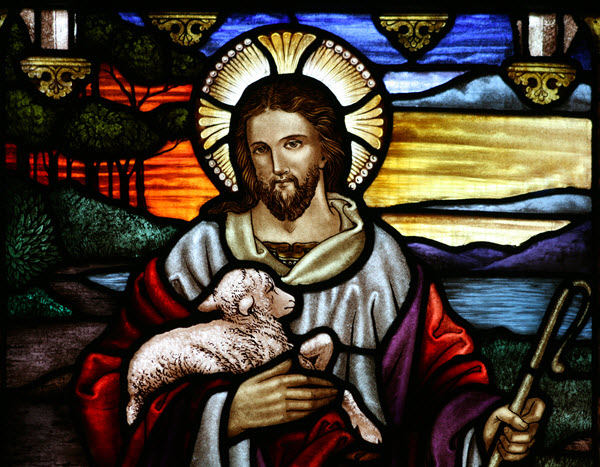
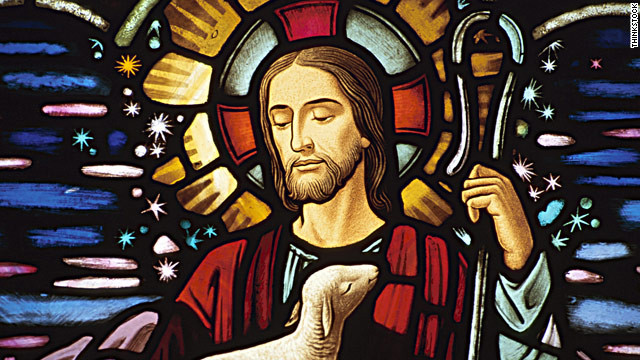
وهناك صور كتابية أخرى يسهل الاستفادة منها في الدفاعيات، مثل صورة الله الراعي، أو المسيح خبز الحياة. فالدفاعيات تتمتع بصندوق زاخر بالكنوز التي يمكننا الاستفادة منها، وهي تستخدم الخيال باعتباره مدخلاً للنفس البشرية. وينبغي على المدافع الناجح أن يجدد هذا الصندوق باستمرار مضيفًا إليه قصصًا وصورًا جديدة.
خطوة للأمام:
المداخل الأربعة التي تناولناها في هذا الفصل كلها مهمة ويمكن تطبيقها بسهولة في الدفاعيات. إلا أنها مجرد أمثلة توضيحية لا تشمل كل المداخل التي يمكن الاستفادة منها، بل يمكن إضافة مداخل أخرى لها. ومنها على سبيل المثال تجسيد المؤمن لإيمانه في حياته العملية، وهو مدخل يؤدي وظيفة دفاعية مهمة.
فالكثيرون يسألون عن الإيمان عندما يرون أن أصدقائهم يتميزون بشيء غير متوفر لهم، كالشعور بالسلام أو بوجود غرض للحياة، أو الشعور العميق بالحنان والحب للبشر، وهو ما يثير لديهم السؤال: “من أين لهم هذا؟” ويتمنون في أعماقهم أن يتمتعوا بما يتمتع به هؤلاء. ومحبة الله تتجسد وتعلَن عندما يخدم المسيحي الحقيقي العالم المحيط به.
والطريقة التي يتعامل بها المؤمن مع الموت تقدم شهادة مهمة لرجاء القيامة المغير الذي يمثل ركيزة أساسية في الإنجيل. فممارسة الحق في حياتنا العملية هي “دفاعيات متجسدة” تمثل في حد ذاتها شهاد قوية لذلك الحق. أي أننا نحتاج لما هو أكثر من الحجج، نحتاج أن نظهر أن الإيمان المسيحي يغير الحياة ويمنحها قوة، كما أشار المدافع “فيليب د. كنِسون” Philip D. Kenneson في ملاحظة حكيمة قائلاً:
إن ما ينتظره عالمنا، وما تبدو الكنيسة متقاعسة عن تقديمه، ليس الاستمرار في تقديم مزيد من الأحاديث عن الحق الموضوعي، بل شهادة متجسدة تعطي الآخرين سبباً للالتفات لهذا الحق.[31]
علاوة على ذلك، تقدم الحياة المسيحية شهادة مهمة لقدرة الإنجيل على تغيير حياة البشر، فعندما نشهد عن قصتنا الشخصية، نقدم شهادة غير مباشرة على أن الإنجيل حقيقي، وليس صحيحًا فحسب.
ومن السهل إضافة المزيد من الأساليب أو تطويرها حسب القضايا التي يواجهها المدافع أو الاتجاهات الثقافية التي يشعر أنه يجب التعامل معها. ومن الأمثلة الواضحة التي يمكن استخدامها في الدفاعيات من بعض المجالات الفنية والأدبية الأخرى:
الأفلام: ربما يعتبر الفيلم، لما يميزه من المزج بين القصة والصورة، أفضل وسيلة للتواصل مع جيل يطَلِّع على الواقع بطريقة بصرية أكثر منها نَصية. والكثير من الأفلام الحديثة تثير قضايا لاهوتية ودفاعية كبرى، مما يتيح الفرصة لفتح مناقشات دفاعية.
الشعِر: تُعبر الكثير من القصائد عن شعور بالقلق الشديد تجاه الوضع الحالي للعالم، وعن تطلع نحو الهدف الأسمى للبشرية. وليس من الصعب على المدافع أن يحدد بعض القصائد، وكلمات بعض الأغاني المشهورة، التي تتيح الفرصة لإثارة أسئلة أو فتح مداخل للدفاعيات.
اللوحات الفنية: الكثير من الأعمال الفنية الكلاسيكية، ناهيك عن الصور المشهورة، يمكن أن تمثل مداخل دفاعية. فإذا أجريت بحثًا سريعًا على الإنترنت مثلاً ستجد لوحة مشهورة للفنان “إدفارد مونك” Edvard Munch اسمها “الصرخة” The Scream(1893) يظهر فيها شخص في حالة من اليأس الوجودي المريع لعجزه عن التعامل مع العالم. فكيف نستفيد من هذه اللوحة؟ إنها مدخل ممتاز للدفاعيات، ويمكنك أن تجد الكثير غيرها بسهولة.
الآن وقد اطلعنا على أساليب تساعدنا في إبراز جمال الإيمان المسيحي وربطه بحياة الناس العاديين، لابد أن ننتقل للعثرات والشكوك التي يواجهها الناس في الإيمان وكيفية التعامل معها .
لمزيد من الاطلاع:
Garson, D.A.The God Who Is There: Finding Your Place in God’s Story. Grand Rapids: Baker, 2010.
Johnston, Robert K.Reel Spirituality: Theology and Film in Dialogue، 2nd ed. Grand Rapids: Baker Academic, 2006.
Keller, Timothy J. The Reason for God: Belief in an Age of Skepticism. New York: Dutton, 2008.
Marsh, Clive. Theology Goes to the Movies: An Introduction to Critical Christian Thinking. New York: Routledge, 2007.
McGrath, Alister E. Surprised by Meaning: Science, Faith, and How We Make Sense of Things. Louisville: Westminster john Knox, 2011.
Nash, Ronald H. Faith and Reason: Searching for a Rational Faith. Grand Rapids: Academie Books, 1988.
Peters, James R. The Logic of the Heart: Augustine, Pascal, and the Rationality of Faith. Grand Rapids: Baker Academic, 2009.
Piper, John. Think: The Life of the Mind and the Love of God. Wheaton: Grossway, 2010.
Sire, James W. Naming the Elephant: Worldview as a Concpt. Downers Grove, IL: Inter Varsity, 2004.
Wright, N. T. Simply Christian: Why Christianity Makes Sense. San Francisco: HarperSanFrancisco, 2006.
[1] Peter Brown, Augustine of Hippo (London: Faber & Faber, 1967).
[3] James Robert Brown, Philosophy of Mathematics: An Introduction to the World of Proofs and Pictures (London: Routledge, 1999, 71-78); George Bools, “Gödel’s Second Incompleteness Theorem Explained in Words of One Syllable,”, Mind 103 (1994): 1-3.
[4] For a highly influential discussion, see John Lucas, “Minds, Machines and Gödel,” Philosophy 36 (1961): 112-27.
[5] For two good assessments of Schaeffer’s approach, see Thomas V. Morris, Francis Schaeffer’s Apologetics: A Critique (Grand Rapids: Baker, 1987); Bryan A. Follis, Truth with Love: Apologetics of Francis Schaeffer (Wheaton: Crossway, 2006).
[6] Francis Schaeffer, The God Who Is There, Complete Works of Francis Schaeffer, vol. 1 (Westchester, IL: Crossway, 1982), 130.
* metaphysical وتترجم أحياناً إلى “ما وراء الطبيعة” والمقصود كل ما يختص بالبحث الفسلفي في المبادئ أو العلل الأولى للكينونة والمعرفة. (المترجمة)
[12] C. S. Lewis, Surprised by Joy (London: HarperCollins, 2002), 138.
[13] C. S. Lewis, Rehabilitations and Other Essays (London: Oxford University Press, 1939), 158.
[14] See Roy Baumeister, Meanings of Life (New York: Guilford Press, 1991). Baumeister’s analysis of the importance of questions of identity, value, purpose, and agency is of major importance to Christian apologetics.
[15] Hans Frei, The Eclipse of Biblical Narrative: A Study in Eighteenth and Nineteenth Century Biblical Hermeneutics (New Haven: Yale University Press, 1977).
[16] Alasdair MacIntyre, After Virtue (London: Duckworth, 1985), 216.
[18] N. T. Wright, “How Can the Bible Be Authoritative?” Vox Evangelica 21 (1991): 7-32.
[19] N. T. Wright, The New Testament and the People of God (Minneapolis: Fortress, 1992), 132.
[20] See Verlyn Flieger, Splintered Light: Logos and Language in Tolkien’s World (Kent, OH: Kent State University, 2002); Jeffrey L. Morrow, “J. R. R. Tolkien as a Christian for Our Times,” Evangelical Review of Theology 29 (2005), 164-77.
[21] Dan Brown, The Da Vinci Code: A Novel (New York: Doubleday, 2003), 233.
[22] Brown is totally wrong on all these points. See, for example, Bart D. Ehrman, Truth and Fiction in The Da Vinci Code: A Historian Reveals What We Really Know About Jesus, Mary Magdalene, and Constantine (Oxford: Oxford University Press, 2004), 23-24.
[23] The best account of the fabrication of this myth is Massimo Introvigne, Gli Illuminatie il Priorate di Sion (Milan: Piemme, 2005). An English summary of this work is available at http://www.cesnur.org/2005/pa_introvigne.htm.
[24] Philip Pullman, The Good Man Jesus and the Scoundrel Christ (Edinburgh: Canongate, 2010).
[25] You might enjoy reading the interesting study of William G. Johnson and Marcia K. Houtman, “Platonic Shadows in C. S. Lewis’ Narnia Chronicles,” Modern Fiction Studies 32 (1986), 75-87.
[26] For a detailed discussion, see Gail Fine, Plato on Knowledge and Forms: Selected Essays (Oxford: Oxford University Press, 2003).
[27] James C. Walters, “Paul, Adoption, and Inheritance,” Paul in the Greco-Roman World, ed. J. Paul Sampley (Harrisburg, PA: Trinity Press International, 2003), 42-76.
[28] Simone Weil, The Need for Roots (London: Routledge, 2002), 43.
[29] Walter Brueggemann, The Land: Place as Gift, Promise, and Challenge in Biblical Faith, 2nd ed. (Philadelphia: Fortress Press, 2002), 1.
[30] Bill Carter, “Why ‘Cheers’ Proved So Intoxicating,” New York Times, Sunday, May 9, 1993.
[31] Philip D. Kenneson, “There’s No Such Thing as Objective Truth, and It’s a Good Thing, Too.” Christian Apologetics in the Postmodern World, ed. Timothy R. Phillips and Dennis L. Okholm (Downers Grove, IL: InterVarsity Press, 1995), 155-70.
المداخل المتاحة للدفاعيات – فتح الباب للإيمان – أليستر ماكجراث (الدفاعيات المجردة)
MATTHEW 22:39—Does Jesus want us to love ourself first or others?
PROBLEM: Jesus says in Matthew that we are to love our neighbor as ourselves. But, if we love ourselves first, before we love our neighbor, then this would be putting self before neighbor. Is Jesus teaching that we should be selfish?
SOLUTION: Loving others as we love ourselves can be understood in different ways, but in no way is Jesus implying that we should be selfish. The Bible condemns “lovers of themselves” (2 Tim. 3:2). It exhorts us not to consider only our own interests, but also the interest of others (Phil. 2:4). There are three ways to understand the phrase, “love others as yourself.”
First, some believe that Jesus is saying that we ought to love others as we ought to love ourselves, namely, unselfishly. This, however, seems far too subtle and dialectical for Jesus’ normally straight-forward moral assertions. It would have been more forthright to simply say do not be selfish than the tangled command of loving oneself unselfishly.
Second, Jesus could have meant that we should love others as we ought to love ourselves, namely, properly. There is a legitimate self-respect or self-love. Ephesians tells us to care for our own bodies, “for no one ever hated his own flesh, but nourishes and cherishes it” (5:28–29). There is nothing wrong with a legitimate self-care and self-respect. The Bible condemns someone for “thinking of himself more highly than he ought,” but urges him to think “soberly” (Rom. 12:3). In this sense, Jesus may be saying love others as you ought to love yourselves.
Third, Jesus could have meant that we should love others as much as we do love ourselves. That is, He might have been saying that we should measure how we ought to love others by how we actually do love ourselves without implying that the way we love ourselves is correct. Rather, God may be simply pointing to love for self as the standard by which we should judge how much to love others. In this way, there would be an automatic check on our selfish love, since we would have to love others this much too.
Geisler, N. L., & Howe, T. A. (1992). When critics ask : A popular handbook on Bible difficulties (355). Wheaton, Ill.: Victor Books.
MATTHEW 20:29–34 (cf. Mark 10:46–52; Luke 18:35–43)—Did Jesus heal the blind man coming into or going out of Jericho?
PROBLEM: According to Luke, a blind man was healed as Jesus entered the city of Jericho (18:35), but Matthew and Mark declare that the healing took place as Jesus left the city of Jericho. Again, the accounts do not seem to be harmonious.
SOLUTION: Some believe that the healing in Luke may have actually taken place as Jesus left Jericho, claiming that it was only the initial contact that took place as “He was coming near Jericho” (Luke 18:35) and the blind man may have followed Him through the city, since he was continually begging Jesus to heal him (vv. 38–39). But this seems unlikely, since even after the healing (v. 43) the very next verse (19:1) says, “then Jesus entered and passed through Jericho.”
Others respond by noting there were two Jerichos, the old and the new, so that as He went out of one He came into the other.
Still others suggest that these are two different events. Matthew and Mark clearly affirm the healing occurred as Jesus left the city (Matt. 20:29; Mark 10:46). But Luke speaks of healing one blind man as He entered the city. This is supported by the fact that Luke refers only to a “multitude” of people being present as Jesus entered the city (18:36), but both Matthew (20:29) and Mark (10:46) make a point to say there was a “great multitude” of people there by the time Jesus left the city. If the word spread of the miraculous healing on the way into the city, this would account for the swelling of the crowd. It might also explain why two blind men were waiting on the other side of the city to plead for Jesus to heal them. Perhaps the first blind man who was healed went quickly to tell his blind friends what happened to him. Or maybe the other blind men were already stationed at the other end of the city in their customary begging position. At any rate, there is no irresolvable difficulty in the passage. The two accounts can be understood in a completely compatible way.
Geisler, N. L., & Howe, T. A. (1992). When critics ask : A popular handbook on Bible difficulties (353). Wheaton, Ill.: Victor Books.
MATTHEW 20:1ff—Are rewards the same for all, or do they differ in degree?
PROBLEM: Jesus told a parable of His kingdom in which each servant got the same pay even though each had worked a different number of hours. Yet in other places, the Bible speaks of different degrees of reward for working in God’s kingdom (cf. 1 Cor. 3:11–15; 2 Cor. 5:10; Rev. 22:12).
SOLUTION: There are different degrees of reward in heaven, depending on our faithfulness to Christ on earth. Jesus said, “I am coming quickly, and My reward is with Me, to give to every one according to his work” (Rev. 22:12). Paul said each believer’s work will be tried by fire and “if anyone’s work which he has built on it endures, he will receive a reward” (1 Cor. 3:14). In 2 Corinthians 5, he says we must all appear before the judgment seat of Christ “that each one may receive the things done in the body, according to what he has done, whether good or bad” (v. 10, emphasis added).
The point of the parable in Matthew 20 is not that all rewards will be the same, but that all rewards are by grace. It is to show that God rewards on the basis of opportunity, not simply on accomplishment. Not all the servants had the opportunity to work for the master the same amount of time, but all, nevertheless, were given the same pay. God looks at our disposition as well as our actions and judges accordingly.
Geisler, N. L., & Howe, T. A. (1992). When critics ask : A popular handbook on Bible difficulties (351). Wheaton, Ill.: Victor Books.
MATTHEW 16:28—Did Jesus make a mistake about His disciples seeing the kingdom come in their lifetimes?
PROBLEM: Jesus told His disciples that some of them would not see death until they saw Him coming in His kingdom. Yet during the life of the apostles, Jesus never returned to set up His kingdom.
SOLUTION: This is a question of when this was going to take place, not whether it would. There are three possible solutions.
First, some have suggested that this may be a reference to the Day of Pentecost where Christ’s Helper, the Holy Spirit, came to descend upon the apostles. In John’s Gospel (14:26), Jesus promised to send the Holy Spirit, and, in the beginning of Acts (1:4–8), He tells them not to leave Jerusalem until they have received the Holy Spirit. But this hardly seems to fit the description of seeing Christ coming in His kingdom (Matt. 16:28).
Second, others believe this might be a reference to the destruction of Jerusalem and the temple in a.d. 70. This would mean that He would return to bring judgment upon the city that rejected Him and crucified Him. While this is a possible explanation, it does not seem to account for the fact that Jesus appears to be coming for believers (those “standing there” with Him), not simply coming in judgment on unbelievers. Nor does the judgment on Jerusalem in a.d. 70 adequately express seeing the “Son of Man coming in His kingdom” (v. 28), a phrase reminiscent of His second coming (cf. 26:64). Nor does it explain why Jesus never appeared in a.d. 70.
A third and more plausible explanation is that this is a reference to the appearance of Christ in His glory on the Mount of Transfiguration which begins in the very next verse (17:1). Here Christ does literally appear in a glorified form, and some of His apostles are there to witness the occasion, namely Peter, James, and John. This transfiguration experience, of course, was only a foretaste of His Second Coming when all believers will see Him come in power and great glory (cf. Acts 1:11; Rev. 1:7).
MATTHEW 4:5–10 (cf. Luke 4:5–12)—Is there a mistake in recording the wilderness temptation of Christ by Matthew or Luke?
PROBLEM: According to both Matthew and Luke, the first temptation was to turn stones into bread to satisfy Jesus’ hunger. The second temptation listed by Matthew took place at the pinnacle of the temple. The third temptation listed by Matthew involved all the kingdoms of the world. However, although Luke mentions these same two events, he lists them in reverse order—the kingdoms of the world are mentioned second and the pinnacle of the temple is mentioned third. Which is the correct order?
SOLUTION: It may be that Matthew describes these temptations chronologically while Luke lists them climactically, that is, topically. This may be to express the climax he desired to emphasize. Matthew 4:5 begins with the word “then” while verse 8 begins with the word “again.” In Greek, these words suggest a more sequential order of the events. In Luke’s account, however, verses 5 and 9 each begins with a simple “and” (see nasb). The Greek in the case of Luke’s account does not necessarily indicate a sequential order of events. Furthermore, there is no disagreement on the fact that these temptations actually happened.
MATTHEW 2:6—How can we explain Matthew’s apparent misquotation of Micah 5:2?
PROBLEM: Matthew 2:6 quotes Micah 5:2. However, the words Matthew uses are different than those used by Micah.
SOLUTION: Although Matthew seems to have changed some of the words from the passage in Micah, there is no real deviation in the meaning of the text. Matthew, in some instances, seems to have paraphrased.
First, Matthew inserts the phrase “land of Judah” for the word “Ephrathah.” This does not really change the meaning of the verse. There is no difference between the land of Judah and Ephrathah, except one is more specific than the other. In fact, Ephrathah refers to Bethlehem in the Micah passage, and Bethlehem is located in the land of Judah. However, this does not change the basic meaning of this verse. He is speaking of the same area of land. Interestingly, when Herod asked the chief priests and the scribes where the child was to be born, they said, “in Bethlehem of Judea” (Matt. 2:5, nasb).
Second, Matthew describes the land of Judah as “not the least” but Micah states that it is “little.” Here, Matthew may be saying that since the Messiah is to come from this region, it is by no means least among the other areas of land in Judah. The phrase in Micah only says that Bethlehem is too little or small, as compared to the other areas of land in Judah. The verse does not say it is the least among them, only very little. Matthew is saying the same thing in different words, namely, that Bethlehem is little in size, but by no means the least in significance, since the Messiah was born there.
Finally, Matthew uses the phrase “who will shepherd My people Israel” and Micah does not. Micah 5:2 recognizes that there will be a ruler in Israel, and Matthew recognizes this as well. However, the phrase that is not mentioned in Micah is actually taken from 2 Samuel 5:2. The combining of verses does not take away what is being said, but it strengthens the point that the author is making. There are other instances where an author combines one Scripture with another. For example, Matthew 27:9–10 combines some of Zechariah 11:12–13 with Jeremiah 19:2, 11 and 32:6–9. Also, Mark 1:2–3 combines some of Isaiah 40:3 with Malachi 3:1. Only the first passage is mentioned, since it is the main passage being cited.
In brief, Matthew is not misrepresenting any information in his quotation of Micah 5:2 and 2 Samuel 5:2. Matthew’s quote is still accurate even though he paraphrases part of it and combines another portion of Scripture with it.
Also, the psalm is not written by David about the Messiah. Our traditions indicate it may have been written by Eliezer about his master, Abraham, and then added to the collection of the Psalms by David many years later. Or David wrote it for the Levites to recite about him (or a court poet wrote it about David). This much is sure: It does not teach that the Messiah is God!
Psalm 110 is an important Messianic psalm pointing to the highly exalted status of the Messiah (to the right hand of God!) and to his priestly and royal nature. For these reasons, it is quoted frequently in the New Testament with reference to Yeshua. Yeshua even quotes it himself, pointing out how the Messiah was greater than David, since David called him “my lord.” However, you are mistaken in thinking that the New Testament (or Christian translations of the Hebrew Bible) makes the claim that the opening verse of this psalm means that Jesus is Lord (Yahweh).
According to anti-missionary rabbi Tovia Singer,
Psalm 110 represents one of the New Testament’s most stunning, yet clever mistranslations of the Jewish scriptures. Moreover, the confusion created by the Christianization of this verse was further perpetuated and promulgated by numerous Christian translators of the Bible as well.…
The story of the church’s tampering with Psalm 110 is so old that it begins in the Christian canon itself.265
These are startling claims indeed. On what basis does Singer make such serious charges? On the basis of Yeshua’s use of this psalm to point to his own exalted status, and on the basis of subsequent Christian translations that allegedly perpetuate this misunderstanding of the text.What is startling is not the wrongness of the “Christian” interpretation but the wrongness of Singer’s arguments, in particular his claim that the New Testament’s usage of this psalm represents one of its “most stunning, yet clever mistranslations of the Jewish scriptures.”266 This claim is absolutely without foundation.
Let’s take a look at the words of Jesus himself as recorded by one of his disciples:
While the Pharisees were gathered together, Jesus asked them, “What do you think about the [Messiah]? Whose son is he?”
“The son of David,” they replied.
He said to them, “How is it then that David, speaking by the Spirit, calls him ‘Lord’? For he says,
“ ‘The Lord said to my Lord:
“Sit at my right hand
until I put your enemies
under your feet.” ’
If then David calls him ‘Lord,’ how can he be his son?” No one could say a word in reply, and from that day on no one dared to ask him any more questions.
Matthew 22:41–46
Rabbi Singer is confident that this event not only reflects a wrong interpretation of the text but that it never even took place:
Although the above conversation could never have occurred, I am certain this narrative has been replayed over and over again in the imagination of countless Christians for nearly 1,900 years.
It’s an inspiring story to the Christian believer. Jesus really showed those Pharisees how little they knew! Yet, this is precisely why this story could never have transpired. No Jew who had even a superficial knowledge of the Jewish scriptures would have ever found Jesus’ argument compelling, let alone a conversation stopper. The depth of knowledge that the Pharisees possessed of Tanach was astounding.267
Notice carefully Singer’s words: “No Jew who had even a superficial knowledge of the Jewish scriptures would have ever found Jesus’ argument compelling, let alone a conversation stopper.” To the contrary, it is because Jesus knew that his hearers were so familiar with the Scriptures that he raised this compelling argument. Of course, they had no answer. You see, some of the earliest Rabbinic interpretation of Psalm 110 understood the psalm to be speaking of the Messiah, and if David in fact wrote the psalm, then Yeshua’s question is well taken: If the Messiah is merely David’s son—and it was universally agreed that the Messiah was the son of David—how can David call him his lord?
“But that’s the whole problem,” you object. “The Christian translations claim that the Messiah is Lord—meaning God himself—whereas the Hebrew Bible says no such thing.” This, in fact, is another of Rabbi Singer’s points, and he argues that the second “Lord” in the text “never refers to God anywhere in the Bible. It is only used for the profane, never the sacred.”268
But where did Jesus say “Lord” was referring to God? He simply stated that the text indicated David called the Messiah his lord—which is exactly what Singer claims that laʾdoni means: “The correct translation… is ‘to my master’ or ‘to my lord.’ ”269 Precisely. That was Yeshua’s whole point.
Unfortunately, Singer has gotten his information completely wrong, failing to read correctly the Christian translation he cites and completely ignoring well-known Jewish translation customs. Simply stated, a tradition developed among the Jewish people that the Hebrew name for God, yhwh, was too sacred to pronounce.270 Thus, whenever a Jew would read this name in the Bible, he would not say Yahweh (which is the most likely original pronunciation; the more common Jehovah is not correct). Rather, he would say, ʾadonai, meaning “Lord.”271 Thus, the opening verse of Psalm 110 would have been recited out loud as “ʾadonay (or ʾadonai) said to ʾadoni” (ʾadoni meaning “my lord” or “my Lord”).272
When Jesus quoted this verse to the Pharisees, this would have been the way he said it, referring to Yahweh as ʾadonai. There were no tricks here, no sleight of hand, no cover-up, no deception, no mistranslation. Just a straightforward recitation of the Hebrew text. No one would have thought that Jesus was claiming to be Yahweh, since his hearers certainly knew the text by heart as well, and since they distinctly heard two different words for Lord and lord: ʾadonai, meaning Yahweh, and ʾadoni, meaning “my Lord” or “my lord.”273 And that was Jesus’ whole point: How can the Messiah be merely a son of David if David calls him his lord?274 He must not only be David’s son; he must also be greater than David.
How then does Singer claim that the New Testament and later Christian translations of Psalm 110 are guilty of intentional mistranslation? It is simply because (1) he has not handled the Christian translations fairly, and (2) he has not realized how the very first Jewish translation of the Tanakh into Greek rendered Psalm 110:1.
Using the King James Version as an example, we see that Psalm 110:1 was rendered: “The Lord said unto my Lord, Sit thou at my right hand, until I make thine enemies thy footstool.” Virtually all modern Christian translations follow a similar translation pattern, rendering the opening Hebrew word yhwh as “Lord” and then rendering the second Hebrew word ʾadoni as “my Lord” or “my lord.” As we have seen, the custom of translating the Hebrew yhwh as “Lord” goes back to Jewish practice, not Christian practice. And just as Jewish readers distinguished between ʾadonai and ʾadon (meaning Yahweh, as opposed to any lord or the Lord), so also Christian translations into English distinguished between Lord (Hebrew, yhwh) and Lord (Hebrew, ʾadon). This is also the custom most commonly followed by Jewish translations of the Bible into English: Whenever yhwh occurs in the original text, it is written as Lord (all uppercase).
In keeping with this practice, Christian translations (and many Jewish translations as well) distinguish between yhwh and ʾadoni in Psalm 110:1 by rendering these words as Lord and my Lord (or my lord). Amazingly, Singer claims that the NASB (a twentieth-century Christian translation that also renders Psalm 110:1 with Lord and Lord) fails to distinguish between the two words, inviting the readers to “look at the first word ‘Lord’ in the verse. Now look at the second word ‘Lord’ (they are only three words apart). Did you notice any difference between them? You didn’t because the Christian translator carefully masked what it actually says in the text of the original Hebrew.” Thus, he claims, “the two English words in the NASB translation are carefully made to appear identical, in the original Hebrew text they are entirely different.”275 Absolutely not! These two words are not the same, as you would immediately see even at first glance: The first is all uppercase letters (you’ll find this in just about any Christian translation); the second is lowercase after the initial capital L.
Rabbi Singer, however, takes serious issue with the fact that many Christian versions translate the second ʾadon (ʾadoni, representing the noun followed by the first-person pronominal suffix) as “my Lord” instead of “my lord,” arguing that every single time ʾadoni is found in the Tanakh, it is speaking of a human being, not God (who would always be referred to as ʾadonai rather than ʾadoni). He states:
The Hebrew word adonee [a phonetic spelling of adoni] never refers to God anywhere in the Bible. It is only used for the profane, never the sacred. That is to say, God, the Creator of the universe, is never called adonee in the Bible. There are many words reserved for God in the Bible; adonee, however, is not one of them.276
There are at least three problems with his argument: First, he is incorrect in stating that “my lord” is reserved “for the profane, never the sacred.” Just look in Joshua 5:14, where Joshua addresses the angel of the Lord as “my lord” (ʾadoni). Yet this divine messenger is so holy that Joshua is commanded to remove the shoes from his feet because he is standing on holy ground, just as Moses was commanded when the angel of the Lord—representing Yahweh himself—appeared to him (Exod. 3:1–6). This is hardly a “profane” rather than “sacred” usage! Similar examples can be found in Judges 6:13 and Zechariah 1:9, among other places. In each of these, angels are addressed as “my lord,” and in some of these cases, the angels bear the divine presence. Second, Singer’s whole argument hinges on the Masoretic vocalization, which did not reach its final form until the Middle Ages. As every student of Hebrew knows, biblical Hebrew was written with consonants and “vowel letters” only; the vowel signs were added hundreds of years later. Yet both ʾadonai (used only for Yahweh) and ʾadoni (used for men and angels, as we just noted) are spelled identically in Hebrew, consisting of the four consonants ʾ-d-n-y. How then can Rabbi Singer make such a dogmatic statement about the differences between these two forms in the Bible? His argument stands only if we accept the absolute authority of the Masoretic vocalization, which in some cases follows the original writing by almost two thousand years.277 Third, it is not really important whether we translate with “my Lord” or “my lord,” since Yeshua’s whole argument was simply that David called the Messiah “lord,” meaning that the Messiah had to be more than David’s son. While many Christian translations do render ʾadoni as “my Lord” in Psalm 110:1, they are careful to distinguish between the first Lord (i.e., Lord) and the second.
“But,” you say, “I understand that the New Testament is written in Greek. Are you telling me that the writers of the New Testament followed Jewish practice and spelled the two words differently? That was not the custom in Greek, and therefore readers of the Gospels would be misled into thinking that the two ‘Lords’ were the same person, both referring to God.”
That’s a good observation. But once again, this is not a “Christian” problem but rather a “Jewish” problem dating back to the Septuagint, which was completed more than two hundred years before the writing of the New Testament. The New Testament only follows the practice of the Jewish Septuagint. It is the Greek Septuagint that first rendered yhwh with the Greek word kyrios, “Lord” or “lord.” Thus, Psalm 110:1 is rendered by the Septuagint as, “The kyrios said to my kyrios,”278 and the writers of the New Testament—themselves almost all Jews—merely quoted the Jewish translation of their day into Greek. It’s that simple!279
To review: (1) When Jesus quoted this verse in Hebrew, he would have said, neʾum ʾadonai laʾadoni. He would not have spoken the name Yahweh, but he would have distinguished between the Lord God and David’s Lord/lord. (The same would apply to Aramaic if Yeshua quoted the verse in a Targumic form.) (2) Christian translations of Psalm 110:1 into English also distinguish between Yahweh and David’s Lord/lord, representing the former with Lord and the latter with Lord/lord. (3) The Septuagint, not the New Testament, was the first example of a translation in which yhwh and ʾadon were both translated with kyrios. From this we can see that Singer’s charges are totally erroneous and without any support in the text. We need not trouble ourselves with this for another moment.
The real questions that deserve attention are, Is this really a Messianic psalm, and, Was Yeshua correct in referring it to himself? Let’s look at the whole psalm as rendered in the NIV:
Of David. A psalm.
The Lord says to my Lord:
“Sit at my right hand
until I make your enemies
a footstool for your feet.”
The Lord will extend your mighty scepter from Zion;
you will rule in the midst of your enemies.
Your troops will be willing
on your day of battle.
Arrayed in holy majesty,
from the womb of the dawn
you will receive the dew of your youth.
The Lord has sworn
and will not change his mind:
“You are a priest forever,
in the order of Melchizedek.”
The Lord is at your right hand;
he will crush kings on the day of his wrath.
He will judge the nations, heaping up the dead
and crushing the rulers of the whole earth.
He will drink from a brook beside the way;
therefore he will lift up his head.
Psalm 110
It is clear that this is a royal psalm, spoken to a Judean king about his promised worldwide reign. But what is meant by “Of David. A psalm.”? We know that these opening words (called the superscription) are not necessarily part of the original text. But we also know that Jewish readers in Yeshua’s day accepted this as a psalm of David. What then does this mean? Was the psalm written by David or for David (or for the Davidic king)?
An ancient Jewish interpretation, as fascinating as it is far-fetched, claims that this psalm was originally written by Eliezer, the servant of Abraham, and that David added this psalm to his collection centuries later. According to this view, the psalm was written after Abraham returned from his victorious battle with the four kings of the plain (see Genesis 14) and Melchizedek, king of Salem (Jerusalem) came out to meet him. As written in Genesis 14:19–20, Melchizedek, the priest-king of Jerusalem, greeted Abraham (still called Abram at that time) with the words: “Blessed be Abram by God Most High, Creator of heaven and earth. And blessed be God Most High, who delivered your enemies into your hand.” Abraham then gave a tithe of the spoils to Melchizedek, a definite sign of honor and respect (Gen. 14:20a).
Surprisingly, some of the ancient rabbis had a problem with Melchizedek’s greeting, saying that God was displeased with Melchizedek since he blessed Abram before he blessed the Lord, as a result of which the priesthood was taken from Melchizedek and given to Abram (meaning to his descendants; see b. Nedarim 32b). This is how Psalm 110:4 is explained: “The Lord has sworn and will not change his mind: ‘You are a priest forever, in the order of Melchizedek.’ ” There is little, however, to commend this interpretation and several serious objections that can be raised against it: (1) As Ibn Ezra notes, after giving due regard to the ancient midrash just cited, it is quite difficult to explain the reference to Zion in verse 2 (“The Lord will extend your mighty scepter from Zion”) with reference to Abraham. Zion is the city of David!280 (2) Abraham himself was not called a priest by the Lord, even if the priesthood ultimately came through the tribe of his great-grandson Levi. (3) Abraham was not a royal figure in the Torah, nor was he primarily a triumphant ruler; yet that is what Psalm 110 explicitly describes and promises. (4) There is not a shred of evidence to support the midrashic interpretation. It is simply a creative reading of the text, apparently inspired by the reference to Melchizedek in Genesis 14 and Psalm 110, the only two times his name appears in the Hebrew Bible. (5) Even some midrashic evidence is against this interpretation, since elsewhere it is said that Abraham sits at the left hand of God, while it is the Messiah who sits at the Lord’s right hand.281
Some scholars have even argued that the interpretation of this psalm with reference to Abraham is a direct reaction to Christian interpretations that pointed to the Messiah.282 This is certainly possible, although it is far from certain. But the extreme unlikelihood of the Abrahamic interpretation is beyond dispute.
A much more likely view is that a court poet wrote this psalm for David, perhaps when he moved his throne to Jerusalem (2 Sam. 5–6).283 Thus, speaking prophetically, this poet declared that Yahweh said to his lord (David), “Sit at my right hand.…” And, as we learned previously (vol. 1, 2.1), David served as a prototype of the priestly king, a Messianic figure who himself was both priest and king. The fact that David ruled out of Jerusalem would associate him with Melchizedek, the priest-king of Salem (= Jerusalem) spoken of in Genesis 14.
There are, however, serious problems with this view as well: (1) Was David actually called a priest by the Lord? It is one thing to say that David was a priestly king; it is another thing to say that he was called “a priest forever” by God himself. Clearly, David was not.284 (2) When was David told to sit at God’s right hand until his enemies were made a footstool for his feet? It is true that the Lord granted David victory over his enemies while he was alive. But this psalm presents a call from God to sit at his right hand (i.e., by his heavenly throne) until all of David’s enemies were defeated. When did this happen? (3) The closing verses of this psalm seem to indicate that the king spoken of here would have a worldwide reign. This cannot apply to David.285
Not surprisingly, a number of the ancient rabbis applied this psalm to the Messiah,286 and it is this Messianic interpretation that is actually presupposed by Jesus in the New Testament. As Franz Delitzsch rightly observed:
… if those who were interrogated [meaning the Pharisees and other Jewish teachers] had been able to reply that David does not there speak of the future Messiah, but puts into the mouth of the people words concerning himself, or … concerning the Davidic king in a general way, then the question would lack the background of cogency as an argument. Since, however, the prophetico-Messianic character of the Psalm was acknowledged at that time (even as the later synagogue, in spite of the dilemma into which this Psalm brought it in opposition to the church, has never been able entirely to avoid this confession), the conclusion to be drawn from this Psalm must have been felt by the Pharisees themselves, that the Messiah, because the Son of David and Lord at the same time, was of human and at the same time of superhuman nature; that it was therefore in accordance with Scripture if this Jesus, who represented Himself to be the predicted Christ [Messiah], should as such profess to be the Son of God and of divine nature.287
Simply stated, if the most common interpretation of the day did not understand this psalm to speak of the Messiah, then any of the Jewish leaders with whom Yeshua spoke could have simply said, “But this doesn’t speak of the Messiah! It speaks of David.” The fact that no such reply was given indicates just how widely the psalm was understood to be Messianic.
“But you’re not being fair,” you say. “You’re basing everything on the New Testament account. How do we know that it is true?”
First, the very nature of Jesus’ question points to the widespread Messianic understanding of the psalm. After all, Matthew (whom we cited above) wrote his book of good news (= Gospel) to his own Jewish people, many of whom were thoroughly versed in the Scriptures, and if Jesus’ point had no relevance at all—if, indeed, it was as ludicrous and impossible as Rabbi Singer claims—then Matthew (not to mention Mark and Luke) would not have put the wool over anyone’s eyes. Rather, the question posed by Yeshua would be like someone asking, “Do you believe that President Kennedy’s assassination was the work of one man or part of a larger conspiracy?” The fact of his assassination is not in dispute, only the details. In the same way, the fact of the Messianic interpretation of the psalm was not in dispute, only the specific meaning of the verses. Second, despite the fact that the New Testament refers to Psalm 110 more than any other portion of Scripture in the Hebrew Bible, Talmudic rabbis still interpreted the psalm messianically. In other words (as noted above by Delitzsch), since followers of Jesus were so quick to point to Psalm 110 with reference to him as Messiah, it would only be natural to think that the later rabbis would not interpret this psalm as Messianic. And yet they did, with frequency. There can be no doubt, then, that this Messianic interpretation was not only ancient; it was also natural. Third, as far as we can tell, for a first-century Jewish reader “A psalm of David” would most naturally be taken to mean “A psalm written by David” unless there were good reasons to interpret it as a psalm written for David. This would mean that David wrote this psalm about the Messianic King rather than about himself.288 Fourth, even if the psalm was originally written by a court poet for his lord, King David, it would still point to David’s priestly calling (as a prototype of the Messiah) as well as to his worldwide reign, fulfilled only through David’s greater descendant, King Messiah. This would mean, then, that Jesus was pointing to Jewish interpretation of the day, interpretation that attributed the authorship of this psalm to David, thereby proving that Messiah had to be greater than David, but without making a definitive statement about the authorship of the psalm.
These observations, coupled with the reasons listed above, argue for the Messianic interpretation of Psalm 110. At the least, such an interpretation makes very good sense, and therefore the New Testament writers were not out of line in frequently citing this psalm with reference to Jesus.289
In support of this Messianic interpretation we can also point to the comments on Daniel 7:13 attributed to the influential medieval Jewish leader, Rabbi Sa‘adiah Gaon. Explaining the words “And behold, [coming] with the clouds of heaven, one like a son of man,” he stated, “This is Messiah our righteousness,” contrasting this description with the Messianic prophecy found in Zechariah 9:9, where it is written that the Messiah will come meek and lowly, riding on a donkey.290 He interpreted the clouds of heaven to mean the host of heavenly angels, noting that this is the glorious splendor that the Creator will grant to the Messiah. And how does Gaon explain the end of verse 13, where it is stated that they will bring the Messiah to the Ancient of Days (a title for the Lord)? He simply quotes the opening line of Psalm 110, “The utterance of the Lord to my lord, ‘Sit at My right hand’ ” (translated literally). He got that exactly right!
There is one final point to be made, and it is extremely significant. We noted in vol. 1, 2.1, that two thousand years ago, many Jews were looking for two Messiahs, one priestly and one royal. This is reflected in the Dead Sea Scrolls in the references to the Messiahs of Aaron and David. It is also reflected in what is called the Testament of the Twelve Patriarchs, a writing of great importance in the ancient Jewish world. Reference is made there to a Messiah from the tribe of Judah and a Messiah from the tribe of Levi. The concept of a priestly and royal Messiah came directly from the Hebrew Scriptures, but it was misunderstood by the Jewish teachers in Yeshua’s day. Some of these teachers were expecting two Messianic figures, one priestly and one royal, whereas the Tanakh only spoke of one Messianic figure, descended from David, who was both priestly (in function) and royal (in function and lineage).
After Yeshua’s death and resurrection, his first followers, all of them Jews, began to understand his priestly role, and an important letter to these Jewish believers (called the Letter to the Hebrews in the New Testament) speaks of his priestly work at length (see above, 4.1). They understood that the divine son of David was, like David, a royal priest. Perhaps it was in reaction to this that Rabbinic literature, which postdates the writing of the New Testament, makes virtually no reference to the Messiah’s priestly role. That’s right: In literally millions of words of teaching and instruction, thousands of which discuss the Messiah, there is not a single reference to the priestly Messiah. Yet the scriptural hints—really, they are more than hints—were totally clear. In the person of the Messiah, identified as “the Branch” in the Tanakh, priest and king would be combined as one.
Along with Psalm 110, Zechariah 3–6 provides the clearest references to this, and some of the Rabbinic comments to these passages are striking, especially when you consider that the obvious deduction was not made, namely, if these passages are Messianic in content, then the Messiah should be both a priest and king. Let’s focus in on Zechariah 3:8, “Listen, O high priest Joshua and your associates seated before you, who are men symbolic of things to come: I am going to bring my servant, the Branch.” The Targum renders this closing phrase as, “Behold I bring my servant the Messiah.” The Branch—understood to be the Branch of David—is the Messiah.
Abraham Ibn Ezra provides an interesting interpretation on the identity of the Branch:
He is Zerubbabel, as it is said, “His name is branch” [Zech. 6:12], and the end of the passage proves it, [stating] “before Zerubbabel” [Zech. 4:7]. And many interpreters say that this branch is the Messiah, and he is called Zerubbabel because he is from his seed, as in, “and David my servant will be their prince forever” [Ezek. 37:25]. And I too can interpret this homiletically [derek derash], for tsemach [branch] by Gematria [i.e., numerically interpreted] equals Menachem, that is, Ben Ammiel [in the Talmud, Menachem Ben Ammiel is a name for the Messiah; see b. Sanhedrin 99b, and notes of Ibn Ezra that the numeric values for the Hebrew words branch and Menachem are identical, both equal to 138].291
One question, however, was not adequately addressed in this interpretation: Why was Joshua the high priest, along with his companions, singled out immediately before reference was made to the Branch? Why not single out Zerubbabel, the Davidic governor, rather than single out the high priest? Many interpreters believe that Zechariah 4:14 points to Zerubbabel and Joshua as the two anointed ones who will serve in this world, but no reference is made to the Branch in this passage. Zechariah 6:9–15, however, is explicit: Joshua the high priest is to be crowned—remember that only kings were crowned—and it is he who symbolizes the Branch: “Take the silver and gold and make a crown, and set it on the head of the high priest, Joshua son of Jehozadak. Tell him this is what the Lord Almighty says: ‘Here is the man whose name is the Branch [once again, the Targum calls him the Messiah], and he will branch out from his place and build the temple of the Lord’ ” (Zech. 6:11–12).292 So, it is Joshua, not Zerubbabel, who is called the Branch, a high priest, wearing the crown, representing the Davidic Messiah.293
Why then did both Rashi and Ibn Ezra state that the Branch here was actually Zerubbabel? It was because they missed the priestly role of the Messiah.294 Otherwise, the passage is perfectly clear: Joshua the high priest, not Zerubbabel the governor, is identified with the Branch. In fact, the text is so clear that some liberal interpreters actually believe that the text was changed and that it originally referred to Zerubbabel being crowned, not Joshua.295 This, however, is similar to the claim of the PLO in 2002 when the Israeli forces discovered documents directly linking Yasser Arafat to terrorist activities: PLO officials claimed that the documents were forged! There is no forgery here, nor has the text been altered: It is the high priest Joshua, crowned and sitting on a throne, who is symbolic of the Branch, thus emphasizing the priestly role of the Messiah—making atonement for Israel and the nations—who is elsewhere known in the Scriptures as the royal son of David.
What makes this all the more interesting is that this man Joshua is normally known by a shortened name in the Tanakh, just as someone named Michael could be called Mike. And what is that shortened name? Yeshua! And so, the one and only man directly singled out in the Bible as a symbol of the Messiah was called Yeshua. The Lord knew exactly what he was doing when he laid this all out in advance, giving enough clues along the way that, once discovered, the evidence would be indisputable. Is the picture becoming clearer to you?296
272 The Hebrew is literally, “The utterance of YHWH to my lord.”
273 If Jesus quoted the verse in Aramaic, he could well have said marya (meaning Yahweh) said to mari (“my lord/Lord”), following the exact same custom as in Hebrew. The Targum to Psalm 110 is more paraphrastic and expansive.
274 Although anti-missionaries strenuously object to the translation of ʾadoni in Psalm 110:1 as “my Lord” instead of “my lord,” this matter is actually of no importance at all in Yeshua’s argument. He is simply stressing that David, the greatest king in Israel’s history, calls the Messiah his lord.
275 Singer, as posted on his web site (see n. 265, above). Oddly enough, Rabbi Singer later reverses himself on this point, noting that “the King James Version and a few other Bibles still render the second ‘Lord’ as if it were sacred; however, they translate the first ‘Lord’ in upper case. This is a helpful hint to the keen observer that there is a distinction between them. Of course, it’s up to the curious Bible student to then look up the second ‘Lord’ in a Hebrew Bible. Only such a deliberate and thorough investigation would uncover how the text was doctored.” Needless to say, any biblical scholar—Jewish or Christian—could not countenance the possibility of intentionally mistranslating a text or “doctoring” it to hide its true meaning. Rather, different translations arise from different translational convictions.
277 Genesis 18 provides the classic example of interpretive issues arising because of the varying Masoretic vocalizations for the two words ʾadonai (with the short vowel patah, which could mean “my lords”) and ʾadoni (with the long vowel qametz, which refers to Yahweh), both of which are spelled with the identical consonants (see vol. 2, 3.1). Interestingly, ʾadonai (with qametz) in Judg. 6:15 is rendered with “my lord” in the LXX (kyrie mou) as opposed to simply Lord (kyrie, as it is usually rendered with reference to Yahweh), a rendering possibly reinforced by Judg. 6:13, with ʾadoni. This, then, could point to a change in the Masoretic vocalization of ʾadoni.
278 To repeat, there is no such ambiguity in English translations, since the English custom for more than five hundred years has been to render yhwh with Lord (all uppercase) and ʾadon with lord or Lord.
279 Once again, Rabbi Singer completely misses this point, claiming that it was the New Testament that started this translation custom: “If we look at the original Greek of Matthew 22:44 we find the same doctoring of the text in later Christian translations of the Book of Psalms. When Matthew has Jesus quote Psalm 110:1 to the Pharisees, the identical Greek word kyrios (pronounced koo-re-os) is used both times the word ‘Lord’ appears in Matthew 22:44” (as posted on his web site [see n. 265, above]).
280 Rashi’s explanation here, following the midrash, is weak (namely, that “from Zion” means that Melchizedek came from Zion/Jerusalem with bread and wine for Abram and his men when they returned from battle).
282 Cf. Hermann L. Strack and Paul Billerbeck, Kommentar zum Neuen Testament aus Talmud und Midrasch (München: C. H. Beck, 1922–1961), Vol. 4/1:452–465; see also David M. Hay, Glory at the Right Hand: Psalm 110 in Early Christianity (Nashville: Abingdon, 1973).
283 According to Ibn Ezra, it was written when David’s men swore to him, “You will not go out with us in battle.”
284 Both Ibn Ezra and Radak claim that priest here simply means “servant,” pointing to 2 Samuel 8:18, where David’s sons are called “priests.” This strained interpretation (see vol. 1, 2.1), provides eloquent testimony to the difficulties presented by this verse when it is applied to David rather than the Messiah.
285 According to D. A. Carson, “Psalm 110 uses language so reckless and extravagant (“forever,” v. 4; the mysterious Melchizedek reference, v. 4; the scope of the king’s victory, v. 6) that one must either say the psalm is using hyperbole or that it points beyond David. That is exactly the sort of argument Peter uses in Acts 2:25–31 concerning another Davidic psalm (Ps 16),” “Matthew,” EBC, 8:467.
286 Although some rabbinic commentaries dispute that David wrote this about the Messiah, other rabbinic sources (e.g., Midrash Tehillim 2:9; 18:29) follow the Messianic interpretation, indicating that they had no trouble with David calling the Messiah “lord” (this interpretation was so common that it is presupposed by the New Testament). There are also rabbinic traditions that speak of the Messiah’s preexistence and his heavenly dialogs with God, indicating again that he was not merely a physical descendant of David. Cf. Patai, Messiah Texts, 17–22.
288 Very farfetched is the view of Nachmanides (in his classic Barcelona debate of 1263), followed recently by Tovia Singer, namely, that David wrote this psalm for his court poets to recite about him. This not only sounds strange, it could well be called egotistical. Still, Singer argues, “King David composed Psalm 110 for liturgical recitation by the Levites in the Temple years after his death. Therefore, the Levites would read this lyric, The Lord [God] said to my master [King David] ‘Sit thou at my right hand… .’ For the church, however, the Psalmist’s original intent was superseded by its interest in Christianizing this verse. Thus, the opening verse in Psalm 110 was altered in order to paint Jesus into the Jewish scriptures,” <http://www.outreachjudaism.org/psalm110.html>
289 Carson, “Matthew,” EBC, 8:468, makes a good point for the historicity of the New Testament interpretation: “Even the fact that Jesus’ use of Psalm 110:1 was susceptible to an interpretation denying that the Messiah must be of Davidic descent argues strongly for the authenticity of this exegesis of the psalm, for it is unlikely that Christians would have placed this psalm on Jesus’ lips when his Davidic sonship is taught throughout the NT (in addition to Matthew, cf. Mark 10:47–48; 11:10; Luke 1:32; 18:38–39; Rom 1:3; 2 Tim 2:8; Rev 3:7; 5:5; 22:16). Jesus’ question (v. 45) is not a denial of Messiah’s Davidic sonship but a demand for recognizing how Scripture itself teaches that Messiah is more than David’s son.”
290 For more on this, including the Talmudic explanation for these two apparently contradictory descriptions, see vol. 1, 2.1. The answer, of course, is that the prophecies are not either/or, but both/and. The Messiah first came riding on a donkey; he will return in the clouds of heaven.
291 Remember that Zerubbabel was of Davidic descent.
292 According to Kenneth L. Barker, “Zechariah,” EBC, 7:639–40, this is Messianically applied in the Targum, the Jerusalem Talmud, and the Midrash.
293 Cf. the insightful comments of Barker (ibid., 7:638–39) on Zechariah 6:9–10: “The position of this actual ceremony after the eight visions is significant. The fourth and fifth visions, at the center of the series, were concerned with the high priest and the civil governor in the Davidic line. Zechariah here linked the message of those two visions to the messianic King-Priest. In the fourth vision (chap. 3), Joshua was priest; here (v. 13) the Branch was to officiate as priest. In the fifth vision (chap. 4), Zerubbabel was the governing civil official; here (v. 13) the Branch was to rule the government. In 4:9 Zerubbabel was to complete the rebuilding of the temple; here (v. 12) the Branch would build the temple. In 4:14 Zerubbabel and Joshua represented two separate offices; here the Branch was to hold both offices (v. 13). Thus restored Israel is seen in the future under the glorious reign of the messianic King Priest. The passage is typical-prophetical. Joshua served as a type of the Messiah, but at certain points the language transcends the experience of the type and becomes more directly prophetical of the antitype.”
294 Commenting on Zechariah 6:12, Rashi states, “And some interpret [the passage] with reference to King Messiah, but all the content speaks [only] of the Second Temple.”
295 Cf. Barker, “Zechariah,”EBC, 7:639, “Some interpreters argue that the original reading at the end of the verse was ‘Zerubbabel son of Shealtiel’ instead of ‘Joshua son of Jehozadak.’ But Eichrodt ([Theology of the Old Testament] 2:343, n.1) rightly considers ‘that the interpretation of this passage in terms of Zerubbabel, which can only be secured at the cost of hazardous conjecture, is mistaken and that a reference to a hoped-for messianic ruler after Zerubbabel’s disappearance is more in accordance with the evidence.’ Furthermore, no Hebrew MSS or ancient versions have the Zerubbabel reading.”
296 There are a number of relevant articles in John Day, ed., King and Messiah in Israel and the Ancient Near East: Proceedings of the Oxford Old Testament Seminar (JSOTSup 270; Sheffield, England: Sheffield Academic Press, 1998).
[1]Brown, M. L. (2003). Answering Jewish objections to Jesus, Volume 3: Messianic prophecy objections (133). Grand Rapids, Mich.: Baker Books.
If Jesus is the Jewish Messiah, why don’t more Jews believe in him?
Actually, there are tens of thousands of Jews who have believed and do believe in him. The problem is that most Jews have not bothered to check into the facts about Jesus, and the only Jesus most of them know is either the baby Jesus of Christmas, an emaciated figure hanging on a cross in churches, or the Jesus of the Crusades and Inquisitions. The question is, Why don’t you believe Jesus is the Messiah? Do you really know who he is?
I encourage you to consider the following points.
1. Most Jews have never seriously studied the issue. Many of those who have decided to find out who Jesus is have been quite surprised by what they have learned. The greatest scholars and scientists in the world once believed the earth was flat—until firsthand investigation and discovery altered their outlook. It’s the exact same thing with Jews who honestly investigate the Messianic claims of Jesus. Everything changes—to put it mildly.
2. If most religious Jews learn anything about Jesus in their traditional studies, it is quite biased and negative. 22 Thus, they do not entertain even the possibility of the messiahship of Jesus.
3. Many so-called Christians have committed atrocities against Jews in the name of Jesus, helping to drive Jews away from their true Messiah. (See below, 2.7, for more on this, along with my book Our Hands Are Stained with Blood.)
4. These same Christians have often put forth a distorted picture of Jesus that bears little resemblance to the real Messiah who walked the earth two thousand years ago. Can Jews be blamed for thinking that Christians worshiped idols when the churches were filled with worshipers bowing before large, beautiful statues depicting Jesus as a babe in his mother’s lap?
5. There is often great pressure on those Jews—especially religious Jews—who put their faith in Jesus the Messiah. Some succumb to the fear, the pressure, the intimidation, the separation, and the loneliness, and they deny with their lips what they know to be true in their hearts.
6. Traditional Jewish teaching gives a slanted portrayal of who the Messiah is and what he will do. Since the description is faulty, people are looking in the wrong direction for the wrong person. No wonder relatively few have found him.
7. Once a learned Jew does believe in Yeshua, he is discredited, and so his name is virtually removed from the rolls of history. It’s almost as if such people ceased to exist. (Do you remember reading the novel Animal Farm in school? Revisionist history goes on to this day—even in traditional Jewish circles.) The story of Max Wertheimer provides one case in point. In the last century, Wertheimer came to the States as an Orthodox Jew, but over the course of time, he became a Reform Jew and was ordained a rabbi upon graduating from Hebrew Union College in Cincinnati in 1889. (He also received a Ph.D. from the University of Cincinnati the same year.) He then served as the greatly loved rabbi of B’Nai Yeshurun synagogue in Dayton, Ohio, for the next ten years. When he became a fervent believer in Jesus, however, pastoring a church as well, his name was literally removed from the rolls of the school—a school of alleged tolerance at that. Why was his name dropped? According to Alfred A. Isaacs, cited in the November 25, 1955, edition of the National Jewish Post, Wertheimer was disowned by Hebrew Union College solely because of his Christian faith. 23 And to think, this happened in a “liberal” Reform Jewish institution!
8. Although this may be hard for you to accept, because our leadership rejected Jesus the Messiah when he came, God judged us as a people (just as he judged us as a people for rejecting his law and his prophets in previous generations), and as a result, our hearts have become especially hardened toward the concept of Jesus as Messiah. 24 Paul explained this in his important letter to the believers in Rome: “What Israel sought so earnestly it did not obtain, but the elect did. The others were hardened, as it is written: ‘God gave them a spirit of stupor, eyes so that they could not see and ears so that they could not hear, to this very day’ ” (Rom. 11:7–8; the quote here is taken from Deut. 29:4 in our Torah and Isa. 29:10 in our Prophets).
If you stop to think about it, isn’t it strange that as a people we have almost totally lost sight of the fact that Jesus-Yeshua is one of us, actually, the most influential Jew ever to walk the earth? 25 Yet most of us think of him as if he were some fair-skinned, blue-eyed European. The good news is that Israel’s hardening was only partial: There have always been Jews who followed Jesus the Messiah, and in the end, our people will turn back to him on a national scale. Paul explains this a few verses later:
I do not want you [Gentiles] to be ignorant of this mystery, brothers, so that you may not be conceited: Israel has experienced a hardening in part until the full number of the Gentiles has come in. And so all Israel will be saved, as it is written: “The deliverer will come from Zion; he will turn godlessness away from Jacob. And this is my covenant with them when I take away their sins.”
Romans 11:25–27; the quote is taken from Isaiah 59:20–21; 27:9; and Jeremiah 31:33–34, all in our Prophets
Hopefully, you will be one of those Jews who is determined to find out the truth about the Messiah right now, determining to follow him at any cost. In the end, you must decide for yourself, and the bottom line question is one that only you can answer: Why don’t you believe Jesus is our promised Messiah?
What if more Jews—including your rabbi—did believe in him? Would you? Of course, that wouldn’t change the facts. Either Jesus is or is not the Messiah of Israel. Public opinion can’t affect the truth. But many times, when people find out that it’s okay to hold to a certain opinion, they come out of the closet.
Maybe it would help you to know that many of us in Jewish work have spoken with Orthodox and even ultra-Orthodox Jews who have told us in private that they believe Jesus is the Messiah, but they are afraid to go public for fear of what could happen to them. Maybe if a number of these religious Jews—some of whom are rabbis—showed up one day on your doorstep and told you their views, it would get you to think seriously about the matter.
As we grow and mature—from infants to children to teens to adults—we find out that not everything we have been told is true. Sometimes we just have to learn for ourselves. And even as adults, we often have skewed perspectives on many things. Just look at what Democrats believe about Republicans (and vice versa) or what Palestinians believe about Israelis (and vice versa) or what Black Muslims believe about Jews (and vice versa). Our perspectives, opinions, and convictions are not always right—no matter how strenuously we argue for our position. Common sense tells us that all of us can’t be right about everything all the time.
Even on an interpersonal level, how often have you met someone only to find out that all the bad things you heard about that person were greatly exaggerated or false? It happens all the time. As for the matter at hand, I assure you in the strongest possible terms: As a Jew, most everything you have heard about Jesus has been untrue. You owe it to yourself to find out just who this Jesus really is—and I say this to you whether you are an ultra-Orthodox rabbi reading this book in secret or you are a thoroughly secular, wealthy Jewish businessman who was given this book by a friend.
This much is certain: We have carefully investigated the claims of Jesus and can testify firsthand that Yeshua is who he said he was. What do you say?
[1]
22 The infamous Rabbinic collection of anti-Jesus fables, called Toledot Yeshu, is still studied in some ultra-Orthodox circles, although virtually all other Jewish scholars have long since repudiated the Toledot. These scurrilous writings, based in part on some Talmudic references, accusing Mary of fathering Jesus through a Roman soldier (or by rape), and portraying Jesus as an idolater, magician, and Israel’s arch-deceiver, were the primary source of information about Jesus for many traditional Jews, especially in the Middle Ages. Of course, as noted by the Oxford Dictionary of Jewish Religion, ed. Geoffrey Wigoder (New York: Oxford, 1997), 695, “the work is an expression of vulgar polemics written in reaction to the no less vulgar attacks on Judaism in popular Christian teaching and writing.” But as I have stated before, just as many Gentiles around the world have had a biased and inaccurate view of the Jewish people, so also have many Jews had a biased and inaccurate view of Jesus, the Jewish Messiah. For a representative sampling from the Toledot, see the excellent study of Walter Riggans, Yeshua ben David: Why Do the Jewish People Reject Jesus as Their Messiah? (Crowborough, England: Marc, 1995), 127–32. Interested readers of this present volume would do well to read Riggans as well.
23 For more on this, see Nahum Brodt, “The Truth about the Rabbi,” in Would I? Would You?, ed. Henry and Marie Einspruch (Baltimore: Lederer, 1970), 8–10. For a fuller account of Wertheimer’s faith, see Jacob Gartenhaus, Famous Hebrew Christians (Grand Rapids: Baker, 1979), 191–97.
24 This is not the first time in our history that God has hardened our hearts because we sinned against him. This is what God said to the prophet Isaiah more than twenty-five hundred years ago: “Go and tell this people: ‘Be ever hearing, but never understanding; be ever seeing, but never perceiving.’ Make the heart of this people calloused; make their ears dull and close their eyes. Otherwise they might see with their eyes, hear with their ears, understand with their hearts, and turn and be healed” (Isa. 6:9–10). The prophet was actually called to a ministry of hardening his people’s hearts! It was as if God were saying, “Fine. If you want to be hard-hearted, refusing to believe me or obey me, I will give you over to your hardness and make you even harder.” This is exactly what has happened to us regarding the Messiah: When so many of our people refused to follow him, God gave us over to our unbelief and obduracy to the point that through the centuries, we have become especially resistant to Jesus.
25 This well-known, anonymous tribute to Jesus, known as “One Solitary Life,” puts things in perspective: “He was born in an obscure village. He worked in a carpenter shop until He was thirty. He then became an itinerant preacher. He never held an office. He never had a family or owned a house. He didn’t go to college. He had no credentials but himself. He was only thirty-three when the public turned against him. His friends ran away. He was turned over to his enemies and went through the mockery of a trail. He was nailed to a cross between two thieves. While he was dying, his executioners gambled for his clothing, the only property he had on earth. He was laid in a borrowed grave. Nineteen centuries have come and gone, and today he is the central figure of the human race. All the armies that ever marched, all the navies that ever sailed, all the parliaments that ever sat, and all the kings that ever reigned have not affected the life of man on this earth as much as that one solitary life.”
[1]Brown, M. L. (2000). Answering Jewish objections to Jesus, Volume 1: General and historical objections. (21). Grand Rapids, Mich.: Baker Books.