Handling an Objection: “I love the moral teachings of Jesus but I don’t think He is divine.”

Handling an Objection: “I love the moral teachings of Jesus but I don’t think He is divine.”
 
This past week I was doing some outreach on a major college campus. When it came time to talk about the identity of Jesus, I heard two similar responses. Granted, I have heard this objection many, many, times. It goes like this:

“I really like the moral teachings of Jesus, but I don’t think he is divine.”

I could respond to this by using the C.S. Lewis argument that Jesus is either Lord, Lunatic, or Liar. I tend to not use that one a lot. While it still has some value it generally begs the question of the reliability of the New Testament. After all, some skeptics assume the deity of Jesus is a later invention of the Church. As I have noted elsewhere, this is incorrect. The Christology is Jesus was at the very start of the formation of the early Jesus movement.

Jesus is the Message

Anyway, how do I respond to this? First, since the person already admires the teachings of Jesus, I point to the blind spot in their thinking. First, it is not the moral teachings of Jesus that is the message. Rather, Jesus is the message!

Probably the most pertinent examples of how Jesus in the message is in the Gospel of John where we see the “I AM” (Gk. ego eimi,) statements. I am well aware that all these passages need to be studied in context. But we see clearly that Jesus is emphasizing He is the message. For example:

Then Jesus declared, “I am the bread of life. He who comes to me will never go hungry, and he who believes in me will never be thirsty. (John 6:35)

When Jesus spoke again to the people, he said, “I am the light of the world. Whoever follows me will never walk in darkness, but will have the light of life.” (John 8:12)

I am the gate; whoever enters through me will be saved. He will come in and go out, and find pasture. (John 10:9)

“I am the good shepherd. The good shepherd lays down his life for the sheep.” (John 10:11)

Jesus said to her, “I am the resurrection and the life. He who believes in me will live, even though he dies; and whoever lives and believes in me will never die.” (John 11:25-26)

Jesus answered, “I am the way and the truth and the life. No one comes to the Father except through me.” (John 14:6)

“I am the vine; you are the branches. If a man remains in me and I in him, he will bear much fruit; apart from me you can do nothing.” (John 15:5)

From a tactical perspective, when people say they only like the teachings of Jesus, it can allow you the opportunity to share these passages from John and ask them if they might rethink their position.

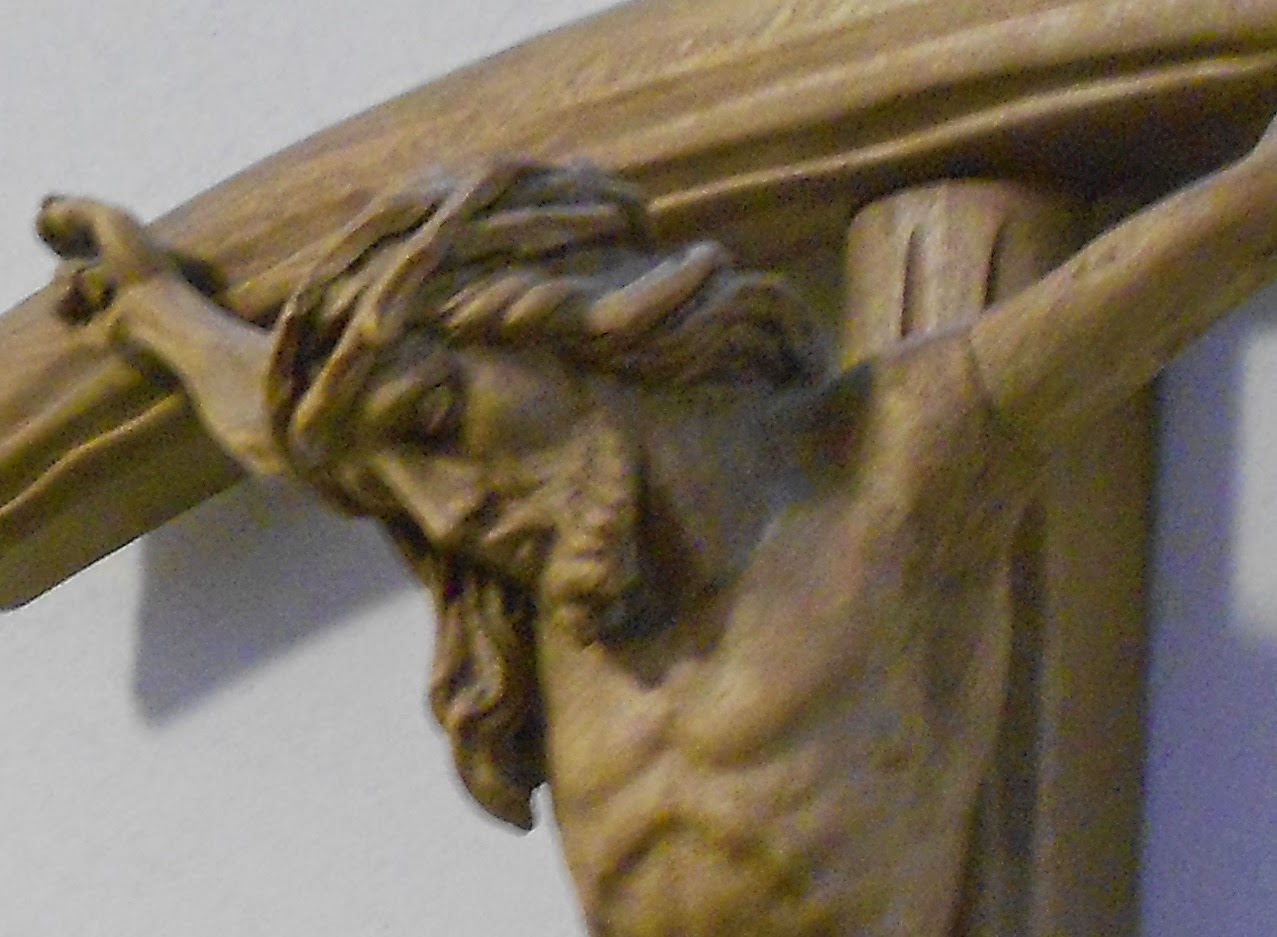
Why Was Jesus Crucified?

Second, I ask the person is why was Jesus crucified? One issue that can tend to be overlooked is that we can minimize the issue of blasphemy in a Jewish setting. by the way, none of the above figures were accused of blasphemy. According to Jewish law, the claim to be the Messiah was not a criminal, nor capital offense. Therefore, the claim to be the Messiah was not even a blasphemous claim. (1)

If this is true, why was Jesus accused of blasphemy? According to Mark 14:62, Jesus affirmed the chief priests question that He is the Messiah, the Son of God, and the Coming Son of Man who would judge the world. This was considered a claim for deity since the eschatological authority of judgment was for God alone. Jesus provoked the indignation of his opponents because of His application of Daniel 7:13 and Psalm 110:1 to himself.

Also, many parables, which are universally acknowledged by critical scholars to be authentic to the historical Jesus, show that Jesus believed himself to be able to forgive sins against God (Matt. 9:2; Mark 2: 1-12). Forgiving sins was something that was designated for God alone (Exod. 34: 6-7; Neh.9:17; Dan. 9:9) and it was something that was done only in the Temple along with the proper sacrifice. So it can be seen that Jesus acts as if He is the Temple in person. In Mark 14:58, it says, “We heard him say, ‘I will destroy this man-made temple and in three days will build another, not made by man.’ The Jewish leadership knew that God was the one who was responsible for building the temple (Ex. 15:17; 1 En. 90:28-29).(2)

Also, God is the only one that is permitted to announce and threaten the destruction of the temple (Jer. 7:12-13; 26:4-6, 9;1 En.90:28-29). (3) It is also evident that one reasons Jesus was accused of blasphemy was because He usurped God’s authority by making himself to actually be God (Jn. 10:33, 36). Not only was this considered by the Jews to be blasphemous, it was worthy of the death penalty (Matt. 26:63-66; Mk. 14:61-65; Lk. 22:66-71; Jn. 10:31-39; 19:7)

As the late Martin Hengal said:

“Jesus’ claim to authority goes far beyond anything that can be adduced as prophetic prototypes or parallels from the field of the Old Testament and from the New Testament period. [Jesus] remains in the last resort incommensurable, and so basically confounds every attempt to fit him into categories suggested by the phenomenology of sociology of religion.” (4)

Remember that there was a Jewish leader named Bar Kohba who made an open proclamation to be the real Messiah who would take over Rome and enable the Jewish people to regain their self-rule (A.D. 132-135). Even a prominent rabbi called Rabbi Akiba affirmed him as the Messiah. Unfortunately, the revolt led by Bar Kohba failed and as a result and both he and Rabbi Akiba were slain. And remember, Bar Kohba was not accused of blasphemy. He never claimed to have the authority to forgive sins or claim to be the Son of Man (as referring to Daniel 7).

Conclusion

In the end, I think the reason some people like the moral teachings of Jesus and avoid the divinity issue is an issue of autonomy. A non- divine Jesus is really not very threatening and doesn’t ask much of us.

Sources:

1. See Darrell L. Bock. Blasphemy and Exaltation in Judaism: The Charge Against Jesus in Mark 14:53-65. Grand Rapids, MI: Baker Books, 1998.
2. William Lane Craig. Reasonable Faith: Third Edition. Wheaton, Illinois: Crossway Books, 2008, 307.
3. Martin Hengel, The Charismatic Leader and His Followers. New York: Crossroad, 1981. 68-69; Cited in Edwards, 96.
4. Jacob Immanuel Schochet. Mashiach: The Principle of Mashiach and the Messianic Era in Jewish Law and Tradition. New York: S.I.E. 1992, 93-101.
5. Ibid.

Using Inference to the Best Explantion: What Caused the Birth of Christology?

Using Inference to the Best Explantion: What Caused the Birth of Christology?

Using Inference to the Best Explantion: What Caused the Birth of Christology?
 
Anyone who studies historical method is familiar with what is called historical causation. Historians seek out the causes of a certain events. As historian Paul Barnett says, “The birth of Christianity and the birth of Christology are inseparable both as to time and essence.” (1) One thing for sure: the birth of Christology was very early and not something that was invented much later in Church history.

We must not forget that within Judaism there is a term called “avodah zara” which is defined as the formal recognition or worship as God of an entity that is in fact not God i.e., idolatry. In other words, the acceptance of a non-divine entity as your deity is a form of avodah zara. (2) As of today, traditional or Orthodox Judaism still upholds the position that Jewish people are forbidden to pray and worship anyone other than the God of Israel (Ex. 20:1–5; Deut. 5:6–9).

Paul’s Letters are the earliest records we have for the life of Jesus. We know that from about AD 48 until his death (60 to 65 AD) Paul wrote at least 13 of the New Testament’s books. They are also the earliest letters we have for the Christology of Jesus. To read any objections to Paul’s Letters, see here.

As pointed out by Richard Bauckham in his work on this topic, Paul believed that Jesus was God by attributing attributes to him that were distinctly reserved for God. And he did so in a distinctly Jewish manner while also preserving monotheism. There were three attributes that first century Jews uniquely assigned to God:

1. God is the Sole Ruler of all things

2. God is the Sole Creator of all things

3. God is the only being deserving of worship

So let’s look at how Paul matches up the data here:

1. Jesus participates in God’s sole rule over all things

Phil: 3:20-21: “For our citizenship is in heaven, from which also we eagerly wait for a Savior, the Lord Jesus Christ; who will transform the body of our humble state into conformity with the body of His glory, by the exertion of the power that He has even to subject all things to Himself.”

Eph. 1:21-22: Paul speaks of Jesus being ”far above all rule and authority and power and dominion, and every name that is named, not only in this age but also in the one to come. And He put all things in subjection under His feet…”

Here, Jesus is clearly given the authority to rule above every one of God’s created beings.

2. Jesus as the Creator of all things

Jesus is clearly thought by Paul to have been the creator of the universe. This attribute is reserved only to God in Second Temple Judaism. Paul makes it clear that Jesus created all things.

Col. 1:15-16: “He is the image of the invisible God, the firstborn over all creation. For by him all things were created: things in heaven and on earth, visible and invisible, whether thrones or powers or rulers or authorities; all things were created by him and for him.”

3. Jesus as worthy of worship

As discussed above, only God was worthy of worship in Second Temple Judaism. Nevertheless, Paul discusses the worship of Jesus. Since God is the sole Creator and Ruler of all things He alone should be worshiped. Even within the Roman Empire, Jews worshiped God alone. No other entity was worthy of worship. Here is one of the earliest Christological texts:

Philippians 2:6-11: “Who, being in very nature God, did not consider equality with God something to be grasped, but made himself nothing, taking the very nature of a servant, being made in human likeness. And being found in appearance as a man, he humbled himself and became obedient to death even death on a cross! Therefore God exalted him to the highest place and gave him the name that is above every name, that at the name of Jesus every knee should bow, in heaven and on earth and under the earth, and every tongue confess that Jesus Christ is Lord, to the glory of God the Father.”

In their book The Jesus Legend, The: A Case for the Historical Reliability of the Synoptic Jesus Tradition, Gregory Boyd and Paul Eddy say,

“During the reign of Pilate and Herod, when Caiaphas was high priest, we find a Jewish movement arising that worships a recent contemporary alongside and in a similar manner as Yahweh-God. To call this development “novel” is a significant understatement. In truth, it constitutes nothing less than a massive paradigm shift in the first century Palestinian Jewish religious worldview.” (3)

Explanations try to show how something happened. That is, what is the cause for something that has happened. So let’s weight the options on the table and see if we can come up with an explanation that explains the data at hand:

#1: Religious Syncretism

While there were various Jewish sects during the time of Jesus, religious syncretism is a form of idolatry. First, the Jewish Scriptures forbids worshiping anyone other than the God of Israel (Ex. 20:1–5; Deut. 5:6–9). Following the exile and subsequent intertestamental struggles, it can asked whether Jews still fell prey to physical idolatry. Some skeptics assert that since Israel always had problems with idolatry in their early formation, it would not be a challenge to assert they could fall into idolatry again by worshiping one of their own countrymen as God. But this is problematic; To assert that Israel’s previous problems with idolatry which would lead to further into idolatry in the Second Temple period leads me to cry “anachronism.” Remember, idolatry is rarely mentioned in the Gospels. But there are warnings about idolatry in other portions of the New Testament( 1 Cor. 6:9-10 ; Gal 5:20 ; Eph. 5:5 ; Col 3:5 ; 1 Peter 4:3 ; Rev 21:8). Paul instructs believers not to associate with idolaters ( 1 Cor .5:11 ; 10:14 ) and even commends the Thessalonian for their turning from the service of idols “to serve the living and true God” ( 1 Thess1:9) (see Walter A. Elwell’s Baker’s Evangelical Dictionary of Biblical Theology, pgs 364-365). So I guess my question is the following: Why would Paul or the early disciples commit an idolatrous act (by saying Jesus is divine) and but then later speak against idolatry? It seems rather inconsistent.

#2 Hellenism or Polytheism?

The syncretism objection is related to the Hellenism/Polytheism possibility. The first followers of Jesus were exclusively Jews. The book of Acts gives a reference to the early followers of Jesus as “the sect of Nazarenes” (Acts 24:5). However, it is asserted that as the Christian faith spread, it became a predominately Gentile based religion. By the time of Jesus, Jews had encountered the impact of Hellenistic culture for three hundred years. The word “Hellenistic” was given to describe the period of history that started with the death of Alexander the Great in 323 B.C. and ended when Rome conquered Alexander’s empire in 30 B.C .It is also safe to say that several forms of Jewish culture during the Roman period were somewhat Hellenized. This is why it is often argued that the incarnation grew out of Hellenistic presuppositions. But as Paul Eddy points out in his articleWas Christianity Corrupted by Hellenism? from the middle of the third century BC, while Jewish Palestine had already experienced the effects of Hellenism we need to remember that Hellenism did not tend to infiltrate and ‘corrupt’ the local religious traditions of the ancient world. Rather, people maintained their religious traditions in spite of Hellenistic influence in other areas of their lives. Also, there are also references to the negative views of gentile polytheism (Acts 17: 22-23; 1 Cor 8:5). Gentiles were regarded as both sinful (Gal 2:5) and idolatrous (Rom 1:23).

#3: The Deity of Jesus is Legend?

As I already said, the earliest documents for the Christology of Jesus are Paul’s Letters. In them, we have one of the earliest confessions of the deity of Jesus in 1 Corinthians 8: 5-6:

“For though there are things that are called gods, whether in the heavens or on earth; as there are many gods and many lords; yet to us there is one God, the Father, of whom are all things, and we for him; and one Lord, Jesus Christ, through whom are all things, and we live through him.”

Here is a distinct echo of the Shema, a creed that every Jew would have memorized from a very early age. When we read Deuteronomy 6:4-9, which says, “Hear O Israel! The Lord our God is our God, the Lord is one,” Paul ends up doing something extremely significant in the history of Judaism.

A glance at the entire context of the passage in 1 Corinthians 8:5-6 shows that according to Paul’s inspired understanding, Jesus receives the “name above all names,” the name God revealed as his own, the name of the Lord. In giving a reformulation of the Shema, Paul still affirms the existence of the one God, but what is unique is that somehow this one God now includes the one Lord, Jesus the Messiah. Therefore, Paul’s understanding of this passage begets no indication of abandoning Jewish monotheism in place of paganism.

For a Jewish person, when the title “Lord” (Heb. Adonai) was used in place of the divine name YHWH, this was the highest designation a Jewish person could use for deity. Furthermore, it would have been no problem to confess Jesus as prophet, priest, or king since these offices already existed in the Hebrew Bible. After all, these titles were used for a human being. There was nothing divine about them.

#4: The Christology of Jesus can be explained by the disciples experience with Jesus before the resurrection and the post-resurrection appearances

I have already pointed out that the resurrection of Jesus is the best explanation for many historical issues within the New Testament.. So at this point, I would have to assume that skeptics can only say that the birth of Christology is simply false because of their metaphysical starting points (e.g., Jesus can’t be divine because the natural world is all there is, etc).

For those that are still hung up on the reliability of the New Testament, see our resource page.

Sources:
1. 1. Paul Barnett, The Birth of Christianity: The First Twenty Years (Grand Rapids: Wm. B. Eerdmans Publishing Co. 2005), 8.

2. David Berger, The Rebbe, The Messiah And The Scandal Of Orthodox Difference, 160-174.

3. Gregory A. Boyd and Paul R. Eddy, The Jesus Legend: A Case For The Historical Reliability of the Synoptic Tradition (Grand Rapids: MI: Baker Books, 2007), 132.

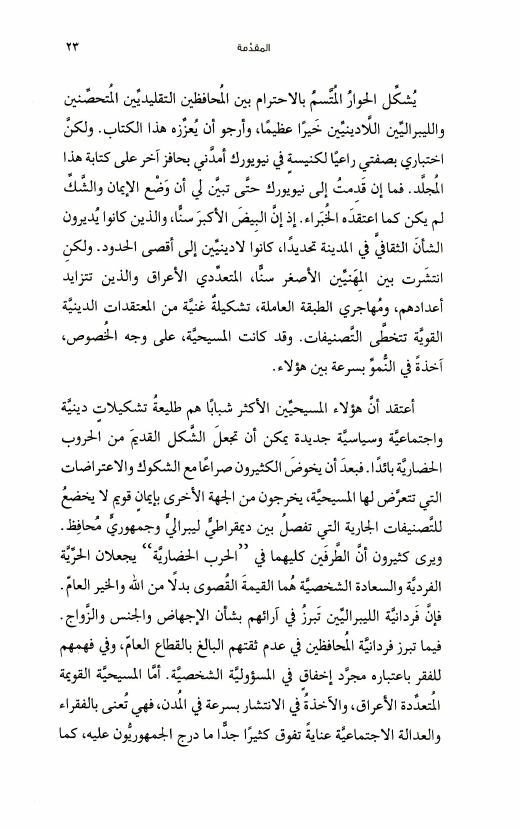
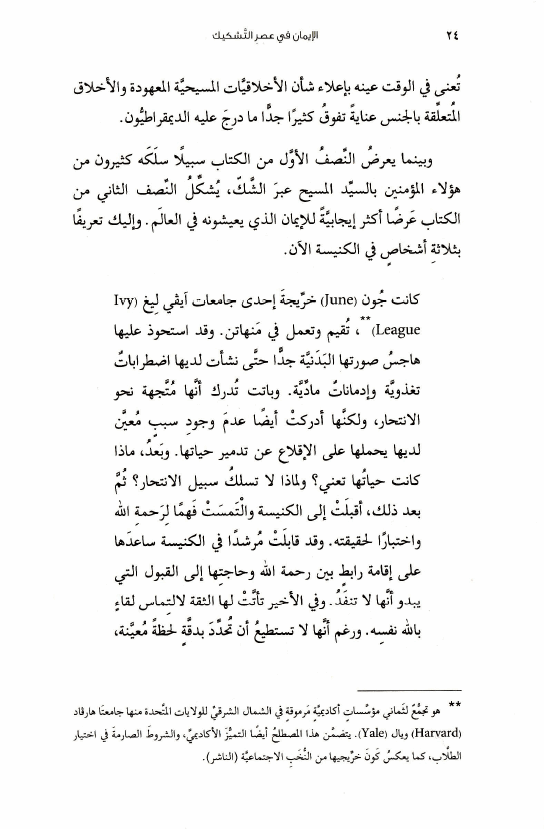
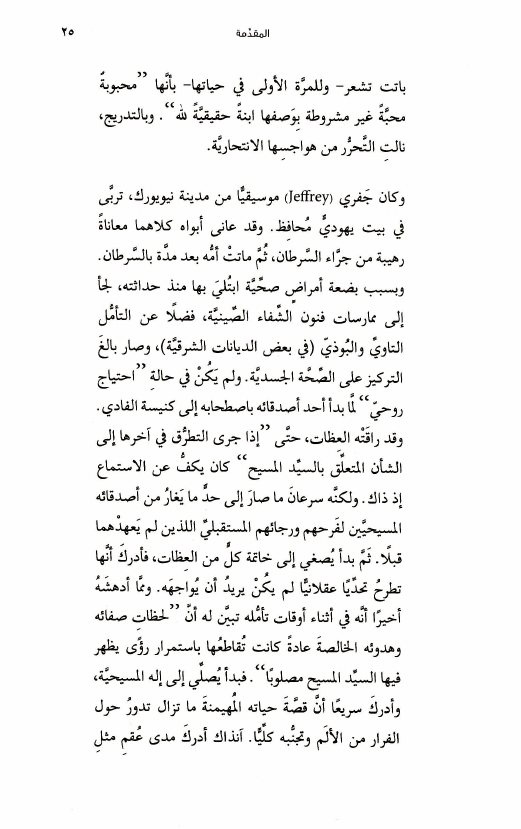
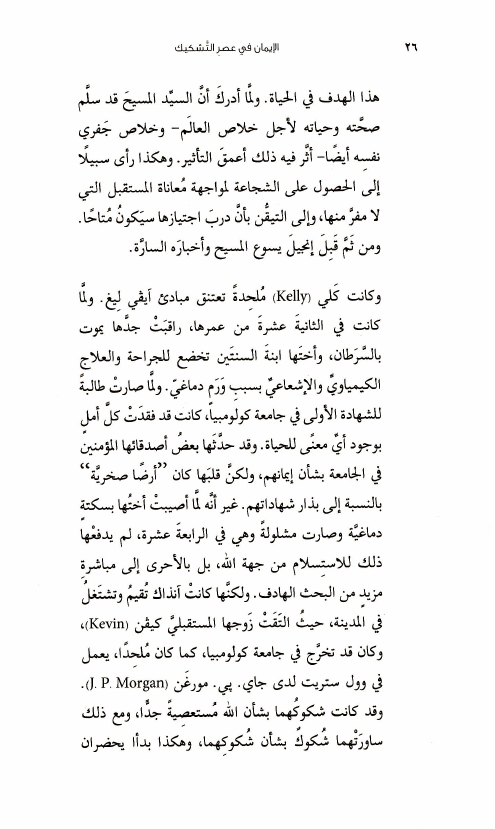
كتاب الإيمان في عصر التشكيك (2) نظرة ثانية إلى الشك، الشك في الشك!

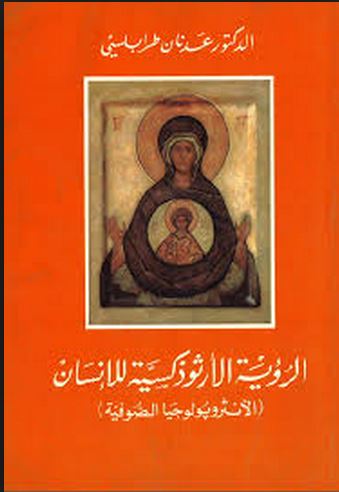
حصرياً كتاب: الرؤية المسيحية للإنسان (الانثربولوجيا المسيحية) للدكتور عدنان طرابلسي

من هو عدنان طرابلسي:

ولد في العام 1960 في حمص، سورية. تخرج من كلية الطب جامعة دمشق العام 1983. اختص في أمراض الأطفال في مشفى الأطفال جامعة دمشق العام 1986، ثم انتقل إلى الولايات المتحدة فتابع اختصاصه وحاز على شهادتي البورد الأمريكية في طب الأطفال و الأمراض الإنتانية عند الأطفال من جامعة سينسيناتي الأمريكية. مقيم في الولايات المتحدة متزوج و له ولدان.

بدأ نشاطه اللاهوتي بمقالة في جريدة (حمص) و (الكلمة) ثم أنشأ و هو في مشفى الأطفال كتاب (الرؤية الأرثوذكسية للإنسان: الإنثروبولوجية الصوفية). و تلا ذلك كتاب (وسقط أدم : لاهوت الأقمصة الجلدية). ثم ترجم كتاب (فن الصلاة) و (شرح الذهبي الفم لإنجيل القديس متى) (أربعة أجزاء)، (المزامير الروحية) للقديس أفرام السوري ووضع كتاب (الحوار المسكوني بين الكنائس). له عدة كراسات و مقالات و محاضرات منها : (العنصرة ، شخص يسوع المسيح ، ميمر في بشارة التجلي، الإنسان في التدبير الإلهي و في رقاد السيدة.


حصرياً كتاب: الرؤية المسيحية للإنسان (الانثربولوجيا المسيحية) للدكتور عدنان طرابلسي


Free Download


الإنسان روحا وجسدا . الإنسان شخص. الإنسان على صورة الله ومثاله .الإنسان كاهنا وخالق ثاني .


ان موضوع الانثربولوجيا المسيحية ( دراسة علم الإنسان) هو موضوع الصورة والمثال، وهو علم واسع في الدراسات اللاهوتية ولا يزال حتى هذه الساعة يكتشف في صورة الله في الإنسان جوانب حياتية جديدة تكشف لنا عن عالم جديد وجميل وفريد في نوعه .

        إذا فما هي طبيعة الإنسان ؟ هل هو مخلوق الأرضي الذي ينتمي الى جنس الحيوان، وتحكمه دوافع الحيوان وميوله وإن كان أرقى قليلا من الحيوانات الراقية ؟ أم هو ذلك المخلوق المتسامي في فكره، المتطلع الى الكمال، المشتاق الى السموّ والرفعة والخير والفضيلة ؟.

 الإنسان:روحا وجسدا.

          الرؤية المسيحية للإنسان تفرّدت عن كل ما سبقها وما تلاها من نظريات حول الإنسان روحا وجسدا، عقلا وذهنا . واستعان الآباء لتوضيح هذه الرؤية بعقيدة التجسد الإلهي وعقيدة الثالوث القدوس .

        فصرنا نفهم الله من خلال الإنسان، ونفهم الإنسان من وراء فهمنا لله . هذا مع العلم أن الاستعانة بتكوين الانسان هي استعانة نسبية لتوفير إمكانية فهم ما، إلا ان الله يفوق مفاهيمنا بما لا يقاس .

الله خلق الانسان روحا وجسدا . فهو خالق الروح وخالق الجسد . خلقهما معا في علاقة محبة وألفة وتعاضد رغم وجود العديد من الفروق بينهما .

ولم  يخلقهما إلا على صورته ومثاله . والله كائن شخصي والإنسان كائن شخصي، وليس بطبيعة عمياء ( لا شخص لها ) كالحيوان أو النبات أو الجماد . فالصورة الإلهية موجودة في الروح وفي الجسد أيضا كما يقول غريغوريوس بالاماس . فالجسد أيضا مطبوع بطابع صورة الله، ومختوم بروحه القدوس لأنه من صنعه الله .

ولان علاقة الجسد مع الروح علاقة مصيرية وثيقة ليست عابرة ولا مؤقتة، فالروح تمتلك بالطبيعة علاقة محبة مع جسدها الموجودة فيه والذي لا تريد أبدا أن تفارقه، إلا إذا أرغمت على ذلك يقول يوحنا الدمشقي . يقول فلاديمير لوسكي إن شخصنا هو صورة الله فينا . أي ان شخص الإنسان هو صورة شخص يسوع .

وهذا يلتقي مع بالاماس بأن صورة تشمل الجسد أيضا، لأن الشخص يحوي الجسد المتحد مع الروح . فالله خلق جسدنا بصورة خاصة فريدة يكون معها قابلا لأن يكون وروحنا متحدين في شخصنا الذي هو صورة الله . يقول جوستينيان: ” لقد صنع الله الجسد، وخلق النفس بالوقت نفسه، مشكلا بذلك إنسانا كاملا: إذ إن الجسد بغير نفس ليس إنسانا، ولا النفس بغير جسد أنسانا”. ويقول القديس يوحنا الدمشقي:” لقد شكّلت النفس والجسد في وقت واحد وليس بالبداية أحدهما دون الآخر كمل يفترض بذلك أوريجنس بغير حكمة “. إذا لا توجد نقطة اتصال معينة بين الروح والجسد.

 فالروح لا تستقر في مكان معين ومحدود دفي الجسد، وإنما ترتبط بكل جزء منه، وتتصل بكل الجسد بطريقة ما غير قابلة للوصف، وبصورة روحية . يقول القديس باسيليوس الكبير: “كل الخليقة كانت لأجل النفس ( الروح): الناموس النبؤات، الأناجيل قد أعطيت لأجل النفس .. ولأجل خلاصها جاء ابن الله نفسه الى الأرض وصار إنسانا .. وتألم وصلب ” . أما القديس غريغوريوس بالاماس فقال: ” النفس هي في كل مكان في الجسد الذي خلقت منه . لا كأن لها مكانا أو انه قد احتواها، بل كممسكة بالجسد معا ومعطية حياه له . 

 الإنسان شخص:

             الإنسان مخلوق على صورة الله . وإله الوحي المسيحي هو الثالوث القدوس. فالإنسان هو صورة الثالوث . فالإنسان إذا وحده شخص دون سواه من الكائنات. لأنه وحده مخلوق على صورة الله . الإنسان تعبير محدود عن الله غير المحدود . لذلك يقول فلاديمير لوسكي:” إن صورة الله في الإنسان تشير الى كل شيء يمّيز الإنسان عن الحيوان، والتي تجعله:” شخصيا” بكل معنى الكلمة، عاملا مناقبيا، قادرا على التمييز بين الحق والباطل، شخصا روحيا مزوّدا بحرية داخلية ” .

        ” الإنسان هو كائن شخصي مثل الله، وليس بطبيعة عمياء. هذا هو طابع الصورة الالهية فيه . علاقته المطلقة كشخص مع إله شخصي يجب أن تسمح له بـ” شخصنة ” العالم . ولم يعد الإنسان يخلص عبر الكون، بل الكون عبر الإنسان . لان الإنسان هو أقنوم الكون كله، الذي يشترك في طبيعته . والأرض تجد معناها الشخصي، الاقنومي في الإنسان . الإنسان هو للكون رجاء نيل النعمة والاتحاد مع الله ” ( اسبيرو جبور:  سر التدبير الإلهي ) .

        طابع الصورة الإلهية عند الإنسان هو أن الإنسان شخص مخلوق على صورة يسوع الشخص الإلهي، الرب يسوع هذا النموذج الذي تم خلق الإنسان على موجبه . أي خلق الله الإنسان على موجب ما سيكون عليه ناسوت يسوع أثناء التجسد الإلهي . لذلك يقول القديس مكسيموس المعترف عن الإنسان: ” الإله الحقيقي ” . وإنه في نفحة الله لصنع الإنسان هو الأقنوم المخلوق على صورة الأقانيم الإلهية . وإن الإنسان ” شخص مؤلف “. فهو أقنوم أرضي للكلمة السماوي الذي به كان كل شيء .

        لذا، وإن كان الإنسان أقنوما مخلوقا – روحا وجسدا – على صورة أقنوم يسوع، فهناك اختلافات بينهما . فالإنسان أقنوم بشري مخلوق، ويسوع أقنوم إلهي غير مخلوق . الإنسان أقنوم فيه طبيعة واحدة مؤلفة من اتحاد جوهرين مختلفين هما الروح والجسد اتحادا مفروضا من قبل الخالق . أما يسوع فأقنوم في طبيعتين – إلهية وبشرية – متحدتين بملء حرية الله واختياره .

        غير إن اتحاد الروح مع الجسد في الشخص البشري لا يشبه اتحاد الطبيعتين البشرية والإلهية في شخص يسوع . يذكر القديس غريغوريوس بالاماس ثلاثة أنواع من الاتحادات . 1- الاتحاد الجوهري ( اتحاد الاقانيم الإلهية الثلاثة في الجوهري الإلهي الواحد ) . 2- الاتحاد الاقنومي ( اتحاد طبيعتي المسيح في أقنوم واحد ) . 3- الاتحاد بحسب القوى، اتحادنا بالقوى الإلهية، بالنعمة المؤلِّهة مع الله ( تأله الإنسان ) .

الإنسان: على صورة الله ومثاله:

             شاء الله ان يخلق الإنسان بدافع محبته وصلاحه وأيضا أراد ان يكون الإنسان كائنا عاملا، حرا، حكيما، صالحا، ممجدا، باختصار أراده إلها صغيرا مخلوقا، وإنسانا متألِها، لذلك خلقه على صورته ومثاله .

آباء الكنيسة متفقون على وجود علاقة ما، بين الإنسان والله، على ضوء حقيقة خلق الإنسان على صورة الله ومثاله . لهذا ينطلق القديس غريغوريوس النيصصي مما كشفه الوحي الإلهي لنا عن الله، ومنه يصل الى إكتشاف ما هو في الإنسان، الى الصورة الالهية المطبوع بها . وهذا الأسلوب اللاهوتي لمعرفة الإنسان ( الانثربولوجيا ) .

        هل الصورة الالهية في الإنسان تشمل كل الإنسان – الروح والجسد – كما يعتقد القديس ايريناوس والنيصصي وبالاماس ؟ إذ يقول هؤلاء الآباء : ليس فقط الروح ولكن أيضا الجسد يشترك في الصورة الالهية في الإنسان . لأنه بجملته مخلوق على صورة الله، إن يسوع هو النموذج الذي خلق عليه شخص الإنسان، ولا تجزئة في كيانه الداخلي . كل الإنسان يتجه نحو كل الله ، لأنه كل الصورة التي خلق على نموذجها .

        الله يطلب من الإنسان ان يصبح متأّلها، مشاركا في حياة الله . وبالتالي يمتد التجديد الى كامل الإنسان: ” هوذا الكل قد صار جديدا ” ( كورنثوس الثانية:5 – 17 ) . الله لا يطلب من أن أكرس له جزءا من ذاتي أو أجزاء من حياتي . هو يريدني بكليتي، هو لم يبخل عليّ بشيء . لقد أخلى ذاته إخلاء كاملا، وأطاع حتى الموت، لذلك نسمعه يطلب القلب: ” يا يني أعطني قلبك ” لان القلب هو مركز كل كيان الإنسان .

        لذلك الإنسان كائن يحمل في داخله نعمة إلهية، من روح الله وهذه النعمة هي التي تدفعه للمشاركة، لا مع الله فقط، بل مع الملائكة، ومع أخيه الإنسان . الإنسان خلق كي يشارك الله في حياته الالهية كي يصبح ” شريكا للطبيعة الالهية ” ( بطرس الثانية: 1 – 4 ) . خلق الإنسان كي يصير إلها بالنعمة الالهية، لا بالجهد البشري وحده . الله صالح وأراد أن يشاركه الإنسان هذا الصلاح . وهو لم يخلقه إلا لأنه صالح .

إذا، الإنسان مدعو ليعيد وحدة الطبيعتين بالنعمة، في شخصه المخلوق ليصبح ” إلها مخلوق، وإلها بالنعمة ” عكس المسيح الذي هو شخص ألهي قد ضم إليه طبيعة بشرية .

        الإنسان كما يقول القديس باسيليوس الكبير: هو خليقة نالت أمرا لتصبح إلها.

الله لم يخلق الإنسان كي يموت، كي يفنى، بل أراده كائنا يحيا الى الأبد مثل الله، كي يشاركه حياته الالهية . فالإنسان لا ينتهي بموته الجسدي، ولا يفنى ولا يزول . إنه خليقة خلقت لتبقى وتحيا الى الأبد . فان كان الإنسان ذا بداية، لأنه مخلوق، فهو بلا نهاية .

     الإنسان: كاهنا، وخالق ثاني

             أن الطبيعة تسبح الله بحسب المزامير “سبحوا الرب يا جميع الكواكب والنور” (مز 3:148)، بالطبع ليست الطبيعة بحد ذاتها التي لا تفسر فيها تسبح الرب، ولكن عبر الإنسان. عندما تدفع الطبيعة الجميلة والعجيبة الإنسان إلى التعجب وتسبيح الله، تقوده الى معرفة الله. لأن الطبيعة الجامدة لا تسبح ولا تمجد ولا تترجى. هكذا عندما تتم الطبيعة رسالتها هذه تشكل وتنظم نحو الله تسبيحاً. 

الإنسان أيضاً كتاج للطبيعة وكأكمل عنصر فيها يصلها بواسطته وعبره مع الله، وهذا الدور أشبه بكهنوت ويشبه الإنسان بكاهن للطبيعة. أيضاً الإنسان سر كائن مركب ومزدوج في طبيعته هو الوحيد من كل الخليقة الذي بعقلانيته يستطيع أن يأتي مع الله في علاقة ويسبحه ويحتل هكذا محل كاهن للطبيعة. هذه الإمكانية الكهنوتية للإنسان نابعة من طبيعته المركبة من عنصرين، الروحي والجسدي.

        فيستطيع بطبيعته الروحية أن يصل العالم المادي بالله، وهذا ما يميزه عن الكائنات والخلائق الأخرى اللاعقلانية. ونتيجة دور الإنسان هذا تقع مسؤولية فصل العالم المادي أو فصله عن الله على عاتق الإنسان، حياة الإنسان الأخلاقية. فحسن أو سوء استخدامه الحر لعقلانيته يحدد صلة الطبيعة بالله.

هكذا الإنسان إذا نظرنا إليه بحد ذاته ولوحده يمكن أن نرى علاقته مع الخليقة “كوسط” بمعنى ومتوسط يملك خواص مشيئتين، بالعمق لكن وبمنظور اسختولوجي هو “واصل” بين الله والعالم. دور الإنسان هذا، بحسب القديس يوحنا الذهبي الفم، يرفع الإنسان من مستوى الخليقة إلى مستوى خالق ثاني مع الله.

        إذا كان الخلق كعمل إبراز من العدم إلى الوجود هو عمل الله، فإن حدث رفع الخليقة المادية إلى مستوى العلاقة الروحية مع الله هو عمل الإنسان. تصعيد الخليقة المادية إلى مملكة روحية كان هدف الله من عمل الخلق اسختولوجياً.

 في العمق هناك عمل خلق ثاني. ليس من العدم، لأنه ليس إبراز مادة وجوهر، ولكن خلق مملكة وملكوت له من المادة، هذا الخلق الثاني هو عمل الإنسان. “أنا أوجدت وعملت المادة، فحسّن أنت منحى الحياة”، يقول القديس يوحنا الذهبي الفم عن فم الله. قديسنا هذا يشبه لنا الله الخالق بـ”أب حنون رسام” يوّد ويرغب ليس فقط أن يحب هو عمل الرسم وإنما أن “يعلم طفله ويجعله يتقن هذا الفن”

     إذا أن الإنسان هو ابن لله، هذا ما يوحي به الكتاب المقدس في عهديه:” أليس لجميعنا أب واحد؟  (ملاخي 2- 1. ) ” أنت يارب أبونا ونحن عمل يديك” ( اشعياء64 – 7 )” اختارنا الله قبل إنشاء العالم . وقدّر لنا أن يتبنّانا بيسوع المسيح ” (أفسس1: 3- 5) فيكون يسوع ” بكرا لإخوة كثيرين ” ( رومية 8 – 29)، ويكشف لنا ” أن أبانا واحد في السماء، ونحن جمعيا إخوة ” ( متى 23: 9 – 1. ) 

 لذلك الإنسان مخلوق فلا بد ان يكون له خالقا، وجوده ليس من ذاته ولكن من الله، لذا الإنسان يعتمد على الله خالقه وصانعه فيما هو عليه وفيما يمكن ان يكون عليه. هذا هو الجواب الذي تقدمه المسيحية لترد على كبرياء الإنسان وغرور النظريات التي تمجد قدرة الإنسان واستقلاليته وتعتبره قادرا على كل الأمور .

قصة روحية: لماذا نغفر؟ قصص حقيقية عن الشفاء من سرطان البُغض والكراهية

لماذا نغفر؟

قصص حقيقية عن الشفاء من سرطان البُغض والكراهية

بقلم يوهان كريستوف آرنولد Johann Christoph Arnold


لماذا نغفر؟


لقد أصبح الغُفران تعبيراً طنّاناً، لكنّ النّاس مازالوا لا يفهمونه .فلا يعرفون الفوائد التي ستعود عليهم بفضله – ولا الثمن الذي سيدفعونه إذا رفضوا مسامحة الآخرين. والكثير يعتقد بأن المسامحة تعني التساهل أو نسيان الموضوع أو تجاهل آلامهم. وينظرون إليه على أنه حالة من الضعف. إن كتاب “لماذا نغفر؟” يعكس لنا صراعات الذين قد خاضوا الجريمة والخيانة والتّعصّب وسوء المعاملة من رّجال ونّساء عاديّين. فالكلّ ليس مستعد أن يغفر، لكنّ الكلّ مصمّم على ألا يجعل من الغضب والبغض واليأس أن يسيّر حياته. وستعمل قصصهم معاً على حثّ وتشجيع الآخرين حتى لو كانوا على طّريق الشفاء.

في كتاب “لماذا نغفر؟” يفسح “كريستوف آرنولد” المجال للتجارب العسيرة للناس العاديين أن تنطق بحقيقة الحال – هؤلاء النّاس الذين استطاعوا أن يحكوا عما يخالج قلوبهم من بغض وضغينة وكيفية التّغلّب على هذه الجراح التي تحول بينهم وبين الآخرين، وأيضاً تراهم يتحدثون عن راحة البال الّتي قد وجدوها عندما قاموا بذلك.

و “الجراح” هي بالحقيقة كلمة لا تعطي حق المعنى بالكامل، لأن كثير من هذه القصص يتعامل في الواقع مع الآثار المروّعة لجرائم العنف أو الخيانة والغدر أو سوء المعاملة أو التّعصّب أو الحرب، لكنّ “لماذا نغفر؟” يبحث أيضاً في الآثار الناجمة عن معارك الحياة الواقعية والمألوفة في الدنيا ألا وهي: ذلك الشيطان الذي يكمن وراء الغيبة والنميمة والروابط الأسرية المتوتّرة والبرود في العلاقات الزوجية والتشنجات في أماكن العمل.

وكما هي الحياة، فليس لكل قصة نهاية سعيدة – وهي حقيقة رفض “كرستوف آرنولد” تجنبها. ويتناول الكتاب أيضاً صعوبة مسامحة النفس، وعدم جدوى لوم الله، والاضطراب الذي يعيشه أولئك الذين لا يقدرون على أن يغفروا، رغم محاولاتهم.


لقراءة الكتاب: 

لتحميل الكتاب: لماذا نغفر؟


دواعي الإيمان في عصرنا – ج1 و ج2 – للأب: جيوفاني مارتني PDF

دواعي الإيمان في عصرنا – ج1 و ج2 – للأب: جيوفاني مارتني PDF

دواعي الإيمان في عصرنا – ج1 و ج2 – للأب: جيوفاني مارتني PDF

دواعي الإيمان في عصرنا – ج1 و ج2 – للأب: جيوفاني مارتني PDF

لتحميل الجزء الأول


لتحميل الجزء الثاني

Exit mobile version