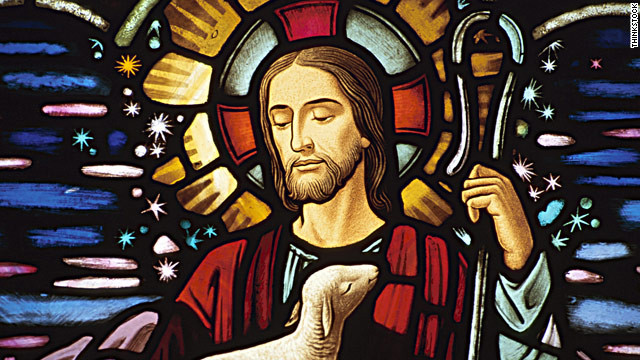
أكاذيب_ديدات (3): هل أنكر المسيح أنه (الرب)؟

أكاذيب_ديدات (3):  هل أنكر المسيح أنه (الرب)؟

أكاذيب_ديدات (3):  هل أنكر المسيح أنه (الرب)؟

أكاذيب_ديدات (3): هل أنكر المسيح أنه (الرب)؟
[gview file=”http://www.difa3iat.com/wp-content/uploads/2016/01/003.pdf” save=”0″]

للأستاذ: جون يونان

من كتاب: هل أنكر المسيح أنه (الرب)؟

من طبائع الباحثين والنقاد الذين لا يتناولون أمراً بالنقد، إلا اذا قلبوه بين أيديهم، ونثروه بين ثنايا أفكارهم بكل دقة.. وإلا لشابهوا العجائز القابعين على قهاوي الحارة يتندرون بالحكايات ويذيعونها زائدين عليها تسعة أعشار من الأكاذيب!

لكن (علامة!) عصره الشيخ ديدات، كل طامته انه “متعالم!”، فلا هو من الباحثين ناهيك عن الناقدين.. فهو يلقي الكلام على عواهنه، ويسلط لسانه في كل ميدان، منتهجاً “الأدلجة” و الاقتطاع، والتدليس في استخدامه لنصوص الكتاب المقدس، موهماً المسلمين بعبقريته وألمعيته الفذة.. بينما هو مجرد “شيخ شعبي”! من الذين يسمعون الحكايا ويوصلونها مثقلة بالفبركات!!

فها هو أحد (الفيديوهات) التي ينشرها أتباعه علناً.. معتقدين ان المسيحيين نائمون ومتغافلون عن صدها وتهشيمها.. وهو عبارة عن سؤال وجواب، من سائلة استرالية الى الشيخ ديدات في احدى محاضراته التي أقامها في رحلته الأخيرة الى استراليا[1].

تسأله سائلة عن المسيح في الاسلام كيف عاش ومات؟

فكيف أجابها ديدات؟

أجاب ديدات:

” قرأت عليك الآية “بل رفعه الله اليه”.. وانا اقول انه سيعود ثانية ليدينكم! نحن المسلمون نؤمن ان الاسلام هو خاتم الرسالات، فلسنا بحاجة لنتعلم شيئاً جديداً من يسوع او موسى او محمد، فكل ما ارد الله ان يخبرنا به فقد اعطاه لنا واخبرنا به. اذن لماذا سيعود المسيح ثانية؟ اقول كلا! انه سيعود ليصحح مساركم ويقومكم، وها هو يقول لكم في انجيل القديس متى: كَثِيرُونَ سَيَقُولُونَ لِي فِي ذلِكَ الْيَوْمِ أي يوم عودته يوم قدومه الثاني، “كَثِيرُونَ سَيَقُولُونَ لِي فِي ذلِكَ الْيَوْمِ: يَا رَبُّ، يَا رَبُّ! أَلَيْسَ بِاسْمِكَ تَنَبَّأْنَا، وَبِاسْمِكَ أَخْرَجْنَا شَيَاطِينَ، وَبِاسْمِكَ صَنَعْنَا قُوَّاتٍ كَثِيرَةً؟ “( متى 22:7).  ستسألون يسوع لقد بنينا مسشفيات ومراكز العناية بالزنوج واعتنينا بالبرابرة والافارقة والهنود، نعم كل تلك الاشياء الحسنة صنعتموها، لقد علمتم اولئك الحمقى وجعلتموهم متحضرين، فبماذا سيرد يسوع على كل ذلك؟ سيقول: إِنِّي لَمْ أَعْرِفْكُمْ قَطُّ.. انه أمر مذهل، انتم تعملون باسم المسيح وتعتنون بمرضى الجذام والبرص، كما تفعل الام تيريزا وحقا اعمالها عظيمة، اني احني رأسي احتراماً لها، ما تفعلونه رائع، اعتناءكم بالحيوانات، فما سيقول لكم المسيح وانا اسأل المسيحيين اجيبوني؟ اتعلمون السبب (لرفضه لكم)؟ اتعلمون؟ لأنكم ناديتموه: “رب”! انه ليس ربكم ولا الهكم (تصفيق). هذا هو السبب.، المسيح علمكم الصلاة الربانية كما يعلم الاطفال الصغار. ابانا الذي في السموات.. اين قال ابانا ويسوع الذي في السموات؟ لكنكم نسيتم هذا، فبدلاً من ان تعبدوا الآب عبدتموه هو “.

“علاّمة العصر!” دأب على إيهام جمهوره بشتى المحاولات بأنه واسع المعرفة، المتبحر في صنوف العلوم.. إنما بقراءة متأنية لما يكتب، وبتفحص قليل لما يقوله خلف المايكرفونات ستكتشفون بأنه شيخ “شعبي”! أي مجرد متلقف من هنا وهناك، وان ثقافته لا تعدو مقصوصات الجرائد القديمة، مكرراً ما يسمع دون دراسات ومراجع.. علاوة على براعته في اضافة “نكهات” مختلفة من التدليس والفبركة على النصوص ليقدم “طبخة” مؤذية للصحة الفكرية لدى مستمعيه! وعلى عاتقنا تنقية الأذهان مما علق بها من سمومه..

وسينقسم تفنيدنا لشبهاته على عدة محاور:

المحور الأول: هل أنكر المسيح ربوبيته؟ (المعنى الصحيح لكلام المسيح)

المحور الثاني: شهادة الإنجيل: المسيح هو (الرب)!

المحور الثالث: هل يستحق المسيح العبادة والصلاة؟

المحور الأول: هل أنكر المسيح ربوبيته؟ (المعنى الصحيح لكلام المسيح)

 أولاً: ديدات يتشقلب مدلساً على كلام المسيح!

مارس ديدات اسلوب (التدليس) الذي ينبغ فيه ببراعة، مخفياً باقي كلام المسيح!!

فلنقرأه النص الانجيلي كاملاً:

21 «لَيْسَ كُلُّ مَنْ يَقُولُ لِي: يَا رَبُّ، يَا رَبُّ! يَدْخُلُ مَلَكُوتَ السَّمَاوَاتِ. بَلِ الَّذِي يَفْعَلُ إِرَادَةَ أَبِي الَّذِي فِي السَّمَاوَاتِ.

22 كَثِيرُونَ سَيَقُولُونَ لِي فِي ذلِكَ الْيَوْمِ: يَا رَبُّ، يَا رَبُّ! أَلَيْسَ بِاسْمِكَ تَنَبَّأْنَا، وَبِاسْمِكَ أَخْرَجْنَا شَيَاطِينَ، وَبِاسْمِكَ صَنَعْنَا قُوَّاتٍ كَثِيرَةً؟

23 فَحِينَئِذٍ أُصَرِّحُ لَهُمْ: إِنِّي لَمْ أَعْرِفْكُمْ قَطُّ! اذْهَبُوا عَنِّي يَا فَاعِلِي الإِثْمِ!

24 «فَكُلُّ مَنْ يَسْمَعُ أَقْوَالِي هذِهِ وَيَعْمَلُ بِهَا، أُشَبِّهُهُ بِرَجُل عَاقِل، بَنَى بَيْتَهُ عَلَى الصَّخْرِ.

25 فَنَزَلَ الْمَطَرُ، وَجَاءَتِ الأَنْهَارُ، وَهَبَّتِ الرِّيَاحُ، وَوَقَعَتْ عَلَى ذلِكَ الْبَيْتِ فَلَمْ يَسْقُطْ، لأَنَّهُ كَانَ مُؤَسَّسًا عَلَى الصَّخْرِ.

26 وَكُلُّ مَنْ يَسْمَعُ أَقْوَالِي هذِهِ وَلاَ يَعْمَلُ بِهَا، يُشَبَّهُ بِرَجُل جَاهِل، بَنَى بَيْتَهُ عَلَى الرَّمْلِ.

27 فَنَزَلَ الْمَطَرُ، وَجَاءَتِ الأَنْهَارُ، وَهَبَّتِ الرِّيَاحُ، وَصَدَمَتْ ذلِكَ الْبَيْتَ فَسَقَطَ، وَكَانَ سُقُوطُهُ عَظِيمًا!».

28 فَلَمَّا أَكْمَلَ يَسُوعُ هذِهِ الأَقْوَالَ بُهِتَتِ الْجُمُوعُ مِنْ تَعْلِيمِهِ،

29 لأَنَّهُ كَانَ يُعَلِّمُهُمْ كَمَنْ لَهُ سُلْطَانٌ وَلَيْسَ كَالْكَتَبَةِ.

 (متى 7: 21-23).

وسنبدأ بتحليل هذا النص المقدس جيداً وكيف تعامل معه ديدات باعوجاج شديد.. مع ثانياً..

ثانياً: بقية كلام المسيح ينسف رد ديدات!

في اجابة ديدات على السائلة، قام كالحاوي باقتطاع الآية (22) من سياقها وقراءتها.. مخفياً بداية الكلام من الآية (21)! فلماذا أزعجته الآية (21) فتعامى عنها؟!

الجواب لا يخفى على اللبيب، إذ أنها ببساطة ستدك وتنقض كل بناءه الطيني!

اذ بقراءة متأنية لها سنجد الرب يسوع يقول:

” لَيْسَ كُلُّ مَنْ يَقُولُ لِي: يَا رَبُّ، يَا رَبُّ! يَدْخُلُ مَلَكُوتَ السَّمَاوَاتِ. بَلِ الَّذِي يَفْعَلُ إِرَادَةَ أَبِي الَّذِي فِي السَّمَاوَاتِ” ( متى 21:7).

المسيح قال حرفياً: “ليس كل”!  وبما انه “ليس كل” من القائلين (يا رب) سيدخلون الملكوت، اذن هناك “منهم” من القائلين (يا رب) سيدخلون الملكوت. مع انهم يعترفون به كرب ويقولون (يا رب يا رب)!

فمفتاح الآية الذي يوضح الأمر هو عبارة “ليس كل” وهي “تبعيضية” من البعض وليست شاملة.

 فالمسيح لا ينفي دخول كل القائلين (يا رب يا رب) للملكوت السماوي، كما يحاول ديدات ان يدلس على الجمهور!

اذ لو كان قصد المسيح هو (النفي!) المطلق لكل من دعاه رباً، لكنا سمعناه يقول:

” كل من يقول لي يا رب يا رب لن يدخل الملكوت “!

 وهذا لم يتفوه به المسيح ولو كره ديدات!

ثالثاً: ما سبب رفض المسيح لبعض من سيقولون له: يا رب يا رب؟

هل سيرفضهم لأنهم اعترفوا بلاهوته كما أوهم ديدات سامعيه؟

كلا مطلقاً! لأننا لو تابعنا قراءة كلام المسيح سنجد الجواب وهو: انه سيرفضهم لأنهم كانوا “فاعلي إثم”!

أساس رفض المسيح لهم ليس (عقيدي) قائم على معتقدهم فيه واعترافهم بلاهوته، انما (سلوكي) لكونهم اشرار خطاة. وايمانهم لا يعدو سوى اعتراف سطحي عقلي دون ثمر.

فالإيمان الحقيقي هو الذي يثمر أعمالاً صالحة تتوافق مع الطبيعة الجديدة التي يحصل عليها المؤمن. اذ قال الوحي: “أَرِنِي إِيمَانَكَ بِدُونِ أَعْمَالِكَ، وَأَنَا أُرِيكَ بِأَعْمَالِي إِيمَانِي” (يعقوب 2: 18).

ويجلي هذا التفسير قول الرب يسوع:

“لماذَا تَدْعُونَنِي: يَا رَبُّ، يَا رَبُّ، وَأَنْتُمْ لاَ تَفْعَلُونَ مَا أَقُولُهُ؟ ” (لوقا 46:6).

انه يريد الايمان بأنه رب مع العمل بوصاياه كرب مطاع!

فكلام المسيح عن (بعض) الذين يعترفون بلسانهم بربوبيته ولا يعملون بوصاياه، يكمن ضد عدم سلوكهم الصالح، وليس ضد كلامهم. (هذا جوهر الكلام).

وما يؤكد هذا المعنى -انه يتحدث عن الأعمال والسلوك- هو بقراءة بداية الفقرة كاملة من كلام المسيح، اذ قال:

“16 مِنْ ثِمَارِهِمْ تَعْرِفُونَهُمْ. هَلْ يَجْتَنُونَ مِنَ الشَّوْكِ عِنَبًا، أَوْ مِنَ الْحَسَكِ تِينًا؟

17 هكَذَا كُلُّ شَجَرَةٍ جَيِّدَةٍ تَصْنَعُ أَثْمَارًا جَيِّدَةً، وَأَمَّا الشَّجَرَةُ الرَّدِيَّةُ فَتَصْنَعُ أَثْمَارًا رَدِيَّةً،

18 لاَ تَقْدِرُ شَجَرَةٌ جَيِّدَةٌ أَنْ تَصْنَعَ أَثْمَارًا رَدِيَّةً، وَلاَ شَجَرَةٌ رَدِيَّةٌ أَنْ تَصْنَعَ أَثْمَارًا جَيِّدَةً.

19 كُلُّ شَجَرَةٍ لاَ تَصْنَعُ ثَمَرًا جَيِّدًا تُقْطَعُ وَتُلْقَى فِي النَّارِ.

20 فَإِذًا مِنْ ثِمَارِهِمْ تَعْرِفُونَهُمْ.

21 «لَيْسَ كُلُّ مَنْ يَقُولُ لِي: يَا رَبُّ، يَا رَبُّ! يَدْخُلُ مَلَكُوتَ السَّمَاوَاتِ. بَلِ الَّذِي يَفْعَلُ إِرَادَةَ أَبِي الَّذِي فِي السَّمَاوَاتِ.

22 كَثِيرُونَ سَيَقُولُونَ لِي فِي ذلِكَ الْيَوْمِ: يَا رَبُّ، يَا رَبُّ! أَلَيْسَ بِاسْمِكَ تَنَبَّأْنَا، وَبِاسْمِكَ أَخْرَجْنَا شَيَاطِينَ، وَبِاسْمِكَ صَنَعْنَا قُوَّاتٍ كَثِيرَةً؟ ” (متى 7: 16-22).

فالفقرة كاملة تفهم بمفتاح النص وهو كلام الرب: ” كُلُّ شَجَرَةٍ لاَ تَصْنَعُ ثَمَرًا جَيِّدًا تُقْطَعُ وَتُلْقَى فِي النَّارِ. فَإِذًا مِنْ ثِمَارِهِمْ تَعْرِفُونَهُمْ. “!

انه يشدد على ضرورة الاتيان بالثمر الصالح. وبعدها مباشرة قال عبارته: “«لَيْسَ كُلُّ مَنْ يَقُولُ لِي: يَا رَبُّ، يَا رَبُّ يَدْخُلُ مَلَكُوتَ السَّمَاوَاتِ. بَلِ الَّذِي يَفْعَلُ إِرَادَةَ أَبِي الَّذِي فِي السَّمَاوَاتِ. كَثِيرُونَ سَيَقُولُونَ لِي فِي ذلِكَ الْيَوْمِ: يَا رَبُّ، يَا رَبُّ”!

يتضح ان كلام المسيح يُفهم من خلال قراءة السياق والقرينة، وليس بمنهج الاقتطاع الديداتي لتسويق بضاعته الكاسدة!


المحور الثاني: شهادة الإنجيل: المسيح هو (الرب)!

المسألة الأولى: هل رضي المسيح ان يدعوه الآخرين بالرب؟

(1) قالوا “يا رب” فأدخلهم الملكوت!

ففي نفس الإنجيل بحسب البشير متى، يتحدث المسيح عن يوم الدينونة وعن الأبرار الذين سيرثون الملكوت.. وقد لقبوا ونادوا المسيح بلقب (الرب)!

فهل قرأ ديدات هذا النص وهو الذي كان يطيب تلقيب نفسه بلقب (عالم في الكتاب المقدس)؟!!

فليقرأ أتباع ديدات:

 “31 وَمَتَى جَاءَ ابْنُ الإِنْسَانِ فِي مَجْدِهِ وَجَمِيعُ الْمَلاَئِكَةِ الْقِدِّيسِينَ مَعَهُ، فَحِينَئِذٍ يَجْلِسُ عَلَى كُرْسِيِّ مَجْدِهِ.

32 وَيَجْتَمِعُ أَمَامَهُ جَمِيعُ الشُّعُوبِ، فَيُمَيِّزُ بَعْضَهُمْ مِنْ بَعْضٍ كَمَا يُمَيِّزُ الرَّاعِي الْخِرَافَ مِنَ الْجِدَاءِ،

33 فَيُقِيمُ الْخِرَافَ عَنْ يَمِينِهِ وَالْجِدَاءَ عَنِ الْيَسَارِ.

34 ثُمَّ يَقُولُ الْمَلِكُ لِلَّذِينَ عَنْ يَمِينِهِ: تَعَالَوْا يَا مُبَارَكِي أَبِي، رِثُوا الْمَلَكُوتَ الْمُعَدَّ لَكُمْ مُنْذُ تَأْسِيسِ الْعَالَمِ.

35 لأَنِّي جُعْتُ فَأَطْعَمْتُمُونِي. عَطِشْتُ فَسَقَيْتُمُونِي. كُنْتُ غَرِيبًا فَآوَيْتُمُونِي.

36 عُرْيَانًا فَكَسَوْتُمُونِي. مَرِيضًا فَزُرْتُمُونِي. مَحْبُوسًا فَأَتَيْتُمْ إِلَيَّ.

37 فَيُجِيبُهُ الأَبْرَارُ حِينَئِذٍ قَائِلِينَ: يَا رَبُّ¬ مَتَى رَأَيْنَاكَ جَائِعًا فَأَطْعَمْنَاكَ، أَوْ عَطْشَانًا فَسَقَيْنَاكَ؟

38 وَمَتَى رَأَيْنَاكَ غَرِيبًا فَآوَيْنَاكَ، أَوْ عُرْيَانًا فَكَسَوْنَاكَ؟

39 وَمَتَى رَأَيْنَاكَ مَرِيضًا أَوْ مَحْبُوسًا فَأَتَيْنَا إِلَيْكَ؟

40 فَيُجِيبُ الْمَلِكُ وَيَقوُل لَهُمْ: الْحَقَّ أَقُولُ لَكُمْ: بِمَا أَنَّكُمْ فَعَلْتُمُوهُ بِأَحَدِ إِخْوَتِي هؤُلاَءِ الأَصَاغِرِ، فَبِي فَعَلْتُمْ.

41 «ثُمَّ يَقُولُ أَيْضًا لِلَّذِينَ عَنِ الْيَسَارِ: اذْهَبُوا عَنِّي يَا مَلاَعِينُ إِلَى النَّارِ الأَبَدِيَّةِ الْمُعَدَّةِ لإِبْلِيسَ وَمَلاَئِكَتِهِ،

42 لأَنِّي جُعْتُ فَلَمْ تُطْعِمُونِي. عَطِشْتُ فَلَمْ تَسْقُونِي.

43 كُنْتُ غَرِيبًا فَلَمْ تَأْوُونِي. عُرْيَانًا فَلَمْ تَكْسُونِي. مَرِيضًا وَمَحْبُوسًا فَلَمْ تَزُورُونِي.

44 حِينَئِذٍ يُجِيبُونَهُ هُمْ أَيْضًا قَائِلِينَ: يَا رَبُّ، مَتَى رَأَيْنَاكَ جَائِعًا أَوْ عَطْشَانًا أَوْ غَرِيبًا أَوْ عُرْيَانًا أَوْ مَرِيضًا أَوْ مَحْبُوسًا وَلَمْ نَخْدِمْكَ؟

45 فَيُجِيبُهُمْ قِائِلاً: الْحَقَّ أَقُولُ لَكُمْ: بِمَا أَنَّكُمْ لَمْ تَفْعَلُوهُ بِأَحَدِ هؤُلاَءِ الأَصَاغِرِ، فَبِي لَمْ تَفْعَلُوا.

46 فَيَمْضِي هؤُلاَءِ إِلَى عَذَابٍ أَبَدِيٍّ وَالأَبْرَارُ إِلَى حَيَاةٍ أَبَدِيَّةٍ” (متى 25: 31 – 46)

هل قرأ تلامذة ديدات قول الأبرار للمسيح:” قائلين يا رب متى رايناك جائعا فاطعمناك او عطشانا فسقيناك..”؟

لماذا لم يوبخهم ويدينهم على تجديفهم بتسميته ” رباً “؟

انما على العكس قد كافأهم وأورثهم ملكوت السموات!

هل علم ديدات ورهطه سبب عودة المسيح الآن؟

إن لم يعلم..؟

فلنقذفهم بالمزيد.. لكي لا نعطيهم فرصة الإفلات من المأزق الذي حشروا أنفسهم فيه.. وليتعظوا في المرة القادمة من نشر فيديوهات “شيخهم” دون تروي ولا تبصر!

(2) اللص قال للمسيح “يارب”، فأدخله الفردوس!

لو كان المسيح سيرفض المعترفين بالوهيته وربوبيته – كما كان ديدات يكذب ويدلس – فلماذا وعد المسيح اللص بالفردوس مع انه إعترف بربوبيته وناداه: يا رب!

اذ نقرأ في أحداث الصليب قول اللص الذي كان مصلوباً على جانب المسيح: ” ثُمَّ قَالَ لِيَسُوعَ: «اذْكُرْنِي يَا رَبُّ مَتَى جِئْتَ فِي مَلَكُوتِكَ». فَقَالَ لَهُ يَسُوعُ: الْحَقَّ أَقُولُ لَكَ: إِنَّكَ الْيَوْمَ تَكُونُ مَعِي فِي الْفِرْدَوْسِ” ( لوقا 42:23-43).

قال اللص للمسيح: “يا رب” .. فلماذا لم يوبخه المسيح بأنه ليس رباً.. وأنه مجرد عبد لا يملك أن يهب “الفردوس” \ الجنة! لأحد!

(3) المسيح الرب القدوس بلا خطيئة!

ماذا عن الاعتراف بربوبيته بعد اجتراحه المعجزات البواهر؟

فبعد ان قام المسيح باجتراح معجزة عظيمة بصيد سمك كثير، سجد له بطرس داعياً أياه بلقب (يارب)!

قائلاً: ” اخْرُجْ مِنْ سَفِينَتِي يَا رَبُّ لأَنِّي رَجُلٌ خَاطِئٌ ” (لوقا 5: 8).

سجود معه اعتراف بربوبية، واقرار بأنه “رجل خاطئ” مما يدل على اعترافه الضمني بقداسة المسيح المطلقة مقابل كل الخطاة.

فلو كان بطرس حقاً قد أخطأ، فلم لم يمنعه المسيح أو يصلح له كل أخطاؤه تلك..؟!

(4) المسيح – الرب الذي ينجي والمسجود له!

 لنقرأ كيف مشى تلميذه بطرس على الماء بسلطان ربه، وحين خاف وابتدأ يغرق استنجد بربه المسيح قائلاً:

” يَا رَبُّ، نَجِّنِي ” (متى14: 30)!

فمد المسيح يده وأمسك ببطرس وخلصه من الغرق.

لماذا لم يتركه لمصيره غرقاً تحت الأمواج، لو كان قد جدف بمقولة (يارب!)؟ لماذا شهد المسيح له وأنقذه؟

وعلاوة على الاعتراف بأنه (رب ) فإن كل الذين في السفينة من رسله قد سجدوا له !

” وَالَّذِينَ فِي السَّفِينَةِ جَاءُوا وَسَجَدُوا لَهُ قَائِلِينَ: بِالْحَقِيقَةِ أَنْتَ ابْنُ اللهِ ” (متى 14: 33).

كل هذا لم يلمحه ديدات (علامة!) عصره وأوانه؟

(5)  (يا رب).. ثلاث مرات!

قال بطرس للمسيح القائم من بين الأموات ثلاثة مرات “يارب”!

ولم يمنعه المسيح أو يوبخه أو “يصحح مساره” كما وهم ديدات، انما كلفه بمأمورية رعاية خراف المسيح.. أي المؤمنين به.

” فَبَعْدَ مَا تَغَدَّوْا قَالَ يَسُوعُ لِسِمْعَانَ بُطْرُسَ: «يَا سِمْعَانُ بْنَ يُونَا، أَتُحِبُّنِي أَكْثَرَ مِنْ هؤُلاَءِ؟» قَالَ لَهُ: «نَعَمْ يَا رَبُّ أَنْتَ تَعْلَمُ أَنِّي أُحِبُّكَ». قَالَ لَهُ: «ارْعَ خِرَافِي».

16 قَالَ لَهُ أَيْضًا ثَانِيَةً: «يَا سِمْعَانُ بْنَ يُونَا، أَتُحِبُّنِي؟» قَالَ لَهُ: «نَعَمْ يَا رَبُّ، أَنْتَ تَعْلَمُ أَنِّي أُحِبُّكَ». قَالَ لَهُ: «ارْعَ غَنَمِي».

17 قَالَ لَهُ ثَالِثَةً: «يَا سِمْعَانُ بْنَ يُونَا، أَتُحِبُّنِي؟» فَحَزِنَ بُطْرُسُ لأَنَّهُ قَالَ لَهُ ثَالِثَةً: أَتُحِبُّنِي؟ فَقَالَ لَهُ: «يَا رَبُّ، أَنْتَ تَعْلَمُ كُلَّ شَيْءٍ. أَنْتَ تَعْرِفُ أَنِّي أُحِبُّكَ». قَالَ لَهُ يَسُوعُ: «ارْعَ غَنَمِي.”

 (يو 21: 15-17 ).

قال بطرس له: ” يا رب…”!

قال له يسوع: ” إرع خرافي..”!

ولم نسمعه يقول لا تجدف يا بطرس أنا لست رباً.. فلا تعلم خرافي بأنني رب (!!)


(6) “أنه الرب”.. شهادة جماعية!

ليس بطرس وحده اعترف بربوبية المسيح، انما كل تلاميذه ولا سيما بعد القيامة وبعد اجراء معجزة صيد سمك كبير، اذ نقرأ:

” فَقَالَ ذلِكَ التِّلْمِيذُ الَّذِي كَانَ يَسُوعُ يُحِبُّهُ لِبُطْرُسَ: هُوَ الرَّبُّ. فَلَمَّا سَمِعَ سِمْعَانُ بُطْرُسُ أَنَّهُ الرَّبُّ، اتَّزَرَ بِثَوْبِهِ، لأَنَّهُ كَانَ عُرْيَانًا، وَأَلْقَى نَفْسَهُ فِي الْبَحْرِ ” (يوحنا 21: 7).

” وَلَمْ يَجْسُرْ أَحَدٌ مِنَ التَّلاَمِيذِ أَنْ يَسْأَلَهُ: مَنْ أَنْتَ؟ إِذْ كَانُوا يَعْلَمُونَ أَنَّهُ الرَّبُّ ” (يوحنا21: 12).

لا عجب.. بل ان لقبه الالهي (الرب) قد تكرر مراراً بعد قيامته المجيدة!

” فَجَاءَتْ مَرْيَمُ الْمَجْدَلِيَّةُ وَأَخْبَرَتِ التَّلاَمِيذَ أَنَّهَا رَأَتِ الرَّبَّ، وَأَنَّهُ قَالَ لَهَا هذَا” (يوحنا20: 18)

” فَفَرِحَ التَّلاَمِيذُ إِذْ رَأَوْا الرَّبَّ” (يوحنا20: 20).

” فَقَالَ لَهُ (لتوما) التَّلاَمِيذُ الآخَرُونَ: «قَدْ رَأَيْنَا الرَّبَّ” (يوحنا20: 25).

” وَهُمْ يَقُولُونَ: «إِنَّ الرَّبَّ قَامَ بِالْحَقِيقَةِ وَظَهَرَ لِسِمْعَانَ” (لوقا24: 34).

(7) اعتراف توما: ربي وإلهي!

اذ نقرأ هذا الاعتراف العظيم بفم أحد تلاميذ المسيح ( صحابته الحواريين ):

 “أَجَابَ تُومَا وَقَالَ لَهُ رَبِّي وَإِلَهِي”  (يوحنا 20: 28).

وقبل المسيح اعتراف توما ولم يعارضه بكلمة توبيخ واحدة!

بل مدحه: ” لانك رايتني يا توما امنت طوبى للذين امنوا و لم يروا.” (يو 20: 24-29 ).

أي هذا هو الايمان  الصحيح، انني الرب الاله الذي قهر الموت.

اعتراف الرسول توما بإلوهية المسيح هو ذات الحروف التي يوجهها أي يهودي نحو الله، اذ نقرأ:

 ” هُوَ يَدْعُو بِاسْمِي وَأَنَا أُجِيبُهُ. أَقُولُ: هُوَ شَعْبِي، وَهُوَ يَقُولُ: الرَّبُّ إِلهِي” ( زكريا 9:13).

واعتراف توما جاء اتماماً لقول المسيح:

” فَقَالَ لَهُمْ يَسُوعُ: مَتَى رَفَعْتُمُ ابْنَ الإِنْسَانِ، فَحِينَئِذٍ تَفْهَمُونَ أَنِّي أَنَا هُوَ” (يوحنا 28:8).  

وقد فهم توما ان المسيح “أنا هو” أي الله، فناداه: ربي وإلهي.

 اعترض شهود يهوه وقلدهم ديدات بتهور!

كالعادة لجأ الشيخ ديدات الى منشورات الهراطقة كشهود يهوه للنيل من عقيدة لاهوت المسيح، فاستعار كلامهم بالحرف للهرب من تصريح توما الرسول الرائع الذي خاطب فيه المسيح كربه والهه “ربي والهي”.. اذ كتب ديدات:

” هل ادرك توما في تلك اللحظة وعند ذاك المنحنى ان يسوع المسيح كان الهه؟ هل خر له وخر رفاقه ساجداً مع سجد؟ كلا على الاطلاق! ان كلماته المشار اليها انما كانت تعبيراً عن استعادة الانسان لجأشه. نقول مثلها يومياً عندما نقول: “ يا الهي لقد كنت في غفلة!” فهل تخاطب المستمع اليك كما لو كان الهك “.

 ( مسألة صلب المسيح بين الحقيقة والافتراء- احمد ديدات – ترجمة علي الجوهري – ص 170 )

“Did Thomas realise at that juncture that Jesus Christ was his Jehovah? Did he and the other disciples fall down in prostration before him. Never! His words were the words of self-reproach. We utter them daily, “My God! What a fool I have been!” Are you addressing your listener, as your God?” (Crucifixion or Cruci-Fiction? Page 77)

ونرد بردنا الهادي:

الرد الأول:

ان عبارة توما الرسول قد قالها للمسيح مباشرة موجهاً بها اليه كمخاطب.. ولم تكن صرخة في الهواء للتعجب!

واليك الدليل من الانجيل يا صديقي المسلم :

اقرأ: ”  أجاب توما وقال له ربي والهي ” ( يوحنا 28:20).

فالحوار لم يكن للغائب انما للمخاطب، فتوما كان يخاطب المسيح , بدلالة قول الوحي: “وقال لــه!”

 قالها للمسيح “لــه“.

  “أجاب توما “اجاب توما من؟ اجاب المسيح.

“وقال لـه “قال توما لمن؟ وعلى من يعود الضمير “ له “؟

“ربي والهي “ اعتراف بألوهية المسيح..!

اذن الحوار يجري سلساً بين الاثنين. فلا يوجد ضمير غائب في الحوار الذي دار بين المسيح وتوما. 

الرد الثاني:

 اليهود لم يكونوا يستخدمون اسم الرب للتعجب لأنه مخالف للوصية الثالثة: “لا تنطق بإسم الرب الهك باطلاً “!

وبسبب حرصهم على توقيره فكانوا يستبدلونه بغيره من الألقاب، مثل استعمال عبارة: “ملكوت السماوات” بدلاً من: “ملكوت الله”، وعبارة: “أخطأت إلى السماء” بدلاً من “أخطأت إلى الله” (لوقا 15: 18). ولا دليل لاستخدام اليهود اسم الرب للتعجب، فتسقط مجادلة ديدات!!

والان نسأل تلامذة ديدات:

عبارة “ربي والهي” عندما يطلقها تلميذ على رسول ونبي. الا تعتبر كفراً بواحاً يقتضي التوبيخ والتأنيب وطلب المغفرة؟ فلماذا لم يوبخ المسيح عبده ورسوله توما على تلك العبارة بدلاً من تصديقها؟

المسألة الثانية: المسيح هو من دعا نفسه (الرب)!

(1) المسيح رب الهيكل ورب السبت!

 الهيكل هو هيكل الله:

 “وَدَخَلَ يَسُوعُ إِلَى هَيْكَلِ اللهِ ” (متى 21: 12).

والسبت هو سبت الله:

” سُبُوتِي تَحْفَظُونَ وَمَقْدِسِي تَهَابُونَ. أَنَا الرَّبُّ” (لاويين 2:26).

والآن ليقرأوا من هو رب الهيكل ورب السبت، انه المسيح الذي نسب لنفسه في فقرة واحدة اللقبين:

” وَلكِنْ أَقُولُ لَكُمْ: إِنَّ ههُنَا أَعْظَمَ مِنَ الْهَيْكَلِ!

فَلَوْ عَلِمْتُمْ مَا هُوَ: إِنِّي أُرِيدُ رَحْمَةً لاَ ذَبِيحَةً، لَمَا حَكَمْتُمْ عَلَى الأَبْرِيَاءِ!  فَإِنَّ ابْنَ الإِنْسَانِ هُوَ رَبُّ السَّبْتِ أَيْضًا».”

(متى12: 6- 8) ؛ (مرقس 28:2) ؛ ( لوقا 5:6).

اليهود كانوا على يقين تام بأن السبت هو يوم خاص بالرب يهوه وشريعة حفظ السبت ملزمة للجميع لأنها وصية من يهوه، لكن المسيح أثبت لهم لاهوته بأنه هو رب هذا السبت أي هو الذي أعطى شريعته، فهل هذا كلام نبي عادي يا أتباع ديدات..؟!

(2) المسيح الرب الذي رحم المجنون!

حين شفى المسيح الرجل المسكون بجيش من الشياطين (لجؤون).. أمره قائلاً: ” اذْهَبْ إِلَى بَيْتِكَ وَإِلَى أَهْلِكَ، وَأَخْبِرْهُمْ كَمْ صَنَعَ الرَّبُّ بِكَ وَرَحِمَكَ”. ( مرقس 19:5).

(3) المسيح رب داود!

سأل المسيح الفريسيين سؤالاً أعجزهم:

” قَائلاً: «مَاذَا تَظُنُّونَ فِي الْمَسِيحِ؟ ابْنُ مَنْ هُوَ؟» قَالُوا لَهُ: «ابْنُ دَاوُدَ». قَالَ لَهُمْ: «فَكَيْفَ يَدْعُوهُ دَاوُدُ بِالرُّوحِ رَبًّا؟ قَائِلاً: قَالَ الرَّبُّ ( الآب ) لِرَبِّي ( الإبن المسيح ): اجْلِسْ عَنْ يَمِيني حَتَّى أَضَعَ أَعْدَاءَكَ مَوْطِئًا لِقَدَمَيْكَ. فَإِنْ كَانَ دَاوُدُ يَدْعُوهُ رَبًّا، فَكَيْفَ يَكُونُ ابْنَهُ؟» فَلَمْ يَسْتَطِعْ أَحَدٌ أَنْ يُجِيبَهُ بِكَلِمَةٍ. وَمِنْ ذلِكَ الْيَوْمِ لَمْ يَجْسُرْ أَحَدٌ أَنْ يَسْأَلَهُ بَتَّةً” (متى 22: 41-45).

فالمسيح ابن داود وفي الوقت نفسه هو ربه! (مزمور 110: 1)، وهو يخرج من يسى من جهة الجسد، وهو “أصل يسى”

 بلاهوته! (إشعياء11: 1، 10).

ولم يتمكن اليهود من اجابته بكلمة!

آه.. يا ديدات لو كنت تقرأ فقط!!

يقول ديدات كما هو في الصورة اعلاه:

” إنه ليس بربكم “!!

وهنا نسأل ديدات: لو كان المسيح سيرفض من الملكوت كل من يقول له يا رب يا رب، فتماشياً مع هذا المنطق الفاسد، عليه اذن ان يطرد الملائكة من ملكوته لأنهم يعترفون بلاهوته وانه (الرب)!!

ففي الميلاد قال الملاك للرعاة:

 ” وَإِذَا مَلاَكُ الرَّبِّ وَقَفَ بِهِمْ، وَمَجْدُ الرَّبِّ أَضَاءَ حَوْلَهُمْ، فَخَافُوا خَوْفًا عَظِيمًا. فَقَالَ لَهُمُ الْمَلاَكُ: «لاَ تَخَافُوا! فَهَا أَنَا أُبَشِّرُكُمْ بِفَرَحٍ عَظِيمٍ يَكُونُ لِجَمِيعِ الشَّعْبِ:

أَنَّهُ وُلِدَ لَكُمُ الْيَوْمَ فِي مَدِينَةِ دَاوُدَ مُخَلِّصٌ هُوَ الْمَسِيحُ الرَّبُّ.” (لوقا 2: 9-10).

 وفي القيامة قال ملاك الرب للمريمتين:

 ” فَأَجَابَ الْمَلاَكُ وَقَالَ لِلْمَرْأَتَيْنِ: «لاَ تَخَافَا أَنْتُمَا، فَإِنِّي أَعْلَمُ أَنَّكُمَا تَطْلُبَانِ يَسُوعَ الْمَصْلُوبَ. لَيْسَ هُوَ ههُنَا، لأَنَّهُ قَامَ كَمَا قَالَ! هَلُمَّا انْظُرَا الْمَوْضِعَ الَّذِي كَانَ الرَّبُّ مُضْطَجِعًا فِيهِ ” (متى28: 5، 6).

 وها نرى شهادة الملائكة لربوبية المسيح، وقد وصفوه بلقب الهي (الرب). فهل سيطردهم الله من ملكوته وخدمته لأنهم اعترفوا بأن المسيح هو (الرب)..؟!

هل قرأ  ديدات “قاهر النصارى!” الورقي.. هذه النصوص الانجيلية من قبل؟ ان لا! فهو اذن منقوع في الجهالة نقعاً!

وان كان قد قرأها.. وأخفاها، فهو مدلس فاحش الكذب!

المحور الثالث: هل يستحق المسيح العبادة والصلاة؟

ديدات يمعن في الجهالة!!

قال ديدات:

” فبدلاً من ان تعبدوا الآب عبدتموه هو (المسيح) “!

الجواب القاطع الأول:

(1) نعبد المسيح لانه والآب واحد!

“وَأَنَا أُعْطِيهَا حَيَاةً أَبَدِيَّةً وَلَنْ تَهْلِكَ إِلَى الأَبَدِ وَلاَ يَخْطَفُهَا أَحَدٌ مِنْ يَدِي. أَبِي الَّذِي أَعْطَانِي إِيَّاهَا هُوَ أَعْظَمُ مِنَ الْكُلِّ وَلاَ يَقْدِرُ أَحَدٌ أَنْ يَخْطَفَ مِنْ يَدِ أَبِي. أَنَا وَالآبُ وَاحِدٌ.” (يوحنا 10: 28– 30).

المسيح والآب واحد في القدرة:

1) يده هي يد الله، ولا أحد يمكنه ان يخطف من هذه اليد!

2) هو يعطي الحياة الأبدية!

فهنا يثبت لنا مساواته بقدرة الله وليس فقط في الهدف.

(2) نعبد المسيح لأنه معادل للآب في العمل

” وَلِهَذَا كَانَ الْيَهُودُ يَطْرُدُونَ يَسُوعَ وَيَطْلُبُونَ أَنْ يَقْتُلُوهُ لأَنَّهُ عَمِلَ هَذَا فِي سَبْتٍ. فَأَجَابَهُمْ يَسُوعُ: أَبِي يَعْمَلُ حَتَّى الآنَ وَأَنَا أَعْمَلُ. فَمِنْ أَجْلِ هَذَا كَانَ الْيَهُودُ يَطْلُبُونَ أَكْثَرَ أَنْ يَقْتُلُوهُ لأَنَّهُ لَمْ يَنْقُضِ السَّبْتَ فَقَطْ بَلْ قَالَ أَيْضاً إِنَّ اللَّهَ أَبُوهُ مُعَادِلاً نَفْسَهُ بِاللَّهِ.” ( يوحنا 16:5-18).

فهو يعمل يوم السبت ايضاً مثل ابيه فهو المعادل لله!

(3) نعبد المسيح لأنه الطريق الوحيد الى الآب

” قَالَ لَهُ يَسُوعُ: أَنَا هُوَ الطَّرِيقُ وَالْحَقُّ وَالْحَيَاةُ. لَيْسَ أَحَدٌ يَأْتِي إِلَى الآبِ إِلاَّ بِي.” ( يوحنا6:14).

(4) نعبد المسيح لأنه هو في الآب والآب فيه

 قَالَ لَهُ فِيلُبُّسُ: يَا سَيِّدُ أَرِنَا الآبَ وَكَفَانَا. قَالَ لَهُ يَسُوعُ: أَنَا مَعَكُمْ زَمَاناً هَذِهِ مُدَّتُهُ وَلَمْ تَعْرِفْنِي يَا فِيلُبُّسُ اَلَّذِي رَآنِي فَقَدْ رَأَى الآبَ فَكَيْفَ تَقُولُ أَنْتَ أَرِنَا الآبَ؟ أَلَسْتَ تُؤْمِنُ أَنِّي أَنَا فِي الآبِ وَالآبَ فِيَّ؟ الْكلاَمُ الَّذِي أُكَلِّمُكُمْ بِهِ لَسْتُ أَتَكَلَّمُ بِهِ مِنْ نَفْسِي لَكِنَّ الآبَ الْحَالَّ فِيَّ هُوَ يَعْمَلُ الأَعْمَالَ. صَدِّقُونِي أَنِّي فِي الآبِ وَالآبَ فِيَّ ” ( يوحنا 8:14-11).


(5) نعبد المسيح لأن كل صلاة واستجابتها منه يتمجد بها الآب

“وَمَهْمَا سَأَلْتُمْ بِاسْمِي فَذَلِكَ أَفْعَلُهُ لِيَتَمَجَّدَ الآبُ بِالاِبْنِ. إِنْ سَأَلْتُمْ شَيْئاً بِاسْمِي فَإِنِّي أَفْعَلُهُ.” (يوحنا 14: 14).

(6) نعبد المسيح لأن كل ما للآب من وعبادة وملك هو للمسيح

” كُلُّ مَا لِلآبِ هُوَ لِي” ( يوحنا 15:16).

” وَكُلُّ مَا هُوَ لِي فَهُوَ لَكَ، وَمَا هُوَ لَكَ فَهُوَ لِي ” ( يوحنا 10:17)

من يمكنه ان ينطق بهذا التصريح ويجعل كل ما يملكه الله ملك شخصي له؟ وماذا يملك الله؟ يملك كل الخليقة والكون والملائكة والعبادة والتمجيد.. وكل هذا يملكه الابن كما يملكه الآب.

كل تلك التصريحات جاءت بفم المسيح المبارك، لكي نسد المنفذ على اتباع ديدات، وزعمهم أن المسيح لم “يقل”.. بل ها هو قد قال!!

الجواب القاطع الثاني:

(1) الله أمر الملائكة أن تعبد المسيح!

” وَأَيْضًا مَتَى أَدْخَلَ الْبِكْرَ إِلَى الْعَالَمِ يَقُولُ: وَلْتَسْجُدْ لَهُ كُلُّ مَلاَئِكَةِ اللهِ” ( عبرانيين 6:1).

(2) المسيح طلب لنفسه كل الإكرام المقدم لله

” لِكَيْ يُكْرِمَ ٱلْجَمِيعُ ٱلابْنَ كَمَا يُكْرِمُونَ ٱلآبَ. مَنْ لا يُكْرِمُ ٱلابْنَ لا يُكْرِمُ ٱلآبَ” (إنجيل يوحنا 5: 23).

فالمسيح مسجود له كاله، وتوجب عبادته واكرامه بمستوى الآب!

وهذه العبادة حدثت فعلياً ولم يعترض هو عليها:

المجوس سجدوا له ( متى 12:2). والأبرص ( متى 2:8).

وتلاميذه في السفينة ( متى 33:14). والنساء بعد قيامته ( متى 9:28). وكل المؤمنين به بعد صعوده أمام أعينهم  ( لوقا 52:24).

ديدات يستمر في التخبط!!

قال ديدات: ” المسيح لم يعلم الناس ان تصلي اليه”!!

الجواب بكلمة الله:

ان المسيح بنفسه قد طلب من المؤمنين به ان يصلوا اليه فيستجيب لهم:

” إِنْ سَأَلْتُمْ شَيْئًا بِاسْمِي فَإِنِّي أَفْعَلُهُ. ” ( يوحنا 14:14).

المسيح يسمع الصلاة ويستجيبها بنفسه:

“مَهْمَا سَأَلْتُمْ بِٱسْمِي فَذلِكَ أَفْعَلُهُ لِيَتَمَجَّدَ ٱلآبُ بِٱلابْنِ” (يوحنا 14: 13).

هل يجرؤ نبي من البشر ان يتفوه بهذا الكلام؟

فالأنبياء كانوا يصلون الى الله:

“يا سامع الصلاة إليك يأتي كل بشر” (مز 65: 2).

والمسيح يقول انه يسمع الصلاة ويستجيبها!

وكان رسله يصلون اليه كربهم.. فيشكرونه مسبحين بحمده:

” وَأَنَا أَشْكُرُ الْمَسِيحَ يَسُوعَ رَبَّنَا الَّذِي قَوَّانِي” (1تيموثاوس 12:1).

وفي لحظات استشهادهم كانوا يصلون للمسيح!

“وَأَمَّا هُوَ فَشَخَصَ إِلَى السَّمَاءِ وَهُوَ مُمْتَلِئٌ مِنَ الرُّوحِ الْقُدُسِ، فَرَأَى مَجْدَ اللهِ، وَيَسُوعَ قَائِمًا عَنْ يَمِينِ اللهِ.

 فَقَالَ: «هَا أَنَا أَنْظُرُ السَّمَاوَاتِ مَفْتُوحَةً، وَابْنَ الإِنْسَانِ قَائِمًا عَنْ يَمِينِ اللهِ.. فَكَانُوا يَرْجُمُونَ اسْتِفَانُوسَ وَهُوَ يَدْعُو وَيَقُولُ: أَيُّهَا الرَّبُّ يَسُوعُ اقْبَلْ رُوحِي ثُمَّ جَثَا عَلَى رُكْبَتَيْهِ وَصَرَخَ بِصَوْتٍ عَظِيمٍ: يَارَبُّ، لاَ تُقِمْ لَهُمْ هذِهِ الْخَطِيَّةَ. وَإِذْ قَالَ هذَا رَقَدَ”. (اعمال 55:7-60).

استفانوس الشهيد المسيحي الاول صلى الى المسيح واصعد روحه اليه.

ومن الرائع ان نذكر بأن استفانوس قد رأى اقنومي اللاهوت (الآب) و (الإبن) معاً في رؤياه وهو يموت شهيداً، وقد خصص الشهيد صلاته لترفع الى المسيح.. فلو كانت الصلاة الى يسوع المسيح لا تجوز، فلماذا سمح الله بظهور المسيح (الابن) قائماً عن يمينه..ليصلي اليه استفانوس؟

 وعبارة “الرب يسوع” قالها الشهيد الأول في أحرج لحظة وهي الموت، وليس أي موت انما موت الرجم، فقد اتكل على المسيح في أقسى لحظات الحياة.

والمعلوم أن البار يحرص على التلفظ بكل نطق صحيح اثناء موته.

لقد أنكر ديدت أن المسيح هو (الرب) وان الصلاة ترفع اليه.. وها هو الشهيد الأول استفانوس قد فعل الأمرين:

(1)- دعا المسيح: الرب LORD!

(2)- رفع الصلاة اليه وهو يموت!

إسمع ختام الإنجيل.. يا ديدات!!

ختام العهد الجديد.. بل ختام كل أسفار الوحي الالهي المقدسة، تتلخص في الحقيقتين التي أنكرهما أحمد ديدات، وهما:

الأولى: ان المسيح هو الرب!

الثانية: الصلاة ترفع اليه!

اذ نقرأ في سفر الرؤيا وفي الصفحة الأخيرة من كل الكتاب المقدس:

” يَقُولُ الشَّاهِدُ بِهذَا: «نَعَمْ! أَنَا آتِي سَرِيعًا». آمِينَ. تَعَالَ أَيُّهَا الرَّبُّ يَسُوعُ. نِعْمَةُ رَبِّنَا يَسُوعَ الْمَسِيحِ مَعَ جَمِيعِكُمْ. آمِينَ ” (رؤ22: 20 و 21).

آخر كلمات قيلت في الوحي الالهي هي عبارة عن (صلاة) الى المسيح، مع لقب (الرب)!

خلاصة البحث..

1- ديدات كان يدلس ويخفي النصوص الكتابية!

2- المسيح لن يدين الذين يعترفون به كرب، انما سيدين الذين لا يثمرون ويسلكون في وصاياه.

3- المسيح شهد لنفسه بأنه الرب والاله، وشهد له تلاميذه كذلك ولم يعترض عليهم.

4- لقد قدمت العبادة والصلاة للمسيح مراراً.

5- المسيح في الاسلام أعظم من محمد في رفعه حياً وعودته ثانية!

[1] http://www.youtube.com/watch?v=beDoT3hjZC0

Did Jesus err by affirming that the signs of the end time would be fulfilled in His era? MATTHEW 24:34

MATTHEW 24:34—Did Jesus err by affirming that the signs of the end time would be fulfilled in His era?

PROBLEM: Jesus spoke of signs and wonders regarding His second coming. But Jesus said “this generation” would not end before all these events took place. Did this mean that these events would occur in the lifetime of His hearers?

SOLUTION: These events (e.g., the Great Tribulation, the sign of Christ’s return, and the end of the age) did not occur in the lifetime of Christ’s hearers. Therefore, it is reasonable to understand their fulfillment as something yet to come. This calls for a closer examination of the meaning of “generation” for meanings other than that of Jesus’ contemporaries.

First, “generation” in Greek (genea) can mean “race.” In this particular instance, Jesus’ statement could mean that the Jewish race would not pass away until all things are fulfilled. Since there were many promises to Israel, including the eternal inheritance of the land of Palestine (Gen. 12; 14–15; 17) and the Davidic kingdom (2 Sam. 7), then Jesus could be referring to God’s preservation of the nation of Israel in order to fulfill His promises to them. Indeed, Paul speaks of a future of the nation of Israel when they will be reinstated in God’s covenantal promises (Rom. 11:11–26). And Jesus’ response to His disciples’ last question implied there would yet be a future kingdom for Israel, when they asked: “Lord, will You at this time restore the kingdom to Israel?” Rather than rebuking them for their misunderstanding, He replied that “It is not for you to know times or seasons which the Father has put in His own authority” (Acts 1:6–7). Indeed, Paul in Romans 11 speaks of the nation of Israel being restored to God’s promised blessings (cf. vv. 25–26).

Second, “generation” could also refer to a generation in its commonly understood sense of the people alive at the time indicated. In this case, “generation” would refer to the group of people who are alive when these things come to pass in the future. In other words, the generation alive when these things (the abomination of desolation [v.15], the great tribulation such as has never been seen before [v. 21], the sign of the Son of Man in heaven [v. 30], etc.) begin to come to pass will still be alive when these judgments are completed. Since it is commonly believed that the tribulation is a period of some seven years (Dan. 9:27; cf. Rev. 11:2) at the end of the age, then Jesus would be saying that “this generation” alive at the beginning of the tribulation will still be alive at the end of it. In any event, there is no reason to assume that Jesus made the obviously false assertion that the world would come to an end within the lifetime of His contemporaries.

[1]


[1]Geisler, N. L., & Howe, T. A. (1992). When critics ask : A popular handbook on Bible difficulties (358). Wheaton, Ill.: Victor Books.

Why did Jesus call people fools and yet condemn others for doing the same thing? MATTHEW 23:17

MATTHEW 23:17—Why did Jesus call people fools and yet condemn others for doing the same thing?

PROBLEM: Jesus said, “whoever says [to his brother], `You fool!’ shall be in danger of hell fire” (Matt. 5:22). Yet He Himself said to the scribes and Pharisees, “Fools and blind!” (Matt. 23:17) The Apostle Paul, following suit, said, “O foolish Galatians” (Gal. 3:1; cf. 1 Cor. 15:36).

SOLUTION: There are good reasons why there is a strong difference between the two uses of the term “fool.” First, this is another example of the principle that the same word can be used with different meanings in different contexts (see Introduction). For instance, the word “dog” can be used of a canine animal or a detested person.

Second, in Matthew 5, it is used in the context of someone who is “angry” with his brother, indicating a hatred. Neither Jesus nor Paul harbored hatred toward those to whom they applied the term. Thus, their use of the term “fool” does not violate Jesus’ prohibition against calling others a fool.

Third, technically speaking, Jesus only commanded that a “brother” (Matt. 5:22) not be called a “fool,” not an unbeliever. In fact the scriptural description of a fool is one who “has said in his heart, `There is no God’ ” (Ps. 14:1). In view of this, one can see the seriousness of calling a brother a fool; it is tantamount to calling him an unbeliever. Hence, when He who “knew what was in man” (cf. John 2:25) called unbelievers “fools,” it was a most appropriate description of what they really were.

[1]


[1]Geisler, N. L., & Howe, T. A. (1992). When critics ask : A popular handbook on Bible difficulties (357). Wheaton, Ill.: Victor Books.

When was the fig tree cursed by Jesus, before or after the temple was cleansed? MATTHEW 21:12–19 (cf. Mark 11:12–14, 20–24)

MATTHEW 21:12–19 (cf. Mark 11:12–14, 20–24)—When was the fig tree cursed by Jesus, before or after the temple was cleansed?

PROBLEM: Matthew places the cursing of the fig tree after the cleansing of the temple. But Mark places the cursing before the temple was cleansed. But, it cannot be both. Did one Gospel writer make a mistake?

SOLUTION: Jesus actually cursed the fig tree on His way to the temple as Mark said, but this does not mean that Matthew’s account is mistaken. Christ made two trips to the temple, and He cursed the fig tree on His second trip.

Mark 11:11 says that Christ entered the temple the day of His triumphal entry. When Christ enters the temple, Mark does not mention Christ making any proclamations against any wrongdoing. Verse 12 says “Now the next day,” referring to the trip to the fig tree on the way to the temple on the second day. On this day, Christ threw out those buying and selling in the temple. Matthew, however, addresses the two trips of Christ to the temple as though they were one event. This gives the impression that the first day Christ entered the temple He drove out the buyers and sellers as well. Mark’s account, however, gives more detail to the events, revealing that there were actually two trips to the temple. In view of this, we have no reason to believe that there is a discrepancy in the accounts.

[1]


[1]Geisler, N. L., & Howe, T. A. (1992). When critics ask : A popular handbook on Bible difficulties (354). Wheaton, Ill.: Victor Books.

Did Jesus heal the blind man coming into or going out of Jericho? MATTHEW 20:29–34 (cf. Mark 10:46–52; Luke 18:35–43)

MATTHEW 20:29–34 (cf. Mark 10:46–52; Luke 18:35–43)—Did Jesus heal the blind man coming into or going out of Jericho?

PROBLEM: According to Luke, a blind man was healed as Jesus entered the city of Jericho (18:35), but Matthew and Mark declare that the healing took place as Jesus left the city of Jericho. Again, the accounts do not seem to be harmonious.

SOLUTION: Some believe that the healing in Luke may have actually taken place as Jesus left Jericho, claiming that it was only the initial contact that took place as “He was coming near Jericho” (Luke 18:35) and the blind man may have followed Him through the city, since he was continually begging Jesus to heal him (vv. 38–39). But this seems unlikely, since even after the healing (v. 43) the very next verse (19:1) says, “then Jesus entered and passed through Jericho.”

Others respond by noting there were two Jerichos, the old and the new, so that as He went out of one He came into the other.

Still others suggest that these are two different events. Matthew and Mark clearly affirm the healing occurred as Jesus left the city (Matt. 20:29; Mark 10:46). But Luke speaks of healing one blind man as He entered the city. This is supported by the fact that Luke refers only to a “multitude” of people being present as Jesus entered the city (18:36), but both Matthew (20:29) and Mark (10:46) make a point to say there was a “great multitude” of people there by the time Jesus left the city. If the word spread of the miraculous healing on the way into the city, this would account for the swelling of the crowd. It might also explain why two blind men were waiting on the other side of the city to plead for Jesus to heal them. Perhaps the first blind man who was healed went quickly to tell his blind friends what happened to him. Or maybe the other blind men were already stationed at the other end of the city in their customary begging position. At any rate, there is no irresolvable difficulty in the passage. The two accounts can be understood in a completely compatible way.

Geisler, N. L., & Howe, T. A. (1992). When critics ask : A popular handbook on Bible difficulties (353). Wheaton, Ill.: Victor Books.

Are rewards the same for all, or do they differ in degree? MATTHEW 20:1ff

MATTHEW 20:1ff—Are rewards the same for all, or do they differ in degree?

PROBLEM: Jesus told a parable of His kingdom in which each servant got the same pay even though each had worked a different number of hours. Yet in other places, the Bible speaks of different degrees of reward for working in God’s kingdom (cf. 1 Cor. 3:11–15; 2 Cor. 5:10; Rev. 22:12).

SOLUTION: There are different degrees of reward in heaven, depending on our faithfulness to Christ on earth. Jesus said, “I am coming quickly, and My reward is with Me, to give to every one according to his work” (Rev. 22:12). Paul said each believer’s work will be tried by fire and “if anyone’s work which he has built on it endures, he will receive a reward” (1 Cor. 3:14). In 2 Corinthians 5, he says we must all appear before the judgment seat of Christ “that each one may receive the things done in the body, according to what he has done, whether good or bad” (v. 10, emphasis added).

The point of the parable in Matthew 20 is not that all rewards will be the same, but that all rewards are by grace. It is to show that God rewards on the basis of opportunity, not simply on accomplishment. Not all the servants had the opportunity to work for the master the same amount of time, but all, nevertheless, were given the same pay. God looks at our disposition as well as our actions and judges accordingly.

Geisler, N. L., & Howe, T. A. (1992). When critics ask : A popular handbook on Bible difficulties (351). Wheaton, Ill.: Victor Books.

Is Peter the rock on which the church is built? MATTHEW 16:18

MATTHEW 16:18—Is Peter the rock on which the church is built?

PROBLEM: Roman Catholics use this passage to support their belief in the primacy of Peter, that is, that he is the rock on which the church is built. But Paul said the church is built on Christ, not Peter (1 Cor. 3:11). Is Peter the “rock” in this passage?

SOLUTION: There are different ways to understand this passage, but none of them support the Roman Catholic view that the church is built on St. Peter, who became the first Pope—infallible in all his official pronouncements on faith and doctrine. This is evident for many reasons.

First of all, Peter was married (Matt. 8:14), and Popes do not marry. If the first Pope could marry, why later pronounce that no priest (or Pope) can marry.

Second, Peter was not infallible in his views on the Christian life. Even Paul had to rebuke him for his hypocrisy, because he was not “straightforward about the truth of the Gospel” (Gal. 2:14).

Third, the Bible clearly declares that Christ is the foundation of the Christian church, insisting that “no other foundation can anyone lay than that which is laid, which is Jesus Christ” (1 Cor. 3:11).

Fourth, the only sense in which Peter had a foundational role in the church, all the other apostles shared in the same way. Peter was not unique in this respect. For Paul declared that in this sense the church is “built on the foundation of the apostles and prophets, Jesus Christ Himself being the chief cornerstone” (Eph. 2:20). Indeed, the early church continued steadfastly in the apostles’ doctrine [not just Peter’s]” (Acts 2:42). Even “keys of the kingdom” given to Peter (Matt. 16:19) were also given to all the apostles (cf. Matt. 18:18).

Fifth, there is no indication that Peter was the head of the early church. When the first council was held at Jerusalem, Peter played only an introductory role (Acts 15:6–11). James seems to have a more significant position, summing up the conference and making the final pronouncement (cf. Acts 15:13–21). In any event, Peter is never referred to as the “pillar” in the church. Rather, Paul speaks of “pillars” (plural), such as, “James, Cephas, and John” (Gal. 2:9). Peter (Cephas) is not even listed first among the pillars.

Sixth, many Protestant interpreters believe that Jesus’ reference to “this rock” (Matt. 16:18) upon which His church would be built was to Peter’s solid (rock-like) testimony that Jesus was “the Christ, the son of the living God” (Matt. 16:16). But even if this rock has reference to Peter (Petros, rock), which is certainly a possible interpretation, he was only a rock in the apostolic foundation of the church (Matt. 16:18), not the rock. Nor is he the only apostolic rock. Even Peter himself admitted that Christ is the chief rock (“cornerstone,” 1 Peter 2:7). And Paul notes that the other apostles are all part of the “foundation” (Eph. 2:20).

[1]


[1]Geisler, N. L., & Howe, T. A. (1992). When critics ask : A popular handbook on Bible difficulties (347). Wheaton, Ill.: Victor Books.

How can God’s sovereign and peaceful kingdom be entered by force? MATTHEW 11:12

MATTHEW 11:12—How can God’s sovereign and peaceful kingdom be entered by force?

PROBLEM: Paul declared that the kingdom (rule) of God is “peace and joy in the Holy Spirit” (Rom. 14:17). However, Matthew says “the kingdom of heaven suffers violence, and the violent take it by force.” How can one enter God’s kingdom by force?

SOLUTION: This is a difficult passage, and it has been interpreted several ways. Some take it to mean that the kingdom is violently taken by its enemies. That is, the forceful religious leaders of Jesus’ day were resisting the kingdom introduced by John. They wanted a kingdom, but not the kind that was being offered by John and Jesus (cf. Rom. 10:3). However, some object that this is opposed to the context that is expressing the greatness of John the Baptist and the contrast between his day and Christ’s.

Others see the “violence” as a figure of speech meaning, first, that the kingdom breaks through or intrudes itself with great power and abruptness. Then, the intense endeavors of people who on the preaching of John were taking the kingdom by storm. On this view, it is speaking of the response to John’s preaching as a great popular uprising, a storming of the kingdom of God by people rushing with eagerness to get in it with a violent zeal. This explains the use of the term “violence” and fits the overall context.

[1]


[1]Geisler, N. L., & Howe, T. A. (1992). When critics ask : A popular handbook on Bible difficulties (340). Wheaton, Ill.: Victor Books.

It is not true that the medieval rabbis were the first to apply Isaiah 53 to Israel instead of the Messiah. The Israel interpretation is actually very ancient.

It is not true that the medieval rabbis were the first to apply Isaiah 53 to Israel instead of the Messiah. The Israel interpretation is actually very ancient.
You’re partially correct. The earliest reference to this interpretation is found in a second-century Christian source recounting a discussion between a Gentile follower of Jesus and some Jewish teachers who did not believe in him. But aside from one passing reference in Midrash Rabbah (where part of one verse is interpreted with reference to the righteous), a specific identification of Isaiah 53 with Israel is not found in any Rabbinic literature until almost one thousand years after Jesus. (In other words, it is not found in the Talmuds, the Targums, or in the midrashim.) Therefore, the view that Isaiah 53 spoke of Israel can hardly be considered a standard (or ancient) Rabbinic interpretation, and for the traditional Jew, that’s what really matters.
There is really nothing puzzling here at all. The evidence is well known and has been fully accessible for centuries. The Rabbinic data is as follows:
     Targum Jonathan interprets Isaiah 52:13–53:12 (which, for simplicity in this discussion, we will simply call Isaiah 53) with reference to the Messiah, despite the fact that the Targum virtually rewrites the entire passage, changing the verses that speak clearly of the servant’s sufferings so that they speak instead of the suffering of the nations. This means the Messianic interpretation of the passage must have been quite prominent when the Targum was being formed, since it would have been much easier to not add the explicit reference to the Messiah (in 52:13) rather than to virtually rewrite the verses that seemed to contradict the expected role of the Messiah.131
     The Talmud interprets various verses in this section with reference to righteous individuals within Israel (including the Messiah) but never once with reference to the nation of Israel as a whole.132 The Jerusalem Talmud (Shekalim 5:1) applies 53:12 to Rabbi Akiva, while the Babylonian Talmud applies 53:4 to the Messiah in Sanhedrin 98b, 53:10 to the righteous in general in Berakhot 5a, and 53:12 to Moses in Sotah 14a.
     Midrash Rabbah interprets 53:5 with reference to the Messiah (Ruth Rabbah 2:14), while interpreting 53:12 with reference to Israel in exile (Numbers Rabbah 13:2). This last interpretation, offered in a passing interpretation of Song of Solomon 5:1, is the one and only time in the first thousand years of recorded Rabbinic literature that any portion of any verse in Isaiah 53 is applied to Israel as a nation.
     Yalkut Shimoni (a thirteenth-century compilation of earlier midrashic writings) applies 52:13 to the Messiah, stating that the Messiah—called the great mountain according to the Yalkut’s interpretation of Zechariah 4:7—is “greater than the patriarchs … higher than Abraham … lifted up above Moses … and loftier than the ministering angels” (2:571; see also 2:621). Isaiah 53:5 is applied to the sufferings of “King Messiah” (2:620),133 while 53:12 is applied to Moses (2:338), as in the Talmudic passage referred to above.
Reviewing the above evidence, one thing is clear: The ancient rabbis—traditional Judaism’s most authoritative sources—almost always interpreted Isaiah 53 with reference to an individual rather than to Israel as a whole or to the righteous within Israel, and this individual was most commonly interpreted to be the Messiah. Once again, I cannot underscore how important this is for a traditional Jew, nor can I emphasize enough how this fact has largely been obscured by later interpreters: The Messianic interpretation was common among the ancient rabbis! As we noted above (4.6), even Rabbi Saʿadiah Gaon, the renowned leader of Babylonian Jewry in the ninth century, who did not interpret this chapter as Messianic, still follows the individual interpretation of the passage, explaining it with reference to Jeremiah. Surely, if the national interpretation had been common, he would have endorsed it, especially since it would have helped him in his polemics against the Christianity of his day.
The first authoritative recorded instance of Isaiah 53 being interpreted with reference to national Israel is found in the commentary of Rashi (eleventh century), who interpreted it, however, in terms of the righteous remnant of Jacob. Not surprisingly, Ibn Ezra (twelfth century), who also read Isaiah 53 as speaking of the people of Israel, began his comments with the words, “This is an extremely difficult passage.” But when we read it with reference to Yeshua, it is not difficult at all. Rather, it is wonderfully clear, giving the reader the distinct feeling that the chapter was written after the Messiah’s crucifixion and resurrection. Despite the fact that Rashi, Ibn Ezra, and Radak (twelfth to thirteenth century) as well all stated that the servant of the Lord in Isaiah 53 was national Israel (or the righteous remnant within the nation)—rather than the prophet himself or the Messiah—many other Jewish commentators, even in our day, still claim that the servant of the Lord in Isaiah 53 is the Messiah.
As stated above (4.6), the only ancient reference of any kind to the national interpretation of Isaiah 53 is actually found in a non-Jewish source, namely, a polemical work entitled Contra Celsum, written by the second-century Christian scholar Origen. In this work Origen refutes the arguments of an opponent of both Judaism and Christianity named Celsus, and while discussing Messianic prophecies, Origen makes reference to a disputation he once had with some learned Jews, stating that the Jews interpreted Isaiah 53 in terms of Israel’s national suffering:
Now I remember that, on one occasion, at a disputation held with certain Jews, who were reckoned wise men, I quoted these prophecies; to which my Jewish opponent replied, that these predictions bore reference to the whole people, regarded as one individual, and as being in a state of dispersion and suffering, in order that many proselytes might be gained, on account of the dispersion of the Jews among numerous heathen nations. And in this way he explained the words, “Thy form shall be of no reputation among men;” and then, “They to whom no message was sent respecting him shall see;” and the expression, “A man under suffering.”
Origen had an immediate reply to this line of interpretation:
Many arguments were employed on that occasion during the discussion to prove that these predictions regarding one particular person were not rightly applied by them to the whole nation. And I asked to what character the expression would be appropriate, “This man bears our sins, and suffers pain on our behalf;” and this, “But He was wounded for our sins, and bruised for our iniquities;” and to whom the expression properly belonged, “By His stripes were we healed.” For it is manifest that it is they who had been sinners, and had been healed by the Savior’s sufferings (whether belonging to the Jewish nation or converts from the Gentiles), who use such language in the writings of the prophet who foresaw these events, and who, under the influence of the Holy Spirit, applied these words to a person. But we seemed to press them hardest with the expression, “Because of the iniquities of My people was He led away unto death.” For if the people, according to them, are the subject of the prophecy, how is the man said to be led away to death because of the iniquities of the people of God, unless he be a different person from that people of God? And who is this person save Jesus Christ, by whose stripes they who believe on Him are healed, when “He had spoiled the principalities and powers (that were over us), and had made a show of them openly on His cross?”134
Outside of this one lone reference—from an ancient Christian source, not an ancient Jewish source—there are no ancient Jewish references to this national interpretation, an interpretation that does not become prominent until the biblical commentary of Rashi, who wrote more than four hundred years after the completion of the Babylonian Talmud.
From this survey, it should be clear that your objection is completely unfounded.

131 Cf. the discussion in Levey, The Messiah, an Aramaic Interpretation; see further Pinkhos Churgin, Targum Jonathan to the Prophets, repr. with Leivy Smolar and Moses Aberbach as Studies in Targum Jonathan to the Prophets (New York: Ktav, 1983).
132 The question raised by the Ethiopian eunuch in Acts 8:34 (while reading Isaiah 53:7–8)—“Tell me, please, who is the prophet talking about, himself or someone else?”—is in keeping with this line of reasoning and is completely consistent with the most obvious meaning of the text.
133 This interpretation is in the midrash to Psalm 2:6, dealing with the Hebrew word nasakti, interpreted here to mean, “I have woven him,” with reference to Judges 16:14, i.e., “I have drawn him out of the chastisements.” R. Huna, on the authority of R. Aha, says, “The chastisements are divided into three parts: one for David and the fathers, one for our own generation, and one for the King Messiah; and this is that which is written, ‘He was wounded for our transgressions, etc.’ ” See Driver and Neubauer, Fifty-Third Chapter of Isaiah, 2:10, for the translation.
134 Origen, Contra Celsum (i.e., Origen Against Celsus), bk. 1, chap. 55 (5:218).
Brown, M. L. (2003). Answering Jewish objections to Jesus, Volume 3: Messianic prophecy objections (58). Grand Rapids, Mich.: Baker Books.

If Jesus is the Jewish Messiah, why don’t more Jews believe in him? | Brown, M. L

If Jesus is the Jewish Messiah, why don’t more Jews believe in him?

Actually, there are tens of thousands of Jews who have believed and do believe in him. The problem is that most Jews have not bothered to check into the facts about Jesus, and the only Jesus most of them know is either the baby Jesus of Christmas, an emaciated figure hanging on a cross in churches, or the Jesus of the Crusades and Inquisitions. The question is, Why don’t you believe Jesus is the Messiah? Do you really know who he is?

I encourage you to consider the following points.

1. Most Jews have never seriously studied the issue. Many of those who have decided to find out who Jesus is have been quite surprised by what they have learned. The greatest scholars and scientists in the world once believed the earth was flat—until firsthand investigation and discovery altered their outlook. It’s the exact same thing with Jews who honestly investigate the Messianic claims of Jesus. Everything changes—to put it mildly.

2. If most religious Jews learn anything about Jesus in their traditional studies, it is quite biased and negative. 22 Thus, they do not entertain even the possibility of the messiahship of Jesus.

3. Many so-called Christians have committed atrocities against Jews in the name of Jesus, helping to drive Jews away from their true Messiah. (See below, 2.7, for more on this, along with my book Our Hands Are Stained with Blood.)

4. These same Christians have often put forth a distorted picture of Jesus that bears little resemblance to the real Messiah who walked the earth two thousand years ago. Can Jews be blamed for thinking that Christians worshiped idols when the churches were filled with worshipers bowing before large, beautiful statues depicting Jesus as a babe in his mother’s lap?

5. There is often great pressure on those Jews—especially religious Jews—who put their faith in Jesus the Messiah. Some succumb to the fear, the pressure, the intimidation, the separation, and the loneliness, and they deny with their lips what they know to be true in their hearts.

6. Traditional Jewish teaching gives a slanted portrayal of who the Messiah is and what he will do. Since the description is faulty, people are looking in the wrong direction for the wrong person. No wonder relatively few have found him.

7. Once a learned Jew does believe in Yeshua, he is discredited, and so his name is virtually removed from the rolls of history. It’s almost as if such people ceased to exist. (Do you remember reading the novel Animal Farm in school? Revisionist history goes on to this day—even in traditional Jewish circles.) The story of Max Wertheimer provides one case in point. In the last century, Wertheimer came to the States as an Orthodox Jew, but over the course of time, he became a Reform Jew and was ordained a rabbi upon graduating from Hebrew Union College in Cincinnati in 1889. (He also received a Ph.D. from the University of Cincinnati the same year.) He then served as the greatly loved rabbi of B’Nai Yeshurun synagogue in Dayton, Ohio, for the next ten years. When he became a fervent believer in Jesus, however, pastoring a church as well, his name was literally removed from the rolls of the school—a school of alleged tolerance at that. Why was his name dropped? According to Alfred A. Isaacs, cited in the November 25, 1955, edition of the National Jewish Post, Wertheimer was disowned by Hebrew Union College solely because of his Christian faith. 23 And to think, this happened in a “liberal” Reform Jewish institution!

8. Although this may be hard for you to accept, because our leadership rejected Jesus the Messiah when he came, God judged us as a people (just as he judged us as a people for rejecting his law and his prophets in previous generations), and as a result, our hearts have become especially hardened toward the concept of Jesus as Messiah. 24 Paul explained this in his important letter to the believers in Rome: “What Israel sought so earnestly it did not obtain, but the elect did. The others were hardened, as it is written: ‘God gave them a spirit of stupor, eyes so that they could not see and ears so that they could not hear, to this very day’ ” (Rom. 11:7–8; the quote here is taken from Deut. 29:4 in our Torah and Isa. 29:10 in our Prophets).

If you stop to think about it, isn’t it strange that as a people we have almost totally lost sight of the fact that Jesus-Yeshua is one of us, actually, the most influential Jew ever to walk the earth? 25 Yet most of us think of him as if he were some fair-skinned, blue-eyed European. The good news is that Israel’s hardening was only partial: There have always been Jews who followed Jesus the Messiah, and in the end, our people will turn back to him on a national scale. Paul explains this a few verses later:

I do not want you [Gentiles] to be ignorant of this mystery, brothers, so that you may not be conceited: Israel has experienced a hardening in part until the full number of the Gentiles has come in. And so all Israel will be saved, as it is written: “The deliverer will come from Zion; he will turn godlessness away from Jacob. And this is my covenant with them when I take away their sins.”

Romans 11:25–27; the quote is taken from Isaiah 59:20–21; 27:9; and Jeremiah 31:33–34, all in our Prophets

Hopefully, you will be one of those Jews who is determined to find out the truth about the Messiah right now, determining to follow him at any cost. In the end, you must decide for yourself, and the bottom line question is one that only you can answer: Why don’t you believe Jesus is our promised Messiah?

What if more Jews—including your rabbi—did believe in him? Would you? Of course, that wouldn’t change the facts. Either Jesus is or is not the Messiah of Israel. Public opinion can’t affect the truth. But many times, when people find out that it’s okay to hold to a certain opinion, they come out of the closet.

Maybe it would help you to know that many of us in Jewish work have spoken with Orthodox and even ultra-Orthodox Jews who have told us in private that they believe Jesus is the Messiah, but they are afraid to go public for fear of what could happen to them. Maybe if a number of these religious Jews—some of whom are rabbis—showed up one day on your doorstep and told you their views, it would get you to think seriously about the matter.

As we grow and mature—from infants to children to teens to adults—we find out that not everything we have been told is true. Sometimes we just have to learn for ourselves. And even as adults, we often have skewed perspectives on many things. Just look at what Democrats believe about Republicans (and vice versa) or what Palestinians believe about Israelis (and vice versa) or what Black Muslims believe about Jews (and vice versa). Our perspectives, opinions, and convictions are not always right—no matter how strenuously we argue for our position. Common sense tells us that all of us can’t be right about everything all the time.

Even on an interpersonal level, how often have you met someone only to find out that all the bad things you heard about that person were greatly exaggerated or false? It happens all the time. As for the matter at hand, I assure you in the strongest possible terms: As a Jew, most everything you have heard about Jesus has been untrue. You owe it to yourself to find out just who this Jesus really is—and I say this to you whether you are an ultra-Orthodox rabbi reading this book in secret or you are a thoroughly secular, wealthy Jewish businessman who was given this book by a friend.

This much is certain: We have carefully investigated the claims of Jesus and can testify firsthand that Yeshua is who he said he was. What do you say?

[1]


22 The infamous Rabbinic collection of anti-Jesus fables, called Toledot Yeshu, is still studied in some ultra-Orthodox circles, although virtually all other Jewish scholars have long since repudiated the Toledot. These scurrilous writings, based in part on some Talmudic references, accusing Mary of fathering Jesus through a Roman soldier (or by rape), and portraying Jesus as an idolater, magician, and Israel’s arch-deceiver, were the primary source of information about Jesus for many traditional Jews, especially in the Middle Ages. Of course, as noted by the Oxford Dictionary of Jewish Religion, ed. Geoffrey Wigoder (New York: Oxford, 1997), 695, “the work is an expression of vulgar polemics written in reaction to the no less vulgar attacks on Judaism in popular Christian teaching and writing.” But as I have stated before, just as many Gentiles around the world have had a biased and inaccurate view of the Jewish people, so also have many Jews had a biased and inaccurate view of Jesus, the Jewish Messiah. For a representative sampling from the Toledot, see the excellent study of Walter Riggans, Yeshua ben David: Why Do the Jewish People Reject Jesus as Their Messiah? (Crowborough, England: Marc, 1995), 127–32. Interested readers of this present volume would do well to read Riggans as well.

23 For more on this, see Nahum Brodt, “The Truth about the Rabbi,” in Would I? Would You?, ed. Henry and Marie Einspruch (Baltimore: Lederer, 1970), 8–10. For a fuller account of Wertheimer’s faith, see Jacob Gartenhaus, Famous Hebrew Christians (Grand Rapids: Baker, 1979), 191–97.

24 This is not the first time in our history that God has hardened our hearts because we sinned against him. This is what God said to the prophet Isaiah more than twenty-five hundred years ago: “Go and tell this people: ‘Be ever hearing, but never understanding; be ever seeing, but never perceiving.’ Make the heart of this people calloused; make their ears dull and close their eyes. Otherwise they might see with their eyes, hear with their ears, understand with their hearts, and turn and be healed” (Isa. 6:9–10). The prophet was actually called to a ministry of hardening his people’s hearts! It was as if God were saying, “Fine. If you want to be hard-hearted, refusing to believe me or obey me, I will give you over to your hardness and make you even harder.” This is exactly what has happened to us regarding the Messiah: When so many of our people refused to follow him, God gave us over to our unbelief and obduracy to the point that through the centuries, we have become especially resistant to Jesus.

25 This well-known, anonymous tribute to Jesus, known as “One Solitary Life,” puts things in perspective: “He was born in an obscure village. He worked in a carpenter shop until He was thirty. He then became an itinerant preacher. He never held an office. He never had a family or owned a house. He didn’t go to college. He had no credentials but himself. He was only thirty-three when the public turned against him. His friends ran away. He was turned over to his enemies and went through the mockery of a trail. He was nailed to a cross between two thieves. While he was dying, his executioners gambled for his clothing, the only property he had on earth. He was laid in a borrowed grave. Nineteen centuries have come and gone, and today he is the central figure of the human race. All the armies that ever marched, all the navies that ever sailed, all the parliaments that ever sat, and all the kings that ever reigned have not affected the life of man on this earth as much as that one solitary life.”

[1]Brown, M. L. (2000). Answering Jewish objections to Jesus, Volume 1: General and historical objections. (21). Grand Rapids, Mich.: Baker Books.

Exit mobile version