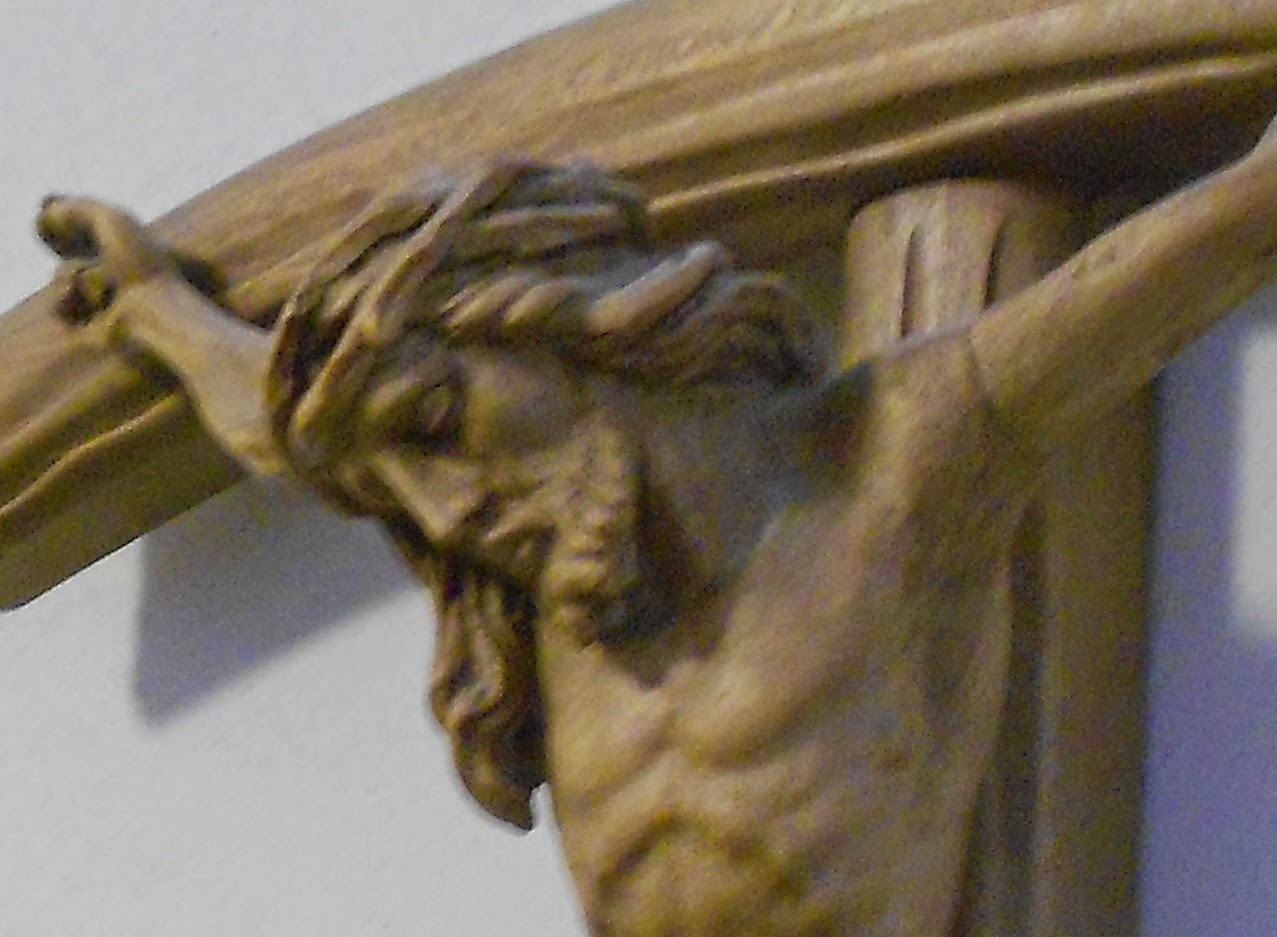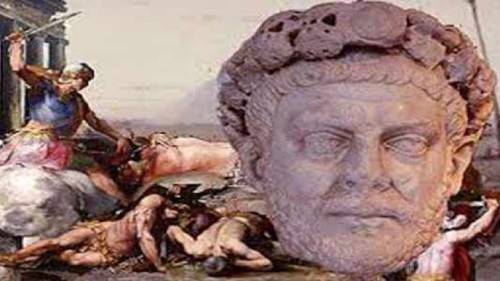
صور من واقع الاستشهاد في عصر دقلديانوس في مصر (1)

صور من واقع الاستشهاد في عصر دقلديانوس في مصر (1)
صور من واقع الاستشهاد في عصر دقلديانوس في مصر (1)

صور من واقع الاستشهاد في عصر دقلديانوس في مصر (1)

الباحث جورج ميشيل اندراوس

مقدمة:

          الغالبية العظمى لشهداء الكنيسة القبطية تعود إلى عصر دقلديانوس ومعاونيه، ومن خلفوه أيضًا، في الفترة ما بين سنة 303 إلى 313 ميلادية. ولذلك تعتبر كنيستنا القبطية بداية التقويم القبطي، والذي يُطلق عليه تقويم الشهداء، من العام 284 ميلادية، وهى السنة التي اعتلى فيها دقلديانوس عرش الحُكم. ويرجع ذلك لاعتبار أن عصره هو الأكثر دموية وصعوبة بين بقية فترات الاضطهاد في القرون الأولى للمسيحية. كما أن هذه الفترة قد أغنت تاريخ الكنيسة القبطية بالكثير من سير الشهداء القديسين.

          يمكننا أن نتتبع في تقويم الكنيسة القبطية أربعة مجموعات من الشهداء: شهداء مصريين استشهدوا في مصر، وآخرين استشهدوا في بلدان أخرى، ومجموعة ثالثة وهم شهداء ليسوا مصريين استشهدوا في مصر، وأخيرًا مجموعة أخرى من الشهداء لم يعيشوا في مصر ولا استشهدوا على أرضها مثل الشهيد ديمتريوس من تسالونيكي. وسيختص حديثنا هنا فقط على الثلاثة مجموعات الأولى التي ذكرناها.

          لقد كان المؤرخ يوسابيوس القيصري شاهد عيان لبعض هذه الأحداث القاسية والظروف الصعبة التي مرت على هؤلاء الشهداء، نجده يعقد مقارنة بين المصريين الذين استشهدوا في مصر وأولئك الذين استشهدوا خارج وطنهم. وبرغم أنه يصف العذابات المؤلمة، ويعبر عن إعجابه بشجاعة وثبات هؤلاء الشهداء على الإيمان المسيحي، إلاّ أنه لم يذكر لنا أسماء هؤلاء الشهداء الذين شاهد عذاباتهم. لقد عبّر عن انبهاره لثبات وصبر هؤلاء الأبطال، وقوة احتمالهم العجيب، الذين استشهدوا في صور بفنيقية[1]. الوحوش لم تلمس أجساد هؤلاء الشهداء، بل هاجمت الآخرين الذين كانوا يستحثونها من الخارج ويحفزونها (أى الوثنيين). وأيضًا نجد أن شبابًا صغيرًا في السن وأجسادهم غضة، برهنوا على ثباتهم وصلابة إيمانهم. لقد وقف أحدهم غير مرتعب، ثابتًا دون أن يتراجع على الإطلاق عن المكان الذي وقف فيه، منشغلاً في صلاة حارة لله، بينما تقترب منه جدًا النمور والدبب المتوحشة تكاد تلمس جسده، دون أن تفتح أفواهها[2]. وحينما تأكدوا بأن هذه الوحوش لم تقترب من هؤلاء الشهداء قتلوهم جميعًا بالسيف، وألقوهم في أعماق البحر[3].


أعداد الشهداء وأنواع العذابات في مدن مصر:

          لا يوجد رقم محدد لأعداد الشهداء، بل أن الأعداد تختلف في كتابات الباحثين ما بين أرقام صغيرة وكبيرة جدًا[4]. ومع ذلك يمكننا أن نستنتج عن طريق البيانات التي بين أيدينا والمتعلقة بسير الاستشهاد المختلفة، وأيضًا من المصادر الأخرى المتنوعة أن أعداد الشهداء في الكنيسة القبطية هى عشرات الآلاف. فلقد اجتازت آلام هذه الأحداث مدن كاملة. فمثلاً قتل الوالي أريانوس كل المسيحيين في مدينة اسنا (Λατόπολη)، وهؤلاء كانوا مع أسقفهم أمونيوس في الدير الذي أقامه في أحد الجبال خارج المدينة، وفيه كان يختلي للعبادة عدة أيام في كل أسبوع. وحينما قاد أريانوس حملة على هذه المدينة كان مسيحيوها مجتمعين كلهم هناك لأجل تكريم أحد القديسين. وفي الطريق إلى الدير كان الجنود يقتلون أى مسيحي يقابلهم. وحينما رأى المسيحيون أريانوس كانوا يعلنون إيمانهم وكان نتيجة ذلك هو قتل كل المسيحيين، الأطفال والكبار، الرجال والنساء. لقد حاول أريانوس دون جدوى أن يثني الأسقف عن الإيمان المسيحي وأن يقدم التكريم للأوثان. وفي نهاية الأمر ألقى الجنود الأسقف في النيران، دون أن يحترق جسده على الإطلاق[5].

          ونفس المصدر الذي قدم لنا تفصيلاً عن الأحداث التي جرت لشعب مدينة اسنا وأسقفها أنبا أمونيوس يحدثنا عن إعداد وتجديد المواضع الخاصة برفات هؤلاء الشهداء، والذي تم على يد الملكة هيلانة أم قسطنطين الكبير. يتكلم المصدر عن أن هذا المكان الذي يحوي رفاتهم يُقدر بنحو ثمانين فدانًا، وأن رفات الشهداء التي وُضعت فيه كانت بلا حصر، وذلك حين قارن هؤلاء الشهداء مع شهداء مدينة أخميم (Πανόπολη)، والتي كان عدد شهدائها ثمانية آلاف وأربعة وأربعون[6]. ومن هنا يتضح كيف أن عدد الشهداء في مدينة اسنا كان كبيرًا جدًا.

          وفي مدينة إنصنا (Αντινοόπολη) استشهد خمسة آلاف وثمانمائة شهيد مع أسقفهم أباديون[7]. وفي مدينة أسيوط (Λυκόπολη) نجد أن عددًا كبيرًا من المسيحيين جاهروا بالإيمان وكان نتيجة ذلك أنهم نالوا إكليل الشهادة[8]. لقد حاول يوسابيوس أن يقترب من أعداد الشهداء المصريين فكتب بأنهم كانوا ألوف من الرجال والنساء والأطفال[9].

          في وصفه لشهداء مصر يتعجب يوسابيوس من صبرهم على العذابات، مؤكدًا على أن ذلك هو من أجل تعاليم مخلّصنا. ومن ضمن هذه العذابات المتنوعة نجد أن البعض قد أُلقوا في النيران بعد كشط أجسادهم وجلدهم. والبعض الآخر أُغرقوا في البحر، والبعض ماتوا من شدة هذه العذابات ولم تتحملها أجسادهم. لقد قدم البعض رؤوسهم بشجاعة والبعض مات جوعًا. لقد صُلب بعضهم بالطريقة المعتادة وبعضهم الآخر بطريقة عكسية أى أن رؤوسهم منكسة إلى أسفل، وبدون طعام حتى الموت[10].

          لقد خص يوسابيوس أيضًا شهداء طيبة بشرح منفصل، بعدما تكلّم عن نضال المصريين. وكانت طيبة هى أحد الأقاليم الثلاثة التي تتكون منها مصر. يجد يوسابيوس أن الكلمات عاجزة عن وصف العذابات التي تكبدها الشهداء في طيبة[11]. فبدلاً من المناجل كانت تستخدم المحار في كشط الأجساد وهو ما كان يسبب ألمًا أشد. وكانت النساء تُمتهن كرامتهن أثناء تعذيبهن مما كان يسبب الخجل الشديد لهن. هناك أيضًا طرق قاسية جدًا كانت تستخدم مع بعض الشهداء، إذ كانوا يوثقون أطراف أجسادهم مع بعض فروع لأشجار ضخمة، بعدما يقربونها لبعضها البعض عن طريق ماكينات خاصة، ثم بعد ذلك يتركون هذه الفروع كي تعود إلى وضعها الأصلي، بهذه الطريقة تتمزق أعضاء الجسد في الحال. وهنا يجب أن ننتبه إلى أن أعداد الشهداء يجب أن يكون كبيرًا أيضًا في طيبة، لأن هذه الأحداث كانت تستمر لأعوام طويلة، كما أن أعداد الشهداء في كل يوم كان يتراوح بين عشرة ومائة رجل، غير أعداد الأطفال والنساء. ولقد أورد المؤرخ يوسابيوس أحد التفاصيل التي تبين لنا أعداد هؤلاء الشهداء الذين كانوا ينفذون فيهم الحكم كل يوم في طيبة. يذكر يوسابيوس أن حدّ السيف قد ضعف من كثرة استخدامه، وإذ ضعف انكسر، كما أن قوى منفذي الأحكام قد وهنت فكانوا يتبادلون الواحد مكان الآخر لكي يستريحوا من شدة التعب[12].

          لقد كان من العجيب حقًا أنه برغم كل هذه العذابات المرعبة واللا إنسانية فإن مسيحيي طيبة كانوا في شدة الحماس والنشاط والغيرة[13]. فبمجرد أن يتم الاعلان عن القرار النهائي بإعدام أحد هؤلاء، كان يندفع الباقون نحو كرسي القضاء مقدّمين اعترافهم بالإيمان المسيحي بدون خوف من الموت، بل أكثر من هذا نجدهم يتقبلون الحكم بالموت وهم فرحين مترنمين ومتهللين ومقدمين الشكر والتسبيح لله[14].

          كان محتوى إيمانهم واعترافهم يتم التعبير عنه بكلمتين “أنا مسيحي”. وهاتين الكلمتين القصيرتين كانتا تلخصان وتشرحان كل شئ، لقد كانوا يجيبون حينما يسألونهم عن أسماءهم بأنهم مسيحيين، فلقد كانوا يسرعون بذكر إيمانهم بالمسيح، مفضلين ذلك على أن يذكروا أسماءهم الخاصة. فلقد كان إيمانهم هذا محل فخرهم ومجدهم، وفي نفس الوقت هو السبب الرئيسي لإتهامهم بأبشع الإتهامات والوشاية بهم، وبالتالي تعرضهم للعذابات والآلام المتنوعة.

          لقد كان الوثنيون يُظهرون أو يتظاهرون بالأسف من أجل حياة الشهداء، على الرغم من أنهم كانوا يعتبرونهم مجانين، لأنهم يقدمون حياتهم غير مبالين بالموت. لقد كانوا أيضًا متعجبين جدًا بسبب شجاعة الشهداء وإقدامهم[15]. من بين الشهداء نجد أسماء كثيرة لأشخاص كانوا في مواقع عليا أو من أصول نبيلة، والذين لم يبالوا بموقعهم الاجتماعي، ولا بثروتهم أو علمهم. كمثال لهؤلاء نذكر فيلوروموس والذي يقال عنه إنه كان يشغل مركزًا عاليًا في الحكومة الإمبراطورية بالأسكندرية. كذلك فيلياس أسقف كنيسة تمى[16]، والقديسة كاترينة[17]، والقديسة دميانة، وغيرهم الكثير. ولأجل هذا فإن كثيرين من الوثنيين تأثروا بهؤلاء وبسيرتهم وبسلوكهم، ولذا انضموا للمسيحية. ولذلك فإننا نجد أن كل السجلات والنصوص تقريبًا التي تخبرنا عن الشهداء وسيرتهم تتكلم عن اعتناق المسيحية من جانب مشاهدين وثنيين تأثروا بمعجزات حدثت أثناء الاستشهاد وبشجاعة الشهداء وثبات إيمانهم.

          إن تاريخ الاستشهاد في فترة دقلديانوس لا يبدأ من وقت تطبيق منشورات أو قرارات الإمبراطورية ضد المسيحية أى من عام 303م، ولكن قبل هذا التاريخ بوقت كافٍ. ربما يعود ذلك مثلاً إلى عام 295م حينما بدأت بعض الإجراءات والمضايقات ضد جنود مسيحيين في الجيش[18]. ولهذا فإن أول ضحايا الاضطهاد كانوا من قادة الجيش، مثل الشهيد العظيم مارمينا العجائبي[19]. كذلك لدينا مثال الكتيبة الطيبية، وقد أُرسِلَت هذه الكتيبة لكي تساعد ماكسيميانوس في حملة لقمع اضطرابات كانت قد نشبت في فرنسا. وقبل القيام بمهامها طُلب من أفرادها طاعة الإمبراطور، وتقديم البخور للآلهة قبل حملته المرتقبة، وبعدما رفض هؤلاء الجنود هذه الأوامر ابتدأ الإمبراطور في التخلص من الجندى العاشر في الترتيب، كي يخيف الآخرين، ولكن عبثًا لم يستطع أن يثنيهم عن عزمهم وتمسكهم بإيمانهم. وهكذا استمر في قتلهم واحد تلو الآخر حتى أتى على هذه الكتيبة كلها.. ومن هذه الكتيبة هناك أسماء لامعة مثل القديس موريس وأسماء أخرى منتشرة في دول أوربا كسويسرا وألمانيا وفرنسا وإيطاليا[20].

          لقد أرسل الأسقف فيلياس رسالة إلى رعيته في تمى من داخل سجنه بالأسكندرية. من هذه الرسالة يتضح العمل الرعائي للأسقف تجاه رعيته في ظروف وأيام الاضطهاد الصعبة، ولقد كان هو نفسه ينتظر الاستشهاد في ذلك الوقت. لقد كتب لرعيته كلمات ممتلئة تشجيعًا، يصف فيها ثبات المسيحيين في الأسكندرية أمام تهديدات حراسهم المتعددة.

          لقد واجهوا بكل بسالة وعزم، وفضيلة أيضًا، هذه الأهوال التي واجهتهم، وألوان التعذيب التي تفنن المضطهدين في استخدامها معهم، وأيضًا سخط المشاهدين وهياجهم واعتداءاتهم. وبعد العذابات الشديدة التي كان يجتازها هؤلاء الأبطال، كانوا يتركونهم بدون أى رعاية كما لو كانوا غير موجودين.

          والبعض منهم كانوا ينالون جرعات أخرى من العذابات، بعدما يكونوا قد أمضوا النهار كله وهم يقاسون الكثير منها. فيمددون أرجلهم على آلة خشبية، ويضعونها في ثقوب، وهم عاجزون عن أن يقوموا عن هذا الوضع، نظرًا لجراحاتهم التي تكون قد امتلأت بها أجسادهم، نتيجة لجلدهم على كل الجسد[21]. لقد كانت لديهم الفرصة أن يتخلصوا من الآلام والموت، إن شاركوا في الذبائح، أو حتى لمسوا فقط هذه الذبائح، ولكنهم كانوا يرفضون هذه الحرية البغيضة الزائفة، مفضَّلين أن يركضوا للموت فرحين، كي لا يعبدوا إلهًا آخر. لقد أوجز يوسابيوس، بعد نهاية هذه الرسالة، القانون الذي كان يُطبَّق على هؤلاء الشهداء، وهو أنهم كانوا يُعتبرون كأعداء في حرب[22].


1 تاريخ الكنيسة، يوسابيوس القيصري، ترجمة القمص مرقس داود 7:8.

2 تاريخ الكنيسة 4:7:8

3 نلاحظ أن كثير من أجساد الشهداء في اضطهاد دقلديانوس وأعوانه كانوا يُلقون في البحر أو في النار أو كانوا يتركونها للوحوش المفترسة كي تأكلها. نعتقد أن السبب في ذلك، بحسب دراستنا لهذه السير، يرجع إلى أن المضطهدين كانوا يخشون القوة المعجزية التي كانت بداخل هؤلاء الشهداء (والتي كانوا يطلقون عليها سحرًا) والتي ظهرت في حالات التعذيب، لقد كانوا يريدون أن تُمحى هذه الأجساد معتقدين أنه بذلك لا يستطيع هؤلاء الشهداء أن يجذبوا الوثنيين إلى المسيحية ولا أن يكونوا هم أنفسهم محل تكريم من المؤمنين. راجع أيضًا تاريخ الكنيسة  7:6:8

4 عن الاختلافات في أعداد الشهداء في هذه الفترة عامة انظر ديمتري تسامس، سجل شهداء سيناء، تسالونيكي 1989، ص17ـ18 (باللغة اليونانية).

5 عن الاستشهاد في مدينة اسنا، استخدمنا المخطوط 638 البطريركية القبطية، تاريخ 44، ورقة 90 وجه ـ 103 ظهر. وقد صدر هذا المخطوط كاملاً ونشر مع ثلاثة مخطوطات أخرى في طبعة علمية مع ترجمة فرنسية في كتاب شهداء مدينة اسنا، د. أنطون خاطر، القاهرة، أورشليم 1981. انظر أيضًا :

Delacy O’leary, The Saints of Egypt, London, New yourk 1937, pp 68-70.

6 مخطوط 638، تاريخ 44، 117 ظهر ـ 118 وجه (إصدار د. أنطون خاطر كما سبق).

7 انظر Coptic Encyclopedia, New Yourk, Toronto 5, 1551,

[8]  R.Graffin, F. Nau, Patrologia Orientalis, 11, 762.

9 تاريخ الكنيسة1:8:8

10 تاريخ الكنيسة 8:8

11  تاريخ الكنيسة 9:8.

12  نفس المرجع السابق.

13 عن حماس الشهداء هناك دراسة قيّمة: Ι. κοτσώνη, Το ενθόυσιαστικόν στοιχείον εις την εκκλησία των μαρτύρων, Αθήνα 1952.

14 تاريخ الكنيسة 5:9:8.

15 يرى Dodds أن المسيحية استحقت أن تحيا وتستمر لأنها أعتبرت مستحقة لأن يموت أحد من أجلها. كذلك يرى أنه بالرغم من آراء ماركوس أوريليوس ولوكيانوس وجالينوس وكلسس إلاّ أنهم كانوا مبهورين من شجاعة المسيحيين أمام الموت والاستشهاد D E R. Dodds, Εθνικοί και χριστιανοί σε μια εποχή αγωνίας (ترجمة يونانية) 1995, p.203

16 استشهاد فيلياس إما أنه قد حدث في أواخر عصر دقلديانوس أو بعد اعتزاله بوقت قصير. انظر H. Musurillo, The Acts of the Christian Martyrs, Oxford 1979, p.x/vii. Π. χρήστου, Τα Μαρτύρια των αρχαίων χριστιανών, ΕΠΕ 30, 83

17 استشهدت في فترة إدارة ماكسيمينوس في الأسكندرية. ديمترى تسامس، سجل شهداء سيناء، ص46 الخ.

18 Γλαβίνα ، تاريخ الكنيسة جزء أول، تسالونيكي 1993، ص208 (باللغة اليونانية). تاريخ الكنيسة 1:4:8ـ4

19 غالبًا استشهد عام 296 Δετοράκης, Μηνάς ο Μεγαλομάρτυς ο άγιος του Μεγάλου Κάστρου, Ηράκλειον 1995, p.29

[20]  Coptic Encyclopedia, 7, 2231-2234.

21 تاريخ الكنيسة 8:10:8

22 تاريخ الكنيسة 12:10:8

صور من واقع الاستشهاد في عصر دقلديانوس في مصر (1)

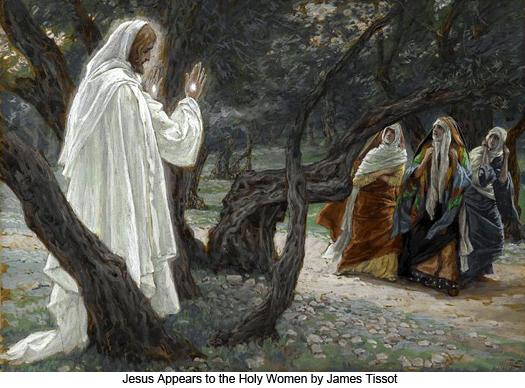
To whom did Christ appear first, the women or His disciples? MATTHEW 28:9

MATTHEW 28:9—To whom did Christ appear first, the women or His disciples?

PROBLEM: Both Matthew and Mark list women as the first ones to see the resurrected Christ. Mark says, “He appeared first to Mary Magdalene” (16:9). But Paul lists Peter (Cephas) as the first one to see Christ after His resurrection (1 Cor. 15:5).

SOLUTION: Jesus appeared first to Mary Magdalene, then to the other women, and then to Peter. The order of the twelve appearances of Christ goes as follows:

THE ORDER OF THE TWELVE APPEARANCES OF CHRIST

PERSON(S)

SAW

HEARD

TOUCHED

OTHER EVIDENCE

1.

Mary
(John 20:10–18)

X

X

X

Empty tomb

2.

Mary & Women
(Matt. 28:1–10)

X

X

X

Empty tomb

3.

Peter
(1 Cor. 15:5)

X

X*

Empty tomb, Clothes

4.

Two Disciples
(Luke 24:13–35)

X

X

Ate with Him

5.

Ten Apostles
(Luke 24:36–49; John 20:19–23)

X

X

X**

Saw wounds, Ate food

6.

Eleven Apostles
(John 20:24–31)

X

X

X**

Saw wounds

7.

Seven Apostles
(John 21)

X

X

Ate food

8.

All Apostles
(Matt. 28:16–20; Mark 16:14–18)

X

X

9.

500 Brethren
(1 Cor. 15:6)

X

X*

10.

James
(1 Cor. 15:7)

X

X*

11.

All Apostles
(Acts 1:4–8)

X

X

Ate with Him

12.

Paul
(Acts 9:1–9; 1 Cor. 15:8)

X

X

Paul was not giving a complete list, but only the important one for his purpose. Since only men’s testimony was considered legal or official in the 1st century, it is understandable that the apostle would not list the women in his defense of the resurrection here.

[1]


* Implied

** Offered Himself to be touched

** Offered Himself to be touched

* Implied

* Implied

[1]Geisler, N. L., & Howe, T. A. (1992). When critics ask : A popular handbook on Bible difficulties (365). Wheaton, Ill.: Victor Books.

Did Judas die by hanging or by falling on rocks? MATTHEW 27:5 (cf. Acts 1:18)

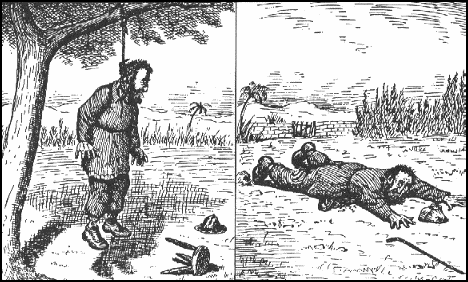
MATTHEW 27:5 (cf. Acts 1:18)—Did Judas die by hanging or by falling on rocks?

PROBLEM: Matthew declares that Judas hanged himself. However, the Book of Acts says that he fell and his body burst open.

SOLUTION: These accounts are not contradictory, but mutually complementary. Judas hung himself exactly as Matthew affirms that he did. The account in Acts simply adds that Judas fell, and his body opened up at the middle and his intestines gushed out. This is the very thing one would expect of someone who hanged himself from a tree over a cliff and fell on sharp rocks below.

Geisler, N. L., & Howe, T. A. (1992). When critics ask : A popular handbook on Bible difficulties (361). Wheaton, Ill.: Victor Books.

Is Jesus advocating pacifism and denouncing capital punishment in this passage? MATTHEW 26:52

MATTHEW 26:52—Is Jesus advocating pacifism and denouncing capital punishment in this passage?

PROBLEM: When the soldiers came to arrest Jesus, Peter took out his sword and cut off the ear of the high priest’s servant. Jesus told Peter to put back the sword because those who take up the sword will die by the sword. Some use this verse to support pacifism and to oppose capital punishment, which the Bible affirms elsewhere (Gen. 9:6).

SOLUTION: Total pacifism is not taught in this Scripture. Indeed, Abraham was blessed by the Most High God (Gen 14:19) after engaging in a war against the unjust aggression of the kings who had captured his nephew Lot. In Luke 3:14, soldiers come to inquire of John the Baptist about what they should do. John never told them to leave the army. Likewise, Cornelius, in Acts 10, was a centurion. He was called a devout man (v. 2), and the Scriptures say that the Lord heard the prayers of Cornelius (v. 4). When Cornelius becomes a Christian, Peter does not tell him to leave the army. Also, in Luke 22:36–38, Christ says that the one who has no sword should sell his robe and buy one. The apostles responded saying that they had two swords. Jesus responded saying that “it was enough.” In other words, they did not need to get rid of their swords. The Apostle Paul accepted the protection of the Roman army to save his life from unjust aggressors (Acts 23). Indeed, he reminded the Roman Christians that God had given the sword to the king who did not bear it in vain (Rom. 13:1–4). When Jesus returns to earth, He will come with the armies of heaven and will war against the kings of the earth (Rev. 19:11–19). So, from the beginning to the end, the Bible is filled with examples of the justification of war against evil aggressors.

What, then, did Jesus mean when He commanded Peter to put away his sword? Peter was making two mistakes in using his sword. First, while the Bible permits the sword by the government for civil purposes (Rom. 13:1–4), it does not endorse its use for spiritual ends. It is to be used by the state, not by the church. Second, Peter’s use was aggressive, not purely defensive. His life was not being unjustly threatened. That is, it was not clearly an act of self-defense (Ex. 22:2). Jesus appears to have endorsed the use of the sword in civil self-defense (Luke 22:36), as did the Apostle Paul (Acts 23).

Likewise, capital punishment is not forbidden in Scripture, but rather was established by God. Genesis 9:6 affirms that whoever sheds man’s blood, the blood of the killer will also be shed. Numbers 35:31 makes a similar statement. In the NT, Jesus recognized that Rome had capital authority and submitted to it (John 19:11). The Apostle Paul informed the Romans that governing authorities are ministers of God and that they still possessed the God-given sword of capital authority (13:1, 4). So Jesus in no way did away with the just use of the sword by civil authorities. He simply noted that those who live lives of aggression often die by the same means.

[1]


[1]Geisler, N. L., & Howe, T. A. (1992). When critics ask : A popular handbook on Bible difficulties (360). Wheaton, Ill.: Victor Books.

Did Jesus err by affirming that the signs of the end time would be fulfilled in His era? MATTHEW 24:34

MATTHEW 24:34—Did Jesus err by affirming that the signs of the end time would be fulfilled in His era?

PROBLEM: Jesus spoke of signs and wonders regarding His second coming. But Jesus said “this generation” would not end before all these events took place. Did this mean that these events would occur in the lifetime of His hearers?

SOLUTION: These events (e.g., the Great Tribulation, the sign of Christ’s return, and the end of the age) did not occur in the lifetime of Christ’s hearers. Therefore, it is reasonable to understand their fulfillment as something yet to come. This calls for a closer examination of the meaning of “generation” for meanings other than that of Jesus’ contemporaries.

First, “generation” in Greek (genea) can mean “race.” In this particular instance, Jesus’ statement could mean that the Jewish race would not pass away until all things are fulfilled. Since there were many promises to Israel, including the eternal inheritance of the land of Palestine (Gen. 12; 14–15; 17) and the Davidic kingdom (2 Sam. 7), then Jesus could be referring to God’s preservation of the nation of Israel in order to fulfill His promises to them. Indeed, Paul speaks of a future of the nation of Israel when they will be reinstated in God’s covenantal promises (Rom. 11:11–26). And Jesus’ response to His disciples’ last question implied there would yet be a future kingdom for Israel, when they asked: “Lord, will You at this time restore the kingdom to Israel?” Rather than rebuking them for their misunderstanding, He replied that “It is not for you to know times or seasons which the Father has put in His own authority” (Acts 1:6–7). Indeed, Paul in Romans 11 speaks of the nation of Israel being restored to God’s promised blessings (cf. vv. 25–26).

Second, “generation” could also refer to a generation in its commonly understood sense of the people alive at the time indicated. In this case, “generation” would refer to the group of people who are alive when these things come to pass in the future. In other words, the generation alive when these things (the abomination of desolation [v.15], the great tribulation such as has never been seen before [v. 21], the sign of the Son of Man in heaven [v. 30], etc.) begin to come to pass will still be alive when these judgments are completed. Since it is commonly believed that the tribulation is a period of some seven years (Dan. 9:27; cf. Rev. 11:2) at the end of the age, then Jesus would be saying that “this generation” alive at the beginning of the tribulation will still be alive at the end of it. In any event, there is no reason to assume that Jesus made the obviously false assertion that the world would come to an end within the lifetime of His contemporaries.

[1]


[1]Geisler, N. L., & Howe, T. A. (1992). When critics ask : A popular handbook on Bible difficulties (358). Wheaton, Ill.: Victor Books.

Did Jesus make a mistake about His disciples seeing the kingdom come in their lifetimes? MATTHEW 16:28

MATTHEW 16:28—Did Jesus make a mistake about His disciples seeing the kingdom come in their lifetimes?

PROBLEM: Jesus told His disciples that some of them would not see death until they saw Him coming in His kingdom. Yet during the life of the apostles, Jesus never returned to set up His kingdom.

SOLUTION: This is a question of when this was going to take place, not whether it would. There are three possible solutions.

First, some have suggested that this may be a reference to the Day of Pentecost where Christ’s Helper, the Holy Spirit, came to descend upon the apostles. In John’s Gospel (14:26), Jesus promised to send the Holy Spirit, and, in the beginning of Acts (1:4–8), He tells them not to leave Jerusalem until they have received the Holy Spirit. But this hardly seems to fit the description of seeing Christ coming in His kingdom (Matt. 16:28).

Second, others believe this might be a reference to the destruction of Jerusalem and the temple in a.d. 70. This would mean that He would return to bring judgment upon the city that rejected Him and crucified Him. While this is a possible explanation, it does not seem to account for the fact that Jesus appears to be coming for believers (those “standing there” with Him), not simply coming in judgment on unbelievers. Nor does the judgment on Jerusalem in a.d. 70 adequately express seeing the “Son of Man coming in His kingdom” (v. 28), a phrase reminiscent of His second coming (cf. 26:64). Nor does it explain why Jesus never appeared in a.d. 70.

A third and more plausible explanation is that this is a reference to the appearance of Christ in His glory on the Mount of Transfiguration which begins in the very next verse (17:1). Here Christ does literally appear in a glorified form, and some of His apostles are there to witness the occasion, namely Peter, James, and John. This transfiguration experience, of course, was only a foretaste of His Second Coming when all believers will see Him come in power and great glory (cf. Acts 1:11; Rev. 1:7).

[1]


[1]Geisler, N. L., & Howe, T. A. (1992). When critics ask : A popular handbook on Bible difficulties (349). Wheaton, Ill.: Victor Books.

Is Peter the rock on which the church is built? MATTHEW 16:18

MATTHEW 16:18—Is Peter the rock on which the church is built?

PROBLEM: Roman Catholics use this passage to support their belief in the primacy of Peter, that is, that he is the rock on which the church is built. But Paul said the church is built on Christ, not Peter (1 Cor. 3:11). Is Peter the “rock” in this passage?

SOLUTION: There are different ways to understand this passage, but none of them support the Roman Catholic view that the church is built on St. Peter, who became the first Pope—infallible in all his official pronouncements on faith and doctrine. This is evident for many reasons.

First of all, Peter was married (Matt. 8:14), and Popes do not marry. If the first Pope could marry, why later pronounce that no priest (or Pope) can marry.

Second, Peter was not infallible in his views on the Christian life. Even Paul had to rebuke him for his hypocrisy, because he was not “straightforward about the truth of the Gospel” (Gal. 2:14).

Third, the Bible clearly declares that Christ is the foundation of the Christian church, insisting that “no other foundation can anyone lay than that which is laid, which is Jesus Christ” (1 Cor. 3:11).

Fourth, the only sense in which Peter had a foundational role in the church, all the other apostles shared in the same way. Peter was not unique in this respect. For Paul declared that in this sense the church is “built on the foundation of the apostles and prophets, Jesus Christ Himself being the chief cornerstone” (Eph. 2:20). Indeed, the early church continued steadfastly in the apostles’ doctrine [not just Peter’s]” (Acts 2:42). Even “keys of the kingdom” given to Peter (Matt. 16:19) were also given to all the apostles (cf. Matt. 18:18).

Fifth, there is no indication that Peter was the head of the early church. When the first council was held at Jerusalem, Peter played only an introductory role (Acts 15:6–11). James seems to have a more significant position, summing up the conference and making the final pronouncement (cf. Acts 15:13–21). In any event, Peter is never referred to as the “pillar” in the church. Rather, Paul speaks of “pillars” (plural), such as, “James, Cephas, and John” (Gal. 2:9). Peter (Cephas) is not even listed first among the pillars.

Sixth, many Protestant interpreters believe that Jesus’ reference to “this rock” (Matt. 16:18) upon which His church would be built was to Peter’s solid (rock-like) testimony that Jesus was “the Christ, the son of the living God” (Matt. 16:16). But even if this rock has reference to Peter (Petros, rock), which is certainly a possible interpretation, he was only a rock in the apostolic foundation of the church (Matt. 16:18), not the rock. Nor is he the only apostolic rock. Even Peter himself admitted that Christ is the chief rock (“cornerstone,” 1 Peter 2:7). And Paul notes that the other apostles are all part of the “foundation” (Eph. 2:20).

[1]


[1]Geisler, N. L., & Howe, T. A. (1992). When critics ask : A popular handbook on Bible difficulties (347). Wheaton, Ill.: Victor Books.

الدليل الاقدم لموت وقيامة المسيح

الدليل الاقدم لموت وقيامة المسيح

الدليل الاقدم لموت وقيامة المسيح


السجل المبكر لموت وقيامة المسيح في كرونثوس الاولي 15 :3-7 والتقليد الشفوي والمقارنة بالمصدر المتأخر في القرآن.

تم تقييم المصادر المتاحة لقيامة المسيح من قبل المؤرخين. لكن السؤال الهام ماهو تاريخ تلك المصادر. بالنسبة بما يتعلق بالشهادات المبكرة من المسيحية. قال المؤرخ “ديفيد فيشر “David Hacket Fisher:”المؤرخ لا يجب ان تتوافر لديه ادلة قوية فحسب. لكن ان تتوافر لديه افضل الادلة القوية وثيقة الصلة. وافضل الادلة القوية ذات الصلة. هي مع الاخذ بعين الاعتبار ,ان هذه الادلة تكون اقرب مباشرتاً من الحدث نفسة. ” (1)

المفتاح الرئيسي في دراسة المصادر المبكرة في حياة المسيح هو ان تضع في الحسبان الثقافة والبيئة اليهودية التي ولَّد‏ بها يسوع. كما يلاحظ “بول بارنيت Paul Barnett“ان وسط المسيحية المبكرة التي كانت مكتوب بها رسائل بولس والاناجيل كان مناخ رباني rabbinic ” (2)(متعلق بالمعلمين من حيث التعاليم واللغة ووجهات النظر). ونظراً للتشديد علي التعليم في المجمع. والمنزل. والتعليم الأولي. فانه ليس من المستغرب انه كان من الممكن للشعب اليهودي اعادة سرد(بالاسلوب الشفوي) وحكي كميات كبيرة من المواد التي كانت ايضاً اكبر بكثير من الاناجيل نفسها.

يذكر العهد الجديد المسيح بكونه رابي “Rabbi” في المواضع الاتية:(- متي 8 : 19 , 9 : 11 , 12: 28 , مرقس 4: 28 , 5: 35 , 9: 17 , 10 :17-20 ,12 :14 ,19, 32 ولوقا 19: 39 , ويوحنا 1 :38 , 3 :2 ) والكلمة تعني معلم او سيد. “وهناك العديد من العبارات التي من خلالها نستطيع ان نشاهد ونعرف معني جزء من مصطلح rabbinic في هذه الايام. حينما ذكر العهد الجديد تلك العبارات :وكان التلاميذ ” “تأتي ” اليه “تتبعه” “تتعلم منه” “وحمل النيره”(متي 11 :28- 30 مرقس 1 ).

(3) وبالتالي يبدو ان الانجيل في بداية انتشاره كان في شكل او قالب تراتيل وعقائد شفوية. بامكانك الرجوع لتلك المواضع:(لوقا 24 :34 ,اعمال الرسل 2 :22-24 ,30 -32 ; 3: 13-15 و 4 :10-12 و5 :29-32 ,10 :39 -41 ,13: 37- 39 , رومية 1: 3-4 ,4 :25 ,10 :9 , كورنثوس الاولي 11 :23 ,15: 3-8 وفليبي 26-11,وتيميثاوس الاولي 2 : 6 ,3: 16 ,6: 13 ,تيميثاوس الثانية 2 :8 وبطرس الاولي 3 :18 ويوحنا الاولي 4: 2 ) فكان هناك عناية هائلة وعظيمة “بالتسليم delivering”أي التقاليد المستلمة. فنجد ان يسوع استخدم التوازي parallelism و الايقاع والقافيةوالجناس والسجع. حيث مَكنة كلمات يسوع ليس فقط الحفظ من خلال الذاكرة بل السهولة في المحافظة علي تلك الكلمات.

(4) حتي بولس الرسول ,استخدمها. حيث دُرب علي يد رابي مختص في مدرسة رابانية تدعي هليل وهو الرابي” غمالئيل ” وهو رئيس وعضو في السنهدريم. يمكن ملاحظة ان كُتاب العهد الجديد وظفوا مصطلحات التقاليد الشفوية مثل: “تسليم” “تلقي” “يمر علي” “التعلم” “التمسك ” فالتعليم التقليدي يظهر في العهد الجديد بالقاء نظرة علي الفقرات الاتية:-

رومية ١٦ : ١٧ ١٧‏وَأَطْلُبُ إِلَيْكُمْ أَيُّهَا الإِخْوَةُ أَنْ تُلاَحِظُوا الَّذِينَ يَصْنَعُونَ الشِّقَاقَاتِ وَالْعَثَرَاتِ، خِلاَفًا لِلتَّعْلِيمِ الَّذِي تَعَلَّمْتُمُوهُ، وَأَعْرِضُوا عَنْهُمْ. كورنثوس الاولى ١١ : ٢٣ ٢٣‏لأَنَّنِي تَسَلَّمْتُ مِنَ الرَّبِّ مَا سَلَّمْتُكُمْ أَيْضًا: إِنَّ الرَّبَّ يَسُوعَ فِي اللَّيْلَةِ الَّتِي أُسْلِمَ فِيهَا، أَخَذَ خُبْزًا فيلبى ٤ : ٩ ٩‏وَمَا تَعَلَّمْتُمُوهُ، وَتَسَلَّمْتُمُوهُ، وَسَمِعْتُمُوهُ، وَرَأَيْتُمُوهُ فِيَّ، فَهذَا افْعَلُوا، وَإِلهُ السَّلاَمِ يَكُونُ مَعَكُمْ. تسالونيكى الثانية ٢ : ١٥ ١٥‏فَاثْبُتُوا إِذًا أَيُّهَا الإِخْوَةُ وَتَمَسَّكُوا بِالتَّعَالِيمِ الَّتِي تَعَلَّمْتُمُوهَا، سَوَاءٌ كَانَ بِالْكَلاَمِ أَمْ بِرِسَالَتِنَا. رسالة 1 كورنثوس 15: 3-7 والموثوقية المبكرة لعقيدة صلب وموت المسيح:

يطبق بولس الرسول التقليد الشفوي في رسالة 1 كورنثوس 15: 3-7 التي تعد واحده من أقدم السجلات التاريخية لمضمون الأنجيل لعقيدة –موت وقيامة المسيح. العالم اليهودي الارثوزكسي الراحل” بنحاس لبيد Pinchas Lapide” كان معجباً جداً بالعقيدة التي في كورنثوس الاولي 15 و خلص الي ان “يمكن اعتبارها كصيغة ايمان كبيان من شهود العيان” (5) أستخدَام بولس لمصطلحات ربانية مثل “استلمت received ” “ما قبلته” يمكن مشاهدتها في رسالة كورنثوس الاولي 15 :3-8. . في الفقرات الاتية:-

3 فإنني سلمت إليكم في الأول ما قبلته أنا أيضا: أن المسيح مات من أجل خطايانا حسب الكتب 4 وأنه دفن، وأنه قام في اليوم الثالث حسب الكتب 5 وأنه ظهر لصفا ثم للاثني عشر 6 وبعد ذلك ظهر دفعة واحدة لأكثر من خمسمئة أخ، أكثرهم باق إلى الآن. ولكن بعضهم قد رقدوا 7 وبعد ذلك ظهر ليعقوب، ثم للرسل أجمعين 8 وآخر الكل – كأنه للسقط – ظهر لي أنا من المثير بالاهتمام اننا نجد بالتوازي ما صرح به وقاله بولس في اعمال يوسيفوس المؤرخ اليهودي يقول يوسيفوس ما يلي بشأن الفريسيين: “احب ان اوضح هنا ان الفريسيين نقلوا الي الناس بعض الأوامر من سلسلة متتاليه من الاباء.

التي لم تُكتب في ناموس موسي. لهذا السبب رفضت فئة الصدوقيين هذه الاوامر. علي المستوي المتوسط الواحد يحتاج الي التعرف علي الاوامر المكتوبة فقط. في حين ان هذا من تقاليد الاباء التي ليس من الضروري التقيد بها”. (6) يشير ريتشارد بيكهام. Richard Bauckham الي “نقطة مهمة لموضوعنا الي ان يوسيفوس المؤرخ اليهودي استخدم في لغتة تعبيرات مثل:-. الانتقال او التسليم” passing on” وايضاً تقليد التسليم من معلم الي اخر وايضاً التسليم من الفريسيين الي الشعب. ” (7) فيلاحظ بيكهام في كتابة يسوع وشهود العيان. والاناجيل وشهادة شهود العيان. ان الكلمة اليونانية ل شاهد العيان “eyewitness” (autoptai), ليس لها قصد قانوني.

فالمعني من الكلمة الانجليزية eyewitnesses يشير الي استعارة من المحاكم القانونية. وهذا غير صحيح قليلاً فكلمة autoptai تستخدم ببساطة للمراقبين للاحداث. وقد تابع بيكهام عمل “Samuel Byrskog صموئيل بيرسكوج “في حجتة بانه علي الرغم من ان الاناجيل في بعض النواحي تبدو شكلاً مميزة جداً وجذاباً للتاريخ. ألا انهما يشتركان علي نطاق واسع في موقف شهادة شهود العيان الذي كان ايضاً شائعاً بين المؤرخين في العصر الروماني واليوناني. هؤلاء المؤرخين كانوا موضع احترام كبير ,فجميع التقارير تعبر عن خبرة مباشرة عن الاحداث التي روت.

فأفضلهم من كان هو نفسه هو احد المشاركين في الاحداث. ويسمي هذا (الفحص المباشر)في حالة تعذر ذالك وكان المؤرخ غير حاضر في كل الاحداث التي تحتاج الي سرد. علي الاقل لسبب حدوث الاحداث في وقت واحد متزامنة. فالسعي وراء المبلغين الذين قد تكلموا عن معرفة مباشرة والذين استطاعوا اجراء مقابلات ورؤية الاحداث هو امر طبيعي ويسمي.

(فحص غير مباشر) وبعبارة اخري ل بيرسكوج تعرف “الفحص”بأنه وسيلة مرئية لجمع المعلومات حول موضوع معين. يمكن ان تتضمن وسائل اما ان تكون وسائل مباشرة (شهود عيان) او غير مباشر (الحصول علي شهود عيان) بيرسكوج يدعي ايضاً بانه يمكن القول ان هذا الفحص اسخدم في العهد الجديد بواسطة بولس في المواضع الاتية :(كورنثوس الاولي 9 :1 ,15 :5-8 ,وغلاطية 1 :16 )ولوقا في المواضع الاتية(اعمال الرسل 1: 21-22 ,10 :39 -41 ) ويوحنا في المواضع الاتية(19: 35 ,21 :24 ,ويوحنا الاولي 1:1 -4) فالكلمة “تسلمت” παραλαμβάνω (هو مصطلح يهودي)يعني استقبال شيئ ينتقل من شخص الي اخر. يمكن ان يحدث ذالك من خلال النقل الشفوي او عن طريق الاخرين ومنهم تواصل التقاليد.

مما يترتب علي ما قلناه نفهم ان بولس تلقي هذه المعلومات من خلال شخص اخر في وقت سابق. فكرونثوس الاولي تؤرخ بين 50 : 55 بعد الميلاد. منذ كان يسوع مصلوب تقريباً سنة 30 : 33 ورسالة كرونثوس مكتوبة بحوالي 20 : 25 سنة ميلادية من موت المسيح. لكن العقيدة الحقيقية موجودة في كورنثوس الاولي 15 استقبلها بولس في وقت سابق بكثير من سنة 55 ميلادية.

كما يلاحظ غاري هابرماس ان معظم علماء النقد يوافقون عادتاً ان تلك العقيدة لها أصل في وقت سابق للغاية. اوليرش ولكنيس. يعلن ان هذه العقيدة بلا شك تذهب بنا للخلف باعتبارها اقدم مرحلة من جميع تاريخ المسيحية المبكرة. (8) يواقيم ارميا يسميها. “التقليد الاقرب من الكل” (9)اي الأقرب من تاريخ المسيحية الاولي حتي العالم الغير مسيحي “جيرد ليدمان Gerd Ludemann” قال هذا “أنا اصر بان اكتشاف الاسس العقائدية قبل الرسول بولس هي وواحده من احدي انجازات العهد الجديد الدراسية”. (10) فجمهور العلماء الذين علقوا علي هذا الامر. اعتقدوا ان بولس ربما تلقي وتسلم هذه المعلومات بعد التحول للمسيحية بثلاث سنين.

التي حدثة ربما من سنة 1 الي 4 بعد الصلب. فيذكر الكتاب المقدس ان بولس زار اورشاليم للتحدث مع بطرس ويعقوب ,وكل واحد منهم تم ادراجة في قائمة ظهورات يسوع بعد القيامة. وظهر ذالك في المواضع الاتية من الكتاب المقدس (كورنثوس الاولي 15: 5 -7وغلاطية 1: 18-19 ) فتعود معرفتة تقريباً الي سنة 32-38 بعد الميلاد. حتي احدي المؤسسين وعضو في سيمينار يسوع “جون دومينك كروسان John Dominic Crossan” كتب قائلاً.

كتب بولس من افسس رسالة اهل كورنثوس في اوائل سنة 50 بعد الميلاد لكنة قال في كرونثوس الاولي 15 :3فإنني سلمت إليكم في الأول ما قبلته أنا أيضا: أن المسيح مات من أجل خطايانا حسب الكتب. ان المصدر الاكثر احتمالاً والوقت لاستلامه هذا التقليد كان في اورشاليم في وقت مبكر من سنة 30. كما قلنا مسبقاً وجاءة زيارتة لاورشاليم في الرسالة غلاطية 1 :18 ثم بعد ثلاث سنين صعدت الى اورشليم لاتعرف ببطرس فمكثت عنده خمسة عشر يوما (11) يقول ساندرز E. P. Sanders ايضاً : تم كتابة رسائل بولس في وقت مبكر من الاناجيل.

وذلك لاشارته الي الاثني عشر وهو اقرب الادلة. يتعلق الامر في الاعداد الاولي كرونثوس الاولي 15 ان بولس يكرر استخدامة للتقليد. وبالتالي اذا تتبعنا الايام الاولي لتحركاته. سنجد انه يعطي قائمة لظهورات القيامة التي جري تداولها. ٍ في كرنثوس الاولي 15. (12) وقال “كروسان بارتنر روبرت فنك Crossan’s partner Robert Funk” ان الاقتناع بان يسوع قد قام من بين الاموات كان قد له جذور في الوقت الذي تم تحول بولس حوالي سنة 33 بعد الميلاد. علي افتراض ان المسيح مات حوالي سنة 30 ميلادية. والوقت اللازم لنمو بولس كان سنتين او ثلاث سنين علي الاكثر. (13)

Robert Funk co-founder of the Jesus Seminar

هذه التعليق من كروسان واخرين يبدوا منطقيا لانه ضمن العقيدة المذكوره في كرنثوس الاولي 15 يشير بولس الي بطرس باسمة الارامي. , Cephasصفا. وبالتالي اذا كان هذا التقليد كان متداول باللغة الارامية. فكان الموقعين الذي يتحدث الناس فيهم بالارامية هم الجليل واليهودية. (14) المصطلح اليوناني historeo” ” تترجم في الانجليزية لزيارة to visit اولمقابلة to interview. (15) ومن هنا الغرض من رحلة القديس بولس ربما كان يهدف الي التأكد من قصة القيامة من بطرس نفسة الذي كان شاهد عيان فعلي علي قيامة يسوع كرنثوس الاولي 15 :5 لماذا هذا الموضوع؟

يقول “ايرك شابوت Eric Chabot “(16) كنت اتحدث مرة مع احد المسلمين عن تاريخ القرآن والعهد الجديد. فالاسلام ينص ان المسيح ما صلبوه لكن شبة لهم. وقد كتب القرآن بعد 600 سنة من حياة يسوع وهذا يجعله مصدر متأخر جداً للمعلومات بالمقارنة بالعهد الجديد. يبدو ان الادلة التي سبق لنا مناقشتها تخبرنا بان المحتوي التاريخي للأنجيل هو (موت يسوع وقيامتة)تم تداولها في وقت مبكر جداً بين المجتمع المسيحي.

كما قلنا للتو ان المؤرخين يبحثون عن السجلات الاقرب لتاريخ الحدث. بالنظر الي الوقت المبكر من كرونثوس الاولي 15 : 3-8 فمن الواضح تماماً ان هذه الوثيقة هي مصدر أكثر موثوقية من القرآن. وعلاوة علي ذلك. القول بان قصة المسيح تم اختلاقها في وقت لاحق يناقض الادلة المقدمة.

اغريغوريوس

aghroghorios

المراجع


1. Hacket Fisher, D. H. , Historians’ Fallacies: Toward a Logic of Historical Thought. New York: Harper Torchbooks. 1970, 62.

2. Barnett, P. W. , Jesus and the Logic of History. Downers Grove, IL: InterVarsity Press. 1997, 138.

3. Ibid.

4. Ibid.

5. Lapide, P. E. , The Resurrection of Jesus: A Jewish Perspective. Minneapolis: Ausburg. 1983, 98-99.

6. Bauckham, R. Jesus and the Gospels: The Gospels as Eyewitness Testimony. Grand Rapids, MI: Eerdmans Publishing Company. 2006.

7. Ibid.

8. Wilckens, U. , Resurrection, trans. A. M. Stewart. Edinburgh: St. Andrew, 1977, 2

9. Jeremias, J. New Testament Theology: The Proclamation of Jesus, trans. John Bowden. New York: Scribner’s, 1971, 306.

10. Ludemann, G, The Resurrection of Jesus Christ: A Historical Inquiry (Amherst, NY: Promethus, 2004), 37.

11. Crossan, J. D. & Jonathan L. Reed. Excavating Jesus: Beneath the Stones, Behind the Texts. New York: HarperSanFrancisco, A Division of HarperCollins Publishers, 2001, 254.

12. E. P. Sanders, The Historical Figure of Jesus (New York: Penguin Books), 1993

13. Roy W. Hoover, and the Jesus Seminar, The Acts of Jesus, 466.

14. Jones, T. P. , Misquoting Truth: A Guide to the Fallacies of Bart Ehrman’s Misquoting Jesus. Downers Grove, IL: InterVarsity Press. 2007, 89-94.

15. Ibid.

16. The Earliest Record for The Death and Resurrection of Jesus: 1 Corinthians 15: 3-7

القديسة مريم العذراء – دراسة في الكتاب المقدس

تاريخ النور المقدس والرد على الأسئلة والتشكيكات المُثارة ضده | بيشوي مجدي


الدليل الاقدم لموت وقيامة المسيح

How Can One God Be Three?

How Can One God Be Three?

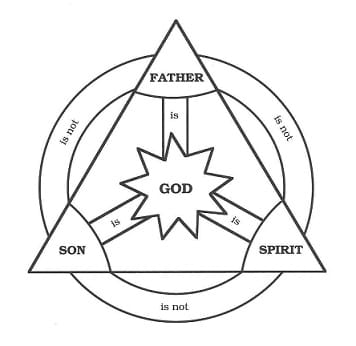
Speaking through the prophet Isaiah, God said, “My thoughts are not your thoughts, / Nor are your ways My ways … / For as the heavens are higher than the earth, / So are My ways higher than your ways, / And My thoughts than your thoughts” (Isa. 55:8–9). God is infinite, man is finite, so there are mysteries about God that man cannot fully understand. One of these mysteries is the Trinity, the tri-personality of God. According to Christian orthodoxy, God is one God in essence, power, and authority, and also eternally exists as three distinct co-equal persons. These three persons are the Father, the Son (Jesus), and the Holy Spirit. This does not mean that Christians believe in three gods (polytheism). Rather, the doctrine of the Trinity is that there is only one God who exists in three distinct persons, and all three share the exact same divine nature or essence.

Understanding this fully is beyond human comprehension and has no human parallels, although various analogies have been offered. One of these analogies is the three physical states of water. Water is not only a liquid but also a solid (ice) and a gas (vapor), yet its chemical composition (substance) never changes in all three forms (two parts hydrogen and one part oxygen—H2O). Although such analogies help us visualize the concept of the Trinity, they all fall short in some way. In the case of the water analogy, although the molecule H2O can be liquid, solid, or gas, it is never all three at one time. The Trinity, on the other hand, is all three persons as one God.

The word Trinity is not used in Scripture, but it has been adopted by theologians to summarize the biblical concept of God. Difficult as it is to understand, the Bible explicitly teaches the doctrine of the Trinity, and it deserves to be explained as clearly as possible, especially to non-Christians who find the concept a stumbling-block to belief. So let’s dig into this topic by addressing four key questions.

IS THE DOCTRINE OF THE TRINITY IRRATIONAL?

The doctrine of the Trinity is certainly a mystery but that doesn’t mean it’s irrational. The concept cannot be known by human reason apart from divine revelation, and, as we’ll soon see, the Bible definitely supports the idea of the Trinity. But for now, I want to demonstrate that the doctrine of the Trinity, although beyond human comprehension, is nevertheless rational. Our acceptance of it is congruous with how we respond to other data about the known world.

There are many things about the universe we don’t understand today and yet accept at face value simply because of the preponderance of evidence supporting their existence. The scientific method demands that empirical evidence be accepted whether or not science understands why it exists or how it operates. The scientific method does not require that all data be explained before it is accepted.

Contemporary physics, for instance, has discovered an apparent paradox in the nature of light. Depending on what kind of test one applies (both of them “equally sound”), light appears as either undulatory (wave-like) or corpuscular (particle-like). This is a problem. Light particles have mass, while light waves do not. How can light have mass and not have it, apparently at the same time? Scientists can’t yet explain this phenomenon, but neither do they reject one form of light in favor of the other, nor do they reject that light exists at all. Instead, they accept what they’ve found based on the evidence and press on.

Like physicists, we are no more able to explain the mechanics of the Trinity than they can explain the apparent paradox in the nature of light. In both cases, the evidence is clear that each exists and harbors mystery. So we must simply accept the facts and move on. Just because we cannot explain the Trinity, how it can exist, or how it operates does not mean that the doctrine must be rejected, so long as sufficient evidence exists for its reality. So let’s now explore this evidence.

HOW DOES THE BIBLE PRESENT THE DOCTRINE OF THE TRINITY?

THE OLD TESTAMENT

Although the doctrine of the Trinity is fully revealed in the New Testament, its roots can be found in the Old Testament.

In several places, God refers to Himself in plural terms. For example, “Then God said, ‘Let Us make man in Our image’” (Gen. 1:26; see 3:22; 11:7; Isa. 6:8).

The Messiah was prophesied in the Old Testament as being divine. Isaiah 9:6 states that the Messiah will be called “Mighty God,” a term applied in the Old Testament specifically to Yahweh (see Mic. 5:2).

Isaiah 48:16 refers to all three members of the Godhead: “Come near to Me, listen to this: From the first I have not spoken in secret, from the time it took place, I was there. And now the Lord God [Father] has sent Me [Jesus], and His Spirit [the Holy Spirit]” (nasv).

The Old Testament also makes numerous references to the Holy Spirit in contexts conveying His deity (Gen. 1:2; Neh. 9:20; Ps. 139:7; Isa. 63:10–14).

THE NEW TESTAMENT

The New Testament provides the most extensive and clear material on the Trinity. Here are just a few of the texts that mention all three members of the Godhead and imply their co-equal status.

•     Matthew 28:19, the baptismal formula: “Go therefore and make disciples of all the nations, baptizing them in the name [not ‘names’] of the Father and of the Son and of the Holy Spirit.”

•     Matthew 3:16, at the baptism of Christ in the Jordan: “And after being baptized, Jesus went up immediately from the water; and behold, the heavens were opened, and He saw the Spirit [Holy Spirit] of God [Father] descending as a dove, and coming upon Him [Jesus]” (nasv).

•     Luke 1:35, the prophetic announcement to Mary of Jesus’ birth: “And the angel answered and said to her, ‘The Holy Spirit will come upon you, and the power of the Highest [Father] will overshadow you; therefore, also, that Holy One who is to be born will be called the Son of God [Jesus].’”

•     The trinitarian formula is also found in 1 Peter 1:2, 2 Corinthians 13:14, and 1 Corinthians 12:4–6.

DIGGING DEEPER

To explain the doctrine of the Trinity, I will take an inductive (scientific) approach. By this I mean I will accumulate general facts in Scripture that lead to a specific conclusion—that the nature of God is triune. The argument will go like this:

1. The Bible teaches that God is one (monotheism) and that He possesses certain attributes that only God can have.

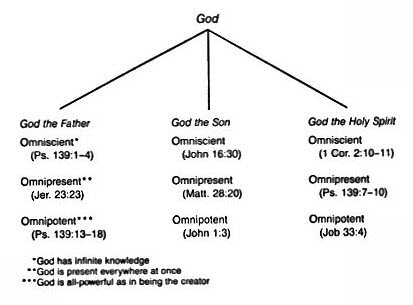
2. Yet when we study the attributes of the Father, the Son, and the Holy Spirit, we discover that all three possess the identical attributes of deity.

3. Thus we can conclude that there is one God eternally existing as three distinct persons.

God Is One (Monotheism)

The Hebrew Shema of the Old Testament is “Hear, O Israel: The Lord our God, the Lord is one!” (Deut. 6:4; see Isa. 43:10; 44:6; 46:9). Some people have argued that this passage actually refutes the concept of the triune nature of God because it states that God is one. But the Hebrew word for “one” in this text is echod, which carries the meaning of unity in plurality. It is the same word used to describe Adam and Eve becoming “one flesh” (Gen. 2:24). Scripture is not affirming that Adam and Eve literally become one person upon marriage. Rather, they are distinct persons who unite in a permanent relationship.

The New Testament confirms the teaching of the Old: “You believe that God is one. You do well; the demons also believe, and shudder” (James 2:19, nasv; see 1 Tim. 2:5; 1 Cor. 8:4; Eph. 4:4–6).

God Has a Certain Nature

Both the Old and New Testaments list the attributes of God. We won’t consider all of them here, but what follows are some of the clearest expressions of what constitutes deity.

•     God is omnipresent (present everywhere at once): Psalm 139:7–10; Jeremiah 23:23–24.

•     God is omniscient (possesses infinite knowledge): Psalms 139:1–4; 147:4–5; Hebrews 4:13; 1 John 3:20.

•     God is omnipotent (all-powerful): Psalm 139:13–18; Jeremiah 32:17; Matthew 19:26.

The Father Is God

To the Jews, who do not accept the Trinity, God is Yahweh. In the Old Testament, Yahweh is to the Hebrews what Father is in the New Testament and to Christians. The attributes of God (Yahweh) listed above are the same for Yahweh and Father because both names apply to the one God. Although the concept of God as Father is not as explicit in the Old Testament as it is in the New, nevertheless, it has its roots in the Old (see Pss. 89:26; 68:5; 103:13; Prov. 3:12).

In the New Testament, the concept of the Father as a distinct person in the Godhead becomes clear (Mark 14:36; 1 Cor. 8:6; Gal. 1:1; Phil. 2:11; 1 Pet. 1:2; 2 Pet. 1:17). God is viewed as Father over creation (Acts 17:24–29), the nation of Israel (Rom. 9:4; see Exod. 4:22), the Lord Jesus Christ (Matt. 3:17), and all who believe in Jesus as Lord and Savior (Gal. 3:26).

The Son Is God

Like the Father, Jesus possesses the attributes of God. He is omnipresent (Matt. 18:20; 28:20). He is also omniscient: He knows people’s thoughts (Matt. 12:25), their secrets (John 4:29), the future (Matt. 24:24–25), indeed all things (John 16:30; 21:17). His omnipotence is also taught. He has all power over creation (John 1:3; Col. 1:16), death (John 5:25–29; 6:39), nature (Mark 4:41; Matt. 21:19), demons (Mark 5:11–15), and diseases (Luke 4:38–41).

In addition to these characteristics, Jesus exhibits other attributes that the Bible acknowledges as belonging only to God. For example, He preexisted with the Father from all eternity (John 1:1–2), accepted worship (Matt. 14:33), forgave sins (Matt. 9:2), and was sinless (John 8:46).

The Holy Spirit Is God

The Holy Spirit is also omnipresent (Ps. 139:7–10), omniscient (1 Cor. 2:10), and omnipotent (Luke 1:35; Job 33:4).

Like Jesus, the Holy Spirit exhibits other divine attributes that the Bible ascribes to God. For instance, He was involved in creation (Gen. 1:2; Ps. 104:30), inspired the authorship of the Bible (2 Pet. 1:21), raised people from the dead (Rom. 8:11), and is called God (Acts 5:3–4).

The upshot of all this is that God is triune. In a formal argument, we can put it this way:

Major Premise:

Only God is omnipresent, omniscient, and omnipotent.

Minor Premise:

The Father, the Son, and the Holy Spirit are omnipresent, omniscient, and omnipotent.

Conclusion:

Therefore, God is triune as Father, Son, and Holy Spirit.

THE TRINITY

HOW DOES JESUS TEACH THE DOCTRINE OF THE TRINITY?

In the Bible, Jesus claims to be God and then demonstrates this claim by displaying the attributes of God and by raising Himself from the dead. So what Jesus has to say about God must be true. And Jesus clearly teaches that God is triune.

Jesus Is Equal with the Father and Holy Spirit

In Matthew 28:19, Jesus tells His followers to “make disciples of all the nations, baptizing them in the name of the Father and of the Son and of the Holy Spirit.” He uses the singular word name but associates it with three persons. The implication is that the one God is eternally three co-equal persons—Father, Son, and Holy Spirit.

Jesus Is One with the Father

In John 14:7 and 9, Jesus identifies Himself with the Father by saying to His disciples, “If you had known Me, you would have known My Father also; and from now on you know Him and have seen Him … He who has seen Me has seen the Father” (see John 5:18). Jesus is not claiming to be the Father; rather, He is saying that He is one with the Father in essence.

Jesus Is One with the Holy Spirit

Continuing in John 14, Jesus tells His disciples that, after He is gone, He will send them “another Helper” who will be with them forever and will indwell them (vv. 16–17). The “Helper” is the Holy Spirit. The trinitarian implication lies with the word another. The apostle John, as he wrote this passage, could have chosen one of two Greek words for another. Heteros denotes “another of a different kind,” while allos denotes “another of the same kind as myself.” The word chosen by John was allos, clearly linking Jesus in substance with the Holy Spirit, just as He is linked in substance with the Father in verses 7 and 9. In other words, the coming Holy Spirit will be a different person than Jesus, but He will be the same with Him in divine essence just as Jesus and the Father are different persons but one in their essential nature. Thus, in this passage, Jesus teaches the doctrine of the Trinity.

So far we have seen that the authors of Scripture and Jesus Christ teach the triune nature of God. Therefore, the only way the doctrine of the Trinity can be rejected is if one refuses to accept the biblical evidence. Some groups, such as the Jehovah’s Witnesses, do this by reinterpreting and altering Scripture. Others, such as the Unitarians (who claim that Jesus is just a man), arbitrarily and without any evidence deny anything supernatural or miraculous in the Bible. Both the Jehovah’s Witnesses and the Unitarians are guilty of the very same thing of which they accuse Christians—irrationality. They refuse to accept the evidence for the Trinity regardless of how legitimate it is. This is unscientific and irrational. If one approaches Scripture without bias, he will clearly discover what the church has maintained for centuries: God is triune—one God in essence but eternally existing in three persons as Father, Son, and Holy Spirit.

A COMMON OBJECTION

Perhaps you’ve wondered or heard someone say, “If Jesus is one in essence with the Father, an equal member of the triune Godhead, why does He say, ‘the Father is greater than I’” (John 14:28)? This question actually moves away from the doctrine of the Trinity and launches us into the doctrine of the incarnation, the process whereby Jesus, as the eternal Son of God, came to earth as man. Nevertheless, because this question is frequently raised as an objection, it needs to be answered.

Numerous passages in Scripture teach that Jesus, although fully God, is also fully man (John 1:14; Rom. 8:3; Col. 2:9; 1 Tim. 3:16). However, Philippians 2:5–8 states that, in the process of taking on humanity, Jesus did not give up any of His divine attributes. Rather, He gave up His divine glory (see John 17:5) and voluntarily chose to withhold or restrain the full use of His divine attributes. There are numerous instances in Scripture where Jesus, although in human form, exhibits the attributes of deity. If Jesus had surrendered any of His divine attributes when He came to earth, He would not have been fully God and thus could not have revealed the Father as He claimed to do (John 14:7, 9).

The key to understanding passages such as John 14:28 is that Jesus, like the Father and the Holy Spirit, has a particular position in the triune Godhead. Jesus is called the Son of God, not as an expression of physical birth, but as an expression of His position in relationship to the Father and Holy Spirit. This in no way distracts from His equality with the Father and the Holy Spirit or with His membership in the Godhead. As man, Jesus submits to the Father and acts in accordance to the Father’s will (see John 5:19, 30; 6:38; 8:28). So when we read passages such as Mark 14:36 where Jesus submits to the Father’s will, His submission has nothing to do with His divine essence, power, or authority, only with His position as the Incarnate Son.

Perhaps an illustration will help to explain this. Three people decide to pool their money equally and start a corporation. Each are equal owners of the corporation, but one owner becomes president, another vice-president, and the third secretary/treasurer. Each are completely equal so far as ownership, yet each has his own particular function to perform within the corporation. The president is the corporate head, and the vice-president and secretary/treasurer are submissive to his authority and carry out his bidding.

So when Jesus the God-man submits to the Father’s will or states that the Father is greater than He or that certain facts are known only by the Father (e.g., Matt. 24:36), it does not mean that He is less than the other members of the Godhead but that in His incarnate state He did and knew only that which was according to the Father’s will. The Father did not will that Jesus have certain knowledge while in human form. Because Jesus voluntarily restrained the full use of His divine attributes, He was submissive to the Father’s will.

Why did Jesus choose to hold back from fully using His divine powers? For our sake. God willed that Jesus feel the full weight of man’s sin and its consequences. Because Jesus was fully man, He could fulfill the requirements of an acceptable sacrifice for our sins. Only a man could die for the sins of mankind. Only a sinless man could be an acceptable sacrifice to God. And it is only because Jesus is an equal member of the triune Godhead, and thus fully God, that He was able to raise Himself from the dead after dying on the cross and thereby guarantee our eternal life.

When all the evidence is accounted for and the verdict read, the Bible clearly teaches that the Father, the Son, and the Holy Spirit are three distinct, co-equal, co-eternal members of the Godhead, yet one in essence, power, and authority. All three are one God. Were this not the case, if the Trinity were not a reality, there would be no Christianity.

[1]


[1]Story, D. (1997). Defending your faith. Originally published: Nashville : T. Nelson, c1992. (99). Grand Rapids, MI: Kregel Publications.

Handling an Objection: “I love the moral teachings of Jesus but I don’t think He is divine.”

Handling an Objection: “I love the moral teachings of Jesus but I don’t think He is divine.”

 
This past week I was doing some outreach on a major college campus. When it came time to talk about the identity of Jesus, I heard two similar responses. Granted, I have heard this objection many, many, times. It goes like this:

“I really like the moral teachings of Jesus, but I don’t think he is divine.”

I could respond to this by using the C.S. Lewis argument that Jesus is either Lord, Lunatic, or Liar. I tend to not use that one a lot. While it still has some value it generally begs the question of the reliability of the New Testament. After all, some skeptics assume the deity of Jesus is a later invention of the Church. As I have noted elsewhere, this is incorrect. The Christology is Jesus was at the very start of the formation of the early Jesus movement.

Jesus is the Message

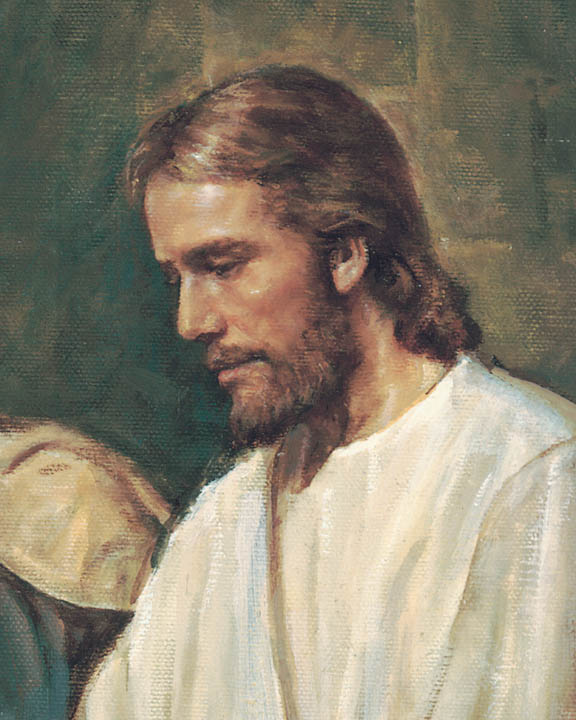
Anyway, how do I respond to this? First, since the person already admires the teachings of Jesus, I point to the blind spot in their thinking. First, it is not the moral teachings of Jesus that is the message. Rather, Jesus is the message!

Probably the most pertinent examples of how Jesus in the message is in the Gospel of John where we see the “I AM” (Gk. ego eimi,) statements. I am well aware that all these passages need to be studied in context. But we see clearly that Jesus is emphasizing He is the message. For example:

Then Jesus declared, “I am the bread of life. He who comes to me will never go hungry, and he who believes in me will never be thirsty. (John 6:35)

When Jesus spoke again to the people, he said, “I am the light of the world. Whoever follows me will never walk in darkness, but will have the light of life.” (John 8:12)

I am the gate; whoever enters through me will be saved. He will come in and go out, and find pasture. (John 10:9)

“I am the good shepherd. The good shepherd lays down his life for the sheep.” (John 10:11)

Jesus said to her, “I am the resurrection and the life. He who believes in me will live, even though he dies; and whoever lives and believes in me will never die.” (John 11:25-26)

Jesus answered, “I am the way and the truth and the life. No one comes to the Father except through me.” (John 14:6)

“I am the vine; you are the branches. If a man remains in me and I in him, he will bear much fruit; apart from me you can do nothing.” (John 15:5)

From a tactical perspective, when people say they only like the teachings of Jesus, it can allow you the opportunity to share these passages from John and ask them if they might rethink their position.

Why Was Jesus Crucified?

Second, I ask the person is why was Jesus crucified? One issue that can tend to be overlooked is that we can minimize the issue of blasphemy in a Jewish setting. by the way, none of the above figures were accused of blasphemy. According to Jewish law, the claim to be the Messiah was not a criminal, nor capital offense. Therefore, the claim to be the Messiah was not even a blasphemous claim. (1)

If this is true, why was Jesus accused of blasphemy? According to Mark 14:62, Jesus affirmed the chief priests question that He is the Messiah, the Son of God, and the Coming Son of Man who would judge the world. This was considered a claim for deity since the eschatological authority of judgment was for God alone. Jesus provoked the indignation of his opponents because of His application of Daniel 7:13 and Psalm 110:1 to himself.

Also, many parables, which are universally acknowledged by critical scholars to be authentic to the historical Jesus, show that Jesus believed himself to be able to forgive sins against God (Matt. 9:2; Mark 2: 1-12). Forgiving sins was something that was designated for God alone (Exod. 34: 6-7; Neh.9:17; Dan. 9:9) and it was something that was done only in the Temple along with the proper sacrifice. So it can be seen that Jesus acts as if He is the Temple in person. In Mark 14:58, it says, “We heard him say, ‘I will destroy this man-made temple and in three days will build another, not made by man.’ The Jewish leadership knew that God was the one who was responsible for building the temple (Ex. 15:17; 1 En. 90:28-29).(2)

Also, God is the only one that is permitted to announce and threaten the destruction of the temple (Jer. 7:12-13; 26:4-6, 9;1 En.90:28-29). (3) It is also evident that one reasons Jesus was accused of blasphemy was because He usurped God’s authority by making himself to actually be God (Jn. 10:33, 36). Not only was this considered by the Jews to be blasphemous, it was worthy of the death penalty (Matt. 26:63-66; Mk. 14:61-65; Lk. 22:66-71; Jn. 10:31-39; 19:7)

As the late Martin Hengal said:

“Jesus’ claim to authority goes far beyond anything that can be adduced as prophetic prototypes or parallels from the field of the Old Testament and from the New Testament period. [Jesus] remains in the last resort incommensurable, and so basically confounds every attempt to fit him into categories suggested by the phenomenology of sociology of religion.” (4)

Remember that there was a Jewish leader named Bar Kohba who made an open proclamation to be the real Messiah who would take over Rome and enable the Jewish people to regain their self-rule (A.D. 132-135). Even a prominent rabbi called Rabbi Akiba affirmed him as the Messiah. Unfortunately, the revolt led by Bar Kohba failed and as a result and both he and Rabbi Akiba were slain. And remember, Bar Kohba was not accused of blasphemy. He never claimed to have the authority to forgive sins or claim to be the Son of Man (as referring to Daniel 7).

Conclusion

In the end, I think the reason some people like the moral teachings of Jesus and avoid the divinity issue is an issue of autonomy. A non- divine Jesus is really not very threatening and doesn’t ask much of us.

Sources:

1. See Darrell L. Bock. Blasphemy and Exaltation in Judaism: The Charge Against Jesus in Mark 14:53-65. Grand Rapids, MI: Baker Books, 1998.
2. William Lane Craig. Reasonable Faith: Third Edition. Wheaton, Illinois: Crossway Books, 2008, 307.
3. Martin Hengel, The Charismatic Leader and His Followers. New York: Crossroad, 1981. 68-69; Cited in Edwards, 96.
4. Jacob Immanuel Schochet. Mashiach: The Principle of Mashiach and the Messianic Era in Jewish Law and Tradition. New York: S.I.E. 1992, 93-101.
5. Ibid.

Exit mobile version