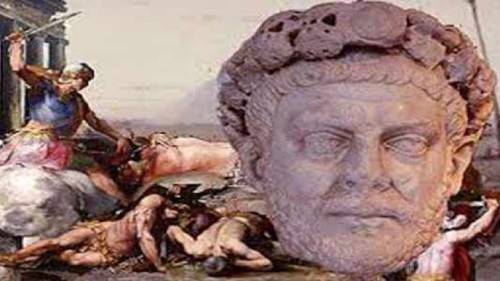
الغالبية العظمى لشهداء الكنيسة القبطية تعود إلى عصر دقلديانوس ومعاونيه، ومن خلفوه أيضًا، في الفترة ما بين سنة 303 إلى 313 ميلادية. ولذلك تعتبر كنيستنا القبطية بداية التقويم القبطي، والذي يُطلق عليه تقويم الشهداء، من العام 284 ميلادية، وهى السنة التي اعتلى فيها دقلديانوس عرش الحُكم. ويرجع ذلك لاعتبار أن عصره هو الأكثر دموية وصعوبة بين بقية فترات الاضطهاد في القرون الأولى للمسيحية. كما أن هذه الفترة قد أغنت تاريخ الكنيسة القبطية بالكثير من سير الشهداء القديسين.
يمكننا أن نتتبع في تقويم الكنيسة القبطية أربعة مجموعات من الشهداء: شهداء مصريين استشهدوا في مصر، وآخرين استشهدوا في بلدان أخرى، ومجموعة ثالثة وهم شهداء ليسوا مصريين استشهدوا في مصر، وأخيرًا مجموعة أخرى من الشهداء لم يعيشوا في مصر ولا استشهدوا على أرضها مثل الشهيد ديمتريوس من تسالونيكي. وسيختص حديثنا هنا فقط على الثلاثة مجموعات الأولى التي ذكرناها.
لقد كان المؤرخ يوسابيوس القيصري شاهد عيان لبعض هذه الأحداث القاسية والظروف الصعبة التي مرت على هؤلاء الشهداء، نجده يعقد مقارنة بين المصريين الذين استشهدوا في مصر وأولئك الذين استشهدوا خارج وطنهم. وبرغم أنه يصف العذابات المؤلمة، ويعبر عن إعجابه بشجاعة وثبات هؤلاء الشهداء على الإيمان المسيحي، إلاّ أنه لم يذكر لنا أسماء هؤلاء الشهداء الذين شاهد عذاباتهم. لقد عبّر عن انبهاره لثبات وصبر هؤلاء الأبطال، وقوة احتمالهم العجيب، الذين استشهدوا في صور بفنيقية[1]. الوحوش لم تلمس أجساد هؤلاء الشهداء، بل هاجمت الآخرين الذين كانوا يستحثونها من الخارج ويحفزونها (أى الوثنيين). وأيضًا نجد أن شبابًا صغيرًا في السن وأجسادهم غضة، برهنوا على ثباتهم وصلابة إيمانهم. لقد وقف أحدهم غير مرتعب، ثابتًا دون أن يتراجع على الإطلاق عن المكان الذي وقف فيه، منشغلاً في صلاة حارة لله، بينما تقترب منه جدًا النمور والدبب المتوحشة تكاد تلمس جسده، دون أن تفتح أفواهها[2]. وحينما تأكدوا بأن هذه الوحوش لم تقترب من هؤلاء الشهداء قتلوهم جميعًا بالسيف، وألقوهم في أعماق البحر[3].
أعداد الشهداء وأنواع العذابات في مدن مصر:
لا يوجد رقم محدد لأعداد الشهداء، بل أن الأعداد تختلف في كتابات الباحثين ما بين أرقام صغيرة وكبيرة جدًا[4]. ومع ذلك يمكننا أن نستنتج عن طريق البيانات التي بين أيدينا والمتعلقة بسير الاستشهاد المختلفة، وأيضًا من المصادر الأخرى المتنوعة أن أعداد الشهداء في الكنيسة القبطية هى عشرات الآلاف. فلقد اجتازت آلام هذه الأحداث مدن كاملة. فمثلاً قتل الوالي أريانوس كل المسيحيين في مدينة اسنا (Λατόπολη)، وهؤلاء كانوا مع أسقفهم أمونيوس في الدير الذي أقامه في أحد الجبال خارج المدينة، وفيه كان يختلي للعبادة عدة أيام في كل أسبوع. وحينما قاد أريانوس حملة على هذه المدينة كان مسيحيوها مجتمعين كلهم هناك لأجل تكريم أحد القديسين. وفي الطريق إلى الدير كان الجنود يقتلون أى مسيحي يقابلهم. وحينما رأى المسيحيون أريانوس كانوا يعلنون إيمانهم وكان نتيجة ذلك هو قتل كل المسيحيين، الأطفال والكبار، الرجال والنساء. لقد حاول أريانوس دون جدوى أن يثني الأسقف عن الإيمان المسيحي وأن يقدم التكريم للأوثان. وفي نهاية الأمر ألقى الجنود الأسقف في النيران، دون أن يحترق جسده على الإطلاق[5].
ونفس المصدر الذي قدم لنا تفصيلاً عن الأحداث التي جرت لشعب مدينة اسنا وأسقفها أنبا أمونيوس يحدثنا عن إعداد وتجديد المواضع الخاصة برفات هؤلاء الشهداء، والذي تم على يد الملكة هيلانة أم قسطنطين الكبير. يتكلم المصدر عن أن هذا المكان الذي يحوي رفاتهم يُقدر بنحو ثمانين فدانًا، وأن رفات الشهداء التي وُضعت فيه كانت بلا حصر، وذلك حين قارن هؤلاء الشهداء مع شهداء مدينة أخميم (Πανόπολη)، والتي كان عدد شهدائها ثمانية آلاف وأربعة وأربعون[6]. ومن هنا يتضح كيف أن عدد الشهداء في مدينة اسنا كان كبيرًا جدًا.
وفي مدينة إنصنا (Αντινοόπολη) استشهد خمسة آلاف وثمانمائة شهيد مع أسقفهم أباديون[7]. وفي مدينة أسيوط (Λυκόπολη) نجد أن عددًا كبيرًا من المسيحيين جاهروا بالإيمان وكان نتيجة ذلك أنهم نالوا إكليل الشهادة[8]. لقد حاول يوسابيوس أن يقترب من أعداد الشهداء المصريين فكتب بأنهم كانوا ألوف من الرجال والنساء والأطفال[9].
في وصفه لشهداء مصر يتعجب يوسابيوس من صبرهم على العذابات، مؤكدًا على أن ذلك هو من أجل تعاليم مخلّصنا. ومن ضمن هذه العذابات المتنوعة نجد أن البعض قد أُلقوا في النيران بعد كشط أجسادهم وجلدهم. والبعض الآخر أُغرقوا في البحر، والبعض ماتوا من شدة هذه العذابات ولم تتحملها أجسادهم. لقد قدم البعض رؤوسهم بشجاعة والبعض مات جوعًا. لقد صُلب بعضهم بالطريقة المعتادة وبعضهم الآخر بطريقة عكسية أى أن رؤوسهم منكسة إلى أسفل، وبدون طعام حتى الموت[10].
لقد خص يوسابيوس أيضًا شهداء طيبة بشرح منفصل، بعدما تكلّم عن نضال المصريين. وكانت طيبة هى أحد الأقاليم الثلاثة التي تتكون منها مصر. يجد يوسابيوس أن الكلمات عاجزة عن وصف العذابات التي تكبدها الشهداء في طيبة[11]. فبدلاً من المناجل كانت تستخدم المحار في كشط الأجساد وهو ما كان يسبب ألمًا أشد. وكانت النساء تُمتهن كرامتهن أثناء تعذيبهن مما كان يسبب الخجل الشديد لهن. هناك أيضًا طرق قاسية جدًا كانت تستخدم مع بعض الشهداء، إذ كانوا يوثقون أطراف أجسادهم مع بعض فروع لأشجار ضخمة، بعدما يقربونها لبعضها البعض عن طريق ماكينات خاصة، ثم بعد ذلك يتركون هذه الفروع كي تعود إلى وضعها الأصلي، بهذه الطريقة تتمزق أعضاء الجسد في الحال. وهنا يجب أن ننتبه إلى أن أعداد الشهداء يجب أن يكون كبيرًا أيضًا في طيبة، لأن هذه الأحداث كانت تستمر لأعوام طويلة، كما أن أعداد الشهداء في كل يوم كان يتراوح بين عشرة ومائة رجل، غير أعداد الأطفال والنساء. ولقد أورد المؤرخ يوسابيوس أحد التفاصيل التي تبين لنا أعداد هؤلاء الشهداء الذين كانوا ينفذون فيهم الحكم كل يوم في طيبة. يذكر يوسابيوس أن حدّ السيف قد ضعف من كثرة استخدامه، وإذ ضعف انكسر، كما أن قوى منفذي الأحكام قد وهنت فكانوا يتبادلون الواحد مكان الآخر لكي يستريحوا من شدة التعب[12].
لقد كان من العجيب حقًا أنه برغم كل هذه العذابات المرعبة واللا إنسانية فإن مسيحيي طيبة كانوا في شدة الحماس والنشاط والغيرة[13]. فبمجرد أن يتم الاعلان عن القرار النهائي بإعدام أحد هؤلاء، كان يندفع الباقون نحو كرسي القضاء مقدّمين اعترافهم بالإيمان المسيحي بدون خوف من الموت، بل أكثر من هذا نجدهم يتقبلون الحكم بالموت وهم فرحين مترنمين ومتهللين ومقدمين الشكر والتسبيح لله[14].
كان محتوى إيمانهم واعترافهم يتم التعبير عنه بكلمتين “أنا مسيحي”. وهاتين الكلمتين القصيرتين كانتا تلخصان وتشرحان كل شئ، لقد كانوا يجيبون حينما يسألونهم عن أسماءهم بأنهم مسيحيين، فلقد كانوا يسرعون بذكر إيمانهم بالمسيح، مفضلين ذلك على أن يذكروا أسماءهم الخاصة. فلقد كان إيمانهم هذا محل فخرهم ومجدهم، وفي نفس الوقت هو السبب الرئيسي لإتهامهم بأبشع الإتهامات والوشاية بهم، وبالتالي تعرضهم للعذابات والآلام المتنوعة.
لقد كان الوثنيون يُظهرون أو يتظاهرون بالأسف من أجل حياة الشهداء، على الرغم من أنهم كانوا يعتبرونهم مجانين، لأنهم يقدمون حياتهم غير مبالين بالموت. لقد كانوا أيضًا متعجبين جدًا بسبب شجاعة الشهداء وإقدامهم[15]. من بين الشهداء نجد أسماء كثيرة لأشخاص كانوا في مواقع عليا أو من أصول نبيلة، والذين لم يبالوا بموقعهم الاجتماعي، ولا بثروتهم أو علمهم. كمثال لهؤلاء نذكر فيلوروموس والذي يقال عنه إنه كان يشغل مركزًا عاليًا في الحكومة الإمبراطورية بالأسكندرية. كذلك فيلياس أسقف كنيسة تمى[16]، والقديسة كاترينة[17]، والقديسة دميانة، وغيرهم الكثير. ولأجل هذا فإن كثيرين من الوثنيين تأثروا بهؤلاء وبسيرتهم وبسلوكهم، ولذا انضموا للمسيحية. ولذلك فإننا نجد أن كل السجلات والنصوص تقريبًا التي تخبرنا عن الشهداء وسيرتهم تتكلم عن اعتناق المسيحية من جانب مشاهدين وثنيين تأثروا بمعجزات حدثت أثناء الاستشهاد وبشجاعة الشهداء وثبات إيمانهم.
إن تاريخ الاستشهاد في فترة دقلديانوس لا يبدأ من وقت تطبيق منشورات أو قرارات الإمبراطورية ضد المسيحية أى من عام 303م، ولكن قبل هذا التاريخ بوقت كافٍ. ربما يعود ذلك مثلاً إلى عام 295م حينما بدأت بعض الإجراءات والمضايقات ضد جنود مسيحيين في الجيش[18]. ولهذا فإن أول ضحايا الاضطهاد كانوا من قادة الجيش، مثل الشهيد العظيم مارمينا العجائبي[19]. كذلك لدينا مثال الكتيبة الطيبية، وقد أُرسِلَت هذه الكتيبة لكي تساعد ماكسيميانوس في حملة لقمع اضطرابات كانت قد نشبت في فرنسا. وقبل القيام بمهامها طُلب من أفرادها طاعة الإمبراطور، وتقديم البخور للآلهة قبل حملته المرتقبة، وبعدما رفض هؤلاء الجنود هذه الأوامر ابتدأ الإمبراطور في التخلص من الجندى العاشر في الترتيب، كي يخيف الآخرين، ولكن عبثًا لم يستطع أن يثنيهم عن عزمهم وتمسكهم بإيمانهم. وهكذا استمر في قتلهم واحد تلو الآخر حتى أتى على هذه الكتيبة كلها.. ومن هذه الكتيبة هناك أسماء لامعة مثل القديس موريس وأسماء أخرى منتشرة في دول أوربا كسويسرا وألمانيا وفرنسا وإيطاليا[20].
لقد أرسل الأسقف فيلياس رسالة إلى رعيته في تمى من داخل سجنه بالأسكندرية. من هذه الرسالة يتضح العمل الرعائي للأسقف تجاه رعيته في ظروف وأيام الاضطهاد الصعبة، ولقد كان هو نفسه ينتظر الاستشهاد في ذلك الوقت. لقد كتب لرعيته كلمات ممتلئة تشجيعًا، يصف فيها ثبات المسيحيين في الأسكندرية أمام تهديدات حراسهم المتعددة.
لقد واجهوا بكل بسالة وعزم، وفضيلة أيضًا، هذه الأهوال التي واجهتهم، وألوان التعذيب التي تفنن المضطهدين في استخدامها معهم، وأيضًا سخط المشاهدين وهياجهم واعتداءاتهم. وبعد العذابات الشديدة التي كان يجتازها هؤلاء الأبطال، كانوا يتركونهم بدون أى رعاية كما لو كانوا غير موجودين.
والبعض منهم كانوا ينالون جرعات أخرى من العذابات، بعدما يكونوا قد أمضوا النهار كله وهم يقاسون الكثير منها. فيمددون أرجلهم على آلة خشبية، ويضعونها في ثقوب، وهم عاجزون عن أن يقوموا عن هذا الوضع، نظرًا لجراحاتهم التي تكون قد امتلأت بها أجسادهم، نتيجة لجلدهم على كل الجسد[21]. لقد كانت لديهم الفرصة أن يتخلصوا من الآلام والموت، إن شاركوا في الذبائح، أو حتى لمسوا فقط هذه الذبائح، ولكنهم كانوا يرفضون هذه الحرية البغيضة الزائفة، مفضَّلين أن يركضوا للموت فرحين، كي لا يعبدوا إلهًا آخر. لقد أوجز يوسابيوس، بعد نهاية هذه الرسالة، القانون الذي كان يُطبَّق على هؤلاء الشهداء، وهو أنهم كانوا يُعتبرون كأعداء في حرب[22].
1 تاريخ الكنيسة، يوسابيوس القيصري، ترجمة القمص مرقس داود 7:8.
2 تاريخ الكنيسة 4:7:8
3 نلاحظ أن كثير من أجساد الشهداء في اضطهاد دقلديانوس وأعوانه كانوا يُلقون في البحر أو في النار أو كانوا يتركونها للوحوش المفترسة كي تأكلها. نعتقد أن السبب في ذلك، بحسب دراستنا لهذه السير، يرجع إلى أن المضطهدين كانوا يخشون القوة المعجزية التي كانت بداخل هؤلاء الشهداء (والتي كانوا يطلقون عليها سحرًا) والتي ظهرت في حالات التعذيب، لقد كانوا يريدون أن تُمحى هذه الأجساد معتقدين أنه بذلك لا يستطيع هؤلاء الشهداء أن يجذبوا الوثنيين إلى المسيحية ولا أن يكونوا هم أنفسهم محل تكريم من المؤمنين. راجع أيضًا تاريخ الكنيسة 7:6:8
4 عن الاختلافات في أعداد الشهداء في هذه الفترة عامة انظر ديمتري تسامس، سجل شهداء سيناء، تسالونيكي 1989، ص17ـ18 (باللغة اليونانية).
5 عن الاستشهاد في مدينة اسنا، استخدمنا المخطوط 638 البطريركية القبطية، تاريخ 44، ورقة 90 وجه ـ 103 ظهر. وقد صدر هذا المخطوط كاملاً ونشر مع ثلاثة مخطوطات أخرى في طبعة علمية مع ترجمة فرنسية في كتاب شهداء مدينة اسنا، د. أنطون خاطر، القاهرة، أورشليم 1981. انظر أيضًا :
Delacy O’leary, The Saints of Egypt, London, New yourk 1937, pp 68-70.
6 مخطوط 638، تاريخ 44، 117 ظهر ـ 118 وجه (إصدار د. أنطون خاطر كما سبق).
7 انظر Coptic Encyclopedia, New Yourk, Toronto 5, 1551,
[8] R.Graffin, F. Nau, Patrologia Orientalis, 11, 762.
9 تاريخ الكنيسة1:8:8
10 تاريخ الكنيسة 8:8
11 تاريخ الكنيسة 9:8.
12 نفس المرجع السابق.
13 عن حماس الشهداء هناك دراسة قيّمة: Ι. κοτσώνη, Το ενθόυσιαστικόν στοιχείον εις την εκκλησία των μαρτύρων, Αθήνα 1952.
14 تاريخ الكنيسة 5:9:8.
15 يرى Dodds أن المسيحية استحقت أن تحيا وتستمر لأنها أعتبرت مستحقة لأن يموت أحد من أجلها. كذلك يرى أنه بالرغم من آراء ماركوس أوريليوس ولوكيانوس وجالينوس وكلسس إلاّ أنهم كانوا مبهورين من شجاعة المسيحيين أمام الموت والاستشهاد D E R. Dodds, Εθνικοί και χριστιανοί σε μια εποχή αγωνίας (ترجمة يونانية) 1995, p.203
16 استشهاد فيلياس إما أنه قد حدث في أواخر عصر دقلديانوس أو بعد اعتزاله بوقت قصير. انظر H. Musurillo, The Acts of the Christian Martyrs, Oxford 1979, p.x/vii. Π. χρήστου, Τα Μαρτύρια των αρχαίων χριστιανών, ΕΠΕ 30, 83
17 استشهدت في فترة إدارة ماكسيمينوس في الأسكندرية. ديمترى تسامس، سجل شهداء سيناء، ص46 الخ.
18 Γλαβίνα ، تاريخ الكنيسة جزء أول، تسالونيكي 1993، ص208 (باللغة اليونانية). تاريخ الكنيسة 1:4:8ـ4
19 غالبًا استشهد عام 296 Δετοράκης, Μηνάς ο Μεγαλομάρτυς ο άγιος του Μεγάλου Κάστρου, Ηράκλειον 1995, p.29
لقد كانت الإجراءات الأولية التي اتخذت من قِبَل الولاة تهدف إلى المساس بالكيان الكنسي كتنظيم. لهذا بدأت هذه الإجراءات بهدم الكنائس، والتخلص من الكتب المقدسة، وكذلك التخلص من الأكليروس ورؤساء الكنائس. لقد طلبوا من تيموثاؤس وهو قارئ في الكنيسة[1]، أن يسلم الكتب المقدسة التي لديه، وذلك بحجة من أريانوس الوالي أنه يريد أن يَعْلم ما بها من قوة. بالطبع رفض تيموثاؤس ذلك معتبرًا هذه الكتب إنها أبناؤه كمثل يجب أن يحافظ عليهم من الموت[2].
برغم أن الإضطهاد كان يسود كل أرجاء الأمبراطورية، إلا أن الشرق قد اجتاز آلامًا أكبر بكثير مما أجتازه الغرب[3]. لقد كانت المنشورات المطبَّقة واحدة في كل الأمبراطورية. لكن الاضطهادات كانت أخف في مكان عن مكان آخر، وذلك تبعًا للقادة الذين كانوا يشغلون إمارة هذه المقاطعات. ففي الشرق كانت تطبق القوانين بطريقة حرفية، بينما في الغرب كان يُطبق فيها روح القانون. لقد وقعت مصر في أيدي قاسية في فترة دقلديانوس، وأيضًا في فترة إمارة ماكسيمينوس. لقد عُرفت أسماء ارتبطت بعصر الإستشهاد في هذه الفترة مثل ارمانيوس، كولسيانوس، سوسيانوس، هيروكليس وبالطبع ساتريوس اريانوس[4]، وهم أشخاص طبقوا المنشورات الصادرة بحذافيرها. لهذا فإن مصر، وخاصة مصر العليا، كانت مكانًا مشهورًا ومعروفًا بالنسبة للإستشهاد ليس للمصريين فقط، وإنما أيضًا للمعترفين الذين أرسلهم الحكام من خارج مصر لكي تُنفذ فيهم الأحكام وتُمارس ضدهم العذابات المختلفة.
لقد أقترح رومانوس، وهو أب الشهيد بقطر، أن يُرسَل كلوديوس ابن بتولماوس، وهو من عائلة ملكية إلى أريانوس في أنصنا لكي يحاكم فيها بدلاً من أن يُرسل إلى بلده الأصلي أنطاكية[5]. ومن أنطاكية نعرف شخصية أخرى وهو باسيليدس، شخص ذو مكانة عالية في بلده، مع مجموعة من عائلته وأصدقائه الذين كانوا يرتبطون به[6]. لقد أُرسل هؤلاء إلى مصر للمحاكمة بناء على أوامر من الحكام. كما إننا نعرف حالات أخرى مختلفة مثل الشهيد أبادير والذي قاده السيد المسيح نفسه أن يذهب إلى مصر لينال إكليل الشهادة، كما جاء في المخطوطات القبطية والعربية[7].
بالرغم من القسوة التي كانت ظاهرة للعيان في معاملة الشهداء القديسين، إلا أنه كان يوجد رغبة من المضطّهِدين كي يرجع المسيحيون ويقبلوا مشاركتهم في الديانة الرسمية للدولة. ولهذا بذل القضاة كل ما بوسعهم كي يجذبوا هؤلاء المعترفين ويربحوهم. لذا فإننا نلاحظ من سجلات الإستشهاد وسير الشهداء ومحاكماتهم أن الحوار الذي جرى معهم من جانب القضاة كان طويلاً، وخاصة مع هؤلاء الذين كانوا في مكانة إجتماعية مرموقة أو في وظيفة من الوظائف العليا في الإدارة، كما هو في حالة الشهيد فيلياس[8]. لقد كانت الضغوط والعذابات النفسية عليهم أقسى من عذابات الجسد التي رأها المشاهدين. فلا يجب أن ننسى الضغوط التي كانت تلحق بهم من جراء التأثير على مشاعرهم نحو عائلاتهم والتي كانت تُستَخْدَم كوسائل للضغط عليهم، حتى يتركوا إيمانهم. لقد حاولوا مثلاً الضغط على تيموثاؤس عن طريق زوجته الشابة مورا[9]. وبالنسبة للأساقفة كانوا يستخدمون علاقة الأسقف ومحبته نحو رعيته كوسيلة للضغط. حتى الكتاب المقدس كانوا يستخدمونه بصورة خاطئة حتى يؤثروا على المعترفين؛ فيتساءلون مثلاً أليس المسيح هو الله، فكيف له أن يُصلب[10]؟ لقد أرسل ماكسيمينوس دايا رسالة ينصح فيها القضاة بأن يستخدموا التملق والنصح كوسيلة حتى يعرف المسيحيون إهتمام آلهة الدولة ورعايتها، وبذلك يعودوا إليها[11]. ومن هنا ندرك كيف يكون القرار بالنسبة لهؤلاء القديسين في ظل هذه الظروف الصعبة والجو المشحون وتحت كل هذه الضغوط. والأمر يكون أكثر صعوبة حينما يتعلق بمن هم في سن صغيرة، كما هو الحال بالنسبة للثلاثة عذارى الأخوات ثيؤكتيستا 15عامًا، ثيؤذوسيا 13عامًا، وأدوكسيا 11عامًا واللاتي استشهدن مع أمهن أثناسيا . لقد شعر القديس أباكير بالخوف لربما تتراجع الصغيرات ولا يتحملن العذابات بسبب سنهن الصغيرة. ولكنهن أبدين شجاعة كبيرة، كما لو كانوا يعذبون أجسادًا أخرى وليس أجسادهن[12].
أضطهاد ماكسيمينوس دايا:
لقد كان جاليريوس عدوًا دائمًا للمسيحية، ووجد هذا الإمبراطور من يساندونه في تنفيذ سياسته ضد المسيحيين في الشرق، وذلك في الفترة التي أعقبت اعتزال دقلديانوس العرش. وكان ماكسيمينوس دايا واحدًا من هؤلاء، والذي جعل صفحة الإضطهاد في مصر أكثر قتامة. قال عنه لاكتانتيوس، إنه لكي يشبع رغباته الشهوانية جعل إرادته الخاصة هي مقياس الحق[13]. لقد حكم مصر في الفترة من عام 305 وحتى هزيمته عام 313. وبحسب ما روى يوسابيوس القيصري فقد جعل هذا الطاغية الإضطهاد أكثر شدة وتحول بصورة أكبر ضد المسيحيين[14]. لقد وصف يوسابيوس بالتفصيل سلوكه المشين، فلقد فعل كل ما بوسعه لكي يجدد العبادة الوثنية في المقاطعات، ولقد طبق سياسات متشددة وظالمة. استخدم ماكسيمينوس كل وسائل التعذيب ضد الرجال وقادته شهواته إلى أفعال مشينة ضد النساء، ولكن هؤلاء فضلن أن يسلمن حياتهن للموت على أن يسلمن أجسادهن للنجاسة. لقد أرسل ماكسيمينوس بعض الشهداء إلى المحاجر والمناجم في أعمال اضطرارية، ولكن قبل أن يرسلهم كان يقطع إحدى أرجلهم ويقلع إحدى عينيهم[15]. وإذ لم تكفِ المحاجر في طيبة، كانوا يُرسلون إلى مناجم النحاس في فلسطين. ولدينا من هؤلاء سبعة وتسعون شهيدًا ممن قاسوا هذه الآلام. وهم أيضًا كانوا قد فقدوا العين اليمنى والرجل اليسرى قبل ذهابهم لتأدية هذه الأعمال الإجبارية[16]. وهناك أيضًا مائة وثلاثون نُقلوا إلى مناجم فلسطين وكليكية[17]. في عام 308 أرسل ماكسيمينوس رسائل إلى حكام المقاطعات وللقادة العسكريين، وأمرهم بإعادة بناء الهياكل الوثنية المتهدمة، لكي يجبروا الجميع رجالاً ونساءًا وأطفالاً أن يذبحوا للآلهة الوثنية. كما أمر أن يأكل الجميع من هذه الذبائح، وأيضًا أن يتم رش دماء هذه الذبائح على الأطعمة الموجودة بالأسواق. لقد وصل إصراره على عبادة الأوثان إلى درجة الأمر بأن يُرش هؤلاء الذين يستعملون الحمامات الشعبية العامة بدماء الذبائح أو بالبخور المستخدم في الهيكل. مثل هذه الأوامر لم يرض عنها الوثنيون أنفسهم بسبب تطرفها[18]. وبمرور الوقت كانت تزداد القسوة والشدة. لقد أستشهد ثلاثة مصريون وهؤلاء كانوا في البداية متطوعين ذهبوا إلى كليكية بإرداتهم لخدمة المعترفين هناك. هكذا أيضًا فإن الكثيرين ممن يُذكرون مع الشهداء الفلسطينيين كانوا مصريين[19]. قُتل من هؤلاء المعترفين أيضًا تسعة وثلاثون لم يقدروا أن يعملوا في المحاجر بسبب أعمارهم الكبيرة أو بسبب مرضهم، ومن الواضح أن هؤلاء كانوا أيضًا مصريين[20].
منشور ميلان وعودة السلام:
قبل أن ينتهي هذا الإضطهاد الذي لماكسيمينوس، تخلل عام 311 إصدار منشور جديد، وبحسب هذا المنشور توقف جاليريوس بصورة مفاجئة عن الإضطهاد. ينادي هذا المنشور بتطبيق سياسة التسامح مع الديانات الأخرى[21]، وفيه يطلب من المسيحيين أن يتضرعوا لإلههم لأجل سلامة الأباطرة والإمبراطورية نفسها، وألا يفعلوا شيئًا ضد النظام[22]. وهذا المنشور يُعد برهانًا على فشل الإضطهاد في تحقيق أهدافه، ويُعد هزيمة للوثنية نفسها، وأنتصارًا للمسيحية، وإنتصارًا لشهداء المسيح في الوقت ذاته.
لقد توافق ماكسيمينوس، ولكن ظاهريًا فقط مع هذا المنشور، مما يبين عداوته وشعوره الداخلي ضد المسيحية. فلم يستخدم أي وسيلة رسمية من شأنها أن تنقل هذا المنشور، وإنما اكتفى بالتوصية بذلك[23]. على أية حال تُرك المقيدون في الحبس أحرارًا، كذلك أيضًا عاد المعترفون من المحاجر مرة أخرى. بذلك تنسَّم المسيحيون الحرية وزال الضيق ولو لفترة زمنية قصيرة.
ولعل استشهاد القديس بطرس الملَّقب بخاتم الشهداء، وهو رئيس أساقفة الأسكندرية في ذلك الوقت، يؤكد ما قلناه بخصوص عداوة ماكسيمينوس ضد المسيحية وضد إله المسيحيين، كما يشير إلى المحاولة الأخيرة والجريئة له كي يقضي على المسيحية في مصر، والتي كانت غالبيتها في ذلك الوقت من المسيحيين[24]. لا يوجد من الأسباب ما كان يتطلب القبض على ق. بطرس والتخلص منه[25]. ربما تكون الأسباب هي تعاليمه وإهتمامه برعيته، ومقاومته للشعائر الوثنية، وهو ما يكون بذلك سببًا لغضب دقلديانوس[26]. ولكننا نعرف أن هذا القديس لم ينل الشهادة حينما كان دقلديانوس إمبراطورًا، ولكن في وقت متأخر في إدارة ماكسيمينوس. كما أن التقليد يربط بين إستشهاد ق. بطرس ونهاية الإضطهاد. وبالرغم من وجود اختلافات بين روايات الإستشهاد في النصوص التي تتكلم عن القديس بطرس[27]، إلا إنها تتفق على إنه كان يريد ألا يتعرض شعبه لأي مكروه بسببه، ولذلك ضحى بنفسه حتى ينجي شعبه، والذي كان مجتمعًا محيطًا بسجنه يريد أن ينقذه من أيدي منفذي الحكم. ومن أجل هذا سلَّم نفسه بصورة خفية إلى منفذي الحكم دون أن يراه الشعب[28].
من الواضح أن الإسترخاء في الأضطهاد من جانب ماكسيمينوس في شتاء عام312ـ313م ضد المسيحية لم يكن محل ثقة من جانب المسيحيين[29]. ولكن هزيمة ماكسيمينوس ومنشور ميلان كانا قد جلبا السلام للكنيسة بصورة نهائية. وبهذا أنطوت صفحة المضايقات الخارجية للكنيسة، وبدأت صفحة أخرى وهي الخاصة بشئونها الداخلية.
نستطيع أن نلّخص ملامح هذا العصر الجديد: لقد عادت حرية العبادة، وعادت اجتماعات المسيحيين دون خوف، كما عادت أيضًا ممتلكات الكنائس المغتَّصَبة[30]. وهكذا بدأت المسيحية رويدًا رويدًا تجد السلام، كما ساعد ذلك على نمو الكنيسة وإزدهارها. وإن كان ليسينيوس في وقت لاحق لم يحافظ على الإتفاق مع قسطنطين فخرج عليه محاولاً تجديد المضايقات مرة أخرى ضد المسيحيين في الشرق عام 322ـ323، ولكن لم تستمر هذه الإجراءات بسبب هزيمته من قسطنطين.
+++++++
[1] Acta Sanctorum, Mai I, 741.
2 لقد كان تيموثاؤس حينما قبضوا عليه وعذبوه متزوجًا حديثًا بمورا وكان قد مر على زواجه عشرون يومًا فقط.
3 قارن T.D. Barnas, Constantine and Eusebius, London 1981, pp.14, 28
4 لقد تحول أريانوس فيما بعد للمسيحية وقد تم ذلك بعدما حدثت معه معجزة ذُكرت في قصة إستشهاد فليمون وأبوللونيوس ( انظر Acta Sanctorum, Mart. I, 895-899).
[5] R. Graffin, F. Nau, Patrologia Orientalis, 17, 552-555.
[6] Delacy O’Leary, The Saints of Egypt, London, New Yourk 1937, P.18.
7 مخطوط سير قديسين 43 ص91 “Passion des ss. Abadir et Irai, P62
بكتالوج(Ugo Zanetti, Les Manuscrits de Dair Abu Maqar, Geneve 1989).
أنظر أيضًا Patrologia Orientalis 1,303
[8] ΕΠΕ, (سلسلة آباء الكنيسة باللغة اليونانية) 30,336-357.
[9] Acta Sanctorum, Mai I, 741-744.
[10] ΕΠΕ 30, 340, 344, 346.
11 تاريخ الكنيسة 9:9: 15.
[12] Bibliotheca Hagiographica Greace (BHG). 469, PG 87, 3677-3689.
13 لاكتانتيوس، موت المُضطهِدين، إصدار مطرانية بني مزار والبهنسا 2006، الفصل39، صـ98.
[14] Περί των εν Παλαιστίνη μαρτυρησάντων 4.1, PG 20, 1472c. تاريخ الكنيسة 14:8: 9
15 يعتقد المُضطهِدون أن هذه العقوبة عمل إنساني وأخف قسوة بالمقارنة بعقوبة الموت، أنظر تاريخ الكنيسة 12:8: 10.
21 سبب تطبيق هذه السياسة إما الفشل في الاضطهاد أو مرضه الشديد. أنظر
Α. Γλαβίνα, Ιστορία της Εκκλησίας , Ά, Θεσσαλονίκη 1995, P221.
22 تاريخ الكنيسة 17:8
Lactantius, De Mortibus Persecutorum, 34 (Ante- Nicene Fathers, vol. VII).
23أنظر تاريخ الكنيسة 2:9ـ6 ومنها يظهر كيف أن تطبيق سياسة جاليريوس الجديدة لم تتوافق مع كره ماكسيمينوس للمسيحية.
[24] W.H.C.Frend, Martyrdom and Persecution in the early church, Oxford 1965, P452.
25 يوسابيوس، تاريخ الكنيسة 6:9: 2.
26 يذكر ساويرس بن المقفع قصة عماد أم لطفليها في الأسكندرية، وأن هذا ما سبب غضب دقلديانوس ضد القديس بطرس. أنظر:
Corpus Scriptorum Christianorum Orientalium, Scriptores Arabica, IX (1906), 55-58.
27 في رواية قصيرة باللغة اللاتينية نجد إستشهاد القديس بطرس في السجن، بينما في رواية أخرى باللغة العربية نجد أن الاستشهاد تم خارج السجن. تتضمن النسخة العربية للإستشهاد أيضًا السماح للقديس بطرس بأن يخرج من حبسه قبل إستشهاده للصلاة عند قبر الشهيد القديس مارمرقس. أنظر:
Coptic Encylopedia, 6,1945.BHG. 1502. J.Viteau, Passions des Saints Ecaterine et Pierre d’Alexandrie, Barbara et Anysia, Paris 1897, PP 68-85.
[28] BHG. 1502. J.Viteau, 75-76 قارن T.vivian, St. Peter of Alexandria Bishop and Martyr, Philadelphia 1988, PP 44-45.
29 يوسابيوس، تاريخ الكنيسة 9:9: 13ـ15.
30 لقد حاول ماكسيمينوس بعد هزيمته أن يصدر منشورًا يمنح فيه الحرية الكاملة للمسيحيين، ولكن الوقت كان قد تأخر على ذلك المنشور وواضح انه لم يستفد أي شيء من ذلك. تاريخ الكنيسة 10:9: 7ـ15.
تُعنى الدفاعيات بإقناع الناس بأن المسيحية تخلق للحياة معنى، حتى إن “سي.إس.لويس” الذي قد يُعتبر أعظم مدافع مسيحي في القرن العشرين يصف قدرة الإيمان المسيحي على خلق معنى للأشياء بفصاحة بليغة وبإيجاز قاطع قائلاً: “إني أؤمن بالمسيحية كما أؤمن بأن الشمس قد أشرقت، لا لأني أراها فحسب، ولكن لأني أرى كل الأشياء الأخرى بواستطها.”[1] وما يقوله “لويس” أساسي في الدفاعيات المسيحية: فالمسيحية لها معنى في حد ذاتها وهي قادرة على إضفاء المعنى على سائر الأشياء أيضًا.
ويعرض “لويس” في كل أعماله، حتى الخالي منها، نظرة المسيحية للأمور باعتبارها نظرة منطقية، ومقنعة، ومتصلة بحياة البشر. فما أن ننظر للعالم من منظار مسيحي حتى يتضح قصور وجهات النظر الأخرى. وقد أشار أحد زملاء “لويس” في جامعة أكسفورد، وهو اللاهوتي وأستاذ العهد الجديد “أوستين فارِر” Austin Farrer إلي أن تفوق “لويس” في الدفاعيات يرجع إلى قدرته على إظهار الإيمان بالله منطقي وطبيعي.
لم تكمن قوة “لويس” الحقيقية في البرهان، بل في التصوير. فقد سكن في كتاباته عالَمٌ مسيحي يمكن للقارئ أن يفكر فيه ويشعر به. وكان يشعر في هذا العالم بارتياح تام، وقد تمكن من نقل الشعور ذاته لقرائه. كان يقدم القضايا الأخلاقية بمنتهى الوضوح ويبين ارتباطها بالإرادة الإلهية، وعندما يتمكن المرء من رؤيتها على هذا النحو، لا يمكنه أن يراها غير ذلك أبدًا.[2]
يُعتبر الاتساع الفكري الذي يتميز به الإيمان المسيحي من أعظم نقاط قوته، ويمكن استخدامه بكل قوة في الدفاعيات كما سنرى في هذا الفصل. وعندما اقول إن المسيحية قادرة على خلق معنى أعمق للواقع أكثر من غيرها لا أقصد أن وجهات النظر الأخرى غير منطقية.
فمعظم أشكال الإلحاد مثلاً لها منطقها الذي يفترض بعض الملحدين مثل “ريتشارد دوكينز” Richard Dawkins وكذلك “كرستوفر هيتشنز” Christopher Hitchens أنه الشكل الوحيد للعقلانية، وهو افتراض طفولي ساذج. إلا أن المسيحية تتفوق على غيرها من حيث قدرتها على إضفاء معنى أكثر عمقًا ومنطقية على الأمور، كما يرى معظم المدافعين.
والروائي الإنجليزي “إفيلين وُه” Evelyn Waugh (1903-1966) الذي اشتهر بروايته ” العودة إلى برايدزهد” Brideshead Revisited (1945) يشير إلى نقطة مشابهة. فبعد أن آمن بالمسيحية سنة 1930 كتب لأحد أصدقائه يشرح له كيف مَكًنه إيمانه الجديد من رؤية الأشياء بوضوح لأول مرة.
الاهتداء إلى الإيمان يشبه الخروج من عالم “أليس في بلاد العجائب”، حيث يبدو كل شيء كاريكاتيريًا وعبثيًا، والدخول إلى العالم الحقيقي الذي صنعه الله، ثم تبدأ بعد ذلك رحلةٌ بهيجة لا نهائية لاستكشاف هذا العالم.[3]
فقبل الإيمان لم يرَ “وُه” إلا عالمًا مشوهًا وهميًا، ولكنه بعد إيمانه رأى الأمور على حقيقتها. وبدأ رحلة اكتشاف هذا العالم الجديد تملؤه مشاعر الحماس والدهشة والإثارة كما يتضح من كتاباته بعد الإيمان.
بإظهار القاعدة القوية من الحجج والأدلة المؤيِّدة للعقائد الجوهرية في المسيحية: يتضمن هذا المنهج بناء حجج عقلانية تثبت وجود الله، أو حجج تاريخية تثبت قيامة يسوع الناصري. في هذا المنهج يتم الدفاع بشكل مباشر عن مصداقية العناصر الأساسية للأمان المسيحي.
بإظهار أنه إذا كان الإيمان المسيحي صحيحًا، فهو يخلق للواقع معنى أعمق وأكثر منطقية من البدائل الأخرى: تتفوق المسيحية على البدائل الاخرى من حيث توافقها مع ملاحظاتنا وخبرتنا على نحو أكثر منطقية. وهي بذلك تشبه اختبار النظريات العلمية للتأكد من اتساقها مع الملاحظات أو قدرتها على تفسير هذه الملاحظات.
هذان المنهجان لا يلغي أحدهما الآخر، بل يمكن استخدامها معًا في الدفاعيات. سنتناول الآن بعض الأفكار والخطوط المنهجية التي تمثل قيمة محورية في الدفاعيات بوصفها أداة تُظهر لثقافتنا ما يتميز به الإيمان المسيحي من عقلانية ومنطقية.
وسنبدأ دراستنا بالنظر إلى طبيعة الإيمان. طبيعة الإيمان:
أدى صعود تيار”الإلحاد الجديد” سنة 2006 إلى خلق اهتمام جديد بطبيعة الإيمان، وأصبح السؤال المطروح: لماذا نؤمن بالله إن كنا لا نستطيع إثبات هذا الإيمان بيقين مطلق؟ ومن أشد انتقادات الإلحاد الجديد وأكثرها شيوعًا هو القول بأن “الإمان بالله غير منطقي”، حتى إن “ريتشارد دوكينز”، ذلك الملحد الذي يعتمد أسلوب المواجهات في دعم قضاياه ، يرى أن الإيمان هروب من الأدلة بدفن الرؤوس في الرمال، ورفض التفكير.
وبالرغم من أن الكثير من المراقبين الإعلاميين أظهروا نوعًا من القبول لهذه الانتقادات في بادئ الأمر، فقد أظهر الفحص الدقيق مدى ضحالتها، لأن هذا الإلحاد الجديد نفسه له معتقداته وتعاليمه غير المثبَتة، وغير القابلة للإثبات، مثل غيره من الأفكار.
يقول نقاد حركة التنوير من الفلاسفة، مثل “ألاسدير ماكينتاير” Alasdair Maclntyre أو “جون جري” John Gray إن محاولة حركة التنوير أن تضع أساسًا ومعيارًا واحدًا وشاملاً للمعرفة قد ضعُف حتى انهار تمامًا تحت وطأة كمية ضخمة من الأدلة المضادة.[4] فالنظرة القائلة بوجود عقل وحيد شامل لا يمكن الدفاع عنها ولا يمكن تحقيقها. وذلك، لأننا باعتبارنا بشرًا محدودين ليس أمامنا خيار سوى أن ندرك أننا لابد أن نعيش في غياب بعض الحقائق العقلانية الصرفة، الواضحة، المطلقة التي لا تتحمل أي لبس.
فمؤكد طبعًا أنه علينا أن نضع معايير تثبت صحة معتقداتنا، وعلينا أن ندافع عن هذه المعايير، ولكننا في الوقت نفسه لابد أن ندرك أن تلك المعتقدات قد تستعصي على الإثبات. إلا أنها، على حد التعبير الذي أطلقه “وليم جيمز” William James أحد علماء النفس بجامعة “هارفارد” Harvard ، وتُفهم على أنها “فرضيات مقبولة” ” Working hypotheses”.[5]
وسوف أضرب مثالاً لتوضيح هذه النقطة. بعض العبارات الأخلاقية مثل “الاغتصاب فعل خاطئ” لا يمكن إثباتها لا بالمنطق ولا بالعِلم، وهو ما ينطبق على بعض العبارات السياسية أيضًا، مثل “الديمقراطية أفضل من الفاشية.” ولكن هذا لا يمنعنا من الإيمان بهذه المعتقدات السياسية والأخلاقية والتصرف وفقًا لها. ولا يقتصر ذلك على الأخلاقيات الشخصية والآراء السياسية فحسب، بل يمتد أيضًا إلى المعتقدات الاجتماعية، وأهمها العدالة. فما من أمة أو مجتمع يمكنه أن يبقى على قيد الحياة دون أن يكون عنده مفهوم للعدالة. ومع ذلك، لا يمكننا أن نثبت بالمنطق البشري المحض صحة مفهوم بعينه من مفاهيم العدالة.
ومؤخرًا أكد “مايكل ساندل” Michael Sandel أستاذ الحكومة في جامعة “هارفارد” أن أي فكرة للعدالة تقوم على مفهوم ما للحياة الطيبة بما يتضمنه من شبكة معتقدات عن الطبيعة البشرية وقيمها وغرضها.[6] وقد أشار إلى أن هذه المعتقدات لا يمكن إثباتها، وهو محق في ذلك. صحيح أن بعض مفكري عصر التنوير، تلك الفترة العظيمة في الثقافة الغربية التي قالت بالمرجعية العليا للعقل البشري، آمنوا بأن العقل قادر على تقديم إجابات قاطعة لهذه الأسئلة.
فلا يمكن العثور على إجابات ذات معنى للأسئلة المتعلقة بالعدالة دون الاعتماد على معتقدات لا يمكن إثباتها بشكل نهائي. وقد تلاشى حلم التنوير بتأسيس العدالة على المنطق البحت، لأن فكرة “المنطق الخالص” هي فكرة خيالية، لأن مفاهيم العقلانية تتشكل وفقًا للبيئة الثقافية، كما أشار “ستيفن تولمين” Stephen Toulmin في ملاحظة صائبة قائلاً:
إن ممارسة الحكم العقلاني في حد ذاتها تتم في إطار معين وتعتمد عليه في الأساس، والحجج التي نواجهها توجد في زمان معين وفي طروف معينة، وعندما نُقَيٍّمها لابد أن نحكم عليها في ظل هذه الخلفية.[7]
يبدو أن الكثير من مفكري التنوير نجوا من هذه الحقيقة التي تقوض بناءهم الفكري، وذلك بفضل محدودياتهم الأكاديمية التي كانت شديدة الارتباط آنذاك بالتقليد الغربي الكلاسيكي، ولكن هذا الوهم قد تلاشى، حتى إن “ألاسدير ماكينتاير” يختم تحليله العبقري للتناول العقلاني لكلٍّ من المعرفة والأخلاق بأن التنوع الكبير في طريق التناول “العقلاني” للعدالة والأخلاق لابد أن يؤادي للاستنتاج بأن “الإرث الذي خَلَّفته حركة التنوير هو نموذج مثالي للتفسير العقلاني الذي ثبتت استحالة تحقيقه.”[8]
فالعقل يعد بالكثير ولكنه يعجز عن الوفاء بكل ما يعد به.
ويمكننا في هذا الصدد أن نسوق الكثير من الأمثلة التي تصل جميعها إلى الاستنتاج ذاته الذي أشار إليه منذ عدة سنوات فيلسوف أكسفورد العظيم والمؤرخ الفذ السير “أيزيا برلين”” Sir Isaiah Berlin (1909 – 1997 ) عندما قال بأن القناعات البشرية يمكن تقسيمها إلى ثلاث فئات:
قناعات يمكن إثباتها بالملاحظة التجريبية.
قناعات يمكن إثباتها بالاستنباط المنطقي.
قناعات لا يمكن إثباتها بأي من الطريقتين السابقتين.[9]
تتمثل الفئتان الأولى والثانية فيما يمكن التحقق منه بالعلوم الطبيعية، وما يمكن إثباته بالمنطق والرياضيات. وبذالك، ينحصر”البرهان” في نوعية محدودة من العبارات التقريرية، مثل: 2+2= 4 الكل أكبر من الجزء. التركيبة الكيميائية للماء هي H₂O.
العبارة الأولى والعبارة الثانية يمكن إثباتهما منطقيًا، والأخيرة يمكن إثباتهما علميًا. أما الفئة الثالثة فهي التي تضم القيم والأفكار التي تشكل الثقافة البشرية وتُعَرِّف الوجود الإنساني، أي أنها المعتقدات التي تعطي للحياة الإنسانية سببًا، واتجاهًا، وغرضًا، ولا يمكن إثباتها بالمنطق أو العلم.
ما الذي يندرج تحت هذه الفئة؟ سنة 1948 أكدت الأمم المتحدة “إيمانـ]ها[ بحقوق الإنسان الأساسية.” ورغم أهمية هذا المعتقد، فبنود الإعلان العالمي لحقوق الإنسان لا يمكن إثباتها منطقيًا ولا علميًا، كما لا يمكن إثبات الاعتقاد بأن الظلم شر أو أن الاغتصاب خطأ. فهذه أمور مستحيلة الإثبات. ومع ذلك يتخذ الناس منها عملاً لهم طيلة حياتهم انطلاقًا من اعتقادهم بأنها، أولاً صحيحة، وثانيًا مهمة.
وقد أشار الناقد الأدبي البريطاني “تِري إيجلتون” Terry Eagleton في نقد قوي لكتاب “وهم الإله” the God Delusion لمؤلفه “ريتشارد دوكينز” قائلاً: “إننا نؤمن بالكثير من المعتقدات التي ليس لها مبرر عقلاني يفوق مستوى الشبهات، ومع ذلك هذه المعتقدات منطقية إلى الدرجة التي تجبرنا على أخذها بعين الاعتبار.”[10] والإيمان بالله واحد من هذه المعتقدات.
وقد أكد الفيلسوف “ألفين بلانتيجا” Alvin Plabtinga هذه النقطة منذ سنوات بالإشارة إلى مشكلة دائمة وهي مشكلة “العقول الأخرى”[11] التي تقول بأنه لا يمكنك أن تبرهن برهانًا مطلقًا على أن اللآخرين عندهم عقول. ومع ذلك لم يشغل أحد نفسه بهذا الأمر، لأنه افتراض مقبول ويتفق مع طبيعة الأمور. ثم يقول “بلانتينجا” بوجود توازٍ بين إثبات وجود “عقول أخرى” وإثبات وجود الله.
ويستطرد قائلاً إنه لا يمكن إثبات أي منهما، ويمكن تقديم حججٍ قوية ضد كلٍّ منهما، ولكن مؤيدي هاتين النظرتين يرون أنهما منطقيتان جدًا.
إن “ريتشارد رورتي” Richard Rorty (1931- 2007 ) الذي قد يُعتبر أعظم فيلسوف أمريكي في القرن العشرين عرض نقطة مشابهة في خطابه الرئاسي أمام “الجمعية الفلسفية الأمريكية” American Philosophical Society منذ عدة سنوات أشار إلى أنه
إذا كان أي شخص يؤمن بالفعل أن قيمة أي نظرية تتوقف على أساسها الفلسفي، عندئذٍ لابد أن يشك في أشياء مثل الفيزياء والديمقراطية إلى أن نتغلب على نسبية النظريات الفلسفية، ونجعل منها نظريات مطلقة. ولكن من حسن الحظ أنه ما من أحد يؤمن بشيء كهذا.[12]
ماذا يقصد “رورتي” بهذا الكلام؟ يقصد أننا يمكن أن نؤمن بالمفاهيم الجوهرية في عصرنا دون أن يتوفر لدينا إثبات مطلق.
إن الكل يؤمن منطقيًا بصحة معتقدات معينة رغم إدراكه أن هذه المعتقدات لا يمكن إثباتها، بالمعنى الضيق لكلمة إثبات. ألا أن نقاد العقائد الدينية غالبًا ما يرجحون أن “الإيمان” نوع من المرض العقلي لا يصيب إلا المتدينين. ولكن هذا خطأ لأن الإيمان جزء من إنسانيتنا.
وقد عبَّرت الفيلسوفة “جوليا كريستفا” Julia Kristeva عن ذلك مؤخرًا بالقول: “سواءً أكنت أنتمي إلى دين، أو كنت لاأدرية، أو ملحدة، فعندما أقول “أنا أؤمن” فهذا يعني أني أقول “أنا أعتبر ]ما أؤمن به [ صحيحًا.”[13] فالإيمان بالله، وبالعدالة، وبحقوق الإنسان تعاني جميعًا من هذه المشكلة المزعومة، وهذه ليست إلا ثلاثة أمثلة، ولكن القائمة تطول.
وعادةً ما يعجز الكُتاب الملحدون عن أن يأخذوا في الاعتبار محدودية العقل البشري، ويرون أن قناعتهم تتميز بالصلابة والمصداقية والقدرة على التحدي. وهم يقولون إنهم لا يؤمنون بأي شئ، ويقتصرون على ما هو صواب، حتى إن المدافع الملحد “كريستوفر هيتشنز” أعلن بكل جرأة أن الملحدين الجدد من أمثاله لا يأخذون العقائد في حسبانهم قائلاً إن “عقيدتنا هي اللاعقيدة.”[14]
هذا خطأ، وأخشى أن “هيتشنز” يضلل نفسه، لأنه يتضح أن تحليله للدين يقوم على معتقدات جوهرية معينة لا يمكن إثباتها، حيث إن نقده العنيف للدين يقوم على قيم أخلاقية معينة (كما في القول بأن “الدين شر” أو ” الله غير صالح” لا يمكن إثباتها، وهو ما يمثل في النهاية نوعًا من التسليم القائم على مجرد شعور بالثقة في في صحة هذه الأفكار. ومادام تقييم “هيتشنز” للدين أخلاقيًا في المقام الأول، فهو مجبر على افتراض قيم أخلاقية معينة لا يمكنه إثباتها. وكل القيم الأخلاقية تقوم في النهاية على معتقدات.
ونقد”هيتشنز” للمسيحية يقوم في نهاية الأمر على معتقداته ويُعبر عنها، أي أنه يقوم على ما يعتقد أنه صواب ويفترض أن أناسًا أخرين يعتقدون أنه صواب، ولكنه لا يستطيع إثباته فعليًا لا بالمنطق ولا بالعلم.
إلا أن مفهوم الإيمان في المسيحية أعمق بكثير من مجرد الاعتقاد بصحة بعض الأفكار. لأن الإيمان عند المسيحيين ليس معرفيًا (“أنا أعتقد أنا هذا صواب”) فحسب، ولكنه في الوقت نفسه يحمل بعدًا علاقتيًا ووجوديًا (“أنا اثق في هذا الشخص”). فالأمر لا يتوقف عند الاعتقاد بوجود الله، بل يمتد إلى أكتشاف حكمة هذا الإله ومحبته وصلاحه، مما ينتج عنه قرار إرادي بتسليم الحياة لهذا الإله. وهو ما عبَّر عنه “سي.إس.لويس” عندما قال إنك لا تواجه “حجة تطالبك بأن توافق عليها، بل شخصًا يطالبك بأن تثق فيه.”[15]
ولذا، فالإيمان يعني الثقة في شخص، وليس مجرد الاعتقاد في وجوده. وقد أشار الكاتب الدنماركي “سورن كيركجارد” Soren Kierkegaard (1813 – 1855) إلى هذه الفكرة عندما أكد أن الايمان الحقيقي بالله هو “قفزة نوعية” من وجود إلى وجود مختلف. فالايمان المسيحي ليس مجرد إضافة بند الايمان بالله لما نختزنه من أفكار عن العالم. ولكنه يعني إدراك واعتناق “النظام الوجودي” mode of existence” ” الجديد الذي تتيحه هذه الثقة.
وتجدر الإشارة إلى أن الفيلسوف النمساوي “لودفيج فيتجنشتاين” Ludwig Wittgenstein الذي يُعتبر عند الأغلبية من عباقرة القرن العشرين العظماء، كان يعاني من شكوك مضنية في فكرة “إثبات” وجود الله. وقد صرح بأنه لم يلتقِ بشخص واحد آمن بالله نتيجةً للحجة العقلية!
وقد تنبأ “جوناثان إدواردز” Jonathan Edwards (1703- 1785 ) عالمِ اللاهوت البيوريتاني الأمريكي العظيم بهذا الموضوع في كتاباته حيث رأى أن الحجة العقلية لها قيمتها وأهميتها في الدفاعيات المسيحية، ولكنها قد تؤدي إلى مجرد الايمان بوجود الله دون أي تأثير يغير الحياة. وكما يشير ” إدوردز”، البعض “يخضع لحق الديانة المسيحية بناءً على البراهين أو الحجج العقلية التي تثبت صحته.”[16] إلا أن هذا لا يؤدي بالضرورة إلى تغيير الحياة أو “الإيمان الحقيقي.”
وما يقصده “إدواردز” أن الشخص قد يؤمن بوجود إله دون أن يؤمن بهذا الإله. وهو موقف معروف من العهد الجديد. “أَنتَ تُؤمِنُ أَنَّ الله وَاحِدٌ. حَسَنًا تَفعَلُ. وَالشَّيَاطِينُ يُؤمِنُونَ وَيَقشَعِرُّونَ!” (يع19:2). فالفرق شاسع بين القبول العقلاني والتغير الشخصي. ويصرح “إدواردز” بأن ما يغير الناس ليس الحجة بل “إدراك” مجد الله، أي التقدير الواعي لهذا المجد، أو لقاء مباشر أو اختبار شخصي مع الله.
قد تلعب [الحجج] دورًا فعالاً في تنبيه غير المؤمنين وحثهم على التفكير بجدية، وفي تثبيت إيمان القديسين الحقيقيين. ولكنها لا تتمتع بالأهمية ذاتها في خلق الإيمان الخلاصي لدي الأشخاص. فالاقتناع الروحي لا ينتج عن الحكم العقلاني، بل من إدراك مجد الأمور الإلهية وجمالها الروحي.[17]
ولكن قيادة الناس للتحول إلى الإيمان هي في النهاية مهمة الكرازة. فالدفاعيات تمهد الطريق لهذا التحول بإظهار أن الإيمان بالله منطقي. إنها تزيل الأحجار والركام من طريق الكرازة. وقد لا يمكننا أن نثبت وجود الله بالمعنى الجامد والمطلق لكلمة إثبات. ولكن مؤكد أنه يمكننا أن نبين أن الإيمان بوجود هذا الإله منطقي تمامًا من حيث أنه يعطي معنى أعمق للحياة وللتاريخ وللخبرة الإنسانية على نحو يتفوق على غيره من البدائل، وبعدها يمكننا أن ندعو الشخص ليتجاوب مع هذا الإله المحب ويثق في مواعيده.
ما أهمية منطقية الإيمان المسيحي؟
لماذا تمثل هذه النقطة أهمية كبرى؟ لماذا يجب علينا أن نظهر أن العقيدة المسيحية منطقية؟ لماذا لا نكتفي بإعلان هذه الفكرة وحسب؟ من النقاط الدفاعية التي يجب تأكيدها هنا أنه من الصعب أن ندافع عن الأفكار التي تسير في اتجاه مضاد لطريق التفكير السائدة في الثقافة.
وقد أشار “أوستين فارر” إلى أن نجاح “سي. إس. لويس” المبهر في عمله بالدفاعيات يرجع في جانب منه لقدرته على “عرض قوة الأفكار المسيحية على المستوى الأخلاقي، والخيالي، والعقلاني عرضًا إيجابيًا.”[18] ويرى “فارر” أن منهج “لويس” في الدفاعيات أظهر أن المسيحية تعطي معنى لأعمق انطباعات العقل البشري والقلب والخيال.
إلا أن “فارر” كان معنيًا بوجه خاص بتأكيد أهمية إظهار منطقية الإيمان. ولكنه لم يقصد بذلك أن المنطق يخلق الإيمان، أو أن الناس يؤمنون بالله بفضل الحجج العقلانية. إلا أنه أراد أن يؤكد مدى صعوبة الدفاع عن الايمان المسيحي علنًا إن كان المجتمع يراه غير منطقي. ولذلك، فإن أعظم إنجاازات “لويس”، من وجهة نظر “فارر”، أنه أظهر منطقية الإيمان بشكل يَسَّر قبوله على المستوى الثقافي.
رغم أن الحجة لا تخلق قناعة، غيابها يضرب الإيمان في مقتل. فما يُثبَت، قد لا يُعتنق، ولكن ما لا يستطيع أحد أن يدافع عنه سرعان ما يتخلى الناس عنه. وإن كانت الحجة العقلانية لا تخلق الإيمان، فهي تحفظ على مناخ ملائم يسمح له بالنمو.[19]
وإظهار منطقية الإيمان لا يعني إثبات كل عنصر فيه، بل يعني القدرة على إظهار أن الاعتقاد في مصداقية هذه العناصر وصحتها يقف على أسس سليمة. ومثال ذلك تبيان أن الإيمان المسيحي يعطي معنى لملاحظاتنا وخبراتنا. ومن ثم، يمكن تشبيهه بعدسة تضع كل شئ في البؤرة، أو بضوء يسمح لنا بالرؤية على مسافات أبعد وبشكل أوضح مما تتيحه لنا قدرتنا العادية.
وقد أكدت هذه الفكرة الفيلسوفية والناشطة الاجتماعية الفرنسية “سيمون فيّ” Simone Weil ، وهي مفكرة يهودية آمنت بالمسيحية في شبابها. فقد استخلصت بعد إمعان النظر فيها يتضمنه إيمانها الجديد من معانٍ أن الإيمان بالله ينير الواقع على نحو أفضل من البدائل العلمانية الأخرى بكثير. وإن كانت طريقة تفكير بعينها قادرة على وضع الأشياء في البؤرة أو إنارة ما هو مظلم وملتبس، فهذا يعد دليلاً على مصداقيتها.
إن أنرتُ كشافًا كهربائيًا في شارع مظلم، لن أحكم على قوته بالنظر إلى المصباح الموجود بداخله، بل بعدد الأشياء التي يسلطه على الأجسام المظلمة. وقيمة أي منهج ديني، أو روحي، بوجه عام، تقَيَّم بكمية النور الذي يُسلِّطه على ما في هذا العالم من أمور.[20]
إن قدرة النظرية على إنارة الواقع ووضعه في بؤرة التركيز تُعتبر في حد ذاتها مقياسًا مهمًا لمصداقيتها. وهنا ترى موضوعًا جوهريًا في الدفاعيات المسيحية، ألا وهو أن الإيمان بصحة المسيحية له أسباب وجيهة، ومنها مدى قدرته على خلق معنى منطقي لما نراه حولنا وبداخلنا. وقد علًّق “برايان لفتو” Brian Leftow الفيلسوف بجامعة أكسفورد على اختباره المسيحي الذي مكنه من رؤية الأشياء على حقيقتها قائلاً: “إن كنت ترى الأشياء على حقيقتها من الموقع الذي تقف فيه، فأنت في المكان الصحيح.”[21]
فماذا عن العلوم؟ إن “جون بولكينجهورن” John Polkinghorne (المولود سنة 1930 ) الفيزيائي الذي ترك المجال العلمي وتخصص في اللاهوت يثير نقطة وثيقة الصلة بموضوع هذا الفصل:
إن البحث عن الحق مهما كان شكله لا يمكنه الوصول إلى استنتاجات يقينية مطلقة. ولكن الشخص الواقعي في تطلعاته هو من يطمح إلى الوصول لأفضل شرح ممكن للظواهر المعقدة، وهو هدف يمكن تحقيقه بالبحث عن فهم شامل مدفوع بدوافع طيبة ليوفر أساسًا للقبول العقلاني. فلا العلم ولا الدين يمكنه أن يأمل في بناء برهان قاطع تجبر منطقيتُه علي قبوله حتى إنه لا ينكره إلا الحمقى.[22]
إن كلاً من العلم والعقيدة المسيحية ملتزمان بإيجاد أفضل تفسير مدعوم بالدليل لما نلاحظه ونواجهه فعليًا في هذا العالم. ومن وجهة نظر المسيحي، تمثل الدفاعيات في جزء منها تأكيدًا للتوافق المفاهيمي بين الإطار النظري للمسيحية والأنظمة العميقة للعالم كما تكشفها العلوم الطبيعية.
فهل الإيمان بالله منطقي؟ أم أنه مجرد وهم، ونموذج أليم للتفكير الرغبوي عند بشر يعانون مشاعر الوحدة والتعطش؟ لقد قال “لويس” نفسه معلِّقًا على معتقداته الإلحادية قبل الإيمان” “كنت أؤمن أن كل ما أحبه تقريبًا وهم، وتقريبًا كل ما آمنت بأنه حقيقي رأيته منفرًا وبلا معنى.”[23] لقد اكتسبَت هذه القضية أهمية في الآونة الأخيرة نتيجةً للمناقشات السائدة حاليًا في ثقافتنا.
وبالرغم من أن الإلحاد الجديد الذي انفجر سنة 2006 فقدَ الكثير من الجاذبية التي تكسو أي شيء جديد، فالأسئلة التي يطرحها مازالت موضع مناقشة، ومنها هل الإيمان بالله يُعبر عن حالة من التجاوب العقلاني مع الواقع، أم أنه ضلالة قديمة الطراز تتفشى بين الجماهير بفعل فيروسات عقلية تعيش على منطق هش ساذج وتفرضها مؤسسات وأفراد سلطويون؟
وهنالك طبعًا نظرة أكثر تشددًا تقول: إن المحاولات البشرية لتكوين معنى أو تأسيس قيم تتساوى في أنها جمعيًا ضلالات سواءً أكانت تؤمن بوجود الله أم كانت إلحادية. وهي نظرة للواقع شديد التشاؤم وتنعكس بكثرة في كتابات “ريتشارد دوكينز” كما في تصريحه الشهير بأن “خواص هذا الكون الذي نراه هي ذات الخواص التي يمكن أن نتوقعها في كون هو أساسًا بلا تصميم ولا غرض ولا شر ولا خير، ولا أي شيء سوى حالة من الحياد القاسي الأعمى حيث يكون كل شيء عاديًا، لا هو بالجيد ولا بالرديء.”[24]
وترى هذه النظرية أننا نفرض معنى وقيمة على عالم بلا معنى، فيصبح المعنى مخترعًا، وليس شيئًا أصيلاً يكتشفه الإنسان. وهذه الفكرة على قدرة اتساقها، إلا أنها شديدة القسوة على نحو يجعل الكثيرين يرونها لا تطاق.
ونحن في هذا الفصل نبحث قدرة الإيمان المسيحي على إضفاء معنى على الأشياء. وتركيزي على مسألة منطقيته لا يعني اختزال المسيحية إلى تفسير عقلاني للأمور، ولا يعني أنه القيمة العليا في اللاهوت المسيحي. ولكن الغرض من ذلك توضيح أن المحيط الثقافي الحالي تَشَكَّل بصعود تيارات عدائية يؤكد أن الإيمان في الأساس غير عقلاني، ومن ثم وجب الرد على هذه الادعاءات بشكل واعٍ ومحسوب.
وقد شهد القرن العشرين طاقة فكرية جديدة تم حقنها في الدراسات الفلسفية للأدلة العقلية والتجريبية التي تتعلق بالله، وكان ظهور تفاسير علمية جديدة لنشأة الكون من العوامل التي حفزت هذه الطاقة الجديدة. وقد أكد فلاسفة الأديان مثل “ألفين بلانتينجا” وكذلك “ريتشارد سوينبرن” Richard Swinburne مجددًا على منطقية الإيمان وأحيوا الحجج القديمة التي تشرح اساب الإيمان بالله، وهنالك تزيد في الاتفاق على أن الإيمان بالله عقلاني تمامًا، إلا إذا عرَّفت “العقلانية” على نحو يتعمد إقصاء هذا الإيمان.[25]
والأمر الذي يزداد وضوحًا أن العقلانية يمكنها فعليًا أن تسجن البشرية في نظرة جامدة متحجرة تحصر الواقع فيما يمكن إثباته عقلانيًا وحسب. وكما أشار “أيزيا برلين” أنه من اللافت للانتباه أن التيار السائد في الثقافة الغربية منذ أواخر القرن التاسع عشر وما بعده يتمثل في “رفض العقل والنظام باعتبارهما سجنًا للروح.”[26] فحصر الإنسان لنفسه فيما يمكن إثباته بالعقل والعِلم هو عبارة عن الأخذ بالقشرة السطحية للواقع والعجز عن اكتشاف ما يمكن تحتها من أعماق.
أما الكتُاب المسيحيون يرون أن الإيمان الديني ليس تمردًا على العقل بل ثورة على سَجن البشرية بين جدران الجمود العقلاني الباردة. فالمنطق والحقائق لا يمكنهما إلا أن “يصلا بنا إلى نقطة معينة في الرحلة، بعدها يجب علينا أن نكمل المسيرة حتى نصل للإيمان.”[27]
فقد يكون المنطق البشري كافيًا على المستوى العقلاني ولكنه قاصر على المستوى الوجودي. والإيمان يعلن عما هو أعمق من العقل، ولا يتعارض معه، بل يفوقه. فالإيمان يستخلص الموافقة العقلانية، ويدعو إليها، ولكنه لا يفرضها، وهو يصل إلى حيث يصل العقل ولكنه لا يحد نفسه عند نقطة تَوقُّف العقل بل يتجاوزها.
فلسفة العلوم باعتبارها أحد الموارد التي تعتمد عليها الدفاعيات:
يوضح “سي.إس.لويس” في روايته لقصة إيمانه بالمسيحية في كتاب “مندهش من الفرح” أن إيمانه بالله لم يأتِ نتيجةً لحجة استدلالية، بل نتيجةً لإمعان التأمل في خبرته، وهو ما يبين أنه يمكننا الاستفادة من منهجيات العلوم الطبيعية في الدفاعيات.
إن العلم يعتمد على الاستدلال inference لا على استنباط براهين رياضية deduction of mathematical proof ، ويتم ذلك بتراكم سلسلة من الملاحظات التي تطرح السؤال الأعمق: كيف نقدم تفسيرًا حقيقيًا صحيحًا لما نلاحظه؟ ما “الصورة الكبرى” الأكثر توافقًا مع ما نلاحظه فعليًا في خبرتنا الواقعية؟ وقد استخدم العالم والفيلسوف الأمريكي “تشارلز إس.بيرس” Charles S. Peirce مصطلح “الاستدلال الاحتمالي” “abduction“ للإشارة إلى الطريقة التي يتبعها العلماء لتوليد النظريات التي من شأنها تقديم أفضل تفسير للأشياء.
إلا أن هذه الطريقة أصبح يشار إليها الآن باسم “الاستدلال القائم على أفضل التفسيرات” “inference to the best explanation”. وهنالك اتفاق عام الآن على أن هذا الأسلوب هو الفلسفة المميِّزة للعلوم الطبيعية في تقصيها للعالم. فكيف تتم؟
يُعبر “بيرس” عن عملية التفكير التي تؤدي إلى تكوين نظريات علمية جديدة أو طرق تفكير في الواقع كما يلي:
لاحظنا واقعة مفاجئة سنرمز لها بالرمز (ج).
ولكن إذا كانت الواقعة (أ) حقيقية يمكن أن تكون الواقعة (ج) متوقعة.
إذَن هناك سبب يدعو إلى الشك في أن الواقعة (أ) حقيقية.[28]
فالاستدلال الاحتمالي هو عملية ملاحظة أشياء معينة ومحاولة اكتشاف الإطار الفكري الذي يمكن أن يفسرها. وقد كان “شرلوك هولمز” Sherlock Holmes ، المخبر الشهر بطل الروايات البوليسية، يستخدم هذه الطريقة رغم أنه كان يطلق عليها خطأ مصطلح “الاستنباط.” ويرجح “بيرس” أن الاستدلال الاحتمالي أحيانًا ما “يعبر بعقولنا كومضة خاطفة سريعة كأنه “فعل استبصار”.”[29] ولكنه أحيانًا ما يحدث عن طريق عملية بطيئة من التفكير المنهجي العميق أثنا محاولتنا لتوليد كل الاحتمالات التي من شأنها تفسير ما نلاحظه.
وقد فحص “بيرس” بدقة كيفية تكوين العلماء لأفكارهم، وهو يعتبر أن هذه العملية هي التي تكمن وراء المنهج العلمي. فالعلم يبدأ بجمع سلسلة من الملاحظات ثم يبحث عن إطار تفسيري يقدم أفضل شرح لهذه الملاحظات. وقد يكون هذا الإطار نظرية موروثة من عصر سابق، وقد يكون أسلوب تفكير جديد تمامًا.
والسؤال الذي يتطلب إجابه هنا هو: ما مدى الاتساق بين النظرية والملاحظة؟ وغالبًا ما يُستخدم مصطلح “الاتساق التجريبي” “empirical fit” للإشارة إلى هذا التوافق بين ما يُرى في العالم وما تقدمه النظرية.
خذ مثلاً حركة الكواكب التي خضعت للملاحظة على مدى آلاف السنين. ما أفضل تفسير لها؟ في العصور الوسطى كان يُعتقد أن أفضل تفسير لهذه الملاحظات هو النظام “البطلمي” الذي قال بمركزية الأرض، وهو ما يعني أن الشمس والقمر والكواكب تدور جميعها حول الأرض. إلا أنه في نهاية العصور الوسطى اتضح أن الملاحظات لم تكون في اتساق تام مع النظرية، وبدأ النظام البطلمي يتراجع ويضعف لعجزه عن تقديم أدلة أكثر دقة وتفصيلاً بناءً على ملاحظته لحركة الكواكب. وأصبح واضحًا أن العالم في حاجة لأسلوب جيد.
وفي القرن السادس عشر قال كلٌ من نيكولاس كوبرنيكس Nicolas Copernicus ويوهانس كِبلر Johannes Kepler إن كل الكواكب بما فيها الأرض تدور حول الشمس. وقد أثبت هذا النظام “الشمس مركزي” “heliocentric” أنه أكثر قدرة على شرح حركة الكواكب كما تُرى ليلاً في السماء. وهكذا كان الاتساق التجريبي الكبير بين النظرية والملاحظة علاقة قوية على صحة النظرية، ومازال هذا النظام هو النموذج القياسي الذي يتبعه علماء الفلك حتى اليوم.
ولكن ليس العلم فقط هو الذي يسير على هذا المنوال، بل إن “بيرس” نفسه أوضح أن المحامين أيضًا يعتمدون على الاستدلال الاحتمالي لكسب قضاياهم، فهم يصنعون عدسةً نظريةً تنير الأدلة وتضعها في البؤرة. ونظام القضاء الجنائي يستلزم الوصول إلى اتفاق على أفضل تفسير للأدلة المقدَّمة للمحكمة التي تبحث عن إجابة للسؤال: ماهي “الصورة الكبرى” التي تقدم أفضل تفسير للأدلة؟ ففي نهاية الأمر النظرية التي ستقنع هيئة المحلفين هي تلك التي تنسج أكبر عدد ممكن من الأدلة في قصة واحدة مترابطة.
وهذا ما يعكس السعي لإيجاد الصورة الكبرى التي تعطي معنى للقطات المتناثرة، والرواية الكبرى التي تعطي معنى للقصص المنفردة، والنظرية الكبرى التي تربط الأدلة معًا في كلٍ مترابط مُرضٍ. وما ينطبق على النظريات العلمية والقانونية ينتطبق على محاولاتنا لإيجاد معنى الحياة ككل، بل معنى مسألة الله والإنسان. فكيف يمكن أن تساعد هذه المنهجيات في العمل الدفاعي؟
للتفسير العلمي ثلاثة أنماط رئيسية، وكلٌّ منها له قيمة كبرى في الدفاعيات: التفسير السببي أو العِلِّي causal explanation ، والاستدلال القائم على أفضل التفسيرات، والتفسير الترابطي الذي يتضمن عدة تفسيراتexplanation unificatory. وسنتناول فيما يلي إمكانية استخدام كلٍّ منها في الدفاعيات.
التفسير بتحديد المسببات:
أول نمط في التفسير هو التفسير السببي الذي قد يُعتبر أكثر طرق التفسير العلمي شيوعًا. ويقول بأن (أ) تفسر (ب) إن تمكنَّا من إثبات أن (أ) تسبب (ب).[30] فهل هذا يعني أن المسيحيين يؤمنون أن الله يجول في الطبيعة ويخبط التفاح برفق ليسقط من الشجر فيجذبه إلى الأرض؟ لا. ولكن الله يفوض فاعلاً مسببًا في هذا النظام المخلوق.
وقد قال توما الأكويني Thomas Aquinas بفكرة “السببية الثانوية” “secondary causality” باعتبارها امتدادًا للسببية الأولية primary causality أي الله نفسه وليست بديلاً لها. أي أن ما يتم من أحداث في النظام المخلوق يتم عن طريق علاقات سببية معقدة دون أي إخلال باعتمادها النهائي على الله باعتباره العلة النهائية.[31]
والنقطة الجوهرية التي يجب إدراكها أن النظام المخلوق إذَن يعكس علاقات سببية يمكن للعلوم الطبيعية أن تبحث فيها. وتلك العلاقات السببية يمكن تقصيها وربطها معًا على هيئة “قوانين الطبيعية” مثلاً دون أن يعني ذلك مطلقًا أو يستلزم تبني نظرة إلحادية. ولتبسيط هذه الفكرة قدر المستطاع نقول: إن الله خلق العالم بأنظمة وعمليات خاصة تُسيره.
ولكن ماذا عن نشأة الكون؟ ظهر ميل بين العلماء في أواخر القرن التاسع عشر نحو الاعتقاد بأن الكون موجود أزلاً. إلا أنه في القرن العشرين بات واضحًا أن الكون دخل حيز الوجود بفعل انفجار ضخم يُعرف عادةً باسم “الانفجار الكبير” “the big bang”.[32] ومنذ أدرك العلماء أن الكون له بداية سعت فلسفة العلوم لإيجاد تفسير لكيفية وجود شيء من العدم. فكيف نقول إن العدم سبَّب شيئًا؟ ولكن انتشار فكرة أن الكون نشأ في الزمن وأنه ليس ازليًا أحدث تحولاً كبيرًا لصالح الاعتقاد في وجود “علة أولى” “first cause” وصانع عاقل intelligent designer.
فما الذي تسبب في ظهور الكون؟ محتمل أنه خلق نفسه، أو أنه وُجد بالصدفة، أو أنه خُلق بفعل فاعل، وليكن الله مثلاً. وإن كان هذا طبعًا لا يُثبت شيئًا بالمعنى المنطقي الجامد للكلمة، إلا أنه يعطي مصداقية جديدة لحجة من أشهر الحجج التقليدية المختصة بوجود الله التي يمكن التعبير عنها كما يلي:
كل ما يظهر إلى الوجود له سبب.
العالم ظهر إلى الوجود.
إذَن العالم له سبب.
البحث عن أفضل تفسير:
منذ حوالي سنة 1970 تكوَّن شبه اتفاق على أن الفلسفة الأساسية للعلوم الطبيعية تتمثل في النهج المعروف عمومًا باسم “الاستدلال القائم على أفضل التفسيرات.”[33] “البطلمي” الذي قال بمركزية الأرض، وهو ما يعني أن الشمس والقمر والكواكب تدور جميعها حول الأرض. إلا أنه في نهاية العصور الوسطى اتضح أن الملاحظات لم تكون في اتساق تامٍ مع النظرية، وبدأ النظام البطلمي يتراجع ويضعف لعجزه عن تقديم أدلة أكثر دقة وتفصيلاً بناءً على ملاحظته لحركة الكواكب. وأصبح واضحًا ان العالم في حاجة لأسلوب جديد.
وفي القرن السادس عشر قال كلٌ من نيكولاس كوبرنيكس Nicolas Copernicus ويوهانس كِبلرJohannes Kepler إن كل الكواكب بما فيها الأرض تدور حول الشمس. وقد أثبت هذا النظام “الشمس مركزي” “heliocentric” أنه أكثر قدرة على شرح حركة الكواكب كما تُرى ليلاً في المساء. وهكذا كان الاتساق التجريبي الكبير بين النظرية والملاحظة علامة قوية على صحة النظرية، ومازال هذا النظام هو النموذج القياسي الذي يتبعه علماء الفلك حتى اليوم.
ولكن ليس العلم فقط هو الذي يسير على هذا المنوال، بل إن “بيرس” نفسه أوضح أن المحامين أيضًا يعتمدون على الاستدلال الاحتمالي لكسب قضاياهم، فهم يصنعون عدسةً نظريةً تنير الأدلة وتضعها في البؤرة. ونظام القضاء الجنائي يستلزم الوصول إلى اتفاق على أفضل تفسير للأدلة المقدَّمة للمحكمة التي تبحث عن إجابة للسؤال: ما هي “الصورة الكبرى” التي تقدم أفضل تفسير للأدلة؟ ففي نهاية الأمر النظرية التي ستقنع هيئة المحلفين هي تلك التي تنسج أكبر عدد ممكن من الأدلة في قصة واحدة مترابطة.
وهذا ما يعكس السعي لإيجاد الصورة الكبرى التي تعطي معنى للقطات المتناثرة، والرواية الكبرى التي تعطي معنى للقصص المنفردة، والنظرية الكبرى التي تربط الأدلة معًا في كلٍ مترابط مُرضٍ. وما ينطبق على النظريات العلمية والقانونية ينطبق على محاولاتنا لإيجاد معنى الحياة ككل، بل معنى مسألة الله والإنسان. فكيف يمكن أن تساعد هذه المنهجيات في العمل الدفاعي؟
للتفسير العلمي ثلاثة أنماط رئيسية، وكلٌّ منها له قيمة كبرى في الدفاعيات: التفسير السببي أو العِلِّي causal explanation، والاستدلال القائم على أفضل التفسيرات، والتفسير الترابطي الذي يتضمن عدة تفسيرات unificatory explanation. وسنتناول فيما يلي إمكانية استخدام كلًّ منها في الدفاعيات.
التفسير بتحديد المسببات:
أول نمط في التفسير هو التفسير السببي الذي قد يُعتبر أكثر طرق التفسير العلمي ويتلخص أساسًا في طرح السؤال: أي النظريات تقدم أفضل تفسير لما نلاحظه فعليًا في الطبيعة؟ وتطرح الكتابات الفلسفية الكثير من الآراء المهمة حول كيفية تحديد أفضل تفسير: هل هو الأبسط؟ أم الأفخم؟ أم الأكثر قدرة على توليد أفكار جديدة؟ ما “الصورة الكبرى” الأكثر توافقًا مع الأدلة؟ والطريقة التي اعتمدها “تشارلز داروين” Charles Darwinفي وضع نظرية “الانتخاب الطبيعي” “natural selection” تُعتبر حاليًا نموذجًا لهذا المنهج.
وتبرز هنا نقطتان في غاية الأهمية. الأولى، أن هذا المنهج يدرك أنه لا يمكن أن نثبت أي تفسير يُعتبر الأفضل، فهي مسألة تتوقف على حالة من الثقة والارتياح، أو القدرة على التمييز لدى أفراد المجتمع العلمي. وهذا ما نراه فيما يدور حاليًا من جدل حول “الأكوان المتعددة” “multiverse” حيث نجد تفسيرين مختلفين اختلافًا جذريًا للملاحظات نفسها، ومع ذلك نجح كلٌ منهما في حشد التأييد اللازم من المجتمع العلمي. ولكن لا أحد يعرف على وجه الدقة أيهما صحيح.
لذلك، فأنت تختار ما يعتقد في صحته على أساس الأدلة المتاحة، مع الأخذ في الاعتبار أن الأدلة ليست قاطعة بما يكفي لإثبات تفسير دون الأخر. (وقد يكون هذا المنهج غير مريح ولكنه على الأقل يضمن لك أن تعامل خصومك بالحسنى بدلاً من أن تتهمهم بأنهم مضلَّلون).
والنقطة الثانية أن “الاستدلال القائم على أفضل التفسيرات” يدرك احتمالية وجود تفاسير عديدة للأشياء، ويحاول أن يتوصل لإطار يؤدي إلى حل النزاع بين الآراء المتصارعة، ونادرًا ما يمكن إثبات صحة نظرية، ولكن هذا ليس ضروريًا، لأن المهم أن نتأكد أن نظريةً ما أفضل من منافساتها، بمعنى أن الكثير من النظريات العلمية لها ما يدعمها أو يبررها (أي أنها تستند على أدلة قوية) دون أن يعني ذلك أنها مثبَتة.
ومسألة الله تتلاءم تمامًا مع هذا المنهج، حتى إن “ريتشارد سوينبرن” فيلسوف الأديان بجامعة أكسفورد يقول إن الإيمان بالله يقدم أفضل تفسير لمجموعة ضخمة من الأشياء التي نلاحظها في العالم.[34] ويشير الفيزيائي “جون بولكينجهورن” في ذات الصدد إلى أن الإيمان بالله يقدم تفسيرًا لأسئلة “ما وراء النظرية” “metatheoretical” التي تبحث في أساس النظرية، وهي المعتقدات التي ينبغي على العلم أن يعتمد عليها رغم أنه لا يستطيع أن يثبت صحتها.
التفسير بتجميع عناصر رؤيتنا للواقع:
منذ حوالي عام 1990 ازداد الاهتمام في مجال فلسفة العلوم بفكرة “التجميع التفسيري” “explanatory unification” وقد نشأ هذا الأسلوب في التفسير العلمي إبان السبعينات من القرن العشرين، وهو يحاول تكوين إطار مشترك يجمع الأحداث التي كان يُنظر إليها باعتبارها لا تمت بصلة بعضها لبعض.[35] ومنذ ذلك الحين تطور هذا الأسلوب تطورًا كبيرًا واستُخدم لتفسير بعض السمات الجوهرية في تكوين المنهج العلمي الحديث.[36] وموضوعه الأساسي بسيط يتلخص في ضرورة إيجاد إطار يتسع لأكبر عدد ممكن من العناصر.
ويقوم هذا الأسلوب في فهم التفسير العلمي على فكرة أن أَوجُه الواقع التي كان يُعتقد أنها تتطلب تفسيرات مختلفة يمكن أن تدخل ضمن إطار تفسيري واحد. ويُعَد التفسير الشهير الذي قدمه “جيمز كلرك ماكسويل” James Clerk Maxwell للترابط بين الكهرباء والمغناطيسية مثالا واضحًا على هذا المنهج الذي كان له الفضل في اعتبار الكهرباء والمغناطيسية وجهين لعملة واحدة بعد أن كان يُظن أنهما متمايزتان تمامًا.
وهكذا يعني تفسير الشيء، وفقًا لهذا المنهج، أن يوضع في إطار أكبر يسمح بفهم علاقاته المتداخلة مع أوجه الواقع الأخرى. ويصبح السؤال هو: أي شبكة من الأفكار توفر أقصى درجة ممكنة من الترابط بين مختلف المجالات والنظريات العلمية؟
ولا يصعب علينا أن نرى التوافق الكبير بين هذا الفكر وأحد الموضوعات الجوهرية في الإيمان المسيحي. فقد رأى القديس أغسطينوس أن الله مثل شمس فكرية تنير أرض الواقع وتتيح لنا رؤية أعمق أنظمته واكتشاف مكاننا فيها. وكتابات “سي. إس. لويس” تشير إلى معانٍ مشابهة.
معنى الأشياء: دراسة حالة:
لمزيد من التعمق في هذا الأمر سنتناول مدى فاعلية النظرة المسيحية للأشياء في إضفاء معنى على ما نلاحظه. وسنحاول أن نجيب على سؤال: ما مدى الاتساق بين النظرية والملاحظة؟
كيف يمكننا إذَن أن نفهم معنى التاريخ والخصائص المميِّزة للثقافة البشرية؟ قد تم طرح عدد من القصص التفسيرية لشرح هذه الأمر. تقول إحداها، وهي المفضلة لدى الإلحاد الجديد، بحدوث تطور تقدمي للوضع البشري نتيجةً لتآكل خرافة الدين، وتحرر البشرية من كل المحرَّمات والقيود الاعتباطية.
إلا أنه أصبح من الصعب الاستمرار في اعتناق هذه القصة في الغرب نظرًا لما مُنيت به اللبرالية الغربية من إخفاقات واضحة. ومن اللافت للانتباه أن هذه القصة التفسيرية الكبرى تمثل واحدًا من الموضوعات الرئيسية التي يستهدفها “إيجلتون” بتحليله الذي أجراه مؤخرًا للإلحاد الجديد الذي يواجه فيه انتقادات عنيفة لهذا الفكر.
فهو يصف “حلم التقدم البشري الذي لا يقف أمامه عائق” بأنه “خرافة متجسدة”، قصة خيالية من قصص الجنيات تفتقرِ لأي نوع من الأدلة. “إن وُجِدَت أسطورة دينية وخرافة ساذجة، فإنها ذلك الاعتقاد الليبرالي العقلاني بأننا نسير قدمًا على الطريق إلى عالم أفضل، باستثناء بعض الانتكاسات القلية.”[37] ومن اللافت للنظر أن “كريستوفر هيتشنز” ينهي هجومه على الدين بدعوة للرجوع إلى فكر التنوير ولاسيما للشكل الذي اتخذه في القرن الثامن عشر.
وهكذا يبدو أن أسطورة العصر الذهبي المفقود لا تزال قائمة في هذا الفكر بعيد المنال. ولكن لا شك أننا مدعوون لفحص الخيالات المتعلقة بكلٍّ من الفرد والمجتمع حتى لو كانت هذه الخيالات متأصلة في العقل الغربي العلماني.
وتتحدث القصة الشاملة (أو القصة الكبرى) للإلحاد الجديد عما عانته البشرية من عبودية للخرافات البدائية. ولكن تطبيق المنطق والعلم تطبيقًا ذكيًا في القرون الأخيرة مَكنَّها أن تتحرر من هذا القهر الطويل وتدخل عالمًا جديدًا مشرقًا بالحرية والاستنارة. عالم جديد مشرق يواجه حاليًا خطر عودة ما يشار إليه باسم “الخرافة” وباسم “اللاعقلانية.” فالدين عاد لمكانته وكانت عودته متوقعة ولكن غير مرغوب فيها. لذلك لابد من إنقاذ الموقف قبل فوات الأوان!
وكأي قصة جديدة، تتميز هذه القصة بالبساطة، ولكنها سرعان ما تفقد قيمتها عندما يثبت عجزها عن شمول التاريخ ككل، وليس فقط مجرد بضعة مقتطفات منتقاة بعناية. ووفقًا لهذه القصة يُفرض أن يكون الدين قد مات في الغرب منذ سنوات، ففي الستينات من القرن العشرين تنبأ علماء الاجتماع الأوربيون بقرب حلول نظام عالمي علماني وكانوا واثقين من ذلك كثافة الجيل السابق من المُنَظِّرين السياسيين السوفييت عندما أعلنوا أن سيادة الماركسية – اللينينية حتمية تاريخية.
وقد أجمع “أكبر علماء الاجتماع والأنثروبولوجي وعلم النفس” أن “أبناءهم، وإن لم يكن فأحفادهم، سيشهدون بزوغ عصر جديد تنضج فيه البشرية فتتخلى عن أوهام الدين الطفولية على حد تعبير “فرويد”.”[38]
إلا أن الدين لم يختفِ، بل إن الكثيرين الآن يقولون إنه أصبح أكثر تأثيرًا من أي وقت مضى، بالرغم مما يُفرض من ضوابط اجتماعية للحج من تأثيره الاجتماعي في الكثير من بلدان أوروبا الغربية. فالاتحاد السوفيتي انهار، وعلمانيته التي كانت تُفرض بالقوة حلَّت مكانها حالة من النشاط والحماس الدينيين اللذين اجتاحا الأمم التي كانت تحت سيطرته. وهذا ما يخيف الملحدين الجدد لأن قصتهم الكبرى تواجه تحديًا خطيرًا، مما يبين أنها غير صالحة للاستخدام.
والقصة الكبرى لعصر التنوير تعجز عن تفسير أي شئ ذي قيمة. وكما أشار “ريتشارد شودَر” Richard Shweder مؤخرًا أن “قدرتها التنبؤية تكاد تساوي صِفرًا.”[39] وهو يقول في ملاحظة فكاهية إن الدين قد يتضح في نهاية الأمر أنه ضلالة، ولكنه ضلالة لها مستقبل. “إن شعبية الهجوم على الدين حاليًا تخفي وراءها حالة من القلق الشديد الذي عاد مجددًا للمجتمع العلماني لا لأن قصة الدين وهمية بل لأن قصة التنوير هي الوهمية.”[40]
والقصة التي يتبناها التنوير ويعتمد عليها الإلحاد الجديد اعتمادًا كبيرًا لا تحمل ذرة واحدة من الواقع، وهي تشبه في ذلك تأكيد الماركسية على الحتمية التاريخية لسيادة الاشتراكية. فالصحوة الدينية في الكثير من مناطق العالم التي تم قمع الدين فيها على يد الحكومات الإلحادية مؤشر واضح على ضعف هذه القصة وهشاشتها. وفي كل الأحوال تُعَد فكرة “الحتمية التاريخية” حكمًا يصدره علم الاجتماع. ومن ثم، فهو لا يتصل كثيرًا بالصواب والخطأ من الناحية الفكرية أو الأخلاقية.[41]
فسواءً أكان أحد التطورات الاجتماعية “حتميًا” أم لا ، فهذا لا يعني صحته أوخطأه. وأحد التطورات الثقافية أو التاريخية قد يكون حتميًا بوصفه مرحلة تاريخية عابرة وليس تطورًا مستديمًا.
غالبًا ما يتهم الإلحاد الجديد من يؤمنون بالله بأنهم يتمسكون “بعقائد بلا دليل” عكس حقائق الملحدين “المستنيرين” التي لها إثباتات قوية. ولكن هل ينطبق هذا الكلام على اعتقاد الإلحاد الجديد بالتقدم البشري؟ يرى “إيجلتون” أن هذه الأسطورة ليست جديرة بأي اهتمام لأنها كالعمل الفني المزيَّف وأنها مثال صارخ على “الإيمان الأعمى.”[42]
فهل من شخص عاقل يقبل أسطورة علمانية كهذه تتعامل مع الكوارث التي صنعها البشر مثل هيروشيما، وأوشفتز Auschwitz أكبر معسكرات الاعتقال النازية، والتفرقة العنصرية في جنوب أفريقيا باعتبارها “بضع انتكاسات محلية بسيطة” لا تنفي التقدم المستمر للتاريخ ولا تعطله على الإطلاق؟ إن الفرق بين المسيحية والإلحاد الجديد يكمن في اختيارهما لما يطلق عليه المعتقدات التي لا تقوم على دليل والأساطير الكبرى الشاملة، ورغم أن كليهما غير قابل للإثبات، فهذا لا يمنعنا من تمييز أيهما أكثر مصداقية وجاذبية.
فماذا عن القراءة المسيحية للثقافة والتاريخ؟ يحكم هذه القضية موضوعان أساسيان أولهما أن الإنسان مخلوق على “صورة الله”، وثانيهما أنه خاطئ. وبالرغم من اختلاف اللاهوتيين والمدارس الفكرية الدينية فيما يولونه من أهمية لهذين العنصرين في الفهم المسيحي للطبيعة البشرية، فهما القطبان التوأمان اللذان يُكونان أي محاولة مسيحية لفهم لغز السلوك البشري على مستوى الأفراد والمجتمعات وحل طلاسمه.
ووفقًا لهذه النظرية فإننا نمتلئ حماسًا وإلهامًا بفضل رؤيتنا لله التي تجذبنا لأعلى، ولكننا في الوقت نفسه ننجذب لأسفل بسبب ضعف الطبيعة البشرية وسقوطها. وهو مأزق مألوف عَبَّر عنه بولس في إحدى فقرات الكتاب المقدس الشهيرة قائلاً: “لَستُ أَفعَلُ الصَّالِحَ الَّذِي أُرِيدُهُ بَلِ الشَّرَّ الَّذِي لَستُ أُرِيدُهُ فَإِيَاهُ أَفعَلُ.” (رو 19:7).
ومن هنا يتضح أننا من وجهة النظر المسيحية ندرك أن البشرية تتمتع بتطلعات وقدرات تفوق بكثير ما تسمح به معظم الأنظمة السياسية أو الفلسفية، وندرك في الوقت نفسه أنها تملكُ قدرة متساوية على العجز عن تحقيق هذه التطلعات.
وتساعدنا هذه النظرة على وضع إطار للصورة المعقدة للثقافة والتاريخ التي تتسم بالتطلع نحو العظمة والصلاح من ناحية، والظلم والعنف من ناحية أخرى. وقد علق الكثيرون على الغموض الرهيب الذي يكتنف التاريخ وتفنيده للنظريات الساذجة التي تقول بصلاح البشرية. وقد أشار الكثيرون أمثال “تِري إيجلتون” مؤخرًا إلى الجانب المظلم في الثقافة والتاريخ المعاصرين.
إن البشر باعتبارهم من المخلوقات يتمتعون بقدرة على فعل الصلاح، ولكن هذه القدرة تعادلها قدرة أخرى على فعل الشر. وإدراك هذا الغموض الشديد هو ما يساعدنا على التخلص من احلام المدينة الفاضلة المثالية في المجالات السياسية والاجتماعية التي تقوم على أحكام قيمية أيدولوجية ساذجة لم تخضع للتجربة. فالنظرة الساذجة للبشرية تُوَلد يوتوبيا سياسية حيث يفضي “التقدم” إلى كارثة، “ج.ر.ر. تولكين” J.R.R Tolkien في نظرة ثاقبة للمستقبل سنة 1931 ليلة صعود النازية:
درسنا في هذا الفصل أهمية إظهار “منطقية” الإيمان في العمل بالدفاعيات. فما من أحد يحب أن يعتنق إيمانًا غير منطقي. إلا أن بعض المسيحيين يرجحون أنه مادام بولس يتحدث عن الإنجيل باعتباره نوعًا من “الجهالة” التي تخزي معرفة العالَم وحكمته (كما في 1كو 18:1 مثلاً) فلا داعي لاستخدام الوسائل العقلانية للدفاع عن الإنجيل. إلا أنه من الواضح أن هذه النظرة تعكس خطأً في قراءة ما يشغل بولس في كنيسة كورنثوس من ناحية، وفهمهِ لدور “العقل” في الحياة المسيحية من ناحية أخرى.
لقد كانت المسائل التي تشغل بولس في كنيسة كورنثوس معقدة.[44] فالكنيسة كانت عرضة للتأثر بأشكال سابقة من الغنوصية التي كانت تقول بأن الأفراد يخلصون عن طريق معرفة سرية باطنية لا تتاح إلا للقلة. وكان البعض في كورنثوس يمجدون التحزلق الفكري ولم يكونوا مستعدين لقبول أي شئ يخلو منه أو أي نوع آخر من المعرفة الثقافية.
وبولس يرفض هذه الأفكار تمامًا ويصر أن الإنجيل لابد أن يؤخذ كما هو حتى لو كان يتعارض مع الفكر الثقافي السائد والمقبول في كورنثوس. فهو هنا يتحدى النظرية العلمانية للحكمة ولكنه لا يدعو للتخلي عن المنطق البشري.
وبولس يؤكد أننا نحن المسيحيين “لَنَا فِكرُ المَسِيحِ” “have the mind of Christ” (1كو 16:2) مميزًا بينه وبين غيره من منهجيات الحكمة التي سادت كورنثوس قبل دخول المسيحية. ويُعتبر “العقل المسيحي” “Christian mind” تركيبة عقلية متميزة من حيث إنه طريقة تفكير تتشكل وتزدهر بالإيمان المسيحي. فهو ليس سعيًا نحو الوصول إلى معرفة غريبة أو باطنية، ولا حالة من الغرور الإكاديمي، ولا انتكاسًا إلى عقلانية حركة التنوير التي سادت القرن الثامن عشر وفقدت مصداقيتها.
ولكنه السماح لنور المسيح أن يشرق على عقولنا حتى تتمكن قوة الله المغَيرة أن تجدد أذهاننا كما تجدد أرواحنا. إنه النتيجة التي يستحثها الله ويبغيها ونحن نسعى لخدمته في هذا العالم.
فكيف يعطي الإنجيل معنى للأشياء؟ كيف نفهم خطابه العميق الموجَّه لعقولنا ومشاعرنا وخيالنا وبحثنا عن المعنى وكيف نطبقه؟ سنستعرض في الفصل القادم ثمانية اتجاهات رئيسية في الدفاعيات يسهم كلٌّ منها بدور خاص في إفساح مجال للإنجيل في الثقافة المعاصرة.
لمزيد من الاطلاع:
Evans, C .Stephen. Natural Signs and Knowledge of God: A New Look at Theistic Arguments. New York: Oxford University Press, 2010
McGrathm, Alister E. Surprised by Meaning: Science, Faith, and How We Make Sense of Things. Louisville, Westminster John Knox, 2011
Morris, Thomas V., ed. God and the Philosophers: The Reconciliation of Faith and Reason. Oxford University Press, 1994.
Wright, N. T. Simply Christian: Why Christianity Makes Sense. San Francisco: Harper San Francisco, 2006.
[1] C. S. Lewis, “Is Theology Poetry?” C. S. Lewis: Essay Collection (London: Harper-Collins, 2000), 21.
[2] Austin Farrer, “In His Image,” Remembering C. S. Lewis, ed. James T. Como (San Francisco: Ignatius Press, 2005), 344-45.
[3] Letter of 1949 to Edward Sackville-West, cited in Michael de-la-Noy, Eddy: The Life of Edward Sackville-West (London: Bodley Head, 1988), 237.
[4] See, for example, Alasdair MacIntyre, Whose Justice? Which Rationality? (London: Duckworth, 1988); Stephan Toulmin, Cosmopolis: The Hidden Agenda of Modernity New York: Free Press, 1990); John Gray, Enlightenment’s Wake: Politics and Culture at the Close of the Modern Age (London: Routledge, 1995).
[5] William James, “The Sentiment of Rationality,” The Will to Believe and Other Essays in Popular Philosophy (New York: Longmans, Green, and Co., 1897), 63-110.
[6] See Michael J. Sandel, Justice: What’s the Right Thing to Do? New York: Farrer, Straus and Giroux, 2010).
[7] Stephan Toulmin, The Uses of Argument (Cambridge: Cambridge University Press, 1958), 183.
[9] Isaiah Berlin, Concepts and Categories: Philosophical Essays New York: Viking Press, 1979), 2-5, 161-62.
[10] Terry Eagleton, “Lunging Flailing, Mispunching: A Review of Richard Dawkins’s The God Delusion,” London Review of Books, October 19, 2006.
[11] Alvin Plantinga, God and Other Minds: A Study of the Rational Justification of Belief in God (Ithaca, NY: Cornell University Press, 1990).
[12] Richard Rorty, “Pragmatism, Relativism, and Irrationalism,” Proceedings and Addresses of the American Philosophical Association 53 (1980): 719-38, quote at 730.
[13] Julia Kristeva, The Incredible Need to Believe (New York: Columbia University Press, 2009), 3.
[14] Christopher Hitchens, God Is Not Great: How Religion Poisons Everything (New York: Twelve, 2007), 5. For criticism of this approach, see Aloster McGrath, Why God Won’t Go Away: Is the New Atheism Running on Empty? Nashville: Thomas Nelson, 2011).
[15] C. S. Lewis, “On Obstinancy in Belief,” C. S. Essay Collection (London: Harper-
[16] Collins, 2000), 213-14. Jonathan Edwards, The Works of Jonathan Edwards, vol. (Edinburgh: Banner of Truth Trust, 1974), 290.
[20] Simone Weil, First and Last Notebooks London: Oxford University Press, 1970), 147.
[21] Brian Leftow, “From Jerusalem to Athens,” God and the Philosophers, ed. Thomas V. Morris (Oxford: Oxford University Press, 1994), 191.
[22] John Polkinghorne, Theology in the Context of Science (London: SPCK, 2008), 85-86.
[23] C. S. Lewis, Surprised by Joy (London: HarperCollins, 2002), 197.
[24] Richard Dawkins, River out Eden: A Darwinian View of Life London: Phoenix, 1995), 133.
[25] See, for example, Alvin Plantinga, “Reason and Belief in God,” Faith and Philosophy: Reason and Belief in God, ed. Alvin Plantinga and Nicholas Wolterstorff (Notre Dame, IN: University of Notre Dame Press, 1983), 16-93.
[26] Isaiah Berlin, The Cooked Timber of Humanity: Chapters in the History of Ideas (London: Pimkico, 2003), 208-13. The curious title of this important collection of essays reflect a famous dictum of Immanuel Kant: “Nothing straight was ever made out of the crooked timber of humanity.”
[27] See M. Neil Browne and Stuart M. Keeley, Asking the Right Questions: A Guide to Critical Thinking, 8th ed. (Upper Saddle River, NJ: Pearson Prentice Hall, 2007), 196.
[28] Charles S. Peirce, Collected Papers, vol. 5, ed. Charles Hartshome and Paul Weiss (Cambridge, MA: Harvard University Press, 1960), 189. I reflect further on the importance of this approach in Alister E. McGrath, Surprised by Meaning: Science, Faith, and How We Make Sense of Things (Louisville: Westminster John Knox), 2011.
[30] The best studies are Paul Humphreys, The Chances of Explanation: Casual Explanation in the Social, Medical, and Physical Sciences (Princeton: Princeton University Press, 1989); and James Woodward, Making Things Happen: A Theory of Casual Explanation (Oxford: Oxford University Press, 2003).
[31] For a good discussion of Aquinas of this point, see William E. Carroll, “Divine Agency, Contemporary Physics, and the Autonomy of Nature,” Heythrop Journal 49 (2008): 582-602.
[32] Helge S. Kragh, Conceptions of Cosmos: From Myths to the Accelerating Universe: A History of Cosmology (Oxford: Oxford University Press, 2006).
[33] See especially Peter Lipton, Inference to the Best Explanation, 2nd ed. (Oxford: Clarendon Press, 2004).
[34] Routledge, 2004). Richard Swinburne, The Existence of God, 2nd ed. (Oxford: Clarendon Press, 2004).
[35] Michael Friedman, “Explanation and Scientific Understanding,” Journal of Philosophy 71 (1974): 5-19; Paul Kitcher, “Explanatory Unification and the Causal Structure of the World,” Scientific Explanation, ed. P. Kitcher and W. Salmon (Minneapolis: University of Minnesota Press, 1989), 410-505.
[36] For example, Margaret Morrison, Unifying Scientific Theories: Physical Concepts and Mathematical Structures (Cambridge: Cambridge University Press, 2000).
[37] Terry Eagleton, Reason, Faith, and Revolution: Reflections on the God Debate (New Haven: Yale University Press, 2009), 28.
[38] William S. Bainbridge and Rodney Stark, The Future of Religion: Secularization, Revival, and Cult Formation (Berkeley: University of California Press, 1985), 1.
[39] Richard Shweder, “Atheists Agonistes,” New York Times. November 27, 2006.
[41] A point famously emphasized by Karl R. Popper, The Poverty of Historicism (London: Routledge & Kegan Paul, 1957).
[42] Eagleton, Reason, Faith, and Revolution, 87-98.
[43] J. R. R. Tolkien, “Mythopoeia,” Tree and Leaf (London: HarperCollins, 1992), 85-90; quote at p. 89.
[44] See especially Walter Schmithals, The Theology of the First Christians (Louisville: Westminster John Knox, 1997), 122-23, 146-51. See further Raymond Pickett, The Cross in Corinth: The Social Significance of the Death of Jesus (Sheffield, England: Sheffield Academic Press, 1997), 213-16; and Edward Adams and David G. Horrell, esd., Christianity at Corinth: The Quest for the Pauline Church (Louisville: Westminster John Knox, 2004).
لماذا أؤمن أن المسيح قد قام من الاموات؟ | ترجمة: ميرفت القمص
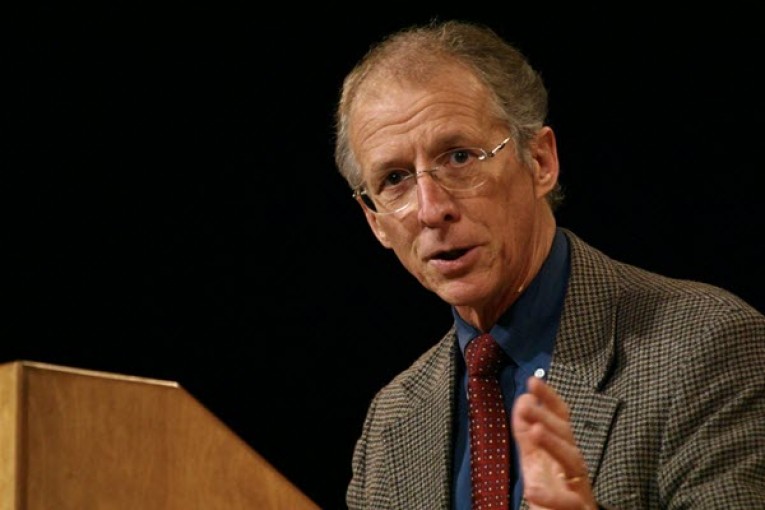
جون بيبر
عميد كلية بيت لحم للاهوت لمدة 33 عاماً وله اكثر من خمسين مؤلف.
١- يسوع نفسه شهد لقيامته من الأموات
تكلم يسوع علانية معلناً ما سوف يحدث : عن صلبه ثم قيامته من بين الاموات. وهذا ما ورد في مرقس 8 : 31 فنجد اعلان واضح عن موته وايضاً قيامته من خلال الفم الطاهر. “وابتدأ يعلمهم أن ابن الإنسان ينبغي أن يتألم كثيرا، ويرفض من الشيوخ ورؤساء الكهنة والكتبة، ويقتل، وبعد ثلاثة أيام يقوم.” راجع ايضا (متى ٢٢:١٧، لوقا ٢٢:٩ )
الرافضين للقيامة سيقولون ان كلام يسوع مضلٓل او ان الكنيسة الاولى وضعت الكلمات على لسانه لجعله يعلم بالضلاله لكن بالحقيقية هم من ابتدعو الضلال. فمن يقرأ الكتاب المقدس ويصل لقناعة بأن الذي يتكلم بسلطان مثل هذا يصعب ان لا يتم قبول كلامه و شهادة عن قيامته بفمه.
وخصوصاً الكلمات التي تنبأت عن القيامة لم تكن فقط تلك الواضحة الصريحة السابق ذكرها ولكن إيضا بطرق رمزية وأمثلة لم تكن تصلح كتأليف او اختراع من مخادع. مثلا، شهادتين مختلفتين بطريقتين مختلفتين تكلم المسيح عن نقض هيكل ( جسده) وانه سيقيمه مرة اخرى وهذا ما جاء ب ( يوحنا ١٩:٢ ، مرقس ٥٨:١٤، متى ٦١:٢٦) وتكلم ايضا عن أية يونان النبي- وعن وجوده ثلاث ايام في قلب الارض(متى ٣٩:١٢، ٤:١٦)
و تلميحه في متى ٤٢:٢١ عن ان الحجر الذي رفضه البناؤون هذا قد صار رأسا للزاوية. وبالإضافة لشهادته .فقد شهد عنه مقاوميه ايضاً ان هذا كان جزء من ما قاله الرب يسوع: متى٦٣:٢٧. إذن اول إثبات لدينا هو ان الرب يسوع نفسه شهد عن قيامته. عمق واتساع كلماته تجعل احتمالية اختراع هذا الكلام على يد الكنيسة غير وارد. وشخصية يسوع نفسه في هذه الشهادات لم تقول انه كان مختل او مضلل.
٢- القبر كان فارغا يوم القيامة
أوائل النصوص تقول انهم ذهبوا الى القبر ولم يجدوا جسد الرب. ( لوقا ٣:٢٤) واعداء يسوع أكدوا على ذلك بترويجهم إشاعة ان التلاميذ سرقوا الجسد (متى١٣:٢٨)
لم يوجد جسد يسوع. وهناك أربعة تفاسير لذلك.
٢أ: اعدائه سرقوا الجسد. ولو تم هذا علي الرغم من انه لا ذكر له علي الاطلاق.لكانوا اظهروا الجسد لمنع انتشار المسيحية في نفس المدينة التي صُلب فيها. ولكنهم لم يقدروا على إظهاره.
٢ب: التلاميذ سرقوا الجسد. وهذه كانت إشاعة منذ البداية. (متى ٢٨: ١١-١٥). هل هذا ممكن؟ هل أمكنهم مقاومة الجنود الحراس على باب القبر؟ وأكثر أهمية، هل كانوا بداوا على الفور بالكرازة يهذه القوة بقيامة يسوع، عالمين انه لم يقم؟ هل خاطروا بحياتهم “التلاميذ” وتحملوا الاضطهاد وهم يعلمون انها اكذوبة؟
٢ج: الرب يسوع لم يمت، ولكن فقط فاقد الوعي عندما وضعوه في المقبره. فاستيقظ ورفع باب القبر وانتصر على الحراس واختفى من التاريخ للأبد بعد ان ظهر بضعة مرات لتلاميذه وأقنعهم انه قام من الأموات. حتى أعداء الرب يسوع لم يقدموا هذه الاطروحة. فقد كان من المؤكد انه مات. الرومان عرفوا ذلك. وايضاً الحجر لا يمكن رفعه من قبل رجل واحد طعن في جنيه بالحربة ومكث معلقا على الصليب ستة ساعات ومن الداخل القبر.
٢د: الله أقام يسوع من الأموات. “اي اللاهوت اقام الناسوت ” هذا ما قال انه سيحدث. انه ما قال التلاميذ انه حدث. ولكن لو وجد اي طيف من تفسير بطريقة منطقية سيقول لك البعض لا نقفز لتفسير معجزي. هل هذا منطقي؟ لا أظن. بالطبع لا اريد ان أكون ساذجا ولكن لن نرفض الحق فقط لانه غريب.
لابد ان ندرك ان التزامنا في هذه المرحلة متأثر بميولنا- سواء بحقيقة القيامة او عدم تصديق القيامة. لو ان رسالة الرب يسوع قد فتحت قلبك واحتياجاتك للغفران، مثلا، إذن ستفقد فكرة ضد المعجزة سلطانها على ذهنك. هل يمكن ان يكون هذا الانفتاح ليس تحيزا للقيامة وإنما حرية من التحيّز ضدها؟
٣- التلاميذ انتقلوا حالا من رجال بلا أمل وخائفين (لوقا٢١:٢٤، يوحنا ١٩:٢٠) لرجال واثقين وشهود اقوياء للقيامة. ( اعمال ٢٤:٢، ١٥:٣، ٢:٤)
وتفسيرهم لهذا التغيير انهم رأوا الرب يسوع قائما من الأموات وأنهم قد اخذوا قوة ليكونوا شهودا له ( اعمال ٣٢:٢). اما التفسير المعاكس لهذا فهو ان ثقتهم هذه نابعة من هلوسة. وهذا التفسير له مشاكل عديدة. التلاميذ لم يكونوا سذج، ولكن شكاكين متزني العقل قبل وبعد القيامة. ( مرقس ٣٢:٩، لوقا ١١:٢٤، يوحنا ٢٠: ٨-٩ ،٢٥) وبالأكثر هل التعاليم السامية والنبيلة التي كرز بها شهود قيامة المسيح منسوجة من هلاوس؟ ماذا عن رسالة بولس الرسول الى أهل رومية؟! شخصيا اجد من الصعوبة ان اصدق ان احدا بهذه العقلية الفذة والروح الشفافة العميقة يمكن ان يكون مُضٓلل او مُضلِل بشأن قيامة المسيح.
٤- بولس الرسول قال انه ليس هو فقط من رأى المسيح القائم بل اكثر من ٥٠٠ اخ أكثرهم حي حين قال هذا.
(١كورنثوس٦:١٥) وما يجعل هذا ذو أهمية ان هذه الكلمات مكتوبة لليونانيين الذين يتشككون من هذه الادعائات في حين ان اكثر الشهود احياء. فهذه مخاطرة ان كان يمكن تفنيدها بمجرد بحث بسيط.
٥- مجرد وجود كنيسة حية نامية منتصرة على الامبراطورية،
يساند حقيقة القيامة. فالكنيسة نمت بقوة الشهادة بيسوع الذي اقامه الله وجعله ربا ومسيحا ( اعمال ٣٦:٢) فروبوبية المسيح على كل الامم مبنية على انتصاره على الموت. وهذه هي الرسالة التي انتشرت في العالم اجمع وقوتها في عبور الثقافات وخلق شعب جديد لله هي اكبر شهادة على صدقها.
٦- إيمان بولس الرسول يؤيد حقيقة القيامة.
فهو يحاجج أناس من غلاطية ١: ١١-١٧ ان إنجيله وكرازته هي من يسوع المسيح، وليس من الناس. وحجته ان قبل رحلته لدمشق قبل ان يرى الرب يسوع كان مضطهدا للكنيسة والإيمان المسيحي. (اعمال ١:٩) ولكن الان والدهشة الجميع، فهو يخاطر بحياته للكرازة بالإنجيل. ( اعمال ٩: ٢٤-٢٥) وتفسيره : ان الرب يسوع القائم من الأموات ظهر له واعطاه مهمة الكرازة للأمم. (اعمال ٢٦: ١٥-١٨). فهل نصدق مثل هذه الشهادة؟ وهذا يأتي بِنَا للنقطةالتالية.
7- شهود العهد الجديد ليس لديهم سمة المدلسين.
كيف تقيم شاهد؟ كيف تقرر اذا ما كنت ستصدق شهادة احدهم؟ قرار ان تصدق شهادة احد ليس مثل حل مسألة حسابية. التاكيد له طابع مختلف، ولكن في مثل ذات القوة. عندما يموت شاهد، نبني مصداقيته على ما كتبه ومن شهادات الآخرين عنه. إذن كيف تبدو الأمور بالنسبة لبطرس ويوحنا ومتى وبولس الرسل؟
في تقديري ( وعند هذه النقطة سنعتمد على رؤيتنا- لوقا ٥٧:١٢) ، فإن كتابات هؤلاء الرجال لا تبدو ككتابات أناس سذج، يسهل التغرير بهم او مضللين. ان بصيرتهم للطبيعة لإنسانية عميقة. التزامهم عاقل ومكتوب بدقة. تعاليمهم واضحة وليست من اختراع بشر. المستوى الاخلاقي والروحي عالي جداً. وحياة هؤلاء الرجال مكرسة تماما للحق ولمجد الله.
٨- يوجد مجد داخلي في بشارة انجيل موت المسيح وقيامته كما وصفها البشيريون.
يعلم العهد الحديد ان الله أرسل الرب القدس ليمجد المسيح كإبن الله. قال الرب يسوع: متى جاء روح الحق، فهو يرشدكم للحق… ويمجدني. (يوحنا ١٣:١٦) والروح القدس لا يخبرنا بهذا كمعلومة ان يسوع قام. ولكن يفتح اعيننا لنرى مجد المسيح في قصة الصلب والقيامة.
فهو يمكننا من رؤية يسوع كما هو، كمال الجمال والحق. وقد كتب الإنجيليون عن مشكلة العمى الروحي وحلها. (كورنثوس الثانية٤: ٦،٤). ان المعرفة المؤدية الى الخلاص بالمسيح مصلوبا وقَائِما ليست معلومات تاريخية. ولكنها نتيجة استنارة روحية لؤية الأمور على حقيقتها: استعلان مجد وحق الله في وجه المسيح- الذي هو هو أمس واليوم والى الأبد.
المرجع:
Eight Reasons Why I Believe That Jesus Rose from the Dead “John Piper”
John Piper (@JohnPiper) is founder and teacher of desiringGod.org and chancellor of Bethlehem College & Seminary. For 33 years, he served as pastor of Bethlehem Baptist Church, Minneapolis, Minnesota. He is author of more than 50 books.
لماذا أؤمن أن المسيح قد قام من الاموات؟ | ترجمة: ميرفت القمص
MATTHEW 26:52—Is Jesus advocating pacifism and denouncing capital punishment in this passage?
PROBLEM: When the soldiers came to arrest Jesus, Peter took out his sword and cut off the ear of the high priest’s servant. Jesus told Peter to put back the sword because those who take up the sword will die by the sword. Some use this verse to support pacifism and to oppose capital punishment, which the Bible affirms elsewhere (Gen. 9:6).
SOLUTION: Total pacifism is not taught in this Scripture. Indeed, Abraham was blessed by the Most High God (Gen 14:19) after engaging in a war against the unjust aggression of the kings who had captured his nephew Lot. In Luke 3:14, soldiers come to inquire of John the Baptist about what they should do. John never told them to leave the army. Likewise, Cornelius, in Acts 10, was a centurion. He was called a devout man (v. 2), and the Scriptures say that the Lord heard the prayers of Cornelius (v. 4). When Cornelius becomes a Christian, Peter does not tell him to leave the army. Also, in Luke 22:36–38, Christ says that the one who has no sword should sell his robe and buy one. The apostles responded saying that they had two swords. Jesus responded saying that “it was enough.” In other words, they did not need to get rid of their swords. The Apostle Paul accepted the protection of the Roman army to save his life from unjust aggressors (Acts 23). Indeed, he reminded the Roman Christians that God had given the sword to the king who did not bear it in vain (Rom. 13:1–4). When Jesus returns to earth, He will come with the armies of heaven and will war against the kings of the earth (Rev. 19:11–19). So, from the beginning to the end, the Bible is filled with examples of the justification of war against evil aggressors.
What, then, did Jesus mean when He commanded Peter to put away his sword? Peter was making two mistakes in using his sword. First, while the Bible permits the sword by the government for civil purposes (Rom. 13:1–4), it does not endorse its use for spiritual ends. It is to be used by the state, not by the church. Second, Peter’s use was aggressive, not purely defensive. His life was not being unjustly threatened. That is, it was not clearly an act of self-defense (Ex. 22:2). Jesus appears to have endorsed the use of the sword in civil self-defense (Luke 22:36), as did the Apostle Paul (Acts 23).
Likewise, capital punishment is not forbidden in Scripture, but rather was established by God. Genesis 9:6 affirms that whoever sheds man’s blood, the blood of the killer will also be shed. Numbers 35:31 makes a similar statement. In the NT, Jesus recognized that Rome had capital authority and submitted to it (John 19:11). The Apostle Paul informed the Romans that governing authorities are ministers of God and that they still possessed the God-given sword of capital authority (13:1, 4). So Jesus in no way did away with the just use of the sword by civil authorities. He simply noted that those who live lives of aggression often die by the same means.
MATTHEW 16:18—Is Peter the rock on which the church is built?
PROBLEM: Roman Catholics use this passage to support their belief in the primacy of Peter, that is, that he is the rock on which the church is built. But Paul said the church is built on Christ, not Peter (1 Cor. 3:11). Is Peter the “rock” in this passage?
SOLUTION: There are different ways to understand this passage, but none of them support the Roman Catholic view that the church is built on St. Peter, who became the first Pope—infallible in all his official pronouncements on faith and doctrine. This is evident for many reasons.
First of all, Peter was married (Matt. 8:14), and Popes do not marry. If the first Pope could marry, why later pronounce that no priest (or Pope) can marry.
Second, Peter was not infallible in his views on the Christian life. Even Paul had to rebuke him for his hypocrisy, because he was not “straightforward about the truth of the Gospel” (Gal. 2:14).
Third, the Bible clearly declares that Christ is the foundation of the Christian church, insisting that “no other foundation can anyone lay than that which is laid, which is Jesus Christ” (1 Cor. 3:11).
Fourth, the only sense in which Peter had a foundational role in the church, all the other apostles shared in the same way. Peter was not unique in this respect. For Paul declared that in this sense the church is “built on the foundation of the apostles and prophets, Jesus Christ Himself being the chief cornerstone” (Eph. 2:20). Indeed, the early church continued steadfastly in the apostles’ doctrine [not just Peter’s]” (Acts 2:42). Even “keys of the kingdom” given to Peter (Matt. 16:19) were also given to all the apostles (cf. Matt. 18:18).
Fifth, there is no indication that Peter was the head of the early church. When the first council was held at Jerusalem, Peter played only an introductory role (Acts 15:6–11). James seems to have a more significant position, summing up the conference and making the final pronouncement (cf. Acts 15:13–21). In any event, Peter is never referred to as the “pillar” in the church. Rather, Paul speaks of “pillars” (plural), such as, “James, Cephas, and John” (Gal. 2:9). Peter (Cephas) is not even listed first among the pillars.
Sixth, many Protestant interpreters believe that Jesus’ reference to “this rock” (Matt. 16:18) upon which His church would be built was to Peter’s solid (rock-like) testimony that Jesus was “the Christ, the son of the living God” (Matt. 16:16). But even if this rock has reference to Peter (Petros, rock), which is certainly a possible interpretation, he was only a rock in the apostolic foundation of the church (Matt. 16:18), not the rock. Nor is he the only apostolic rock. Even Peter himself admitted that Christ is the chief rock (“cornerstone,” 1 Peter 2:7). And Paul notes that the other apostles are all part of the “foundation” (Eph. 2:20).
The Church Fathers and the Holy ScriptureGeoffrey W. Bromiley
THE FACT OF SCRIPTURE
THE OLD TESTAMENT
The early church arose in a situation in which Holy Scripture already existed as a fact. Jesus and the apostles belonged to the people through whom and to whom God had given the Old Testament in what became the threefold form of the Law, the Prophets, and the Writings. Not only had they no reason to dispute the divine uniqueness of this literary legacy; they also perceived in Christ’s own life and ministry its culmination and fulfillment. From the very beginning, then, they gave Holy Scripture to the infant church and taught the first believers, both Jews and Gentiles, to accept, read, study, revere, quote, and commend it as the written Word of God. Innumerable examples could be culled from the writings of the apostolic fathers and the second-century apologists to show how well the Christians learned this basic lesson.
The only uncertainty concerned the compass of the Old Testament. This had come down in two forms. In the original Hebrew it consisted of twenty-two (or twenty-four) books usually grouped in the three traditional divisions. It had also been translated into Greek (the Septuagint) for the Jews of the Dispersion. In this form it included the additional works commonly known as the Apocrypha. When the church underwent its rapid expansion outside the borders of Palestine, the Greek Translation very naturally became the most widely known and used version of the Old Testament. Hence it is no surprise that writers like Barnabas quoted the book of Wisdom as Scripture1 and that Irenaeus,2 Tertullian, Clement of Alexandria, and Origen all used the Apocrypha in the same way as they did the Law, the Prophets, and the Writings of the narrower Hebrew canon.
Nevertheless, even in the second century a sense of distinction may be observed. Melito of Sardis contended firmly that only the Hebrew original constitutes the true canon.3 Origen, with his Hebrew scholarship, moved in the same direction4 even though he did not scruple to quote the Apocrypha. The later Eastern Fathers, represented by Athanasius,5 Cyril of Jerusalem,6 and John of Damascus,7 rejected the full authority of the Apocrypha, although rather oddly the Antiochenes Theodoret and Chrysostom took a different path and all the Fathers continued to use and quote the Apocrypha for its edificatory value. In the Western church Hilary,8 Rufinus,9 and especially Jerome10 restricted the canon to the Hebrew works, from which alone they believed the church may derive its authoritative teaching. By and large, however, the West took the broader position, which found an able advocate in Augustine.11 A synod held at Carthage in 397 recognized the enlarged canon, and Innocent I added Roman endorsement to this view in a letter dated 405. From that point onward the canonical status of the Apocrypha went virtually unchallenged in the West until the Reformation, and even then, although the Reformers sided with the early Eastern church and Jerome, the Council of Trent, followed by modern Roman Catholicism, continued to sponsor the addition of the Greek works to the original Hebrew.
Four points may be noted in relation to this issue. Historically, it may reflect a difference between Palestinian and Dispersion Judaism in their approach to the whole concept of the canon (although scholars differ on this point).12 Intellectually, it brings to light a deficiency in the scholarship of the West from which even the great Augustine suffered and which it could ill afford, namely, a lack of linguistic expertise and a resultant dependence on translations. Doctrinally, not a great deal is at stake, although support has been found in the Apocrypha for prayers for the dead and a measure of justification by works. Pragmatically, division in the matter has tended to lead to an overuse of the Apocrypha on the one side and its undue disparagement on the other in place of the healthy balance whereby it is excluded from canonical rank but its merits as religious literature are properly appreciated and exploited.
THE NEW TESTAMENT
If the church inherited the Old Testament from Judaism by way of Jesus and His first disciples, the same cannot be said about the New Testament. No ready-made canon of the New Testament existed when the earliest Christian communities came into being. Not for many years, in fact, would there be a set number of books that could be listed alongside the works of the Old Testament and accorded the same status and authority. Nevertheless, as the writings that we now know as the New Testament were being composed and circulated, the church was again confronted with a fact. Epistles and gospels either deriving directly from the apostles or having apostolic associations and bearing the apostolic message became part of the life and legacy of the first believers. They began to quote these writings in their own oral and written communications and they soon realized, subconsciously perhaps at first but then with rapidly increasing consciousness, that they had to reckon with the normative ranking of these writings no less than with that of the familiar Old Testament canon.
Already in Clement of Rome and Polycarp one may find extensive quotations from works that now belong to the New Testament. The first generation, it is true, did not introduce these quotations with the type of formula (“It is written …”) that they had inherited for Old Testament citations. But the apostolic works quickly received even this formal recognition, as one may see in the well-known “another scripture saith” of 2 Clement13 and similar statements in Justin Martyr.14 By the end of the second century Irenaeus plainly accorded to the New Testament (or at least the Gospels) the same authority as he did to the Old Testament,15 Clement of Alexandria began to speak of “the new Testament,”16 and Tertullian balanced the evangelical and apostolic books (the Gospels and Epistles) over against the Law and the Prophets.17
In the case of the New Testament, too, an issue of expansion arose. Some groups, as may be seen from the so-called Muratorian Canon, attributed the Shepherd of Hermas to the New Testament Hermas and were ready to recognize and quote it as an apostolic writing. Others were promoting and using pseudepigraphical works (e.g., the Gospel of Thomas), usually in the interests of the Gnostic versions of the gospel that invaded the churches during the second century. Even a writing of the status of 2 Clement could adduce supposedly dominical sayings that are generally thought to come from the noncanonical Gospel of the Egyptians.18 If the church confronted the fact of authoritative apostolic literature, it soon had to face the problem of differentiating the true New Testament canon from the false.
The problem was one of illegitimate restriction as well as expansion. Marcion, in Tertullian’s famous phrase,19 was using the knife and not the pen, and the result of his activity was the elimination of the whole of the Old Testament, of all the Gospels apart from certain portions of Luke, and of all the rest of the New Testament apart from ten expurgated epistles of Paul. This radical reduction of the canon did not rest, of course, on historical or literary considerations but on the theological principle of an antithesis of law and grace. Yet it combined with the unwarranted expansion of the canon to force the church of the later second century to wrestle with the question of authentic apostolicity and to seek an agreed consensus on what should be acknowledged and commended as the true New Testament canon.
The church responded forcefully to the challenge. Irenaeus not only defended the four Gospels but gave some (admittedly strange) reasons why there should be no more and no fewer than four.20 Tertullian, writing against Marcion, included in his list of authoritative works the four Gospels, the thirteen epistles of Paul, Acts, Hebrews, 1 John, and Revelation.21 The Muratorian Canon, usually thought to be a Roman list of the same date, recognized all the books of the present New Testament apart from Hebrews, James, 1 and 2 Peter, and 3 John, although it also included Wisdom and the Apocalypse of Peter.22 In the period that followed, three groups of writings tended to emerge: first, those of whose canonicity the church entertained no doubts; second, writings like Hebrews and the smaller General Epistles, which some groups treated with suspicion but which were gradually receiving universal recognition; and third, fringe writings like the Didache, the Shepherd, and the Apocalypse of Peter, which enjoyed some initial support, which might still be quoted by many authors, but which the church could not finally include in the canonical list.23 Athanasius, who had a habit of making history, took a step whose significance, perhaps, was not at first realized when in his Easter Letter of 367 he became, so far as we know, the first to endorse officially the canonicity of twenty-seven New Testament books. His lead was followed in the next centuries by every church and father until a consensus was achieved that not even the doubts of Martin Luther or the revised datings of liberal scholarship could seriously disturb.
Face to face with the New Testament canon and the slow and tortuous story of its recognition by the Fathers, can we speak accurately about a fact that confronted the church? Do we not have instead a fact that the church itself created? From one standpoint, of course, this is a circular question and therefore a pointless one. The authors of the New Testament undoubtedly belonged to the church and to that extent the church undoubtedly created the fact of the canon. Yet inasmuch as these authors played a unique role in composing their writings, the church at large found itself confronted by a quasi-extraneous fact in its encounter with these writings. It gave evidence of this in its awareness that the definition of the canon was not just a matter of giving some of its own productions the preference over others, but rather of the recognition of an authoritative status that some works enjoyed by objective and inherent right. The church had no authority to make its own canon. It had to recognize, endorse, and proclaim a canon that was already there.
It could do this, of course, only if it had a criterion by which to do it. Apostolicity provided this criterion. Apostolicity had two related aspects: a historical and a doctrinal. The aspects were related because the early church wanted to know (1) in what works the apostles had transmitted their message and (2) what this apostolic message was in order that it might itself transmit it faithfully. Historically, apostolicity meant credible authorship either by an apostle (e.g., Peter, Paul, or John) or by someone closely associated with an apostle (e.g., Mark or Luke). Doctrinally, it meant conformity to the emergent consensus of apostolic teaching.
The historical aspect obviously involved the early church in a measure of scientific investigation. Its members did not enjoy, of course, the skills and resources of modern scholarship in pursuing this task. On the other hand, they were closer to the sources than we are and they could not afford to be too credulous in the face of the flood of pseudepigraphical works that might have been acceptable as a literary genre but that could only cause confusion in view of their divergent teachings. The reserve with which the early church treated even many of the pieces that were finally approved bears testimony, not to a readiness to attach an apostle’s name to any or every writing, but to a desire for certainty that ought to cause many modern scholars to take more seriously than they do the external testimony to New Testament authorship.
The doctrinal aspect supplemented historical inquiry by focusing on apostolicity of content. Works of whose apostolic derivation little or no doubt existed provided a body of teaching—coincident with what was also taught orally in the churches—that could serve as a check on writings that were circulated as apostolic or proposed for acceptance into the canon. In this regard, of course, the danger of moving in a circle arises. A work, it might be believed, is or is not apostolic merely because it does or does not teach what the other apostolic writings teach. Yet there are safeguards against this, for the doctrinal aspect does not rule out historical inquiry nor does a consensus in essentials preclude a certain variety in detail.24 Furthermore, the early church very obviously did not fall into the trap of first deciding what the apostolic message ought to be and then evaluating the early literature in accordance with this preconception. While it was undoubtedly influenced by what was traditionally preached and taught in the churches, it also made a sincere effort to discern the apostolic message by objective study, to take into account the historical credentials of supposedly apostolic works,25 and only then to apply the test whether a particular work spoke with an authentic apostolic voice.
In the last resort the early church had to deal with the fact of a New Testament as well as an Old Testament canon because it had no real power—and it realized that it had no real power—either to make or to unmake the canon. Irrespective of its judgment, the writings that came down in and to it were either apostolic or not, and, like the church in every age, it could only try to reach a judgment that would correspond to the objective reality. In this regard it functioned in much the same world as the artistic world that, when confronted by the alleged painting of a great master, can neither make a false work authentic nor an authentic work false but can only come to considered (and usually reliable) judgment according to the external and internal evidence available and its own experience in assessing it. As the early church perceived it, certain works had been written to give the apostolic message a more permanent form in writing. These works constituted the fact of the New Testament canon. The church’s task was to recognize these works, to differentiate them from others, and to give them the public endorsement that would mean their agreed use and authority in the churches.
THE ORIGIN OF SCRIPTURE
THE DIVINE ORIGIN
Awareness of the facticity of the canon was linked in the early church to a very definite recognition of the divine origin of the canonical literature. The Old Testament, it is true, was inherited historically from Judaism, yet here, too, a special act of God had led to the creation of this particular body of literature. Israel could not be regarded as its true author any more than the church could be regarded as the true author of the New Testament. Scripture, as a fact, was also a gift. It was not a gift from one human being to another, or from one group of human beings to another. It was a gift from God made primarily to the people of God but to be passed on by this people to the world. If it confronted the early church as a fact, it did so ultimately because it had its origin, not just in the prophets and apostles, but in God.
That the Fathers accepted the divine inspiration of Holy Scripture, whether as the Old Testament or the New, may be demonstrated with the greatest of ease. Irenaeus was not surprised that the Bible could sometimes be obscure—he found the explanation in its “wholly spiritual” nature.26 Theodore of Mopsuestia, while differentiating various types of inspiration, attributed all Scripture to the operation of the one Spirit.27 Gregory of Nyssa, following the apostle Paul, descried the hand of the Holy Spirit in every statement of the Bible.28 Augustine found in both the Old and the New Testaments the gift of the Holy Spirit by way of the sacred writers.29
Even the problems that readers encountered in Holy Scripture did not deter the Fathers from a strong belief in its inspiration. Origen was convinced that a divine purpose lay behind passages that the intelligence might have initial difficulty in accepting.30 Chrysostom deduced from the inspiration of Scripture, and regarded as evidence of it, the fact that even the most trivial biblical statements have more than superficial value.31 Jerome argued that only the ignorant fail to see the wisdom in a simple letter like Philemon.32 Augustine did not allow textual or historical difficulties to affect in the least his belief in divine inspiration.33
Emphasis on the divine authorship of Holy Scripture could lead sometimes to a certain depreciation of the role of the human writers. Athenagoras is perhaps the best-known representative of this tendency with his reference to the ecstatic nature of prophesying and his comparison of the Holy Spirit to a flutist.34 The passivity of the Montanist prophets and prophetesses, who claimed that they spoke directly in the name of God, accorded with the same understanding.35 In spite of the rejection of Montanism, Irenaeus offered something of a parallel to it with his statement that Scripture is dictated by the Spirit.36 Chrysostom spoke of the Holy Spirit stroking the lyre of the work written by John, the humble fisherman, although in this instance the reference seems to be to the present ministry of the Holy Spirit in the hearers rather than to His initial ministry in the writer.37 Augustine in a famous passage stated that Christ has in fact given us written materials Himself, since He used His disciples for this purpose as if they were His own hands.38 Gregory the Great summed up this whole line of thought when he bluntly affirmed that the question of human authorship is of little relevance. If we know who is the true author of each work and we understand what He says to us, why should we be curious to learn what pen imprinted the divine words on the page?39
THE HUMAN ORIGIN
Nevertheless, the early church hesitated to commit itself to a theory of divine inspiration by ecstasy or dictation. If Hippolytus on occasion could use a musical comparison, he also claimed that an important part of the ministry of the Holy Spirit was to teach and illumine the human authors.40 Origen, too, believed that the Holy Spirit, far from transporting the mind into an ecstatic state, gave instead a fuller and clearer apprehension of truth.41 Epiphanius differentiated sharply between the experiences of the Old and New Testament writers and those of the inauthentic Montanist ecstatics.42 Chrysostom, while looking for more than human wisdom, keenly appreciated the way in which the individual writers made their own contributions.43 Jerome engaged in some historical and literary research into the settings of the various books.44 Augustine did not allow his description of the disciples as the hands of Christ to reduce their role to one of pure passivity, for he argued that under the superintendence of the Holy Spirit, the writers of the Gospels used materials of which they themselves had personal knowledge.45 Even Gregory the Great, when he uttered his famous dictum, was referring in fact to the Book of Job, a work whose authorship is unknown and cannot, therefore, be of any relevance in objective interpretation. With the Fathers, as with other theologians, one has to be on guard against taking a saying out of context and elevating it to the level of a dogmatic axiom or all-controlling principle. The Fathers realized plainly enough that God had not caused Holy Scripture to come down directly from heaven nor used the human writers merely as automatic instruments for the recording of the divine words. The Holy Spirit had taken selected human beings and given the prophetic and apostolic testimony through their human gifts in the historical circumstances in which they were set. In some instances our knowledge of the human aspect might be scanty and in any case investigation of the human aspect could never yield the fullness of truth that Scripture was intended to convey. This did not entail, however, an elimination or even a serious disparagement of the human element either in principle or in general practice.
The Fathers did not, of course, probe deeply into the difficult question of the relationship between the divine author and the human authors. As previously noted, Theodore of Mopsuestia, who had a keen interest in the historical aspect of Scripture, attempted a distinction between the modes of inspiration discernible, as he thought, in the Prophets and the Writings.46 Augustine, too, found a clarification of the mind in some instances and an immediacy of vision in others.47 Origen had earlier engaged in some literary criticism in trying to establish the similarities and differences between Hebrews and the epistles of Paul.48 He had also noted the variety of genres in the biblical writings, especially the mixing together of literal and figurative elements.49 Behind this, however, he discerned a divine rather than a human purpose.
Whatever the mode of operation, for all the Fathers the use of human writers by the Holy Spirit did not entail any loss of infallibility in the finished products. On the contrary, the ministry of the Spirit guaranteed the freedom of the authors from ordinary human error.50 If the Fathers did not give any particular emphasis to the term inerrancy, they undoubtedly expressed the content denoted by the word. To be sure, they were not so interested in technical historical accuracy as modern readers tend to be. On the other hand, they were plainly aware of apparent discrepancies and difficulties. Even so, they were still convinced, as Augustine put it, that truth is present in Scripture “absolutely.”51 The Scripture cannot lie.52 It may be described as “sacred, and infallible, and absolutely trustworthy.”53 Although the exact nature of the relation between the Holy Spirit and the human author could not be understood or stated in detail, they confidently assumed that the Holy Spirit overruled human imperfection in such a way that what was written could be accepted as in every sense true and reliable.54
Not incorrectly, patristic discussion focused on the divine origin of Scripture. This, after all, is its unique feature. Other books are all of human derivation. They may contain valuable features. In some respects they may be compared to Scripture. One might even claim that all of them—or all that are of worth—owe their origin in the last resort to the general inspiration of the divine Spirit. Yet Scripture alone of all human books enjoys the special inspiration whereby it comes to us as the Word of God with all the force of divine truth and all the promise of grace and life from God. It was right, then, that the Fathers should give priority to this aspect. To have directed attention primarily to the human elements would have been to miss the distinctiveness of Scripture and to fail to grasp its final significance.
At the same time, it would be hard to deny that in general the Fathers tended to minimize unduly the human factors that the Holy Spirit used in producing the works that constitute the written Word. One can hardly complain, or course, that they did not solve the mystery of the divine and human operation. God Himself has not explained the process of inspiration to us and all attempts to elucidate it have thus far proved to be unsatisfactory in some respect. Nevertheless, the Fathers incontestably tilted the balance far too much in favor of the divine element, were attracted unduly by the mantic concepts of inspiration current in their day, and displayed neither the interest nor the skills necessary for a full appreciation of the human factors. The consequences, which are serious but not fatal, come to light most vividly in their attempts at exposition and interpretation.
Yet the patristic emphasis had its positive side. It produced a strong concept of the status of Scripture. It also initiated the church into an understanding of its central meaning.
THE STATUS OF SCRIPTURE
BIBLICAL AUTHORITY
As the Word of God given by the Spirit of God, Scripture had for the Fathers the status of a primary authority in the life, teaching, and mission of the church. Deriving from God and enshrining the truth of God, it had indeed the authority of God Himself. This applied to the Old Testament in virtue of its prophetic testimony to the Christ who was still to come. It applied to the New Testament in virtue of its apostolic witness to the Christ who had already come in fulfillment of the promises.
From an early date, but especially with the emergence of the New Testament canon, the Fathers clearly affirmed the authoritative status of Scripture. Irenaeus described it as the foundation and pillar of our faith.55 Tertullian argued that whatever it teaches is true and we must accept its teachings and abide by them.56 Clement of Alexandria called it the first principle of instruction, which is first apprehended by faith and then gives demonstration of itself, since in it we hear the voice of the Lord, which is more to be relied on than any demonstration.57 Origen, for all his speculative bent, regarded the Bible as the norm of doctrine and tried to find a biblical starting point for even his wildest flights of fancy.58 Cyril of Jerusalem refused to countenance any teaching that did not have biblical support; he based his instruction on the creed because he regarded the creed as a summary of biblical truth.59 Chrysostom constantly directed his congregations to Scripture and urged the people to get their own copies and read and ponder them frequently at home.60 Hilary of Poitiers exerted himself to refute Arianism on a biblical basis, the problem being not only to expound correctly the texts adduced by the Arians but also to show that the term homoousion, while not itself biblical, does in fact embody a biblical concept.61 Augustine described Scripture as founded on “the highest pinnacle of divine authority.”62 John Cassian argued for the normativity of the creed only because he regarded the creed as an epitome of the biblical message, which was itself more than adequate for every purpose.63
SECONDARY AUTHORITIES
Without reducing the status of Scripture, the Fathers referred to other authorities that might suitably be described as the context of biblical authority. Chief among these was the apostolic tradition. By tradition they did not mean, of course, the unwritten practices (e.g., using the sign of the cross) to which Tertullian made reference64 and which he himself did not equate directly with the tradition.65 When Irenaeus appealed to tradition in his controversy with the Gnostics,66 he obviously had in view the testimony of the apostles as it was being openly and unanimously handed down in the proclamation of the churches. In the middle of the second century, prior to the more precise definition and endorsement of the New Testament canon, the oral and written forms of the apostolic testimony stood in greater equipoise than they would later, when the written form would increasingly come to serve as a check on the more fluid and therefore the more easily corrupted oral form. In face of the Gnostic reinterpretation of Scripture, and its associated claim to a secret tradition deriving from the apostles,67 the proponents of apostolic orthodoxy found it helpful and effective to adduce the common teaching of the apostolic churches—the tradition—not to oppose or correct or supplement Holy Scripture, but to bring its true message into focus. The appeal to tradition was in fact an appeal to the very apostolicity that formed the main criterion of New Testament canonicity. Tradition and Scripture were two forms of one and the same thing, as indeed they should be in every age if the church faithfully discharges its commission to proclaim God’s Word. They were the Word preached on the one side and the Word written on the other. Irenaeus himself made this clear both formally when he described the New Testament as written tradition68 and materially when he did in fact make considerable use of the New Testament as well as the Old (cf. his exposition of John 1:1ff.)69 in his refutation of the Gnostics.
What may be said of tradition may be said also of the so-called canon of truth (Irenaeus)70 or rule of faith (Tertullian).71 If this can hardly be identified as an early creed, its contents undoubtedly resemble the developing creeds inasmuch as they epitomize the gospel and thus constitute a summary of the living tradition of the church. For Tertullian the rule of faith performed an important hermeneutical function.72 To engage in simple exegetical debate with Marcion and the Gnostics was useless. They simply misinterpreted Scripture to their own advantage.73 What was needed was an interpretative key, and Tertullian found this in the rule of faith, which contained all the important teachings found in each and all the apostolic churches. Superficially this might seem to exalt the authority of the rule above the authority of Scripture itself. Plainly, however, Tertullian did not intend to do this, for as he saw it the rule was a compendium of what the Bible also taught, so that the Bible was being interpreted in terms of its own essential message. The central point here is that, while the rule might have developed in the ongoing ministry of the church, it had not developed in independence of the New Testament or in competition with it. Behind the twofoldness of the form lay a unity of content, so that in its hermeneutical role the rule functioned only as the analogy of faith did for the Reformers of the sixteenth century. Everything depended, or course, on the identity of Scripture and the rule, on the correctness of their equation, but if the rule served as a key to the interpretation of Scripture, Scripture also acted as an important check on the content of the rule.
In the later patristic period less was said about the canon or rule of faith, except for a period in the Alexandrian school. Instead, the church itself increasingly emerged as a distinctive authority in the totality of its apostolic testimony. The Arian controversy of the fourth century helped to give contours to this amorphous phenomenon, for at this period the church began to take form in ecumenical synods and their rulings, and in defense of the essential deity of the Son and the Holy Spirit the Nicene Fathers appealed not merely to Holy Scripture but also to the creeds, to the prior teaching of the churches, and even to liturgical practices such as baptizing in the triune name.74 Later, of course, the Fathers appealed to the Nicene formulae themselves, and Cyril of Alexandria, in his condemnation of Nestorius, quoted from earlier Fathers as well as from Holy Scripture.75 Behind this procedure lay the conviction that, while the Bible itself constitutes the primary rule of teaching, the church and its formulated dogma offer an authoritative interpretation. This line of thinking received a particular twist in Rome, where forceful bishops like Damasus, Innocent I, and Leo the Great argued for the Petrine supremacy, for the resultant primacy of the Roman See, and for the hermeneutical authority not merely of the church at large but more specifically of the Roman pontiff as its temporal head. Augustine advanced a different though not unrelated concept when he stated bluntly that the church, too, possesses the crown of authority,76 that it guarantees Holy Scripture,77 and that we should even not believe Holy Scripture except as we are moved to do so by this authority.78 It is no surprise, then, that Augustine also contended for the established interpretation of Scripture, for the canonical rules laid down by the church’s exegetes, and for a rejection of all expositions that are not compatible with the catholic faith.79
In passing it may be noted that many of the Fathers also found a place for reason in their discussion of authority. The whole enterprise of the second-century apologists depended in part on an appeal to reason. So, too, did the work of the Alexandrians, as may be seen from Clement’s decision to attempt a commendation of the gospel in non-biblical terms and concepts.80 Nor did Tertullian abandon reason, as is often supposed, for his authorities included nature and discipline as well as Scripture,81 and reason, although probably in a more specialized legal sense,82 played an important part in his interrelating of the three. Augustine, of course, made a more direct apologetic plea for the use of such natural reason as would influence unbelievers and help believers in their evaluation of beliefs.83 In patristic theology as a whole, however, the secondary status of reason is everywhere apparent. Even the Alexandrians realized that there can be no attaining to the knowledge of God apart from the gracious revelation to which God has given a written form in holy Scripture. Clement might surmise that Greek philosophy had also served as a preparation for the gospel, but it could never have done so had not God Himself ordained and used it for this purpose,84 and it could not itself supply the truth that comes through the divine work of revelation and reconciliation.
If the authority of reason did little to affect the normative status of Scripture, the same cannot be said so easily for the developing appeal to the church. In this respect, however, one must be particularly on guard against facile or polemical judgments. Historically, no doubt, the decisions made by the Fathers and the patterns of thought that they established contributed in the long run to the crisis of authority that led to the Reformation and evoked the reaffirmation of the uniqueness of biblical authority that this entailed. The supremacy of the authority of Scripture did indeed tend to be weakened, not so much perhaps by the tumult of conflicting voices, but by the increasing development of the hermeneutical authority of the church, whether in terms of its established dogma or in terms of its ongoing mission and ministry. The point would be reached when some Fathers (e.g., Jerome) defended doctrines that had no biblical basis at all.85 Nevertheless, two compensating factors must also be considered.
First, the Fathers clearly did not intend to deprive Scripture of its authoritative status. No less than the most vociferous proponents of sola scriptura, they realized that the gospel comes from God by revelation and that God has caused the Old and New Testaments to be written as the normative prophetic and apostolic witness to it. They desired neither to shape Scripture to their own ends nor to depart from it, nor indeed to impose ecclesiastical authority on it in the form of normative dogmatic interpretation. As they perceived it, they were championing Scripture itself when they championed the correct understanding either proclaimed in the churches or agreed on in their synods. The possibility of a conflict between Scripture and church might have been a real one, but it was not a possibility that they themselves envisioned, except as a temporary phenomenon as in the semi-Arian years, when various segments of the church might try to enforce dubious statements that were rightly resisted and finally had to be abandoned. In these circumstances, they could view with equanimity the rise of a dogmatic tradition, look confidently to the church of past and present for authentic biblical interpretation, and still believe that they were magnifying rather than impugning the primary authority of Holy Scripture. Even the grounding of secondary doctrines on nonbiblical foundations did not seem to institute a direct challenge to biblical authority, though in fact it would finally come to be this.
It should be remembered, too, that the Fathers were dealing with real problems of authority—problems that arise in every communion and cannot be dismissed by the mere mouthing of slogans. In the age of Irenaeus and Tertullian the Gnostics quoted Scripture, just as the orthodox did, and they did not stop doing so merely because Tertullian rhetorically informed them that they were trespassers to whom Scripture did not rightly belong.86 During the same period the New Testament canon, while not nonexistent, had not yet come to full recognition, so that even in the formulation of the canon itself the apostolic tradition necessarily played a role of enhanced importance. Even when the canon received more explicit and ecumenical recognition, the proclamation of the gospel continued to be a task of the church alongside the publication of Scripture, so that the question of the relationship between oral and written testimony persisted either openly or tacitly, as it has in fact persisted in every age and every communion. At the same time Scripture did not regulate, or intend to regulate, everything that might be said and done in the church. Inevitably, therefore, the church developed customs and verbal patterns for which no written authority could be found, and though they might not be of absolute authority for all time, a certain normative status might well be claimed for them. At an even deeper level, successive waves of heresy beat upon the shores of the church as it wrestled with the problems of interpretation and attempted to put its teaching in the language and thought forms of the world around it. The hermeneutical and dogmatic task could hardly be left to individual believers to pursue in isolation. For all the differences that might arise in detail, the common body worked out a general line of understanding that it regarded (on good grounds) as the correct interpretation of Scripture and the orthodox mode of presentation. The church had to uphold this in order to safeguard Scripture itself, even it it unavoidably conferred on the church a measure of hermeneutical and dogmatic authority. No communion—not even one that deliberately avoids explicit secondary standards—can in fact evade the problem the Fathers faced thus in paradigmatic fashion. As questions and differences arise, every communion is forced into some measure of at least implicit interpretative and doctrinal consensus that will salutarily exclude a chaos of conflicting exegesis and opinion. Confronting the question of the meaning of Scripture and the proper way to express that meaning in a contemporary setting, the church must certainly make every effort to avoid imposing its own authority on the authority of Scripture. It must always be prepared for a fresh scrutiny of the most ancient and hallowed of its exegetical and dogmatic traditions. It must recognize that its own relative expression of biblical truth does not have the same normativity as biblical truth itself. It must resist the temptation to consider itself of equal authority with Scripture. Nevertheless, it cannot evade the responsibility of assuming and upholding a measure of hermeneutical and dogmatic authority, not for the purpose of rivaling or restricting the authority of Scripture, but for the purpose of upholding and enhancing it.
THE MEANING OF SCRIPTURE
CHRISTOLOGICAL EXEGESIS
The hermeneutical problem, of course, was not solved by the early church without a good deal of discussion and dissension. A continuing series of heresies and schisms tested out the patristic interpretation, and within orthodoxy itself different groups tried different approaches. One should not, however, confuse the external and internal controversies. At issue in relation to heresies and schisms was the differentiation of an agreed interpretation of Scripture from conflicting and competing understandings. At issue in relation to the varied approaches were differences within the agreed interpretation.
In presentations of patristic hermeneutics attention is often focused so sharply on the inner differences that the strong element of agreed understanding, while not, of course, denied, does not receive its proper due. Yet a cursory acquaintance with the Fathers quickly reveals that for all the exegetical variations, they undoubtedly shared the same basic understanding. Relative to both the Old Testament and the New, this understanding might very well be summarized under the rubric of prophecy (or promise) and fulfillment. Taught by Christ and the apostles, the church found in the gospel of Christ’s life and death and resurrection and in the outpouring of the Holy Spirit a striking fulfillment of the Old Testament Scriptures, so that not only was a distinctive meaning found for these Scriptures, but the Old Testament and the New Testament were seen together in indissoluble unity as the one book of the one God inspired by the one Spirit and testifying to the one Son.
The Christian interpretation of the Old Testament and the concept of the unity of the Old Testament and the New found frequent expression during the patristic period. Justin Martyr told Trypho the Jew that Scripture belongs more to Christians than to Jews because the latter read it but do not understand it.87 Justin himself was particularly impressed in his reading by the way in which detailed prophecies had found fulfillment in Christ, but beyond that he also discerned a broader pattern as in the witness of Isaiah 53 to the vicarious suffering of Jesus as the Lord’s true Servant.88 Under pressure from Marcion and the Gnostics, who either rejected the Old Testament or divided it into different categories and if necessary resorted to allegory, Irenaeus recognized a certain progression in the divine revelation, but the hand of the same God was over it all.89 Many passages that caused superficial difficulty carried a deeper meaning that the fullness of revelation disclosed, and the prophets in particular gave a full account of the teaching and ministry of Christ in a symbolical form that the events themselves had finally elucidated.90 Tertullian used the metaphor of the seed and its fruit,91 and Origen that of a symphony,92 to illustrate the relation between the Testaments, and both insisted that, while the mode of presentation changed, the content remained substantially the same.93 Augustine summed up this whole line of patristic thinking in his famous dictum that the New Testament is latent in the Old and the Old Testament is patent in the New.94 This implied, on the one hand, that the prophetic word of the Old Testament came to clear fulfillment in the teaching and events recorded in the New Testament. It implied, on the other hand, that while the New Testament cannot be understood apart from the Old, the converse also holds good and one must not only read the New Testament but also begin with it95 if one is to attain to a proper understanding of the Old.
The themes of unity and fulfillment found their focus for the Fathers in the conviction that Christ Himself is the true and final subject of Scripture. Whether they looked at the individual prophecies of the Old Testament or at the themes and factors that figured prominently in its history and message, the Fathers saw all the lines converging on the incarnate Son who, with the Father and the Holy Spirit, formed the core of Christian faith and proclamation. The Epistle of Barnabas, in its more restrained typology, discerned in Christ and His work both the true temple and the true Sabbath.96 Irenaeus found in Christ the higher righteousness intimated but not yet declared in the law.97 Origen pointed to the sacrifice of Christ as a fulfillment of the ceremonial sacrifices of the Mosaic system.98 Chrysostom saw a need to dig deeply into Scripture because the meaning is not expressed on the surface and it is only as we attain to the profounder sense that we can see and appreciate the christological testimony.99 Augustine pointed out that Christ Himself had shown His disciples how He had fulfilled all the prophecies.100 The fact that this christological interpretation is a commonplace of patristic hermeneutics should not blind us to its significance. As Judaism perceived, it formed the very heart of Christianity itself. It explained why the church so easily adopted the Old Testament canon. It also constituted in a sense the justification of the canonizing of the New Testament, which so patently involved this christological interpretation of the Old. Furthermore, it ruled out the dissolution of the unity of Scripture, which Marcion thought to be necessary in the interests of grace.101 Christ in fact provided the hermeneutical key that enabled patristic exegetes to see the whole of Scripture in its divinely given unity and to achieve a convincingly integrated understanding.
The Fathers realized plainly enough that not all readers of the Old Testament, nor indeed of the New, enjoyed the same understanding as they did. Jews on the one side and pagans on the other either failed to see the Bible as the book of Christ or obstinately refused to do so. Difficult though individual portions of Scripture might be, this could hardly be ascribed to an ultimate obscurity of the divinely inspired message. The Fathers, then, were led to another important hermeneutical principle, namely, that only as people read the Bible in the enlightening power of the Holy Spirit, with faith and a spiritual understanding, can they come to a true appreciation of its meaning. Justin had something of this in mind—though he put it in more “Pelagian” form—when he told Trypho that Christians let themselves be persuaded as they read.102 Clement of Alexandria combined the ideas of the attraction of the Holy Spirit103 and a necessary openness of mind to the totality of the biblical message.104 Chrysostom pleaded for faith in the reading of Scripture so that one may hear the voice of the Spirit and thus be enabled to perceive heavenly things.105 Augustine saw a need for the spiritual understanding that only the Holy Spirit can give.106 The letter kills; the spirit gives life,107 but to find the spirit we must come with prayer and piety as well as reason and intelligence.108 When we do this, we not only find the way of salvation plain but we can also pierce through to the deeper mysteries that constantly remind us that we are only beginners in biblical study.109
ALLEGORICAL AND HISTORICAL EXEGESIS
Consensus reigned among the Fathers that Holy Scripture, inspired and illumined by the Spirit, is in its unity and totality the book of Christ. Not the christological principle, but the details of its out-working, gave rise to the main disagreement in patristic exegesis, namely, the disagreement between the Alexandrians and their successors, who favored a more allegorical line, and the Antiochenes and their supporters, who pleaded for a more strictly historical interpretation. The depth of the division between the two schools can hardly be concealed, but it should be emphasized again that fundamentally they shared a common christological understanding in the face of Jewish opposition and pagan blindness or ridicule. To differing degrees the theologians of Antioch as well as those of Alexandria found a place for typology as the New Testament itself obviously demanded. The difference, then, did not relate to the general christological understanding of the Bible but in part to the legitimate compass of typology and in part to its supplementation or replacement by a broader and more arbitrary allegorizing.
The wilder possibilities opened up by a Christian reading of the Old Testament found early realization in the Epistle of Barnabas when its author managed to discern a testimony to Christ and His work on the cross in the number of the servants of Abraham (318) who helped him in his fight with the five kings.110 Along similar lines the letter of the Gnostic Ptolemaus to Flora was prepared to salvage some parts of the Mosaic Law by giving to it a purely spiritual significance.111 Influenced by Plato, and following the example of Philo, Origen adopted allegorizing for various reasons. First, the New Testament interpretation of the Old Testament seemed to offer a model. Second, many passages in the Bible demanded a figurative sense.112 Third, Scripture had been given by God not merely to the simple but also to the more intellectual and spiritual, so that it carried three senses—the historical, typological, and devotional—corresponding, as it were, to the human body, mind, and spirit.113 Fourth, Scripture must be understood in a way that is in keeping with the Holy Spirit who inspired and interprets it.114 Displaying an enviable ingenuity in practice, Origen established a mode of approach that appealed to many who succeeded him. Even the scholarly Jerome did not reject the threefold method,115 while Augustine, who in his early Christian period achieved an inventiveness comparable to that of Origen, expanded the threefold sense into a fourfold: the historical, etiological, analogical, and figurative.116 Yet Augustine recognized the danger of unchecked speculation. He thus advanced some important safeguards. All allegorical interpretation needs the support of other plain passages of Scripture.117 It must also correspond to the rules of faith and love.118 Within these limits, however, allegorizing could still flourish as Augustine’s fourfold division developed into the familiar historical, allegorical, moral, and anagogical senses of the Middle Ages. In passing it may be noted that not even the Antiochenes avoided allegorization completely, at least in their homiletical practice, as may be seen from some of the less sober interpretations of Chrysostom.
Nevertheless, the exegetes of the Antioch school—Diodore of Tarsus, Theodore of Mopsuestia, and Theodoret—offered an important theoretical and practical alternative to the Alexandrian excesses. They agreed that Scripture has a spiritual message and that the aim of exposition is to perceive this behind the historical expression.119 They accepted, then, the validity of typology, the type being for them a form of prophecy.120 They insisted, however, on strict adherence to the historical form in biblical exposition, even in the discernment and unfolding of the type.121 Nor would they accept an arbitrary imposition of types where none seemed to exist. Some passages must be taken solely in their historical sense. Allegory meant the introduction of a supposedly hidden meaning to the detriment of the natural sense and was thus to be differentiated from the authentic typology of, e.g., the brazen serpent or the story of Jonah.122 In their commentaries—e.g., on the Minor Prophets, the Psalms, and the Song of Songs—the Antiochenes made a serious effort to put the various pieces in their historical settings, to explain the primary meanings of the texts, and to bring out their prophetic significance only where it was plainly indicated either by direct reference in the New Testament or by the general tenor of the Christian message.
While the tension between allegorical and historical exegesis rightly stands in the foreground in a depiction of patristic hermeneutics, it should not be forgotten that all patristic theologians indulged in a good deal of “proof-texting” in the great doctrinal controversies that afflicted the church in this whole era. The Arians in particular made this use of Scripture almost unavoidable with their marshaling of favorite verses and their attempts to deduce the Arian propositions from them by logical inference. Allegorizing itself could be pressed in the service of “proof-texting.” Origen showed this when he discovered the eternal generation of the Son in Jeremiah.123 The common equation of Christ with Wisdom initiated a violent debate in the light of Proverbs 8:22. Hilary, who dealt patiently with all the Arian verses as well as adducing a set of his own in favor of the Nicene position,124 regarded the verse from Proverbs as “the most powerful wave of their storm.”125 Confronted by isolated texts, the Fathers did not think that they could simply appeal to tradition or ask for a broader hermeneutical approach. They might do these things too, but they also felt some constraint to meet the challenge of heresy head-on in a direct battle of conflicting verses. The redeeming feature in this procedure was that behind the tedious “proof-texting” lay a broader theological understanding drawn from the totality of Old and New Testament history and teaching.
In similar vein the early church, notwithstanding its taste for allegory, could sometimes be surprisingly literal in its reading of Scripture. The Didache, for example, recommended fasting on Wednesday and Friday on the ground that Christians should not fast in the same way (on the same days!) as the hypocrites.126 The Didache also supported the restriction of communion to believers by the saying that we are not to give what is holy to the dogs.127 The young Origen in his zeal not only went about barefoot but reportedly emasculated himself in order to make himself a eunuch for the kingdom’s sake—does this in part explain his later enthusiasm for allegory? The whole monastic movement, which became so powerful in the fourth century, rested on a literal acceptance of the counsels of chastity and poverty, and in its corporate form on the model set by the primitive community in Jerusalem. Under the Benedictine rule the practice of holding a midnight service and then observing the seven liturgical hours derived from the texts in the Psalms that refer to praising God at midnight and then seven times a day.128 Nor did a literal reading of Scripture influence only the monastic side of life in the early church, for many canons, e.g., those forbidding usury,129 had a basis in biblical injunctions. The Fathers realized, of course, that they could not adopt the legislation of Scripture in its totality, either for individuals or for churches. Yet they were not prepared for a complete elimination or evasion of the text by spiritualization. Where verses or passages seemed to be applicable, they brought them to bear with full force, and in the strictest possible sense, on Christian problems and practices.
CONCLUSION
Perhaps the main weakness of the Fathers in their doctrine and use of Scripture was their failure to give full weight to its human and historical aspect. One cannot attribute this to a simple lack of opportunity, for linguistically, intellectually, and temporally the Fathers were much closer to the Bible than we are. Their age had, of course, less of a historical and scientific interest and the techniques of literary and historical research had yet to be developed in a way that would make fuller investigation possible. Yet antiquity had its own interest in humanity and its affairs, so that responsibility for the weakness cannot be assigned simply to the more general background of patristic thinking. The truth is that the Fathers seem not to have appreciated the real significance of the human dimension nor to have grasped the possibilities of a better exegesis that lexical, literary, and historical inquiry would present. They made some beginnings along these lines, but these were modest indeed compared to the achievements they might have made. The tide of allegorizing, to which an emphasis on the suprahuman aspect of Scripture contributed, not only overpowered the less exciting historical activity, but virtually obliterated its influence and results for long periods in the church’s later history.
Second only to the depreciation of the human aspect of Scripture was the incontestable tendency of the Fathers to let the authority of Scripture be merged into that of tradition and the church. This tendency, as we have seen, should not be attributed to a deliberate intention to reduce the status of Scripture. It developed out of the original coexistence of oral and written forms of the tradition and the use of an epitome of apostolic teaching not only for instruction but also for the rebuttal of heresy. The Fathers realized clearly enough that prophetic and apostolic Scripture has a normative function in the church, and the experience of the semi-Arian period showed incontestably that councils could reach erroneous or ambiguous conclusions on important doctrinal issues. Yet the concept emerged and persisted that in and through every deviation the church will finally reach a right decision, so that the church’s teaching office may be relied on in its interpretation of Scripture and a body of doctrine is established that is so true to Scripture that it has itself what is tantamount to the same authority. To the extent that the early church did in fact achieve a true understanding, the development had some justification. Yet it carried with it four dangerous challenges to the supremacy of Holy Scripture: first, the confidence that the church would always be right; second, the assumption that doctrinal decisions, which put biblical truth in a particular historical setting, are virtually equivalent to biblical truth itself and never need to be resubmitted to biblical scrutiny; third, the acceptance in principle as well as practice of the ongoing expository normativeness of oral proclamation; and fourth, the readiness to accept dogmas that had only the backing of tradition and not of Scripture.
Compensating the weaknesses of the Fathers are their corresponding positive qualities. Over against the lack of appreciation of the human aspect of Scripture one may set a full commitment to its divine derivation and authority. The Fathers believed without hesitation that God had caused the Bible to be written. They accepted without cavil both its inspiration and its reliability. Where they encountered individual difficulties, they either suspended judgment or sought explanation in a way that would preserve biblical infallibility. Believing that Scripture came from God, they construed it as a coherent and consistent divine message, not abstractly, but in relation to the work of God that had begun in the Old Testament and in accordance with prophetic intimation had reached its climax in the New. They achieved a good sense of the unity of the Bible with Christ as the focus and center. They learned to interpret it, not as a source-book that might advance historical knowledge and promote academic careers, but as a message from God that, centered in Christ and applied by the Holy Spirit, could bring salvation and renewal to individuals and society. They understand that, while the statements of Scripture are for the most part plain, penetration to its deeper message comes only by the Holy Spirit to people of faith and prayer. If their concern for a spiritual meaning led sometimes to extremes of allegorizing, they avoided the sterile inquiry that produces only an unsatisfactory history of Israel and its religion or a bafflingly incomplete biography of Jesus or a fanciful reconstruction of the primitive community and its problems. In all essential matters of biblical understanding the Fathers went to the heart of the matter. It is no mean tribute to their insight that some of the more recent movements in biblical theology and exegesis have led back at important points to the themes of patristic presentation.
Nor should it be forgotten that the Fathers were far from wrong, either in fact or in principle, when they refused to isolate Holy Scripture from its churchly context. God had in fact given the Old Testament in and through Israel to be used, expounded, and applied in the life of the divine community. Similarly, He had caused the New Testament to be written from within the infant church, in concert with the apostolic preaching, for use in the church’s own life and for commendation to the pagan world. Accepting the primary status of Scripture, the Fathers rightly perceived its context too, neither isolating it from other factors nor bringing it into open competition with them, but facing the problems of authority as they arose with the fulfillment of their mission of proclamation and their settling of dogmatic and practical issues. Naturally the existence of the listening, teaching, and preaching church, also under the Holy Spirit, poses a potential threat to the authority of Scripture. But no less dangerous is the illusion that Scripture can reign in isolation—an illusion that avenges itself when this isolated Scripture is shackled either by unrecognized tradition on the one side or unbridled individualism on the other. The Fathers confronted the facts. Scripture had come forth out of the church and was committed into its hands. The church in particular has the task of expounding it and passing on its message. Discharging this ministry, the church necessarily builds up a structure of agreed interpretation. In no sense can it avoid either its divinely given commission or the responsible development of its own thinking and teaching in fulfillment of it. The Fathers show us that there can be no theology of Holy Scripture in a vacuum. Sola scriptura is true enough inasmuch as the Bible is the supreme court of appeal, but it does not remove or invalidate all other authorities. Every church in every age has to face up to the existence of these other authorities and both in its life and thought to relate them properly, not only to Holy Scripture but also in the last resort to God Himself, the ultimate authority from whom every other authority derives its authorization.
In this regard four final points may be made that the Fathers sensed but did not always formulate as explicitly as one could desire. First, the coexistence of the oral and written Word or tradition must not mean their equation, for the two must be differentiated as well as identified and the former subordinated to the latter. Second, the presence of the Holy Spirit in the life and work of the church does not imply the church’s exemption from the control of Holy Scripture, for it is by the latter that the Holy Spirit rules the church and discharges His ministry. Third, although Christianity cannot abandon its constitutive understanding of Scripture without abandoning itself, no agreed interpretation, however ancient or assured, can be described as definitive, for under the Spirit the new investigation that is demanded may necessitate important modifications, especially in detail. Fourth, the dogmas of the church do not form, even at the hermeneutical level, a body of teaching comparable in status to Holy Scripture, for while they may stand up to rigorous biblical scrutiny and commend themselves to successive generations of believers, they are always historical interpretations and as such they can have only a relative normativeness and not the absolute normativeness that, under God, Holy Scripture itself enjoys.
A SELECTED BIBLIOGRAPHY
Barth, K. Church Dogmatics, I,2 (Edinburgh: T. and T. Clark, 1956). Sections 19–21.
Berkhof, H. Christian Faith (Grand Rapids: Eerdmans, 1979). P. 16.
Bray, G.L., Holiness and the Will of God (London: Marshall, Morgan and Scott, 1979). Chap. 4.
Bromiley, G. W. An Introduction to Historical Theology (Grand Rapids: Eerdmans, 1978). Part I.
Farrar, F. W. History of Interpretation (Grand Rapids: Baker, 1961).
Grant, R. A Short History of the Interpretation of the Bible. Rev. ed. (New York: Macmillan, 1966).
Kelly, J. N. D. Early Christian Doctrines (New York: Harper and Row, 1959). Chaps. 2–3.
Polman, A. D. R. The Word of God According to St. Augustine (Grand Rapids: Eerdmans, 1961).
Ramm, B. Protestant Biblical Interpretation (Boston: W. A. Wilde, 1950). Chap. 2.
Stevenson, J. A New Eusebius (London: SPCK, 1960).
Vawter, B. Biblical Inspiration (Philadelphia: Westminster, 1972).
Wilkinson, J. Principles of Biblical Interpretation (London: Epworth, 1960).
1 Epistle 6, 7.
2 Cf. Heres. 4, 26, 3.
3 Cf. Eusebius Eccles. Hist. 4, 26, 13f.
4 Cf. Epist. to Afric. 4f.
5 Ep. heort. 39.
6 Catechet. Lect. 4, 33f.
7 Orthodox Faith 4, 17.
8 Psalms Prol. 15.
9 Comm. on Creed 38.
10 Epist. 53, 8; 107, 12
11 Christ. Instruction 2, 13.
12 On this question see G. L. Robinson and R. K. Harrison, Art. “Canon of the OT,” ISBE I (1979), pp. 591ff.; N. H. Ridderbos, Art. “Canon of the OT,” NBD (1962), pp. 186ff.
13 2 Cl. 2, 4.
14 E.g., Dial, Trypho 49, 5
15 Heres. 4, 9, 1.
16 Pedagogue 1, 59, 1.
17 Prescription 36.
18 2 Cl. 4, 5; 5, 2ff.; 12, 2ff.
19 Prescription 40.
20 Heres. 3, 11, 11.
21 c. Marcion 4–5.
22 See J. Stevenson, A New Eusebius (London, 1960), pp. 144ff.
23 In Origen’s threefold classification spurious works were put in the third category. Eusebius refined this system by dividing the disputed books into those that were accepted and those that were not.
24 See the passage on the agreement and differences of the Gospels in the Muratorian Canon.
25 See the Muratorian Canon on the date of The Shepherd: “It was written quite lately in our times by Hermas, while his brother Pius, the bishop, was sitting in the chair of the church of the city of Rome.”
26 Heres. 2, 28, 2.
27 Comm. on Nah. 1, 1.
28 c. Eunom. 7.
29 Cf. City of God 20, 230.
30 Cf. Princ. 4, 3, 1; Hom. on Jerem. 39, 1.
31 In illud, Vidi dom.hom. 2, 2.
32 In Philem. Prol.
33 Faith and Creed 2.
34 Leg. 7.
35 Epiphanius Heres. 48, 1ff.
36 Heres. 2, 28, 2.
37 Hom. on John 1.
38 Harmony 1, 35, 54.
39 Morals Pref. 2.
40 Christ and Antichrist 2.
41 c. Cels. 7, 3–4.
42 Heres. 48, 1ff.
43 Hom. on Gen. 7, 4; 12, 1.
44 Prol. to Is.; Jer.; Amos.
45 Serm. 246, 1.
46 Comm. on Job.
47 On Gen. 12:1ff.
48 Cf. Eusebius Eccl. Hist. 6, 25, 11–12.
49 Princ. 4, 3, 1.
50 Cf. Augustine Instruction 1.
51 Believing 6.
52 Sermon 257.
53 City of God, 2, 6; 15, 23.
54 Cf. Augustine Letters 82.
55 Heres. 3, 1, 1.
56 Flesh of Christ 6.
57 Strom. 7, 16, 95ff.
58 Princ. 1 Pref. Cf. his basing of universalism on the “this day” of the Lord’s Prayer in Prayer 26, 13ff.
59 Catechetical Lectures 4, 17; 5, 12.
60 Hom, on John 11.
61 Trinity 9f.
62 Letters 82.
63 Incarn. 6, 3; Common. 2.
64 Soldier’s Crown, 3, 4
65 I.e., “the one tradition of the selfsame rule of faith,” Prescription 20.
66 Heres. 3, 3, 1ff.
67 Ibid. 3, 3, 1; Tertullian Prescription 25.
68 Heres. 3, 1, 1.
69 Ibid. 3, 11, 1.
70 Ibid. 1, 2–3.
71 Prescription 13.
72 Ibid. 13ff.
73 Ibid. 40.
74 Basil of Caesarea argued for the deity of the Holy Spirit on this basis (Holy Spirit 26; 28), though it should be noted that the practice rests on the baptismal command of Matthew 28:19.
75 Adv. Nestor. 4, 2.
76 Believing 17.
77 Confessions 7, 7.
78 c. Manich. 5, 6.
79 City of God, 15, 26; cf. Athanasius c. Arian, 3, 58.
80 Strom. 7, 1, 1.
81 Veiling of Virgins 16, 1–2.
82 Cf. G. L. Bray, Holiness and the Will of God (London: Marshall, Morgan and Scott, 1979), pp. 113ff.
83 Sermon 212.
84 Strom. 1, 5, 28ff.
85 c. Lucif. 8
86 Prescription 37.
87 Dial. Trypho 29.
88 Cf. Apol. 153.
89 Heres. 3, 12, 14; 4, 13.
90 Ibid. 1, 10, 1.
91 c. Marcion 4, 11.
92 On John 5:8.
93 c. Marcion 4, 39; Comm. on Matt 14, 4.
94 Quest, on the Hept. 2 qu. 73; cf. City of God 20, 4.
95 City of God 20, 4.
96 Ep. Barn, 15–16.
97 Heres. 4, 12–13.
98 Hom. on Lev. 1, 4–6.
99 Hom. on John 11.
100 Jews 7.
101 Cf. Irenaeus Heres. 1, 25, 1ff.
102 Dial. Trypho 29.
103 Strom. 7, 29.
104 Ibid. 7, 16, 93ff.
105 Hom. on John 1.
106 Conf. 5, 14.
107 Ibid. 6, 4.
108 Instruction 2, 42.
109 Letters 137, 1, 3.
110 Ep. Barn. 9.
111 Cf. Epiphanius Heres. 33, 3ff.
112 Princ. 4, 3, 1.
113 Ibid. 4, 2, 4.
114 Ibid. 4, 2, 2.
115 Ep. 120.
116 Cf. Instruction 3, 27, 38, etc.
117 Loc. cit.
118 R. Grant, A Short History of the Interpretation of the Bible (New York: Macmillan, 1966), p. 111.
If Jesus is the Jewish Messiah, why don’t more Jews believe in him?
Actually, there are tens of thousands of Jews who have believed and do believe in him. The problem is that most Jews have not bothered to check into the facts about Jesus, and the only Jesus most of them know is either the baby Jesus of Christmas, an emaciated figure hanging on a cross in churches, or the Jesus of the Crusades and Inquisitions. The question is, Why don’t you believe Jesus is the Messiah? Do you really know who he is?
I encourage you to consider the following points.
1. Most Jews have never seriously studied the issue. Many of those who have decided to find out who Jesus is have been quite surprised by what they have learned. The greatest scholars and scientists in the world once believed the earth was flat—until firsthand investigation and discovery altered their outlook. It’s the exact same thing with Jews who honestly investigate the Messianic claims of Jesus. Everything changes—to put it mildly.
2. If most religious Jews learn anything about Jesus in their traditional studies, it is quite biased and negative. 22 Thus, they do not entertain even the possibility of the messiahship of Jesus.
3. Many so-called Christians have committed atrocities against Jews in the name of Jesus, helping to drive Jews away from their true Messiah. (See below, 2.7, for more on this, along with my book Our Hands Are Stained with Blood.)
4. These same Christians have often put forth a distorted picture of Jesus that bears little resemblance to the real Messiah who walked the earth two thousand years ago. Can Jews be blamed for thinking that Christians worshiped idols when the churches were filled with worshipers bowing before large, beautiful statues depicting Jesus as a babe in his mother’s lap?
5. There is often great pressure on those Jews—especially religious Jews—who put their faith in Jesus the Messiah. Some succumb to the fear, the pressure, the intimidation, the separation, and the loneliness, and they deny with their lips what they know to be true in their hearts.
6. Traditional Jewish teaching gives a slanted portrayal of who the Messiah is and what he will do. Since the description is faulty, people are looking in the wrong direction for the wrong person. No wonder relatively few have found him.
7. Once a learned Jew does believe in Yeshua, he is discredited, and so his name is virtually removed from the rolls of history. It’s almost as if such people ceased to exist. (Do you remember reading the novel Animal Farm in school? Revisionist history goes on to this day—even in traditional Jewish circles.) The story of Max Wertheimer provides one case in point. In the last century, Wertheimer came to the States as an Orthodox Jew, but over the course of time, he became a Reform Jew and was ordained a rabbi upon graduating from Hebrew Union College in Cincinnati in 1889. (He also received a Ph.D. from the University of Cincinnati the same year.) He then served as the greatly loved rabbi of B’Nai Yeshurun synagogue in Dayton, Ohio, for the next ten years. When he became a fervent believer in Jesus, however, pastoring a church as well, his name was literally removed from the rolls of the school—a school of alleged tolerance at that. Why was his name dropped? According to Alfred A. Isaacs, cited in the November 25, 1955, edition of the National Jewish Post, Wertheimer was disowned by Hebrew Union College solely because of his Christian faith. 23 And to think, this happened in a “liberal” Reform Jewish institution!
8. Although this may be hard for you to accept, because our leadership rejected Jesus the Messiah when he came, God judged us as a people (just as he judged us as a people for rejecting his law and his prophets in previous generations), and as a result, our hearts have become especially hardened toward the concept of Jesus as Messiah. 24 Paul explained this in his important letter to the believers in Rome: “What Israel sought so earnestly it did not obtain, but the elect did. The others were hardened, as it is written: ‘God gave them a spirit of stupor, eyes so that they could not see and ears so that they could not hear, to this very day’ ” (Rom. 11:7–8; the quote here is taken from Deut. 29:4 in our Torah and Isa. 29:10 in our Prophets).
If you stop to think about it, isn’t it strange that as a people we have almost totally lost sight of the fact that Jesus-Yeshua is one of us, actually, the most influential Jew ever to walk the earth? 25 Yet most of us think of him as if he were some fair-skinned, blue-eyed European. The good news is that Israel’s hardening was only partial: There have always been Jews who followed Jesus the Messiah, and in the end, our people will turn back to him on a national scale. Paul explains this a few verses later:
I do not want you [Gentiles] to be ignorant of this mystery, brothers, so that you may not be conceited: Israel has experienced a hardening in part until the full number of the Gentiles has come in. And so all Israel will be saved, as it is written: “The deliverer will come from Zion; he will turn godlessness away from Jacob. And this is my covenant with them when I take away their sins.”
Romans 11:25–27; the quote is taken from Isaiah 59:20–21; 27:9; and Jeremiah 31:33–34, all in our Prophets
Hopefully, you will be one of those Jews who is determined to find out the truth about the Messiah right now, determining to follow him at any cost. In the end, you must decide for yourself, and the bottom line question is one that only you can answer: Why don’t you believe Jesus is our promised Messiah?
What if more Jews—including your rabbi—did believe in him? Would you? Of course, that wouldn’t change the facts. Either Jesus is or is not the Messiah of Israel. Public opinion can’t affect the truth. But many times, when people find out that it’s okay to hold to a certain opinion, they come out of the closet.
Maybe it would help you to know that many of us in Jewish work have spoken with Orthodox and even ultra-Orthodox Jews who have told us in private that they believe Jesus is the Messiah, but they are afraid to go public for fear of what could happen to them. Maybe if a number of these religious Jews—some of whom are rabbis—showed up one day on your doorstep and told you their views, it would get you to think seriously about the matter.
As we grow and mature—from infants to children to teens to adults—we find out that not everything we have been told is true. Sometimes we just have to learn for ourselves. And even as adults, we often have skewed perspectives on many things. Just look at what Democrats believe about Republicans (and vice versa) or what Palestinians believe about Israelis (and vice versa) or what Black Muslims believe about Jews (and vice versa). Our perspectives, opinions, and convictions are not always right—no matter how strenuously we argue for our position. Common sense tells us that all of us can’t be right about everything all the time.
Even on an interpersonal level, how often have you met someone only to find out that all the bad things you heard about that person were greatly exaggerated or false? It happens all the time. As for the matter at hand, I assure you in the strongest possible terms: As a Jew, most everything you have heard about Jesus has been untrue. You owe it to yourself to find out just who this Jesus really is—and I say this to you whether you are an ultra-Orthodox rabbi reading this book in secret or you are a thoroughly secular, wealthy Jewish businessman who was given this book by a friend.
This much is certain: We have carefully investigated the claims of Jesus and can testify firsthand that Yeshua is who he said he was. What do you say?
[1]
22 The infamous Rabbinic collection of anti-Jesus fables, called Toledot Yeshu, is still studied in some ultra-Orthodox circles, although virtually all other Jewish scholars have long since repudiated the Toledot. These scurrilous writings, based in part on some Talmudic references, accusing Mary of fathering Jesus through a Roman soldier (or by rape), and portraying Jesus as an idolater, magician, and Israel’s arch-deceiver, were the primary source of information about Jesus for many traditional Jews, especially in the Middle Ages. Of course, as noted by the Oxford Dictionary of Jewish Religion, ed. Geoffrey Wigoder (New York: Oxford, 1997), 695, “the work is an expression of vulgar polemics written in reaction to the no less vulgar attacks on Judaism in popular Christian teaching and writing.” But as I have stated before, just as many Gentiles around the world have had a biased and inaccurate view of the Jewish people, so also have many Jews had a biased and inaccurate view of Jesus, the Jewish Messiah. For a representative sampling from the Toledot, see the excellent study of Walter Riggans, Yeshua ben David: Why Do the Jewish People Reject Jesus as Their Messiah? (Crowborough, England: Marc, 1995), 127–32. Interested readers of this present volume would do well to read Riggans as well.
23 For more on this, see Nahum Brodt, “The Truth about the Rabbi,” in Would I? Would You?, ed. Henry and Marie Einspruch (Baltimore: Lederer, 1970), 8–10. For a fuller account of Wertheimer’s faith, see Jacob Gartenhaus, Famous Hebrew Christians (Grand Rapids: Baker, 1979), 191–97.
24 This is not the first time in our history that God has hardened our hearts because we sinned against him. This is what God said to the prophet Isaiah more than twenty-five hundred years ago: “Go and tell this people: ‘Be ever hearing, but never understanding; be ever seeing, but never perceiving.’ Make the heart of this people calloused; make their ears dull and close their eyes. Otherwise they might see with their eyes, hear with their ears, understand with their hearts, and turn and be healed” (Isa. 6:9–10). The prophet was actually called to a ministry of hardening his people’s hearts! It was as if God were saying, “Fine. If you want to be hard-hearted, refusing to believe me or obey me, I will give you over to your hardness and make you even harder.” This is exactly what has happened to us regarding the Messiah: When so many of our people refused to follow him, God gave us over to our unbelief and obduracy to the point that through the centuries, we have become especially resistant to Jesus.
25 This well-known, anonymous tribute to Jesus, known as “One Solitary Life,” puts things in perspective: “He was born in an obscure village. He worked in a carpenter shop until He was thirty. He then became an itinerant preacher. He never held an office. He never had a family or owned a house. He didn’t go to college. He had no credentials but himself. He was only thirty-three when the public turned against him. His friends ran away. He was turned over to his enemies and went through the mockery of a trail. He was nailed to a cross between two thieves. While he was dying, his executioners gambled for his clothing, the only property he had on earth. He was laid in a borrowed grave. Nineteen centuries have come and gone, and today he is the central figure of the human race. All the armies that ever marched, all the navies that ever sailed, all the parliaments that ever sat, and all the kings that ever reigned have not affected the life of man on this earth as much as that one solitary life.”
[1]Brown, M. L. (2000). Answering Jewish objections to Jesus, Volume 1: General and historical objections. (21). Grand Rapids, Mich.: Baker Books.
Speaking through the prophet Isaiah, God said, “My thoughts are not your thoughts, / Nor are your ways My ways … / For as the heavens are higher than the earth, / So are My ways higher than your ways, / And My thoughts than your thoughts” (Isa. 55:8–9). God is infinite, man is finite, so there are mysteries about God that man cannot fully understand. One of these mysteries is the Trinity, the tri-personality of God. According to Christian orthodoxy, God is one God in essence, power, and authority, and also eternally exists as three distinct co-equal persons. These three persons are the Father, the Son (Jesus), and the Holy Spirit. This does not mean that Christians believe in three gods (polytheism). Rather, the doctrine of the Trinity is that there is only one God who exists in three distinct persons, and all three share the exact same divine nature or essence.
Understanding this fully is beyond human comprehension and has no human parallels, although various analogies have been offered. One of these analogies is the three physical states of water. Water is not only a liquid but also a solid (ice) and a gas (vapor), yet its chemical composition (substance) never changes in all three forms (two parts hydrogen and one part oxygen—H2O). Although such analogies help us visualize the concept of the Trinity, they all fall short in some way. In the case of the water analogy, although the molecule H2O can be liquid, solid, or gas, it is never all three at one time. The Trinity, on the other hand, is all three persons as one God.
The word Trinity is not used in Scripture, but it has been adopted by theologians to summarize the biblical concept of God. Difficult as it is to understand, the Bible explicitly teaches the doctrine of the Trinity, and it deserves to be explained as clearly as possible, especially to non-Christians who find the concept a stumbling-block to belief. So let’s dig into this topic by addressing four key questions.
IS THE DOCTRINE OF THE TRINITY IRRATIONAL?
The doctrine of the Trinity is certainly a mystery but that doesn’t mean it’s irrational. The concept cannot be known by human reason apart from divine revelation, and, as we’ll soon see, the Bible definitely supports the idea of the Trinity. But for now, I want to demonstrate that the doctrine of the Trinity, although beyond human comprehension, is nevertheless rational. Our acceptance of it is congruous with how we respond to other data about the known world.
There are many things about the universe we don’t understand today and yet accept at face value simply because of the preponderance of evidence supporting their existence. The scientific method demands that empirical evidence be accepted whether or not science understands why it exists or how it operates. The scientific method does not require that all data be explained before it is accepted.
Contemporary physics, for instance, has discovered an apparent paradox in the nature of light. Depending on what kind of test one applies (both of them “equally sound”), light appears as either undulatory (wave-like) or corpuscular (particle-like). This is a problem. Light particles have mass, while light waves do not. How can light have mass and not have it, apparently at the same time? Scientists can’t yet explain this phenomenon, but neither do they reject one form of light in favor of the other, nor do they reject that light exists at all. Instead, they accept what they’ve found based on the evidence and press on.
Like physicists, we are no more able to explain the mechanics of the Trinity than they can explain the apparent paradox in the nature of light. In both cases, the evidence is clear that each exists and harbors mystery. So we must simply accept the facts and move on. Just because we cannot explain the Trinity, how it can exist, or how it operates does not mean that the doctrine must be rejected, so long as sufficient evidence exists for its reality. So let’s now explore this evidence.
HOW DOES THE BIBLE PRESENT THE DOCTRINE OF THE TRINITY?
THE OLD TESTAMENT
Although the doctrine of the Trinity is fully revealed in the New Testament, its roots can be found in the Old Testament.
In several places, God refers to Himself in plural terms. For example, “Then God said, ‘Let Us make man in Our image’” (Gen. 1:26; see 3:22; 11:7; Isa. 6:8).
The Messiah was prophesied in the Old Testament as being divine. Isaiah 9:6 states that the Messiah will be called “Mighty God,” a term applied in the Old Testament specifically to Yahweh (see Mic. 5:2).
Isaiah 48:16 refers to all three members of the Godhead: “Come near to Me, listen to this: From the first I have not spoken in secret, from the time it took place, I was there. And now the Lord God [Father] has sent Me [Jesus], and His Spirit [the Holy Spirit]” (nasv).
The Old Testament also makes numerous references to the Holy Spirit in contexts conveying His deity (Gen. 1:2; Neh. 9:20; Ps. 139:7; Isa. 63:10–14).
THE NEW TESTAMENT
The New Testament provides the most extensive and clear material on the Trinity. Here are just a few of the texts that mention all three members of the Godhead and imply their co-equal status.
• Matthew 28:19, the baptismal formula: “Go therefore and make disciples of all the nations, baptizing them in the name [not ‘names’] of the Father and of the Son and of the Holy Spirit.”
• Matthew 3:16, at the baptism of Christ in the Jordan: “And after being baptized, Jesus went up immediately from the water; and behold, the heavens were opened, and He saw the Spirit [Holy Spirit] of God [Father] descending as a dove, and coming upon Him [Jesus]” (nasv).
• Luke 1:35, the prophetic announcement to Mary of Jesus’ birth: “And the angel answered and said to her, ‘The Holy Spirit will come upon you, and the power of the Highest [Father] will overshadow you; therefore, also, that Holy One who is to be born will be called the Son of God [Jesus].’”
• The trinitarian formula is also found in 1 Peter 1:2, 2 Corinthians 13:14, and 1 Corinthians 12:4–6.
DIGGING DEEPER
To explain the doctrine of the Trinity, I will take an inductive (scientific) approach. By this I mean I will accumulate general facts in Scripture that lead to a specific conclusion—that the nature of God is triune. The argument will go like this:
1. The Bible teaches that God is one (monotheism) and that He possesses certain attributes that only God can have.
2. Yet when we study the attributes of the Father, the Son, and the Holy Spirit, we discover that all three possess the identical attributes of deity.
3. Thus we can conclude that there is one God eternally existing as three distinct persons.
God Is One (Monotheism)
The Hebrew Shema of the Old Testament is “Hear, O Israel: The Lord our God, the Lord is one!” (Deut. 6:4; see Isa. 43:10; 44:6; 46:9). Some people have argued that this passage actually refutes the concept of the triune nature of God because it states that God is one. But the Hebrew word for “one” in this text is echod, which carries the meaning of unity in plurality. It is the same word used to describe Adam and Eve becoming “one flesh” (Gen. 2:24). Scripture is not affirming that Adam and Eve literally become one person upon marriage. Rather, they are distinct persons who unite in a permanent relationship.
The New Testament confirms the teaching of the Old: “You believe that God is one. You do well; the demons also believe, and shudder” (James 2:19, nasv; see 1 Tim. 2:5; 1 Cor. 8:4; Eph. 4:4–6).
God Has a Certain Nature
Both the Old and New Testaments list the attributes of God. We won’t consider all of them here, but what follows are some of the clearest expressions of what constitutes deity.
• God is omnipresent (present everywhere at once): Psalm 139:7–10; Jeremiah 23:23–24.
• God is omniscient (possesses infinite knowledge): Psalms 139:1–4; 147:4–5; Hebrews 4:13; 1 John 3:20.
• God is omnipotent (all-powerful): Psalm 139:13–18; Jeremiah 32:17; Matthew 19:26.
The Father Is God
To the Jews, who do not accept the Trinity, God is Yahweh. In the Old Testament, Yahweh is to the Hebrews what Father is in the New Testament and to Christians. The attributes of God (Yahweh) listed above are the same for Yahweh and Father because both names apply to the one God. Although the concept of God as Father is not as explicit in the Old Testament as it is in the New, nevertheless, it has its roots in the Old (see Pss. 89:26; 68:5; 103:13; Prov. 3:12).
In the New Testament, the concept of the Father as a distinct person in the Godhead becomes clear (Mark 14:36; 1 Cor. 8:6; Gal. 1:1; Phil. 2:11; 1 Pet. 1:2; 2 Pet. 1:17). God is viewed as Father over creation (Acts 17:24–29), the nation of Israel (Rom. 9:4; see Exod. 4:22), the Lord Jesus Christ (Matt. 3:17), and all who believe in Jesus as Lord and Savior (Gal. 3:26).
The Son Is God
Like the Father, Jesus possesses the attributes of God. He is omnipresent (Matt. 18:20; 28:20). He is also omniscient: He knows people’s thoughts (Matt. 12:25), their secrets (John 4:29), the future (Matt. 24:24–25), indeed all things (John 16:30; 21:17). His omnipotence is also taught. He has all power over creation (John 1:3; Col. 1:16), death (John 5:25–29; 6:39), nature (Mark 4:41; Matt. 21:19), demons (Mark 5:11–15), and diseases (Luke 4:38–41).
In addition to these characteristics, Jesus exhibits other attributes that the Bible acknowledges as belonging only to God. For example, He preexisted with the Father from all eternity (John 1:1–2), accepted worship (Matt. 14:33), forgave sins (Matt. 9:2), and was sinless (John 8:46).
The Holy Spirit Is God
The Holy Spirit is also omnipresent (Ps. 139:7–10), omniscient (1 Cor. 2:10), and omnipotent (Luke 1:35; Job 33:4).
Like Jesus, the Holy Spirit exhibits other divine attributes that the Bible ascribes to God. For instance, He was involved in creation (Gen. 1:2; Ps. 104:30), inspired the authorship of the Bible (2 Pet. 1:21), raised people from the dead (Rom. 8:11), and is called God (Acts 5:3–4).
The upshot of all this is that God is triune. In a formal argument, we can put it this way:
Major Premise:
Only God is omnipresent, omniscient, and omnipotent.
Minor Premise:
The Father, the Son, and the Holy Spirit are omnipresent, omniscient, and omnipotent.
Conclusion:
Therefore, God is triune as Father, Son, and Holy Spirit.
THE TRINITY
HOW DOES JESUS TEACH THE DOCTRINE OF THE TRINITY?
In the Bible, Jesus claims to be God and then demonstrates this claim by displaying the attributes of God and by raising Himself from the dead. So what Jesus has to say about God must be true. And Jesus clearly teaches that God is triune.
Jesus Is Equal with the Father and Holy Spirit
In Matthew 28:19, Jesus tells His followers to “make disciples of all the nations, baptizing them in the name of the Father and of the Son and of the Holy Spirit.” He uses the singular word name but associates it with three persons. The implication is that the one God is eternally three co-equal persons—Father, Son, and Holy Spirit.
Jesus Is One with the Father
In John 14:7 and 9, Jesus identifies Himself with the Father by saying to His disciples, “If you had known Me, you would have known My Father also; and from now on you know Him and have seen Him … He who has seen Me has seen the Father” (see John 5:18). Jesus is not claiming to be the Father; rather, He is saying that He is one with the Father in essence.
Jesus Is One with the Holy Spirit
Continuing in John 14, Jesus tells His disciples that, after He is gone, He will send them “another Helper” who will be with them forever and will indwell them (vv. 16–17). The “Helper” is the Holy Spirit. The trinitarian implication lies with the word another. The apostle John, as he wrote this passage, could have chosen one of two Greek words for another. Heteros denotes “another of a different kind,” while allos denotes “another of the same kind as myself.” The word chosen by John was allos, clearly linking Jesus in substance with the Holy Spirit, just as He is linked in substance with the Father in verses 7 and 9. In other words, the coming Holy Spirit will be a different person than Jesus, but He will be the same with Him in divine essence just as Jesus and the Father are different persons but one in their essential nature. Thus, in this passage, Jesus teaches the doctrine of the Trinity.
So far we have seen that the authors of Scripture and Jesus Christ teach the triune nature of God. Therefore, the only way the doctrine of the Trinity can be rejected is if one refuses to accept the biblical evidence. Some groups, such as the Jehovah’s Witnesses, do this by reinterpreting and altering Scripture. Others, such as the Unitarians (who claim that Jesus is just a man), arbitrarily and without any evidence deny anything supernatural or miraculous in the Bible. Both the Jehovah’s Witnesses and the Unitarians are guilty of the very same thing of which they accuse Christians—irrationality. They refuse to accept the evidence for the Trinity regardless of how legitimate it is. This is unscientific and irrational. If one approaches Scripture without bias, he will clearly discover what the church has maintained for centuries: God is triune—one God in essence but eternally existing in three persons as Father, Son, and Holy Spirit.
A COMMON OBJECTION
Perhaps you’ve wondered or heard someone say, “If Jesus is one in essence with the Father, an equal member of the triune Godhead, why does He say, ‘the Father is greater than I’” (John 14:28)? This question actually moves away from the doctrine of the Trinity and launches us into the doctrine of the incarnation, the process whereby Jesus, as the eternal Son of God, came to earth as man. Nevertheless, because this question is frequently raised as an objection, it needs to be answered.
Numerous passages in Scripture teach that Jesus, although fully God, is also fully man (John 1:14; Rom. 8:3; Col. 2:9; 1 Tim. 3:16). However, Philippians 2:5–8 states that, in the process of taking on humanity, Jesus did not give up any of His divine attributes. Rather, He gave up His divine glory (see John 17:5) and voluntarily chose to withhold or restrain the full use of His divine attributes. There are numerous instances in Scripture where Jesus, although in human form, exhibits the attributes of deity. If Jesus had surrendered any of His divine attributes when He came to earth, He would not have been fully God and thus could not have revealed the Father as He claimed to do (John 14:7, 9).
The key to understanding passages such as John 14:28 is that Jesus, like the Father and the Holy Spirit, has a particular position in the triune Godhead. Jesus is called the Son of God, not as an expression of physical birth, but as an expression of His position in relationship to the Father and Holy Spirit. This in no way distracts from His equality with the Father and the Holy Spirit or with His membership in the Godhead. As man, Jesus submits to the Father and acts in accordance to the Father’s will (see John 5:19, 30; 6:38; 8:28). So when we read passages such as Mark 14:36 where Jesus submits to the Father’s will, His submission has nothing to do with His divine essence, power, or authority, only with His position as the Incarnate Son.
Perhaps an illustration will help to explain this. Three people decide to pool their money equally and start a corporation. Each are equal owners of the corporation, but one owner becomes president, another vice-president, and the third secretary/treasurer. Each are completely equal so far as ownership, yet each has his own particular function to perform within the corporation. The president is the corporate head, and the vice-president and secretary/treasurer are submissive to his authority and carry out his bidding.
So when Jesus the God-man submits to the Father’s will or states that the Father is greater than He or that certain facts are known only by the Father (e.g., Matt. 24:36), it does not mean that He is less than the other members of the Godhead but that in His incarnate state He did and knew only that which was according to the Father’s will. The Father did not will that Jesus have certain knowledge while in human form. Because Jesus voluntarily restrained the full use of His divine attributes, He was submissive to the Father’s will.
Why did Jesus choose to hold back from fully using His divine powers? For our sake. God willed that Jesus feel the full weight of man’s sin and its consequences. Because Jesus was fully man, He could fulfill the requirements of an acceptable sacrifice for our sins. Only a man could die for the sins of mankind. Only a sinless man could be an acceptable sacrifice to God. And it is only because Jesus is an equal member of the triune Godhead, and thus fully God, that He was able to raise Himself from the dead after dying on the cross and thereby guarantee our eternal life.
When all the evidence is accounted for and the verdict read, the Bible clearly teaches that the Father, the Son, and the Holy Spirit are three distinct, co-equal, co-eternal members of the Godhead, yet one in essence, power, and authority. All three are one God. Were this not the case, if the Trinity were not a reality, there would be no Christianity.
[1]
[1]Story, D. (1997). Defending your faith. Originally published: Nashville : T. Nelson, c1992. (99). Grand Rapids, MI: Kregel Publications.
The Treasures of Coptic Art in the Coptic Museum and Churches of Old Cairo Hardcover – Dr. Gawdat Gabra
Egypt’s Coptic Church is one of the oldest in the world, with a cultural tradition dating back two millennia, during which time churches have been built and a variety of distinctive art forms have flourished. The world’s largest and most exquisite collection of Coptic artifacts is now housed in the Coptic Museum, founded in Old Cairo in 1908. Here for the first time, in this lavishly illustrated book, more than one hundred of the greatest treasures of the Coptic Museum have been beautifully photographed to present an overview of this rich artistic heritage. Objects from churches and monasteries across Egypt include some of the finest examples of Coptic icons, stelae, sculptures, wall paintings, wooden altar screens, metal crosses, censers, liturgical implements and vestments, chandeliers, and bible caskets. Besides being objects of great craftsmanship and beauty, these artifacts, which range in date from the third to the nineteenth centuries, represent indispensable material for the study of the origins and development of Coptic art, as well as its relations with the ancient Egyptian, Byzantine, and Islamic traditions. Textiles, ceramics, terracotta, ivory and bone carvings, and documents (including the famous Nag Hammadi Gnostic library from the fourth century, one of the most valuable collections of papyri in the world) provide invaluable insights into the economic and social life of Egypt over the past two thousand years. In addition to objects from the Coptic Museum, this book also includes photographs of surrounding churches, some of Egypt’s oldest, that illustrate the architectural legacy of the Copts. The accompanying text and captions provide a description of Coptic civilization in general and Coptic art in particular.
Dr. Gawdat Gabra
Dr. Gawdat Gabra is an independent scholar specializing in Coptic studies, and former director of the Coptic Museum in Cairo (1985). He is also a member of the board of the Society of Coptic Archaeology and chief editor for the St. Mark Foundation for Coptic History Studies
He is the author and editor of numerous books related to the literary and material culture of Egyptian Christianity, including Coptic Monasteries: Egypt’s Monastic Art and Architecture and Christian Egypt: Coptic Art and Monuments through Two Millennia (both AUC Press 2002). He is also the co-editor of the three volumes of The Popes of Egypt (vol. I: AUC Press, 2004
Dr Gabra was born in Luxor, Egypt, but spend a great deal of his childhood in Aswan. He subsequently gained his LIC in Egyptian Antiquities at Cairo University in 1967, obtaining his PhD in Coptic Antiquities at Munster University, Germany.
Gawdat is currently resident in Southern California and a visiting lecturer at Claremont Graduate University.